
2027 Return on Investment (ROI) of a Retail Management Degree Program

Co-Founder and Chief Data Scientist
Many aspiring professionals wonder if investing time and money in a retail management degree will lead to meaningful career advancement and financial growth. The retail sector is evolving rapidly, demanding skilled managers who can navigate complex supply chains, consumer behavior, and technology integration. According to the U. S. Bureau of Labor Statistics, employment for retail managers is projected to grow 7% from 2022 to 2032, faster than average for all occupations. This article explores the return on investment of retail management degrees, providing data-driven insights to help readers evaluate educational costs against potential salary gains and career opportunities in the retail industry.
Key Things to Know About Retail Management Degree ROI
- Graduates with a retail management degree see a 15% higher median salary than non-degree holders, improving earning potential over a 10-year career span.
- Retail management skills offer strong career advancement opportunities, with many moving into senior roles within five years, enhancing job stability.
- The degree provides flexibility across industries such as e-commerce, supply chain, and marketing, supporting long-term salary growth in diverse sectors.
How Is ROI Calculated for a Retail Management Degree Program?
Return on investment (ROI) in higher education evaluates the financial benefits a student gains compared to the costs and time invested in obtaining a degree. It helps students determine if the expenses and effort for a retail management degree translate into worthwhile career and salary growth.
Several key factors are involved when calculating ROI for a retail management degree program:
- Tuition and Fees: This covers total costs like tuition, books, and associated fees. Accurately assessing these expenses is crucial to understanding the initial financial commitment.
- Opportunity Cost: Time spent earning the degree means foregone income from full-time work or other revenue sources. Including lost wages helps reveal the true economic cost of the program.
- Time to Completion: Longer programs increase both direct costs and opportunity costs. Completing the degree faster allows for earlier entry into the workforce and quicker salary growth.
- Post-Graduation Salary Outcomes: Evaluating average starting salaries and expected earnings increases for retail management graduates sheds light on potential financial returns relative to retail management degree cost versus earnings.
- Career Advancement: The degree's effect on promotions and long-term income trajectory is vital to sustaining positive financial returns beyond initial employment.
Students looking for affordable related options might also explore SLP online programs as part of their broader educational planning.
How Much Does a Retail Management Degree Program Cost?
Assessing the full cost of a retail management degree program is vital for determining its long-term value, especially as graduate tuition and fees in the U.S. have steadily risen, contributing to increasing student debt burdens. These financial factors directly influence how worthwhile the investment ultimately is. Below are key cost elements that affect a program's overall return on investment.
- Tuition and fees: The most significant expense, these fluctuate considerably depending on the institution and program format, often accounting for the largest share of total cost.
- Books and materials: Required textbooks, software licenses, and other course-related supplies can add up, sometimes costing hundreds per term.
- Living or relocation expenses: For those attending classes in person, housing, transportation, and daily expenses vary by location and can substantially increase the financial commitment.
- Opportunity cost: Time invested in coursework often means lost wages or promotional chances, which can affect overall income during the study period.
- Hidden or indirect costs: Application charges, technology upgrades, and travel for internships or networking events often go unbudgeted but impact the final expense total.
When I spoke with a retail management degree graduate about these costs, he shared that balancing full-time work with school was toughest. "I underestimated how much time studying would cut into my job hours," he explained, highlighting the hidden impact of lost income. He also noted the unexpected tech expenses, saying, "Buying a reliable laptop and software upgrades wasn't optional but set me back financially." His experience underscored how non-tuition factors can shape the real price of this education and the importance of preparing for the full spectrum of costs when evaluating return on investment.
What Financial Aid Is Available for Retail Management Degree Programs?
Reducing upfront costs through financial aid is essential for increasing the long-term return on investment (ROI) of a retail management degree. Over 85% of graduate students in the U.S. rely on some form of financial support, underscoring the widespread role aid plays in making education more affordable and manageable.
Below are common types of financial aid that can help limit debt and enhance ROI for retail management students:
- Scholarships: Awarded based on merit or financial need, scholarships reduce the total tuition cost without requiring repayment, directly improving ROI by lessening debt burden.
- Grants: Typically need-based and provided by governmental or private sources, grants lower the amount students owe, functioning similarly to scholarships in cutting educational expenses.
- Fellowships: These competitive awards support students through stipends or tuition coverage tied to academic or professional achievement, decreasing the need for loans and improving net financial gain.
- Employer tuition assistance: Many employers reimburse or cover tuition costs, allowing working professionals to continue earning income while studying, which can significantly enhance ROI by offsetting personal costs.
- Federal student loans: Though they increase overall debt, federal loans provide access to education with often favorable repayment terms, making investment in a retail management degree more attainable when other aid is insufficient.
How Long Does It Take to Complete a Retail Management Degree?
The duration of completing a retail management degree has a direct effect on its return on investment (ROI) because finishing sooner reduces opportunity costs and allows for earlier income, while longer programs increase overall expenses and delay workforce entry. How quickly a student finishes their degree shapes both financial outcomes and career timing.
Several factors influence how long a retail management degree takes to complete and consequently impact its ROI:
- Enrollment status: Students attending full-time generally graduate faster, which helps minimize tuition and living costs and accelerates earning potential. Part-time enrollment typically lengthens the program, increasing expenses and pushing off career advancement.
- Program format: Online or accelerated programs often provide the flexibility to finish more quickly. These formats can align with work schedules, enabling students to maintain income while completing coursework faster, improving overall financial returns.
- Transfer credits: Having previously earned relevant credits can reduce required coursework, shortening the timeline and lowering costs. This can significantly enhance ROI by cutting time spent in school.
- Practical experience requirements: Internships or thesis projects might extend the program length but often improve employability and salary prospects in the long run.
- Scheduling flexibility: Evening or weekend classes help working adults balance studies with jobs but can extend completion time, potentially reducing immediate financial benefits.
When I asked a retail management graduate about her timeline, she reflected on the balance she struck between work and study. She shared that juggling a full-time job alongside evening classes was challenging, often leaving her exhausted but motivated. "It wasn't easy managing deadlines after long workdays, and there were moments I doubted if I'd finish on time," she recalled. Yet, the flexibility of her program allowed her to progress steadily without giving up her income. She valued that slower pace because it helped avoid burnout and kept finances stable. In her words, "Taking the extra time wasn't just about finishing the degree; it was about gaining confidence and practical skills that made the investment worthwhile."
Is ROI Higher for Online or On-Campus Retail Management Programs?
The return on investment (ROI) for retail management degree programs varies notably depending on whether students choose online or on-campus formats due to differences in cost, flexibility, and career benefits. Online enrollment in higher education has increased by about 5%, indicating growing acceptance of distance learning for fields like retail management. This trend influences the retail management program ROI comparison as students balance tuition savings with potential career advantages.
Key factors to consider include:
- Tuition and fees: Online programs typically have lower tuition and fewer additional costs such as commuting or housing, reducing upfront financial burdens.
- Opportunity cost: Flexible online schedules allow students to continue working while studying, minimizing income loss during their education.
- Networking and career services: On-campus programs offer richer, face-to-face networking and access to in-person career support, which can impact job placement and long-term earning potential.
- Time to completion: Online learners may finish faster due to self-paced formats and fewer scheduling constraints.
- Employer perception: Some employers still favor traditional on-campus degrees, although perceptions of online credentials are becoming more positive over time.
When evaluating the online vs on-campus retail management degree ROI, prospective students should weigh these factors carefully. Those interested in cost efficiency might explore options among online business colleges known for affordable online degree programs. Considering these aspects will help in making a well-informed decision aligned with career goals and financial priorities.
What Is the Average Salary After Earning a Retail Management Degree?
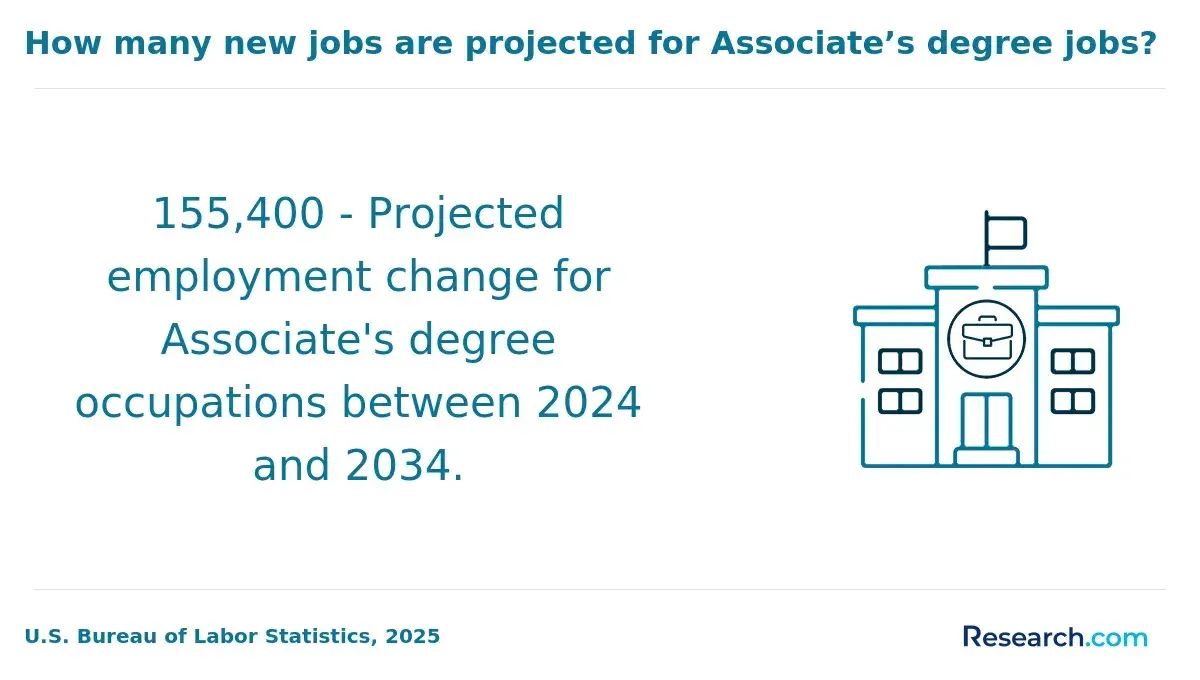
Post-graduation salary is a key driver of ROI because it directly impacts the financial benefits gained relative to the investment in a retail management degree. Salaries for retail management graduates typically range from $40,000 to $60,000 annually at the entry level, with mid-career earnings rising to between $60,000 and $90,000. These figures are important in setting realistic retail management degree salary expectations.
Several factors influence these average salary outcomes and affect overall ROI:
- Industry: Working in high-volume retail or specialized sectors often leads to higher salaries than roles in smaller or niche companies, impacting earnings potential.
- Geographic location: Metropolitan areas usually offer elevated salaries due to higher living costs, which can affect the purchasing power of a retail management graduate salary.
- Prior experience: Candidates with earlier retail or management background commonly earn more, shortening the path to better financial returns.
- Specialization: Expertise in areas such as supply chain or merchandising can enhance salary prospects and career advancement.
- Career level: Income varies widely between entry-level and managerial or executive roles, with advanced positions increasing ROI through higher salaries.
Prospective students with questions about cost-effectiveness may also explore a library degree or other fields to compare educational investments.
Does a Retail Management Degree Lead to Promotions?
Promotions play a crucial role in the return on investment (ROI) of a retail management degree by leading to salary increases, expanded responsibilities, and greater career mobility. As career advancement often depends on both skills and credentials, earning this degree can substantially impact professional growth. A notable workforce trend is the increasing emphasis on credential-based promotion, with many employers now preferring or requiring formal education for supervisory and managerial roles.
Key ways a retail management degree may strengthen promotion opportunities and overall ROI include:
- Credential Requirements: Some employers set formal education standards for higher-level positions, making a retail management degree a vital qualification to meet these criteria.
- Leadership Preparation: The degree equips graduates with essential leadership and operational skills, enabling them to take on management roles with confidence and competence.
- Tuition Reimbursement Eligibility: Graduates often become eligible for employer tuition reimbursement programs, which can offset educational costs and improve the financial returns of earning the degree.
- Internal Promotion Policies: Many companies prioritize candidates with degrees when considering internal promotions, aligning workforce credentials with corporate advancement strategies.
- Experience and Education Synergy: Combining work experience with a formal degree enhances a candidate's qualifications, positioning them for faster and more sustainable career advancement in retail management.
While hands-on experience remains important, the combination of practical knowledge and formal academic preparation offered by a retail management degree is frequently favored in promotion decisions. For those weighing educational investments, exploring cheapest online EDD options may provide useful insight into affordable learning pathways. Considering a retail management degree career advancement strategy can significantly influence one's trajectory, validating the degree's value beyond the classroom.
Which Industries Offer the Best ROI for Retail Management Graduates?
Return on investment (ROI) for graduates with a retail management degree varies significantly across industries due to differences in salary levels, career advancement opportunities, and the demand for specialized skills. Industries that offer the highest paying industries for retail management graduates typically combine attractive starting salaries with rapid promotion potential and roles requiring advanced expertise.
Retail management graduates often find the top ROI industries for retail management careers in the following sectors:
- Luxury Goods and Fashion: This sector offers higher compensation and premium benefits because managing valuable inventories and affluent customers requires strategic acumen. Career progression to senior leadership roles is common, enhancing long-term returns.
- Technology Retail: Constant innovation drives high demand for retail managers familiar with advanced technologies, resulting in attractive starting pay and quick advancement.
- Wholesale and Distribution: Large-scale operations and steady demand provide stable career paths, with growth into supply chain and logistics management positions that command higher salaries.
- Grocery Chains and Food Retail: Generally lower paying at first, this industry compensates with job stability and frequent promotions. Developing expertise in inventory and perishables management can increase long-term ROI.
The variation in ROI across these industries highlights the importance of aligning a retail management degree with sectors that ensure strong compensation growth, stability, and specialized skill use. For those exploring educational options to boost career prospects, programs including best online certificate programs may complement a retail management degree and bolster earnings potential.
Does Accreditation Affect ROI for a Retail Management Degree?
Accreditation in retail management degree programs signifies formal validation that the curriculum meets established quality benchmarks set by educational or industry authorities. This recognition is crucial for return on investment because it signals to employers that graduates have fulfilled both academic and practical requirements. A growing trend shows that employers increasingly prefer candidates from accredited programs, associating these credentials with stronger skills and readiness for the workforce. Additionally, accreditation often impacts eligibility for professional certifications and licenses related to retail careers, which can enhance a graduate's marketability.
Beyond initial employment prospects, accreditation plays a pivotal role in improving long-term ROI by building employer trust and expanding financial support options, such as federal aid, which lowers upfront education costs. Accredited programs typically offer more flexible credit transfer opportunities, easing educational progression without forfeiting prior coursework. This flexibility aids career mobility, allowing graduates to adapt to evolving industry demands or pursue advanced qualifications. Ultimately, accreditation helps safeguard the financial and professional value of a retail management degree throughout a student's career lifespan.
Is a Retail Management Degree Worth It?
The return on investment for a retail management degree depends largely on the cost of the program, the length of study, anticipated earnings after graduation, and opportunities for career growth. Programs generally require two to four years to complete, and costs vary significantly between online and traditional in-person formats as well as public versus private institutions. Graduates typically find roles as store or district managers, with median salaries ranging from $45,000 to $65,000 annually, though wages often improve with experience and advancement. Considering these factors together helps gauge whether the time and financial commitment align with expected financial benefits.
The value of pursuing a retail management degree is influenced by the broader industry demand for skilled professionals, which can enhance job stability. Flexible online programs often reduce expenses and make attaining the degree more accessible, while financial aid availability further alters the cost-benefit balance. Personal ambitions play a crucial role; those targeting managerial roles with advancement potential may see stronger ROI compared to individuals aiming for positions with limited salary growth. Ultimately, weighing tuition costs against career goals and the retail sector's outlook is essential for an informed decision.
What Graduates Say About The ROI of Their Retail Management Degree
- Leonard: "Choosing the retail management degree as a traditional student was a strategic move for me, especially given the average cost of attendance around $15,000 per year. While the initial investment felt significant, the long-term ROI-evident in my promotion within the first year post-graduation-proved it to be absolutely worth it. This degree truly opened doors and set a solid foundation for my career growth."
- Jairo: "As an online student, I carefully weighed the cost, averaging about $12,000 annually, against potential career outcomes. Reflecting back, the flexibility and quality of the program made it a valuable investment, especially with the increasing opportunities in retail leadership I've accessed. The convenience combined with professional advancement made this degree more than just an expense-it was a career accelerator."
- Charles: "Pursuing a part-time retail management degree while working was a tough balancing act but financially smart, considering most programs cost near $13,000 yearly. The degree's impact on my career has been tangible, granting me confidence and credentials that led to managerial roles. From a professional standpoint, this investment justified itself through the enhanced responsibilities and salary increments gained."
Other Things You Should Know About Retail Management Degrees
A retail management degree develops skills such as inventory control, customer service, sales strategies, and team leadership. These abilities are highly valued in retail environments and can lead to improved job performance and increased earning potential. Employers often seek graduates who can manage operations efficiently and drive revenue growth.
Yes, internships and related work experience enhance the ROI by providing practical skills and professional networking opportunities. Employers frequently prefer candidates with hands-on experience, which can lead to faster hiring and salary increases. Participating in internships during the degree program often improves job readiness and career prospects.
In 2027, the availability of online courses enhances the ROI of a retail management degree by reducing costs related to commuting and housing. It allows students to access diverse programs without relocating, which can increase job opportunities and leads to a potentially faster return on their educational investment.
References
- ZD Guides: Key Retail Management Skills https://zacharydaniels.co.uk/zd-guides-key-retail-management-skills/
- Retail Management https://www.fastweb.com/directory/scholarships-for-retail-management-majors
- Accreditation and financial ROI | Woolf News & Updates https://woolf.university/news/accreditation-and-financial-roi
- The ROI of Accredited Learning for Business Advisors https://project-equity.org/news/employee-ownership-insider/roi-accredited-learning-business-advisors/
- 20 Frequently Asked Questions About ROI https://www.roiinstituteacademy.com/blog/20-frequently-asked-questions-about-roi
- Retail manager https://nationalcareers.service.gov.uk/job-profiles/retail-manager
- Best paying retail jobs https://www.loyal.guru/retail-trends/best-paying-retail-jobs/
- Degree & Executive Masters - Retail Ireland Skillnet https://retailirelandskillnet.com/degree-executive-masters
- The Economics of Accreditation: Costs, Benefits, ROI - Course Accreditation https://course-accreditation.com/blog/the-economics-of-accreditation-costs-benefits-roi/
- How Do You Calculate ROI in Retail? https://losspreventionmedia.com/basic-roi-calculations-can-help-you-choose-the-best-new-technology-for-retail-stores/


