
2027 Return on Investment (ROI) of a Social Psychology Degree Program

Co-Founder and Chief Data Scientist
Many prospective students question whether investing in a social psychology degree leads to meaningful career and financial benefits. Despite growing interest in this field, the 2022 U. S. Bureau of Labor Statistics reports only a 5% employment growth for psychology-related roles over the next decade, challenging assumptions about rapid job expansion. This uncertainty affects decisions on tuition costs, time spent studying, and potential earnings.
This article examines the return on investment of a social psychology degree, analyzing costs, employment trends, and salary data to guide readers in making informed education and career choices.
Key Things to Know About Social Psychology Degree ROI
- Graduates with a social psychology degree earn an average starting salary of $48,000, increasing by 35% over 10 years due to skill demand in behavioral analysis roles.
- Career advancement is notable in sectors like healthcare, marketing, and human resources, where social psychologists frequently move into leadership or specialist roles.
- The degree offers strong job stability, with a projected 10% growth rate in related fields through 2030, driven by increasing reliance on data-driven behavioral insights.
How Is ROI Calculated for a Social Psychology Degree Program?
Return on investment (ROI) in higher education measures the financial benefits a student gains relative to the costs of completing a degree program. It helps prospective students compare the value of a social psychology degree against the time and expenses required to earn it. Evaluating ROI involves several key factors that influence overall financial and career outcomes.
Important considerations when calculating ROI for a social psychology degree program include:
- Tuition and fees: This covers the total spending on tuition, textbooks, and additional program-related costs. Accurately accounting for these expenses is essential for understanding the initial investment needed.
- Opportunity cost: Income lost by attending school full-time rather than working is a major component. This factor reflects wages forgone during the years spent completing the degree instead of earning in the job market.
- Time to completion: The duration of the degree impacts ROI, as longer completion times increase costs and postpone earning potential. Faster degree completion can improve financial returns by decreasing the time without full employment income.
- Post-graduation salary outcomes: Expected starting salaries and long-term wage growth in social psychology careers play a significant role. Higher earning potential after graduation enhances the likelihood of recouping educational expenses.
- Career advancement: The degree's ability to open doors to advanced roles or leadership positions also adds to ROI. Opportunities for promotion and specialization contribute to increased lifetime earnings.
For students comparing social psychology degree program cost vs earnings analysis, it is useful to explore options that maximize ROI. Additionally, those interested in related fields might consider a SLP online masters program as an alternative path.
How Much Does a Social Psychology Degree Program Cost?
Evaluating the complete cost of a social psychology degree is vital for understanding its true return on investment, especially as graduate tuition fees in the U.S. average over $19,000 annually, and student debt for master's degree holders often exceeds $66,000. Accurately factoring in all expenses helps clarify whether future career benefits outweigh initial financial burdens.
Several key costs influence the overall ROI of social psychology programs:
- Tuition and fees: Representing the bulk of expenses, these charges cover instruction and administrative services for the entire study period.
- Books and materials: Essential texts, specialized software, and research tools contribute additional costs that can total hundreds or thousands yearly.
- Living or relocation expenses: Housing, food, daily transportation, and possible moves to attend non-local programs add substantial financial strain.
- Opportunity cost: Time spent studying often means sacrificed income, particularly for those attending full-time who reduce or leave employment.
- Hidden or indirect costs: Fees for exams, certifications, conferences, and technology upgrades often arise unexpectedly throughout the program.
When I spoke with a social psychology master's graduate about his experience managing these costs, he recalled the challenge of balancing part-time jobs with coursework while relocating to a new city. He shared, "Finding affordable housing was tougher than I expected, and sometimes it felt like I was juggling too many expenses at once."
He emphasized that unexpected costs, like software licenses required for research projects, added pressure but also taught valuable budgeting skills. Despite the financial hurdles, he viewed the investment as worthwhile after securing a role aligned with his training.
What Financial Aid Is Available for Social Psychology Degree Programs?
Financial aid can significantly reduce the initial costs of a social psychology degree, thereby enhancing its long-term return on investment by lowering post-graduation debt. Recent figures show that about 85% of graduate students utilize some form of financial assistance to manage educational expenses and minimize borrowing.
Common financial aid opportunities that can improve ROI for social psychology students include:
- Scholarships: Awarded based on merit or eligibility criteria, scholarships do not require repayment and directly decrease overall expenses, increasing net financial gains after graduation.
- Grants: Typically need-based and non-repayable, grants lower the amount students must borrow, helping to manage debt accumulation while pursuing the degree.
- Fellowships: These competitive awards offer stipends or tuition coverage, providing financial support that can reduce reliance on loans and often include research opportunities that boost future career potential.
- Employer Tuition Assistance: Many employers reimburse education costs, enabling students to offset expenses while continuing work, which strengthens ROI by reducing out-of-pocket spending.
- Federal Loans: Although repayment is required, these loans generally offer favorable interest rates and flexible repayment options, making them a less costly debt option compared to private loans.
How Long Does It Take to Complete a Social Psychology Degree?
Time needed to finish a social psychology degree directly affects its return on investment (ROI) because prolonged study increases opportunity costs, delays earnings, and raises overall expenses. Every additional year spent in school often means lost income and expanded tuition and living costs, which can reduce the financial benefits after graduation. Several factors shape how long it takes to complete this degree and influence its economic value.
Key elements that impact completion time and ROI include:
- Enrollment status: Attending full-time typically shortens the duration but may limit the ability to work and increase immediate costs, whereas part-time study allows income generation but extends the timeline.
- Program format: Online and accelerated options can help students finish sooner by offering flexibility and condensed coursework, leading to lower expenses and faster workforce entry.
- Transfer credits: Utilizing previously earned credits can reduce required classes, decreasing both time and money spent on the degree.
- Internships and thesis requirements: Practical or research components enrich learning but can add months to the program and involve additional costs or time investment.
- Scheduling flexibility: Programs that accommodate varied schedules enable balancing work and study, potentially affecting overall duration and financial outcomes.
I recently asked a graduate of a social psychology degree about how long the journey took her and what she learned along the way. She reflected that, despite starting part-time due to job commitments, she eventually switched to full-time enrollment during her final year, which streamlined her path. Navigating internship demands while working was challenging but ended up enhancing her professional skills and confidence.
She recalled, "Balancing everything was tough, but the flexibility of my program allowed me to progress steadily without feeling overwhelmed." Her experience highlighted how personalized pacing and practical requirements shape both the timeline and the value gained from this degree.
Is ROI Higher for Online or On-Campus Social Psychology Programs?
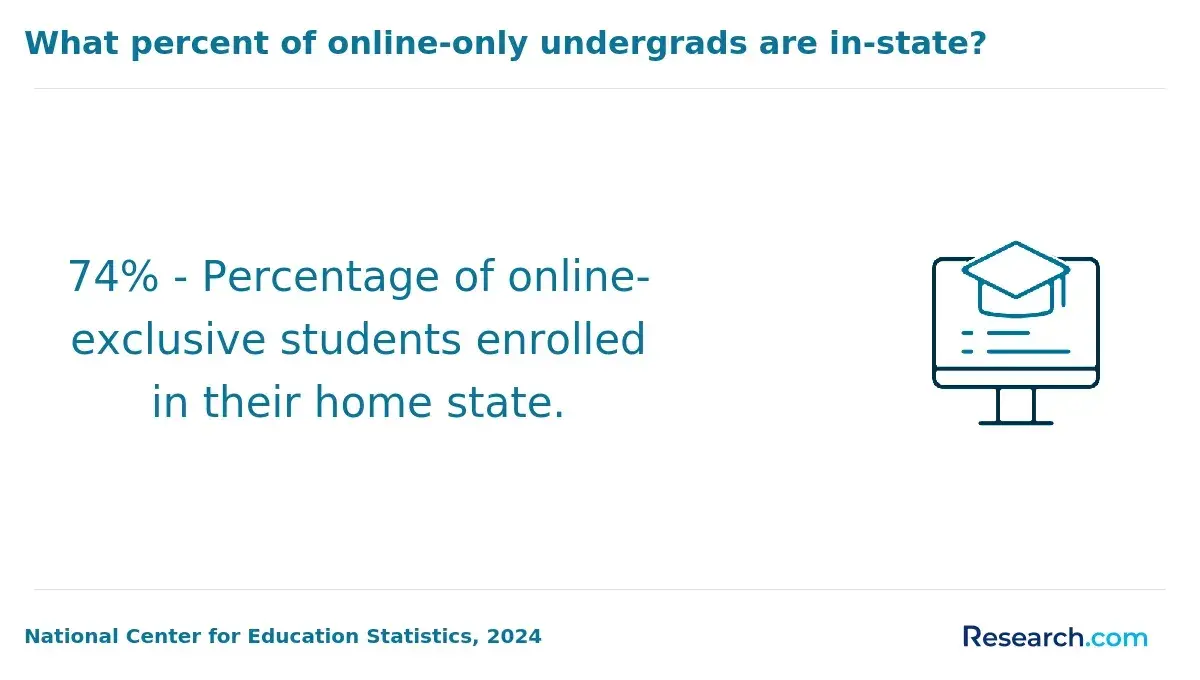
The delivery format of social psychology degree programs can significantly influence return on investment (ROI) through differences in cost, flexibility, and career outcomes. Online enrollment has increased by over 30% in the past decade, indicating growing acceptance of online education. This trend affects how students weigh the value of online versus traditional campus experiences, especially when evaluating a social psychology degree ROI.
Several key factors highlight differences between online and on-campus social psychology programs:
- Tuition and fees: Online programs typically have lower tuition and fees, which reduces upfront costs and can improve overall ROI. The availability of options such as the cheapest online engineering degree in other fields illustrates the broader affordability trend in online education.
- Opportunity cost: Online students often have the flexibility to work while studying, minimizing lost income and maintaining career momentum. This is a critical consideration in a comparison of ROI for social psychology programs.
- Time to completion: Both formats generally offer similar timelines, but online programs may provide more flexible pacing to fit individual schedules, potentially accelerating degree completion.
- Networking and career services: On-campus programs often provide stronger direct networking opportunities and access to career services that may facilitate job placement and advancement.
- Employer perception and long-term earnings: Some employers still favor on-campus degrees for perceived credibility, which can influence long-term earnings, although this gap continues to narrow as online degrees gain acceptance.
What Is the Average Salary After Earning a Social Psychology Degree?
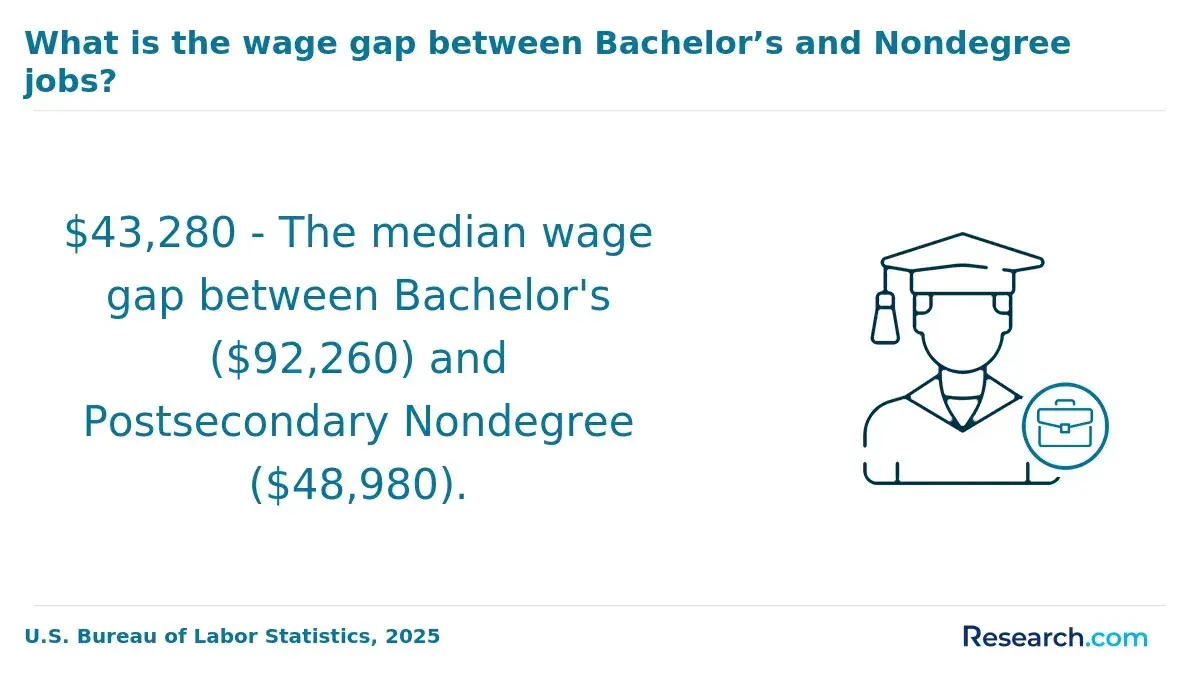
Post-graduation salary is a crucial factor in determining the return on investment (ROI) of a social psychology degree, as it influences how quickly graduates can recoup education costs and achieve financial stability. Social psychology graduate salary in the United States typically ranges from $50,000 to $70,000 for entry-level positions, with potential to exceed $90,000 as experience and expertise grow.
Several key factors influence average earnings for social psychology degree holders and thus impact ROI:
- Industry: Careers in healthcare, consulting, or market research generally offer higher salaries than academic or nonprofit roles, affecting overall earning potential.
- Geographic location: Urban centers and areas with higher living costs often provide greater compensation, which can improve financial returns despite increased expenses.
- Prior experience: Graduates who gain internships or relevant work experience tend to secure better-paying roles earlier, accelerating ROI.
- Specialization: Expertise in areas such as organizational behavior or neuropsychology can command higher wages due to specialized knowledge.
- Career level: Advanced degrees or leadership roles typically lead to substantial salary increases, highlighting the value of continued professional development.
Prospective students comparing educational investments may also consider programs with strong cost-effectiveness, such as an MLIS degree, to understand how different fields compare in ROI.
Does a Social Psychology Degree Lead to Promotions?
Promotions enhance the return on investment (ROI) of a social psychology degree by providing salary increases, expanded responsibilities, and improved career mobility. These factors contribute significantly to long-term financial and professional growth for graduates.
A growing workforce trend emphasizes credential-based promotions, where formal education credentials are prioritized alongside experience when employers consider candidates. This makes career advancement with a social psychology degree increasingly relevant for those aiming to climb the corporate ladder.
Key ways a social psychology degree can influence promotion opportunities and ROI include:
- Credential requirements: Many organizations establish minimum education standards for advancement, and holding a social psychology degree meets or exceeds these benchmarks, improving eligibility for higher roles.
- Leadership preparation: The degree provides theoretical and applied knowledge to better understand and manage workplace dynamics, enhancing leadership readiness.
- Tuition support eligibility: Graduates often increase their eligibility for tuition reimbursement or employer-sponsored education benefits, which reduces out-of-pocket expenses and improves overall ROI.
- Internal promotion policies: Companies frequently reward higher education credentials with better pay scales or greater responsibilities, aligning well with the qualifications earned through this degree.
- Experience synergy: Combining a social psychology degree with practical work experience is often favored in promotion decisions, reflecting a balanced approach to employee advancement.
These factors demonstrate how promotion opportunities for social psychology graduates can accelerate income growth while enriching professional development. For those exploring degrees with strong career prospects, understanding how educational credentials impact advancement is key. For additional insights on the economic outcomes of various fields, see this overview of the highest paying college majors.
Which Industries Offer the Best ROI for Social Psychology Graduates?
Return on investment (ROI) for social psychology graduates varies widely across industries due to differences in salary levels, career advancement opportunities, and demand for specialized skills. Industries that provide higher starting wages, clear promotion pathways, and roles that fully leverage social psychology expertise tend to offer the strongest ROI. Job stability and long-term demand also significantly affect financial and career returns.
Several sectors are known for delivering some of the highest ROI industries for social psychology graduates, including the following:
- Healthcare and Mental Health Services: This sector values the application of social psychology in understanding patient behavior and enhancing treatment effectiveness. It offers steady demand and increasing compensation opportunities as professionals acquire experience and certifications.
- Market Research and Consumer Insights: Graduates excel in analyzing consumer behavior, making them highly sought after. Competitive wages and advancement from analyst to senior strategist or management roles contribute to a strong ROI.
- Human Resources and Organizational Development: Expertise in group dynamics and motivation is critical here, with clear promotion potential into leadership positions and generally stable employment.
- Education and Academia: While salary growth can vary, this path offers intellectual fulfillment and tenure opportunities for those focused on research or teaching roles.
- Technology and User Experience (UX) Research: Increasing demand for human-computer interaction specialists results in high starting salaries and robust career growth for social psychology graduates.
For students exploring their options, understanding these top-paying careers with social psychology degree backgrounds can help in selecting industries with promising financial outcomes. Those interested in fast-track educational paths might also consider the easiest associate degree programs as a starting point for their academic journeys.
Does Accreditation Affect ROI for a Social Psychology Degree?
Accreditation in social psychology degree programs involves a formal evaluation ensuring that the curriculum and institutional standards meet recognized quality benchmarks. This process is vital for return on investment (ROI) because accredited programs signal to employers that graduates possess the necessary knowledge and skills. Increasingly, employers prioritize candidates from accredited programs when making hiring decisions, as these graduates tend to have stronger professional preparation.
Additionally, accreditation can determine eligibility for licensure in psychology-related fields, an essential factor for many career paths. Accreditation also plays a key role in boosting long-term ROI by fostering employer confidence and broadening financial options for students. Graduates from accredited programs generally have better access to federal financial aid, reducing overall educational costs.
Furthermore, credits earned at accredited schools are more likely to transfer smoothly to other institutions, allowing flexibility in academic pursuits. This status often enhances career mobility, as credentials from accredited programs are widely recognized across regions and sectors, supporting continued professional advancement.
Is a Social Psychology Degree Worth It?
Evaluating the return on investment for a social psychology degree involves examining costs, duration, earnings potential, and career growth. Programs can take between two and six years to complete, with tuition fees varying significantly. Graduates often earn median salaries from $50,000 to $85,000, depending on their roles and fields.
Employment for social science professionals is expected to increase by approximately 8% over the next decade, indicating stable job prospects. The value of a social psychology degree depends on various factors such as industry demand, the learning format, availability of financial assistance, and alignment with career objectives. Flexible options like online programs can reduce expenses and lost wages during study, while scholarships and employer tuition help lower overall costs.
Those targeting sectors that appreciate social psychology knowledge, such as marketing or human resources, tend to see better ROI. Conversely, students facing high tuition without clear job pathways or who prefer faster workforce entry may find the investment less favorable.
What Graduates Say About The ROI of Their Social Psychology Degree
- Matt: "Choosing to pursue a social psychology degree as a traditional student was a strategic move for me, given the strong long-term ROI tied to careers in behavioral research and organizational consulting. While the average cost hovered around $30,000 annually, the investment felt worthwhile as it opened doors to roles that valued my specialized expertise. Graduating has truly accelerated my career progression and expanded my professional network in ways I hadn't anticipated."
- Vivienne: "Opting for an online social psychology program allowed me to balance education with my everyday responsibilities while keeping costs lower than traditional routes-generally under $20,000 per year. Reflecting on this, the decision was both financially sensible and academically enriching, especially considering how the degree enhanced my skills in data analysis and client interaction. This flexibility combined with relevant training has empowered my career growth significantly."
- Bennett: "As a part-time student juggling work and studies, I was initially cautious about investing approximately $25,000 annually in a social psychology degree, wondering if it was truly worth it. However, the professional insights and critical thinking skills I gained have proven invaluable, particularly in my roles within human resources and policy development. This degree didn't just change my resume-it transformed my approach to workplace dynamics."
Other Things You Should Know About Social Psychology Degrees
In 2027, geographic location and job market conditions heavily influence the ROI of a social psychology degree. Graduates in areas with robust demand for mental health professionals or social services may experience higher ROI due to ample employment opportunities and competitive salaries. Conversely, regions with saturated job markets may yield lower returns, emphasizing the importance of strategic location choice.
Yes, gaining relevant work experience such as internships or research assistantships during the program can significantly improve ROI. Practical experience helps students build professional networks and enhances their resumes, which can lead to higher-paying jobs or quicker employment after graduation. Engaging in applied projects also demonstrates job readiness to potential employers.
Pursuing an advanced degree, such as a Ph.D. or a Master's in Social Psychology, can significantly enhance the ROI by increasing earning potential and job prospects. In 2027, graduates with advanced qualifications generally have access to higher-paying roles and academic positions, offering a better ROI.
References
- Social Psychology Careers: What Can You Do With a Degree in Social Psychology? https://www.psychologyschoolguide.net/guides/social-psychology-careers-what-can-you-do-with-a-degree-in-social-psychology/
- Social Psychology https://wsnp.edu.pl/en/social-psychology/
- Application and tuition fees - SWPS University https://english.swps.pl/programs/apply/application-and-tuition-fees
- Social Psychology Degree Program Guide | Psychology.org https://www.psychology.org/degrees/social-psychology/
- Financial Aid for Psychology Students https://www.onlinepsychologydegrees.com/financial-aid/
- 5-year Program in Applied Social Psychology: Loyola University Chicago https://www.luc.edu/psychology/undergraduate/5-yearprograminappliedsocialpsychology/
- That Question: “What’s a Psychology Degree Worth, Anyway?" https://www.psychologytoday.com/us/blog/head-of-the-class/201403/that-question-whats-a-psychology-degree-worth-anyway
- Online Psychology Degrees https://www.snhu.edu/online-degrees/bachelors/ba-in-psychology
- The 15 Highest-Paying Jobs with a Psychology Master's Degree https://www.bestpsychologydegrees.com/posts/highest-paying-jobs-with-a-psychology-masters-degree/
- The 23 Highest Paying Jobs with a Psychology Master's Degree - Psych Degree Starter https://psychdegreestarter.com/resources/highest-paying-jobs-with-psychology-masters/


