
2027 Return on Investment (ROI) of a Special Education Degree Program

Co-Founder and Chief Data Scientist
Many prospective students wonder if investing time and money in a special education degree will translate into stable employment and financial security. With the U.S. Bureau of Labor Statistics projecting a 10% growth in special education teaching jobs through 2032, demand clearly exists but varies by region and specialty.
Despite concerns about relatively modest starting salaries, experienced professionals often find meaningful careers supporting diverse learners. This article examines the return on investment of special education degree programs by analyzing costs, job market trends, salary data, and career advancement opportunities to help readers make informed decisions.
Key Things to Know About Special Education Degree ROI
- Special education degree holders earn approximately 10% more than general education teachers, reflecting increased demand for specialized skills in inclusive classrooms.
- Career advancement is notable, with opportunities in administration, counseling, and specialized instructional design, enhancing long-term earning potential.
- Employment stability is high due to consistent need across public and private sectors, ensuring sustained salary growth and diverse work environments.
How Is ROI Calculated for a Special Education Degree Program?
Return on investment in higher education measures the financial benefits that a student gains from earning a degree compared to the costs and time committed. For those pursuing a special education degree, ROI helps to evaluate whether the program's value justifies the investment relative to personal and career goals.
Several important factors contribute to calculating ROI for a special education degree program:
- Tuition and fees: These include costs such as tuition, books, and other academic expenses. Lower overall expenses improve ROI by reducing initial financial burden.
- Opportunity cost: Time spent studying often means lost wages from not working. Considering this helps provide a more complete cost versus earnings analysis of special education programs.
- Time to completion: Shorter programs enable quicker workforce entry, accelerating financial returns and enhancing the ROI.
- Post-graduation salary outcomes: Median starting salaries for special education teachers play a large role in determining how quickly students can recoup their educational investments.
- Career advancement and long-term earnings: Growth potential and future salary increases in special education contribute to sustained financial benefits, positively impacting ROI over time.
Students comparing educational paths might also consider programs like an artificial intelligence degree online to assess options and costs relative to different career trajectories.
How Much Does a Special Education Degree Program Cost?
Knowing the full cost of a special education degree program is vital for weighing its financial benefits against the expenses. Graduate tuition across the U.S. has climbed steadily, with many students graduating with debts exceeding $40,000, which significantly affects the degree's return on investment. Several factors contribute to the overall cost, each impacting the long-term value of the education.
Key expenses to keep in mind include:
- Tuition and fees: This typically represents the highest cost, varying based on whether the school is public or private, credit load, and residency status, sometimes doubling for out-of-state students.
- Books and materials: Special education courses often require specialized textbooks and resources, adding hundreds of dollars each semester beyond tuition.
- Living or relocation expenses: Moving closer to campus or securing affordable housing can increase total costs, especially for full-time students.
- Opportunity cost: Time dedicated to classes and studying frequently means less income from work or even pausing a job, which is an important but often overlooked financial factor.
- Hidden or indirect costs: Fees for applications, technology upgrades, background checks, and required certifications can add up throughout the program.
When I asked a graduate of a special education degree program about his perspective on these costs, he emphasized the mixed emotions involved. He recalled how balancing part-time work with coursework was "a constant struggle," pushing him to rely heavily on loans.
The unexpected expenses, such as certification fees and travel for practicum placements, caught him off guard. Yet, despite the financial challenges, he felt the program's impact on his ability to support diverse learners justified the sacrifices, though he advises prospective students to "budget carefully and prepare for costs beyond just tuition."
What Financial Aid Is Available for Special Education Degree Programs?
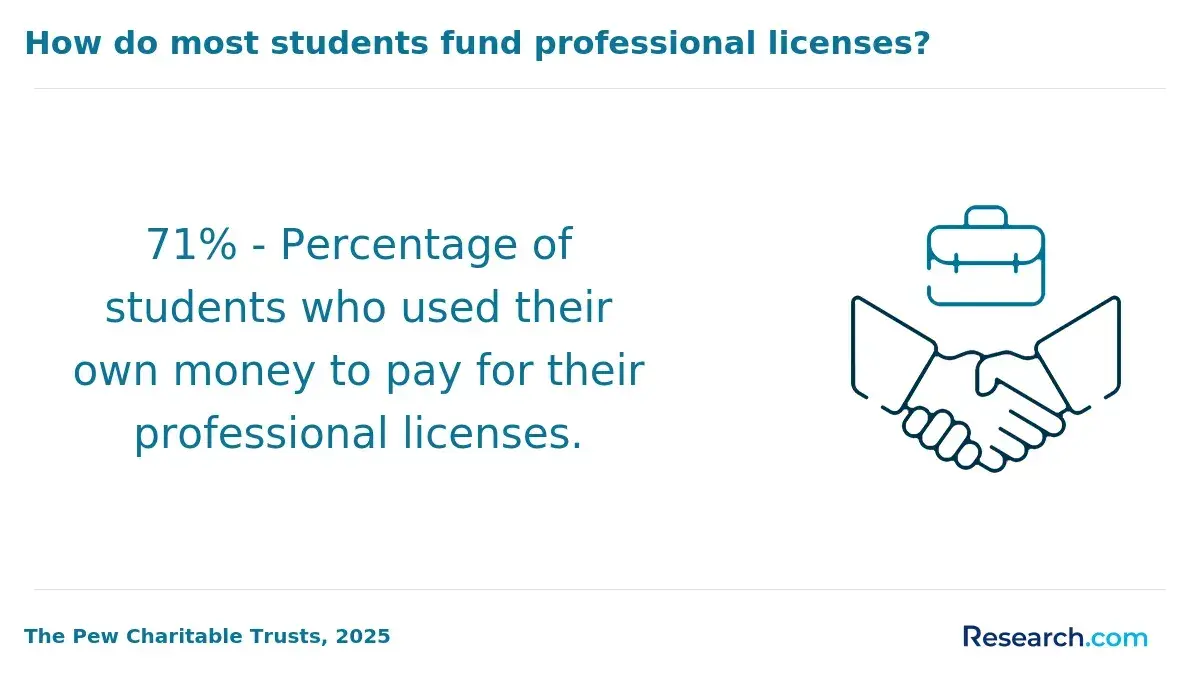
Reducing upfront education costs through financial aid significantly enhances the long-term return on investment in special education degree programs. With about 87% of graduate students receiving some form of assistance, aid is a vital component in managing borrowing and future debt.
Key financial aid opportunities that can help lower expenses and improve ROI include:
- Scholarships: Awarded based on merit or need, scholarships eliminate the need for repayment and directly decrease tuition costs, making graduation less financially burdensome.
- Grants: Provided mainly by federal and state sources, grants help cover education expenses without adding debt, enabling students to reduce their reliance on loans.
- Fellowships: Designed especially for graduate students, fellowships can fund tuition and living costs, easing financial pressure and supporting academic progress.
- Employer tuition assistance: Many employers subsidize education costs or reimburse tuition, shrinking out-of-pocket payments and potentially accelerating the point at which the degree's benefits surpass its costs.
- Federal student loans: Typically offering lower interest rates and flexible repayment options compared to private loans, federal loans allow for responsible borrowing to support advanced credentials.
Strategic use of these aid sources can significantly improve the affordability and financial benefits of pursuing a special education degree.
How Long Does It Take to Complete a Special Education Degree?
The duration needed to finish a special education degree directly influences its return on investment through opportunity cost, earlier earning potential, and overall educational expenses. Students who complete their degrees faster can enter the workforce sooner, minimizing financial strain and maximizing income over time.
Several critical factors affect how long it takes to earn a special education degree and thereby shape the ROI:
- Enrollment status: Full-time students generally graduate more quickly than part-time students, who must juggle coursework with jobs, family, or other commitments, potentially extending the timeline and increasing costs.
- Program format: Online or accelerated degree paths offer a flexible schedule and condensed classes, which can significantly reduce time to completion compared to traditional in-person programs.
- Transfer credits: Bringing in credits from previously completed coursework can shorten the duration, lowering total tuition and allowing students to progress faster toward graduation.
- Internship and thesis demands: These experiential or research components often lengthen the program but provide vital hands-on experience that can improve employability and salary prospects.
- Scheduling flexibility: Classes offered during evenings or weekends help working students maintain steady progress and avoid extended breaks, impacting how quickly they finish.
When I asked a graduate with a special education degree about her experience, she reflected on the challenges and rewards involved. Balancing family life while enrolling part-time meant her journey took longer than expected, but she appreciated that the flexible evening classes fit her schedule.
She recounted how transferring some credits from previous studies reduced her course load, which was a relief both financially and emotionally. Although completing her required internship added months to the program, she valued the real-world skills and confidence it gave her. Overall, she felt the extended time was worthwhile because it prepared her well for teaching and allowed her to start her career feeling ready and supported.
Is ROI Higher for Online or On-Campus Special Education Programs?
The return on investment for special education degree programs can differ significantly based on whether the program is pursued online or on-campus, primarily due to variations in cost, flexibility, and career outcomes. Recent data shows that about 40% of higher education students are enrolled in at least one online course, indicating the growing prevalence of online learning options. This trend impacts the comparison of ROI between delivery formats in special education programs.
Key factors to consider when comparing online versus on-campus special education degree programs include the following:
- Tuition and fees: On-campus programs typically have higher tuition and additional fees, increasing upfront costs. Online programs often offer more affordable pricing, which can improve the overall ROI by reducing financial burden.
- Opportunity cost: The flexible schedules of online programs allow students-especially working professionals-to maintain employment and income during their studies, lowering the indirect costs associated with returning to school.
- Time to completion: Online special education degree programs sometimes provide accelerated or more flexible pacing, which helps students finish faster and enter the workforce sooner, positively affecting ROI.
- Networking and career services: On-campus students generally benefit from stronger in-person connections, career counseling, and hands-on experiences that can enhance professional opportunities and long-term earning potential.
- Employer perception: In some regions, employers may have a preference for traditional, on-campus degrees, which could influence hiring and salary outcomes despite the growing acceptance of online credentials.
For those evaluating the financial and career returns of special education programs, understanding these distinctions is crucial. Prospective students interested in cost-effective pathways may also consider exploring online business degree programs as a related reference point for affordable online education options.
This comprehensive comparison of ROI in online vs on-campus special education programs helps inform decisions about which format aligns best with individual career goals and financial situations.
What Is the Average Salary After Earning a Special Education Degree?
Post-graduation salary is a critical factor in assessing the return on investment (ROI) of a special education degree, as earnings determine how quickly graduates can recover the costs of tuition, time, and effort. In the U.S., special education teacher average salary typically ranges between $45,000 and $70,000 annually, influencing the degree's salary potential and the overall financial payoff.
Several factors affect salary outcomes and thus impact ROI, including:
- Industry: Public schools usually have set salary scales, while private schools vary widely in pay, affecting earning consistency and ROI.
- Geographic location: Urban areas and states with higher living costs generally offer better salaries, often leading to improved financial returns compared to rural regions.
- Prior experience: Individuals with previous teaching experience or related backgrounds tend to earn higher salaries faster, boosting their special education degree salary potential.
- Specialization: Expertise in particular disabilities or teaching methods can increase demand and salary, enhancing long-term financial gains.
- Career level: Progressing into leadership or administrative positions typically yields higher compensation, further strengthening ROI.
Those researching educational investments might also explore the cheapest mlis degree online as an alternative pathway with distinct career prospects.
Does a Special Education Degree Lead to Promotions?
Promotions in education contribute significantly to return on investment (ROI) by providing salary increases, expanded responsibilities, and greater career mobility. These factors combine to enhance the financial and professional benefits of earning a special education degree. A current workforce trend highlights credential-based promotions, emphasizing the importance of formal qualifications alongside experience for leadership roles.
Here are key ways a special education degree influences promotion opportunities and ROI:
- Credential Requirements: Many administrative or specialist positions require advanced degrees, making a special education credential essential for eligibility in these roles.
- Leadership Preparation: The degree equips professionals with the skills needed for leadership roles beyond classroom teaching, such as program coordination or instructional coaching.
- Tuition Assistance: Employers often offer tuition reimbursement programs to encourage staff development, reducing the financial burden and improving ROI for degree candidates.
- Internal Promotion Policies: Many education systems prioritize candidates with formal educational attainment in their advancement decisions, increasing the likelihood of promotion with a special education degree.
- Experience and Education Synergy: Combining years of practical experience with a specialized degree strengthens candidacy for higher-level roles and enhances long-term career advancement.
Special education degree career advancement often depends on demonstrating both expertise and commitment to specialized skills. Promotions with special education credentials grant candidates a competitive advantage by signaling preparedness for increasingly responsible positions.
Professionals interested in expanding their qualifications might also explore related fields, such as organizational leadership. For example, pursuing a doctorate organizational leadership online can complement a special education background for broader leadership roles.
Which Industries Offer the Best ROI for Special Education Graduates?
The return on investment (ROI) for special education graduates varies by industry due to differences in salary levels, career advancement opportunities, and demand for specialized skills. This variation influences how quickly graduates can recoup educational costs and build long-term career value.
Several industries are known to offer some of the highest ROI industries for special education graduates, reflecting strong compensation growth, job stability, and professional development options:
- Public and Private Schools: As primary employers, these institutions provide steady salaries and job security. Experienced special educators often advance to leadership or specialized positions, creating upward mobility and enhanced earnings over time.
- Healthcare and Rehabilitation Services: This sector offers higher compensation because of the specialized therapeutic skills required. Demand remains robust for professionals supporting individuals with disabilities in clinical settings, contributing to sustained job security.
- Nonprofit Organizations: Organizations focused on advocacy and support value specialized expertise and offer meaningful roles. Though compensation may be moderate, career growth and community impact opportunities enrich the professional experience.
- Government Agencies: Including social services and vocational rehabilitation, these roles often provide competitive benefits and promotion paths, ensuring stable and financially rewarding careers.
- Educational Technology Firms: Emerging employers in this field seek special education experts to design accessible learning tools. This sector presents chances for innovation and potentially higher wages as it grows.
Ultimately, the top career fields for special education degree ROI differ based on how each sector values specialized skills and long-term demand. Prospective students may explore options such as affordable programs from online colleges to enhance their qualifications while managing costs effectively.
Does Accreditation Affect ROI for a Special Education Degree?
In the context of special education degree programs, accreditation signifies that an independent organization has evaluated and approved the program based on established quality standards. This validation confirms that the curriculum, faculty, and educational resources meet professional benchmarks essential for effective training.
Accreditation plays a vital role in the return on investment by enhancing the program's credibility, which employers and licensing bodies often require. For instance, many states mandate graduation from accredited programs as a prerequisite for special education teacher certification, linking accreditation directly to career entry and advancement.
Accreditation also affects long-term ROI by fostering greater trust among employers, which can improve hiring prospects and professional growth opportunities. It often determines eligibility for federal financial aid, making education more affordable and reducing upfront financial burdens.
Further, credits earned through accredited programs are typically transferable, supporting continued education or specialization. Additionally, accreditation is frequently a requirement for licensure renewal and certification, facilitating career mobility and sustained employability within the special education field.
Is a Special Education Degree Worth It?
Evaluating the return on investment for a special education degree involves weighing various financial and career factors. Key elements include the overall expense of the program, how long it takes to finish, anticipated salaries after graduation, and possibilities for career growth.
Typically, public colleges offer more affordable tuition compared to private schools, and online programs may reduce both cost and time commitments. The median annual wage for special education teachers in the U.S. hovers around $61,000, with job opportunities projected to grow approximately 8% over the next ten years, reflecting steady demand in the field.
The value of pursuing a special education degree largely depends on individual circumstances, such as program expenses, financial aid availability, and career objectives. Those seeking a stable and meaningful profession in education might find the degree rewarding, especially if program costs are manageable and supplemented by scholarships or grants.
High debt levels or the desire for rapid income growth may prompt considering alternative paths. Ultimately, factors like regional salary variations, job market dynamics, and personal passion for working with special needs learners shape whether obtaining this degree offers a favorable long-term investment.
What Graduates Say About The ROI of Their Special Education Degree
- Florence: "Choosing a special education degree felt like a strategic move for my future, despite the average cost of around $20,000 per year. The investment truly pays off, as I've gained skills that directly improve my students' lives and opened doors to leadership roles in education. I'm grateful I took this path early on. "
- Genevieve: "Deciding to pursue an online special education degree was based on balancing work and study without incurring excessive debt, since costs can be lower but still meaningful. Reflecting back, the knowledge and credentials I earned have significantly enhanced my career opportunities and professional confidence. It's a rewarding journey that's well worth the commitment. "
- Della: "Enrolling part-time in a special education program was a practical choice given my circumstances, although it meant a longer financial and time commitment with tuition averaging around $15,000 annually. Despite this, the degree's long-term return on investment became clear as it propelled me into specialized roles with increased responsibility and impact. The experience was transformative professionally. "
Other Things You Should Know About Special Education Degrees
The non-tangible benefits, such as job satisfaction, personal fulfillment, and the chance to make a difference in students' lives, significantly enhance the 2027 ROI of a Special Education Degree Program. These factors, while not directly quantifiable, contribute to long-term professional contentment and well-being, enriching overall career experience.
The growing need for special education professionals due to increasing awareness and legal mandates positively influences ROI. Strong demand generally leads to stable employment and competitive salaries, which improve the financial returns relative to the cost of education. Regional variations do exist, so local job market conditions should be considered.
References
- Teaching in Special Education: Frequently Asked Questions | Special Education Degrees https://www.special-education-degree.net/frequently-asked-questions/
- Understanding Educational ROI https://www.larson.com/educational-roi/
- College Education Return on Investment ROI Analysis | US https://www.jobspikr.com/blog/return-on-investment-college-education/
- How Accreditation Impacts Student Success and Employability https://ukeducationbridge.co.uk/how-accreditation-impacts-student-success-and-employability/
- Financial Aid - Special Education and Child Development https://spcd.charlotte.edu/special-education/sped-phd-program/financial-aid/
- What is an Accredited College and How Does it Affect Your Education? https://www.snu.edu/blog/what-is-an-accredited-college-and-how-does-it-affect-your-education
- How Special Education Teachers Can Fully Utilize Financial Aid - Graduate Programs for Educators https://www.graduateprogram.org/blog/how-special-education-teachers-can-fully-utilize-financial-aid/
- How to Check the ROI of Academic Programs: A Comprehensive Guide | Stordahl Capital Management https://www.stordahlcap.com/insights/how-to-check-the-roi-of-academic-programs-a-comprehensive-guide
- Master of Science in Special Education https://education.uky.edu/edsce/eds/degrees-programs/masters
- College ROI | Understanding Return on Investment for College Degrees https://www.collegeflightpath.com/cfp-blog/understanding-the-roi-of-college-majors-financial-considerations


