
2027 Return on Investment (ROI) of a Technology Management Degree Program

Co-Founder and Chief Data Scientist
Many professionals face uncertainty when deciding whether to pursue a technology management degree, especially given the rising costs of higher education. For example, a recent report found that individuals with a technology management degree earn approximately 18% more than those without similar qualifications after five years in the workforce. Despite this advantage, the upfront investment in time and tuition creates hesitation. This article examines the return on investment for technology management degree programs, analyzing tuition costs, career advancement opportunities, and salary growth to help readers make an informed decision about this educational path.
Key Things to Know About Technology Management Degree ROI
- Technology management graduates often see a 20% higher starting salary compared to related fields, reflecting strong earning potential in tech-driven markets.
- Career advancement is accelerated by the degree, with 60% of professionals moving into leadership roles within five years.
- The degree offers flexibility across industries, supporting job stability amid evolving technology trends and increasing demand for tech-savvy managers.
How Is ROI Calculated for a Technology Management Degree Program?
Return on investment (ROI) in higher education measures the financial benefits a student gains from completing a degree compared to the total expenses and time spent. This calculation helps students compare the value of a technology management degree against its costs and the time commitment involved.
Several important factors contribute to calculating ROI for tech management programs, including:
- Tuition and fees: These direct costs cover tuition, books, and mandatory fees, representing the initial financial investment required to earn the degree.
- Opportunity cost: The income a student sacrifices while enrolled reflects potential earnings lost by not working full-time during the program.
- Time to completion: The program's duration affects both tuition costs and the total opportunity cost, with shorter programs often providing quicker returns.
- Post-graduation salary: Expected earnings after graduation are a key driver of ROI, showing how the degree may enhance salary prospects compared to prior income.
- Career advancement: The degree's ability to open doors to higher-level or specialized roles can increase long-term earning potential and job security, impacting overall ROI positively.
For students exploring educational options, considering return on investment for technology management degree programs is essential. Likewise, some may compare multiple fields, such as an online ai degree, to gauge the financial and career returns relative to cost and time.
How Much Does a Technology Management Degree Program Cost?
Evaluating the total cost of a technology management degree is vital for an accurate understanding of its return on investment. With graduate tuition steadily climbing in the U.S., student debt has surpassed an average of $40,000 per borrower, highlighting the need to look beyond tuition alone.
Several key expenses influence the overall cost and ROI of earning this degree:
- Tuition and fees: These form the core expense and differ significantly depending on the institution and program format. They often represent the largest financial commitment in pursuing the degree.
- Books and materials: Essential textbooks, software licenses, and other learning tools can add hundreds or even thousands of dollars annually to the budget.
- Living and relocation costs: Students attending programs away from home must consider housing, transportation, and daily living expenses, which can substantially increase total costs.
- Opportunity cost: Enrolling full-time may mean forfeiting salary and valuable work experience, impacting short-term income and career momentum.
- Hidden expenses: Indirect costs like technology fees, commuting, or childcare often catch students by surprise and contribute to the overall investment.
When I spoke to a graduate from a technology management program, he emphasized the less visible financial challenges he faced. "I underestimated how much time and money went into managing work-life balance alongside classes," he said. Starting the program meant cutting back hours at his job, which tightened his monthly budget more than he expected.
He also shared that the initial excitement was tempered by stress over incidental costs such as software upgrades and unexpected travel to networking events. Yet, he felt that weighing these real financial and personal sacrifices against the career opportunities the degree opened helped him put the investment into perspective."
What Financial Aid Is Available for Technology Management Degree Programs?
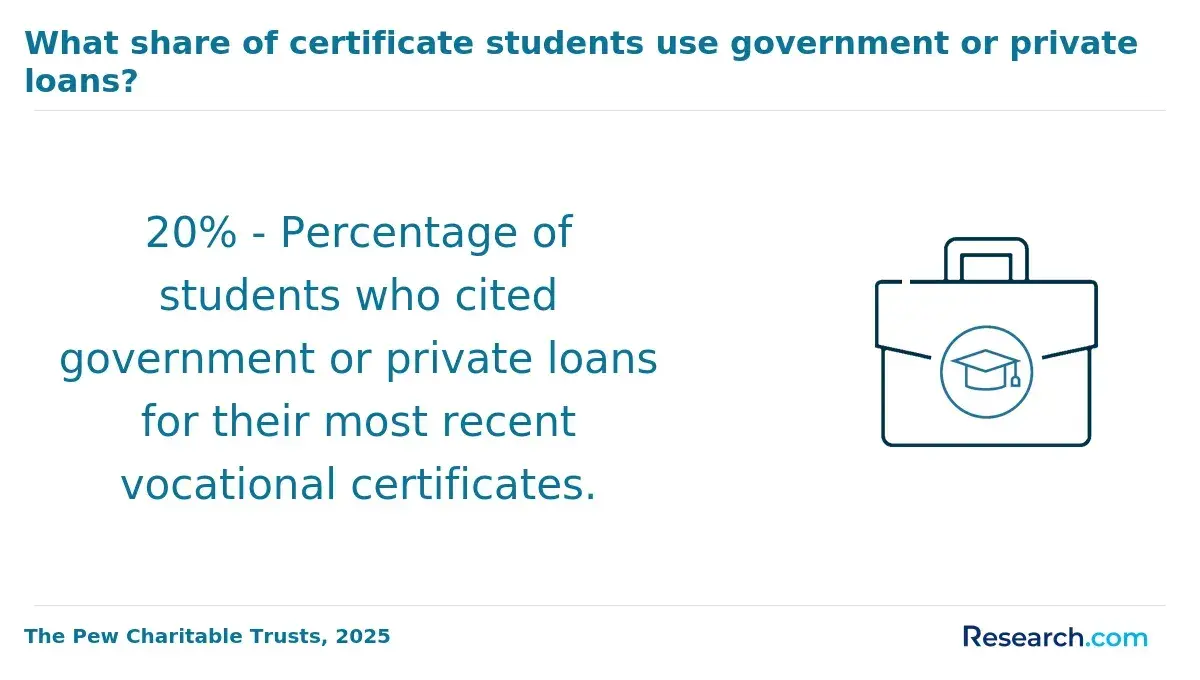
Reducing upfront expenses through financial aid can significantly enhance the long-term return on investment for technology management degree programs. Research shows that nearly 87% of graduate students depend on some form of financial assistance to fund their education, emphasizing its critical role in managing costs and debt. Below are common types of financial aid that can help improve affordability and ROI for these programs:
- Scholarships: Merit-based awards that don't require repayment, lowering overall program costs and lessening reliance on borrowing, which improves ROI by minimizing debt.
- Grants: Need-based funds also exempt from repayment, grants ease financial stress and reduce student loan amounts, contributing to a better financial outcome post-graduation.
- Fellowships: Typically linked to academic or research achievements, fellowships often include stipends that cover expenses and decrease the necessity of loans, supporting faster financial recovery.
- Employer Tuition Assistance: Some employers subsidize degree costs or reimburse tuition, directly cutting personal expenses and raising ROI by reducing the student's out-of-pocket investment.
- Federal Loans: Although loans must be repaid with interest, federal options generally feature lower rates and flexible repayment, making debt manageable and balancing educational costs against future earnings.
How Long Does It Take to Complete a Technology Management Degree?
The length of time needed to complete a technology management degree directly affects its return on investment (ROI) due to opportunity costs, earlier earning potential, and accumulated educational expenses. Finishing sooner allows graduates to enter the workforce quickly and reduce income lost while studying, whereas longer programs might delay these financial benefits.
Several important factors influence how long earning this degree typically takes and, in turn, impact ROI:
- Enrollment status: Studying full-time tends to shorten program duration to around two years, helping students start their careers sooner. Part-time enrollment extends the timeline but allows working professionals to maintain income while advancing their education.
- Program format: Online and accelerated options offer flexible schedules and often reduce completion time by allowing students to progress at their own pace.
- Transfer credits: Utilizing previous coursework or certifications can significantly cut down the required time by satisfying core or elective requirements.
- Internship/thesis requirements: While providing valuable hands-on experience, completing internships or theses may add several months, slightly extending time to degree but enhancing practical skills.
- Scheduling flexibility: Evening and weekend classes accommodate working adults, letting them continue earning while steadily progressing toward graduation.
Each of these factors influences how quickly students can balance the costs and benefits of obtaining their degree.
When I spoke with a recent graduate of a technology management degree, she reflected on her journey with a mix of challenge and satisfaction. She shared that juggling a part-time schedule and her full-time job meant the program took closer to three years, longer than she initially expected.
Yet, she valued the ability to earn steadily and apply what she learned immediately at work. The thesis project pushed her to develop critical thinking and leadership skills, which she credits for a promotion soon after graduation. "It wasn't just about the time it took," she said, "but how I used that time to grow professionally and financially." This perspective highlights that while time to completion matters, how students manage those years can be equally impactful for their ROI.
Is ROI Higher for Online or On-Campus Technology Management Programs?
The delivery format of a technology management degree plays a crucial role in its return on investment (ROI), shaped by differences in cost, flexibility, and career outcomes. Online enrollment in higher education has surged by more than 30% in the last decade, signaling growing acceptance among students and employers. These factors influence how prospective students weigh the benefits of online versus on-campus technology management degree ROI comparison.
Key points to consider include:
- Tuition and fees: Online programs typically have lower tuition and fees, making them a more cost-effective option upfront compared to on-campus alternatives.
- Opportunity cost: Online formats often allow part-time study, reducing income loss as students can continue working during their education.
- Time to completion: Flexible scheduling usually enables faster program completion online, helping students enter the workforce or advance careers sooner.
- Networking and career services: On-campus programs generally provide more robust opportunities for face-to-face networking and access to career resources, which can impact long-term earning potential.
- Employer perception: While perceptions vary, there is a notable shift toward greater acceptance of online degrees, enhancing the value of online credentials over time.
Students evaluating whether the higher ROI of online or on-campus options suits their goals may also explore specialized degree paths, such as an accelerated psychology degree, to better understand how online education can deliver speed and cost advantages. The decision ultimately depends on balancing immediate costs with career ambitions and networking needs.
What Is the Average Salary After Earning a Technology Management Degree?
Post-graduation salary is a crucial factor in the return on investment (ROI) for a technology management degree, as it determines how quickly graduates can recoup their education expenses. On average, technology management graduates in the U.S. earn between $70,000 and $120,000 annually, depending on several key factors.
These variables greatly influence the average salary for technology management graduates and, therefore, the overall financial benefits of the degree:
- Industry: Graduates employed in high-demand sectors such as finance, healthcare, and technology companies often command higher salaries, which strengthens ROI.
- Geographic location: Salaries typically rise in metropolitan areas with higher living costs, like San Francisco and New York, increasing nominal ROI despite increased expenses.
- Prior experience: Those with relevant work experience before earning their degree tend to secure better-paying roles faster, expediting their ROI.
- Specialization: Concentrations in areas like cybersecurity or data analytics generally lead to higher pay, enhancing overall salary prospects.
- Career level: Graduates who advance into management or executive positions after completing their degree often experience significant salary growth, amplifying ROI.
For those exploring related educational options, resources such as the online psychology degree can offer additional perspectives on affordable degree programs. Evaluating the technology management degree salary by industry reveals critical insights for prospective students weighing financial outcomes.
Does a Technology Management Degree Lead to Promotions?
Promotions significantly enhance the return on investment (ROI) of a technology management degree by increasing salary potential, expanding job duties, and improving career mobility. These advancements make the initial time and expense of education worthwhile for many professionals navigating today's competitive job market.
A notable workforce trend is the rising adoption of credential-based promotion policies across organizations, emphasizing the importance of educational qualifications alongside work experience. This shift makes degrees like technology management vital for career advancement in the workplace.
Key ways a technology management degree may influence promotion opportunities and ROI include:
- Credential requirements: Many supervisory and managerial roles require or strongly prefer candidates with relevant degrees, making a technology management qualification essential for meeting these standards.
- Leadership preparation: The degree provides targeted training in leadership and project management skills, equipping graduates for higher-level responsibilities within their organizations.
- Tuition reimbursement: Graduates often become eligible for employer tuition support, which lowers the overall education cost and improves financial outcomes linked to career advancement.
- Promotion policies: Internal company policies may prioritize degree holders when selecting employees for promotion, giving degree holders a competitive edge.
- Experience synergy: Combining work experience with a technology management degree creates a stronger profile that enhances promotion prospects.
For those evaluating career advancement with a technology management degree, considering schools known for affordability can help balance costs versus benefits. Research into the most affordable online colleges offering such programs may provide practical options for prospective students and working professionals.
Which Industries Offer the Best ROI for Technology Management Graduates?
Return on investment (ROI) for technology management graduates varies widely across industries due to differences in salary scales, career advancement opportunities, and demand for specialized technical and leadership skills. These factors directly influence the financial and career returns professionals can expect after earning their degrees.
The industries below are known to offer some of the best industries for technology management ROI, combining competitive compensation with strong growth and job security. This list highlights sectors with notable demand for technology management expertise and promising career trajectories.
- Technology sector: This industry provides high salary ceilings and rapid career progression fueled by continuous innovation. Managers who can align technology initiatives with business objectives often command premium pay and frequent promotion opportunities.
- Financial services: Heavy reliance on technology for efficiency and security drives demand for technology management professionals. Structured career advancement, lucrative bonuses, and stable employment contribute to impressive ROI in this field.
- Healthcare technology: The expanding use of digital records, telemedicine, and data analytics supports sustained demand. This industry offers growing compensation along with relatively stable job prospects.
- Manufacturing: Automation and smart systems require skilled managers to optimize processes. This sector emphasizes job stability alongside competitive pay for technology management roles.
- Consulting: Versatile expertise in technology management is highly valued, offering diverse project experience and strong compensation growth through client-focused problem solving.
Those exploring top career fields for technology management graduates may also benefit from considering options among online college degrees, which can offer flexible pathways to entering these industries with solid ROI potential.
Does Accreditation Affect ROI for a Technology Management Degree?
Accreditation signifies that a technology management degree program meets established quality standards set by recognized agencies. This ensures the curriculum, faculty, and facilities align with industry expectations, which is crucial for maximizing return on investment (ROI). Employers increasingly prioritize graduates from accredited programs because these credentials often correlate with better job readiness and higher initial salaries.
Additionally, accreditation impacts eligibility for professional licenses and certifications, a growing trend in workforce development that enhances graduates' career prospects.
The long-term ROI of a technology management degree can be significantly affected by accreditation through several channels. Accredited programs build employer confidence, which typically leads to improved job placement opportunities. They also provide access to federal financial aid, reducing financial barriers for students.
Furthermore, accreditation facilitates credit transfers between institutions, saving both time and money. It also supports eligibility for licensure, which can broaden career options, and promotes greater mobility across industries and geographic areas, enhancing overall career growth potential.
Is a Technology Management Degree Worth It?
The return on investment for a technology management degree depends on factors like tuition costs, program duration, and post-graduation earnings. Many programs take around two years or less to complete, which helps minimize time away from the workforce.
Salaries for graduates in tech management roles often exceed $90,000 annually within a few years, reflecting competitive earning potential. Additionally, career progression into leadership positions can boost income and opportunities, making the degree valuable for those targeting managerial roles.
The degree's value varies with industry demand, personal career goals, and program format, among other factors. Fields such as cybersecurity, software development, and data analytics generally offer stronger job prospects than more saturated areas.
Online or part-time programs can reduce income loss during study, enhancing affordability. Access to scholarships or employer sponsorship may also improve financial feasibility, while clear intentions to pursue tech management roles increase the likelihood of a positive investment return.
What Graduates Say About The ROI of Their Technology Management Degree
- Sandy: "Choosing to pursue a technology management degree through a traditional program was a strategic move for me. Despite the average cost of around $30,000, I viewed it as a valuable investment given the impressive long-term ROI in tech leadership roles. Since graduating, I have secured a management position at a leading firm, and this degree has clearly accelerated my career trajectory."
- Jonas: "As an online student, I was initially concerned about the cost of a technology management degree, which can total approximately $25,000. However, balancing work and study allowed me to see the real worth of this decision. The flexibility helped me gain relevant skills while earning, and the credential has opened doors to promotions I hadn't imagined before. It was absolutely worth it."
- Erin: "Opting for part-time study meant I could manage the tuition fees, averaging near $28,000, without overwhelming financial strain. In hindsight, investing in a technology management degree was a calculated risk that paid off-my analytical thinking and leadership skills have been consistently valued and have led to tangible growth in my professional responsibilities. Reflecting on my journey, this degree has truly been a game changer."
Other Things You Should Know About Technology Management Degrees
Yes, prior work experience can significantly impact the ROI of a technology management degree. Experienced professionals may leverage their degree to move into higher-paying leadership roles more quickly, enhancing their return. For beginners, the degree also provides a foundation but might take longer to realize financial benefits.
Networking opportunities available through a technology management program can enhance ROI by connecting students to industry professionals and job openings. Building relationships with faculty, peers, and alumni can lead to mentorship and career advancement. Effective networking often translates into better job offers and higher earning potential.
References
- Financial Aid | Online IT Education - CIAT https://www.ciat.edu/financing
- Comparing the ROI of an MBA for BTech Graduates vs Non-Engineers in Technology Management https://www.productleadership.com/blog/comparing-the-roi-of-an-mba-for-btech-graduates-vs-non-engineers/
- Technology Management (BAAS) https://www.etamu.edu/programs/technology-management-baas/
- 20 Frequently Asked Questions About ROI https://www.chieflearningofficer.com/2005/01/28/20-frequently-asked-questions-about-roi/
- The ROI of your University Degree https://www.swinburneonline.edu.au/roi-your-university-degree/
- ROI in IT projects - significant contributing factors | Blog Future Processing https://www.future-processing.com/blog/roi-in-it-projects-significant-contributing-factors/
- 10 Technical Degrees with the Highest ROI in 2026 https://aikaksha.in/10-technical-degrees-with-the-highest-roi-in-2026/
- Making EdTech Count: Measuring the Return on Investment of Educational Technology https://camudigitalcampus.com/blogs/making-edtech-count-measuring-the-return-on-investment-of-educational-technology/
- What Is a Technology Management Degree? https://www.ndnu.edu/articles/business-management/what-is-technology-management-degree.html
- University of Information Technology and Management | study.gov.pl https://study.gov.pl/university/university-information-technology-and-management


