
2027 Is a 2-Year Technology Management Degree Worth It: Accelerated Bachelor's ROI & Time Trade-Offs

Co-Founder and Chief Data Scientist
Many prospective students face uncertainty about whether pursuing a 2-year technology management degree delivers sufficient return on investment compared to traditional 4-year programs. Data from the National Center for Education Statistics shows that accelerated degree holders enter the workforce 25% faster, but wage premiums vary widely across sectors.
This article analyzes the actual financial benefits and time trade-offs involved with accelerated bachelor's programs in technology management. It evaluates career outcomes, salary expectations, and time-to-degree factors to help readers decide if this accelerated path aligns with their professional and economic goals in the evolving tech landscape.
Key Benefits of a 2-Year Technology Management Degree
- Accelerated 2-year technology management degrees reduce time-to-degree by 50%, enabling faster entry into the workforce and earlier salary accumulation, crucial for improving overall ROI.
- The average technology management graduate sees a 20-35% higher starting salary compared to non-degree holders, enhancing the financial benefits relative to investment.
- Concentrated coursework focuses on practical skills and emerging technologies, increasing employability in high-demand roles that value swift adaptability and managerial competence.
How Do 2-Year Technology Management Programs Work?
Two-year technology management programs offer an accelerated pathway that condenses the traditional four-year bachelor's degree into about half the time. Understanding the structure and coursework of 2-year tech management programs is essential for students evaluating if this intense format matches their career ambitions and personal circumstances.
These programs streamline degree completion while maintaining academic rigor, making it important to know how they operate.
- Accelerated pacing: Programs compress academic terms into shorter periods, such as 7- to 8-week sessions, allowing for faster mastery of concepts and continuous academic progression.
- Year-round enrollment: Students can enroll in fall, spring, and summer terms without breaks, reducing downtime and enabling quicker graduation timelines.
- Condensed course terms: The traditional 15-week semesters are replaced with shorter sessions, intensifying the learning experience and increasing course frequency within a year.
- Credit load expectations: Students often take a heavier course load-sometimes 15 to 18 credits per term-requiring strong time management and discipline.
- Instructional format: Learning may include online, hybrid, or in-person classes with both synchronous and asynchronous components to accommodate working adults and other commitments.
- Assessment methods: Comprehensive evaluations through exams, projects, case studies, and presentations ensure practical and theoretical skills are well-developed.
- Curriculum progression: Students move sequentially through core subjects like operations, project management, information systems, and leadership, often completing internships or capstone projects to gain real-world experience.
Prospective students interested in how accelerated technology management degrees work will find these program elements crucial in balancing speed with academic quality. Compared to programs such as DNP programs online, technology management degrees also align with steady career prospects, with the U.S. Bureau of Labor Statistics projecting an 11% job growth in related fields over a decade.
What Are the Admission Requirements for a 2-Year Technology Management Degree?
When considering an accelerated bachelor's program in technology management, it is crucial to understand the admission requirements to ensure eligibility and prepare a strong application. These criteria help programs identify candidates who are ready to tackle the intensive curriculum in a condensed timeframe.
Below is a detailed breakdown of typical 2-year technology management degree admission criteria that applicants should be aware of before applying.
- Prior Education: Most programs require a high school diploma or an equivalent credential, such as a GED. This foundational qualification ensures students have the basic academic skills needed for advanced study.
- GPA Expectations: Applicants are commonly expected to have a minimum GPA between 2.5 and 3.0 on a 4.0 scale. This benchmark indicates satisfactory academic performance and readiness for accelerated coursework.
- Standardized Tests: Unlike four-year degrees, SAT or ACT scores are often optional or waived in many accelerated technology management programs, especially for adult learners or those possessing relevant work experience.
- Prerequisite Courses: Some programs require background courses in basic mathematics, computer fundamentals, or introductory business principles. These prerequisites prepare students for the specialized technology management subjects that follow.
- Work Experience: Prior experience in technology or management can strengthen an application and demonstrate practical knowledge, which many programs value highly for their accelerated delivery format.
Prospective students interested in flexible learning options might also explore online classes for medical billing and coding with financial aid, which are available through accredited programs. Such opportunities illustrate the growing availability of accelerated and affordable technology-related studies.
What Does a Typical Week Look Like in a 2-Year Technology Management Program?
Knowing how a week is organized in a 2-year technology management program helps prospective students gauge whether they can handle the intensity and pace. Accelerated programs demand a significant time investment across various activities, requiring strategic planning.
Below is an overview of the typical weekly components this fast-track path involves.
- Class sessions: Multiple weekly meetings include lectures and interactive discussions focusing on areas like project management, leadership, and information systems. These sessions aim to quickly build both theoretical and practical knowledge essential for the field.
- Assignments and assessments: Frequent quizzes, case studies, and projects reinforce learning and assess progress. Many tasks involve collaboration, which encourages researchers to work effectively in teams but also adds to time spent outside classes coordinating efforts.
- Group work: Joint assignments require clear communication and scheduling with peers. Developing these skills prepares students for real-world scenarios where teamwork is crucial for success.
- Independent study: Beyond class, students dedicate hours to reviewing materials, industry reading, and preparing for exams. This self-directed effort is critical for retaining information at a fast pace and meeting deadlines.
- Instructor interaction: Support is accessible through office hours, forums, or email, though students must actively seek assistance to resolve questions or clarify concepts.
- Time management: Efficient planning is vital due to overlapping coursework and deadlines. Balancing all responsibilities ensures steady progress without burnout.
When asked about his experience, a professional who completed a 2-year bachelor's in technology management reflected on the challenges of maintaining focus amid the rigorous cycle. "The constant rhythm of classes, projects, and studying meant I rarely had a free moment," he said. Yet, he found that structuring his days with strict schedules helped keep stress manageable.
Coordination on group projects sometimes proved tricky, especially when team members had differing availability, but those experiences honed his communication and leadership skills. He noted, "It was intense, but the steady pace pushed me to grow both personally and professionally much faster than I expected."
Are 2-Year Technology Management Programs Available Online?
Delivery format plays a crucial role for students pursuing an accelerated technology management degree, impacting flexibility, accessibility, and the ability to balance commitments. Choosing an online or hybrid option can significantly influence how students manage their time and engage with course content.
The following points explore key aspects of online two-year technology management programs.
- Fully online vs. hybrid formats: Programs often offer fully online courses or a combination of online and in-person sessions. Hybrid models provide some face-to-face interaction while maintaining flexibility for busy students.
- Asynchronous and synchronous learning: Most online courses combine asynchronous lessons, which students can complete at their own pace, with scheduled live (synchronous) sessions to encourage real-time collaboration and feedback.
- Technology requirements: Reliable internet access and a capable computer are essential, along with access to necessary software or platforms needed for simulations and virtual labs.
- Student support services: Many programs offer advising, tutoring, and technical help designed to support students' academic progress and online learning experience.
- Impact on pacing and engagement: Online delivery allows students to accelerate coursework compared to traditional terms, but requires strong self-motivation and time management to stay on track and actively participate.
How Much Does a 2-year Technology Management Degree Cost?
Evaluating the total cost of a 2-year technology management degree is crucial for understanding its return on investment (ROI), especially for accelerated programs. These degrees compress coursework into a shorter timeframe, which can affect overall expenses in both positive and negative ways.
A clear grasp of these costs helps prospective students compare options and align financial commitments with their career goals. Below is a detailed breakdown of key cost components to consider when assessing tuition and fees for accelerated technology management programs.
- Tuition structure: Tuition is often charged per credit hour but some institutions may offer a flat rate per accelerated semester. This can lead to higher upfront costs per term but may reduce the total number of semesters needed to graduate.
- Mandatory fees: Registration, technology access, and lab fees are common in technology management courses. These fees support essential resources but add to the overall expense beyond just tuition.
- Textbooks and learning materials: Specialized software, hardware, and up-to-date textbooks often add to costs in technology-heavy programs. These materials are necessary for coursework and should be included in financial planning.
- Technology or lab costs: Technology management degrees may require access to specific labs or software licenses, which can increase program expenses compared to less specialized fields.
- Accelerated pacing benefits: A shorter program duration may reduce indirect costs such as housing and lost income by allowing students to enter the workforce sooner. The National Center for Education Statistics notes that accelerated bachelor's degrees can save one to two years versus traditional tracks, potentially lowering total living expenses despite increased per-semester charges.
Considering these factors thoroughly ensures prospective students understand the full financial picture of an accelerated technology management degree. Some may also explore options like easy nursing programs to get into as part of broader career and education planning.
Can You Get Financial Aid for 2-Year Technology Management Programs?
Access to financial aid is a crucial factor for students weighing accelerated technology management degree options, as these programs often require a significant investment within a condensed timeframe. Understanding the types of aid available can help students make informed decisions about affordability and planning.
Below is an overview of key financial aid opportunities relevant to 2-year technology management programs.
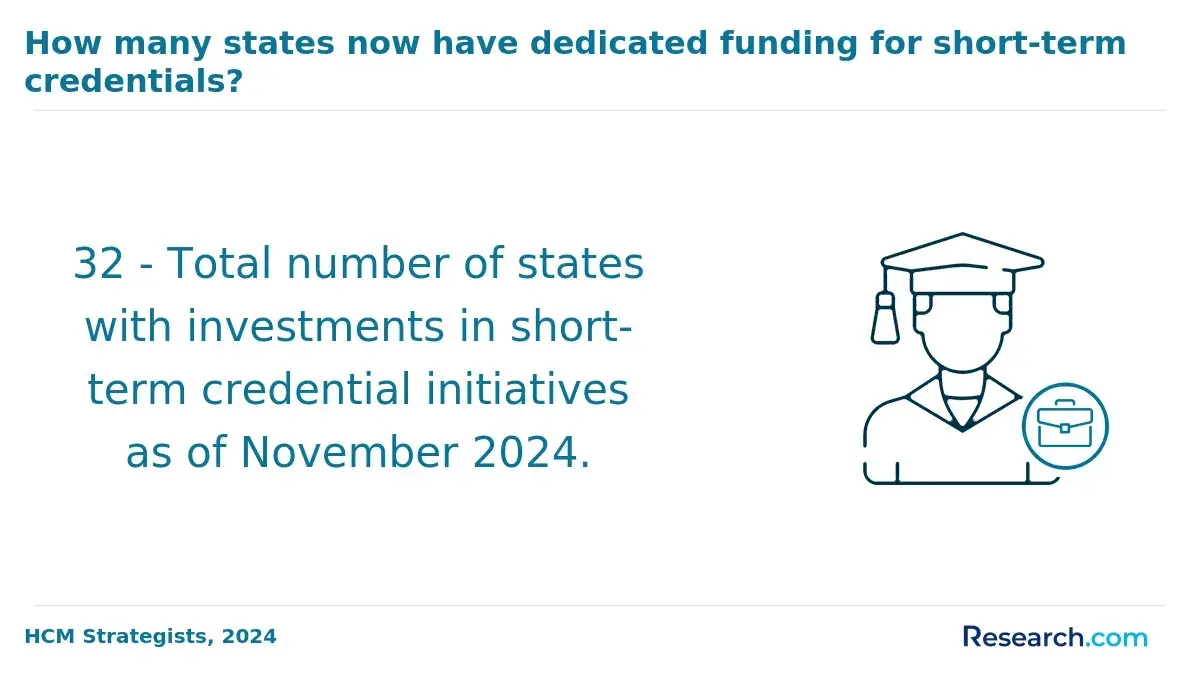
- Federal Student Aid Eligibility: Accredited accelerated bachelor's programs typically qualify for federal financial aid, including Pell Grants, work-study, and federal loans. Eligibility depends on enrollment status, satisfactory academic progress, and institutional participation in federal aid programs.
- Scholarships and Grants: Many programs and external organizations offer targeted scholarships to technology or management students. Availability varies, so regularly consulting financial aid offices and nonprofit foundations focused on tech fields is recommended.
- Employer Tuition Assistance: Working adults might benefit from employer-sponsored tuition reimbursement or assistance programs. These benefits can significantly reduce out-of-pocket costs, especially when balancing careers and studies.
- Disbursement Timing and Accelerated Schedules: Shortened semesters may lead to financial aid being awarded in larger lump sums or more frequent payments to align with program pacing. This can impact loan management and repayment planning, necessitating careful budgeting.
- Cost Savings Potential: Completing a bachelor's degree in technology management through an accelerated path can shorten time to degree completion, potentially saving on tuition and living expenses. This speed can also enhance return on investment amid positive employment outlooks in tech management roles.
When I spoke with a professional who completed an accelerated bachelor's degree in technology management, she shared how navigating financial aid was a mix of relief and challenge. "At first, the fast pace made keeping track of aid deadlines tricky," she recalled.
"But once I understood how disbursements aligned with the accelerated terms, managing funds became more straightforward." She emphasized that securing scholarships specifically for her field helped lower her financial burden, while employer tuition assistance played a key role in balancing work and study expenses.
"I felt supported knowing I had both federal aid and my employer's help," she said, highlighting how thorough planning enabled her to finish the program within two years without excessive debt.
What Jobs Can You Get With a 2-Year Technology Management Degree?
Knowing the range of technology management jobs available after a 2-year degree is crucial when assessing the value of an accelerated technology management bachelor's program. Career outcomes directly reflect how well the degree prepares graduates for immediate workforce entry and longer-term growth.
Below is an overview of common career opportunities with accelerated technology management degree credentials to help clarify potential professional paths.
- IT Support Specialist: Graduates often start as IT support specialists, assisting with troubleshooting, system maintenance, and user support, which builds foundational technical skills and customer service experience.
- Technical Project Coordinator: These roles involve organizing projects, managing timelines, and facilitating communication between technical teams and stakeholders, emphasizing leadership and coordination abilities.
- Systems Analyst Assistant: Supporting senior analysts, these assistants help evaluate system performance and suggest improvements, gaining valuable insights into infrastructure and software management.
- Operations Technician: Operating within various industries, operations technicians manage technology resources, ensuring processes run efficiently and supporting technology-driven workflows.
- Industry Flexibility: Graduates find opportunities across sectors such as information technology, healthcare, manufacturing, and finance, illustrating the versatility that technology management skills provide.
- Accelerated Program Benefits: The compressed nature of accelerated degrees allows students to enter the workforce sooner, maximizing early career experience while maintaining skill proficiency in project management, process optimization, and technical communication.
Employers increasingly seek candidates with a blend of technical and management expertise, which graduates of accelerated programs often deliver. These skills support early career mobility and prepare individuals for mid-level roles or further education opportunities. For those interested in expanding their options within healthcare, pursuing an online healthcare administration degree may be a complementary pathway.
Understanding career opportunities with accelerated technology management degree programs helps prospective students align their educational choices with their long-term professional goals.
How Do Salaries Compare for 2-year Technology Management Degree vs. Traditional Bachelor's Degrees?
Salary outcomes are a crucial factor when evaluating the return on investment of accelerated versus traditional degree paths in technology management. Understanding the differences in earnings between a 2-year degree and a traditional bachelor's degree helps prospective students align their educational choices with their financial and career goals.
Below is a detailed comparison of these salary outcomes.
- Early-career earnings: Graduates with a 2-year technology management degree generally start with median salaries ranging from $55,000 to $75,000. This can provide a faster entry into the workforce compared to bachelor's degree holders, whose starting salaries typically exceed this range but may require longer study time.
- Long-term earning potential: Individuals holding traditional bachelor's degrees tend to experience higher income growth over time. Median annual wages for computer and information systems managers with bachelor's degrees are around $159,000 as of 2023, reflecting broader opportunities for advancement.
- Employer perception and career progression: Employers often prefer bachelor's degree holders for managerial and leadership roles. This preference usually translates to more rapid promotions, better benefits, and higher salary increases compared to employees with 2-year degrees.
- Faster workforce entry and lifetime earnings: While the accelerated path reduces educational and opportunity costs by enabling quicker employment, studies indicate that lifetime earnings for bachelor's degree holders often exceed those with 2-year degrees by several hundred thousand dollars. This gap primarily results from access to higher-paying roles.
Choosing between these paths depends on individual goals and industry demands. For students seeking speed and lower upfront costs, a 2-year technology management degree offers value. Those prioritizing long-term earnings and leadership positions might explore options such as the cheapest online RN to BSN programs format adapted to their field, balancing education time with career advancement potential.
Considering the technology management degree salary comparison and the differences between 2-year vs traditional bachelor's degree earnings ensures informed decisions aligned with financial expectations and professional growth.
Which Factors Most Affect ROI for Accelerated Technology Management Degrees?
Evaluating the return on investment is essential for anyone considering an accelerated technology management degree, as it helps determine whether the time and money spent align with future career and financial rewards. Accelerated programs promise faster completion, but understanding the various factors that affect overall value is crucial before committing.
Below are key elements to consider when assessing ROI.
- Time-to-completion: Accelerated programs usually allow students to earn their degree in about half the usual time, often around two years instead of four. This shorter path not only lowers tuition but also enables quicker entry into the workforce, reducing lost income during studies.
- Tuition and total cost: Although the cost per credit might be higher in some accelerated programs, the condensed schedule generally results in a lower total price. Additional expenses like fees, textbooks, and living costs should be included to get an accurate financial picture.
- Opportunity cost savings: Graduating sooner means earlier access to full-time employment and income, which helps offset the costs of education. Data show that technology management bachelor's degree holders earn significantly more than those with an associate degree, highlighting the financial advantage of faster degree completion.
- Employment outcomes and salary growth: The technology management field is growing steadily, with jobs expected to increase notably in coming years. Graduates often experience salary growth that surpasses inflation, boosting long-term financial returns on their education investment.
- Industry demand: High demand for technology management skills can lead to faster job placement and career advancement. Aligning skills learned with market needs enhances employability in various sectors.
- Transferability of skills: Core competencies such as project management, IT strategy, and leadership gained in accelerated programs apply across multiple industries. This versatility supports job security and expands potential career paths beyond traditional technology roles.
How Do You Decide If a 2-year Technology Management Degree Is Right for You?
Choosing a two-year technology management degree requires assessing your learning preferences, ability to handle fast-paced coursework, and time commitment. Accelerated programs condense a typical four-year load into half the time, demanding strong time management and adaptability.
It's vital to consider if you can maintain quality learning alongside personal or work obligations. Your motivation to advance your career quickly should also guide this decision, ensuring the intensity of the program aligns with your goals without causing burnout.
Financially, these programs can reduce overall tuition and living costs by shortening time in school, offering potential savings and faster entry into the workforce. Verify that any program is accredited to ensure employer recognition and future opportunities.
According to labor data, demand for technology management roles is growing, with competitive salaries that reflect the field's value. Balancing immediate costs with expected career returns and flexibility in shifting job markets is essential when evaluating this degree path.
What Graduates Say About Their 2-Year Technology Management Degree
- Francis: "Choosing the 2-year accelerated bachelor's degree in technology management was a game-changer for me because it allowed me to enter the workforce faster while keeping costs manageable, especially since the average cost of attendance was reasonable. Balancing the intensive schedule was tough but rewarding-I dedicated evenings and weekends to study, which really paid off. Now, I'm thriving in a project management role that values my practical skills and leadership training. "
- Reid: "I opted for the accelerated technology management program to challenge myself and complete my degree sooner, saving both time and money compared to a traditional four-year path. The fast pace required strict organization and occasionally sacrificing social events, but it forced me to develop strong discipline. Professionally, the degree significantly boosted my confidence and opened doors to leadership opportunities in IT strategy. "
- Joy: "The decision to pursue a 2-year bachelor's in technology management was grounded in my desire to advance quickly without accruing excessive debt-the program's structure made that feasible with its focused curriculum and average attendance cost. Managing the rigorous schedule meant prioritizing coursework and leveraging online resources to stay on track. This degree has fundamentally enhanced my career trajectory by equipping me to lead tech teams with both strategic insight and practical know-how. "
Other Things You Should Know About Technology Management Degrees
In 2027, a 2-year technology management degree can be quite respected, particularly for positions requiring specific skills and swift upskilling. However, roles demanding advanced knowledge may still value longer degrees more highly, highlighting the importance of aligning education pathways with career goals.
Completing an accelerated technology management degree can provide earlier entry into the workforce, which may result in quicker earnings compared to traditional timelines. While starting salaries might be similar to those with traditional degrees, long-term earning potential often depends on career development, experience, and continuing education beyond the initial degree.
In 2027, employers may view a 2-year technology management degree favorably if accompanied by strong hands-on experience and relevant certifications. While comprehensive, the accelerated nature of the program may require graduates to demonstrate practical skills to match the breadth of a traditional 4-year degree.
References
- Bachelor of Information Technology and Management: Transfer Program https://catalog.iit.edu/undergraduate/colleges/computing/information-technology-management/bachelor-information-technology-management-transfer/
- Fast Track Your Future: How Accelerated Degrees Benefit Career Starters, Changers and Climbers - Beal University https://beal.edu/fast-track-your-future-how-accelerated-degrees-benefit-career-starters-changers-and-climbers/
- Two year accelerated degrees https://www.staffs.ac.uk/courses/undergraduate/study-options/two-year-accelerated-degrees
- 5 best two-year degrees for international students in the UK https://studyinternational.com/news/two-year-degree-uk/
- What scholarships are available for a Tech MBA in the USA? https://mentr-me.com/question/what-scholarships-are-available-for-a-tech-mba-in-the-usa
- Financial Aid | Online IT Education - CIAT https://www.ciat.edu/financing
- Technology Management (Online) | Become a Graduate Student https://www.mun.ca/become/graduate/programs-and-courses/technology-management-online/
- Early Childhood Education Degree (BA) https://www.uagc.edu/online-degrees/masters/technology-management-v2
- Online Accelerated Bachelor Swiss degree - Swiss School of Business and Management Geneva https://www.ssbm.ch/online-bba-accelerated-swiss/


