
2027 Return on Investment (ROI) of an Engineering Management Degree Program

Co-Founder and Chief Data Scientist
Many professionals face uncertainty when deciding whether pursuing an engineering management degree will justify the financial investment and time commitment. With tuition costs rising, understanding potential salary increases after graduation remains crucial. Recent data shows that graduates with an engineering management degree see an average salary increase of 15% compared to peers without advanced management education. This article examines the return on investment of an engineering management degree by analyzing tuition expenses, career advancement opportunities, salary growth, and industry demand to help readers make informed decisions about this educational path.
Key Things to Know About Engineering Management Degree ROI
- Graduates with an engineering management degree earn a median salary 20-30% higher than peers with only technical backgrounds, reflecting significant initial earning potential.
- This degree facilitates career advancement, enabling professionals to transition into leadership roles overseeing complex projects and multidisciplinary teams.
- Engineering management skills offer stability and long-term salary growth, with demand rising across diverse industries due to technological and infrastructure development.
How Is ROI Calculated for a Engineering Management Degree Program?
Return on investment (ROI) in higher education measures the financial benefits a student gains from earning a degree compared to the total costs and time involved. It helps students compare the value of a degree program, such as engineering management, by balancing expenses against potential career and salary growth. Calculating ROI for an engineering management degree involves considering several critical factors.
Key elements in engineering management degree return on investment calculation include:
- Tuition and fees: These are the direct expenses required to complete the program, including tuition, books, and mandatory fees. Accurately accounting for these costs establishes the initial investment baseline.
- Opportunity cost: Time spent studying often means lost wages from not working full-time. This income forgone is an essential component when calculating the total cost of the degree.
- Time to completion: The program's duration affects both opportunity cost and the time before salary improvements begin. Shorter programs may provide faster financial returns than longer ones.
- Post-graduation salary outcomes: Graduates' increased earning potential or new job opportunities play a vital role in boosting ROI by enhancing career advancement.
- Long-term earning potential: Beyond immediate salary increases, sustained career growth and leadership roles contribute significantly to the overall financial return of the degree.
Prospective students exploring engineering management options should also consider fields with high ROI potential, similar to those found in ai degrees online, which often balance cost, flexibility, and demand effectively.
How Much Does a Engineering Management Degree Program Cost?
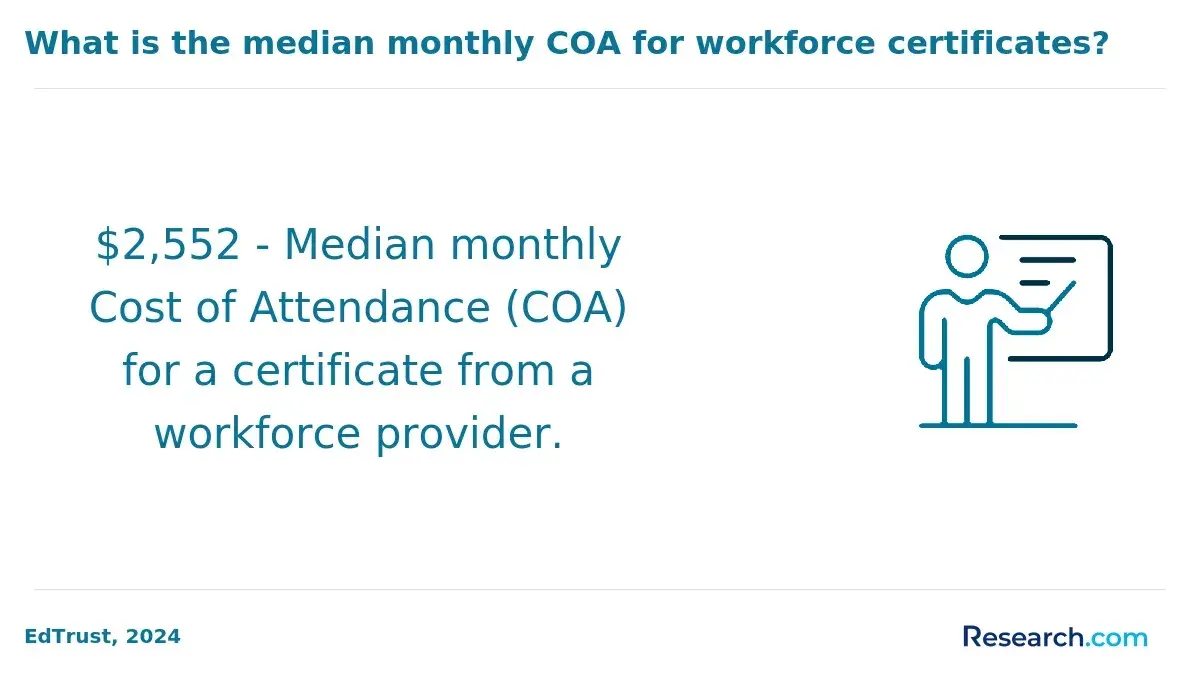
Evaluating the full expenses of an engineering management degree is critical to determine its true return on investment. With the average graduate student borrower now holding around $71,000 in debt, understanding all cost factors beyond tuition is more important than ever. Below are key expenses that shape the overall financial commitment for prospective students.
- Tuition and fees: These cover the essential academic charges, which can vary widely depending on whether programs are offered by public or private universities, often ranging between $20,000 and $60,000 for the complete course of study.
- Books and materials: Beyond tuition, specialized textbooks, software, and technical resources required for engineering management studies contribute to additional costs.
- Living and relocation: Students relocating or attending full time must budget for housing, transportation, and daily expenses, which can substantially increase the financial burden.
- Opportunity cost: Time invested in coursework can mean paused or reduced earnings for full-time students, a factor sometimes overlooked when calculating ROI.
- Hidden costs: Miscellaneous expenses such as application fees, technology upgrades, and attending professional events or certifications also add up over the duration of the program.
When I spoke with a recent engineering management graduate about how much the degree cost him, he described not only managing tuition payments but also juggling these indirect expenses. He shared, "Balancing work and study was exhausting-I often underestimated how much time and money I'd need beyond just tuition."
He recalled unexpected travel for networking events and software purchases that stretched his budget. His experience highlighted that the financial impact extends well beyond classroom fees and that careful planning is essential to avoid surprises throughout the program.
What Financial Aid Is Available for Engineering Management Degree Programs?
Financial aid plays a crucial role in reducing the initial expenses of pursuing an engineering management degree, which can significantly enhance the long-term return on investment by limiting debt obligations. Recent studies show that over half of graduate students-approximately 56%-depend on borrowing to fund their education, underscoring the value of available financial support.
Several common types of aid can alleviate costs and shorten the time required to recoup educational investments:
- Scholarships: Awarded based on merit or financial need, scholarships do not require repayment and directly lower the total cost, helping students graduate with less debt and improving financial outcomes post-degree.
- Grants: Often need-based and provided by government or private entities, grants reduce the amount students or families must pay out of pocket, promoting affordability and increasing anticipated ROI.
- Fellowships: These grants, frequently linked to academic or research excellence, may include tuition coverage or stipends, easing financial pressure and aiding quicker financial recovery after graduation.
- Employer tuition assistance: Many working professionals benefit from employer programs that partially or fully reimburse tuition, effectively decreasing their educational expenses and accelerating the breakeven point on their investment.
- Federal loans: Although they add to debt, federal loans often feature low interest rates and flexible repayment options, making them a viable tool to manage costs while aiming for strong long-term financial returns.
How Long Does It Take to Complete a Engineering Management Degree?
The duration required to finish an engineering management degree impacts return on investment (ROI) by affecting opportunity costs, the timing of career advancement, and overall educational expenses. Completing the degree more quickly can reduce lost wages and position graduates for earlier promotions and salary increases.
Several factors shape how long a student might take to complete this degree and thereby influence its financial and professional benefits:
- Enrollment status: Full-time study usually allows completion within one to two years, while part-time schedules extend the timeline but offer flexibility for those balancing work and education.
- Program format: Online or accelerated programs often enable students to shorten their study period, which can improve ROI by bringing forward earning potential.
- Transfer credits: Previously earned coursework accepted by the program can reduce the number of required classes, thereby saving both time and money.
- Internships or thesis: These experiential components may lengthen the degree timeline but can enhance skills and job prospects, potentially increasing long-term earnings.
- Scheduling flexibility: Evening or weekend class options accommodate working students' schedules but may decelerate overall progress.
A graduate from an engineering management program shared her perspective after I asked about the time it took her to complete the degree. She described juggling a full-time engineering role and family obligations while attending evening classes over nearly three years. "It was challenging keeping pace with work deadlines and coursework, especially around project submissions," she explained.
Yet, she reflected positively on the experience, saying, "Balancing those responsibilities taught me discipline and time management, which paid off when I moved into leadership roles shortly after graduating." Her story underscores that while duration varies, the journey often involves trade-offs between speed and valuable practical growth.
Is ROI Higher for Online or On-Campus Engineering Management Programs?
The return on investment (ROI) for engineering management degree programs often depends on delivery format, with notable differences in cost, flexibility, and career outcomes. By 2023, nearly 45% of graduate students chose online programs, reflecting a trend toward remote learning options in higher education. This shift affects how prospective students evaluate the value of earning a degree online versus on campus.
Key factors influencing the engineering management degree ROI comparison include:
- Tuition and Fees: Online programs generally offer lower tuition and fees, making them more affordable upfront. On-campus options tend to have higher costs due to additional expenses like room and board.
- Opportunity Cost: Online formats reduce income loss by accommodating working professionals with flexible schedules, allowing students to sustain their employment while studying.
- Time to Completion: Many online programs enable part-time pacing, allowing students to balance education with personal or professional commitments more effectively.
- Networking and Career Services: On-campus programs provide stronger in-person networking opportunities and more direct access to career services, which can enhance job placement prospects.
- Employer Perception and Earning Potential: Although some employers show a preference for on-campus experience, the gap is closing, and long-term earning potential is becoming more comparable as online degrees gain broader acceptance.
For those interested, similar considerations apply in fields like psychology, where choosing among online psychology programs involves evaluating cost, flexibility, and career outcomes carefully.
What Is the Average Salary After Earning a Engineering Management Degree?
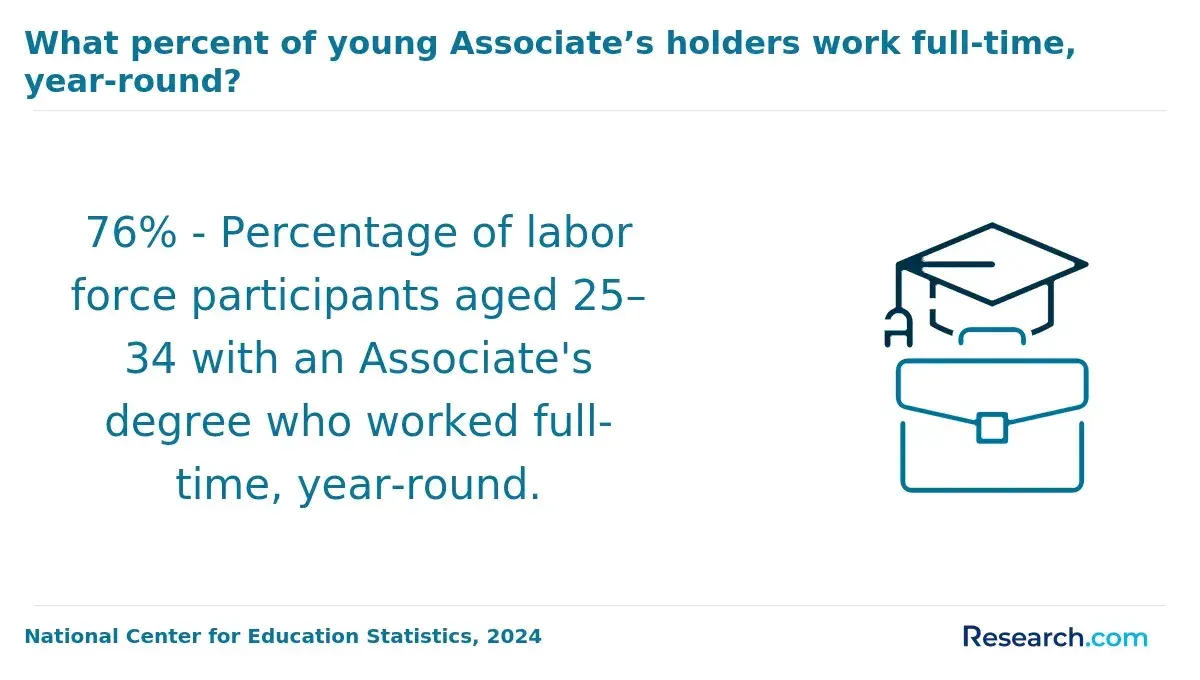
Post-graduation salary is a critical factor in evaluating the return on investment (ROI) of an engineering management degree, as it represents the main financial benefit offsetting the costs and time of the program. Average engineering management salary outcomes in the U.S. typically range from $85,000 to $135,000 annually, varying based on several key factors.
These factors influence salary outcomes and thus impact the overall financial return of earning this degree:
- Industry: Professionals in high-demand sectors like technology or manufacturing often achieve higher salaries, directly increasing ROI.
- Geographic location: Salaries differ widely by region; metropolitan areas or hubs with strong engineering markets usually offer better compensation.
- Prior experience: Individuals with related engineering or management backgrounds before graduation tend to command higher salaries, improving ROI.
- Specialization: Expertise in niche areas such as software engineering or systems management can enhance earning potential post-degree.
- Career level: Advancement from entry-level to senior management roles significantly boosts salary and strengthens financial returns.
Prospective students should also consider how these variables interact with their personal goals and financial plans. For professionals exploring advanced education options, programs like an executive online mba may offer alternative pathways. Careful attention to average engineering management salary and salary outcomes helps clarify the degree's potential value.
Does a Engineering Management Degree Lead to Promotions?
Promotions contribute significantly to the return on investment (ROI) of an engineering management degree by offering increased salary, broader responsibilities, and greater career mobility. These factors together enhance both the financial and professional advantages of earning the degree. Current workforce trends show a rise in credential-based advancement, with employers prioritizing candidates who blend practical experience with formal education for leadership roles.
Here are several key ways an engineering management degree impacts promotion opportunities and ROI:
- Credential Requirements: Higher-level positions often require formal qualifications. An engineering management degree fulfills these credential requirements, making candidates more eligible for advancement.
- Leadership Preparation: The degree provides training in leadership and project management, equipping graduates to handle supervisory roles and complex projects effectively.
- Employer Tuition Support: Organizations may offer tuition reimbursement programs, viewing the degree as an investment that enhances employee value and retention.
- Internal Promotion Policies: Many employers have policies favoring candidates with advanced degrees, recognizing the specialized knowledge that supports team and technical management.
- Experience Synergy: Combining work experience with an engineering management degree creates a competitive edge, strengthening promotion prospects and accelerating career advancement.
Integrating strong academic credentials with practical experience positions graduates well within industries that emphasize credential-based advancement. Numerous roles within engineering management fall under majors that make the most money, highlighting the financial incentives tied to this career path. For professionals seeking engineering management degree career advancement, understanding these dynamics is crucial in evaluating the degree's value relative to time and cost.
Employees holding an engineering management degree often experience improved promotion outcomes by meeting both the educational and experiential criteria employers seek. Hence, the degree can serve as a strategic lever for promotions with engineering management degree qualifications when combined with consistent professional development.
Which Industries Offer the Best ROI for Engineering Management Graduates?
The return on investment (ROI) for graduates with an engineering management degree varies considerably across industries due to differences in salary levels, career advancement opportunities, and the demand for specialized skills. Industries with strong financial resources and complex technical projects tend to offer higher compensation and faster promotion potential, enhancing overall ROI. Below are some of the top industries for engineering management ROI that demonstrate these advantages.
Key sectors offering some of the best engineering management career sectors include:
- Technology and software development: This industry values leadership combined with deep technical expertise, providing competitive salaries and dynamic career paths. The continuous demand for innovation management ensures sustainable long-term growth and advancement.
- Manufacturing and industrial engineering: Graduates enjoy steady job stability and opportunities to improve operational efficiencies, with strong potential for leadership roles in large-scale production environments that enhance earning potential over time.
- Energy and utilities: Ongoing investments in renewable energy and infrastructure upgrades create demand for skilled managers to lead complex projects. This sector often offers substantial compensation and career longevity, making it attractive for engineering management professionals.
- Aerospace and defense: The need for specialized knowledge and the complexity of projects result in high salary levels and promotion possibilities, contributing to a robust ROI for those with engineering management skills.
- Construction and civil engineering: Project management expertise is essential here, and growth in the sector coupled with the need for efficient resource coordination enhances long-term earning potential.
Ultimately, these ROI differences reflect how various industries value the unique combination of engineering knowledge and management capabilities, impacting both starting salaries and career trajectories. Those considering advanced training might explore certificate programs online to supplement their qualifications, further improving career prospects in these best engineering management career sectors.
Does Accreditation Affect ROI for a Engineering Management Degree?
Accreditation in engineering management degree programs refers to the official review and approval process by recognized organizations that verify a program meets established quality standards. This validation matters because it often correlates with greater employer recognition, which can enhance job opportunities and salary prospects after graduation.
A notable trend is that employers increasingly value graduates from accredited programs, viewing accreditation as evidence of a rigorous curriculum and relevant skills. Additionally, accreditation can determine eligibility for various professional certifications or licensure, which further supports career growth.
Over time, attending an accredited engineering management program can improve long-term return on investment by increasing employer confidence in a graduate's qualifications and facilitating career advancement.
Accreditation also typically enables students to access federal financial aid, making education more affordable. It helps with smoother credit transfers between colleges, potentially shortening the time and cost required to complete the degree. These combined benefits contribute to greater career mobility and a stronger financial payoff throughout a graduate's professional life.
Is a Engineering Management Degree Worth It?
Evaluating the return on investment for an engineering management degree involves examining factors like tuition costs, duration, and potential salary growth. Completion times generally span from one to three years, with options such as part-time or online study that allow students to maintain employment.
Graduates often see significant salary improvements; for instance, engineering managers earn median wages notably higher than those in non-leadership engineering roles. Career advancement opportunities tend to be stronger in sectors like technology, manufacturing, and infrastructure, where skilled managerial roles are increasingly in demand.
The value of this degree depends on aligning educational expenses and time commitment with expected career benefits. In industries experiencing rapid growth or for professionals targeting leadership positions, the investment is more likely to pay off.
However, high tuition fees without sufficient salary increases or a mismatch with career objectives may reduce the degree's financial advantage. Program flexibility and access to financial aid or employer sponsorship can improve overall ROI by minimizing disruption and financial burden during studies.
What Graduates Say About The ROI of Their Engineering Management Degree
- Fisher (Traditional student): "Choosing to pursue an engineering management degree was a strategic move, given the promising long-term ROI in leadership roles within tech industries. Although the average traditional program can cost upwards of $40,000, I found the investment truly worthwhile as it opened doors to management positions with significant salary increases and growth potential. "
- Cairo (Online student): "I was initially hesitant about the cost of an online engineering management degree, which still averages around $30,000, but the flexibility and quality of instruction made it a smart financial and professional decision. Earning this degree remotely allowed me to apply new skills immediately at work, boosting my career trajectory in ways I hadn't anticipated. "
- Austin (Part-time student): "Balancing work and studies in a part-time engineering management program required commitment, and considering the typical cost near $25,000, I was cautious about its value. Reflecting now, the practical insights and credentials have enhanced my leadership capabilities and promoted tangible career advancement, making every dollar well spent. "
Other Things You Should Know About Engineering Management Degrees
In 2027, work experience significantly bolsters the ROI for an engineering management degree. Professionals with industry experience often secure higher-paying roles post-graduation, reflecting a shorter payback period and increased long-term earnings, thereby enhancing overall program value.
Prior work experience often increases the ROI of an engineering management degree by enabling students to apply academic knowledge directly to real-world challenges. Professionals with several years of experience tend to see faster salary growth post-degree because they can leverage both their background and new managerial skills to take on advanced roles.
Yes, geographic location significantly impacts ROI due to variations in industry presence, demand for engineering managers, and cost of living. Graduates in metropolitan areas with strong engineering sectors typically enjoy higher salaries and more job opportunities, which can enhance the financial returns of their degree.
The reputation of the school can influence ROI because employers may prefer candidates from well-regarded programs with strong industry connections. Graduates from recognized institutions often have better networking opportunities and access to recruitment channels that can lead to higher-paying positions.
References
- Top Engineering Management Specializations & Careers https://collegepond.com/engineering-management-specializations/
- Online vs On-Campus Degrees: Honest Comparison for Tech Students 2026 https://hakia.com/resources/online-vs-oncampus/
- Does College Pay Off? A Comprehensive Return On Investment Analysis - FREOPP https://freopp.org/whitepapers/does-college-pay-off-a-comprehensive-return-on-investment-analysis/
- Bachelor of Science in ENGINEERING MANAGEMENT | Gdańsk University of Technology https://pg.edu.pl/en/admission/bachelor-studies-international-students/study-programs-english/bachelor-science-engineering-management
- Is Engineering Management a Good Degree? Comprehensive Guide https://engineeringmanagement.org/is-engineering-management-a-good-degree/
- Engineering Salary Statistics https://www.mtu.edu/engineering/about/salary/
- The Most Popular College Degrees Ranked by Return on Investment (ROI) After 5 Years in the Workforce - StudentChoice.org https://www.studentchoice.org/news/the-most-popular-college-degrees-ranked-by-return-on-investment-roi-after-5-years-in-the-workforce/
- Engineering Management Scholarships https://www.collegescholarships.org/scholarships/engineering/management.htm
- Comparing the ROI of an MBA for BTech Graduates vs Non-Engineers in Technology Management https://www.productleadership.com/blog/comparing-the-roi-of-an-mba-for-btech-graduates-vs-non-engineers/
- Florida Poly delivers standout ROI for nation’s 2 most valuable degrees https://floridapoly.edu/news/080725-florida-poly-delivers-standout-roi-for-nations-2-most-valuable-degrees-2/


