
2027 Can You Get Into an Engineering Management Program with a Low GPA? Admission Chances & Workarounds

Co-Founder and Chief Data Scientist
Many students with low GPAs face significant obstacles when applying to engineering management programs, where the average admitted GPA often exceeds 3. 3. These programs value strong academic performance but also increasingly recognize diverse experiences, reflecting a holistic admissions approach. Understanding this balance is crucial for applicants aiming to enhance their admission prospects despite academic shortcomings.
This article explores realistic admission chances for low GPA candidates and highlights alternative pathways like relevant work experience, certifications, and strong recommendation letters. By focusing on strategic workarounds, students can improve their candidacy in a competitive field that traditionally favors higher academic achievements but is gradually adapting to varied profiles.
Key Things to Know About Admission Chances Into a Engineering Management Program with a Low GPA
- Enhance your application by highlighting relevant professional experience, which 65% of engineering management programs value equally to GPA.
- Complete additional coursework in project management or leadership to demonstrate commitment and improve academic readiness.
- Strong letters of recommendation and a compelling statement of purpose can offset a low GPA by emphasizing practical skills and motivation.
What Is the Minimum GPA Required to Apply for a Engineering Management Program?
The minimum GPA required to apply for an engineering management program in 2026 generally hovers around a 3.0 on a 4.0 scale, serving as a common eligibility baseline. More selective institutions, especially those with strong industry ties, often expect higher academic standing with GPAs around 3.3 to 3.5 or above.
Programs reflect varying levels of competitiveness; roughly 60% require a minimum GPA between 2.8 and 3.2, balancing rigor with some flexibility. Recent trends show growing consideration for upward academic trajectories, allowing applicants a chance even if their cumulative GPAs start lower but improve over time.
Applicants should be aware of several common GPA-related conditions across programs. Many schools set minimum GPA requirements for prerequisite STEM courses that may differ from the overall GPA needed. Some enforce standards based specifically on the last 60 credit hours to highlight recent academic performance.
Maintaining eligibility under academic probation policies is often critical, as falling below minimum GPA thresholds can disqualify candidates.
Meanwhile, those interested in advancing their qualifications can explore a one year online masters as an option to strengthen their academic profile.
How Do Admissions Committees Evaluate Engineering Management Program Applicants with Low GPAs?
Gaining admission to engineering management programs can be competitive, especially with a low GPA. Admissions committees look beyond numbers and consider multiple application components to assess potential and fit. Other considerations include:
- Coursework rigor: Admissions officers examine the difficulty level of completed courses. Strong performance in demanding classes indicates a solid foundation and commitment to challenging subjects, which can balance a lower overall GPA.
- Academic trends: A demonstrated upward trajectory in grades, especially in relevant technical or management courses, suggests growth and increased capability over time. Many programs give significant weight to recent academic improvement in borderline cases.
- Relevant experience: Involvement in project leadership, teamwork, or academic roles related to engineering management can strengthen an application by highlighting applied skills and practical knowledge.
Learners exploring engineering management can benefit from considering alternative strengths beyond GPA. Exploring options such as easy master's degrees that pay well may also provide valuable pathways for career advancement.
Can Professional Experience Offset a GPA Below the Engineering Management Program's Minimum?
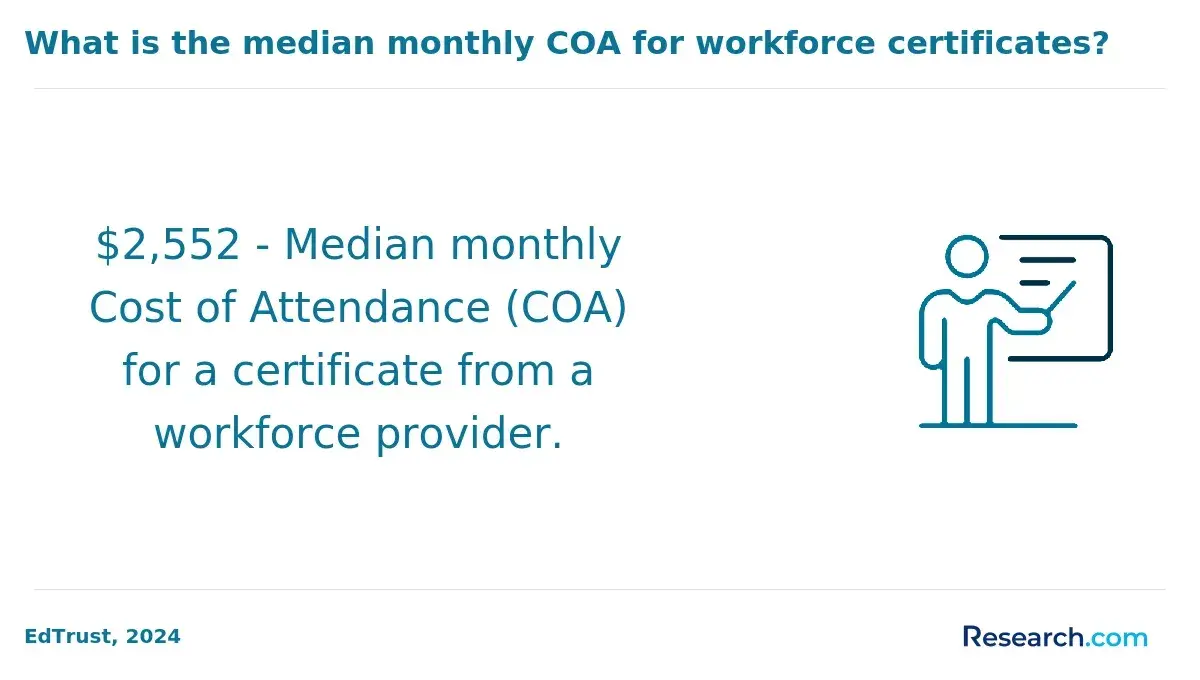
When academic records fall short of engineering management programs' standards, professional experience often serves as a valuable asset to bolster an application. Admissions committees typically evaluate practical work history alongside academic achievements to identify candidates with strong potential beyond their GPA.
Key types of professional experience that can enhance admissions prospects include:
- Leadership roles: Managing teams or overseeing projects showcases an applicant's ability to guide others and handle responsibility, emphasizing maturity and organizational skills critical in engineering management.
- Relevant industry experience: Hands-on involvement in engineering or related technical fields demonstrates familiarity with core processes, signaling readiness to apply classroom concepts in real-world settings.
- Management skills: Experience in budgeting, scheduling, or quality control highlights practical competencies that reflect an applicant's capacity for effective resource allocation and decision-making.
- Continuous learning: Participation in certifications, workshops, or professional development initiatives reflects a commitment to growth and staying updated on industry trends, further strengthening the candidate's profile.
These elements collectively convey problem-solving capabilities and a results-oriented approach, allowing admissions teams to consider a broader view of an applicant's qualifications beyond grades alone.
Can Standardized Test Scores Help Offset a Low GPA for Engineering Management Admission?
Strong standardized test results can significantly enhance the admissions prospects of candidates whose undergraduate GPA may not fully reflect their academic abilities. High scores on exams like the GRE or GMAT provide evidence of proficiency in areas essential for graduate studies.
Admissions committees often evaluate test scores based on several factors:
- Score thresholds: Achieving or surpassing the average scores of admitted students demonstrates competence and can offset lower GPA metrics by showing readiness for program demands.
- Subject relevance: Excelling in mathematics and analytical reasoning sections highlights skills directly applicable to engineering management coursework, reinforcing an applicant's suitability.
- Percentile rankings: High percentile results indicate strong comparative performance among peers, strengthening the applicant's competitive position.
- Consistency with academic records: When test scores align well with other indicators, such as relevant coursework or professional experience, they help confirm the candidate's potential to succeed despite past academic challenges.
Research from testing organizations confirms that GRE scores in the 80th percentile or higher can substantially improve admission chances for candidates with GPAs below typical thresholds, affirming their capacity to handle demanding graduate curricula.
Can Completing Prerequisite Courses for a Engineering Management Program Improve Your Admission Chances with a Low GPA?
When academic records fall short of program GPA requirements, pursuing additional coursework can serve as a vital strategy to strengthen an application and showcase preparedness for graduate-level engineering management studies.
Enhancing one's knowledge in prerequisite subjects offers tangible proof of capability beyond the original transcript. Here are some advantages of completing prerequisite courses:
- Demonstrating Subject Mastery: Completing foundational courses like statistics or project management provides concrete evidence of understanding core concepts, reassuring admissions committees that the applicant can handle the curriculum's demands.
- Boosting Academic Profile: Excelling in relevant prerequisite classes can help offset a lower overall GPA by reflecting improved performance in key technical areas critical to engineering management.
- Showing Commitment: Taking extra steps to engage with essential subjects signals dedication and seriousness about succeeding in the field, traits valued highly by admissions panels.
A graduate of an engineering management program shared her experience with this approach. Facing a GPA well below the typical 3.0 threshold, she decided to enroll in multiple prerequisite courses at a community college.
"It was intimidating at first," she admitted, "balancing work and new classes while trying not to get discouraged." However, as her grades steadily improved and she gained confidence in subjects like engineering fundamentals and project management, her application began to reflect a more recent and relevant academic record.
She noted, "Submitting those strong prerequisite grades alongside my professional experience gave the admissions committee a better sense of my potential. It felt like a second chance."
Ultimately, despite the uphill battle, these efforts were instrumental in her acceptance, demonstrating that well-chosen additional coursework can indeed improve admission prospects when a low GPA might otherwise limit opportunity.
Can Applying Early Improve Your Chances of Getting Into a Engineering Management Program If Your GPA Is Low?
Applying early to an engineering management program can provide strategic advantages, especially for those with weaker academic records. Early application deadlines allow admissions committees to evaluate candidates when the applicant pool is smaller, and there are still many seats available.
Key benefits of applying early include:
- Increased available seats: Early applicants compete for a larger portion of open positions before the program fills most spots. This expands opportunities for those whose GPAs may be below average, as the full competition has not yet arrived.
- More holistic reviews: Admissions officers have more time early in the cycle to carefully assess each application. With a lighter workload, they often look beyond GPA at work experience, leadership potential, and personal statements, offering an advantage to applicants with diverse strengths.
- Reduced competition: Applying early avoids the surge of applications submitted near the regular deadline, which often includes candidates with stronger academic profiles. This less competitive environment increases chances for applicants with lower GPAs to be noticed.
Comparing an associates degree online cost and other pathways can provide cost-effective alternative routes to strengthen applications.
Can You Get Conditional Admission to a Engineering Management Program with a Low GPA?
Conditional admission allows applicants who do not meet the usual GPA standards to enroll in an engineering management program under specific requirements. This option provides a chance to demonstrate academic capability despite falling short of the normal GPA threshold.
Below are some key facts:
- Bridge or prerequisite courses: Students may need to complete targeted classes that reinforce essential skills. These courses help address gaps in knowledge and prepare students for advanced material. Institutions use them to ensure foundational competence before progressing.
- Minimum grade requirements: Programs often require achieving certain grades, typically a B or higher, in initial coursework. This standard verifies the student's ability to handle program demands. It motivates consistent academic performance during early semesters.
- Probationary enrollment period: Some schools mandate maintaining a minimum GPA during a trial term. This period allows close monitoring of progress and commitment. It ensures readiness for full admission through documented improvement and steady results.
Can Starting in a Related Field and Transferring to the Engineering Management Program Help Low-GPA Applicants?
Starting in a field closely related to engineering management can be a strategic choice for students whose grade point averages fall below the usual admission criteria. Programs often require a GPA above 3.0, making initial entry difficult, but beginning elsewhere allows students to prove their abilities through relevant coursework.
Here are some advantages of starting in a related field:
- Demonstrating academic improvement: Excelling in courses linked to engineering management helps show readiness and dedication by building a stronger, more competitive transcript.
- Gaining foundational knowledge: Starting in fields like industrial or systems engineering equips students with essential concepts that ease the eventual transition into engineering management.
- Building faculty relationships: Early involvement with professors can lead to stronger recommendations, which are valuable in transfer applications.
When I asked a graduate about whether this approach works, he shared his experience. Struggling with a low GPA initially, he enrolled in general engineering, focusing on improving his grades while absorbing classes relevant to management.
"It was daunting to start over, but once I saw my GPA rise and built rapport with faculty, the transfer felt achievable," he said. Navigating articulation requirements and balancing coursework tested his resolve, yet the gradual progress boosted his confidence and opened doors that seemed closed before.
Are There Scholarships for Engineering Management Program Applicants to Help Improve Their GPA?
Students applying to engineering management programs with low GPAs often seek financial aid options to afford additional coursework or academic resources that support improving their academic standing. Such assistance can be crucial for students aiming to enhance their GPA, which plays a significant role in admission decisions.
Several types of scholarships and funding opportunities exist that indirectly help students raise their GPA and improve their chances of admission. These include:
- Merit-recovery scholarships: These awards target students who show potential despite lower grades, providing funds to retake courses or join skill-building workshops. This support directly enables students to improve foundational knowledge critical for raising GPA.
- Need-based grants: By easing financial burdens, these grants allow students to dedicate more time to study rather than work, which can lead to better academic performance. Such scholarships help balance financial and educational priorities effectively.
- Academic support program funding: Scholarships or grants for tutoring, supplemental instruction, or professional development strengthen skills in core areas like math and project management. Access to such programs offered by organizations like the Society of Women Engineers can enhance GPA indirectly.
While direct scholarships specifically for GPA improvement are rare, combining merit-based and need-based funding offers a viable approach to securing academic support.
Additionally, low GPA applicants might explore accredited online colleges with no application cost to find more accessible pathways to engineering management degrees.
These options can provide affordable access to quality education with reduced upfront financial barriers, supporting better academic outcomes over time.
Can Mentorship or Academic Advising Help Overcome GPA Barriers for Engineering Management Program Applicants?
Guidance from experienced mentors and academic advisors is particularly valuable for students with low GPAs seeking admission to engineering management programs. These professionals offer targeted support that helps applicants strengthen their overall profiles beyond their academic records.
Mentorship benefits include:
- Personalized Study Strategies: Mentors and advisors help develop customized learning plans that enhance understanding and retention of critical technical concepts, which can improve academic performance over time.
- Course Selection Guidance: They assist students in choosing relevant STEM and management courses that showcase applicable skills and help strengthen transcripts despite earlier GPA challenges.
- Regular Accountability Checks: Frequent progress reviews and motivational support maintain momentum, ensuring students stay on track with their academic and professional goals.
- Application Assistance: Advisors help craft application materials that thoughtfully address academic weaknesses while highlighting leadership, project management experience, and demonstrated growth potential.
- Resource Connectivity: Mentors connect students with tutoring, workshops, and other resources that build foundational skills in engineering and management, further boosting admission chances.
Data from the Council of Graduate Schools indicates that applicants leveraging academic advising report higher enrollment rates in competitive programs. For those interested in augmenting their credentials, exploring a range of options, including dual degree programs undergraduate pathways, can also enhance career and academic prospects.
What Graduates Say About Getting Into a Engineering Management Program with a Low GPA
- Natalie: "Despite my low GPA, I was able to gain admission into an engineering management degree program thanks to a strong statement of purpose and relevant work experience. The program's cost was quite reasonable compared to other graduate degrees, which made it accessible for me. Completing this degree has been a game-changer professionally, opening doors to leadership roles I never thought possible. "
- Camille: "Getting into an engineering management program with a less-than-stellar GPA was challenging, but financial aid and scholarships helped offset the average cost of attendance, which I found to be fair for the value offered. Reflecting on my journey, the degree gave me critical skills that transformed my career trajectory and boosted my confidence in managing complex projects. "
- Josephine: "Although my academic record wasn't perfect, I secured a spot in an engineering management degree by highlighting my practical experience during the application. The investment was significant but justified, as the knowledge gained accelerated my career growth and enhanced my ability to lead cross-functional teams professionally and effectively. "
Other Things You Should Know About Engineering Management Degrees
The personal statement plays a crucial role for applicants with a low GPA. It allows candidates to explain any academic challenges they faced and to highlight their motivation, leadership qualities, and commitment to engineering management. A well-written statement can demonstrate maturity and the ability to succeed despite previous setbacks, positively impacting admission decisions.
Yes, extracurricular activities related to engineering or leadership can strengthen an application. Participation in engineering clubs, internships, or project teams shows practical skills and dedication to the field. These experiences help admissions committees see a broader picture beyond GPA and indicate that the applicant is proactive and engaged in their professional growth.
Yes, highlighting leadership experiences can enhance your application for an engineering management program in 2027, even if you have a low GPA. Admissions committees often look for strong leadership skills and practical experiences that demonstrate management potential.
References
- Can a High SAT Score Compensate for a Low GPA? - Princeton Review https://www.princetonreview.sg/sat-score-compensate-for-a-low-gpa/
- Colleges That Accept Low GPA Scores | Find Options https://www.educationconnection.com/resources/colleges-that-accept-low-gpa/
- MBA with Low GPA? How to Get Accepted - Menlo Coaching https://menlocoaching.com/mba-applications-and-admissions-guide/mba-with-low-gpa/
- Masters in Engineering Management Requirements: Everything You Need to Know https://engineeringmanagement.org/mem-requirements/
- Master of Science in Engineering Management https://www.txst.edu/technology/programs/ms-em.html
- Low GPA, low SAT/ACT scores , looking to do engineering. - College Search & Lists - College Confidential Forums https://talk.collegeconfidential.com/t/low-gpa-low-sat-act-scores-looking-to-do-engineering/2075507
- Profile Evaluation-Low GPA Undergrad, High GPA Masters, decent Gmat : Ask Admissions Consultants https://gmatclub.com/forum/profile-evaluation-low-gpa-undergrad-high-gpa-masters-decent-gmat-299653.html
- Admissions Committee: The Review Process https://www.ivywise.com/ivywise-knowledgebase/how-the-admissions-committee-review-process-works/
- How to get into grad school with a low GPA: MS admissions with bad grades - MBA Crystal Ball https://www.mbacrystalball.com/blog/2021/11/15/grad-school-low-gpa-bad-grades/


