
2027 Certified Post Anesthesia Nurse Careers: Skills, Education, Salary & Job Outlook

Co-Founder and Chief Data Scientist
Choosing a certified post anesthesia nurse career means deciding whether you want a high-responsibility nursing role centered on the first, most fragile stage of surgical recovery. CPAN nurses work with patients as anesthesia wears off, watching for airway problems, unstable vital signs, pain, nausea, confusion, bleeding, and other complications that can change quickly.
This path is best for registered nurses who are comfortable with close monitoring, rapid clinical judgment, and constant coordination with anesthesia, surgical, and recovery teams. It is not an entry-level shortcut into nursing. You need a nursing degree, RN licensure, acute-care experience, post-anesthesia training, and, for certification, qualifying perianesthesia experience.
The career can be financially and professionally rewarding. Available projections cited for this field point to strong demand, including jobs expected to rise by 45% through 2030 and median salaries near $155,000. Pay and outlook figures vary by source, setting, location, experience, and credential level, so this guide explains what CPAN nurses actually do, what training is required, how salaries compare, where the work happens, and how to decide whether this specialty fits your long-term goals.
Key Things You Should Know About Certified Post Anesthesia Nurse Career
- The typical earning potential for a certified post anesthesia nurse is around $102,000 annually, reflecting a solid mid-career salary in nursing specialties.
- Employment in this field is expected to grow by 6% from 2022 to 2032, matching the steady demand for registered nurses focused on perioperative and recovery care.
- To become a certified post anesthesia nurse, one must be a registered nurse with an active license, complete at least 1,800 hours of post-anesthesia clinical experience, and pass the CPAN certification exam.
- Success in this role depends on skills like acute patient assessment, pain management, advanced cardiac life support, critical thinking, quick emergency response, clear communication, and strong empathy.
- Career advancement can lead to roles such as charge nurse, unit manager, clinical educator, or perioperative services director, with options for further certification or advanced degrees to become nurse anesthetists or nurse practitioners.
What do Certified Post Anesthesia Nurses do?
Certified Post Anesthesia Nurses care for patients immediately after procedures involving anesthesia or sedation. Their main responsibility is to help patients recover safely from anesthesia by monitoring breathing, circulation, pain, consciousness, temperature, surgical-site concerns, and readiness for transfer or discharge.
In practical terms, CPAN nurses are the clinical bridge between the operating room and the next stage of recovery. They receive handoff information from the anesthesia and surgical team, assess the patient’s condition, respond to complications, communicate changes quickly, and educate patients or families about what to expect after surgery.
A day in the life of Certified Post Anesthesia Nurses
A typical shift in a post-anesthesia care unit, or PACU, is built around constant assessment. A patient may arrive sleepy but stable, while the next may need immediate airway support, blood pressure management, pain control, or escalation to a higher level of care. CPAN nurses must notice small changes before they become major problems.
The work is fast-paced and team-based. CPAN nurses coordinate with anesthesiologists, surgeons, CRNAs, operating room nurses, floor nurses, discharge staff, and families. The goal is always the same: help the patient move safely from anesthesia recovery to the appropriate next step, whether that is discharge home, admission to a hospital unit, transfer to intensive care, or continued monitoring.
What are the key responsibilities of Certified Post Anesthesia Nurses?
Certified Post Anesthesia Nurses focus on recovery after anesthesia, not routine surgical care alone. Their responsibilities combine critical observation, timely intervention, accurate documentation, patient education, and safe transition planning.
- Receive and verify handoff details from anesthesia and surgical teams, including procedure type, medications, airway status, blood loss, allergies, and immediate concerns.
- Assess airway, breathing, circulation, neurological status, pain level, temperature, nausea, surgical-site condition, and level of consciousness.
- Monitor vital signs and recovery trends closely to identify respiratory depression, unstable blood pressure, abnormal heart rhythms, excessive bleeding, delayed emergence, or other complications.
- Administer prescribed medications and nursing interventions for pain, nausea, shivering, anxiety, fluid needs, and other post-anesthesia symptoms within the RN scope of practice.
- Provide care in the post-anesthesia recovery unit and determine whether the patient is progressing toward transfer or discharge criteria.
- Document assessments, interventions, patient responses, medication administration, communication with providers, and discharge or transfer readiness accurately.
- Explain recovery expectations, warning signs, medication instructions, mobility limits, and follow-up guidance to patients and families.
The most challenging vs. the most rewarding tasks
The hardest part of this role is managing instability when a patient’s condition changes quickly. Airway obstruction, respiratory depression, severe pain, bleeding, allergic reactions, agitation, or sudden blood pressure changes require calm prioritization and immediate communication with the care team.
The most rewarding part is seeing a patient move from vulnerable, disoriented, or uncomfortable to awake, stable, breathing well, and ready for the next stage of recovery. CPAN nurses often make that transition safer and less frightening for both patients and families.
If you are still at the beginning of your healthcare education, compare nursing pathways carefully. Some students start by researching options such as the best associate degree in 6 months accredited, but CPAN certification itself requires RN licensure and relevant clinical experience beyond initial education.
What are the key skills for Certified Post Anesthesia Nurses?
Strong CPAN nurses combine technical recovery skills with the judgment to act quickly when a patient is not following the expected post-anesthesia pattern. The best nurses in this specialty are observant, organized, calm under pressure, and clear communicators.
Technical skills
- Post-anesthesia assessment: Tracking airway, oxygenation, circulation, consciousness, temperature, pain, nausea, surgical-site status, and recovery score indicators.
- Respiratory monitoring: Recognizing airway obstruction, hypoventilation, oxygen desaturation, aspiration risk, and delayed emergence from anesthesia.
- Pain management: Administering prescribed medications, reassessing response, watching for oversedation, and balancing comfort with patient safety.
- Perianesthesia monitoring and intervention: Responding to anesthesia-related complications, communicating with providers, and escalating care when needed.
- Discharge and transfer readiness: Applying facility criteria to determine whether a patient is safe for home discharge, unit transfer, or continued monitoring.
- Clinical documentation: Recording assessments, interventions, medication timing, recovery milestones, and patient education clearly enough to support continuity of care.
Soft skills
- Critical thinking: Interpreting subtle changes and deciding whether they signal normal recovery or an emerging complication.
- Active listening: Taking patient complaints seriously, even when the patient is groggy, anxious, confused, or in pain.
- Judgment and decision making: Prioritizing airway, breathing, circulation, pain, safety, and provider notification in the right order.
- Communication: Giving concise updates to anesthesia and surgical teams while explaining recovery instructions in plain language to patients and families.
- Emotional steadiness: Staying calm when multiple patients need attention or when a recovery does not go as expected.
The one overlooked skill that separates the good from the great
Patient advocacy is one of the most important skills in post-anesthesia nursing. A strong CPAN nurse speaks up when a patient’s recovery pattern does not feel right, asks for clarification when handoff details are incomplete, and ensures the patient is not rushed to discharge or transfer before meeting appropriate criteria.
For example, a patient may appear awake but still have shallow breathing, uncontrolled pain, or unusual confusion. A skilled CPAN nurse does not treat these as routine inconveniences. They reassess, document, notify the right provider, and keep the patient under appropriate observation until the risk is addressed.
Mastering these competencies can support growth in higher-paying settings, including the top-paying sector: General Medical and Surgical Hospitals (Private Sector). Nurses who want to continue developing their education later in life may also compare programs for older adults online to find flexible options that fit work and family responsibilities.
Certified Post Anesthesia Nurse Careers: A Step-by-Step Guide to Getting Started
Becoming a Certified Post Anesthesia Nurse is a staged process. You first become a registered nurse, then build the clinical judgment needed for acute and post-anesthesia recovery care, and then pursue specialty certification when you meet eligibility requirements.
- Complete an approved nursing program. Start with an ADN or BSN program that prepares you for RN licensure and includes clinical training in core nursing areas such as anatomy, physiology, pharmacology, assessment, and acute care.
- Pass the RN licensing exam and meet state requirements. RN licensure is the baseline requirement for working in perianesthesia nursing. Requirements vary by state, so confirm current rules with the relevant board of nursing.
- Gain acute-care experience. Many nurses strengthen their readiness through intensive care, emergency, step-down, medical-surgical, perioperative, or other fast-paced hospital experience before moving into PACU roles.
- Work in a PACU or perianesthesia setting. Build hands-on experience with airway monitoring, sedation recovery, pain control, post-operative complications, discharge criteria, and interdisciplinary handoffs.
- Meet certification eligibility requirements. CPAN® certification through the American Board of Perianesthesia Nursing Certification requires qualifying perianesthesia experience and a formal exam.
- Maintain competence through continuing education. PACU practice changes with new anesthesia techniques, medications, monitoring tools, and safety standards, so ongoing learning is part of the job.
- Plan your next move. With experience, CPAN nurses can pursue charge nurse roles, PACU leadership, education, quality improvement, ambulatory surgery, or advanced nursing pathways.
The key is to think of CPAN as a specialty built on nursing maturity. The role rewards nurses who can assess quickly, communicate clearly, and remain steady when patients are vulnerable.
What education, training, or certifications are required?
The usual educational foundation for Certified Post Anesthesia Nurse careers is RN preparation through an Associate Degree in Nursing or a Bachelor of Science in Nursing. A BSN is often preferred for specialized hospital roles and long-term advancement, while an ADN may still lead to RN licensure and clinical experience depending on employer requirements.
The essential credential is RN licensure. After that, nurses typically gain experience in acute care and perianesthesia settings before pursuing CPAN® certification. The CPAN® certification is administered by the American Board of Perianesthesia Nursing Certification and requires a minimum of 1,200 hours of clinical perianesthesia experience in recent years. Nurses working in ambulatory surgery or outpatient recovery settings may also consider the Certified Ambulatory Perianesthesia Nurse, or CAPA®.
Training does not end with the exam. Most PACU nurses complete a structured orientation or preceptorship in the post-anesthesia care unit. This period is where nurses learn facility-specific recovery criteria, documentation systems, emergency protocols, medication workflows, handoff procedures, and escalation pathways.
Education and credential comparison
| Path or credential | How it helps | Best fit |
| ADN | Can provide a route to RN licensure and early clinical employment. | Students seeking a shorter initial nursing pathway who may later complete a BSN. |
| BSN | Commonly preferred for specialized roles, leadership preparation, and broader advancement. | Nurses who want stronger long-term mobility in hospitals and specialty units. |
| RN licensure | Required foundation for practice as a registered nurse. | Anyone planning to enter PACU or perianesthesia nursing. |
| CPAN® | Validates specialized post-anesthesia nursing knowledge and experience. | Experienced nurses working with patients recovering from anesthesia. |
| CAPA® | Supports specialization in ambulatory perianesthesia care. | Nurses in outpatient surgery centers and ambulatory recovery settings. |
Are advanced degrees or niche certifications worth the investment?
Advanced degrees such as an MSN or DNP can be worth it if your goal is leadership, nursing education, advanced clinical practice, administration, or a transition into another advanced nursing role. They may also improve flexibility if you eventually want to move away from bedside PACU work.
However, they are not automatically necessary for every CPAN nurse. For many bedside PACU roles, the stronger return may come from a BSN, RN experience, CPAN certification, strong life-support training, and proven performance in high-acuity recovery settings. If your goal is higher earnings through graduate education, compare costs, prerequisites, time away from work, and career outcomes before enrolling. Researching what masters degree makes the most money can help you weigh whether a graduate program fits your financial and professional goals.
The best credential is the one that supports the job you actually want. A nurse who wants to remain in PACU may need a different plan than a nurse aiming for management, education, or advanced practice.
What is the earning potential for Certified Post Anesthesia Nurses?
Earning potential for Certified Post Anesthesia Nurses depends on experience, facility type, region, shift structure, certification, and whether the role is in a hospital PACU, ambulatory surgery center, specialty surgical unit, or leadership setting. Entry-level salaries are typically around $61,500, while experienced perianesthesia nurses may earn up to $118,000 annually.
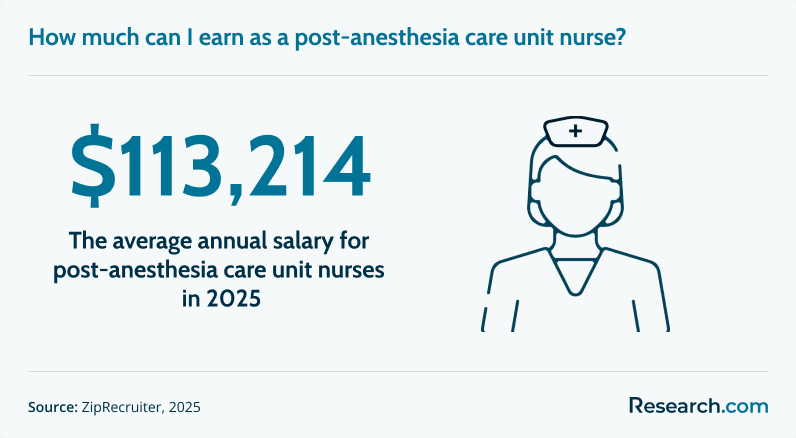
The median salary for Certified Post Anesthesia Nurses falls within the broader perianesthesia nursing range of approximately $80,321 to $113,214. The certified post anesthesia nurse salary 2025 averages around $102,000 per year, with variation based on experience, location, and additional certifications. Some career summaries also cite median salaries near $155,000, but readers should compare sources carefully because salary figures may reflect different role definitions, regions, or related anesthesia nursing positions.
What affects CPAN nurse pay?
- Experience level: Nurses with stronger PACU, ICU, emergency, or high-acuity recovery experience often qualify for more competitive roles.
- Work setting: Hospitals, specialized surgical centers, and high-volume facilities may pay differently from smaller outpatient centers.
- Location: Urban areas and regions with higher costs of living may offer higher wages, though expenses can also be higher.
- Shift and call requirements: Nights, weekends, holidays, on-call coverage, and differential pay can affect total compensation.
- Certification: CPAN certification can strengthen a nurse’s profile and may support better job prospects or pay depending on employer policy.
- Leadership responsibilities: Charge nurse, educator, clinical coordinator, and manager roles can change earning potential.
What is the job outlook for Certified Post Anesthesia Nurses?
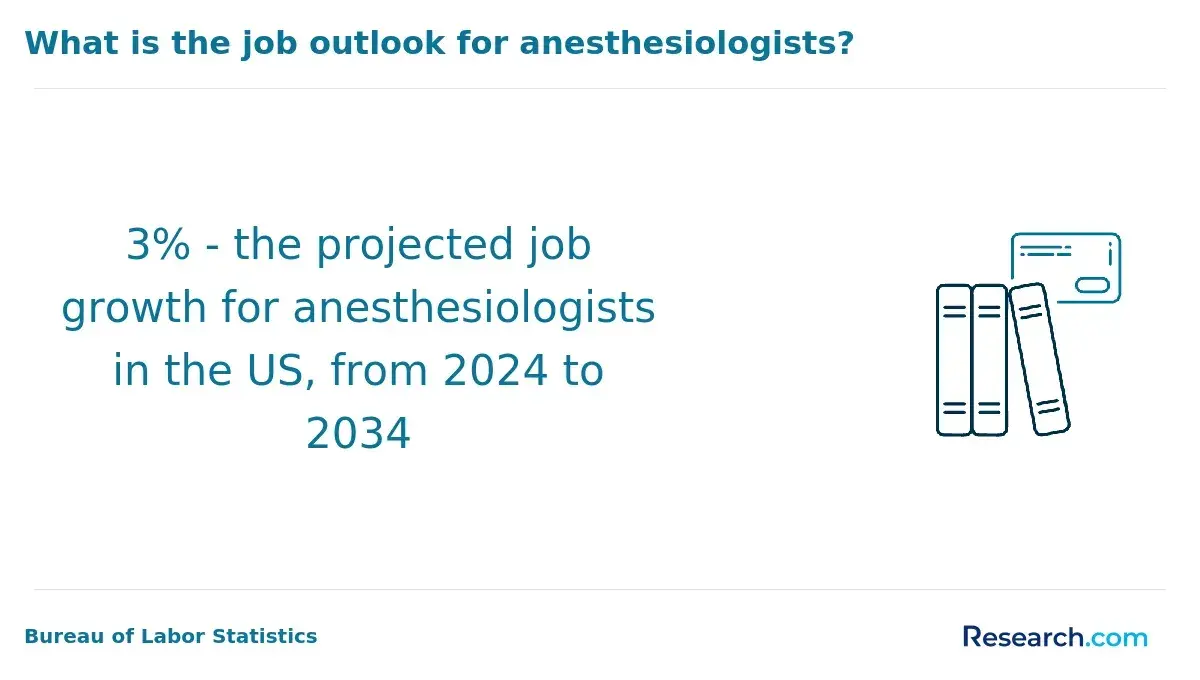
The job outlook for Certified Post Anesthesia Nurse roles is strong, with a projected growth rate of 38% from 2022 to 2032. That is much faster than the average growth rate of 4% to 5% for all occupations. Demand is supported by the continuing need for surgical services, anesthesia recovery monitoring, and nurses who can manage patients safely during immediate post-operative care.
This specialty is also relatively stable because post-anesthesia monitoring is not optional. Whenever patients receive anesthesia or sedation, facilities need qualified clinicians to assess recovery, respond to complications, and determine whether patients are ready for transfer or discharge.
The key factors shaping the future outlook
Several forces support demand for CPAN nurses. An aging population often has greater surgical and procedural needs. Outpatient surgery continues to make recovery care important beyond traditional hospital operating rooms. Facilities also need nurses who can handle complex patients with multiple conditions, higher acuity, and medication-related risks.
Another factor is the persistent shortage of anesthesia providers, especially in rural and underserved areas. While CPAN nurses do not replace anesthesia providers, their specialized recovery expertise helps surgical systems function safely and efficiently. Policy changes granting greater autonomy to anesthesia providers may also affect staffing models, especially in rural settings where anesthesia services are vital.
If affordability is a concern while planning the education needed for this career, compare accredited options carefully. Programs at online accredited colleges that accept financial aid may help some students find accessible nursing-related pathways, though clinical nursing requirements still typically involve in-person training.
What is the typical work environment for Certified Post Anesthesia Nurses?
Certified Post Anesthesia Nurses usually work in PACUs, surgical recovery areas, ambulatory surgery centers, hospital procedural units, and other settings where patients recover from anesthesia or sedation. The environment is clinical, fast-moving, and highly structured because patients must be monitored against clear safety criteria.
The Certified Post Anesthesia Nurse work schedule and hours depend heavily on the facility. Hospital PACUs may require rotating shifts, nights, weekends, holidays, and on-call coverage because surgery and emergency procedures can occur around the clock. Outpatient surgical centers may offer more predictable daytime schedules, although early starts, late cases, and occasional weekend needs can still occur.
Most professionals in this role spend their time in a hospital's post-anesthesia care unit, with about 60% employed in state, local, and private hospitals. Another 25% work in ambulatory healthcare services, such as outpatient surgery centers, while roughly 10% are based in physician offices.
Common work settings
| Setting | What to expect | Potential fit |
| Hospital PACU | Higher acuity, complex cases, rotating coverage, close coordination with surgical and anesthesia teams. | Nurses who like fast-paced, high-responsibility recovery care. |
| Ambulatory surgery center | Planned procedures, same-day discharge focus, often more predictable scheduling. | Nurses who prefer outpatient recovery and patient education. |
| Physician office or procedural clinic | Procedure-based sedation recovery, smaller teams, focused workflows. | Nurses who want a more specialized or lower-volume setting. |
What are the pros and cons of Certified Post Anesthesia Nurse careers?
Certified Post Anesthesia Nurse careers can be deeply satisfying, but they are not low-pressure jobs. The same factors that make the role meaningful—close patient monitoring, high trust, and immediate impact—also create stress and responsibility.
Pros
- Direct impact on patient safety: CPAN nurses often identify complications early and help prevent poor outcomes during a vulnerable recovery window.
- Specialized clinical expertise: The role builds strong skills in airway awareness, pain control, sedation recovery, and rapid assessment.
- Team-based practice: CPAN nurses work closely with anesthesia, surgery, nursing, and recovery teams, which can create a strong professional community.
- Strong earning potential: Salary figures cited for this field show competitive income compared with many general nursing roles.
- Career mobility: Experience can support movement into charge nurse roles, ambulatory surgery, education, leadership, or advanced nursing pathways.
Cons
- High stress: Patients can decline quickly after anesthesia, and nurses must respond without delay.
- Demanding schedules: Hospital roles may include nights, weekends, holidays, long shifts, or call requirements.
- Emotional strain: Caring for high-risk surgical patients and anxious families can be mentally tiring.
- Heavy documentation: Recovery monitoring requires precise charting, medication records, and communication notes.
- Physical demands: The work can involve long periods on your feet, patient transfers, and rapid movement between patients.
This career is a strong fit if you like acute assessment, structured protocols, and meaningful patient contact. If you want a healthcare career with a different pace or lower clinical intensity, you may want to compare other lucrative certificate programs before committing to this specialty.
What are the opportunities for advancement for Certified Post Anesthesia Nurses?
Certified Post Anesthesia Nurses have several advancement options. Some move up within PACU leadership, some specialize in a patient population or care setting, and others use their experience as a foundation for advanced practice, education, administration, or quality improvement.
Clear steps up the career ladder
- Entry-level PACU nurse: Builds foundational experience in post-anesthesia monitoring, recovery criteria, pain control, and discharge education.
- Certified Post Anesthesia Nurse: Demonstrates specialty knowledge through CPAN certification and hands-on perianesthesia experience.
- Senior PACU nurse or preceptor: Supports newer nurses, handles more complex patients, and helps maintain clinical standards.
- Charge nurse: Coordinates staffing, patient flow, handoffs, escalation, and daily unit operations.
- Nurse educator: Trains PACU staff, develops competencies, supports onboarding, and reinforces evidence-based practice.
- Clinical nurse manager: Oversees unit performance, staffing, quality metrics, policy implementation, and team development.
- Advanced roles: Some nurses pursue Certified Registered Nurse Anesthetist, Nurse Administrator, Director of PeriAnesthesia Services, healthcare policy, consulting, or informatics roles, with some roles requiring advanced degrees.
Exploring specializations and leadership roles for post anesthesia nurses
- Pediatric anesthesia recovery: Focuses on children recovering from anesthesia, where communication, dosing awareness, family support, and developmental needs matter.
- Obstetric anesthesia recovery: Supports patients recovering from anesthesia related to childbirth or gynecologic procedures.
- Pain management: Develops deeper expertise in acute and chronic pain strategies for surgical and procedural patients.
- Ambulatory perianesthesia nursing: Centers on same-day surgery recovery, discharge readiness, and patient education.
- Education and training: Prepares nurses to become clinical instructors, preceptors, simulation trainers, or curriculum contributors.
- Nurse anesthesia: The CRNA pathway is a separate advanced practice route involving anesthesia delivery across diverse clinical settings.
The best advancement path depends on what you want more of: bedside expertise, leadership authority, teaching, income growth, schedule control, or advanced clinical responsibility.
What other careers should you consider?
If you are drawn to CPAN nursing but unsure about the PACU environment, consider related roles that use similar strengths: acute assessment, patient monitoring, pain control, surgical care, education, and interdisciplinary coordination.
- Certified Registered Nurse Anesthetist: A CRNA is an advanced practice role focused on anesthesia care before, during, and after procedures. It is a major step beyond CPAN nursing and requires advanced education and credentialing.
- Pain Management Nurse: This role focuses on assessing pain, administering and evaluating treatment plans, educating patients, and improving comfort and function.
- Critical Care Nurse: ICU and other critical care nurses manage unstable patients, complex monitoring, ventilators, medications, and rapid interventions in high-acuity settings.
- Emergency Department Nurse: ED nurses need fast assessment skills, comfort with unpredictability, and the ability to prioritize multiple urgent conditions.
- Operating Room Nurse: OR nurses focus on intraoperative patient safety, sterile technique, surgical workflow, and coordination with surgeons and anesthesia teams.
- Rehabilitation Registered Nurse: Rehab nurses help patients regain function after illness, surgery, or injury and often focus on longer recovery timelines.
- Nurse Educator: Nurse educators use clinical expertise to train students, new nurses, and staff members in academic or healthcare settings.
To choose among these options, compare the daily work rather than the job title alone. Ask whether you prefer short, intense recovery windows; long-term patient relationships; advanced procedures; teaching; leadership; or broad emergency care. The right career should match both your clinical strengths and the kind of pressure you can sustain.
Here's What Professionals Say About Their Certified Post Anesthesia Nurse Careers
- Jamal: "Every day in the PACU brings new challenges, but I feel prepared because of the solid foundation I gained during my CRNA training. One case stands out where I coordinated multiple airway tools-glidescope, fiberoptic bronchoscope, and various tubes-to secure a difficult airway safely. Having everything ready made a huge difference, and the induction went smoother than I expected. Moments like that remind me how critical flexibility and preparation are in anesthesia care."
- Lucia: "Being a Certified Post Anesthesia Nurse for nearly two decades has given me a deep appreciation for this specialty. I did not start out in nursing, and finding perioperative care felt like discovering where I truly belong. Each patient's recovery phase offers moments of progress that never fail to uplift me, especially when I see someone regain full awareness and breathe comfortably again after surgery. It's a privilege to witness such resilience and to support it every day."
- Nikhil: "The rigor of anesthesia education was daunting at first, but the support from faculty and hands-on experience made a huge impact on my confidence as a CRNA. I remember late nights poring over curriculums and practicing techniques, encouraged by mentors who believed in me. Now, working at a busy trauma center, I'm grateful for that preparation-it allows me to provide vigilant, compassionate care even in unpredictable situations. This profession has given me autonomy and fulfillment I hadn't expected."
Key Findings
- Certified Post Anesthesia Nurses specialize in caring for patients as they recover from anesthesia or sedation after surgery or procedures.
- The role requires RN licensure, acute-care judgment, PACU or perianesthesia experience, and, for CPAN® certification, a minimum of 1,200 hours of clinical perianesthesia experience in recent years.
- Core skills include post-anesthesia assessment, respiratory monitoring, pain management, rapid intervention, documentation, patient education, and strong communication.
- Salary figures cited for this career vary, including entry-level salaries typically around $61,500, experienced earnings up to $118,000 annually, a broader median range of approximately $80,321 to $113,214, and a certified post anesthesia nurse salary 2025 average around $102,000 per year.
- The job outlook is strong, with a projected growth rate of 38% from 2022 to 2032 and other cited projections showing jobs expected to rise by 45% through 2030.
- Most CPAN nurses work in hospital PACUs, but opportunities also exist in ambulatory surgery centers, physician offices, and procedural recovery settings.
- This career is best for nurses who can stay calm under pressure, notice subtle patient changes, advocate for safety, and work effectively with surgical and anesthesia teams.
Other Things You Should Know About Certified Post Anesthesia Nurse
To become a certified post anesthesia nurse in 2027, one must first obtain a nursing degree, such as an Associate Degree in Nursing (ADN) or a Bachelor of Science in Nursing (BSN). Afterward, passing the NCLEX-RN exam and gaining clinical experience in post-anesthesia care is essential. Finally, obtaining the CPAN or CAPA certification is recommended for specialization.
It generally takes four to six years to become a certified post anesthesia nurse by 2026. This timeline includes completing a nursing program (two to four years), gaining relevant experience (at least one year), and obtaining certification through a recognized body.
References
- CPAN Certification: Overview and FAQ | IntelyCare https://www.intelycare.com/career-advice/cpan-certification-overview-and-faq/
- 29-1151.00 - Nurse Anesthetists https://www.onetonline.org/link/summary/29-1151.00
- Staff and Travel Post Anesthesia Care Nurse Salary Guide https://www.vivian.com/nursing/pacu-nurse/salary/
- AANA | News | Top 5 things you need to know about Certified Registered Nurse Anesthetists https://www.aana.com/news/top-5-things-you-need-to-know-about-crnas/
- PACU Nursing Jobs: Avoid Burnout & Manage Stress | StaffDNA https://staffdna.com/how-to-handle-the-pressure-of-pacu-nursing-jobs-without-burning-out/
- What Is a PACU Nurse? https://www.wgu.edu/career-guide/healthcare/pacu-nurse-career.html
- What does a Post-Anesthesia Room Nurse do? Career Overview, Roles, Jobs | Sigma https://jobs.sigmanursing.org/career/post-anesthesia-room-nurse
- 5 Things You'd Be Surprised to Find Out About a Career as a CRNA https://www.registerednursing.org/articles/5-things-about-career-crna/
- CPAN Certification: How to Become a CPAN Nurse https://www.carerev.com/blog/cpan-certification-guide
- 26 Different Types of Nursing Jobs | USAHS https://www.usa.edu/blog/different-types-of-jobs-in-nursing/


