
2027 Return on Investment (ROI) of an Entertainment Business Degree Program

Co-Founder and Chief Data Scientist
An entertainment business degree is a career investment, not just a creative credential. The central question is whether the cost, time, and networking effort required to earn the degree can translate into stronger job access, higher earnings, and better advancement in a competitive industry. That question matters because only 27% of graduates secure full-time roles closely related to their field within two years of graduation, making program choice, cost control, internships, and professional connections especially important.
This guide explains how to evaluate the return on investment (ROI) of an entertainment business degree using practical factors: tuition, financial aid, opportunity cost, time to completion, salary outcomes, online versus on-campus formats, accreditation, promotion potential, and industry fit. It is designed for prospective students comparing programs, working adults considering a career shift, and current entertainment professionals deciding whether a formal credential is worth the expense.
Key Things to Know About Entertainment Business Degree ROI
- Graduates with an entertainment business degree often see starting salaries 15% higher than industry averages, with potential for rapid income growth in expanding media markets.
- Career advancement is enhanced by specialized skills in rights management and entertainment law, leading to robust job stability and leadership roles.
- The degree's versatility supports employment across film, music, and digital platforms, providing long-term flexibility amid evolving entertainment industry trends.
How Is ROI Calculated for a Entertainment Business Degree Program?
ROI for an entertainment business degree compares what you spend to earn the credential with the financial and career benefits you can reasonably expect after graduation. A useful ROI estimate should include more than tuition. It should account for lost income, borrowing costs, completion time, job placement prospects, and the long-term value of industry connections.
For entertainment business programs, ROI is especially sensitive to career outcomes because many roles depend on portfolio quality, internships, referrals, and location as much as the degree itself. A low-cost program with strong internship access may produce a better return than a more expensive program with limited industry ties.
Key inputs in an ROI calculation
- Tuition and fees: Include tuition, mandatory fees, textbooks, technology charges, and any required program expenses. These are the easiest costs to identify but rarely represent the full price of attendance.
- Opportunity cost: If you reduce work hours or leave a full-time job to study, lost wages should be included. This can be one of the largest hidden costs of a degree.
- Time to completion: A shorter program can improve ROI by reducing expenses and helping you return to full-time work sooner. A longer program may still be worthwhile if it allows you to keep earning while enrolled.
- Post-graduation salary outcomes: Starting salary, job placement, freelance stability, and access to full-time roles all affect how quickly you can recover your investment.
- Long-term earning potential: ROI improves when the degree helps you move into management, marketing, production, distribution, rights management, or other roles with stronger advancement paths.
Prospective students often compare the entertainment business degree program return on investment with broader business degrees or graduate business credentials. Reviewing the most affordable online MBA programs can provide useful context when weighing specialized entertainment training against a more general business pathway.
How Much Does a Entertainment Business Degree Program Cost?
The cost of an entertainment business degree can vary widely, and the published tuition price is only the starting point. Cost matters because graduate tuition rates have climbed an average of 3% per year over the last decade, while student debt now averages beyond $30,000 per borrower. For ROI purposes, students should estimate the full cost of earning the degree before comparing programs.
The most accurate budget includes direct education expenses, living costs, career-building costs, and the income you may give up while studying. This is particularly important in entertainment business, where unpaid or low-paid internships, travel, software, and networking events may be part of the path to employment.
Costs to include before enrolling
- Tuition and fees: Compare total program cost, not just cost per credit. Fees, enrollment charges, graduation fees, and online learning fees can change the final amount.
- Books and materials: Courses may require textbooks, production-related tools, business software, subscriptions, or access to industry platforms.
- Living and relocation: Attending school in an entertainment hub can improve access to internships and networking, but housing and transportation may raise total cost.
- Opportunity cost: If your program limits your ability to work full time, include the wages you will not earn while enrolled.
- Hidden career expenses: Conferences, showcases, portfolio materials, travel to interviews, professional association fees, and networking events can be valuable but should be planned for in advance.
A graduate of an entertainment business degree described the cost picture this way: “Balancing coursework and part-time jobs was tough. I didn't expect how much I'd spend on software licenses required for projects-they added up quickly.” He also said he felt “pressured by the need to attend industry mixers and conferences,” which created costs beyond tuition. His experience illustrates a common ROI issue: the degree’s sticker price may be lower than the real investment required to take full advantage of the program.
What Financial Aid Is Available for Entertainment Business Degree Programs?
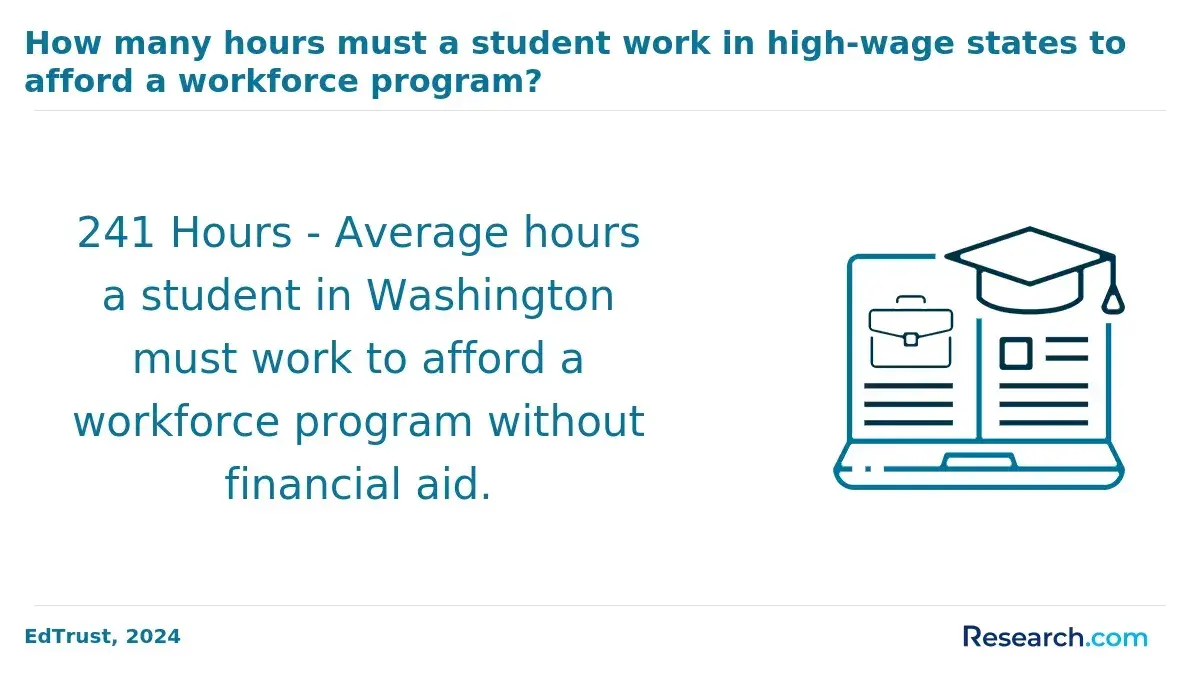
Financial aid can improve ROI by reducing the amount you pay out of pocket or borrow. Recent data show that nearly 85% of graduate students rely on some form of financial assistance, so aid planning should be part of the program selection process rather than an afterthought.
The best aid package is the one that minimizes debt while preserving access to the experiences that matter in entertainment business: internships, faculty mentorship, alumni networks, and industry-facing projects. Students should prioritize gift aid first, employer support when available, and loans only after understanding repayment obligations.
Common financial aid options
- Scholarships: Scholarships may be based on academic merit, financial need, creative work, leadership, or professional goals. Because they do not require repayment, they directly improve ROI.
- Grants: Grants from government sources or institutions can reduce tuition and fees without adding debt, making them especially valuable for cost-sensitive students.
- Fellowships: Fellowships may provide tuition support, stipends, or project funding, often for graduate students or students with strong academic or professional records.
- Employer tuition assistance: Working professionals should ask whether their employer offers tuition reimbursement or education benefits. This can significantly reduce personal spending.
- Federal loans: Federal loans still require repayment, but they typically offer lower interest rates and more flexible repayment options than many private loans.
Before accepting an aid package, compare the net cost after scholarships and grants, the amount you would need to borrow, and whether the program format allows you to keep working. Students comparing business-focused online options may also want to review online colleges for business to better understand how affordability can affect ROI.
How Long Does It Take to Complete a Entertainment Business Degree?
Completion time affects ROI because every additional term can add tuition, fees, living expenses, and delayed full-time earnings. A faster path may reduce costs, but it is not always the best option if it forces you to miss internships, networking, or paid work that would strengthen your career prospects.
For many students, the right timeline is the one that balances speed with employability. In entertainment business, graduating with contacts, internship experience, and a clearer career direction can matter as much as finishing quickly.
Factors that shape completion time
- Enrollment pace: Full-time students typically finish in about four years for a bachelor's degree or two years for an associate, while part-time students may take longer but continue earning income.
- Program format: Online or accelerated programs may shorten the calendar time to graduation by offering flexible schedules or condensed coursework.
- Transfer credits: Prior college credits can reduce the number of courses required, lowering both tuition and time in school.
- Practical requirements: Internships, capstones, theses, and applied projects may extend the timeline, but they can also improve job readiness and networking.
- Class scheduling: Evening, weekend, and asynchronous courses can help working students make steady progress without giving up employment.
A graduate who completed an entertainment business degree part time described the trade-off clearly: “Balancing a part-time job and evening classes stretched my program beyond four years, but it was worth it.” She said the flexible pace helped her avoid debt, although it required discipline and patience. She also noted that completing an internship delayed graduation by a semester but created job opportunities she had not expected. For ROI, that kind of delay may be worthwhile if it leads to stronger employment outcomes.
Is ROI Higher for Online or On-Campus Entertainment Business Programs?
ROI can be higher in either online or on-campus entertainment business programs depending on a student’s work situation, budget, location, and networking needs. With over 40% of higher education students enrolled in at least one online course, online study is now a mainstream option. However, entertainment business is relationship-driven, so students should evaluate format based on both cost and access to industry connections.
Online programs may deliver stronger ROI for students who need to keep working, avoid relocation, or reduce living expenses. On-campus programs may deliver stronger ROI for students who benefit from in-person internships, local entertainment markets, campus events, and face-to-face networking.
How the two formats affect ROI
- Tuition and fees: Online programs may reduce commuting, housing, and relocation costs, even when tuition is similar to campus-based programs.
- Opportunity cost: Flexible online schedules can help students maintain employment while earning the degree, reducing lost income.
- Networking and career services: On-campus programs may offer easier access to guest speakers, alumni events, productions, studios, and local employers.
- Employer perception: Employer acceptance of online education has improved, but students should still choose accredited programs with clear career outcomes.
- Time to completion: Some online formats offer accelerated tracks, while some on-campus programs provide structured sequencing that helps students stay on pace.
Students considering online study should examine whether the program provides virtual career advising, internship support, employer connections, and alumni engagement rather than judging format by flexibility alone. For a broader view of online professional education, CACREP online counseling programs show how accreditation, affordability, and delivery format can shape education decisions in other fields as well.
What Is the Average Salary After Earning a Entertainment Business Degree?
Salary is one of the most important ROI factors because it determines how quickly graduates can recover education costs. On average, salaries in this field typically range between $45,000 and $85,000 annually in the United States, but outcomes differ sharply by role, location, industry segment, experience, and specialization.
Students should be cautious about using a single salary figure to judge the degree. Entry-level entertainment roles may start modestly, while business-side roles in marketing, partnerships, production finance, distribution, and rights management may offer stronger long-term earning potential.
What influences salary outcomes?
- Industry segment: Film, music, digital media, live entertainment, gaming, and sports can have different pay structures and advancement paths.
- Geographic location: Major entertainment markets may offer higher salaries, but the cost of living can reduce the real financial benefit.
- Prior experience: Internships, freelance work, assistant roles, and project experience can improve job access and salary negotiation.
- Specialization: Skills in marketing, licensing, analytics, rights management, production finance, or talent operations may command stronger compensation than general business preparation alone.
- Career level: Entry-level salaries may be limited, but promotions into management or strategy roles can improve ROI over time.
Students comparing career paths should look at both immediate salary and long-term mobility. Those exploring other graduate-level options might also review a masters in psychology online as part of a broader comparison of cost, flexibility, and career direction.
Does a Entertainment Business Degree Lead to Promotions?
An entertainment business degree can support promotions, but it does not guarantee them. Advancement in this field usually depends on a combination of education, experience, relationships, results, and timing. The degree may be most valuable for professionals who already work in entertainment and need formal business training to move into management, operations, marketing, finance, partnerships, or strategy roles.
Promotions improve ROI because they can bring higher pay, broader responsibilities, and better career stability. The degree can help when an employer values formal credentials or when the curriculum directly matches the skills needed for leadership roles.
How the degree can help with advancement
- Credential requirements: Some leadership roles favor or require a degree, especially when responsibilities include budgeting, contracts, operations, or team management.
- Leadership preparation: Coursework in finance, marketing, negotiation, analytics, and entertainment law can strengthen readiness for supervisory or managerial work.
- Tuition support: Employer tuition reimbursement can make the degree more affordable while allowing professionals to keep working.
- Internal promotion policies: Some organizations use education level as one factor when evaluating employees for advancement.
- Experience synergy: The strongest promotion case often comes from combining a degree with demonstrated performance, industry knowledge, and professional relationships.
Professionals focused on long-term career advancement should ask whether the degree fills a real skill gap or simply adds another credential. For those considering education-focused leadership pathways outside entertainment, an EDD degree online may offer a different model of flexible graduate study.
Which Industries Offer the Best ROI for Entertainment Business Graduates?
ROI for entertainment business graduates depends heavily on the industry they enter. The strongest returns usually come from sectors that combine steady demand, scalable business models, clear promotion paths, and roles where business expertise is valued alongside creative fluency.
Students should evaluate industries not only by salary potential but also by job stability, entry barriers, networking requirements, and the transferability of skills. A degree may be more valuable in roles tied to revenue, partnerships, licensing, operations, marketing, analytics, or distribution than in positions where hiring is based almost entirely on creative portfolios.
Industries with strong ROI potential
- Film and Television Production: Business roles in production management, budgeting, distribution, and operations can create paths into higher-responsibility positions over time.
- Music and Live Entertainment: Concerts, festivals, promotion, artist management, and digital distribution can reward skills in marketing, negotiation, scheduling, and rights management.
- Video Game Development and Publishing: Gaming companies often need business talent in product marketing, licensing, partnerships, monetization, and publishing strategy.
- Streaming and Digital Media: Digital platforms value business skills in content strategy, audience analytics, partnerships, and distribution.
- Sports Management: Sports-related entertainment can offer opportunities in sponsorship, events, marketing, fan engagement, and operations.
To improve ROI, prospective students should choose programs that connect directly to their target industry through internships, alumni networks, employer projects, or location-based opportunities. Students who need to manage education costs can also explore online colleges with financial aid when comparing affordable pathways.
Does Accreditation Affect ROI for a Entertainment Business Degree?
Accreditation affects ROI because it signals that a school or program meets recognized educational standards. For students, accreditation can influence financial aid eligibility, credit transfer, graduate school options, and employer confidence. An entertainment business degree from an unaccredited institution may be harder to justify financially if credits do not transfer or employers question the credential.
Accreditation is not a guarantee of employment or salary, but it reduces several risks. It can help students access federal and state financial aid, make future education more flexible, and provide assurance that the institution has been reviewed by an external accrediting body.
Why accreditation matters for ROI
- Employer confidence: Employers may view accredited credentials as more credible, especially for business, management, or finance-related roles.
- Financial aid access: Accredited schools are typically better positioned to offer eligible students access to federal and state aid programs.
- Credit transfer: Credits from accredited institutions are more likely to be considered by other colleges and graduate programs.
- Graduate study options: If you plan to pursue a graduate degree later, attending an accredited school can protect future admissions flexibility.
- Career mobility: A recognized credential can be easier to explain across employers, industries, and locations.
Before enrolling, students should verify accreditation through official institutional sources and confirm that the degree level, delivery format, and program requirements match their career plans.
Is a Entertainment Business Degree Worth It?
An entertainment business degree can be worth it for students who choose an affordable, accredited program; gain practical experience while enrolled; and target business-side roles with advancement potential. It may be less worthwhile for students who take on high debt without a clear career plan, have limited access to internships, or expect the degree alone to overcome a competitive job market.
The financial case depends on cost, completion time, salary outcomes, and career fit. Most programs span two to four years, and early-career salaries for graduates typically range between $40,000 and $60,000, with opportunities to move into higher-paying roles in management, marketing, production, or distribution as experience accumulates.
When the degree is more likely to pay off
- You can keep borrowing low through scholarships, grants, employer assistance, work income, or a lower-cost program.
- The program has strong internship support, alumni access, and industry-facing projects.
- You are targeting business roles rather than relying only on creative passion.
- You are willing to build a professional network before graduation.
- You compare online, hybrid, and in-person options based on total cost and career access.
When to be cautious
- The program is expensive and offers limited career services or employer connections.
- You would need to leave full-time work without a realistic salary plan after graduation.
- You already have strong industry experience and only need targeted skills, certificates, or networking.
- The school is not accredited or does not clearly report outcomes.
For many students, the best answer is not simply “yes” or “no.” The degree is worth it when the program’s cost, format, network, and curriculum support a realistic entertainment business career path.
What Graduates Say About The ROI of Their Entertainment Business Degree
- : "Choosing the entertainment business degree was a strategic move for me; although the average cost of attendance was around $30,000, I viewed it as an investment in a growing industry. The hands-on experience and network I gained during my traditional studies have already paid dividends in my career, opening doors I never expected. For anyone weighing cost against long-term ROI, this degree truly delivers. — Eiden"
- : "As an online student, I researched extensively and knew the price was competitive compared to traditional programs, usually costing between $20,000 and $35,000. The flexibility allowed me to balance work and study, and now, with a solid understanding of the industry's business side, I feel equipped for meaningful career progression. The degree's value, for me, has far surpassed the expense. — Ricky"
- : "Working while studying part-time made the decision to pursue an entertainment business degree manageable, despite the tuition fees averaging near $25,000. Reflecting on my progress, the credential has enhanced my professional credibility and expanded my network significantly, establishing a foundation for future opportunities. The cost was justified by the tangible benefits I'm experiencing in the field. — Vincent"
Other Things You Should Know About Entertainment Business Degrees
In 2027, industry changes could significantly impact the ROI of an entertainment business degree. With technological advancements and shifts in consumer behavior, professionals must adapt to new digital platforms and engagement strategies, potentially altering job opportunities and earning potentials within the entertainment sector.
Yes, internships are crucial for enhancing the ROI of an entertainment business degree. They offer hands-on experience, industry contacts, and real-world insights that theoretical coursework alone cannot provide. Completing internships can significantly improve job prospects and salary potential upon graduation.
References
- Tuition and Funding - Digital Entertainment Business Master in Management of Creative and Cultural Industries - Amsterdam/Milan https://businessschool.luiss.it/digital-entertainment-business/tuition-and-funding/
- Is an Online MBA Worth It? Calculate Your ROI & Career Boost https://ebsedu.org/blog/is-an-online-mba-worth-it/
- The ROI of Accredited Learning for Business Advisors https://project-equity.org/news/employee-ownership-insider/roi-accredited-learning-business-advisors/
- Career Gains from Online Business Education- Amity online https://amityonline.com/blog/the-roi-of-online-business-education
- ROI of Online Degrees in 2025: Cost, Benefits, Career Impact https://www.pwmedharthi.com/blogs/guide/roi-of-online-degrees
- Thinking About a Business Degree? Try an Entertainment Business Degree... – The Los Angeles Film School https://www.lafilm.edu/blog/thinking-about-a-business-degree-try-an-entertainment-business-degree/
- Accreditation and financial ROI | Woolf News & Updates https://woolf.university/news/accreditation-and-financial-roi
- Admissions : Campus Tuition | Full Sail University https://www.fullsail.edu/admissions/tuition
- Get Your Degree in Entertainment Business Online https://learn.lafilm.edu/entertainment-business/
- 7 Careers in the Entertainment Business to Get Excited About https://careers.kogod.american.edu/blog/2025/04/21/7-careers-in-the-entertainment-business-to-get-excited-about/


