
2027 Can You Complete an Online Entertainment Business Degree Program While Working Full-Time?

Co-Founder and Chief Data Scientist
If you work full time and want to earn an online entertainment business degree, the central question is not whether online study is possible. It is whether the program’s pace, assignments, internship expectations, technology requirements, and support services fit the life you actually have. Entertainment business coursework often includes marketing plans, artist or event management projects, media strategy, budgeting, legal concepts, and collaborative assignments, all of which can be demanding when work deadlines and family obligations compete for the same hours.
According to the National Center for Education Statistics, nearly 40% of U.S. undergraduate students are part-time or working adults. That reality matters: many online programs are designed with adult learners in mind, but not all are equally flexible. A program with weekly live meetings, group projects across time zones, or daytime internship requirements can feel very different from one with asynchronous courses and part-time pacing.
This guide explains what full-time workers should expect from an online entertainment business degree, including realistic completion timelines, asynchronous versus synchronous formats, time management strategies, internships, financial aid, employer support, salary considerations, and the program features that matter most before enrolling.
Key Benefits of Completing an Online Entertainment Business Degree Program While Working Full-Time
- Flexible scheduling allows full-time workers to study during evenings or weekends, enabling consistent progress without sacrificing work commitments in the entertainment sector.
- Online coursework often emphasizes practical projects relevant to entertainment business roles, helping students apply skills directly to current jobs, enhancing both learning and performance.
- Networking opportunities within virtual classes connect professionals across various entertainment fields, supporting career growth while balancing job responsibilities.
How Long Does It Take to Complete an Online Entertainment Business Degree While Working Full-Time?
For most full-time workers, an online entertainment business degree is more realistic as a part-time commitment than as a traditional full-time student schedule. The actual timeline depends on how many credits you take each term, whether you transfer credits, whether the program uses accelerated terms, and whether internships or capstone projects require extra scheduling.
A traditional full-time path can lead to an associate degree in about two years or a bachelor's degree in four years. Full-time employees often take fewer courses per term, which can extend an associate degree to about three years and a bachelor's degree to six or more years depending on course load and transfer credit.
Key factors that affect your completion timeline
- Enrollment status: A full-time academic load moves fastest, but it may be difficult for someone already working full time. Part-time enrollment is usually more sustainable, especially for students with family responsibilities, irregular work shifts, or demanding entertainment-industry schedules.
- Course format: Asynchronous programs let you complete lectures and assignments on your own schedule, while accelerated formats compress the same work into shorter terms. Accelerated options can shorten the calendar timeline but often increase weekly study demands.
- Transfer credits: Prior college credits, an associate degree, military credits, or approved professional learning may reduce the number of courses you need. Degree completion programs can be especially useful for adults who already have substantial credits.
- Weekly study time: Full-time students often dedicate 25-34 hours per week to coursework. Working professionals commonly take one or two courses per term and spend about 10-20 hours weekly, which is more manageable but usually lengthens the degree.
- Program requirements: Capstones, internships, practicum experiences, portfolio projects, and group assignments may require planning beyond ordinary weekly coursework. Ask how these requirements are scheduled before enrolling.
A practical expectation for many working adults is three to six years, depending on degree level and pace. Students who want a shorter timeline should compare course intensity carefully and review the best accelerated online programs for working adults to understand the trade-off between speed and workload.
Is an Asynchronous or Synchronous Online Entertainment Business Program Easier for Students Working Full-Time?
An asynchronous online entertainment business program is usually easier for full-time workers because it gives students more control over when they study. You can watch lectures, complete discussion posts, review case materials, and work on projects before work, after work, on weekends, or during slower periods. This flexibility is especially valuable for people in entertainment, events, media, hospitality, or production roles where schedules can change quickly.
Synchronous programs can still work, but they require scheduled attendance for live sessions. That structure can help students stay accountable and build stronger real-time connections with faculty and classmates. The drawback is that fixed meeting times may conflict with work shifts, travel, performances, production calls, or family responsibilities.
How to choose the better format
- Choose asynchronous if: your work hours change often, you travel, you prefer independent study, or you need maximum flexibility.
- Choose synchronous if: you learn best through live discussion, want more structured accountability, and can reliably attend scheduled class meetings.
- Be cautious with hybrid formats: Some programs advertise flexibility but still require live presentations, group meetings, or scheduled exams. Ask for a sample course calendar before committing.
- Check group project expectations: Entertainment business courses often involve campaign planning, event proposals, budget analysis, or media strategy projects. Group work can be harder than lectures to schedule around full-time employment.
For full-time workers, the easiest option is not always the least rigorous one. It is the format that matches your work schedule, energy level, and ability to stay organized without constant reminders. Students comparing early degree options can also review easy associate degrees to understand how program structure affects manageability.
What Time Management Strategies Help Online Entertainment Business Students Working Full-Time?
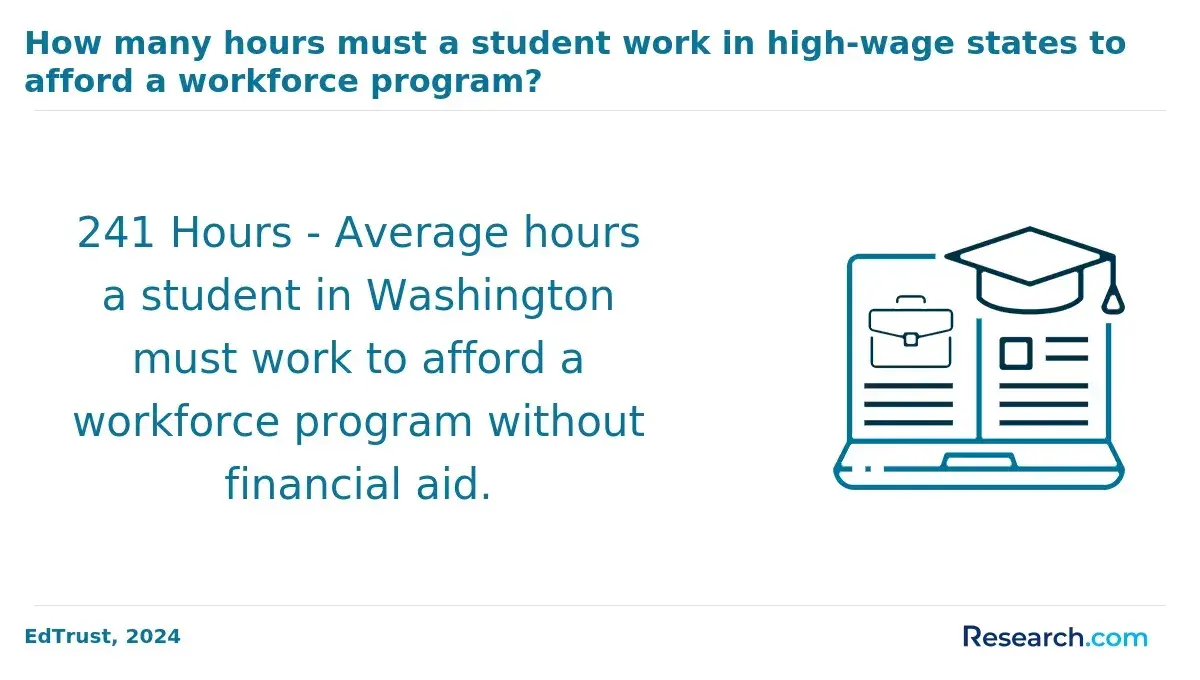
The best time management strategy is to treat your degree like a recurring professional commitment, not an optional activity you fit in only after everything else is finished. Online entertainment business programs often include readings, recorded lectures, discussions, creative briefs, market research, budgets, presentations, and team deliverables. Without a weekly plan, small assignments can quickly turn into missed deadlines.
Practical strategies that work for full-time students
- Use time blocking: Reserve specific study blocks each week and protect them as you would a work meeting. Short, consistent blocks are often more effective than waiting for one long free day.
- Plan deadlines backward: For major projects, set your own internal deadlines several days before the official due date. This gives you room for unexpected work demands, family needs, or technical problems.
- Create a dedicated study setup: A quiet, organized workspace with a reliable computer, headphones, charger, and course materials reduces the friction of getting started.
- Break large assignments into smaller tasks: Turn “finish marketing plan” into steps such as reviewing the rubric, gathering sources, drafting the audience profile, building the budget, editing slides, and submitting the final file.
- Control digital distractions: Use browser blockers, app limits, or separate user profiles if social media, streaming platforms, or entertainment news feeds interrupt your study time.
- Use your work experience wisely: When allowed, connect assignments to real workplace challenges. Applying coursework to your current role can save time and make projects more useful.
- Communicate early: If a major work deadline or production schedule will interfere with coursework, contact the instructor before the due date. Late communication gives you fewer options.
Working students should also build recovery time into their schedules. A plan that ignores sleep, commuting, caregiving, or downtime may look efficient on paper but often leads to burnout before the term ends.
What Are the Biggest Challenges Full-Time Workers Face in Online Entertainment Business Programs?
The biggest challenges are not usually academic ability. They are time, energy, scheduling, networking, and persistence. Entertainment business programs can be highly project-based, and full-time workers may struggle when assignments require collaboration, creative development, or industry research outside normal work hours.
- Time management and workload: Juggling a demanding job averaging over 50 hours a week alongside coursework requires careful planning. Entertainment work can involve last-minute deadlines, evening events, travel, and unpredictable production needs, all of which can disrupt study routines.
- Group project coordination: Online programs often use team assignments to mirror entertainment business environments. Coordinating with classmates across time zones and work schedules can be harder than completing individual assignments.
- Limited networking opportunities: Entertainment careers often depend on relationships, referrals, and current industry knowledge. Online students may need to be more intentional about attending virtual events, contacting faculty, joining alumni groups, and building a portfolio.
- Motivation and isolation: Without face-to-face interaction, it can be harder to stay engaged. Students who do not actively participate in discussions, advising, or peer groups may feel disconnected from the program.
- Technology and file-management demands: Entertainment business assignments may involve multimedia files, presentations, analytics tools, collaboration platforms, or project management software. Poor organization can create avoidable stress near deadlines.
- Financial pressure: Tuition, books, software, and fees can strain a budget even when a student remains employed. Before enrolling, workers should compare total program cost, financial aid options, and employer assistance.
The most common mistake is assuming that online automatically means easy. Online study removes commuting and adds flexibility, but the academic expectations can be as demanding as campus-based coursework.
How Do Online Entertainment Business Programs Handle Internships for Full-Time Workers?
Online entertainment business programs handle internships in different ways, so full-time workers should ask detailed questions before enrolling. Some programs require traditional internship hours with an approved employer, while others offer remote projects, flexible scheduling, capstones, or credit for relevant professional experience. The right arrangement can make the difference between a useful career-building experience and an impossible scheduling burden.
Common internship arrangements for working adults
- Flexible internship scheduling: Some programs allow students to complete internship hours during evenings, weekends, summer terms, or other periods that do not interfere with regular employment.
- Remote or virtual internships: Students may complete research, marketing, social media, talent support, content planning, event promotion, or administrative projects remotely. This can reduce commuting and relocation barriers.
- Credit for prior or current work experience: If your job already involves entertainment business responsibilities, some schools may evaluate your experience for internship credit or allow your current workplace to serve as the internship site.
- Capstone alternatives: Some programs use a final business plan, campaign, portfolio, consulting project, or case analysis instead of a traditional internship. This can be easier for full-time workers while still demonstrating applied skills.
- Career services and placement support: Strong programs help online students identify realistic opportunities, prepare applications, and communicate scheduling constraints professionally.
Before choosing a program, ask whether internships are required, how many hours are expected, whether paid work can count, who approves the placement, and what happens if your work schedule changes. Do not assume that “online” means the internship will also be fully online.
What Technology Do You Need for an Online Entertainment Business Degree While Working Full-Time?
Reliable technology is essential because working students often study during limited windows: early mornings, lunch breaks, evenings, weekends, or travel periods. A slow computer, weak internet connection, or missing software can turn a manageable assignment into a late submission.
Core technology requirements
- High-performance laptop or desktop computer: A reliable computer with at least 8GB RAM and a modern processor is important for multitasking, presentations, file storage, and industry-related applications such as Adobe Creative Cloud or Final Cut Pro. Portability matters if you study from work, travel, or shared spaces.
- Fast and stable internet connection: A broadband connection with at least 25 Mbps download speed helps with streaming lectures, joining live sessions, uploading large files, and collaborating with classmates.
- Learning management system access: Platforms such as Blackboard Learn or Canvas are commonly used for lectures, assignments, grades, announcements, discussions, and instructor messages. Check whether the platform works well on mobile devices if you study between work commitments.
- Video conferencing tools: Zoom or Microsoft Teams may be required for advising, presentations, group meetings, guest speaker sessions, or instructor feedback.
- Industry-specific and collaboration software: Project management tools such as Trello or Asana, marketing analytics platforms like Google Analytics, entertainment law databases, cloud storage, and shared document tools can support coursework and team projects.
- Backup and security tools: Use cloud backup, password management, and antivirus protection. Losing a final presentation or campaign file the night before it is due can be costly.
Technology costs should be part of your enrollment budget. If you are comparing degrees partly for career return, reviewing highest paying bachelors degree paths can help you think more broadly about how education expenses align with long-term goals.
Can You Qualify for Financial Aid If You Study Online and Work Full-Time?
Yes, working full time does not automatically disqualify you from financial aid. Eligibility depends on the program, accreditation, enrollment level, cost of attendance, income, and the rules for each aid source. The most important first step is choosing an eligible, accredited program and completing the required financial aid forms on time.
Financial aid options to review
- Federal student aid through FAFSA: Many accredited online programs allow students to submit the Free Application for Federal Student Aid (FAFSA). Full-time employment does not by itself prevent you from receiving federal loans, grants, or other aid, though income can affect need-based eligibility.
- Employer tuition assistance: Some employers reimburse or help pay tuition for degrees related to your role or future advancement. Ask about annual limits, grade requirements, approved schools, repayment obligations, and whether online programs qualify.
- Part-time enrollment rules: Some aid programs require at least half-time enrollment. If you plan to take one course at a time, confirm whether that pace affects your eligibility for federal, institutional, employer, or scholarship aid.
- Scholarships and grants: Private organizations, schools, professional associations, and industry groups may offer scholarships for entertainment business, media, business, or adult learners. Employment status is not always a barrier.
- Income and Expected Family Contribution (EFC): Your full-time income can affect your expected family contribution and the amount of need-based aid offered. However, there is no strict income cutoff for federal aid eligibility.
Students comparing affordability across business-related online programs may also want to review an online business degree with financial aid to understand how tuition, accreditation, and aid access can vary by institution.
Before enrolling, verify that the school participates in federal aid programs and that your specific online entertainment business program is eligible. You can also compare options from the best accredited non profit online universities if accreditation and financial aid access are priorities.
Do Employers Support Employees Pursuing Online Entertainment Business Degrees in 2027?
Some employers support employees pursuing online entertainment business degrees, but support varies widely. A company may offer tuition reimbursement, flexible scheduling, professional development funding, or informal encouragement. Others may provide little assistance, especially if the degree does not clearly connect to the employee’s current role or the organization’s business needs.
Types of employer support to ask about
- Tuition reimbursement: Some employers provide partial or full reimbursement for approved programs. Support is more likely when the degree builds skills the employer can use, such as marketing, event operations, talent management, budgeting, analytics, or media strategy.
- Flexible scheduling: Adjusted hours, remote work options, or predictable shifts can make it easier to complete assignments, attend live sessions, or meet with project teams.
- Professional development incentives: Employers may connect new credentials to expanded responsibilities, promotions, or salary growth, especially when employees apply new skills directly at work.
- Performance concerns: Some managers may worry that school will reduce focus or availability. A clear plan for maintaining job performance can help reduce resistance.
- Recognition of online credentials: Acceptance of online degrees has grown, but employer views still differ. Program reputation, accreditation, portfolio quality, and demonstrated skills can influence how the credential is received.
Before discussing school with your employer, prepare a brief case explaining how the degree benefits the organization. Include relevant courses, likely skills, schedule impact, estimated costs, and any policy requirements. If your long-term career goals involve quieter or more independent roles, you may also want to compare the top career path for introverts with entertainment business roles that fit your working style.
Does Completing an Online Entertainment Business Degree While Working Full-Time Improve Your Salary?
An online entertainment business degree can improve salary potential, but it does not guarantee a raise. Salary outcomes depend on your current experience, the type of employer, the entertainment sector, location, role, portfolio, professional network, and whether the degree helps you move into higher-responsibility work.
Industry demand matters. Competitive sectors such as film, television, music, and digital media can offer median salaries up to $92,000 for bachelor's graduates in top positions. Degree level also affects outcomes: a master of science in entertainment business yields an average salary near $62,000 annually, while MBA holders in business can earn median salaries around $125,000.
Working full time while studying may strengthen your salary case if you apply new skills immediately. For example, coursework in entertainment marketing, budgeting, contract basics, analytics, or project management may help you take on more complex assignments before graduation. That practical evidence can be more persuasive to employers than the credential alone.
However, the degree is only one part of the compensation picture. Entertainment business is competitive, and some roles place greater weight on credits, contacts, internships, portfolio results, and proven revenue impact. Before enrolling, compare program cost with realistic career outcomes, not just the highest salaries associated with the field.
What Should Full-Time Workers Look for When Choosing an Online Entertainment Business Program?
Full-time workers should choose an online entertainment business program based on fit, flexibility, cost, accreditation, and career relevance. A program may have strong branding but still be difficult to complete if it requires frequent live attendance, daytime internship hours, or heavy group work that conflicts with employment.
Selection criteria that matter most
- Accreditation: Confirm institutional accreditation and, when relevant, program-level recognition. Accreditation affects credit transfer, employer acceptance, graduate study options, and federal financial aid eligibility.
- Flexible scheduling: Look for asynchronous courses, part-time pacing, multiple start dates, and clear policies for assignment deadlines. Flexibility should be specific, not just advertised.
- Transparent workload expectations: Ask how many hours students typically spend per course each week and how often group work, live presentations, exams, or major projects occur.
- Relevant curriculum: Strong programs cover areas such as entertainment marketing, finance, contracts, intellectual property basics, event or venue management, talent management, content strategy, and digital media business models.
- Experienced instructors: Faculty with industry experience can connect theory to real entertainment business decisions. Review instructor backgrounds when available.
- Internship or capstone flexibility: Full-time workers should know whether internships are required, whether current work can count, and whether remote or project-based alternatives exist.
- Online student support: Advising, tutoring, library access, technical support, career coaching, and mental health resources should be available to online learners, not only campus students.
- Total cost: Compare tuition, fees, textbooks, software, equipment, travel, and time away from work. The cheapest program is not always the best value, but unclear costs are a warning sign.
- Career services and networking: Because entertainment careers are relationship-driven, look for alumni access, virtual events, employer connections, portfolio support, and internship guidance.
A good program for a full-time worker should make graduation possible without lowering academic standards. The goal is not to find the easiest credential; it is to find a credible program you can complete while building skills that employers recognize.
What Graduates Say About Completing an Online Entertainment Business Degree While Working Full-Time
- Eiden: "Balancing a full-time job with the online entertainment business degree was challenging, but the flexible pace allowed me to manage work deadlines and coursework effectively. The curriculum was current and relevant, which helped me apply new strategies directly to my projects at work. Considering the reasonable cost compared to traditional programs, it was a worthwhile investment in my career growth."
- Yasmine: "Enrolling in the online entertainment business program while working full time gave me a unique opportunity to reflect deeply on my professional goals. The learning experience was intensive yet manageable, which made the financial commitment feel justified as I saw real progress in my understanding of the industry. It truly transformed how I approach opportunities in entertainment management."
- Vincent: "As a professional juggling work responsibilities, the online entertainment business degree offered a practical way to advance my education without sacrificing my job. The course's structure respected my time constraints and the cost was affordable, which made continuous learning accessible. Completing the program enhanced my resume and opened doors to roles I had aspired to."
Other Things You Should Know About Entertainment Business Degrees
Balancing full-time work and studying an online entertainment business degree can impact the depth of engagement with course material. Time constraints may limit opportunities for networking and participating in extracurricular projects, which are valuable in this industry. However, many programs offer flexible schedules and resources to maintain educational quality despite a busy work life.
To succeed, prioritize time management by creating a dedicated weekly schedule. Leverage technology tools for organization, actively engage in available support networks, and communicate regularly with instructors. These strategies will help balance work and study demands effectively.
In 2027, many online entertainment business degree programs are designed to be flexible, accommodating the schedules of full-time workers. However, challenges include time management, ensuring internet connectivity, and balancing workload with studies. Success often requires strong organization and prioritization skills.
References
- Entertainment Business Internships https://www.aifsabroad.com/career-fields/entertainment-business-internships/
- Internships and Trainee Programs | Careers at Sony Pictures Entertainment https://www.sonypicturesjobs.com/internships
- 7 Careers in the Entertainment Business to Get Excited About https://usa.sae.edu/blog/7-careers-in-the-entertainment-business-to-get-excited-about/
- Synchronous vs Asynchronous Learning | Online Schools https://www.elearners.com/education-resources/degrees-and-programs/synchronous-vs-asynchronous-classes/
- Asynchronous vs. Synchronous Learning: Which Is best? https://www.articulate.com/blog/asynchronous-vs-synchronous-e-learning-which-is-best/
- I got my master's degree online while working full-time. Here's how I did it. https://www.businessinsider.com/how-to-get-a-degree-while-working-full-time-job-2019-8


