2027 School Psychology Degree Programs You Can Start Without Meeting All Requirements

Co-Founder and Chief Data Scientist
Many aspiring students face barriers when applying to school psychology degree programs-such as GPA shortfalls, incomplete prerequisites, or career gaps-that delay or deny entry despite strong potential. Yet, conditional admission policies and bridge courses now provide legitimate pathways allowing early enrollment before fully meeting standard requirements. Approximately 65% of licensed school psychologists report median salaries above $75,000 annually, highlighting the profession's rewarding outlook. This article examines the flexible admission options available-covering foundational coursework, alternative credential evaluations, and institutional supports-aimed at helping candidates navigate and secure a place in school psychology programs while addressing academic and performance benchmarks to ensure program success.
Key Things to Know About School Psychology Degree Programs You Can Start Without Meeting All Requirements
- Conditional admission policies allow students to enroll with GPA or prerequisites below standard-students must meet set benchmarks within a specified timeframe to maintain enrollment.
- Bridge and foundational courses offer tailored coursework that helps transfer or adult learners complete unmet prerequisites while progressing in their degree.
- Alternative credential reviews evaluate professional experience and prior coursework, granting entry to candidates who lack traditional academic records but demonstrate relevant competencies.
What Is the Minimum GPA Requirement for a School Psychology Degree Program?
The minimum GPA required for school psychology degree admission varies widely among institutions-reflecting differences in program competitiveness and admissions philosophies. Selective programs often require a GPA above 3.0, sometimes reaching 3.5 or higher. Moderately competitive programs typically seek GPAs from 2.7 to 3.3, while open-admission schools may accept students with GPAs as low as 2.0. These typical academic GPA thresholds for school psychology programs help balance academic standards with accessibility for diverse student populations.
Admissions committees often consider more than just minimum GPA. Grade trends showing improvement, the rigor of completed courses, and grade replacement policies can influence evaluation significantly. These factors help signal genuine mastery rather than isolated grades. For those whose GPA falls short, the initial step should be contacting admissions counselors to request a holistic application review-highlighting strengths like relevant work experience or strong recommendations. Many programs also offer conditional admissions, enabling students to start coursework while raising their GPA or completing prerequisites.
- Tiers: Selective programs require higher GPAs, moderate programs have mid-range requirements, and open-admissions have lower thresholds.
- Evaluation Factors: Grade trends, course difficulty, and grade replacement policies impact GPA assessment.
- Next Steps: Contact admissions for holistic reviews, inquire about conditional admissions, and explore alternative pathways before assuming rejection.
The following section explores schools with formal policies for admitting students who carry academic deficiencies-detailing conditional admissions, foundational course options, and support systems that facilitate successful early entrance. For learners seeking additional degree options, consider exploring PharmD programs that may offer different admission criteria suited to nontraditional students.
Which School Psychology Programs Accept Applicants on Academic Probation or With Academic Deficiencies?
Several school psychology programs nationwide recognize that applicants may have faced academic challenges yet still show strong potential. These programs often provide conditional admission tracks designed for students with academic probation histories or transcript deficiencies-allowing enrollment under specific performance requirements that support success and eventual full admission.
Here are some examples of how such programs structure conditional enrollment:
- Midwestern State University: This regionally accredited graduate program permits conditional admission for applicants with GPAs below the standard 3.0 threshold if they demonstrate relevant experience. Students must earn at least a 3.0 GPA during their first nine credit hours to continue. Advisor oversight includes monthly progress meetings and tailored academic skill workshops.
- Coastal Valley College: Offering an undergraduate school psychology degree program that allows academic probation entry, this college limits probationary first-semester enrollment to 12 credit hours. Students must achieve a minimum 2.5 GPA to remain enrolled. Academic advisors conduct biweekly check-ins and provide support through foundational psychology bridging courses.
- Eastern Regional University: Their master's program allows provisional admission for applicants with transcript deficiencies by requiring completion of a summer bridge program prior to full enrollment. During the first term, students must maintain a GPA of 3.2 or higher. Faculty mentors offer regular advising sessions to closely monitor academic progress.
- Southern State Teachers College: Conditional pathways here require students admitted on probationary status to complete at least 6 credit hours maintaining a 3.0 GPA during their first term. Weekly group advising meetings focus on time management and study skills enhancement.
- Pacific Northwest University: Focused on adult learners re-entering education with incomplete prerequisites, this program mandates successful completion of foundational courses with minimum grades of B. An advisor-approved study plan and monthly evaluations throughout the probationary semester are required.
Policies about conditional admission vary widely among institutions-and between undergraduate and graduate school psychology programs-so it is essential for prospective students to consult directly with admissions offices to understand up-to-date requirements. Crafting a strong personal statement that explains prior academic difficulties and securing compelling letters of recommendation can greatly enhance a candidate's chance for acceptance in programs that allow conditional admission.
Prospective students-whether they are high school graduates who fell short of GPA thresholds, community college transfer students working through prerequisites, adult learners re-entering higher education, or career changers with strong professional experience but incomplete transcripts-can find flexible pathways to enrollment. Exploring programs that maintain conditional admission policies is an effective way to begin this important career journey. Many also pair such pathways with advisor support systems that monitor performance benchmarks and guide students toward full admission.
Additionally, applicants interested in flexible educational routes might explore RN to BSN online programs as an example of how alternative paths with structured conditional admission and support mechanisms work in practice.
How Do Conditional Admission and Provisional Enrollment Work for School Psychology Degree Seekers?
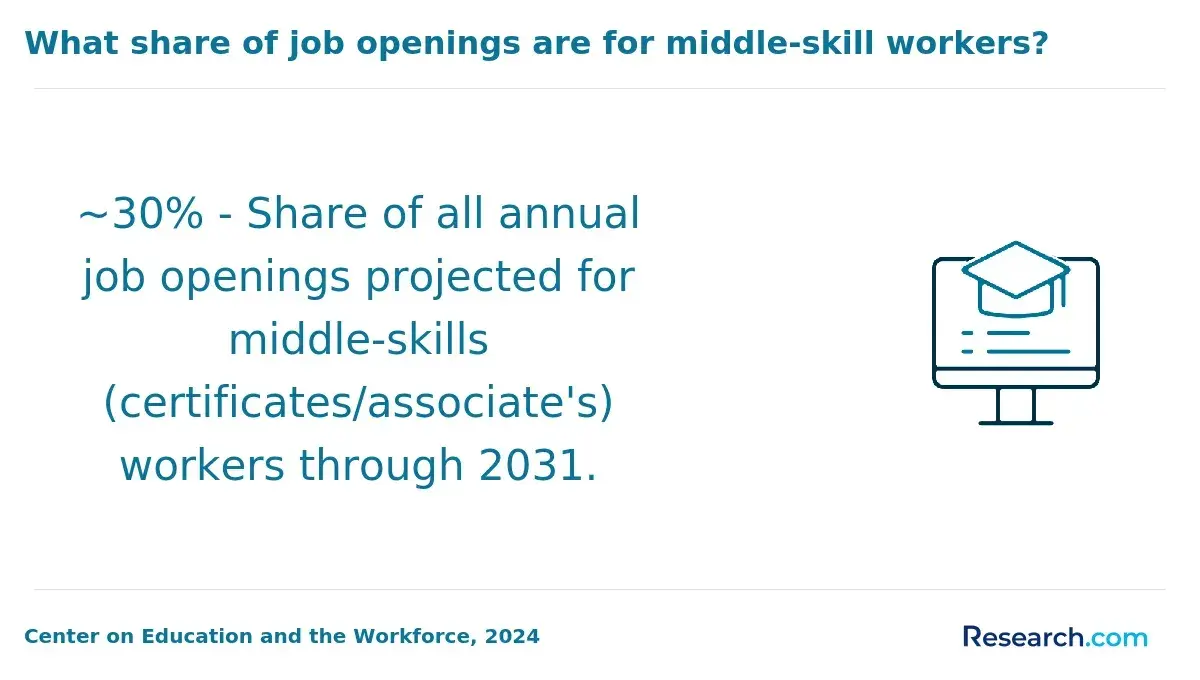
Conditional admission offers entry with clear academic or prerequisite requirements-such as maintaining a minimum GPA in initial coursework or completing foundational classes within one to two semesters-that students must satisfy to continue. In contrast, provisional enrollment often grants temporary, unclassified student status, allowing attendance while awaiting missing documents like transcripts or test scores, usually with fewer academic conditions but a limited timeframe.
- Typical Conditions: Minimum grades of B or higher in early school psychology courses; completion of required foundation classes; submission of outstanding credentials or standardized test results.
- Consequences: Meeting these benchmarks leads to regular admission and degree progression; failure can result in dismissal or revoked enrollment privileges.
- Admissions Questions: What triggers conditional or provisional status? How and when will progress be reviewed? Who makes final admission decisions?
Such pathways accommodate diverse applicants-including those remedying coursework, adult learners returning after gaps, and career changers with incomplete records-providing structured support to succeed rather than serve as a barrier.
Reflecting on his journey, a professional who completed a school psychology program recalled how conditional admission gave him "a critical second chance despite past academic setbacks." He described feeling "pressured but motivated" to meet GPA thresholds while juggling foundation courses. The timeline for review "kept me focused," he said, adding that advisors "were clear about what was needed and encouraged me to ask questions early." Ultimately, meeting conditions allowed him to transition smoothly to full standing, underscoring the practical value of these flexible admissions pathways.
What Alternative Admission Pathways Are Available for School Psychology Programs When Prerequisites Are Not Met?
Applicants who do not meet all standard requirements for school psychology programs can explore several alternative admission options that enable early enrollment while completing missing prerequisites. These pathways-recognized by many accredited programs-help overcome barriers for community college transfer students, adult learners re-entering education, or career changers with strong professional records, reflecting conditional acceptance policies in school psychology graduate programs.
- Portfolio Review: Common in applied or practice-focused master's and EdS programs, this option involves submitting a comprehensive portfolio of academic work, research, or practicum experiences.
- Programs Most Likely: Applied or practice-oriented school psychology master's programs and EdS degrees.
- Documentation Required: Written assignments, clinical observation records, recommendation letters, and reflective statements on skill development.
- Institutional Support: Faculty committees or advisors trained to assess qualitative evidence aligned with program competencies.
- Demonstrated Professional Experience: Candidates with significant background in education, counseling, or mental health may earn credit or conditional admission based on relevant work histories.
- Programs Most Likely: Those valuing practitioner expertise, often connected with local school districts.
- Documentation Required: Detailed resumes, supervisor endorsements, and reflective essays linking experience to school psychology concepts.
- Institutional Support: Policies allowing experiential credit and faculty evaluating skill transfer.
- Prior Learning Assessment Credit: Some institutions grant graduate credit for non-traditional training or prior coursework via formal assessments.
- Programs Most Likely: Schools with flexible degree structures or accreditation permitting graduate credit from external training.
- Documentation Required: Transcripts, certificates, training descriptions, and competency demonstrations through exams or portfolios.
- Institutional Support: Offices handling prior learning evaluations and challenge mechanisms.
- Placement Testing as a Substitute for Prerequisite Coursework: Passing specific placement exams can waive certain prerequisites in modular curricula or accelerated programs.
- Programs Most Likely: Institutions focused on speeding degree progress for experienced candidates.
- Documentation Required: High scores on program-specific or standardized tests, sometimes supplemented by interviews or essays.
- Institutional Support: Authorized testing centers and faculty oversight of examinations.
Students should proactively contact school psychology program offices to inquire about these alternative admission options for school psychology programs. Even when pathways aren't formally listed, many institutions provide informal accommodations. Direct dialogue with department chairs or program directors often yields clearer guidance than centralized admissions. Navigating these options successfully requires understanding conditional requirements and academic benchmarks that ensure continuation in the program.
For those exploring career paths related to psychology and education, understanding admission flexibility is crucial-much like seeking information about the highest paying jobs with a biology degree, proactive inquiry can unlock opportunities.
Which School Psychology Programs Allow Students to Begin While Completing Remaining Prerequisites Concurrently?
Concurrent or co-requisite enrollment in school psychology programs allows students to start graduate-level coursework while still completing prerequisite classes. This differs from conditional admission, which grants entry based on the expectation that outstanding requirements-like foundational courses-will be completed within a set timeframe. Concurrent enrollment enables students to take foundational courses, such as introductory statistics or research methods, alongside core school psychology classes, helping them accelerate their progress despite unfinished prerequisites.
This approach is common when students pair essential quantitative or research classes with first-semester specialization courses, easing the transition into advanced content. Yet, managing the dual coursework can significantly increase academic demands-especially for students balancing jobs or family commitments. Success in this pathway requires strong time management and the ability to maintain satisfactory performance across all classes.
To confirm if a program offers concurrent enrollment, students should thoroughly check the course catalog and the admissions or curriculum sections on the program's website. Conversations with academic advisors are crucial for understanding permitted course combinations and institutional rules. Additionally, requesting a degree audit before registration can clarify remaining requirements and sequencing options to create a feasible academic plan.
- Admission: Concurrent enrollment is distinct from conditional admission, as the former involves simultaneous coursework while the latter depends on future completion of requirements.
- Course Sequencing: Typically involves taking foundational courses like statistics together with initial school psychology subjects.
- Workload: Taking both prerequisite and core courses increases study demands, affecting students with outside responsibilities.
- Identification: Students should consult catalogs, advisors, and degree audits to verify program policies.
- Time Management: Strategies include detailed scheduling, task prioritization, using campus resources, and maintaining communication with instructors to handle stress and deadlines.
A professional who launched her career after completing a school psychology degree recalls that concurrent enrollment was both challenging and rewarding. "Juggling a foundational statistics course while starting school psychology classes tested my organization and resilience," she said. She emphasized that early communication with advisors helped her navigate course choices and workload expectations. Reflecting on the experience, she noted that although balancing coursework with part-time work was stressful, the concurrent enrollment option allowed her to graduate sooner and apply her learning in real time-a benefit that outweighed the pressures involved."
How Do Community College Partnerships Help Students Enter School Psychology Programs Without Full Qualifications?
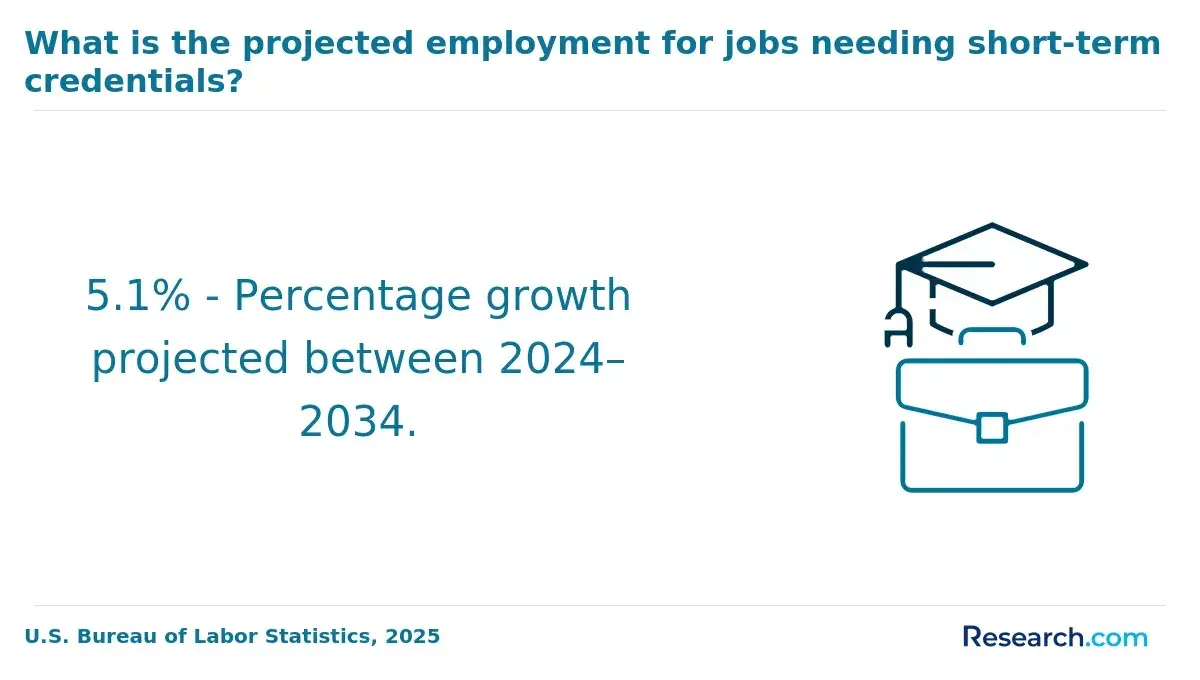
Community college partnerships-including 2+2 articulation agreements, dual-enrollment programs, and pathway initiatives-offer essential opportunities for students who haven't fully met admission standards to start school psychology coursework at the two-year college level.
These pathways simplify transferring to bachelor's or graduate school psychology programs by allowing students to complete foundational courses first. Admissions committees at four-year institutions highly regard certain types of community college classes when evaluating transfer applications from conditionally admitted or non-traditional students:
- Prerequisite Completion: Foundational courses in psychology, human development, research methods, and statistics that prepare students for advanced study.
- GPA Rebuilding: The chance to raise academic standing and reflect current potential beyond initial transcripts.
- Foundational Skill Development: Classes improving writing, critical thinking, and data analysis skills necessary for school psychology success.
Students should check with transfer advisors or school psychology program websites to discover formal articulation agreements with community colleges. If no formal agreement exists, aligning completed coursework with program prerequisites and maintaining communication with admissions counselors can still create viable transfer pathways.
Community college coursework is often evaluated more flexibly under transfer admission standards than typical freshman requirements-offering holistic reviews that focus on recent academic performance and student potential. This flexibility can especially benefit adult learners or those changing careers.
In 2023, over 40% of psychology-related bachelor's degree recipients began their education at community colleges, highlighting the growing importance of these transfer pathways within school psychology education.
What Role Do Personal Statements and Letters of Recommendation Play in Gaining School Psychology Program Access Without Meeting All Requirements?
When applicants fall short of standard quantitative measures such as GPA, test scores, or prerequisite coursework, personal statements and recommendation letters become vital tools for accessing school psychology degree programs. These materials allow applicants to present a comprehensive and persuasive narrative beyond raw numbers.
A compelling personal statement for conditionally admitted applicants should include several elements. First, it should offer a candid yet forward-focused account of academic setbacks-highlighting resilience and self-awareness rather than excuses. Second, the statement must clearly explain how previous experiences-whether professional, volunteer, or academic-have equipped the applicant to handle the rigor of graduate or undergraduate school psychology study. Third, applicants need to specify why the particular school psychology program aligns with their career goals and academic interests, demonstrating thoughtful research and program fit.
Letters of recommendation weigh heavily when credentials are incomplete. Admissions committees favor endorsements from supervisors or faculty members who have directly observed the applicant's intellectual abilities or professional achievements. These credible insights carry more significance than generic character references, which offer limited evidence of academic readiness.
- Transparency: Open and honest discussion of academic challenges reveals maturity and dedication to improvement.
- Preparation: Clear evidence of skills and experiences that offset missing prerequisites.
- Fit: Specific reasons for choosing the school psychology program reflect motivation and vision.
- Recommenders: Preference is given to those with direct knowledge of the applicant's academic or professional performance.
Which School Psychology Programs Offer Bridge or Foundational Courses That Replace Unmet Admission Requirements?
Non-Credit Boot Camps: These intensive, short-term courses focus on foundational knowledge and skills that applicants may lack. Typically offered by universities and specialized educational centers, non-credit boot camps provide proof of preparedness but do not appear as formal credit on academic transcripts. They allow students to enter degree programs sooner by fulfilling prerequisites quickly, requiring a concentrated time commitment-often lasting a few weeks. Costs tend to be moderate-higher than free online resources but lower than full semester courses. While they accelerate admission, their lack of credit may mean additional coursework during the program.
Post-Baccalaureate Preparatory Sequences: Structured, credit-bearing courses designed for students who have completed an undergraduate degree but still need to meet admission prerequisites. Offered mainly by traditional colleges and universities, these sequences appear on official transcripts and can sometimes be applied toward degree requirements once a student fully enrolls. They usually extend timelines by one or more semesters and involve significant financial investment, comparable to regular tuition. These sequences support formal admission by providing a clear academic record.
Certificate-Level Prerequisite Bundles: These package multiple prerequisite courses into formal certificate programs available through universities and community colleges. Certificates appear on transcripts and can sometimes transfer as credits to the School Psychology graduate program, reducing redundancy later. Completing these bundles generally takes a semester or two, with costs varying by institution but often including financial aid options. This approach benefits students who want a credential demonstrating readiness while working through foundational courses replacing School Psychology prerequisites.
Self-Paced Online Remediation Modules: Designed for flexibility, these modules allow students to complete prerequisite coursework at their own speed. Created by universities or accredited providers, completion is often documented via certificates or digital badges but not formal transcript credit. This cost-effective option suits working adults or career changers whose transcripts are incomplete. Timelines vary widely by learner pace and may delay full program enrollment while finishing all modules satisfactorily.
Important Note: Bridge and foundational courses for School Psychology admission are not always clearly advertised within main program materials. Prospective students-including high school graduates who fell short of GPA thresholds, community college transfer students, and adult learners-should proactively ask admissions offices about conditional or foundational enrollment options to discover the full range of flexible pathways designed to overcome admission hurdles. Exploring pathways such as these can ensure timely progress despite prerequisites. For those interested in related degrees, researching an exercise science online degree can reveal similar foundational course options available in other disciplines.
How Does Work Experience or Professional Background Substitute for Academic Requirements in School Psychology Programs?
Professional work experience can serve as a meaningful substitute for unmet academic requirements in school psychology programs-especially those that use holistic admission reviews. Admissions committees often weigh relevant industry experience as strong evidence of a candidate's readiness and genuine commitment to the field, which helps offset challenges like insufficient GPA or incomplete prerequisite coursework.
To leverage your professional background under work experience as substitute for academic requirements in school psychology programs, focus on these key factors:
- Relevant Experience: Positions directly related to counseling, educational support, behavioral intervention, or child development are prioritized.
- Certifications and Credentials: Industry licenses or certifications in counseling, mental health, or education enhance your application by validating professional skills.
- Leadership Roles: Supervisory or management responsibilities demonstrate capability to make informed decisions and oversee projects.
- Professional Contributions: Published articles, conference presentations, or workshops tied to school psychology highlight active engagement.
- Community Service: Volunteer roles supporting schools, youth programs, or mental health outreach add meaningful context to your dedication.
- Documentation: Develop a resume tailored to academic audiences-emphasize measurable outcomes, relevant skills, specific job duties, and timelines.
- References: Obtain letters from supervisors or professional colleagues who can attest to your competencies beyond academic achievements.
- Program Verification: Confirm the program formally evaluates non-academic credentials before committing significant time to compiling this material.
For students balancing incomplete transcripts alongside a strong professional background, exploring bridge and foundational course options within conditional admission policies may be beneficial. Institutional support often includes clear academic obligations and benchmarks to help keep students on track. This dual approach enhances chances for admission despite academic gaps.
Those interested in related flexible degree pathways might also consider exploring options for a nutrition degree online, which similarly values professional experience alongside academic progress.
What Financial Aid and Scholarship Options Are Available to Conditionally Admitted School Psychology Students?
Financial aid remains available for students admitted conditionally into school psychology programs-though specific criteria must be met to maintain eligibility. Federal aid through the Free Application for Federal Student Aid (FAFSA) typically requires students to enroll at least half-time and to show satisfactory academic progress during their provisional period. Falling short of these benchmarks can pause or revoke funding.
- Federal Aid: Conditionally admitted students may qualify for federal assistance if they meet minimum enrollment and maintain required academic standards, ensuring continued access to grants and loans.
- Institutional Scholarships: Universities often provide scholarships catering to non-traditional or returning students whose academic history includes gaps or inconsistent performance. These awards frequently assess professional experience and motivation beyond just GPA.
- Private and External Funding: Various foundations and professional associations support adult learners and career changers in school psychology, offering targeted scholarships that encourage diversity and workforce development despite incomplete transcripts.
- Academic Performance Monitoring: Aid recipients must often complete foundational or bridge courses successfully to resolve prerequisite deficiencies and retain financial aid eligibility.
- Advising and Financial Planning: Consulting both financial aid officers and academic advisors before enrolling conditionally is critical. These experts can clarify how provisional status affects aid packages and help anticipate potential financial risks.
How Do Online School Psychology Programs Compare to Campus-Based Programs in Admission Flexibility?
Admission Flexibility: Online school psychology programs, especially those affiliated with large public university systems or for-profit institutions, often provide more adaptable entry options. These programs may admit students conditionally while they complete necessary prerequisites or offer waivers based on relevant professional experience or previous coursework, improving accessibility for those who do not fully meet traditional criteria.
Conditional Enrollment: Many online programs implement structured conditional admission pathways that require students to satisfy specific benchmarks-such as finishing foundational classes or maintaining a minimum GPA-within a defined timeframe to continue in good standing. This approach allows early enrollment while ensuring academic standards are upheld.
Prerequisite Waivers: Alternative credential assessments are common in online settings, where work history, certifications, or community college credits can substitute for formal prerequisites. This flexibility is especially beneficial for adult learners and career changers seeking recognition for prior learning and experience.
Support Infrastructure: Access to academic advising and student services differs significantly between online and campus programs. Conditionally admitted online students should verify availability of personalized advising to track progress. Tutoring and disability accommodations are typically more centralized on campus, while online students often rely on digital platforms or may need to proactively seek assistance. Mental health support also varies-some online programs provide virtual counseling, whereas others offer limited, referral-based services.
Accreditation and Outcomes: Flexible admission policies do not equate to lower program quality. Both online and campus-based programs must meet regional accreditation standards to award recognized degrees. Prospective students should confirm accreditation status and examine graduation and licensure rates before choosing programs that emphasize easier entry points.
What Graduates Say About School Psychology Degree Programs You Can Start Without Meeting All Requirements
- Otto: "Starting the school psychology program without having met every prerequisite felt daunting at first-but the support system really helped me understand what academic milestones I needed to hit to remain enrolled. The conditional admission policy was clear about timeline expectations, which empowered me to plan my coursework realistically. Knowing the performance benchmarks upfront made me more confident in pacing myself through the program."
- Colsen: "Reflecting on my time in the school psychology degree program, I appreciate how they allowed entry even if you don't check all the boxes initially-it truly opened doors. The academic obligations placed on conditionally admitted students set a strong foundation, ensuring that everyone remains accountable. I learned early on that staying on schedule was non-negotiable if I wanted to maintain good standing and progress steadily toward graduation."
- Isaiah: "Professionally, the conditional admission path in the school psychology program taught me valuable lessons about balancing expectations and personal growth. The benchmarks for academic performance weren't just hurdles-they were a roadmap for success that encouraged me to prioritize my studies diligently. Importantly, the timeline requirements clarified how to manage my workload without becoming overwhelmed."
Other Things You Should Know About School Psychology Degrees
Admission flexibility in school psychology programs in 2027 is often influenced by accrediting bodies like the National Association of School Psychologists (NASP), which set standards allowing for diverse entry pathways. Programs may offer conditional admissions, permitting students to fulfill prerequisites during their studies.
Prospective students can strengthen their case for early or conditional admission by demonstrating relevant experience, such as work or volunteer roles in educational or mental health settings. Completing prerequisite courses at community colleges or via online platforms also shows readiness. Additionally, submitting strong letters of recommendation and a clear personal statement outlining academic goals and commitment can help admissions committees consider exceptions to standard requirements.
Students admitted conditionally into school psychology programs often have access to academic advising, tutoring, and workshops tailored to bridge knowledge gaps. Many institutions provide mentorship from faculty members and peer support groups focused on study skills and time management. These services aim to help students complete required foundational courses successfully and meet the benchmarks needed to continue in the program.
Transfer students coming from unrelated majors usually begin by meeting essential prerequisites-such as coursework in psychology, education, and research methods-through additional classes or bridge programs. Admissions offices typically conduct a detailed evaluation of transcripts to determine which credits can be applied toward the degree. Transfer students may be conditionally admitted with a plan to complete missing requirements within a designated timeline to maintain enrollment status.
References
- Transitional Equivalency (TEQ) https://adler.ca/transitional-equivalency-teq/
- Application Deadlines https://www.eastern.edu/academics/colleges-seminary/college-education/programs-offered/graduate-education-programs/graduate
- A Developmental Strategy to Write Effective Letters of Recommendation – Association for Psychological Science – APS https://www.psychologicalscience.org/observer/a-developmental-strategy-to-write-effective-letters-of-recommendation
- 11 Best School Psychology Programs & Online Options [2024] https://positivepsychology.com/school-psychology-programs/
- Conditional Admission in the US: A Complete Guide https://wiseadmit.io/blogs/conditional-admission-us-complete-guide
- How Schools and Community Partnerships Can Guide Students https://www.nextgenlearning.org/articles/mentoring-students-through-community-partnerships
- Master of Education in School & Applied Child Psychology - Future https://werklund.ucalgary.ca/graduate-programs/future-students/programs/masters-programs/med-school-applied-child-psychology
- What Is Conditional Admission? How Does It Work? https://blog.prepscholar.com/what-is-conditional-admission
- Financial Aid For Psychology Students | Psychology.org https://www.psychology.org/resources/financial-aid/
- Transitioning from Practitioner to Graduate Educator in School Psychology https://www.sssp-research.org/transitioning-from-practitioner/