2027 School Psychology Master's Degree vs Doctorate: Career Paths & Salary Differences

Co-Founder and Chief Data Scientist
Graduates with a master's degree in school psychology often face a pivotal career question-should they pursue a doctorate to gain better access to advanced roles and higher salaries? The median annual salary for school psychologists holding a specialist-level degree sits near $79,000, while doctoral holders often surpass $90,000, reflecting distinct salary trajectories. Beyond pay, doctorate credentials frequently open doors to leadership, research, and university positions with greater promotion potential and long-term job security. This article explores how differences in degree type influence career access, salary growth, return on investment, and professional outlook to help readers decide the best path for their goals.
Key Things to Know About Career Paths & Salary Differences Between a School Psychology Master's Degree and a Doctorate
- Master's degree holders often access roles like school-based practitioners more quickly-while doctorate graduates unlock leadership or specialized clinical positions commanding higher salaries.
- Salary trajectories diverge significantly: doctorate holders report median incomes 25-40% above master's peers within five years, reflecting advanced credentials' market value.
- Return on investment favors doctorates in long-term promotion potential and geographic mobility, despite higher initial costs and extended training periods.
What Is the Difference Between a School Psychology Master's Degree and a Doctorate, and Which Should You Pursue?
A school psychology master's degree typically takes 1-2 years and offers foundational knowledge with practical skills suited for entry-level roles. This credential, often thesis or non-thesis, appeals to those seeking quicker workforce entry or exploring the field's basics. In contrast, a doctorate-whether a PhD or professional degree-requires 4-7 years, blending advanced research, specialized coursework, and clinical practice designed for leadership and deep specialization.
- Duration: Master's programs provide a shorter path, while doctorates require a longer commitment reflecting advanced training.
- Curriculum: Master's curricula focus on applied learning and foundational skills; doctorate programs emphasize research, theory, and high-level clinical expertise.
- Research Requirements: Master's candidates may pursue a thesis or non-thesis option, whereas doctoral students must complete significant original research contributing to the profession.
- Career Focus: Master's degrees prepare graduates for roles like school psychological assistants or counselors, while doctorates open doors to licensure as school psychologists, university faculty, research positions, and leadership jobs.
- Professional Scope: Doctoral credentials align with stringent certification and licensing standards required for independent practice in many states; master's graduates often need further supervised experience to expand scope.
- Target Audience: Those pursuing specialized research or policy influence typically choose a doctorate, while individuals seeking faster entry often opt for the master's path.
Deciding between these degrees involves considering how credential level impacts career opportunities, salary trajectories, and promotion potential. Sector, geographic location, specialization, and employer type also shape salary differences and professional outcomes in school psychology master's degree vs doctorate career opportunities. For working professionals weighing advancement or career changers exploring entry routes, analyzing return on investment remains crucial.
For those interested in related advanced nursing degrees, such as those looking at the cheapest MSN to DNP programs, understanding educational paths helps clarify professional goals across allied health fields.
What Career Paths Are Exclusively Available to School Psychology Doctorate Holders That Are Closed to Master's Graduates?
Certain advanced career roles in school psychology are strictly reserved for doctorate holders-effectively closing these pathways to those with only a master's degree. This credential ceiling shapes long-term professional trajectories and impacts salary potential and promotion opportunities, making it a critical consideration for career planning focused on advanced school psychology roles unavailable to master's graduates.
- Academic Faculty Positions: Tenure-track or full-time university faculty roles typically require a doctorate. These positions emphasize teaching graduate-level courses, conducting original research, and mentoring future practitioners. Accreditation standards from organizations like NASP mandate doctoral credentials to maintain educational rigor and scholarship.
- Clinical Psychologist Licensure: Independent clinical licensure-allowing unsupervised assessment, diagnosis, and treatment-is almost always restricted to those with a doctoral degree. Master's-level practitioners may provide valuable services but typically under supervision or in limited educational contexts.
- Research Leadership Roles: Senior research directorships or scientist roles in government agencies necessitate doctoral training to manage complex studies, secure funding, and develop innovative interventions.
- Specialized Consultant Roles: Certain policy, forensic, or systemic evaluation consultant positions explicitly require doctoral credentials to meet the depth and rigor employers expect.
- Advancement and Salary Ceiling: The doctorate often represents a threshold for leadership and higher pay within schools and agencies, limiting master's degree holders regardless of experience.
Despite recent workforce shortages leading to some hiring flexibility for master's graduates in practitioner roles, the core credential requirements for doctoral-only positions remain firm. Those aiming for roles reserved as school psychology doctorate exclusive career opportunities should realistically evaluate if the investment in a doctorate aligns with their ambitions.
Career changers and undergraduate students planning their paths must weigh how degree distinctions affect access to leadership, research, and clinical roles. For some, exploring options like fast track LPN programs elsewhere may be more suitable depending on their career goals and timelines.
What Career Paths Are Best Suited to School Psychology Master's Graduates in Today's Job Market?
Certain occupational paths in school psychology naturally favor those holding a master's degree-positions where having a doctorate offers little added advantage and practical skills matter most. Current BLS and NACE data confirm that many districts and public agencies employ master's-level professionals as specialists or intervention coordinators, valuing applied assessment and counseling expertise over research credentials.
- Specialist Roles: Master's graduates often fill roles such as behavioral analysts and support staff, where implementing targeted interventions within schools and communities is prioritized above clinical research.
- Program Delivery: Nonprofit and educational organizations frequently hire master's holders to manage student support initiatives, emphasizing hands-on program execution rather than academic oversight.
- Faster Workforce Entry: Compared to doctoral candidates, master's graduates typically enter the job market sooner, incurring less debt and gaining professional experience earlier-advantages backed by employment statistics.
- Competitive Earnings: Entry-level salaries for master's degree holders generally surpass those with only bachelor's degrees, with strong potential for growth in settings that prioritize immediate service deployment.
- Alignment with Practice: The master's credential suits individuals focused on direct engagement with children and schools, within roles that demand applied psychological expertise more than extensive research or teaching credentials.
One professional who earned a master's in school psychology shared that navigating the job market initially felt daunting amid expectations for doctoral-level qualifications in some areas. However, he found that focusing on districts and organizations prioritizing applied skills enabled him to secure employment swiftly. "The real challenge was balancing internship experiences while managing student debt," he explained, "but choosing a master's program gave me a practical route to impact students directly and start my career without delay." His experience underscores how matching educational credentials with role requirements can lead to a fulfilling, efficient career start.
How Do Long-Term Salary Trajectories Differ Between School Psychology Master's and Doctorate Degree Holders Over a Full Career?
Early in their careers, professionals with a school psychology master's degree often earn salaries similar to doctorate holders-especially in public school systems where pay is tied more to experience than credentials. However, significant divergence in earnings typically appears after 8 to 12 years, as those with doctorates move into advanced roles such as senior researchers, administrative leaders, clinical directors, or university faculty positions. These role transitions mark key inflection points where doctoral degree holders begin to outpace master's-level peers in salary.
- Inflection Points: Advanced positions accessible primarily to doctorate holders drive meaningful salary increases, reinforcing the earnings gap over time.
- Career Track Variation: In K-12 public districts, salary caps compress differences, while private institutions, higher education, and specialized clinical settings display wider earnings disparities favoring doctorates.
- Geographic Influence: Urban areas and regions with higher costs of living tend to amplify wage premiums for doctorates due to competitive markets and increased leadership opportunities.
- Employer Size and Sector: Large districts, universities, and private entities often provide broader salary ranges, widening the differential compared to smaller or rural employers.
- Specialization Effects: Expertise in fields like neuropsychology or research methodology can accelerate income growth for doctorate holders due to market demand for niche skills.
Understanding long-term salary growth for school psychology master's vs doctorate holders requires consideration of these interacting factors. Modeling personalized career earnings through tools like the BLS Occupational Outlook Handbook and Georgetown University Center on Education and the Workforce calculators helps individuals avoid reliance on average figures that don't reflect their unique career trajectories. For those balancing advanced degree costs and benefits, reviewing paths through resources such as cahme accredited MHA programs can also offer valuable insights into return on investment and career advancement planning.
What Is the Return on Investment for a School Psychology Master's Degree Versus a School Psychology Doctorate?
Evaluating the return on investment (ROI) for graduate education in school psychology involves considering all costs-tuition, fees, living expenses-and the income lost while studying full-time. These factors must be weighed against the lifetime earnings boost a graduate gains compared to entering the workforce with only a bachelor's degree. Master's programs generally take 2 to 3 years and cost between $30,000 and $60,000, not counting wages sacrificed during study. Doctoral programs often require 4 to 7 years and can exceed $100,000 when accounting for tuition, living costs, and additional lost income.
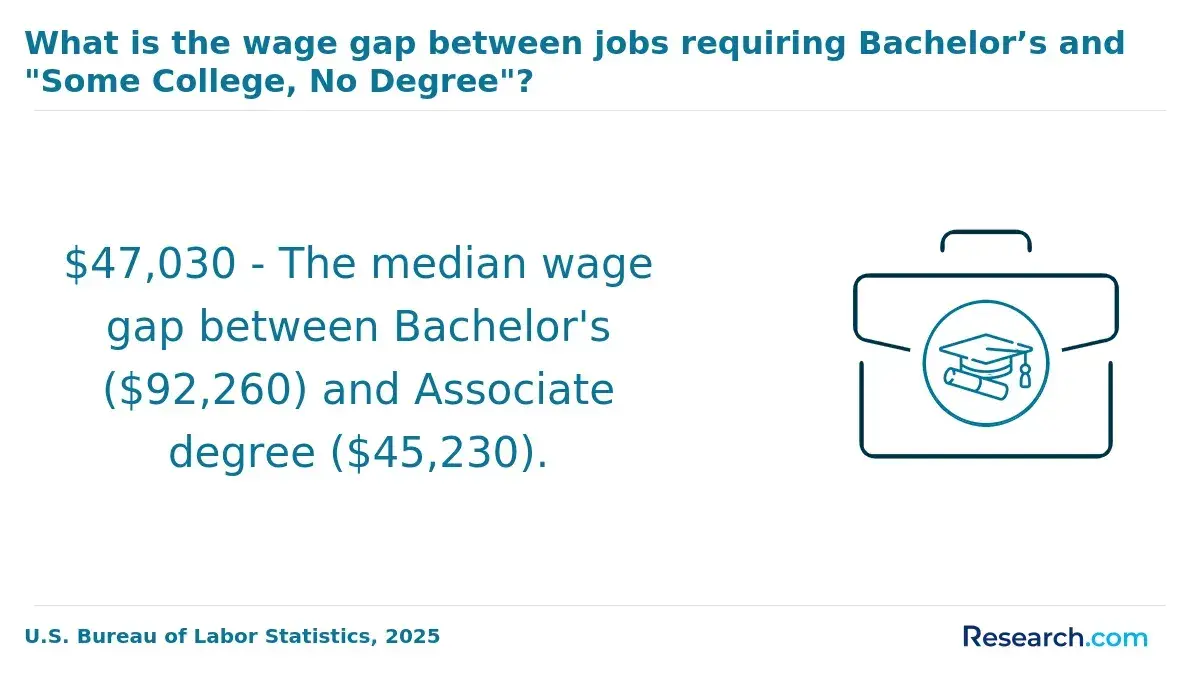
- Earnings Premium: Master's credential holders tend to earn 15% to 25% more than bachelor's degree holders, while doctoral graduates may see a 40% or higher premium due to access to advanced positions and leadership roles.
- Financial Aid: Doctoral students might benefit from stipends, research assistantships, employer tuition support, and federal loan forgiveness, which can significantly lower actual expenses and improve ROI. It's crucial to verify that these supports are genuinely accessible in the chosen program.
- Non-Financial Benefits: Doctorates often provide greater career autonomy, intellectual growth, and opportunities for specialized roles such as faculty or administrator, which contribute to professional fulfillment beyond earnings.
- Individual Priorities: Applicants should balance their financial situation, career aspirations, location preferences, and work-life balance. A master's offers quicker workforce entry and lower upfront costs, while a doctorate may offer higher earnings long term but demands more time and risk.
A professional who chose the master's path reflected on her journey, emphasizing the blend of challenge and reward she encountered. "Balancing full-time work and study was intense, but I appreciated being able to return to the field sooner. The degree opened doors in school-based roles I hadn't anticipated. While I sometimes wondered about pursuing a doctorate, the master's equipped me with a solid foundation and confidence to advance steadily in my career," she shared thoughtfully.
How Does a School Psychology Master's Degree Versus a Doctorate Affect Advancement Speed and Promotion Potential?
Career progression in school psychology hinges strongly on the level of academic credential-master's and doctoral degrees often lead to distinct advancement patterns within organizations. Surveys reveal a "credential ceiling" where doctoral holders typically access senior individual contributor roles faster, such as principal-level specialists or research-focused positions requiring advanced expertise. Meanwhile, master's graduates more quickly ascend to management or applied leadership roles emphasizing direct service delivery and operational execution over specialized research.
- Industry Variation: Doctorates hold a clear edge in promotion speed within research universities, federally funded scientific agencies, and R&D-centered corporations. On the other hand, sectors including healthcare administration, nonprofit leadership, and corporate analytics show little differentiation between master's and doctoral promotion trajectories.
- Advancement Definition: Advancement varies by personal goals-whether rank, salary, autonomy, impact, or recognition. Doctoral degree holders often align well with careers prioritizing research impact and decision-making authority, while master's degree holders tend to achieve faster salary increases and leadership roles focused on practical team management.
- Career Path Dynamics: Master's-level school psychologists enter the workforce sooner, reaching supervisory roles quickly but may encounter promotional limits in research-intensive settings. Doctoral graduates might advance slower in applied domains but benefit from longer career longevity, higher seniority, and greater specialized influence.
Geographic and Employer Influence: Urban and large institutional employers typically prefer doctoral credentials for high-level roles, whereas smaller or rural districts frequently promote master's-level professionals to front-line leadership positions.
Recent research from 2024 indicates approximately 65% of doctoral school psychologists report faster advancement into senior roles compared to their master's counterparts, highlighting ongoing credential-based disparities in career speed and ceiling.
What Are the Time and Lifestyle Costs of Pursuing a School Psychology Doctorate Compared to a Master's Degree?
Choosing between a master's degree and a doctorate in school psychology involves a clear contrast in time commitment, lifestyle impact, and personal sacrifices that shape career and life trajectories. A master's program typically takes 1 to 3 years with predictable coursework and practicum schedules, allowing for more structured progress. In contrast, doctoral study demands 4 to 7 years or more, encompassing dissertation research, comprehensive exams, and timelines heavily influenced by advisor availability. The Council of Graduate Schools reports that only about 58% of doctoral candidates complete their degree within 10 years, illustrating the extended and uncertain nature of this path.
Key considerations include:
- Time Commitment: Doctoral study significantly extends educational duration beyond a master's degree, often requiring juggling research, clinical responsibilities, and sometimes teaching or part-time employment.
- Lifestyle Impact: The unpredictable pace of dissertation milestones and challenging exams can contribute to heightened stress. Research by the American Psychological Association highlights increased anxiety and depression rates among doctoral students compared to master's students.
- Personal Responsibilities: Factors like family obligations, financial strain, and age at enrollment heavily influence the feasibility of pursuing a doctorate, with older students or those with dependents facing amplified challenges.
- Financial Considerations: Longer training delays full-time employment and earnings, increasing opportunity costs and debt risks.
- Career Flexibility: Master's degrees enable quicker entry into practitioner roles, while doctorates unlock leadership, research, and specialist positions-though with a greater initial investment of time and effort.
New trends show more institutions offering hybrid or part-time doctoral options to ease lifestyle pressures without sacrificing academic quality. Ultimately, choosing a master's for quality-of-life reasons is a valid, financially sound decision and aligns with many students' professional goals.
How Does Geographic Location Influence Career and Salary Outcomes for School Psychology Master's Versus Doctorate Holders?
- Regional Variability: Geographic location significantly shapes career access and salary trajectories for those with a school psychology master's compared to a doctorate. BLS OEWS sub-national wage data highlights that the doctoral premium-where doctorate holders earn notably more-is highly variable across states and metro areas. Regions anchored by major research university hubs, biotech corridors, or federal agency clusters generate higher concentrations of roles where doctoral credentials are financially rewarded relative to national averages. This reflects local priorities for advanced expertise in specialized roles and research leadership.
- Economic Hubs: Metropolitan markets dense with healthcare facilities or educational institutions-such as California, Massachusetts, and Maryland-tend to offer broader access to leadership or specialized clinical positions and higher starting salaries for doctorate holders. In less economically diverse or smaller markets, however, the earnings gap between master's and doctorate degrees often narrows, reducing financial incentives to pursue the doctorate. These variations illustrate the impact of geographic location on career advancement in school psychology degrees.
- Cost-of-Living Impact: Salary differentials in high-cost coastal metros like New York City and San Francisco must be evaluated through a purchasing-power lens. While doctorate holders earn more in these areas, elevated living expenses diminish real-dollar advantages. Conversely, salaries in lower-cost interior regions stretch further, sometimes narrowing the effective gap between credential levels and shifting the return on investment dynamic for graduate education decisions.
- Career Mobility: Geographic flexibility can function as a powerful career accelerant for both credential levels. Relocating to a market with high demand for school psychology professionals can produce salary gains rivaling or surpassing the doctoral wage premium. Master's degree holders open to relocation may thus access competitive positions and earnings without immediately pursuing doctoral study, providing an alternate path to career advancement.
Structural Drivers: Specific institutional environments-federal education agencies, medical research institutions, and specialized school districts-create sustained demand for doctoral-level expertise. These sectors favor evidence-based intervention and research leadership, reinforcing advanced degree importance.
For readers exploring graduate options and comparing the return on investment between various programs, resources such as the which school is better SNHU vs WGU guide can provide valuable insight into educational pathways related to career progression in school psychology.
What Role Does Institution Prestige Play in School Psychology Master's Versus Doctorate Career and Salary Outcomes?
The prestige of an institution conferring a school psychology master's or doctorate degree can influence career outcomes, though this varies significantly across sectors and degree levels. Research including studies from the National Bureau of Economic Research and Georgetown CEW clarifies where institutional brand genuinely impacts placement rates, starting salaries, and long-term earnings, helping separate empirical evidence from conventional assumptions.
- Academic Hiring: Doctoral candidates generally experience stronger prestige effects since faculty search committees use institutional reputation as a quality signal. Publications, advisor recognition, and dissertation impact often align with the university's brand, providing an edge in academic career advancement.
- Private Sector Employment: Employers in many school psychology-related industries prioritize skills, certifications, and relevant experience over the prestige of the awarding university. Starting salaries and career progression in these roles reflect practical accomplishments more than institutional ranking, making degree prestige less predictive.
- Program Quality Metrics: Prospective students should emphasize measurable indicators such as alumni placement success, faculty research productivity, and employer recruiting ties. Reliable salary information from the U.S. Department of Education's College Scorecard often offers more pertinent insights than popular university ranking lists, which may not capture school psychology's labor market nuances.
- Cost and Funding Considerations: Doctoral students, in particular, may benefit more from attending fully funded or moderately ranked programs with strong mentorship and research infrastructure rather than prioritizing prestige alone. Dissertation quality and advisor networks often influence career trajectories more profoundly than brand.
- Long-Term Earnings: Empirical evidence suggests any initial salary premium tied to institutional prestige diminishes over time as individual achievements and professional growth become paramount.
Individuals exploring advanced degrees in school psychology-from recent graduates to career changers-should therefore balance the impact of institution prestige with personal goals, financial considerations, and program-specific strengths. For those seeking accelerated credentialing that aligns with evolving career demands, options such as the BCBA accelerated program offer alternative pathways that complement traditional degrees. This nuanced approach ensures informed decisions grounded in data rather than reputational myths, enabling alignment with career ambitions and market realities related to institution prestige impact on school psychology master's vs doctorate salaries and the role of university ranking in school psychology career advancement outcomes.
How Do School Psychology Master's and Doctorate Programs Differ in Preparing Graduates for Industry Versus Academic Careers?
Master's and doctoral programs in School Psychology serve distinct professional objectives, primarily shaped by their curricular focus and career preparation models. Master's curricula center on practical skills-assessment methods, intervention techniques, and behavioral consultations-geared toward immediate application in educational and clinical environments. Doctoral programs incorporate these foundational topics but extend into sophisticated research methods, advanced statistics, and theoretical frameworks designed to cultivate original scholarly contributions.
- Research Emphasis: Doctorate candidates engage deeply in independent research culminating in dissertations that advance knowledge within the field. In contrast, master's students tend to undertake applied projects or theses aimed at addressing practical challenges rather than generating new theoretical insights.
- Applied Project Requirements: Professional master's degrees commonly require internships emphasizing real-world client interaction, collaborative teamwork, and hands-on service delivery. While doctoral programs also mandate internships, these often prioritize integrating research with practice, sometimes restricting immersive industry experience.
- Professional Development: Master's training usually involves workshops and seminars focused on immediate employability skills-client management, ethical standards, and practical collaboration. Doctoral training, however, dedicates more effort to preparing students for academic careers through publishing, grant writing, and university-level teaching competencies.
- Industry Preparation Gap: Since doctoral programs primarily aim to produce independent researchers and faculty members, they frequently lack comprehensive training in business acumen, leadership, and client relationship management necessary for industry roles. Recognizing this limitation, some innovative programs have begun integrating practical skill modules and interdisciplinary experiences to broaden career readiness.
- Industry Orientation of Master's Programs: Applied master's degrees are explicitly tailored for professional practice in diverse settings-corporate consulting, school districts, and community mental health-enabling graduates to confidently enter practitioner roles with relevant expertise.
- Career Placement Data: Prospective students should examine graduate employment statistics carefully. The proportion of alumni entering academia versus roles in industry, government, or nonprofits reveals a program's alignment with intended career trajectories and can guide informed decision-making.
How Do Starting Salaries for School Psychology Master's Graduates Compare to Those for School Psychology Doctorate Holders?
Data drawn from the BLS Occupational Employment and Wage Statistics, NACE salary surveys, and compensation platforms such as PayScale and Salary.com highlight notable disparities in starting pay between school psychology master's graduates and doctorate holders. These differences, however, shift considerably depending on sector and career path.
- Sector Variation: Doctorate-level professionals in academia and research roles usually earn significantly higher entry-level salaries compared to master's degree holders, reflecting the advanced expertise and research capabilities required.
- Industry and Government Roles: Entry-level salary gaps tend to narrow or vanish in public schools, government agencies, and industry settings, where practical experience and certification often matter more than terminal degrees.
- Opportunity Cost: Doctoral candidates typically spend three to five additional years in training-sacrificing master's-level earnings and accumulating more debt-delaying workforce entry and slowing the realization of any salary advantages.
- Salary Parity Timing: As a result, despite higher starting wages in some sectors, doctorate holders may not match or exceed master's-level earnings until mid-career, especially where degree level holds less sway in compensation.
- Financial Comparison Scope: Initial salaries represent only a slice of the financial picture; long-term earning potential and promotion prospects will be explored in later sections to better assess the return on investment across credentials.
What School Psychology Graduates Say About the Career Paths & Salary Differences Between a Master's Degree and a Doctorate
- Azai: "Embarking on my journey with a master's in school psychology opened doors to immediate roles in assessment and intervention-but pursuing a doctorate truly expanded my career access, allowing me to specialize and lead programs. The salary trajectory is notably steeper at the doctoral level, which I found critical given the additional years of study and investment. In hindsight, the doctorate felt like a long-term investment with promising promotion potential and a broader professional outlook that justifies the upfront commitment."
- Russell: "Looking back, earning my doctorate in School Psychology gave me a clear advantage-not just in salary but in opportunities to engage in advanced clinical practice and research leadership. The master's degree secured a stable start, but the doctorate really set the stage for faster growth and a much higher return on investment over time. It's not just about the paycheck-it's about the respect and influence you gain within schools and districts that really make a difference."
- Christian: "The contrast between master's and doctoral roles in school psychology is striking-while a master's secures foundational roles and a decent salary, the doctorate unlocks leadership positions with sustained salary growth. Professionally, the doctorate offers a solid long-term outlook with more diverse career pathways and higher job security. I've found the added years of study taxing at times, but the enhanced promotion potential and salary benefits make it a strategic choice for serious professionals."
Other Things You Should Know About School Psychology Degrees
Doctoral programs in school psychology often offer more funding opportunities, including stipends, assistantships, and scholarships, compared to master's programs. Master's students typically rely more on loans or personal funding because fewer assistantships and grants are available at this level. This financial aid difference reflects the longer duration and research emphasis of doctoral studies.
Employers in school psychology frequently give preference to doctorate holders for roles involving leadership, research, or advanced clinical practice. While a master's degree can qualify candidates for many practitioner positions, doctoral degrees often open doors to higher-level roles and administrative jobs in schools and related settings. The doctorate is viewed as a marker of advanced expertise and preparation for diverse career paths.
In 2027, school psychologists with a master's may need to complete 75 hours of continuing education every three years, while those with a doctorate might be required to fulfill 90 hours, according to certification boards like NASP or local state regulations.
References
- Psychology Ph.D. & Psy.D.: Costs, Requirements, And Careers https://www.psychology.org/degrees/phd/
- PhD in School Psychology | Why a pursue a Doctoral Degree in School Psychology? | School-Psychologists.com https://www.school-psychologists.com/articles/phd-school-psychology/
- Master’s vs PhD: Which Degree Is Right for Your Career Goals? https://theredpen.in/blog/masters-vs-phd-everything-you-need-to-know/
- Is a Doctorate Better Than a Masters? https://aituedu.org/is-a-doctorate-better-than-a-masters/
- Master vs. PhD: Salary, Jobs & Time, The Big Differences https://www.applykite.com/blog/phd-guide-master-vs-phd
- PsyD vs. PhD in Psychology https://onlinecounselingprograms.com/mental-health-careers/how-to-become-psychologist/psyd-vs-phd-in-psychology/
- School Psychologist Salary Guide 2026 - PsychologyJobs.com https://psychologyjobs.com/school-psychologist-salary/
- Educational Psychology Salary for Masters & PhD Students https://mastersinpsychologyguide.com/articles/educational-psychology-salary-masters-phd-students/
- From MS to a PhD in Psychology: A Seamless Path | Palo Alto University https://paloaltou.edu/resources/blog/ms-phd-psychology-seamless-path
- Master’s vs. Doctorate Degree| University of Bridgeport https://www.bridgeport.edu/news/difference-between-a-masters-and-doctorate-degree/