
2027 Shortest Online Health Informatics Degree Master's Programs That Pay Well: Cost, Time to Completion, and Salary Outlook

Co-Founder and Chief Data Scientist
Choosing a fast online master’s in health informatics is usually a trade-off: you want the credential quickly, but you also need the program to be credible, affordable, manageable with work, and useful for higher-level healthcare technology roles. The shortest online health informatics master’s programs are built for that exact situation, often compressing graduate study into 12 to 18 months through intensive terms, year-round scheduling, and focused coursework.
Health informatics matters because healthcare organizations rely on accurate data, secure systems, electronic health records, analytics, and workflow technology to improve care and control costs. Employment in the field is projected to increase by 17% through 2030, reflecting strong demand for professionals who can connect healthcare operations with information systems.
This guide explains how short online health informatics master’s programs are structured, how many credits they usually require, what specializations may be available, what costs and fees to expect, which financial aid options may help, and what career and salary outcomes graduates commonly pursue.
Key Benefits of the Shortest Online Health Informatics Degree Master's Programs That Pay Well
- Shortest online health informatics master's programs allow completion in as little as 12 to 18 months, enabling faster entry into advanced roles and minimizing opportunity cost.
- Accelerated degrees often reduce tuition fees and living expenses compared to traditional programs, offering a more cost-effective path without sacrificing quality.
- Graduates report median salaries exceeding $90,000, reflecting strong industry demand and enhanced career prospects in healthcare data management and analytics.
What Are the Shortest Online Health Informatics Master's Programs Available Today?
The shortest online health informatics master’s programs are typically designed for students who already have professional experience and want to move quickly into informatics, analytics, health IT, or healthcare leadership roles. Many accelerated options can be completed in 12 to 18 months, depending on course load, term length, transfer credit policies, and whether the student enrolls full time.
These programs shorten the timeline by using condensed terms, continuous enrollment, and tightly sequenced courses. The trade-off is intensity: students usually complete the same graduate-level work in less time, so strong time management is essential.
Common accelerated program formats
- Accelerated full-time programs: These are usually the fastest option, often allowing completion in 12-15 months. Students take heavier course loads and move through a structured sequence with limited breaks.
- Part-time accelerated tracks: These programs are built for working adults who need a lighter but continuous course schedule. Completion often takes around 15-18 months, making this format more realistic for students with full-time jobs or family responsibilities.
- Competency-based programs: These programs allow students to progress after demonstrating mastery of required skills. Highly motivated students with relevant experience may finish faster, but self-paced learning requires discipline and comfort working independently.
How to choose among the fastest options
A shorter program is not automatically better. Before enrolling, compare accreditation, faculty expertise, employer recognition, student support, practicum or capstone requirements, and whether the curriculum matches your target role. A 12-month program may be efficient for an experienced healthcare or IT professional, while an 18-month option may be more manageable for someone changing careers.
Students considering quick entry points into healthcare may also want to compare related pathways, such as accelerated medical assistant programs, especially if they are still deciding between clinical, administrative, and technology-focused healthcare careers.
How Many Credits Are Required for the Shortest Online Health Informatics Master's Programs?
The shortest online health informatics master’s programs typically require between 30 and 40 credit hours. Programs at the lower end of that range may be more streamlined, while those closer to 40 credits may include more electives, applied projects, or technical coursework.
Credit requirements matter because they affect tuition, workload, graduation timeline, and the number of courses a student must take each term. A 30-credit program may be faster and less expensive, but applicants should still confirm that it covers the technical, analytical, and healthcare systems competencies expected by employers.
What usually counts toward the credit total
- Core requirements: Core courses usually cover health information systems, healthcare data management, clinical informatics, health analytics, privacy, compliance, and healthcare operations.
- Electives or concentration courses: Some accelerated programs allow limited elective choice in areas such as analytics, cybersecurity, management, health policy, or clinical systems.
- Capstone, practicum, or applied project: Many programs require a final project that applies informatics methods to a real or simulated healthcare problem. This can be valuable for students who need portfolio evidence for job applications.
- Continuous terms: Accelerated programs often rely on year-round study, including summer sessions, so students avoid long gaps between courses.
- Transfer credits: Some universities permit eligible graduate transfer credits. This can reduce the number of credits required at the institution, but policies vary and are often limited.
Questions to ask before enrolling
- How many credits are required to graduate?
- Can any prior graduate coursework transfer?
- How many courses must students take each term to finish in 12 to 18 months?
- Is the capstone included in the credit total, or does it add extra time?
- Are there prerequisites for students without healthcare, IT, or analytics backgrounds?
Students comparing healthcare technology pathways may also review shorter credential options in related areas, including medical billing certification, to decide whether a certificate, master’s degree, or combined career plan best fits their goals.
Are There Specializations Available in the Shortest Online Health Informatics Master's Programs?
Yes, some of the shortest online health informatics master’s programs offer specializations, but the options may be more limited than in longer programs. Because accelerated degrees are built around speed and efficiency, schools often prioritize core informatics competencies and offer only a few concentration choices. A 2023 survey by the Association of Online Programs found that around 62% of online master’s programs in health-related fields include at least one concentration.
Specializations can be useful when they align with a specific career target. However, students should not choose a concentration only because it sounds marketable. The best specialization is the one that builds skills directly connected to the roles, tools, and settings the student wants to enter.
Common specialization options
- Clinical Informatics: Focuses on electronic health records, clinical workflows, decision support, and the use of information systems to improve patient care. This option often fits clinicians, care coordinators, and healthcare workers moving into technology-focused roles.
- Data Analytics: Emphasizes healthcare data, reporting, predictive modeling, and evidence-based decision-making. This track is often useful for students targeting analyst, quality improvement, population health, or research-related roles.
- Healthcare Management: Covers leadership, operations, policy, and administrative decision-making in healthcare settings. This option may fit students who want informatics knowledge for management rather than technical analytics work.
- Cybersecurity: Focuses on protecting sensitive patient information, healthcare infrastructure, and digital systems. This concentration can be valuable for students interested in compliance, risk management, privacy, or health IT security.
How specialization affects an accelerated program
In a short program, specialization usually comes through a small set of courses rather than an extensive separate track. That can be enough for career direction, but students seeking deep technical expertise may need additional certifications, projects, or work experience after graduation.
One graduate of an accelerated online health informatics master’s degree described the trade-off clearly: “It was challenging to dive deeply into a single focus because the pace was rapid.” Still, the specialization gave structure to his studies and helped him concentrate on a career path.
He added, “I appreciated how the program integrated specialized content without extending my graduation timeline, which was crucial since I was working full-time. It felt intense but rewarding.” For many students, that is the practical value of a concentration in a fast program: enough focus to support a career move without adding another term or year of study.
What Is the Typical Curriculum Structure of the Shortest Health Informatics Master's Programs?
The shortest health informatics master’s programs usually organize coursework into compact, consecutive terms so students can finish in 12 to 18 months. Instead of spreading courses across a traditional two-year sequence, these programs often require students to complete multiple courses per term and continue with minimal breaks.
A common structure includes three to four courses per term over three to four intensive terms. Nearly 70% of accelerated programs offer a continuous three-term format, which helps students maintain momentum but leaves less time for recovery between courses.
Core curriculum components
- Health informatics foundations: Introduces the role of information systems in healthcare delivery, administration, quality improvement, and patient outcomes.
- Healthcare data management: Covers how health data is collected, stored, governed, protected, and used across clinical and administrative systems.
- Clinical informatics: Examines electronic health records, clinical workflows, decision support tools, and technology adoption in healthcare environments.
- Healthcare analytics: Builds skills in interpreting healthcare data, creating reports, identifying trends, and supporting evidence-based decisions.
- Privacy, security, and compliance: Addresses the handling of sensitive health information and the legal and ethical responsibilities tied to healthcare data.
Electives and applied learning
- Electives: Students may be able to choose courses in cybersecurity, biostatistics, health policy, project management, or advanced analytics, depending on the program.
- Capstone or project: Most programs include a culminating experience where students solve a practical health informatics problem, design an implementation plan, analyze data, or evaluate a system.
- Sequenced terms: Courses are often arranged in a strict order, so missing or dropping one course can delay graduation. Students should ask whether courses are offered every term before committing to an accelerated timeline.
What students should expect
Accelerated curriculum design works best for students who can plan weekly study time in advance. The workload can be especially demanding when technical assignments, group projects, readings, and capstone milestones overlap. Before enrolling, ask for a sample course sequence and confirm whether the program is asynchronous, synchronous, or a mix of both.
What Is the Average Tuition Cost for the Shortest Online Health Informatics Master's Programs?
The shortest online health informatics master’s programs typically cost between $15,000 and $40,000 total, with average total tuition around $28,000. The final cost depends on credit requirements, per-credit tuition, university fees, residency policy, transfer credits, and whether the program charges flat-rate tuition by term.
Accelerated programs may look expensive per term because students take courses at a faster pace. However, a shorter timeline can reduce the number of terms in which students pay fees and may allow them to pursue higher-level roles sooner. The key is to compare total program cost, not just per-credit or per-term pricing.
Cost factors to compare
- Average total tuition: This is the most important number for comparison because it reflects the estimated tuition required to complete the degree.
- Tuition per credit or term: Some programs charge per credit, while others use term-based pricing. Term-based pricing can benefit students who complete courses quickly, but it may be risky if the workload becomes unmanageable.
- Program fees: Technology fees, online learning fees, graduation fees, software fees, and course material costs can raise the final price.
- Time away from income: A faster degree may help students avoid an extended period of reduced work hours, but only if the schedule can be balanced with employment.
- Transfer credit policies: Accepted transfer credits may reduce both time and tuition, but not all schools allow them for graduate informatics programs.
Prospective students should request a full cost estimate from each school, including tuition and required fees through graduation. Those comparing broader healthcare advancement pathways may also want to review RN to BSN online programs, particularly if they are licensed nurses weighing clinical advancement against informatics-focused graduate study.
Do the Shortest Online Health Informatics Master's Programs Charge Out-of-State Tuition?
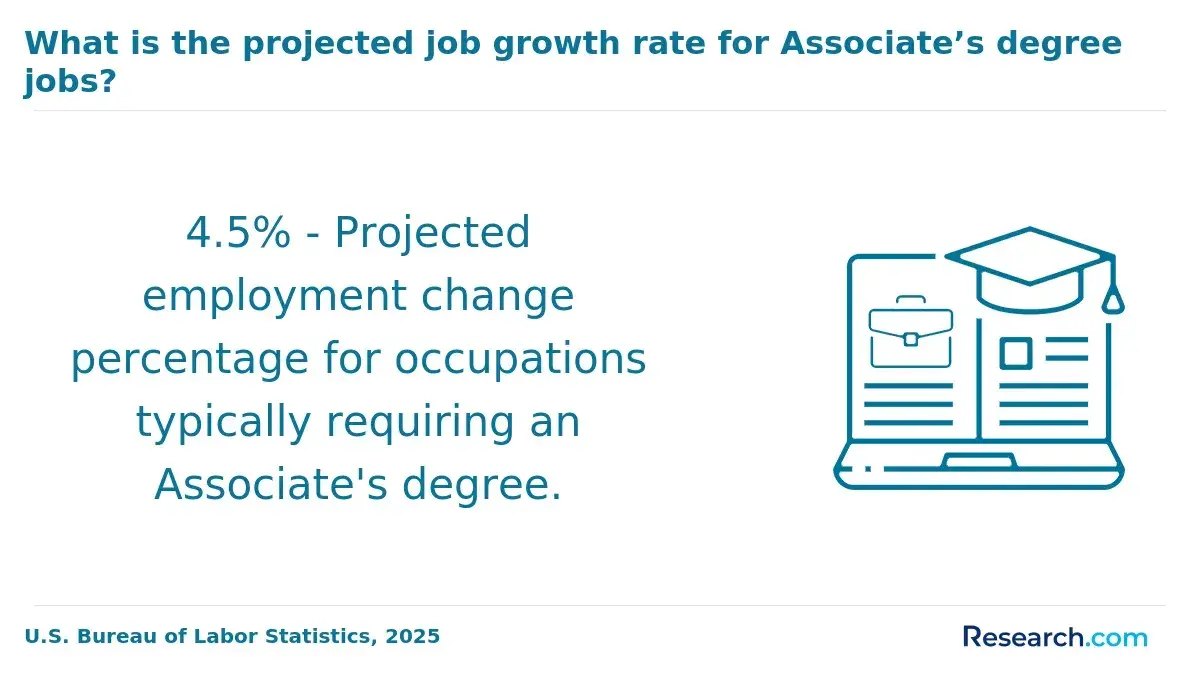
Many online graduate programs do not charge separate out-of-state tuition, but policies vary by institution. Nearly 60% of online graduate programs charge the same tuition for all students regardless of residency, which can make online study easier to budget for. Still, students should verify pricing directly with the university before applying, especially at public institutions.
Residency rules can affect affordability more than applicants expect. A program that appears low-cost for in-state students may become much more expensive if out-of-state tuition applies. Conversely, a school with one online rate for all students may be more predictable even if its published in-state rate is not the lowest.
What to check in tuition policies
- Tuition parity: Many online programs use a single tuition rate for all online students, regardless of location. This simplifies planning and can make public universities more accessible to nonresidents.
- Residency exceptions: Some universities still apply residency-based pricing or require students to document residency before receiving lower rates.
- Program-specific fees: Online, technology, software, lab, or course fees may apply to all students and are often separate from tuition.
- Required campus visits: If a program includes any on-site orientation, residency, practicum, or presentation requirement, students should budget for travel even when courses are online.
A professional who completed an accelerated online health informatics master’s program said residency pricing made her decision easier. “The university didn’t increase tuition based on my state of residence, which was a huge relief,” she explained. However, she still had to pay added costs for items such as digital proctoring and specialized software licenses.
“Navigating those extra costs required careful budgeting, but the consistent tuition rate made it easier to plan ahead.” Her experience reflects a common reality: tuition parity can reduce uncertainty, but it does not eliminate all program-related expenses.
What Additional Fees Are Associated With the Shortest Online Health Informatics Master's Programs?
Additional fees can make a short online health informatics master’s program more expensive than the tuition figure suggests. These charges may be assessed by course, term, program, or graduation milestone, so students should ask for a complete fee schedule before enrolling.
Fast-track programs can also concentrate fees into fewer terms, which may make bills feel higher even when the total degree length is shorter. A realistic budget should include every required cost, not only tuition.
Common fees to expect
- Technology or online access fee: Supports learning platforms, remote instruction tools, technical support, and online student systems.
- Course materials or resource fee: May cover digital textbooks, databases, simulations, proprietary tools, or specialized health informatics software.
- Registration or administrative fee: Often charged each term to maintain enrollment and access to university services such as advising, libraries, and student portals.
- Graduation or capstone project fee: Some schools charge fees tied to degree completion, final assessment, faculty supervision, or capstone administration.
- Examination or certification fees: If the program supports professional certification preparation or testing, students may need to pay separate exam-related costs.
- Proctoring fees: Online courses may require remote exam monitoring, which can create additional per-exam expenses.
- Travel costs: Even online programs may occasionally require campus visits, presentations, orientations, or practicum-related travel.
How to avoid budget surprises
Ask each program for an itemized estimate that includes tuition, mandatory fees, optional fees, software, books, proctoring, graduation charges, and any required in-person costs. When comparing programs, calculate the total cost through graduation. Students considering related healthcare leadership degrees can also compare costs and outcomes in MHA online programs.
What Financial Aid Options Are Available for the Shortest Online Health Informatics Master's Programs?
Financial aid can make an accelerated online health informatics master’s program more manageable, especially for working professionals who want to limit debt while moving quickly through graduate school. About 70% of online graduate students benefit from some form of financial assistance.
The best funding strategy usually combines several sources. Students should start with the school’s financial aid office, then check employer benefits, scholarships, payment plans, and federal loan eligibility.
Common financial aid options
- Federal loans: Eligible graduate students may use Direct Unsubsidized Loans or Grad PLUS Loans. These loans must be repaid, so students should borrow only what they need and understand repayment terms before accepting funds.
- Scholarships and grants: These awards do not require repayment and may be based on academic merit, financial need, professional background, healthcare experience, or program fit.
- Employer tuition assistance: Many healthcare systems, insurers, technology companies, and public agencies offer tuition reimbursement or education benefits. Students should confirm annual limits, grade requirements, repayment obligations, and whether the degree must relate to their current job.
- Institutional aid: Universities may offer program scholarships, graduate assistantships, tuition discounts, or payment plans for online students.
- Military and veteran benefits: Eligible students may be able to use military education benefits, depending on institution approval and individual eligibility.
Financial aid questions to ask
- Is the online accelerated program eligible for federal financial aid?
- What is the minimum enrollment level required to receive aid?
- Are scholarships available specifically for online graduate students?
- Can employer reimbursement be paid after each term, or must tuition be paid upfront?
- Will the accelerated schedule affect loan disbursement timing?
Because accelerated programs move quickly, students should complete financial aid paperwork early. Delays can create cash-flow problems when tuition and fees are due before reimbursement, scholarships, or loan disbursements are processed.
What Job Opportunities Open Up with an Online Health Informatics Master's Degree?
An online health informatics master’s degree can prepare graduates for roles that combine healthcare knowledge, data, information systems, and organizational decision-making. The degree is especially useful for professionals who want to move from clinical care, administration, IT, analytics, or project coordination into more specialized healthcare technology roles.
The U.S. Bureau of Labor Statistics projects a 28% growth in employment for medical and health services managers, including many health informatics professionals, between 2021 and 2031. While job titles and requirements vary by employer, graduate-level informatics training can support advancement in hospitals, clinics, insurance organizations, public health agencies, consulting firms, and health technology companies.
Common career paths
- Health Informatics Specialist: Works with healthcare data systems, electronic records, reporting tools, and workflow improvements to support patient care and operational efficiency.
- Clinical Informatics Coordinator: Helps clinicians use electronic health records and related systems effectively, often supporting implementation, training, optimization, and data quality.
- Health IT Project Manager: Leads technology rollouts, upgrades, vendor coordination, timelines, budgets, and stakeholder communication in healthcare settings.
- Data Analyst in Healthcare: Analyzes healthcare data to support quality improvement, policy planning, population health, operations, research, or performance reporting.
- Chief Information Officer (CIO) in Healthcare Organizations: Oversees information technology strategy and infrastructure, typically requiring extensive experience in addition to graduate education.
How to match the degree to a job goal
Students should review job postings before choosing a program or specialization. Analyst roles may require stronger skills in statistics, databases, visualization tools, or programming. Project management roles may emphasize implementation experience and communication. Clinical informatics positions may prefer applicants with clinical backgrounds, EHR knowledge, or healthcare operations experience.
Applicants trying to reduce upfront education costs can also look for universities with no application fee while comparing program quality, admission requirements, tuition, and career alignment.
What Is the Salary Outlook for Graduates of the Shortest Online Health Informatics Master's Programs?
The salary outlook for graduates of accelerated online health informatics master’s programs depends on role, experience, location, employer type, technical skill level, and leadership responsibility. In 2022, the median annual wage for medical and health services managers, many holding degrees in this area, was about $101,340.
A short program can help students reach the job market or qualify for advancement sooner, but the degree alone does not guarantee a specific salary. Employers usually evaluate the full profile: professional experience, healthcare knowledge, technical ability, certifications, project outcomes, and leadership readiness.
Factors that influence earning potential
- Experience level: Professionals with several years of healthcare, IT, analytics, or management experience are often better positioned for higher-paying roles than new entrants.
- Industry sector: Hospitals, health systems, consulting firms, insurers, technology vendors, government agencies, and research organizations may offer different compensation levels.
- Geographic location: Salary levels can vary by region, cost of living, healthcare market size, and local demand for informatics talent.
- Advanced certifications: Credentials such as the Registered Health Information Administrator (RHIA) may strengthen a candidate’s profile when relevant to the role.
- Role specialization: Skills in analytics, system implementation, security, data governance, and health IT leadership can affect compensation.
How to evaluate return on investment
To estimate value, compare total program cost with realistic job outcomes rather than focusing only on the fastest completion time. A slightly longer or more expensive program may be worthwhile if it offers stronger employer connections, a better capstone experience, relevant technical coursework, or a specialization aligned with higher-responsibility roles.
Students should also consider opportunity cost. Finishing sooner may reduce time spent paying tuition and may allow earlier pursuit of advancement, but only if the pace does not harm academic performance or professional responsibilities.
What Graduates Say About the Shortest Online Health Informatics Degree Master's Programs That Pay Well
- Giada: "I chose an online health informatics master's degree because the cost was much more manageable than I expected compared with traditional programs. The shorter timeline helped me reduce overall expenses and move forward professionally sooner. After graduating, my salary increased substantially, and I felt the degree gave me practical skills that employers valued."
- Lucia: "The cost made me pause at first, but the accelerated format changed the calculation. I spent less time in school, had fewer months of education-related expenses, and did not have to step away from earning a full salary for long. The program helped me qualify for better opportunities in healthcare technology."
- Iris: "Affordability was one of the biggest reasons I chose one of the shortest online health informatics master's programs. The condensed structure made it possible to manage graduate school alongside work, and it reduced both my time commitment and total education costs. Since completing the degree, I have taken on more responsibility and seen a meaningful increase in pay."
Other Things You Should Know About Health Informatics Degrees
Technology standards like HL7 are crucial in health informatics master's curricula, providing a foundation for understanding data exchange and interoperability in healthcare systems. Programs may include courses focusing on these standards to equip students with skills applicable in real-world settings.
Yes, most of the shortest online health informatics master's programs in 2026 typically require a bachelor's degree, preferably in a related field. Additional requirements may include professional experience, letters of recommendation, and a statement of purpose, though these can vary by program.
References
- Top 30 Best Online Master’s in Healthcare Informatics Degree Programs 2020 - Healthcare Administration Degree Programs https://www.healthcare-administration-degree.net/best/online-masters-healthcare-informatics-programs/
- What Jobs Can I Get With a Health Informatics Master's Degree? https://onlinedegrees.nku.edu/programs/business/informatics/mshi/jobs-health-informatics-masters-degree/
- Masters in Health Informatics - Opportunities and Scope — The BridgeWay Firm https://www.bridgewayfirm.com/masters-in-health-informatics
- Grants: The Guide To Finding Free Money To Finance Your Health Informatics Degree https://mastersinhealthinformatics.com/masters-in-health-informatics-college-grants/
- Health Informatics (MS) Program Tuition and Costs | Pitt SHRS https://www.shrs.pitt.edu/academics/him/hims/cost/
- What Can You Do With a Master’s in Health Informatics? https://masterspublichealth.com/masters-in-health-informatics-jobs/
- Top 5 Online Masters in Health Informatics No GRE | HealthGrad https://www.healthgrad.com/healthcare/no-gre-online-masters-health-informatics/
- Is a Master’s in Health Informatics Worth It? https://telemed-hmg.maida.health/first-field/is-a-masters-in-health-informatics-worth-it-1770388714


