
2027 Space Studies Degree Programs for Career Changers

Co-Founder and Chief Data Scientist
Professionals seeking a career change into space-related fields often face challenges due to the technical demands and evolving nature of the industry. Nearly 40% of adult learners pursuing space studies degrees do so to transition from unrelated sectors, reflecting a significant interest in mid-career shifts. However, understanding how to leverage existing skills while acquiring specialized knowledge remains a key obstacle.
This article explores how space studies degree programs are designed to accommodate diverse backgrounds and discusses strategies to help adult learners successfully navigate this transition, ensuring they gain relevant expertise and increase employability in the expanding space workforce.
Key Things to Know About Space Studies Degree Programs for Career Changers
- Space studies programs often offer flexible scheduling, including evening and weekend classes, to accommodate working adults balancing careers and family commitments.
- Many institutions provide online or hybrid formats, enabling career changers nationwide to access specialized coursework without relocating or interrupting employment.
- Accelerated pacing and targeted support services, such as career advising and tutoring, improve completion rates and help adults transition effectively into aerospace and research roles.
What Space Studies Programs Accept Career Changers?
Space Studies programs designed to accommodate career changers often provide flexible and practical options that support adult learners balancing education with existing responsibilities. Nearly 40% of graduate students in the U.S. are adult learners or professionals returning to school for career shifts, reflecting a rising need for space studies degrees accepting nontraditional students.
- Master's in Space Studies with Flexible Prerequisites: These programs welcome students from various undergraduate disciplines, offering foundational courses to build essential expertise early on. This flexibility helps career changers transition smoothly into space-focused fields without a strict prior science background.
- Online or Hybrid Space Studies Degrees: Ideal for working adults, these programs provide asynchronous learning options and remote access, allowing students to fit their studies around current jobs and personal commitments.
- Professional Certificate Programs in Space Studies: Shorter and more targeted than full degrees, certificates enable career changers to quickly gain specific skills applicable to space-related roles while leveraging experience from other industries.
- Interdisciplinary Space Studies Programs: By integrating elements of science, technology, policy, and management, these programs emphasize practical skills and knowledge transferable across careers, helping students make the most of their diverse backgrounds.
Each program type supports career changers with curricula tailored to recognize prior skills while delivering new technical content. For those interested in exploring a shift into an emerging field with a flexible approach to education, reviewing options such as the most affordable online MBA can also provide useful insights into balancing work and study commitments.
What Space Studies Specializations Are Best for Career Changers?
Selecting the right space studies specialization is essential for career changers to leverage their existing skills and build new expertise tailored to the expanding space industry. Employment in aerospace and space-related fields is projected to grow by 6% through 2030, reflecting strong demand for professionals who can adapt to different roles.
Here are four top specializations that align well with career changers' backgrounds and goals.
- Space Systems Engineering: Designed for those with engineering or technical experience, this specialization emphasizes problem-solving and project management skills, making the transition smoother by building on familiar expertise.
- Space Policy and Law: Well suited to professionals from law, government, or public administration backgrounds, this concentration focuses on regulatory frameworks and international agreements, broadening career mobility across sectors.
- Astrobiology: Targets life science and research professionals eager to enter specialized scientific roles, leveraging foundations in biology and chemistry to unlock opportunities in emerging interdisciplinary fields.
- Remote Sensing and Earth Observation: Ideal for data analysts and environmental scientists, this area provides practical skills applicable to both space-based and terrestrial environmental monitoring, facilitating versatile career shifts.
For working professionals exploring educational pathways, affordable programs such as those focusing on a business degree online can also complement space studies concentrations, enhancing career flexibility.
What Are the Admission Requirements for Career Changers Applying to a Space Studies Program?
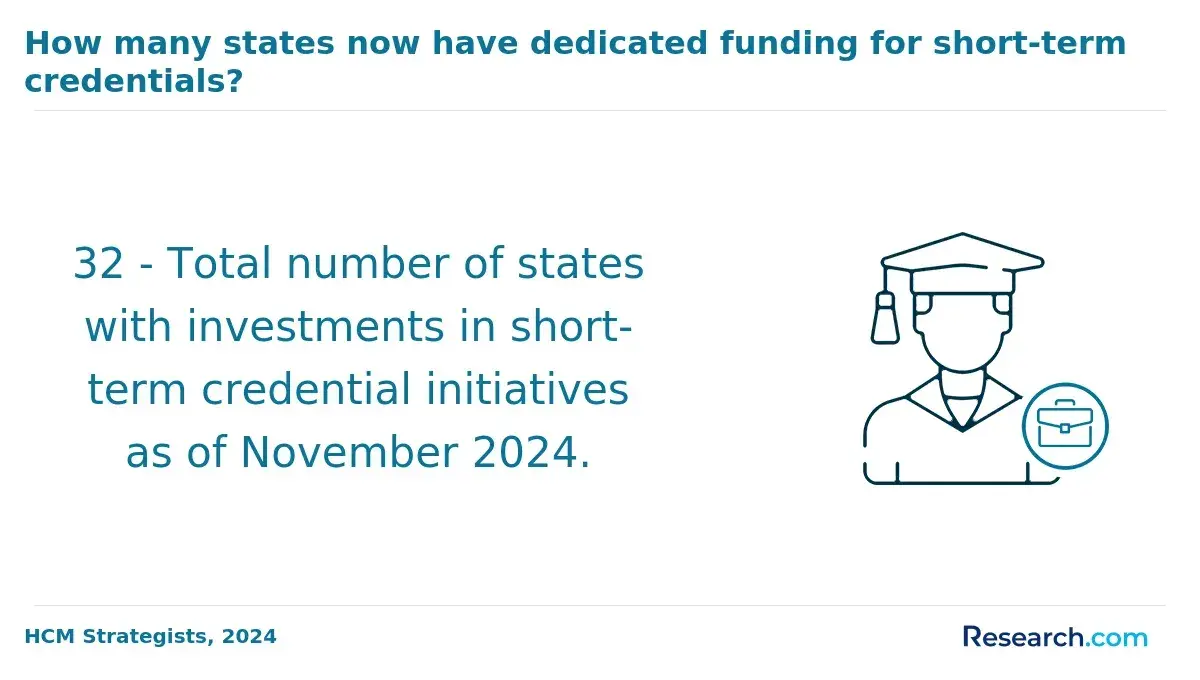
Career changers pursuing a space studies degree must navigate admission requirements that can differ notably from traditional academic paths. About 38% of undergraduate students in the U.S. are adult learners, underscoring the rising demand for programs accommodating nontraditional applicants.
Below are common admission requirements for career changers in space studies that highlight flexibility and recognize diverse professional backgrounds.
- Educational Background: A completed undergraduate degree is typically required but not necessarily in a science-related field, allowing for broader eligibility among career changers.
- Transferable Skills: Admissions often value critical thinking, analytical abilities, and relevant work experience, enabling applicants from varied industries to qualify.
- Application Materials: Candidates usually submit official transcripts, letters of recommendation, and a statement of purpose; some programs may request GRE scores but may waive them for professionals.
- Program Flexibility: Many space studies programs offer part-time enrollment, online courses, or evening classes to fit working professionals' schedules.
- Alternative Qualifications: Portfolio reviews, professional certifications, or demonstrated technical experience can strengthen applications when traditional prerequisites are limited.
Recognizing space studies program prerequisites for nontraditional applicants ensures smoother transitions into this evolving field. For those comparing options, programs with flexible delivery methods may remind you of other adaptable routes such as a library master's degree, which similarly accommodates diverse student needs.
What Is the Coursework for a Space Studies Degree for Career Changers?
For career changers, knowing the structure of space studies coursework is vital to ensure a smooth transition into this evolving sector. These programs are crafted to meet the needs of adults from varied professional backgrounds through flexible schedules and interdisciplinary subjects.
The curriculum typically blends essential scientific principles with practical, industry-relevant topics. Key areas usually consist of:
- Astronomy and Astrophysics Fundamentals: Courses cover celestial mechanics, planetary science, and spatial phenomena, establishing a scientific framework suited for learners without extensive prior knowledge.
- Space Systems Technology: This component introduces spacecraft architecture, satellite uses, and mission technologies, focusing on concepts accessible to non-engineering students.
- Policy and Law in Space: Students explore regulatory frameworks, international treaties, and ethical issues that shape the space sector's legal landscape.
- Research Techniques and Data Handling: Instruction in scientific methods equips learners to approach experimental design, data gathering, and analysis relevant to space research.
- Experiential Learning Projects: Practical assignments, internships, or capstone projects connect theoretical knowledge to real-world applications, often designed with flexibility for working adults.
These adaptable components help career changers steadily acquire relevant knowledge and applied skills without gaps in understanding.
The professional I spoke with, who completed an online space studies degree to prepare for a career shift, emphasized that "balancing coursework with a full-time job was challenging but manageable thanks to the flexible format."
He shared how initially he felt "overwhelmed by unfamiliar scientific material," but the incremental learning and available support eased the process. He appreciated hands-on projects the most, stating they "helped connect abstract concepts to practical scenarios," which boosted his confidence for the transition ahead.
What Space Studies Program Formats Are Available for Career Changers?
For career changers balancing work and personal responsibilities, selecting the right space studies program format is vital to manage education alongside existing commitments. According to the National Center for Education Statistics, about 42% of U.S. postsecondary students enrolled in at least one online course in recent years, reflecting the increasing preference for flexible learning options.
The following types of programs are commonly designed to support working adults entering space-related fields:
- Fully Online Programs: These programs offer the greatest flexibility by enabling learners to complete coursework remotely at their own pace, which is ideal for those who cannot relocate or adjust traditional schedules.
- Part-Time Evening or Weekend Classes: Targeted at local students wanting face-to-face engagement, these options allow study outside regular work hours, providing a balance between professional and academic life.
- Hybrid Programs: Combining online instruction with occasional in-person sessions, hybrids offer a blend of convenience and hands-on learning opportunities valuable for networking and practical experience.
- Certificate and Non-Degree Options: These shorter, focused programs help career changers gain specialized knowledge without the time commitment of a full degree.
This variety of flexible formats supports adult learners in aligning their education with lifestyle needs, increasing accessibility for those transitioning into space studies careers.
What Skills Do Career Changers Gain in a Space Studies Program?
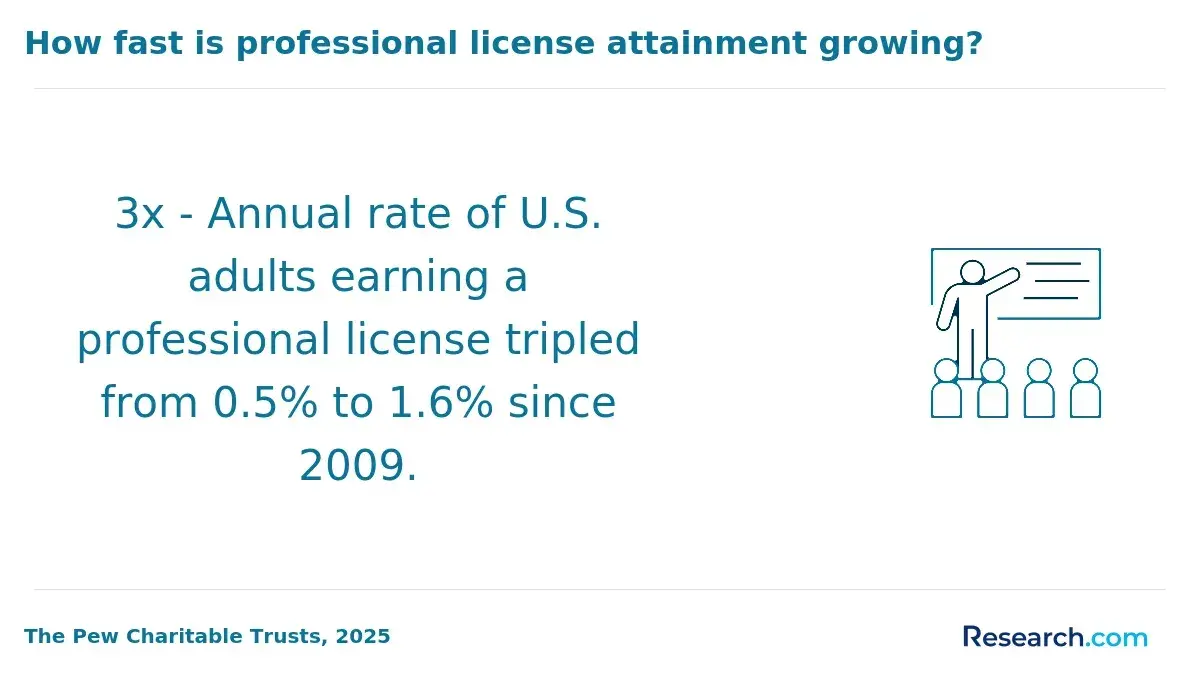
Adapting to new careers demands a focused effort on skill development, especially since nearly 70% of U.S. workers will need to acquire new skills by 2030 to stay competitive. For career changers, acquiring versatile and in-demand expertise is crucial for a smooth transition.
Below are five essential skills that space studies programs help develop.
- Analytical Thinking: This skill empowers students to interpret complex datasets and navigate intricate problems, laying a foundation that applies broadly across technology-driven industries.
- Systems Engineering: Understanding how multiple components function together in space missions offers transferable knowledge valuable in sectors such as defense and telecommunications.
- Project Management: Training in coordinating timelines, budgets, and teams equips learners to take on leadership roles or contribute meaningfully in diverse organizational settings.
- Technical Communication: The ability to convey scientific and technical information clearly to both experts and laypeople enhances collaboration and broadens career opportunities.
- Research and Data Analysis: Proficiency in scientific investigation methods and quantitative analysis enables professionals to drive innovation and make informed decisions in evolving fields.
A career changer who completed a space studies degree shared how the program reshaped her professional outlook. Initially feeling overwhelmed by the technical demands, she soon found that the iterative learning process boosted her confidence. "Breaking down complex systems into manageable parts was challenging but rewarding," she recalled.
Managing group projects improved her leadership skills, while presenting research results refined her communication abilities. Despite the steep learning curve, she noted that these experiences strengthened her adaptability and problem-solving, proving invaluable as she stepped into a new industry.
"The program didn't just teach me facts; it transformed how I approach challenges," she reflected, emphasizing that the practical skills gained helped her navigate career shifts with assurance.
How Much Does a Space Studies Degree Cost for Career Changers?
Career changers weighing a space studies degree must consider the total cost carefully, as managing finances alongside existing obligations is essential. In the U.S., graduate education often comes with significant debt, averaging nearly $66,000 per master's degree recipient. Knowing these expenses upfront helps adult learners budget wisely and explore funding options.
Key cost components include:
- Tuition: Tuition is typically the largest expense, with public institutions charging around $10,000 annually and private programs sometimes exceeding $30,000. Many affordable space studies programs for working professionals offer part-time enrollment or online courses to ease financial and time commitments.
- Technology and Lab Fees: Additional fees cover access to specialized software, labs, and equipment required for hands-on learning. These vary by program but can add several hundred to a few thousand dollars per year.
- Textbooks and Materials: Textbooks and course materials generally range from $500 to $1,500 annually. Some programs provide digital resources, lowering costs especially for remote learners balancing work schedules.
- Travel and Fieldwork: Certain space studies degrees include costs for travel or internships. While not universal, these expenses should be factored into total budgeting as they support practical experience crucial for career changers.
- Employer Assistance and Cost-Saving Strategies: Many working professionals reduce their financial burden through employer tuition assistance programs. Others pursue prerequisite courses at community colleges or enroll in certificate programs before committing fully to a degree, making the transition more affordable.
For adult learners seeking informed career transitions, understanding space studies degree cost for career changers extends beyond tuition to include these elements. Exploring all financial aid avenues ensures a smoother shift into new opportunities.
Those interested in broader data about cost-effective educational choices can refer to the best bachelor degrees analysis to compare options and potential earnings.
How Does a Space Studies Curriculum Support Career Transitions?
Curriculum design is especially critical for career changers pursuing a space studies degree because it must balance foundational knowledge with practical skills adaptable to various professional backgrounds. This approach ensures that adult learners and professionals can leverage the space studies degree benefits for career changers without needing extensive prior aerospace or scientific experience.
Key features of this curriculum include:
- Applied Learning Opportunities: Courses integrate laboratory work, simulations, and hands-on projects that provide real-world experience, enhancing practical skills relevant to technical roles.
- Transferable Skill Development: The curriculum emphasizes critical thinking, data analysis, project management, and interdisciplinary collaboration which are highly valued across technology, engineering, research, and policy sectors.
- Flexible Pacing: Modular course structures and adaptable schedules accommodate professionals balancing education with career and personal responsibilities, allowing steady progress without compromising rigor.
- Interdisciplinary Coursework: Diverse subjects foster broad, integrated knowledge that supports transitions into various space-related fields, making graduates versatile candidates.
- Project-Based Assignments: Realistic challenges simulate professional teamwork and problem-solving, further developing skills gained from space studies curriculum for professionals while enhancing employability.
For those exploring career transitions with practical credentials, some of the best online certificate programs can complement or supplement space studies coursework, helping learners advance efficiently.
What Careers Can Career Changers Pursue With a Space Studies?
For professionals changing careers, recognizing potential job prospects after earning a space studies degree helps ensure their education aligns with growing industry needs. The U.S. Bureau of Labor Statistics forecasts a 6% increase in aerospace-related roles through 2030, highlighting expanding opportunities.
Below are key career directions commonly pursued by graduates in this field.
- Aerospace Engineer: Involves designing and evaluating spacecraft and satellites. This role suits those with engineering or project management backgrounds looking to apply technical skills in space-related development.
- Space Policy Analyst: Focuses on examining and influencing regulations and laws governing space activities, ideal for individuals with experience in law, governance, or public affairs transitioning into policy shaping.
- Astrobiologist: Entails researching life beyond Earth, making it a natural progression for those with a biology or chemistry foundation seeking to enter space science research.
- Remote Sensing Specialist: Analyzes satellite data for environmental monitoring or defense purposes, leveraging expertise in geospatial analytics or data interpretation commonly found in other technology sectors.
- Science Communicator: Translates complex space science into clear, engaging content for public audiences, well suited to those with backgrounds in journalism, teaching, or communications aiming to bridge science and society.
What Is the Average Salary After Earning a Space Studies Degree as a Career Changer?
Salary expectations play a critical role for professionals changing careers, as they influence the investment decisions in education and future financial planning. Research from the Georgetown University Center on Education and the Workforce shows that individuals who reskill by earning relevant degrees often experience a median income increase of about 15% within five years.
Below are key salary factors connected to careers after earning a space studies degree.
- Salary Range: Annual earnings typically range from $60,000 to $110,000, depending on the specific role and level of experience.
- Entry-Level Positions: Starting salaries usually hover around $60,000, reflecting the initial career stage in this field.
- Experienced Professionals: Those with backgrounds in engineering or science-related areas may command salaries exceeding $100,000 based on their expertise.
- Industry Impact: Industries like private aerospace and defense often offer higher pay compared to educational or outreach sectors.
- Geographic Location: Compensation varies with location, with urban and technology-focused regions generally providing elevated salary levels.
What Graduates Say About Their Space Studies Degrees for Career Changers
- Oscar: "Deciding to switch careers was daunting, but enrolling in a space studies program gave me clear direction. While the average cost hovered around $30,000, the investment paid off by opening doors to aerospace consulting roles. This degree truly transformed my professional life, and I couldn't be more grateful."
- Joan: "I spent years in finance before choosing to explore a new path through a space studies degree. The cost was a big consideration-about $25,000 on average-but the knowledge and industry connections I gained made it worthwhile. Completing the program was a pivotal step that reshaped my career toward satellite technology management."
- Valerie: "After reflecting on my passion for space exploration, I committed to a space studies program despite the significant $28,000 price tag. That choice marked a turning point, equipping me with skills and credibility that led to my new role in space mission planning. The experience was challenging yet incredibly rewarding professionally."
Other Things You Should Know About Space Studies Degrees
Space studies degree programs in 2027 often provide career changers with tailored resources such as industry-specific networking opportunities, access to internships with space agencies, and dedicated career counseling. These resources are designed to facilitate a smooth transition into the space industry by equipping students with practical skills and real-world connections.
Space studies degree programs for career changers usually offer flexible scheduling, including part-time and evening classes, to accommodate working professionals. Full-time programs often require two years for a master's degree, while part-time options may extend up to four years. Online and hybrid formats are increasingly common, providing added convenience without compromising content quality.
References
- How to Break Into Careers in the Space Industry | Meritus https://www.meritustalent.com/how-to-break-into-careers-in-the-space-industry
- Become a Space Professional with the Space Conversion Course https://www.groundstation.space/business/become-a-space-professional-with-the-space-conversion-course/
- ESA - Entry-level and research programmes https://www.esa.int/About_Us/Careers_at_ESA/Entry-level_and_research_programmes
- Space Engineering Courses: Types, Scope & Salary Guide https://www.upes.ac.in/blog/advanced-engineering/space-engineering-courses
- OBSERVER: How the Space Career Launchpad helps narrow the skills gap in Europe’s space industry https://www.copernicus.eu/en/news/news/observer-how-space-career-launchpad-helps-narrow-skills-gap-europes-space-industry
- Space Studies Program | Professional Science Master’s Program | Rice University https://profms.rice.edu/programs/space-studies
- This website is not available in your country https://www.space-careers.com/article/963/how-to-achieve-a-career-in-space-studies
- Study Space Technologies at the AGH University: Zero semester for bachelors! https://innowacyjna.malopolska.pl/en/news/study-space-technologies-at-the-agh-university-zero-semester-for-bachelors
- Space-related degrees - Space Training Catalogue https://training.spaceskills.org/degrees
- This website is not available in your country https://www.euroengineerjobs.com/article/738/transitioning-to-the-space-sector-a-guide-for-mid-career-stem-professionals-in-europe


