
2027 How to Compare Space Studies Degree Programs Effectively

Co-Founder and Chief Data Scientist
Choosing the right space studies degree program can be overwhelming due to varying specialties, course structures, and research opportunities that differ widely between institutions. For example, a student aiming for aerospace engineering may find some programs lack hands-on project experience, which can hinder job readiness.
Employment projections indicate a 7% growth in aerospace occupations over the next decade, raising demand for graduates who combine technical knowledge with practical skills. This article examines critical factors such as curriculum focus, faculty expertise, and internship availability to help prospective students effectively compare programs and make informed decisions aligned with their career goals.
Key Benefits of Comparing Space Studies Degree Programs Effectively
- Verify program accreditation and faculty expertise to ensure credible education aligned with industry standards and recognized by employers.
- Evaluate curriculum content for specialization options like planetary science or space policy to match your career goals in a growing $423 billion space economy.
- Consider tuition costs against potential career outcomes, noting that space sector jobs grew 7% annually, emphasizing return on investment and flexible scheduling for working students.
What Types of Accreditation Should a Space Studies Degree Program Have?
Accreditation is essential when comparing space studies degree programs as it highlights the program's quality, credibility, and long-term value. Around 85% of employers prefer graduates from accredited institutions, reflecting trust in their credentials and increased career prospects.
Below are key accreditation types to consider to evaluate a program's standing and benefits.
- Regional Accreditation: This is the most widely recognized form and applies to entire colleges or universities. It ensures programs meet broad educational standards, influences credit transferability between institutions, and often determines eligibility for financial aid, making it crucial for students comparing space studies degree program accreditation standards.
- National Accreditation: Typically granted to vocational or specialized institutions, national accreditation may be less universally accepted but can matter depending on the program's niche or focus within space studies.
- Programmatic Accreditation: Targeted at specific academic programs like engineering or science, programmatic accreditation confirms rigor in disciplines related to space studies. Although no unique accrediting agency exists solely for space studies, related programs within the degree can hold such credentials, enhancing employer and academic recognition.
Attending an accredited program benefits career changers and working professionals by ensuring their coursework is respected and transferable, smoothing paths to licensure or advanced degrees. For those balancing education with other commitments, accredited options include flexible choices such as MSW online programs, which demonstrate how online learning can meet established standards without sacrificing quality.
What Specializations Are Offered in Space Studies Degree Programs?
Specializations in space studies degree programs help prospective students compare programs by aligning academic focus with specific career paths. Employment in aerospace and space research is projected to grow by 6% over the next decade, highlighting the value of choosing the right specialization.
Below are common specializations offered within space studies programs that provide diverse skills and career opportunities.
- Astrophysics: Focuses on the physics of celestial bodies and the universe, developing strong analytical and quantitative skills valuable in research and space mission design.
- Satellite Engineering: Emphasizes the design and operation of satellites, cultivating technical expertise attractive to employers in aerospace manufacturing and telecommunications.
- Space Policy and Management: Covers regulatory frameworks and organizational leadership, preparing graduates for roles in government agencies and private space enterprises.
- Planetary Science: Studies the geology and atmospheres of planets, honing skills applicable to planetary exploration and data analysis.
These types of space studies programs prepare students to meet the growing demands of specialized roles in both public and private sectors. Prospective students might also want to explore complementary educational opportunities, such as CACREP accredited online counseling programs to enhance their interdisciplinary skills and career flexibility.
How Can You Compare Courses Across Space Studies Degree Programs?
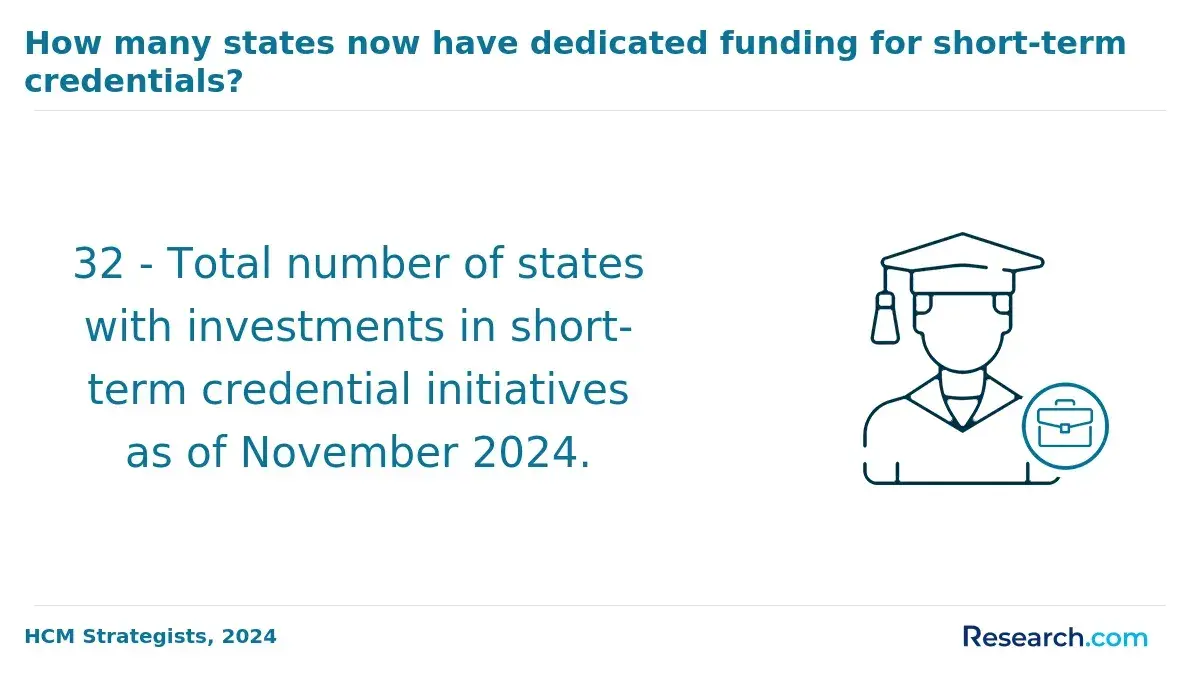
Comparing courses across space studies degree programs is essential for prospective students to assess academic rigor, skill development, and how well the curriculum aligns with career goals. Programs with comprehensive, applied coursework often achieve course completion rates as high as 85%, demonstrating the value of curriculum depth in student success.
To effectively evaluate space studies coursework, consider these practical strategies:
- Course Descriptions: Review specific topics and the balance between theory and practice to gauge relevance to your professional goals and interests.
- Credit Hours and Load: Check the number of credit hours and expected study time to ensure the workload fits your personal and academic commitments.
- Prerequisite Requirements: Analyze prerequisites to understand the expected skill level and the program's academic progression path.
- Specialized Electives: Evaluate availability of electives in areas such as satellite technology, astrophysics, or space policy to tailor the degree to your interests.
- Faculty Expertise and Research: Investigate whether courses are taught by active researchers, which can offer insights into cutting-edge developments and practical applications.
For those balancing education with other commitments, exploring flexible options like an online psychology masters program can offer additional insights into how distance learning accommodates busy schedules, a consideration also valuable in choosing space studies degrees.
What Scheduling Options Are Available in Space Studies Degree Programs?
Flexible scheduling plays a crucial role for students when selecting space studies degree programs, as it helps accommodate diverse lifestyles and commitments. Here are key scheduling options that can influence your choice:
- Full-Time and Part-Time Enrollment: Many programs offer both full-time and part-time paths, enabling students to commit according to their availability. Part-time options are ideal for those balancing jobs or family while pursuing their degree.
- Class Timing: Options often include daytime, evening, and weekend courses, providing flexibility for students who cannot attend traditional weekday classes. This supports varied schedules and increases accessibility.
- Delivery Format: Programs may be available fully online, in-person, or as hybrid models combining both. Online formats are especially beneficial for remote learners and working professionals seeking convenience without sacrificing quality.
- Asynchronous Coursework: Self-paced study through asynchronous classes allows students to complete assignments and lectures on their own time. This format suits those needing maximum flexibility due to unpredictable schedules.
- Flexible Start Dates: Moving beyond traditional semester start times, some programs offer multiple entry points throughout the year. This helps students begin their studies without waiting for standard academic calendars.
Evaluating these scheduling features ensures you find a space studies program that fits your personal and professional needs, fostering a manageable and successful academic experience.
What Are the Pros and Cons of Online vs Campus-Based Space Studies Degrees?
Choosing the right delivery format for space studies degrees can significantly influence a student's learning and career prospects. Recent data from the National Center for Education Statistics shows that about 33% of postsecondary students are engaged in some form of online learning, reflecting its growing importance.
The following comparison highlights key benefits and drawbacks of each option.
Online Space Studies Degrees
- Flexible Scheduling: Online programs allow students to access materials at any time, which suits those balancing work, family, or other commitments.
- Limited Hands-On Experience: Practical skills can be harder to develop without direct access to labs and field research opportunities.
- Reduced Networking: Interaction with peers and faculty is often less frequent, which may affect chances for mentorships and internships.
Campus-Based Space Studies Degrees
- Immersive Learning: Students benefit from direct involvement in labs and group projects, enhancing their practical knowledge.
- Stronger Networking: In-person connections with faculty and classmates foster collaboration and professional opportunities.
- Less Flexibility: Fixed class schedules and commuting can pose challenges for those with outside responsibilities.
I asked a graduate who completed an online space studies degree about his decision process. He shared, "Finding a program that fit my hectic work schedule was crucial. I weighed the trade-offs between convenience and the hands-on experience I might miss."
He described feeling anxious about limited face-to-face interaction but appreciated the ability to study from anywhere. "It wasn't easy balancing deadlines without the campus structure, but the flexibility kept me going." His story highlights the importance of aligning program format with personal circumstances and career goals.
How Do GPA Requirements Vary Among Space Studies Degree Programs?
GPA requirements are a key factor when evaluating space studies degree programs, as they reflect admission competitiveness and academic expectations. Below are some important considerations regarding how these requirements can vary:
- Minimum GPA Thresholds: Many programs set a baseline GPA-commonly around 3.0 on a 4.0 scale-to ensure applicants meet basic academic standards. However, these thresholds are not uniform and can shift depending on the program's selectivity and focus.
- Flexibility and Exceptions: Some programs adopt a flexible stance by considering candidates with lower GPAs if they show strong professional experience, relevant skills, or outstanding recommendations, recognizing that academic numbers don't always tell the full story.
- Holistic Admissions: Admissions committees often evaluate applicants beyond GPA alone, looking at leadership roles, internships, research experience, and other indicators of potential success in the field. This approach aims to assess the overall suitability of candidates for space studies.
- Program Specialization Impact: Programs with intense research demands or niche specializations typically emphasize higher GPAs to maintain rigorous academic standards. In contrast, broader or newer programs might accept wider GPA ranges to attract diverse talent.
- Compensatory Experiences: Candidates with lower GPAs can sometimes strengthen their applications by highlighting relevant work, advanced coursework, or unique achievements that demonstrate readiness for graduate-level study in space studies.
How Can You Compare Tuition Across Space Studies Degree Programs?
Tuition comparison is a crucial step for prospective students considering space studies programs, as educational expenses can significantly influence financial stability and future debt. In the U.S., student loan debt surpasses $1.7 trillion, emphasizing the need to evaluate overall costs carefully.
Here are key factors to consider when assessing tuition:
- Total Program Cost: Look beyond the base tuition and include mandatory fees and additional charges. This comprehensive figure provides a realistic estimate of the financial commitment required to complete the program.
- Cost Per Credit: If you plan to transfer credits or take courses part-time, analyzing cost per credit hour is essential. Variations here can affect both affordability and the duration of your studies.
- Financial Aid Opportunities: Investigate scholarships, grants, and other aid options that might lower your out-of-pocket expenses. Eligibility for employer tuition benefits can further enhance affordability.
- Long-Term Value: Consider the program's reputation and career outcome data to ensure your investment supports sustained earning potential and advancement in the field.
When I spoke with a graduate who completed a space studies degree, she shared how daunting it was to navigate cost comparisons. "I initially focused on sticker prices but quickly learned that hidden fees and varying credit costs made direct comparisons tricky."
She described relying heavily on financial aid counselors and online tools to calculate total expenses. "Knowing about employer tuition reimbursement was a game-changer for me; it helped offset costs I hadn't anticipated."
Her experience underscored the importance of looking holistically at tuition and support options before committing. "It was stressful at first, but the more I researched, the more confident I became that I was making a sound financial and educational decision."
Does a Space Studies Degree Meet Licensure Requirements?
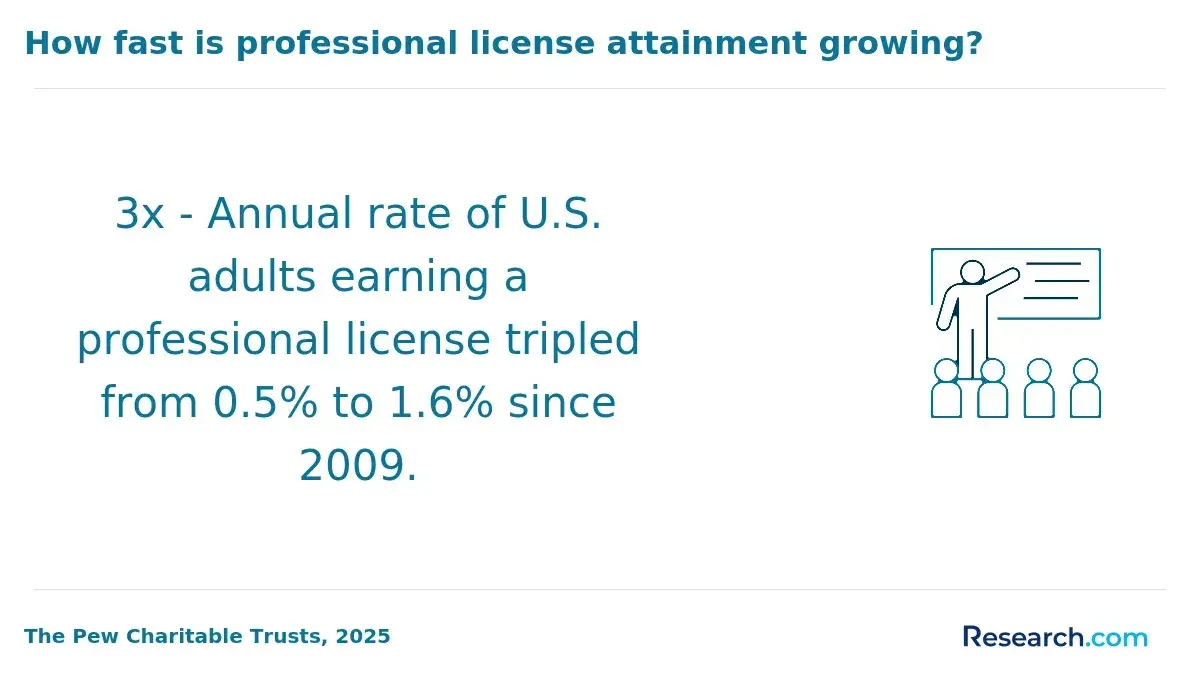
Licensure alignment is a key factor for students pursuing regulated careers or seeking professional shifts through a space studies degree. Nearly 20% of U.S. jobs demand some form of professional licensure or certification to ensure legal and industry compliance.
The following points highlight essential elements for evaluating how space studies programs meet these criteria:
- Curriculum Alignment: Assess whether the coursework addresses the specific skills and knowledge required by licensing agencies or industry benchmarks in your target profession.
- Accreditation Standards: Confirm the program holds credible institutional or specialized accreditation, which ensures eligibility for licensure pathways and professional recognition.
- State-Specific Requirements: Since licensing mandates vary by state, check how each program satisfies the regulatory demands within your intended practice area or jurisdiction.
- Supervised Experience: Some licenses require documented internships or supervised practice hours; evaluate whether these experiential opportunities are included or can be completed alongside the program.
- Exam Eligibility: Verify that graduates qualify to take licensure or certification exams recognized by licensing bodies relevant to your desired field and region.
These considerations help ensure your space studies degree not only imparts academic knowledge but also supports your path toward required professional licensure or certification.
Which Space Studies Programs Have the Best Career Placement Rates?
Career placement rates are a vital indicator of how effectively space studies degree programs prepare students for the job market. Reliable data shows that graduates from top space studies programs often achieve employment rates exceeding 85% within six months of graduation.
Below are key factors prospective students should examine when evaluating top space studies programs career outcomes.
- Employer Partnerships: Established connections with relevant employers enhance direct recruitment opportunities. Strong partnerships signify program alignment with industry demands and often lead to prioritized hiring of graduates.
- Internship Pipelines: Programs offering structured internships provide hands-on experience that boosts employability. Internship placements help students build professional networks and transition smoothly into full-time roles.
- Alumni Outcomes: Transparent reporting of alumni career trajectories reveals program impact on long-term success. Reviewing this data helps gauge space studies degree employment rates beyond initial placement.
- Support Services: Dedicated career services such as job coaching, interview preparation, and networking events improve graduate success. Programs investing in these resources tend to achieve stronger placement results.
Students should also seek programs with up-to-date and transparent career data, reflecting a genuine commitment to student success after graduation. For those considering a broader approach to leadership in education or management alongside space studies, exploring options like an online PhD organizational leadership can add valuable skills for career advancement.
How Do Salaries Compare Across Space Studies Degree Program Graduates?
Post-graduation salary outcomes are a vital metric for prospective students comparing space studies degree programs, as they highlight the potential financial returns of their educational investment. Graduates typically see starting salaries ranging between $60,000 and $90,000 annually.
Below is an overview of salary comparisons across various factors affecting earnings for space studies degree holders in the US.
- Role Differences: Entry-level aerospace engineers or space mission analysts commonly earn $65,000 to $80,000, while data scientists and satellite systems experts start closer to $70,000, reflecting varying technical demands within the space sector.
- Industry Impact: Government agencies and defense contractors usually offer more stable salary packages, whereas private space enterprises and emerging commercial space firms may offer higher wages but with greater variability and risk.
- Geographic Location: Salaries tend to be higher in aerospace hubs such as Houston, Los Angeles, and Washington D.C., driven by local demand and cost of living differences.
- Experience Level: Mid-career professionals with five to ten years of experience often exceed $100,000 in annual salary, demonstrating significant growth potential in the field.
For students weighing their educational options, it's useful to consider both these salary trends and how the program fits their long-term goals and lifestyle. Those exploring related pathways might also find value in exploring associates degrees that can complement or serve as stepping stones toward advanced space studies.
Understanding the average earnings of space studies degree holders in the US can place pay expectations in context and guide informed career planning.
What Graduates Say About Comparing Space Studies Degree Programs Effectively
- Audrey: "Before pursuing a space studies degree, I weighed the costs closely against other STEM options. The average tuition was more affordable than I initially expected, which made this specialized field accessible without overwhelming debt. Completing the program has confidently propelled me into a unique role in aerospace engineering, where I'm applying both technical skills and strategic insights. "
- Caitlin: "When I first considered advancing my education, I was uncertain if a space studies degree could justify the expenses compared to more traditional paths. The reasonable cost of attendance ultimately convinced me to invest. Reflecting now, the decision was worth every penny, as it opened doors to research positions that align perfectly with my passion for astrophysics."
- Marley: "My decision to enroll in a space studies program came after exploring various graduate programs that balanced affordability and specialization. The manageable tuition fees played a critical role for me, given the financial considerations of relocating for school. Professionally, this degree has been transformative-helping me secure a position in satellite systems analysis that would have been unreachable otherwise. "
Other Things You Should Know About Space Studies Degrees
When choosing a space studies program in 2027, faculty expertise and resources significantly influence your education. Look for programs with seasoned professionals and state-of-the-art facilities. These elements enhance learning, offering practical experiences and up-to-date knowledge, crucial in a rapidly evolving field like space studies.
Internship and research opportunities provide practical experience that complements theoretical learning. Programs with established partnerships with space agencies, observatories, or aerospace companies offer valuable hands-on training that enhances employability and real-world understanding of space science applications.
References
- Pros and Cons of Online Learning | National University https://www.nu.edu/blog/weighing-the-pros-and-cons-of-online-vs-in-person-learning/
- Space Science degrees https://www.whatuni.com/degree-courses/search
- Masters Degree Programs - Kepler Space Institute https://keplerspaceinstitute.com/iss/
- Online Vs On-Campus - What Are The Pros and Cons? https://notgoingtouni.co.uk/blogs/online-vs-on-campus-what-are-the-pros-and-cons-322
- Top Bachelor in Space Engineering Colleges & Universities in USA in 2026 - Fees, Rankings & Eligibility https://collegedunia.com/usa/sciences/space-engineering/bachelor-universities
- Online vs in-person study: which one is right for you? https://www.ube.ac.uk/whats-happening/articles/online-vs-in-person-learning/
- This website is not available in your country https://www.space-careers.com/article/963/how-to-achieve-a-career-in-space-studies
- Space-related degrees - Space Training Catalogue https://training.spaceskills.org/degrees
- Space Studies Showdown: ISU vs. UND http://www.astronautforhire.com/2008/12/space-studies-showdown-isu-vs-und.html


