2027 Special Education Internship Requirements: Hours, Placements, and Supervision

Co-Founder and Chief Data Scientist
A current student preparing to start a special education internship often faces uncertainty about required hours, suitable placements, and supervision expectations. Nearly 60% of special education degree programs mandate at least 100 clinical hours to ensure adequate hands-on training.
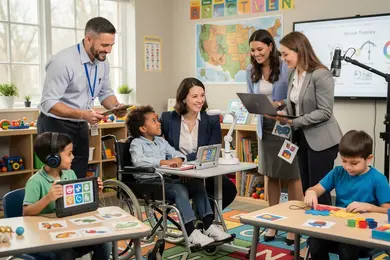
Internships typically take place in diverse environments such as public schools, private therapy centers, or community programs, each offering unique learning opportunities. Supervision often involves licensed special educators or clinicians guiding interns through applied strategies and compliance standards.
This article examines key internship requirements—hour commitments, placement selection, and supervision models—aiming to clarify expectations and help learners navigate their pathway to certification and employment.
Key Things to Know About Special Education Internship Requirements
- Internship requirements often mandate 100-200 hours, affecting how students balance coursework and practical experience within tight academic schedules.
- Placement availability depends on partnerships with local schools, limiting site choices and influencing internship diversity and experience quality.
- Supervision standards require credentialed educators to guide interns, with evaluations focusing on applied teaching skills and compliance with state-specific criteria.
Do All Special Education Degrees Require an Internship?
Internships are often integrated into special education degree programs to provide practical, hands-on experience in real classroom settings. Over 80% of special education teacher preparation programs require an internship or student teaching as part of their curriculum, reflecting the value placed on experiential learning.
The details of these requirements vary widely, influenced by several key factors:
- Program Type: Most undergraduate and initial licensure master's degrees in special education require an internship to meet state certification standards. However, some advanced or non-licensure programs may not mandate internships, focusing instead on theoretical knowledge or leadership skills.
- Accreditation Standards: Programs accredited by bodies such as the Council for Accreditation of Educator Preparation (CAEP) often have strict requirements for supervised clinical practice, ensuring students gain essential real-world teaching competencies.
- Specialization Focus: Depending on the specialization track, such as behavior intervention versus academic content teaching, internship demands can differ. Some fields emphasize direct classroom internships, while others accept alternative experiential learning options.
- Alternative Experiences: Certain programs offer practicum or supervised field experiences outside traditional internships as valid hands-on training. These alternatives may fulfill internship eligibility and placement requirements, particularly in programs without a direct licensure path.
Students looking for programs with a more flexible structure may explore options highlighted in easy masters degrees, which sometimes include pathways with alternative experiential components.
What Requirements Must Be Met Before Starting a Special Education Internship?
Meeting specific prerequisites before starting a special education internship is essential to ensure students are adequately prepared for the field's unique demands. Research indicates that about 85% of candidates meet these requirements.
Below are common eligibility criteria students must satisfy before beginning their internship:
- Minimum GPA: Most programs require students to maintain at least a 3.0 GPA. This academic benchmark demonstrates a sufficient grasp of theoretical content necessary for hands-on special education work.
- Completed Coursework: Students must finish core classes related to special education theory, assessment, and intervention strategies. This coursework ensures foundational knowledge to apply evidence-based practices during their internship.
- Application Approval: Internship applications typically need formal approval by program faculty or coordinators. This process involves submitting resumes, letters of recommendation, and statements of purpose to assess readiness and commitment.
- Background Checks: To protect vulnerable student populations, candidates must undergo clearances such as fingerprinting and criminal history reviews. These checks verify compliance with safety and ethical standards before placement in schools.
How Many Internship Hours Are Required for Special Education Degrees?
Internship hours are a vital component of special education degree programs, designed to bridge classroom concepts with hands-on teaching experiences. Typically, internship hour requirements range broadly, with many programs equating 45 to 60 hours to one academic credit.
Below are key factors that influence how these hours are determined:
- Academic Credit Conversion: Most programs require a set number of credits for internships, translating to hours that vary widely. For example, a 12-credit internship might correspond to anywhere between 540 and 720 hours of practical experience, depending on the institution's specific credit-hour conversion ratio.
- Program Level: Undergraduate special education degrees usually demand fewer hours, often 100 to 300, whereas graduate programs and certification courses expect a more extensive commitment, ranging from 400 to 600 hours, reflecting deeper training and more advanced instructional responsibilities.
- Accreditation Standards: Organizations such as the Council for Exceptional Children set minimum internship benchmarks to ensure candidates are well-prepared for licensure and certification. Accredited programs often require substantial field experience to maintain quality and uphold professional readiness across the board.
- Enrollment Status: Whether a student attends full-time or part-time can affect how their internship hours are scheduled. Full-time students typically complete their hours within one academic year, while part-time learners spread them out over multiple terms, allowing for greater flexibility but a longer completion timeline.
Reflecting on his own journey, a special education degree graduate shared that meeting the required hours felt both demanding and rewarding. He described managing the workload alongside coursework as a balancing act that required careful time management.
Although exhausting at times, the immersive nature of the internship offered invaluable insights into classroom dynamics and student needs, which he felt was instrumental in shaping his confidence and skills before starting his professional career.
Where Do Special Education Students Complete Internships?
Internship environments are vital for bridging theory and practice in special education programs, offering students diverse opportunities to apply skills in real-world settings. Approximately 60% of special education internship placement options in school districts emphasize hands-on experience in school environments, yet a variety of other placements enrich this foundational learning.
The following outlines typical internship settings encountered by special education students:
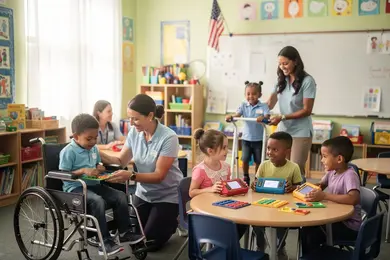
- K-12 Schools: School districts remain the most common setting, particularly public schools, where interns engage directly with students with disabilities, assist in Individualized Education Program (IEP) implementation, and collaborate with educators and specialists. This exposure helps interns grasp classroom dynamics and inclusive instructional strategies.
- Nonprofit Organizations: These groups focus on disability advocacy, community support, and program development that extends beyond academic settings. Interns here gain experience in service coordination and fostering community integration for diverse populations.
- Research Institutions: Universities and research centers provide internships where students contribute to data collection, program evaluations, and the creation of evidence-based educational interventions. This setting encourages critical thinking and research-informed practice, useful for students considering pathways like an online psychology degree.
- Government and Healthcare Agencies: Hospitals, rehabilitation centers, and related public agencies offer settings that emphasize therapeutic, vocational, and policy-related aspects of special education. Interns observe intersections of health and education designed to support learners with disabilities.
- Corporate Education Technology: Emerging opportunities exist in companies developing accessibility tools and educational technologies. These placements introduce interns to innovative approaches supporting learners with disabilities through technological solutions.
How Are Internship Placements Assigned in Special Education Programs?
Internship placements in special education programs are carefully structured to align students with practical experiences that meet academic and professional standards. These placements often result from collaborations between educational institutions and community partners, ensuring relevant opportunities are available.
Research indicates that nearly 65% of placement decisions incorporate student preferences alongside institutional considerations. The following outlines common methods used to assign these placements:
- Faculty-Guided Matching: In this approach, faculty members use their knowledge of students' strengths and career goals to recommend suitable sites. They often consider the availability of qualified supervisors and program requirements to ensure appropriate matches.
- Student-Driven Applications: Some programs empower students to apply directly to partner organizations or agencies. This method allows students to express their interests, but final acceptance depends on site capacity and fit with the program's expectations.
- Centralized Placement Systems: A streamlined process managed through a dedicated office or platform coordinates placements. This system collects student data and site options to efficiently pair candidates while balancing demand and resources.
- Partnership-Based Assignments: Established relationships between schools, clinics, and agencies often result in guaranteed placement slots for program students. This dependable network supports consistent, high-quality field experience offerings.
When asked about how internship placements are assigned in special education programs, a degree student shared her experience, highlighting a mix of anticipation and uncertainty. She described how the initial excitement of identifying preferred settings shifted as she awaited placement confirmation, navigating paperwork and occasional changes due to site availability.
"It felt like a puzzle where everything had to fit just right, balancing what I hoped for with what was realistically offered," she reflected. Despite the hurdles, she appreciated the thorough process that aimed to pair her with a supervisor who understood her learning style, ensuring a supportive environment.
This experience emphasized that placements are more than logistical tasks; they are essential steps shaping a future educator's growth.
Are Virtual or Remote Internships Available?
Remote and virtual internships have become a significant component of special education programs, reflecting a broader shift toward digital and hybrid learning environments. Recent industry data shows that online and hybrid internship options in education have increased by almost 30% over the last five years.
This highlights how remote work models are influencing experiential learning opportunities. Such developments are reshaping how students gain practical experience while navigating changing educational demands.
In these virtual internships, students interact regularly with supervisors and peers through tools like video calls, shared online documents, and learning management systems. This structure offers flexibility in meeting program requirements and broadens access to specialized employers beyond a student's immediate region.
However, the availability of remote or hybrid placements depends heavily on each program's design and regulatory standards, with some still requiring in-person hours due to accreditation and licensure rules.
Are Part-Time Internships Allowed for Working Students?
Many students enrolled in special education programs juggle part-time jobs alongside their studies, prompting programs to offer flexible internship options. According to a National Student Employment Association report, nearly 70% of college students hold part-time employment, making adaptable internship models increasingly essential.
The key aspects of part-time internships that benefit working students include:
- Scheduling Flexibility: Many programs permit interns to fulfill required hours over longer durations or during evenings and weekends, accommodating varying work schedules.
- Employer Accommodations: Partner employers often collaborate by providing flexible shifts or shorter daily hours, reducing stress for students managing both responsibilities.
- Academic Workload Balance: Part-time internships allow students to progress steadily in coursework while acquiring field experience, preventing overwhelm.
- Program-Specific Restrictions: Although part-time options exist, students must confirm minimum hourly requirements and deadlines, as some placements maintain strict conditions.
What Supervision Is Required During a Special Education Internship?
Effective supervision during a special education internship is essential for fostering both student growth and professional accountability. Studies show that 70% of interns rate regular mentor feedback as a crucial aspect of their training.
This encompasses several key components designed to support interns as they apply theoretical knowledge in real educational settings:
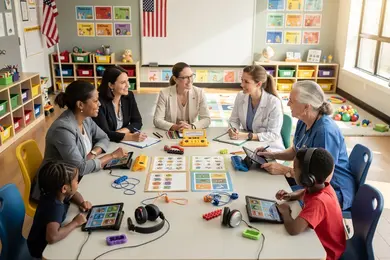
- Faculty Oversight: Faculty supervisors provide continuous support by setting clear learning objectives and maintaining communication with workplace mentors. This collaboration ensures that the supervision aligns with established special education internship supervision guidelines and professional standards.
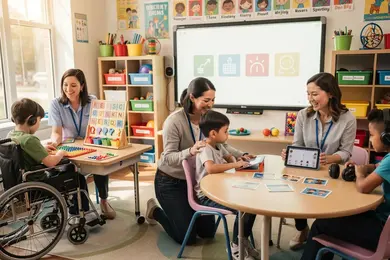
- Workplace Mentors: Experienced special education teachers or specialists offer hands-on guidance, modeling instructional practices and classroom management. These mentors observe interns closely and provide detailed feedback, helping interns improve their interactions with diverse learners.
- Progress Monitoring: Structured supervision involves scheduled observations and reflective discussions to assess intern performance. Documented evaluations identify strengths and areas for growth, fostering reflective practice and deeper professional development.
- Performance Feedback: Constructive feedback is critical for preparing interns to meet the complex needs of students with disabilities. Ongoing communication between mentors and faculty ensures that challenges are addressed promptly and learning goals are met.
Those seeking to advance their education while still receiving structured support may explore MSW programs still accepting applications, which often include robust supervision components.
How Are Special Education Internships Evaluated?
Evaluating special education internships is critical to ensure that interns are prepared to effectively support diverse learners. Research indicates that hands-on experiential learning such as internships boosts instructional confidence in 85% of special education graduates.
Programs use multiple methods to assess student performance and learning outcomes, ensuring thorough review throughout the internship experience.
- Supervisor Reviews: On-site mentors provide detailed feedback on interns' instructional techniques, classroom management, and student interactions, offering practical evaluations based on day-to-day performance.
- Reflective Assignments: Interns complete reflective writing or projects analyzing their teaching challenges and successes. These assignments promote deeper critical thinking about professional growth and effective strategies.
- Performance Benchmarks: Academic programs set specific competency goals, such as lesson planning, assessment use, and tailored student support, against which interns' skills and progress are measured.
- Faculty Assessments: Instructor evaluations often involve classroom observations or review of documentation like lesson plans and progress reports, validating alignment with academic standards.
- Research-Based Standards: Programs incorporate proven assessment criteria rooted in educational research, supporting consistent, evidence-based evaluation of intern readiness for classroom responsibilities.
For those interested in advancing their career efficiently, exploring options like the fastest online business degree can provide complementary skills in education administration and leadership.
What Challenges Do Special Education Students Face During Internships?
Internships in special education provide essential hands-on experience but can also introduce considerable stress, with surveys showing nearly 60% of interns report moderate-to-high stress managing academic and internship demands. These experiences are crucial yet demanding, highlighting common difficulties students encounter during their placements.
- Balancing Schedules: Managing internship hours alongside coursework often results in an overwhelming workload. Students must carefully allocate time, yet this balancing act contributes to significant stress during special education internship challenges for students.
- Workplace Expectations: Adjusting to professional responsibilities such as confidentiality, behavioral strategies, and teamwork can be daunting. Many interns face a steep learning curve adapting to the practical demands beyond classroom theory.
- Transportation and Finances: Accessing internship sites may require travel that adds both time and expense, posing logistical challenges that affect consistent attendance and participation.
- Professional Responsibilities: For many, managing lesson planning, documentation, and student behavioral support under supervision is new and intense. Developing these skills requires effort and conscientious attention throughout the internship.
Students seeking flexibility might explore options available through non profit online colleges, which can sometimes offer programs accommodating these practical challenges.
What Graduates Say About Special Education Internship Requirements
- Aries: "Completing my special education degree internship was a truly eye-opening experience-especially with the well-structured hours and diverse placements provided. Having supervised internships meant I received constant feedback, which enhanced my teaching strategies significantly. This hands-on experience has been invaluable in shaping my confidence and competence as a special education professional."
- Massimo: "Reflecting on my time during the special education internship, I realize how the combination of rigorous hour requirements and real-world classroom settings prepared me for the challenges ahead. The supervision I received fostered professional growth, allowing me to refine my skills tailored to individual student needs. This internship period was pivotal in steering my career toward meaningful impact in the field."
- Angel: "My special education degree internship was more than just a requirement; it was a foundation for my career. The structured placements gave me exposure to a variety of learning environments, while the supervised nature of the program ensured I remained on track and professional. I now understand how critical these internships are for developing both practical skills and a genuine passion for advocacy."
Other Things You Should Know About Special Education Degrees
Many programs allow special education interns to complete their required hours during school breaks or summer sessions. However, this depends on the specific program's guidelines and the availability of suitable placements during these times. Interns should confirm with their program coordinators if such scheduling options are permitted.
In 2027, special education interns are generally required to complete between 600 to 800 supervised hours. This requirement varies based on the specific program. These hours ensure that interns gain comprehensive hands-on experience, aligning theoretical knowledge with practical application in diverse educational settings.
While there is some flexibility, interns usually follow structured learning objectives aligned with their special education program requirements. These objectives often include implementing individualized education plans (IEPs), behavior management, and adapting instruction for diverse learners. The curriculum ensures interns develop necessary competencies under supervision.
Yes, many special education internships encourage or require collaboration with related service providers such as speech therapists, occupational therapists, and counselors. This multidisciplinary approach helps interns understand the full spectrum of supports students may need. Interaction with these professionals enhances interns' ability to coordinate and deliver comprehensive educational services.
References
- Navigating Special Education Internships: Requirements and Opportunities https://skillnation.in/posts/special-education-internships/
- Special Education Supervisory Certification https://www.esu.edu/academics/graduate-programs/special-education-supervisory-certification.php
- Supported internships for learners with an education, health and care plan https://find-employer-schemes.education.gov.uk/schemes/supported-internships
- How to Become a Special Education Supervisor - Graduate Programs for Educators https://www.graduateprogram.org/blog/how-to-become-a-special-education-supervisor/
- Training placements for special education | Education and Mobility https://educationandmobility.com/training-placements-for-special-education/
- School for students with special needs internship - Internships Down Under https://www.internshipsdownunder.com/school-for-students-with-special-needs-internship/
- Remote Special Education Jobs - Soliant Health https://www.soliant.com/school-healthcare-jobs/special-education-jobs/remote-jobs/
- Supported internships https://www.gov.uk/government/publications/supported-internships-for-young-people-with-learning-difficulties/supported-internships
- Common Challenges in Special Education and How to Overcome Them | Susan Luger Associates https://slugerassociates.com/resources/common-challenges-in-special-education-and-how-to-overcome-them/
- Special Education Internships in Peru | Intern Abroad HQ https://www.internhq.com/destinations/peru/special-education-in-cusco/