2027 What Can You Do with a Biology Master's Degree? Careers, Salaries & Growth

Co-Founder and Chief Data Scientist
Many graduates with a bachelor's degree in biology face uncertainty when deciding whether to pursue a master's degree. Approximately 45% of biology bachelor's degree holders report limited career advancement without further education. Meanwhile, the Bureau of Labor Statistics projects 7% employment growth in biological sciences through 2032, highlighting a growing demand for advanced qualifications. This article clarifies how earning a biology master's degree can open doors across industries, enhance salary prospects, and increase job security. Readers will find detailed insights into program options, career paths, salary data, and professional certifications to make informed decisions aligned with their goals and finances.
Key Things to Know About What You Can Do with a Biology Master's Degree
- Biology master's programs typically require a bachelor's degree and include coursework plus research or thesis; comparing program costs, flexibility, and reputation helps identify the best fit for diverse student needs.
- Graduates often pursue careers in healthcare, environmental science, and biotech, with median salaries ranging from $60,000 to $85,000 depending on industry and role.
- Employment growth for biology-related fields is projected at 7% over the next decade, with advanced degrees boosting long-term earning potential and eligibility for specialized certifications.
What Are the Admission Requirements for a Biology Master's Program?
Preparing the necessary prerequisites for a biology master's program admission helps ensure a smooth application process tailored to each applicant's background and career goals. Understanding these requirements is essential for meeting criteria and competing effectively, particularly given the increasing demand for skilled professionals in this field, with employment projected to grow about 8% from 2022 to 2032. Below is a summary of typical prerequisites applicants should expect when pursuing requirements for graduate admission in biology.
- Relevant Undergraduate Degree: Most programs require a bachelor's degree in biology, biochemistry, or a closely related discipline. Applicants with different academic backgrounds may need to complete prerequisite courses before or during the master's program.
- GPA Thresholds: A minimum GPA of approximately 3.0 on a 4.0 scale is generally expected, although more competitive programs might enforce higher standards to ensure academic readiness.
- Standardized Tests: The GRE is commonly requested but has become optional at many institutions, influenced in part by the COVID-19 pandemic. It's important to verify if specific specializations within biology still require GRE scores for admission.
- Supplementary Materials: These typically include two or three letters of recommendation from academic or professional references, as well as a personal statement outlining research interests and career objectives. Some programs may also request writing samples or resumes detailing relevant experience.
- Field-Specific Requirements: Certain tracks, such as molecular biology, often emphasize laboratory skills, while ecology or environmental biology programs may prioritize fieldwork experience. International students usually must submit English proficiency test scores like TOEFL or IELTS.
For prospective students considering various educational paths, programs such as rn to bsn online no clinicals offer alternative routes worth exploring alongside traditional biology master's options.
What Is the Minimum GPA Requirement for a Biology Master's Program?
Meeting the minimum GPA requirement is a crucial step for applicants aiming to enter a biology master's program. Typically ranging from 2.75 to 3.0 on a 4.0 scale, these standards help schools gauge academic readiness. However, this threshold is not uniform across all programs and can vary by institution type and concentration. Employment projections indicate a 5% growth in biological sciences jobs over the next decade, underscoring the importance of thorough preparation. Below are key factors influencing admission criteria.
- Typical GPA Range: Most biology master's programs require a minimum GPA between 2.75 and 3.0, but this varies based on the program's prestige and specific focus areas.
- Holistic Admissions: Many schools evaluate applicants through a broader lens, incorporating work experience, personal statements, and essays alongside GPA.
- Flexible Criteria: Applicants with lower GPAs may still be admitted if they demonstrate strong professional experience or excellent standardized test scores.
- Institution Type Influence: Public universities and private institutions often have different GPA expectations, reflecting unique admission standards.
- Program Specialization Impact: Certain concentrations within biology might demand higher GPA thresholds due to their competitive nature or specialized coursework.
Prospective students should also explore accredited online options, such as a healthcare administration degree online accredited, which offer flexible pathways to complement their biology graduate education. Understanding the minimum GPA requirement for biology master's programs and related factors equips applicants to craft more competitive applications tailored to their career goals.
How Much Does a Biology Master's Degree Cost and How Can You Finance It?
Preparing financially for a master's degree in biology involves careful planning around tuition, living costs, and available funding. Knowing your options for covering expenses easily guides your budgeting and application efforts. Consider these important financial points:
- Cost Variations by Program Type: Public universities typically charge between $12,000 and $25,000 per year for in-state students, while private institutions often exceed $40,000 annually. Online programs can offer a more affordable and flexible route, potentially lowering overall expenses.
- Comprehensive Expense Assessment: Tuition is only part of the picture; living expenses, books, and opportunity costs add significantly, making total costs range from $50,000 to $100,000 depending on study length and location.
- Primary Funding Resources: Financial support commonly includes scholarships, departmental fellowships, assistantships with stipends and tuition waivers, employer tuition reimbursement, and federal student loans, which often work best combined to reduce borrowing.
- Strategies to Minimize Debt: Selecting in-state public or online programs, applying for competitive fellowships, and negotiating teaching or research assistantships are effective methods for lowering out-of-pocket costs. Balancing part-time work or on-campus roles can further ease financial pressure.
- Calculating Return on Investment: Comparing total expenditure to post-graduation salary expectations helps determine if the degree's cost is justified. High-demand specialties like biotechnology may offer quicker payback than some ecological science roles.
A graduate I spoke with recalled the challenge of juggling work and study while securing a graduate assistantship that covered tuition and provided a modest stipend. They described feeling overwhelmed initially but valued the financial relief and hands-on experience the assistantship offered. Ultimately, that support made completing their degree feasible without excessive debt, affirming the importance of proactive funding searches and flexible program choices in navigating costs.
How Long Does It Take to Earn a Biology Master's Degree?
Determining the typical duration to earn a Biology master's degree is crucial for prospective students to align their career plans and financial commitments. The time required to complete a Biology master's program varies based on enrollment status, format, and specific degree requirements. Key factors influencing this timeline include the following:
- Full-Time Enrollment: Generally, full-time students complete the program in about 1.5 to 2 years by maintaining a consistent course load and steady academic progress.
- Part-Time and Online Programs: These options usually extend the duration to 3-4 years, offering added flexibility to balance work or personal life, though credit loads per term tend to be lighter.
- Accelerated Programs: Some universities provide accelerated pathways that shorten the time to graduation by increasing credit loads or reducing breaks between semesters, often enabling completion in under two years.
- Combined Bachelor's/Master's Pathways: Integrated programs allow students to begin master's-level coursework during their undergraduate studies, potentially reducing total time by up to a year.
- Transfer Credits: Applying previously earned graduate credits can lessen the required coursework, thereby advancing the graduation date.
- Thesis vs. Non-Thesis Tracks: Thesis-based degrees may require more time due to the research and writing components, while non-thesis tracks focus mostly on coursework and often finish more quickly.
- Internship or Practicum Requirements: Hands-on placements can extend program length depending on required hours and availability, adding valuable real-world experience.
For students weighing online options, exploring the cheapest fnp programs online can provide insights into affordability and flexibility, highlighting parallels for similar online biology degrees.
What Career Paths Are Available with a Biology Master's Degree?
This section outlines the diverse career opportunities accessible to graduates of a biology master's program, offering insight into typical roles and industries that value the degree. It highlights how these positions range from hands-on scientific work to leadership roles, illustrating the degree's broad applicability across sectors.
Key career pathways include the following:
- Scientific Research Roles: Many graduates start in laboratories or research settings, contributing directly to scientific discovery through experimentation and data analysis. These individual contributor positions often serve as a foundation for future advancement.
- Government and Public Sector: Agencies focusing on public health, environmental protection, and wildlife management frequently seek biology graduates to support regulatory, conservation, and policy initiatives.
- Nonprofit and Advocacy Work: Biology master's holders find opportunities in organizations dedicated to science communication, environmental advocacy, and program development aimed at social impact.
- Private Industry Positions: Biotech firms, pharmaceutical companies, and agricultural enterprises employ graduates for product development, research innovation, and compliance roles requiring specialized scientific knowledge.
- Academic and Educational Careers: Roles such as lab coordinators, adjunct instructors, or research assistants are common, with some graduates progressing toward doctoral programs and tenure-track positions.
- Leadership and Executive Opportunities: With experience, some biology master's alumni transition into supervisory or executive roles, particularly within biotech and pharmaceutical sectors, combining scientific expertise with strategic management.
A graduate shared that the program eased their transition into complex research environments and helped develop communication skills crucial for multidisciplinary collaboration. They emphasized that the structured coursework and hands-on projects built confidence, making it easier to navigate early career challenges and later pursue leadership responsibilities in scientific teams.
What Is the Average Salary for Biology Master's Degree Holders?
Salaries for professionals with a master's degree in biology vary widely depending on experience, location, employer, and industry. Total compensation often includes bonuses, benefits, and occasionally equity or profit-sharing, particularly in private companies. The following points summarize key factors affecting earnings for biology master's graduates.
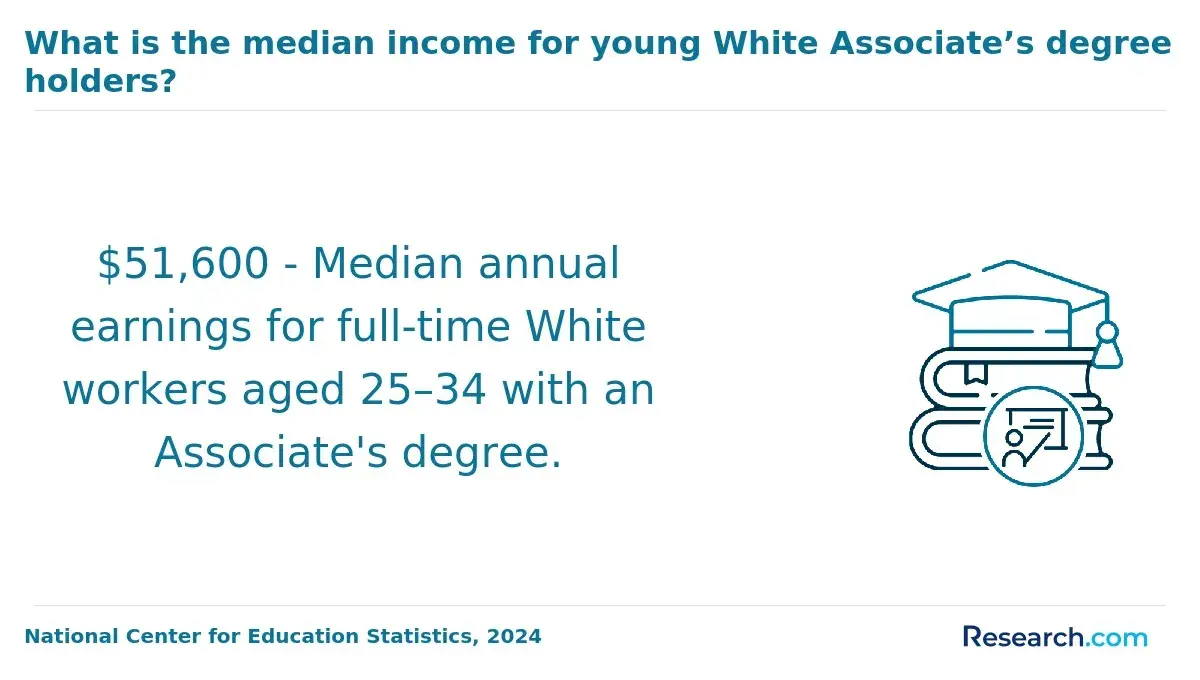
- Salary by Experience Level: Recent graduates usually start with salaries ranging from $50,000 to $65,000 per year. Those in mid-career positions can expect between $70,000 and $90,000, while senior experts or managerial roles may earn over $100,000.
- Geographic Location Differences: Metropolitan regions with strong biotech or pharmaceutical industries, such as Boston and San Francisco, typically offer higher wages. Conversely, rural or less industrialized areas might pay less but often have a lower cost of living, balancing overall compensation.
- Impact of Employer Type: Public sector roles, including academia and government research, generally provide steady salaries with good benefits but lower pay than private industry. Biotechnology and pharmaceutical firms frequently offer more lucrative salary packages alongside bonuses and stock options.
- Industry Sector Variations: Sectors like biotechnology, pharmaceuticals, and environmental consulting tend to pay more than education or nonprofit research. Specialized fields such as bioinformatics and genetic counseling also command higher salaries due to their technical expertise requirements.
- Master's Degree Salary Premium: Holding a master's degree in biology typically results in 15% to 25% higher earnings compared to bachelor's degree holders performing similar roles, highlighting the financial advantages of graduate-level education.
What Professional Certifications Complement a Biology Master's Degree?
Several professional certifications can substantially increase the value of a biology master's degree by verifying specialized expertise and improving competitiveness in the job market. To outline the most valuable credentials for biology master's graduates, consider the following key certifications and what they offer in terms of eligibility, exam format, renewal, and career impact.
- Certified Biological Safety Professional (CBSP): Offered by the American Biological Safety Association (ABSA), this credential requires a blend of education and relevant work experience. Candidates must pass a comprehensive exam focused on biosafety principles. Renewal demands continuing education credits every three years. Employers in research institutions, pharmaceuticals, and public health agencies highly value this certification, especially where managing biological risks is essential.
- Registered Environmental Manager (REM): Administered by the National Registry of Environmental Professionals (NREP), REM targets professionals focusing on environmental biology. Eligibility requires a bachelor's degree and environmental work experience, with an exam that includes written and practical components. Maintaining the certification involves ongoing professional development. It is recognized and sought after by consulting firms, government agencies, and environmental NGOs.
- Certified Clinical Research Professional (CCRP): This certification from the Society of Clinical Research Associates (SOCRA) acknowledges expertise in clinical trials and research governance. Applicants must have at least two years of clinical research experience and pass an exam. Recertification every three years through continuing education ensures candidates stay current. Pharmaceutical companies, hospitals, and clinical research organizations often require or prefer this credential.
These professional certifications for biology master's graduates complement the academic knowledge by providing practical validation of skills sought by employers. Pursuing these credentials after gaining some work experience post-master's degree is generally ideal, although preparing during the graduate program can enhance alignment between academic learning and career objectives. Early certification efforts can strengthen resumes and open doors to specialized roles with higher earning potential.
As candidates weigh their options, they should also consider program delivery methods; for example, online versus on-campus programs differ in cost, flexibility, and networking opportunities, factors that influence the timing of certification preparation. Those exploring advanced credentials should also be aware of alternative educational pathways, such as nursing schools that don't require teas, which might complement a broader health sciences career plan.
What Are the Top Industries Hiring Biology Master's Degree Graduates?
For students pursuing a master's degree in biology, understanding which industries most actively hire graduates is essential for career planning. Different sectors offer varying roles, company sizes, and skill requirements, influencing job prospects and long-term growth. Below is an overview of the top industries employing biology master's holders and strategies to align academic and professional experiences with these fields.
- Pharmaceutical and Biotechnology Industries: These sectors are leading employers, providing positions such as research scientists, clinical trial coordinators, and regulatory affairs specialists. Large organizations dominate here, investing heavily in drug discovery and development. Certification in Good Laboratory Practice (GLP) and advanced technical skills substantially boost employability.
- Environmental Consulting and Conservation: Opportunities include roles like field biologists, environmental analysts, and sustainability coordinators. Employers vary from specialized small firms to federal agencies, with a strong emphasis on knowledge of environmental laws and proficiency in data analytics.
- Healthcare and Public Health Sectors: Biology graduates find positions as lab technologists, epidemiologists, and health data analysts. These roles often require adherence to medical standards and certifications, such as Clinical Laboratory Scientist licensure, supporting diagnostic and epidemiological functions.
- Emerging Fields like Bioinformatics and Personalized Medicine: Rapid advances drive growth in sectors such as synthetic biology and computational biology. Skills in genome analysis, data science, and precision medicine are increasingly critical amid expanding technological and healthcare innovations.
- Strategic Career Preparation: Students should pursue internships aligned with targeted industries, attend industry-specific networking events, and choose coursework that enhances relevant technical competencies. This approach facilitates smoother transitions into chosen sectors and improves job market competitiveness.
According to the U.S. Bureau of Labor Statistics, employment for biological scientists is expected to grow by 5% between 2021 and 2031, underscoring steady demand across these principal industries.
What Are the Highest-Paying Jobs for Biology Master's Degree Holders?
For students pursuing a master's degree in biology, recognizing the highest-paying career paths is essential for aligning their education with long-term financial and professional objectives. Salaries differ by job function, industry, and location, making it important to target roles with strong earning potential. The following list highlights leading positions accessible with a biology master's degree, along with their typical compensation and necessary expertise.
- Biostatistician: These professionals integrate statistical methods with biological data, typically earning median salaries near $95,000 annually. Employers often include pharmaceutical firms, government bodies, and research centers. Proficiency in analysis software such as R or SAS and solid quantitative skills are critical to success and higher pay.
- Medical and Health Services Manager: With median earnings surpassing $100,000, this role oversees operations within healthcare facilities, requiring strong leadership, regulatory knowledge, and budgeting capabilities. Common employers include hospitals and clinics. Certifications like Certified Medical Manager (CMM) can enhance salary opportunities.
- Natural Sciences Manager: These managers command median wages close to $130,000 by leading scientific teams and coordinating research projects. Extensive research experience and effective communication skills are essential. Biotechnology and environmental consulting sectors, especially in large metro areas, offer premium compensation.
- Pharmaceutical Research Scientist: Focusing on drug development, salaries range from $80,000 to $120,000 depending on expertise and company size. Key competencies include molecular biology and project oversight. Positions at major pharmaceutical companies or startups offer top-tier pay, and a PhD often opens doors to senior-level roles.
- Environmental Scientist: While median pay centers around $75,000, specialists working in consulting or government agencies can exceed $100,000. These experts analyze ecological data and advise on environmental policies. Holding certifications such as Certified Environmental Scientist (CES) improves job prospects and earnings.
What Is the Job Outlook and Employment Growth for Biology Professionals?
Prospective students considering a biology master's degree should weigh current employment trends to understand potential career opportunities. Examining growth patterns in occupations relevant to biology master's degree holders helps set realistic expectations for job outlook and long-term earning potential nationwide.
- Moderate Employment Growth: The U.S. Bureau of Labor Statistics projects about 5% growth for biological scientists and related roles from 2022 to 2032. This rate is somewhat slower than the overall national average of 7%, indicating a stable but moderately expanding field that aligns with steady demand.
- Technological Advances: Innovations in genetic engineering, bioinformatics, and biotechnology are opening new job avenues. Professionals must continually update skills to stay competitive, as automation may reduce routine laboratory roles but will not replace complex analytic or research positions.
- Globalization and Environmental Policies: Increasing global collaboration and stricter sustainability regulations fuel demand for specialists in environmental conservation, wildlife management, and pharmaceutical research, expanding opportunities for biology master's degree graduates.
- Funding Challenges and Adaptability: Budget constraints in certain sectors could limit job growth, encouraging graduates to specialize or pursue interdisciplinary expertise to remain attractive to employers.
These factors impact biology master's degree employment growth in the U.S. and shape the job outlook for biology professionals nationwide. Students should also explore diverse financing options, including programs from accredited medical billing and coding schools with financial aid, to support their education journey.
What Skills and Competencies Does a Biology Master's Program Develop?
For prospective biology master's students, understanding the skill set developed throughout their studies is crucial for evaluating career prospects. The curriculum systematically builds both technical abilities and interpersonal skills, equipping graduates to excel in diverse scientific environments.
- Technical Proficiency: Students gain hands-on experience with laboratory instruments such as spectrophotometers and microscopes, while mastering experimental design and statistical analysis. Familiarity with data analysis software like R or Python enhances their ability to interpret complex datasets.
- Research Methodologies: The program emphasizes rigorous approaches to experimental planning and evaluation, fostering an understanding of scientific inquiry and reproducibility. These methods underpin the quality and reliability of research outcomes.
- Critical Thinking and Problem Solving: Analytical skills are honed through case studies and simulations, enabling students to approach scientific challenges creatively and effectively. This cognitive flexibility supports adaptability across various roles.
- Communication Skills: Clear articulation of scientific findings, both written and oral, is cultivated through presentations and collaborative projects, ensuring graduates can engage diverse audiences and stakeholders.
- Leadership and Teamwork: Group assignments develop collaboration and project management abilities, preparing students to lead or contribute effectively within multidisciplinary teams.
- Experiential Learning: Internships and practical activities bridge theory with real-world applications, strengthening students' readiness for professional environments and enhancing employability.
- Employer Priorities: Analytical capability, effective communication, and project coordination consistently rank as top competencies sought by employers, reflecting the value of this comprehensive skill set.
What Graduates Say About Their Biology Master's Degree
- Raul: "Applying to an online biology master's program was intimidating at first, but once I focused on accredited institutions, the process became more manageable. I relied heavily on official academic catalogs and federal education resources to ensure the program met rigorous standards. This structured approach gave me the confidence to navigate each step effectively."
- Elisha: "Choosing the right online biology master's program felt overwhelming until I started evaluating schools through their accreditation status and course catalogs. Understanding these elements gave me clarity on degree requirements and helped me avoid programs that might not hold value long term. Reflecting now, those resources were essential in making an informed decision."
- Michael: "From the very beginning, I approached my biology master's degree with a professional mindset-carefully examining admission criteria and scouring accrediting agencies' listings. Utilizing official federal education tools, I gained deeper insights into what each program thoroughly demanded. This comprehensive research paid off tremendously as I progressed through the curriculum."
Other Things You Should Know About Biology Degrees
In 2027, the growth prospects for careers with a Biology master's degree remain positive. Fields such as biotechnology and environmental science continue to expand, providing opportunities in research, development, and consulting roles. The demand for expertise in areas like genetics and sustainable practices is also increasing, supporting long-term career growth.
Obtaining a Biology master's degree can significantly enhance your earning potential. Graduates often enter specialized fields, leading to higher salaries compared to those with just a bachelor's degree. Over time, as work experience grows, this degree can open more senior positions and research opportunities, further boosting income. **Question** Is a Biology master's degree worth it? **Answer** A Biology master's degree is generally worth it for individuals aiming for specialized roles in healthcare, research, or academia. The degree provides advanced knowledge and skills that are essential for competitive job markets and can lead to career advancement and higher salaries in these fields.
In 2027, top industries hiring Biology master's graduates include biotechnology, pharmaceuticals, environmental consulting, and academia. These sectors actively seek professionals with advanced biological expertise to drive innovation and address complex challenges. Growth prospects in these industries offer promising career opportunities for graduates.
References
- Exploring Career Paths With a Masterâs in Biology - Oreate AI Blog http://oreateai.com/blog/exploring-career-paths-with-a-masters-in-biology/15b1469823f605e23cff6c60a2ce6845
- How Long Does It Take to Get a Master's Degree? https://www.snhu.edu/about-us/newsroom/education/how-long-does-it-take-to-get-a-masters-degree
- Careers Guidance https://www.rsb.org.uk/career-guidance.html
- What Are the Benefits of Being a Performing Arts Major? | Barton College https://www.barton.edu/what-is-possible-with-a-biology-degree/
- Top 15 Highest‑Paying Pharmacy Jobs in the UK 2025 (Including Salaries) https://apexlearning.org.uk/highest-paying-biology-degree-jobs-2025-2026/
- How Long Does it Take to Get a Masters Degree - MastersDegree.net https://mastersdegree.net/how-long-does-it-take-to-get-a-masters-degree/
- Master's Financing https://ibeam.brown.edu/education-and-training/bme-graduate-program/masters-program/masters-financing
- LibGuides: Biology: Biology Careers: What You Can Do with a Biology Degree https://libguides.csun.edu/biol
- 2025 Most Affordable Online Master's Degrees in Biology https://www.onlineu.com/most-affordable-colleges/biology-masters-degrees
- Biology Careers https://www.findlay.edu/sciences/biology/Pages/job-outlook.aspx