2027 What Can You Do with a Gender & Sexuality Studies Master's Degree? Careers, Salaries & Growth

Co-Founder and Chief Data Scientist
Many prospective students face uncertainty about the career value of a gender & sexuality studies master's degree. National data reveal that graduates in this field often enter diverse sectors such as education, advocacy, social services, and policy, with employment projected to grow by 12% over the next decade. Despite this growth, salary expectations vary widely, complicating investment decisions.
This article addresses that challenge by detailing program structures, admission criteria, and career trajectories. It provides salary benchmarks, job growth analysis, and comparisons of online versus on-campus programs to help readers make informed educational and financial choices aligned with their goals.
Key Things to Know About What You Can Do with a Gender & Sexuality Studies Master's Degree
- Admission to gender & sexuality studies master's programs typically requires a bachelor's degree, statements of purpose, and sometimes relevant experience, with options ranging from full-time on-campus to flexible online formats.
- Graduates often pursue careers in education, advocacy, social services, and research, with median salaries around $50,000 to $70,000 depending on role and location.
- Employment in fields related to gender & sexuality studies is projected to grow steadily, rewarding advanced degrees with higher earning potential and opportunities for leadership or specialized certifications.
What Are the Admission Requirements for a Gender & Sexuality Studies Master's Program?
Preparing the necessary prerequisites is crucial for a smooth admission to a gender & sexuality studies master's program. Applicants should be aware of key academic and supplemental requirements to strengthen their applications. The field is growing steadily, with roles related to social sciences expected to increase by about 8% from 2021 to 2031, reflecting both demand and salary growth potential. Below are common prerequisites applicants need to consider:
- Undergraduate Degree: Most programs require a bachelor's degree from an accredited institution. Preference is often given to candidates with degrees in gender studies, sociology, psychology, or related fields, though diverse academic backgrounds may be accepted.
- GPA Requirements: A minimum GPA of 3.0 on a 4.0 scale is commonly required, but this threshold varies depending on the institution's competitiveness and standards.
- Standardized Tests: GRE or GMAT scores are becoming less frequently required. Many schools waive or make these tests optional, especially after recent changes in admissions policies, but some competitive programs may still ask for GRE scores.
- Letters of Recommendation: Applicants typically need two or three letters from academic or professional sources that highlight their skills and readiness for graduate study.
- Personal Statement: This essay should outline the applicant's academic interests, career goals, and motivation for pursuing a gender & sexuality studies master's degree.
- Writing Samples: Demonstrating analytical and research abilities through writing samples, often from undergraduate coursework, is usually required.
- Field-Specific Prerequisites: Some programs strongly recommend or require prior coursework in feminist theory, queer studies, or related subjects to ensure adequate preparation. International applicants may also need to submit English proficiency proof via tests like TOEFL or IELTS.
For those exploring how to apply for a Gender and Sexuality Studies graduate degree, understanding these admission requirements is essential. Considering the varied prerequisites and career prospects, many prospective students also review most useful degrees to align their goals with market demand.
What Is the Minimum GPA Requirement for a Gender & Sexuality Studies Master's Program?
When considering gender and sexuality studies master's programs, understanding the typical minimum GPA requirement is crucial for prospective students. Most graduate schools require a minimum GPA between 2.75 and 3.0 on a 4.0 scale, but these standards can vary widely based on program selectivity and institutional factors. Employment in social sciences, including gender and sexuality studies careers, is projected to grow about 5% through 2031, reflecting the degree's relevance. Below is a summary of key admission considerations.
- Typical GPA Range: Most programs look for a minimum GPA between 2.75 and 3.0, though some more competitive programs may enforce higher standards.
- Holistic Admissions: Many schools adopt a holistic review, assessing work experience, test scores, and personal statements beyond GPA.
- Program Prestige Effects: Public and private institutions differ, and prestigious programs often require stronger academic records.
- Alternative Strengths: Applicants with GPAs below the threshold can compensate with relevant professional experience or notable achievements.
- Field Growth: Positive labor market trends support the value of pursuing graduate degrees in gender and sexuality studies.
Prospective students seeking flexible degree options may also explore programs like the accelerated bachelor's degree in psychology to build foundational skills for graduate studies in related fields.
How Much Does a Gender & Sexuality Studies Master's Degree Cost and How Can You Finance It?
Planning finances before starting a gender & sexuality studies master's program can help students navigate costs and funding options more confidently. Considering tuition, living expenses, and potential lost income early enables clearer budgeting. Key points to consider include:
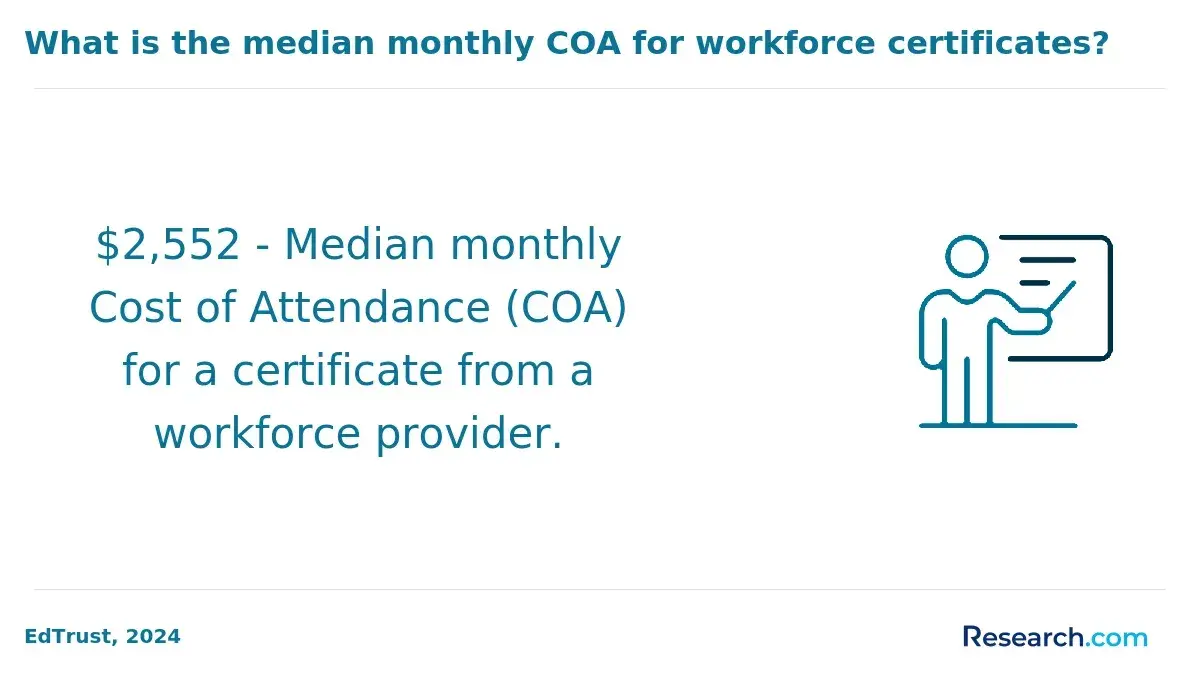
- Tuition Costs by Institution Type: Public in-state programs generally cost between $10,000 and $25,000 annually, offering a more affordable route. Private universities often exceed $40,000 per year, while online programs can vary, sometimes lowering housing costs but maintaining diverse tuition rates.
- Living and Opportunity Expenses: Beyond tuition, students should budget for housing, food, and transportation, which may total $15,000 or more annually. Full-time students risk lost wages, though part-time or online enrollment can reduce these opportunity costs.
- Diverse Funding Sources: Scholarships, fellowships, and assistantships provide critical financial support. Many working students benefit from employer tuition reimbursement, and federal student loans remain widely accessible but should be used judiciously.
- Debt Reduction Strategies: Targeting department-specific fellowships, selecting in-state public programs, or securing teaching and research assistantships that offer tuition waivers can effectively lower debt burdens.
- Evaluating Return on Investment (ROI): Calculating ROI means weighing total educational costs against expected salary gains. Median salaries typically range from $45,000 to $70,000 depending on the field, with projected job growth supporting long-term financial viability.
A graduate from a gender & sexuality studies master's program shared that financing the degree required careful navigation. Balancing work and study was challenging but manageable with employer tuition reimbursement and a competitive scholarship from the department. The combination reduced reliance on loans significantly. Reflecting on the process, they emphasized the importance of early financial planning and seeking assistantships to ease the monetary pressure. This approach ultimately made continuing education not only feasible but rewarding as it led to meaningful career advancement.
How Long Does It Take to Earn a Gender & Sexuality Studies Master's Degree?
When considering the average duration of gender & sexuality studies graduate programs, prospective students need to factor in several elements that influence the time required to complete the degree. These considerations are key for those planning to balance studies with personal or professional commitments. Below is a breakdown of the primary factors affecting how long it takes to finish a gender & sexuality studies master's degree.
- Full-Time Enrollment: Typically, a full-time student completes the degree in approximately 1.5 to 2 years. This allows for focused engagement with coursework, research, and thesis or capstone requirements within a standard academic cycle.
- Part-Time and Online Programs: Designed for working professionals or those with other obligations, part-time and online pathways generally extend the duration to around 3 to 4 years, depending on the number of credits undertaken each term and scheduling flexibility.
- Accelerated and Combined Pathways: Some institutions offer accelerated tracks or combined bachelor's/master's programs, enabling students to finish within 1 to 1.5 years by taking a heavier course load or planning during undergraduate studies.
- Transfer Credits: Acceptance of relevant graduate-level transfer credits can significantly reduce the total time needed. However, credit transfer policies vary by institution and require prior approval.
- Thesis vs. Non-Thesis Tracks: Thesis options generally demand more time due to extensive research and writing, whereas non-thesis tracks might prioritize additional coursework or practical experience, affecting the overall timeline.
- Internship or Practicum Requirements: Hands-on experience components such as internships or practicums may add to the program length depending on required placement hours and availability.
These time considerations help prospective students assess the commitment involved in a gender & sexuality studies master's degree and align it with their career objectives and schedules. For those exploring options across fields, resources on fun majors in college that pay well provide valuable insight into potential earnings and career paths.
What Career Paths Are Available with a Gender & Sexuality Studies Master's Degree?
Graduates with a master's in gender & sexuality studies have diverse career opportunities that span multiple sectors. This degree equips students for roles requiring critical insight into social issues, advocacy, and policy analysis. Below are some key career paths and industry options where these skills are in demand.
- Academia and Research: Many graduates find employment as researchers, lecturers, or program coordinators, contributing to scholarship and educational programming within universities and think tanks.
- Nonprofit Sector: Roles in advocacy, community outreach, and program development geared toward equity and social justice are common, as nonprofits seek expertise in inclusion and human rights.
- Government Positions: Employment opportunities include policy analysis, human rights monitoring, and public education initiatives, where graduates help shape and implement laws benefiting marginalized communities.
- Private Sector Opportunities: Diversity and inclusion consulting, corporate social responsibility, and human resources roles utilize this degree to foster inclusive workplace cultures and compliance strategies.
- Career Progression: Many begin in individual contributor roles like research assistants or outreach coordinators, advancing over time to managerial or executive positions such as program directors or diversity officers.
One graduate shared that navigating job applications felt more manageable due to the degree's interdisciplinary training and strong research foundation. They noted, "Having focused on gender and sexuality issues gave me unique perspectives that employers valued, especially in crafting inclusive policies. The process of moving from an assistant role to leading programs felt natural because of the practical advocacy and organizational skills I developed during my studies." This insight highlights how the degree not only opens doors but also supports sustained career growth.
What Is the Average Salary for Gender & Sexuality Studies Master's Degree Holders?
Salary expectations for individuals with a master's degree in gender & sexuality studies vary widely depending on experience, location, and employer type. The following points highlight how compensation unfolds from entry-level to senior positions, including factors that influence total earnings.
- Entry-Level Salaries: Graduates just starting their careers generally earn between $40,000 and $55,000 annually. Positions are commonly available in nonprofit sectors, education, and social services, which typically offer moderate starting pay alongside valuable professional growth opportunities.
- Mid-Career Earnings: Professionals with five to ten years of experience can expect annual salaries from $55,000 up to $75,000. Jobs in government agencies, advocacy organizations, and higher education tend to compensate better, especially in urban areas where the cost of living drives wages higher.
- Senior-Level Compensation: Experienced experts and leaders in specialized roles may earn between $80,000 and $100,000 or more. Top-paying positions often involve leadership in diversity and inclusion initiatives, research, or policy analysis, particularly within private sector companies.
- Employer Type Influence: Public institutions usually provide lower base pay compared to private employers but often include enhanced benefits such as pension plans and loan forgiveness. Nonprofits and academic employers have diverse salary structures influenced by funding levels.
- Master's Degree Premium: Holding a master's degree in gender & sexuality studies generally boosts salaries by 15-25% over those with bachelor's credentials, reflecting advanced expertise and specialized training.
- Additional Compensation Factors: Bonuses, healthcare, retirement contributions, and, in some cases, equity options add to overall financial rewards, significantly increasing the total compensation beyond the base salary.
What Professional Certifications Complement a Gender & Sexuality Studies Master's Degree?
Several professional certifications complement a gender & sexuality studies master's degree by enhancing career opportunities and salary potential across social services, education, health care, and diversity management. Pursuing certifications that complement a gender & sexuality studies master's degree strategically can improve both credibility and practical skills, making graduates more competitive in their fields. Here are some of the most valuable credentials to consider:
- Certified Diversity Professional (CDP): Offered by the Institute for Diversity Certification, this credential requires at least two years of relevant experience and passing an exam covering diversity concepts, legal frameworks, and organizational strategies. Certification renewal is mandatory every three years through continuing education. Employers in corporate diversity, equity, and inclusion (DEI) departments and nonprofit social justice organizations highly value the CDP.
- Licensed Clinical Social Worker (LCSW): Credentialed by state social work boards across the U.S., the LCSW mandates a master's degree, supervised clinical experience, plus passing a national clinical exam. States usually require continuing education every 2-3 years for renewal. This license enables graduates to practice psychotherapy and advocate for LGBTQ+ clients in clinical settings, expanding career prospects within mental health services.
- Certified Health Education Specialist (CHES): Awarded by the National Commission for Health Education Credentialing, CHES requires at least a bachelor's degree in health education or a related field and passing an exam on health promotion and education principles. Recertification occurs every five years. This credential is preferred for public health roles focused on sexual health and wellness initiatives.
Timing is critical when pursuing professional certifications. Obtaining these credentials during or immediately after completing the master's degree aligns academic knowledge with practical skills, enhancing employability and access to higher-paying roles. Additionally, those exploring related fields like library and information science might consider affordable online options, such as the library science masters programs, to broaden career opportunities.
What Are the Top Industries Hiring Gender & Sexuality Studies Master's Degree Graduates?
Knowing which industries most actively employ graduates with a gender & sexuality studies master's degree helps students focus their career planning and skill development. This knowledge also highlights where demand is strongest and which professional abilities enhance job prospects. Below are the leading sectors and emerging fields that offer significant opportunities for these graduates.
- Nonprofit Organizations and Advocacy Groups: These employers range from small grassroots entities to global NGOs and typically hire for roles like program coordinator, policy analyst, and community outreach specialist. Proficiency in grant writing, program evaluation, and public communication boosts candidacy.
- Healthcare Sector: Hospitals and healthcare providers employ graduates for diversity initiatives, cultural competency training, and patient advocacy roles such as diversity officer or patient liaison. Knowledge of healthcare regulations and certifications in counseling or social work is often required.
- Education Institutions: Universities and K-12 school systems recruit gender & sexuality studies graduates as researchers, curriculum developers, and diversity trainers. Strong backgrounds in pedagogy and research methodologies are valuable assets.
- Government Agencies: Positions in policy creation, human rights enforcement, and managing social services are common. Familiarity with legal frameworks and data analysis tools enhances effectiveness in these roles.
- Corporate Diversity, Equity, and Inclusion (DEI) Consultancy: Rapid growth in this field is driven by social and regulatory pressures for workplace equity. Companies, including technology firms, increasingly seek experts to address systemic biases in areas like AI and user experience design.
- Career Preparation Strategies: Internships and networking within professional communities are essential for gaining industry footholds. Coursework that emphasizes research methods, policy analysis, and intersectionality equips graduates with marketable skills aligned to employer needs.
What Are the Highest-Paying Jobs for Gender & Sexuality Studies Master's Degree Holders?
For those pursuing a master's degree in gender & sexuality studies, understanding which careers offer the most financial reward is essential for planning a successful professional path. Salaries vary widely depending on the job role, industry sector, and location, and advancing in the field often requires further credentials or specialized experience. The following highlights key positions with higher earning potential, the skills and qualifications they demand, and the sectors where top compensation is common.
- University Professor: Typically requiring a PhD, professors specializing in gender & sexuality studies develop courses, lead research, and contribute academic publications. Salaries generally range from $80,000 to $120,000 annually, with research-intensive universities offering the higher end of this spectrum.
- Social Science Researcher: These professionals study social dynamics around gender and sexuality, employing strong data analysis capabilities. Median pay is around $75,000, often increasing in metropolitan areas, government, or private research institutions.
- Policy Analyst: Employed mainly in nonprofit or government environments, policy analysts evaluate legislation affecting gender and sexuality rights. Strong analytical and communication skills are critical, and compensation typically ranges from $70,000 to $90,000 based on experience and location.
- Healthcare Administrator: Managing programs focused on LGBTQ+ health equity requires both a master's degree and healthcare certifications for higher pay. Median salaries may exceed $90,000, especially within hospitals and specialized clinics.
- Corporate Diversity and Inclusion Manager: These roles involve crafting and executing workplace inclusion strategies, often requiring HR or leadership experience. Salaries range from $80,000 to over $110,000, notably within large urban corporations.
Obtaining additional credentials such as doctoral degrees, specialized certifications, or relocating to salary-competitive regions can significantly enhance earning prospects in these careers.
What Is the Job Outlook and Employment Growth for Gender & Sexuality Studies Professionals?
Prospective students in gender & sexuality studies should consider employment growth and career prospects when pursuing a master's degree. Job opportunities for graduates are influenced by social, technological, and economic trends shaping the workforce. Understanding these factors will help applicants evaluate the long-term value of this degree.
- Steady Employment Growth: According to the U.S. Bureau of Labor Statistics (BLS), roles such as social workers, community service managers, and educational counselors-common career paths for gender & sexuality studies graduates-are projected to grow between 5% and 13% from 2022 to 2032. This aligns with or surpasses the national average growth rate of 5% for all occupations, suggesting a stable or expanding job market.
- Economic and Demographic Drivers: Increased awareness of diversity, equity, and inclusion fuels demand for professionals skilled in policy development, advocacy, and education. These changes expand employment outlook for gender and sexuality studies graduates across various sectors.
- Impact of Technology and Automation: Advances in tech support expanded research and nonprofit activities but may automate routine tasks. Developing strong interpersonal and critical thinking skills is crucial to staying competitive.
- Globalization and Policy Evolution: Evolving legal frameworks and international human rights efforts create new roles in global organizations, broadening career possibilities for degree holders.
Students interested in flexible learning options might compare online versus on-campus programs, considering cost and financing. For example, those exploring interdisciplinary studies might consult rankings like the cheapest criminal justice degree online to examine affordable models and financial planning strategies relevant to similar social sciences fields.
What Skills and Competencies Does a Gender & Sexuality Studies Master's Program Develop?
Evaluating the skills developed in a Gender & Sexuality Studies master's program is essential for prospective students to understand how their education will translate into workplace success. These programs cultivate a mix of technical and interpersonal abilities, enhancing career adaptability across multiple sectors.
- Research Proficiency: Students acquire expertise in both qualitative and quantitative research methodologies, alongside data analysis using specialized software and effective navigation of academic databases, ensuring rigorous investigation skills.
- Critical Analysis: Training involves conducting thorough literature reviews and applying intersectional frameworks to policy studies, which sharpens evaluative thinking and contextual understanding.
- Communication and Leadership: The program hones advanced speaking and writing skills while fostering leadership qualities within team environments, preparing graduates for collaborative and advocacy-based roles.
- Cultural Competency: Emphasis on understanding diverse identities develops sensitivity and adaptability, valuable in education, social services, healthcare, and corporate diversity initiatives.
- Experiential Learning: Engagement in internships, case studies, simulations, and group projects bridges theory and practice, allowing hands-on experience that enhances problem-solving and ethical reasoning.
- Employer Priorities: Hiring managers consistently highlight critical thinking, ethical judgment, and clear communication as top competencies for candidates from this field, reflecting industry demands.
What Graduates Say About Their Gender & Sexuality Studies Master's Degree
- Allan: "Applying for admission to the online master's program in gender & sexuality studies was initially daunting, but the clear guidance provided by official academic catalogs made the process far more approachable. Exploring accredited institutions helped me trust the credibility and quality of the education I would receive. Ultimately, relying on federal education resources allowed me to plan my studies effectively and feel confident about meeting the degree requirements."
- Gwen: "Reflecting on my journey, navigating the landscape of accredited online programs in gender & sexuality studies was a critical step that shaped my academic success. I found that consulting multiple accrediting agencies gave me a well-rounded perspective on program legitimacy and educational standards. This research was essential in ensuring my investment in the degree would translate into genuine opportunities for professional growth."
- Rebecca: "My experience as an early graduate of the online gender & sexuality studies master's degree was deeply enriched by thoroughly examining official academic catalogs to understand detailed course requirements. When selecting a program, I prioritized institutions with solid accreditation to enhance both the quality and recognition of my degree. The wealth of information from federal education resources was invaluable for managing my course load and deadlines efficiently throughout the program."
Other Things You Should Know About Gender & Sexuality Studies Degrees
A master's degree in gender & sexuality studies can positively affect earning potential, especially when paired with relevant professional experience or additional certifications. Graduates working in academia, nonprofit leadership, or diversity and inclusion roles often see income growth as they advance into senior positions. However, salary increases vary widely depending on industry and geographic location.
In 2027, a Gender & Sexuality Studies master's degree enhances job prospects by equipping graduates with interdisciplinary analytical skills sought in fields like human resources, advocacy, and education. Careers in these areas benefit from a growing emphasis on diversity and inclusion, driving demand for specialists.
In 2027, unique job opportunities for Gender & Sexuality Studies master's graduates include roles in diversity and inclusion consulting, LGBTQ+ advocacy, and educational program development. As societal awareness and corporate responsibility grow, these areas offer dynamic career paths with potential for impactful change.
A master's degree in gender & sexuality studies is valuable for careers centered on social justice, education, counseling, advocacy, and public policy. While it may not lead to the highest salaries compared to STEM fields, it offers meaningful work and opportunities for impact. Assessing personal career goals and financial considerations is essential to determine if the degree aligns with one's long-term aspirations.
References
- Our Graduates' Successes: What the Data Tells Us About the Value of Women's and Gender Studies Degrees https://msmagazine.com/2025/07/20/college-degrees-womens-gender-sexuality-ethnic-africana-indigenous-disability-studies-graduates/
- What Can I Do With My Degree? - Women's, Gender, and Sexuality Studies https://wgss.wfu.edu/what-can-i-do-with-my-degree/
- Gender and Sexuality (MA) https://warwick.ac.uk/study/postgraduate/courses/ma-gender-sexuality/
- Admissions https://wgs.illinoisstate.edu/academics/graduate/admissions/
- College of Social Sciences https://socialsciences.fresnostate.edu/womensstudies/careers/index.html
- Masters https://www.sfu.ca/gsws/graduate/masters.html
- Gender Jobs - Find Job Opportunities To Work On Gender Equality and LGBTQI+ rights https://genderjobs.org/
- Career Opportunities in Gender Studies and Development: Pathways to Impact https://luanar.ecampus.ac.mw/careers-in-gender-studies-and-gender-development-opportunities-and-pathways/
- What Can You Do With a Women's and Gender Studies Degree? https://willamette.edu/academics/college/women-gender-studies/career-options
- Application and admission - Master Gender and Sexuality (Political Science; Sociology) https://www.uva.nl/shared-content/programmas/en/masters/gender-and-sexuality/application-and-admission/application-and-admission.html