2027 What Can You Do with a Materials Science & Engineering Master's Degree? Careers, Salaries & Growth

Co-Founder and Chief Data Scientist
Many aspiring engineers and scientists struggle to understand the true value of pursuing a materials science & engineering master's degree. Approximately 15% of graduates in this field face uncertainty about career paths despite a projected 7% employment growth rate through 2032, outpacing many engineering disciplines. Salary data shows a median annual wage of $100,000 for master's degree holders, but misconceptions about job availability and program costs create hesitation.
This article addresses these concerns by detailing degree structures, job markets, salary benchmarks, and growth opportunities. It also compares program formats and highlights certifications to help readers make informed, strategic decisions about their career investments.
Key Things to Know About What You Can Do with a Materials Science & Engineering Master's Degree
- Materials Science & Engineering master's programs typically require a bachelor's degree in engineering or science, combining coursework and research to prepare students for diverse industry roles and technical problem-solving.
- Graduates can expect median starting salaries around $85,000, with advanced roles in aerospace, automotive, and electronics fields pushing mid-career earnings beyond $120,000 annually.
- Program comparisons emphasize cost, flexibility, and reputation, while labor market data forecasts 7% employment growth, making professional certifications beneficial for career advancement.
What Are the Admission Requirements for a Materials Science & Engineering Master's Program?
Preparing a comprehensive application with the right prerequisites is essential for admission into a Materials Science & Engineering master's program. These requirements ensure candidates have the foundational knowledge and skills needed for advanced study and research. The field offers promising career growth, with employment for materials engineers projected to increase by about 6% from 2022 to 2032, reflecting strong demand driven by technological advances and manufacturing needs. Below are key prerequisites typically expected of applicants.
- Relevant Undergraduate Degree: A bachelor's degree in Materials Science, Engineering, Physics, Chemistry, or a closely related field is usually mandatory. This aligns with standard Materials Science & Engineering master's program admission requirements and provides the essential academic background.
- GPA Thresholds: Most institutions expect a minimum GPA of around 3.0 on a 4.0 scale, though more competitive programs may require higher scores to qualify for a Materials Science & Engineering master's degree.
- Standardized Tests: GRE requirements vary; many schools have waived or made GRE optional recently, but some still require it. The GMAT is rarely relevant except for programs with management components.
- Supplementary Materials: Applicants must typically submit two to three letters of recommendation emphasizing academic and research potential, a personal statement outlining goals, and sometimes writing samples or research work, especially for specialized fields such as nanotechnology or biomaterials.
- Field-specific Prerequisites: Coursework in thermodynamics, materials characterization, or solid-state physics may be required depending on the institution or focus area.
For prospective students considering online versus on-campus options, understanding these requirements helps clarify preparation steps. To explore financing options relevant to similar professional certifications, see resources on bcba certification.
What Is the Minimum GPA Requirement for a Materials Science & Engineering Master's Program?
Meeting the minimum GPA requirement for admission to materials science and engineering graduate degree programs is a critical factor for prospective students. Typically, schools ask for a GPA between 2.75 and 3.0 on a 4.0 scale, although this can change depending on the institution and program focus. Considering the diversity of specializations and school types, understanding these requirements helps applicants tailor their applications effectively. Below are key considerations regarding GPA criteria in this field.
- Typical GPA Range: Most materials science & engineering master's programs require a minimum GPA of 2.75 to 3.0, reflecting generally competitive academic standards.
- Variability by Institution: Private and highly prestigious programs often set higher GPA thresholds, while some public universities may be more flexible in their admissions.
- Holistic Review: Many programs evaluate applicants beyond GPA, considering professional experience, GRE scores, and personal statements as part of a comprehensive review.
- Importance of Concentration: Certain concentrations within materials science & engineering attract more applicants, making the GPA expectations stricter for these specializations.
- Growing Job Market: According to labor statistics, materials engineering jobs are expected to grow 5% between 2022 and 2032, underpinning the value of earning an advanced degree despite GPA challenges.
Applicants with a GPA below the minimum can improve their chances by emphasizing strengths in other areas. For those balancing academics with career goals or international credentials, exploring flexible options like the cheapest edd programs online may also provide guidance on alternative graduate pathways.
How Much Does a Materials Science & Engineering Master's Degree Cost and How Can You Finance It?
Planning your finances ahead of enrollment in a materials science & engineering master's program can make a significant difference in managing costs and debt. Below are key financial factors and strategies prospective students should consider:
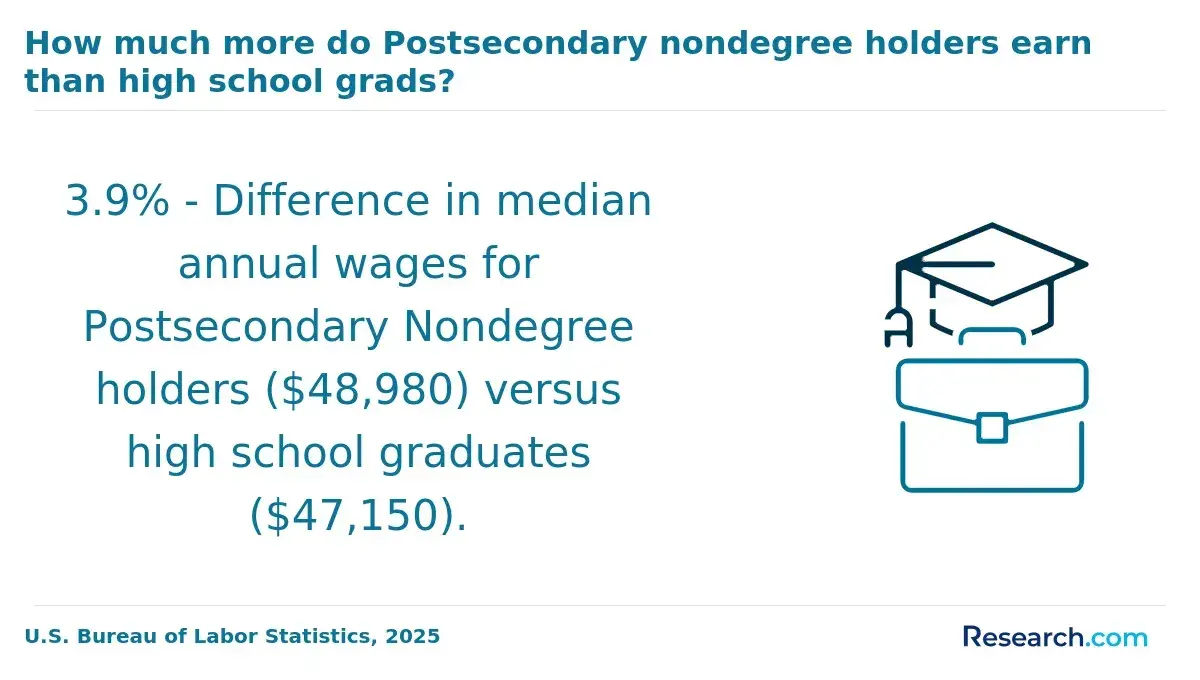
- Total Cost Variation: Tuition and fees differ widely; public universities typically charge between $15,000 and $25,000, while private institutions can exceed $30,000 to $50,000. Online programs often reduce living expenses, but these savings vary based on individual circumstances.
- Funding Options: Scholarships, fellowships, graduate assistantships, employer tuition reimbursement, and federal loans are common financial resources. Graduate assistantships often provide tuition waivers coupled with stipends, easing budget pressures.
- Debt Reduction Tactics: Applying to in-state public schools, pursuing fellowships early, and securing assistantships linked to teaching or research can substantially lower educational costs. Some programs offer tuition waivers in exchange for academic work.
- Evaluating Return on Investment (ROI): Assessing program expenses against expected salaries in specific subfields is essential. ROI varies notably by specialization and geographic location, so reviewing detailed placement data and salary trends helps justify the financial commitment.
When speaking with a graduate of a materials science & engineering master's program, they reflected on the financial challenges and rewards of their journey. They recalled the initial anxiety of balancing tuition payments with living costs while applying for assistantships and scholarships. "It was a constant process of juggling deadlines and budget planning," they said. However, securing a teaching assistantship not only reduced debt but also enriched their learning experience. They emphasized that persistence and proactive financial planning made completing the program feasible and ultimately worthwhile for advancing their career.
How Long Does It Take to Earn a Materials Science & Engineering Master's Degree?
Deciding how long it will take to earn a materials science and engineering master's degree is a crucial step for prospective students planning their academic and professional futures. The time to complete a materials science and engineering master's varies depending on enrollment status, program structure, and individual choices. Below are key factors influencing the typical duration of these programs:
- Full-Time Enrollment: Most students enrolled full-time finish their materials science and engineering master's degree within 1.5 to 2 years. This schedule usually involves a consistent course load each semester combined with research or project requirements.
- Part-Time and Online Programs: These flexible programs, suitable for working professionals, often take between 3 and 4 years depending on the student's credit load and availability. They allow balancing work and study but extend the overall time needed to graduate.
- Accelerated and Combined Pathways: Some universities offer accelerated master's or combined bachelor's/master's programs that integrate undergraduate and graduate coursework to reduce total study time. Such options can allow students to complete their degrees in as few as 5 years.
- Transfer Credits: Students entering with graduate-level credits related to materials science and engineering can apply these toward their degree requirements, effectively shortening the timeline.
- Thesis vs. Non-Thesis Tracks: Those who opt for the thesis track usually spend more time on research, potentially extending their program duration beyond non-thesis options focused mainly on coursework.
- Internships and Practicums: Practical training experiences may lengthen the time to graduate but add valuable industry exposure and networking opportunities, enhancing career readiness upon completion.
For students evaluating the value of investing time in advanced education, it's also helpful to review career outcomes and salary data associated with their degree choice, including insights into the highest paying majors. This information can guide them in aligning their program duration decisions with long-term earning potential and job market prospects.
What Career Paths Are Available with a Materials Science & Engineering Master's Degree?
Pursuing a master's degree in materials science & engineering offers graduates a variety of professional avenues in numerous sectors. The degree equips students with skills applicable to both specialized materials roles and related fields, providing a broad spectrum of opportunities in research, product development, and technical problem-solving.
Key factors influencing career outcomes include:
- Direct Industry Roles: Many graduates work in sectors like aerospace, automotive, electronics, and energy, focusing on enhancing materials such as metals, polymers, ceramics, and composites to improve and durability in specific applications.
- Adjacent Positions: The degree also prepares students for roles in quality control, failure analysis, and process optimization, where material expertise contributes to manufacturing efficiency and product reliability. Consulting and technical sales are further avenues where graduates apply their knowledge to guide material selection and innovation.
- Career Progression: Entry-level positions often involve hands-on research or engineering contributions. Over time, professionals may advance to managing projects or leading interdisciplinary teams. Executive roles, while less common solely with a master's degree, become attainable when combined with business skills or advanced credentials.
- Recruiting Industries: Employers include government research labs focused on innovation, private companies driving new technologies, nonprofits dedicated to sustainability or materials policy, and academic institutions engaged in teaching and applied research.
When asked about his experience, a recent materials science & engineering master's graduate highlighted how the program streamlined his transition into technical roles. "The curriculum's blend of theory and lab work gave me confidence to tackle complex problems early on," he said. He found the structured research projects particularly helpful for developing practical skills, which made securing his first professional role easier than expected. The comprehensive training and exposure to diverse materials laid a solid foundation, enabling him to adapt quickly within dynamic industrial environments.
What Is the Average Salary for Materials Science & Engineering Master's Degree Holders?
Holding a master's degree in Materials Science & Engineering generally leads to higher earnings compared to only having a bachelor's, reflecting the advanced expertise these professionals bring. Salaries are influenced by experience, industry, employer type, and location. Additional compensation elements like bonuses and equity often enhance overall pay. Below are key salary insights categorized by career stage and other factors.
- Entry-Level Salary Ranges: Early-career graduates typically earn between $65,000 and $85,000 annually. These roles usually involve hands-on materials testing and quality assurance, often in manufacturing or research settings.
- Mid-Career Growth: With five to ten years of experience, salaries climb to a range of $90,000 to $120,000. Professionals at this stage may engage in project leadership, product development, or consulting, especially in sectors like aerospace and electronics.
- Senior-Level Compensation: Seasoned engineers, managers, or specialists can command between $120,000 and $160,000 or more. Those leading teams or working in advanced fields such as nanotechnology often receive lucrative bonuses and stock options.
- Geographic and Industry Differences: Salaries tend to be higher in tech and industrial hubs like California and Massachusetts. Private companies usually offer greater base pay than public institutions, though government roles may provide stronger benefits. Industries such as semiconductors and energy typically pay better than academia or public research.
- Additional Compensation Factors: Bonuses, profit sharing, and equity can add 10% to 30% on top of base salaries, especially in private and high-tech firms. These benefits enhance total income, reflecting a competitive labor market for advanced skills.
What Professional Certifications Complement a Materials Science & Engineering Master's Degree?
Several professional certifications are especially valuable to individuals holding a materials science & engineering master's degree, broadening career prospects and enhancing earning potential. Below is a summary of the most recognized credentials, their prerequisites, exam formats, and market value. This overview provides strategic insights on when to pursue these certifications to maximize benefits for professionals and students alike.
- Certified Materials Professional (CMP): Offered by the Society of Materials Engineering (SME), this certification requires a bachelor's degree in a related field and relevant work experience. The CMP exam tests knowledge on materials selection, processing, and testing. Certified professionals must renew every three years through continuing education or retesting. This credential is highly regarded in aerospace, automotive, and manufacturing sectors, often leading to higher salaries and recognition of advanced expertise.
- Six Sigma Green Belt and Black Belt: Administered by bodies such as the American Society for Quality (ASQ), these certifications focus on quality management and process improvement. Eligibility depends on educational background and professional experience. Successful candidates pass an exam demonstrating their ability to optimize industrial and production processes. These certifications fit especially well for engineers in process optimization roles and increase market competitiveness.
- Certified Reliability Engineer (CRE): Also from ASQ, this credential is ideal for those specializing in product durability and reliability testing. It mandates passing a comprehensive exam and requires ongoing renewal through professional development activities. CRE certification is attractive to employers who prioritize product quality and long-term performance, reinforcing technical credibility in demanding environments.
The timing for pursuing professional certifications varies. Many materials science & engineering graduates choose to start preparation during their master's program to align academic learning with certification content. Professionals already in the field benefit from obtaining certifications to formalize and validate their skills, expanding options for advancement. For those concerned about cost, it's worth noting that flexible program structures exist, including options geared towards those seeking a cheap psychology degree online, illustrating how affordability can be part of strategic educational planning alongside technical certifications.
Integrating such professional certifications complements the advanced knowledge gained in materials science & engineering master's degree programs. This combination supports career advancement, especially in competitive industries that value verified technical expertise and continuous professional development.
What Are the Top Industries Hiring Materials Science & Engineering Master's Degree Graduates?
For those pursuing a master's degree in materials science & engineering, understanding the key industries hiring graduates helps tailor career strategies effectively. Each sector demands specialized skills and offers various roles that align with different employer profiles. Targeted internships, relevant coursework, and professional networking are essential to entering these fields.
Below are the leading industries employing materials science & engineering master's graduates, along with emerging sectors where expertise is increasingly sought:
- Aerospace Industry: Primarily involving large corporations and defense contractors, this sector hires engineers to develop lightweight composites and heat-resistant alloys. Expertise in fatigue analysis and certifications such as AS9100 quality management improve job prospects.
- Automotive Manufacturing: Employers focus on materials that enhance fuel efficiency, like high-strength steels and advanced polymers. Experience with corrosion resistance and sustainable materials design is highly valued, with opportunities spanning multinational firms and specialized suppliers.
- Electronics Sector: Small to mid-sized technology companies seek materials scientists skilled in semiconductors, nanomaterials, and thin-film technologies. Familiarity with industry standards such as IPC certifications is advantageous for employment.
- Biomedical Field: The biomedical industry is growing its demand for biomaterials engineers to innovate in implants and drug delivery systems. Knowledge of biocompatibility and obtaining ISO 13485 certification are significant assets due to evolving regulations and demographic trends.
- Renewable Energy: Emerging rapidly, this sector requires materials experts to advance solar cells and battery technologies. According to the U.S. Bureau of Labor Statistics, jobs related to renewable energy materials are projected to grow by 10% through 2030.
Building a career in these industries often involves strategically selecting internships, joining professional societies, and tailoring coursework to develop relevant technical skills and certifications.
What Are the Highest-Paying Jobs for Materials Science & Engineering Master's Degree Holders?
Identifying the highest-paying positions for holders of a materials science & engineering master's degree is crucial for those aiming to maximize their career earnings and growth potential. These roles often demand advanced expertise, practical experience, and sometimes additional certifications or education. Compensation can vary widely based on industry, geographic location, and specialized skills. Below are some of the top career paths offering the strongest financial rewards.
- Materials Scientist: These professionals focus on creating and improving materials by analyzing their structures and properties, supporting innovation in fields like aerospace, electronics, and manufacturing. Median salaries commonly exceed $100,000, with higher wages available in private companies and government research facilities. Expertise in nanotechnology and simulation methods further increases earning potential.
- Process Development Engineer: Responsible for enhancing manufacturing techniques for metals, polymers, or ceramics, these engineers often work in automotive and semiconductor sectors. Typical median income is around $95,000, with proficiency in automation and lean manufacturing boosting career prospects.
- R&D Engineer: Leading the design and testing of new materials and products, R&D engineers collaborate across disciplines, particularly in biomedical and energy industries. Salaries generally range from $90,000 to above $120,000, depending on experience and specialization.
- Failure Analysis Engineer: Focused on diagnosing why materials fail, these engineers improve safety and performance in aerospace and defense. Average earnings fall between $90,000 and $110,000, with certifications in failure analysis providing a competitive edge.
- Technical Sales Engineer: Combining technical knowledge with sales acumen, these engineers act as product experts for advanced materials. Compensation frequently includes commissions that can push total earnings beyond $100,000, particularly in industrial supply and high-tech markets.
Those who obtain doctoral degrees or professional certifications, such as Six Sigma or Certified Materials Professional (CMP), often attain the highest salary tiers. Additionally, geographic regions like California, Texas, and the Northeast and specialized industries such as aerospace, pharmaceuticals, and electronics yield generally higher compensation levels.
What Is the Job Outlook and Employment Growth for Materials Science & Engineering Professionals?
Prospective students pursuing a Materials Science & Engineering master's degree should consider current and future employment trends, as these impact career opportunities and long-term growth. Understanding employment growth statistics and labor market drivers helps clarify whether the field offers strong prospects relative to other occupations.
- Projected Employment Growth: The U.S. Bureau of Labor Statistics (BLS) forecasts about 8% growth in materials science and engineering employment from 2022 to 2032. This rate exceeds the national average growth of 5% across all occupations, indicating an expanding field with solid demand.
- Technological and Economic Drivers: Advances in aerospace, electronics, and renewable energy industries fuel demand for experts skilled in innovative materials. Increased investment in sustainable materials and lightweight composites further supports job growth, enhancing career prospects for graduates.
- Impact of Globalization and Automation: While globalization may shift some manufacturing roles overseas, and automation could replace routine tasks, professionals with strong interdisciplinary and research skills remain essential to innovation and maintaining competitiveness.
- Policy and Industry Trends: Growing support for clean energy and advanced manufacturing policies is expected to accelerate workforce needs, especially for materials science and engineering graduates with master's degrees who can address complex challenges.
Students exploring materials science and engineering employment growth in the United States can also consider options in related fields. For example, those interested in complementary skill sets may investigate data science degrees, which provide versatile analytical expertise highly valued in technology-driven industries.
Materials science and engineering graduates benefit from tracking job outlook and career prospects for materials science and engineering graduates. This approach aligns educational choices with evolving market demands and enhances the chances of securing rewarding, stable employment.
What Skills and Competencies Does a Materials Science & Engineering Master's Program Develop?
Prospective students should understand the key competencies developed throughout a Materials Science & Engineering master's program, as these skills directly influence career opportunities in diverse fields. This section outlines the essential technical and interpersonal abilities gained, along with experiential learning methods that strengthen practical application.
- Advanced Technical Tools: Students become proficient with instruments and techniques such as electron microscopy, spectroscopy, and finite element analysis, which are fundamental for analyzing and designing materials at micro- and macro-scales.
- Research Methodologies and Data Analysis: Mastery of experimental design, statistical evaluation, and problem-solving strategies equips graduates to innovate and address complex challenges in research and industrial environments.
- Critical Thinking and Leadership: Developing these soft skills enables students to evaluate problems thoughtfully, communicate effectively, and lead multidisciplinary teams, attributes highly sought after across sectors like aerospace and biomedical engineering.
- Effective Communication and Teamwork: The curriculum fosters the ability to clearly articulate technical information and collaborate within diverse groups, facilitating successful project execution and professional relationships.
- Experiential Learning Opportunities: Internships, simulations, case studies, and collaborative projects bridge theory and practice, allowing students to apply classroom knowledge to real-world scenarios and enhance readiness for industry roles.
- Transferability Across Industries and Roles: The combination of technical expertise and interpersonal skills enables graduates to adapt to positions ranging from research and development to project management in sectors including automotive and electronics.
- Employer Priorities: Hiring managers consistently emphasize problem-solving ability, technical proficiency, and the capacity for interdisciplinary collaboration as critical when selecting candidates in materials science & engineering fields.
What Graduates Say About Their Materials Science & Engineering Master's Degree
- Orlando: "Applying to the materials science & engineering master's program was initially daunting, but focusing on accredited institutions made the process manageable. I found relying on official academic catalogs invaluable for understanding course requirements and aligning them with my career goals. This thorough preparation helped me confidently transition into the program and embrace each challenge."
- Maurice: "Navigating the landscape of accredited materials science & engineering programs was a critical step in my educational journey. I appreciated how federal education resources clarified degree pathways and accreditation standards, which made choosing the right institution much easier. Reflecting on my experience, I feel well-equipped to leverage this education in advancing innovative materials research."
- Wyatt: "My professional approach to earning the materials science & engineering master's degree was grounded in careful review of official catalogs and accrediting agencies. These resources ensured that I met all program requirements without unnecessary delays. The program's structure offered a perfect blend of flexibility and rigor, empowering me to balance work and study effectively."
Other Things You Should Know About Materials Science & Engineering Degrees
A materials science & engineering master's degree generally increases earning potential compared to a bachelor's degree. Graduates often start with higher salaries and see faster wage growth due to specialized skills and advanced knowledge. Over time, this degree can lead to leadership roles or specialized research positions that command higher compensation.
Choosing between online and on-campus programs depends on your learning style and career goals. On-campus programs often provide more hands-on lab experience and direct networking opportunities. However, accredited online programs offer flexibility that benefits working professionals or international students without access to nearby institutions.
In 2027, a master's degree in materials science & engineering can lead to advanced research positions, management roles, and specialized engineering opportunities in industries like aerospace, biotechnology, and sustainable materials development, potentially increasing salary and career satisfaction.
References
- Materials Engineers | My Future https://myfuture.com/occupations-industries/occupations/materials-engineers/
- Computational Materials Science Certificate | Graduate School https://www.mtu.edu/gradschool/programs/certificates/computational-materials/
- Master's Degree Program https://mse.seas.upenn.edu/masters/
- Funding https://www.colorado.edu/mse/admissions/funding
- Master’s in Materials Science Online https://www.wpi.edu/academics/online/study/material-science-ms
- Certificate Programs https://www.boisestate.edu/coen-materials/students/graduate-studies/certificate-programs/
- Materials Science and Engineering https://www.tum.de/en/studies/degree-programs/detail/materials-science-and-engineering-master-of-science-msc
- Materials Engineers: Salary, career path, job outlook, education and more - RaiseMe https://www.raise.me/careers/architecture-and-engineering/materials-engineers/
- Materials Science Career Prospects https://www.imperial.ac.uk/engineering/departments/materials/study/undergraduate/materials-science-career-prospects/
- Språkvelger https://www.ntnu.edu/studies/msmt/learning-objectives