2027 Cheapest and Shortest Online Health Information Management Degree Programs That Pay Well: Cost, Duration, and Salary Outlook

Co-Founder and Chief Data Scientist
Balancing budget constraints and time commitments often challenges those aiming to enter the health information management field. With online education enrollment rising by over 30% in recent years, many students seek programs that offer both affordability and swift completion to accelerate their careers without accumulating excessive debt.
This article explores some of the cheapest, shortest online health information management degree options available. It highlights programs designed for working adults and career changers, focusing on pathways that combine fast-track curricula with strong salary outcomes in this growing healthcare sector.
Key Benefits of the Cheapest and Shortest Online Health Information Management Degree Programs That Pay Well
- Online health information management programs reduce tuition by up to 40%, making higher education more accessible without compromising program quality or credential recognition in the growing healthcare data sector.
- Accelerated completion timelines, often under two years, enable faster entry into the workforce, aligning with the 18% projected job growth for health information technicians through 2031.
- Graduates typically earn salaries averaging $55,000 annually, reflecting strong return on investment driven by increasing demand for skilled professionals in health data management and compliance.
How Much Does an Affordable Online Health Information Management Degree Typically Cost?
On average, public institutions charge about $13,000 per year for online tuition, while private schools often exceed $25,000 annually.
Below are key considerations regarding the cost of an affordable online health information management degree.
- Tuition ranges: Total tuition for affordable online health information management degree programs typically falls between $15,000 and $40,000, depending on the institution and program length.
- Cost per credit: Most programs bill by credit hour, with fees generally ranging from $300 to $700 per credit for online students, making it important to consider credit requirements upfront.
- Online versus on-campus: Online programs often cost less than on-campus degrees due to reduced overhead, eliminating expenses such as commuting, housing, and campus fees.
- Additional fees: Students may encounter extra costs like course materials, technology fees, and proctored exam charges, although many programs use digital textbooks to minimize expenses.
- Program length and expenses: The cost of accelerated health information management programs online can be lower overall, as these degrees may be completed in 18 months to 2 years rather than the traditional four-year track.
The strong job outlook for health information technicians-with a projected 9% growth rate and median salaries around $48,000 annually-makes choosing an affordable program important for maximizing early career returns.
For students seeking flexible, cost-conscious options, exploring related fields such as RN to BSN no clinicals programs may also offer alternative pathways in healthcare education.
Can You Get Financial Aid in the Cheapest Online Health Information Management Programs?
Financial aid is a vital resource for cost-conscious students pursuing the cheapest online health information management programs, especially those balancing work and life responsibilities. Nearly 85% of online students obtain some form of financial support, demonstrating widespread aid availability across many fields.
- Federal grants: Programs like the Pell Grant offer funds based on financial need that do not require repayment. These grants are often a primary aid source for affordable online health information management programs with scholarships available through healthcare organizations or schools.
- Scholarships: Various scholarships targeted at online health information management degrees can significantly reduce tuition costs. Many come from professional healthcare associations or specific institutions, rewarding academic merit or commitment to the field.
- Federal student loans: Loans provide funding but require careful consideration of interest rates and repayment terms. They are widely accessible but should be part of a balanced financial strategy.
- Employer tuition assistance: Working adults in healthcare often qualify for employer-paid tuition aid, helping offset program costs while gaining relevant experience in the sector.
- Eligibility and application: Aid generally depends on enrollment status, timely FAFSA submission, and maintaining satisfactory academic progress. Early planning is essential to maximize these benefits and support through financial aid options for online health information management degrees.
Students interested in continuing education might explore related advanced options such as BSN to DNP programs, which also offer financial aid opportunities tailored to healthcare professionals.
What Are the Shortest Online Health Information Management Degree Programs?
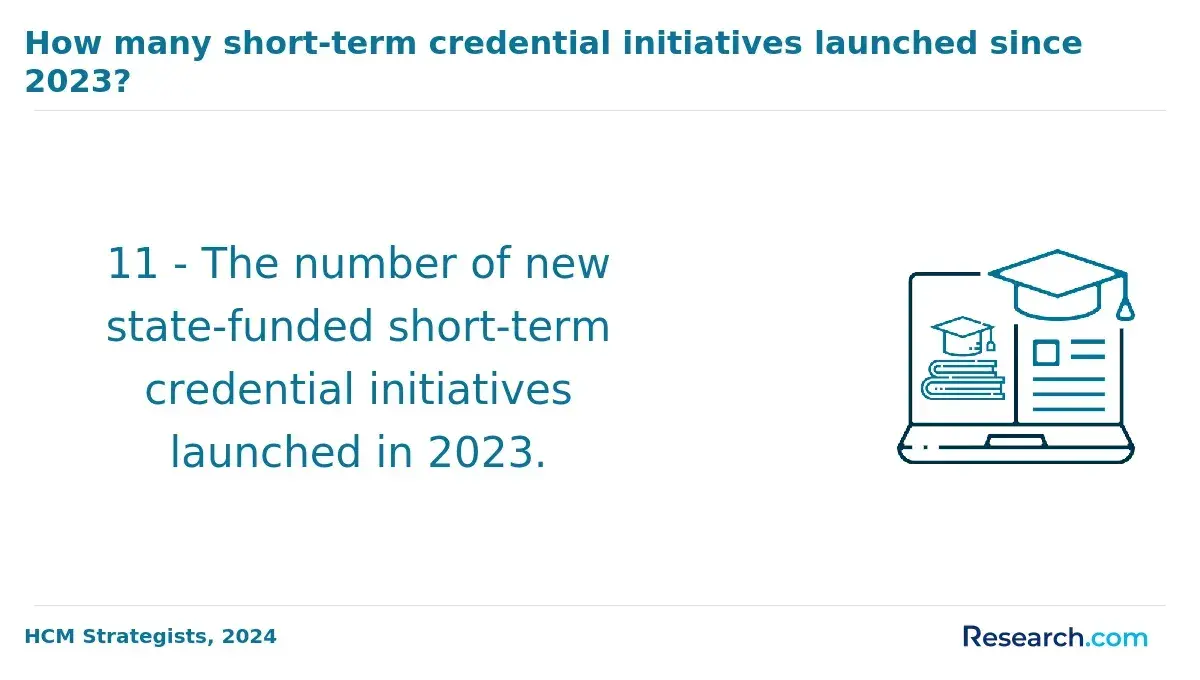
According to the National Center for Education Statistics, these fast-track online health information management programs can reduce completion times by up to 30%, meeting growing demand for quicker credential attainment in this field.
- Types of accelerated programs: Most programs fall into two groups-fully online bachelor's degree completion tracks and associate-to-bachelor's bridge options. These cater to students with prior credits or associate degrees looking to advance efficiently.
- Typical program lengths: Accelerated bachelor's completion programs often take about 18 to 24 months when transferring credits, while associate degree programs designed for online study can be completed in as little as 12 to 18 months.
- Flexible pacing and modular formats: Many programs use shorter terms of 7 to 8 weeks and offer rolling start dates, enabling students to take fewer courses at a time or enroll year-round. This structure allows for intensive focus and quicker progression.
- Cost and value considerations: Tuition generally ranges from $250 to $600 per credit hour. Programs with shorter durations often provide better overall value as students spend less time enrolled and reduce living expenses.
Students seeking to explore options can find detailed information about accelerated degrees, including the accelerated healthcare administration degree online and related fast-track pathways.
What Is the Typical Format of the Shortest Online Health Information Management Degree Programs?
Accelerated online health information management programs use condensed formats to help students finish faster than traditional degrees, with many offering terms lasting just 5 to 8 weeks.
Recent trends show a rise in modular courses that let learners complete their studies in as little as 1.5 to 2 years when attending full-time.
- Term Length: These programs divide the curriculum into short, intensive sessions, usually 5 to 8 weeks long, enabling students to focus on fewer subjects at once and accelerate completion.
- Course Delivery: Instruction is mainly online and asynchronous, allowing flexibility for students to study on their own schedules, yet often includes live virtual meetings and forums for interaction.
- Weekly Workload: Expect around 12 to 15 hours each week per course, balancing lectures, assignments, and exams within the compact timeframe.
- Student Interaction: While learning is largely self-directed, discussion boards and occasional live sessions provide opportunities to engage with instructors and classmates, fostering practical skill development and networking.
When I spoke with a recent graduate of an accelerated online health information management program, she shared how the condensed terms required intense focus and time management.
"It was challenging to keep up with the fast pace and assignments, but breaking the curriculum into manageable chunks helped me stay motivated," she said.
Completing the degree in under two years gave her a significant career boost without the long wait typically involved in traditional formats.
How Do Online Classes Work for Accelerated Health Information Management Degrees?
Accelerated online health information management degrees are designed to help students finish their coursework more quickly than traditional programs by offering condensed terms, typically lasting between 5 and 8 weeks.
A 2023 survey found that nearly 60% of students in these programs report higher satisfaction due to improved time management.
- Course Structure: These programs typically shorten the length of each course, allowing learners to complete the same material in a more intense timeframe that supports faster graduation dates.
- Learning Formats: A combination of asynchronous and synchronous methods is common. Asynchronous lessons enable students to access materials anytime, while scheduled live sessions promote interaction and real-time feedback.
- Weekly Scheduling: Students follow a structured weekly plan with deadlines to maintain steady progress. This pacing helps reduce procrastination while accommodating varying learning speeds.
- Assignments and Exams: Coursework is distributed in a way that balances workload across the accelerated term, ensuring students remain engaged without becoming overwhelmed.
- Interaction and Support: Regular live meetings and discussions help foster relationships with instructors and peers, enhancing collaboration despite the online format.
What Skills Do Students Gain from a Shortest-Track Online Health Information Management Degree?
Accelerated online health information management programs equip students with essential skills tailored to meet the evolving demands of healthcare data roles. Industry data shows that nearly three-quarters of jobs in this sector now require a blend of coding knowledge and advanced technical expertise for effective job performance.
- Technical Competency: Students develop proficiency in managing electronic health records (EHR) and mastering health informatics software. These skills are vital for handling the increasing volume and complexity of healthcare data.
- Critical Thinking: Graduates learn to analyze medical information accurately and assess data quality, ensuring compliance with relevant regulations and promoting better patient outcomes.
- Communication Skills: Emphasis is placed on clear, effective communication to facilitate collaboration between healthcare providers, administrators, and IT teams integral to data management.
- Problem-solving Abilities: Students are trained to identify and resolve issues related to coding accuracy, regulatory compliance, and data integrity, which are crucial for operational efficiency.
- Time Management and Professionalism: Balancing coursework and personal responsibilities fosters adaptability and organizational skills, preparing students for the fast-paced healthcare environment.
I spoke with a graduate who completed one of the fastest online health information management programs. He described juggling full-time work while completing intensive modules within just over a year as a daunting yet rewarding challenge.
He found that rigorous time management became essential, often planning study sessions during short breaks at work or late evenings. The program's focus on real-world applications helped him feel confident entering the workforce, despite the accelerated pace.
"It was stressful sometimes, but knowing the skills I gained would directly impact my career kept me motivated," he explained.
This hands-on experience, combined with managing tight deadlines, underscored how swiftly the program prepares students for healthcare data roles.
Are Cheap and Fast Online Health Information Management Degree Programs Considered Legitimate?
Many students question the validity of inexpensive and accelerated online health information management degrees, often due to concerns about quality and recognition.
The following factors help determine if such programs are credible.
- Accreditation: Legitimate programs are accredited by recognized bodies like CAHIIM, ensuring they meet industry standards and student qualifications.
- Faculty Credentials: Instructors with relevant healthcare and informatics experience enhance learning and maintain academic integrity.
- Curriculum Quality: Programs aligned with current industry practices prepare students effectively for professional roles and evolving technology.
- Licensing Eligibility: Accredited degrees allow graduates to sit for certifications such as the RHIA, which is vital for career advancement.
- Industry Recognition: Graduates from reputable programs typically see strong employment outcomes and competitive salaries, verifying the program's practical value.
What Are the Highest-Paying Roles for Online Health Information Management Degree Graduates?
Graduates with an online health information management degree find several career paths offering strong earning potential due to increasing demand for skilled professionals who manage and protect medical data.
Below is an overview of some of the highest-paying jobs for health information management graduates.
- Health Information Manager: These professionals oversee medical records management, ensure regulatory compliance, and implement health IT systems. According to the U.S. Bureau of Labor Statistics (BLS), health information managers earn a median annual salary of around $104,000, with experienced individuals in metropolitan areas often earning significantly more.
- Chief Information Officer (CIO): CIOs in healthcare organizations lead information systems strategies and safeguard data integrity. This executive role commands salaries that can exceed $160,000 annually but generally requires extensive experience beyond entry-level degrees in health information management.
- Clinical Data Analyst: Analysts focus on interpreting health data to improve healthcare quality and outcomes. These roles typically provide salaries between $60,000 and $90,000 and are vital for evidence-based decision-making in healthcare facilities.
- Compliance Officer: Responsible for ensuring adherence to healthcare laws such as HIPAA, compliance officers monitor organizational practices and data security. Their salaries fall within a similar range, with certification credentials like RHIA or CPHIMS enhancing earning potential across these careers.
Factors such as certification credentials, geographic location, and the size or type of healthcare organization significantly influence salaries within these roles.
Students seeking affordable and efficient paths into these well-paying jobs often turn to the cheapest accelerated online health information management degree programs, which balance cost and speed without sacrificing quality.
For those exploring related fields, options like the cheapest online acute care nurse practitioner programs also offer cost-effective routes to healthcare careers.
What Is the Job Placement Rate for Online Health Information Management Graduates?
The job placement rate for online health information management graduates is notably strong, reflecting growing industry demand and practical program features. Many graduates from accredited online programs achieve placement rates exceeding 85% within six months of graduation, according to job placement statistics for health information management degrees.
This trend highlights the healthcare sector's increasing need for professionals skilled in electronic health records, compliance, and data analytics.
- Industry Demand: Healthcare digitization and evolving regulatory requirements drive strong employer demand. Organizations need specialists who can manage and protect electronic health information effectively, creating abundant job opportunities.
- Internship and Practicum Experience: Programs that incorporate internships or practicums offer valuable real-world skills and professional connections. Such hands-on experience often leads to improved job placement rates by demonstrating graduate readiness to employers.
- Program Reputation and Accreditation: Graduates from accredited online health information management programs benefit from employer confidence in their training. Accreditation assures that the curriculum meets industry standards, enhancing employability.
- Alumni Networks: Strong alumni communities provide ongoing support through job leads and career advice. Networking often helps recent graduates access unadvertised positions and advance more quickly.
Salary data from the U.S. Bureau of Labor Statistics shows median annual earnings of $55,000 to $70,000 for health information management specialists, with higher income possible in competitive regions.
Online degree programs blending affordability-typically $300 to $600 per credit-and rapid completion timelines (1.5 to 2 years) offer a favorable return on investment. This combination allows students to quickly enter well-paying roles with strong placement prospects.
Cost-conscious students and career changers may also explore related options like the most affordable BSN to DNP programs online to continue advancing in healthcare fields.
How Do You Choose the Best Cheap Online Health Information Management Degree Program?
Finding an affordable online health information management degree requires more than focusing on cost alone. Balancing expenses with quality and career support ensures students invest wisely in their education.
Here are key aspects to evaluate when choosing a program:
- Accreditation: Verify that the program holds accreditation from recognized agencies like the Commission on Accreditation for Health Informatics and Information Management Education (CAHIIM). Accredited programs adhere to industry standards, which can improve eligibility for certifications and employment opportunities.
- Curriculum quality: Seek programs that offer a well-rounded curriculum combining technical skills in health data management with courses covering healthcare laws, ethics, and leadership. Updated content aligned with current industry trends better equips graduates for modern workplace demands.
- Program length and flexibility: Consider the duration, which often ranges from 1.5 to 3 years for associate or bachelor's completion degrees. Options for part-time study or accelerated tracks can accommodate working adults balancing education with other commitments.
- Student support services: Access to academic advising, career counseling, and opportunities for practicum placements plays a crucial role in student success and job placement rates. Comprehensive support can enhance the overall educational experience.
- Career outcomes: Median salaries for health information management professionals typically hover around $57,000 annually, with higher earnings for experienced individuals. Programs with strong employment rates and employer connections offer better returns on investment, especially when tuition costs average between $200 and $400 per credit.
What Graduates Say About Their Cheapest and Shortest Online Health Information Management Degree
- Lea: "I chose an affordable and quick online health information management program because I needed to advance my career without accumulating debt. The total cost was surprisingly manageable compared to traditional programs, which allowed me to focus more on learning. This degree opened doors for me in medical records management much faster than I expected."
- Cassie: "After researching several options, I settled on a short-duration health information management degree online that was praised for its affordability. The cost was about half of what I had initially budgeted, which relieved a lot of financial stress. Looking back, this smart choice has definitely paved the way for my new role in healthcare data analysis."
- Linda: "Enrolling in an affordable, accelerated online health information management degree was a strategic decision to enhance my credentials efficiently. The low overall tuition made it accessible, and completing it quickly gave me a competitive edge in the healthcare industry. This program truly transformed my professional trajectory for the better."
Other Things You Should Know About Health Information Management Degrees
Many online health information management degree programs accept transfer credits from regionally accredited institutions. Transferring prior coursework can significantly shorten program duration and reduce overall costs.
However, credit transfer policies vary by school, so it's important to confirm which courses are eligible and the maximum number of transferable credits before enrolling.
In addition to cost, duration, and salary outlook, prospective students should evaluate factors like accreditation, curriculum quality, technology integration, faculty expertise, student support services, and potential career advancement opportunities. These elements ensure comprehensive education and alignment with career goals.
In 2027, the shortest online health information management degree programs can be completed in about 12 to 18 months. Costs range widely, typically between $6,000 to $20,000, depending on the institution. Graduates can expect an average starting salary of approximately $40,000 to $60,000 per year, reflecting demand in the healthcare industry.
References
- Is Health Information Management in Demand https://www.cambridgehealth.edu/health-information/health-information-management-career/is-health-information-management-in-demand/
- Health Information Management https://www.tridenttech.edu/programs/divisions/hlthsc/healthinfomanagement.html
- Career Guide: Explore Health Information Management Jobs https://healthinformatics.uic.edu/news-stories/career-guide-health-information-management-jobs/
- Accredited Health Information Management at Beal University https://beal.edu/programs/health-information-management/
- Health Information Management https://www.mstc.edu/programs/Health-Information-Management
- Top 25 Health Information Management Degree Programs - Healthcare Management Degree Guide https://www.healthcare-management-degree.net/best/health-information-management/
- Health Information Management Program (HIM) | CHA Learning https://chalearning.ca/programs-and-courses/health-information-management-program/
- Health Information Management Degrees: A Guide https://www.coursera.org/articles/health-information-management-degree
- Health Science Degrees Online with Financial Aid https://www.edumed.org/online-schools/health-informatics-degrees/financial-aid/
- Bachelor of Science in Health Information Management https://online.txst.edu/degrees/undergraduate/bs-health-information-management/