
2027 Different Types of User Experience Degrees and Their Salaries

Co-Founder and Chief Data Scientist
The demand for skilled user experience professionals continues to rise rapidly as companies prioritize intuitive and engaging digital products. Employment in the user experience field is projected to grow significantly over the next decade, reflecting increasing recognition of its critical role in business success. Choosing the right educational path is essential for those seeking to enter this competitive landscape with the knowledge and skills that employers value. This article provides a comprehensive guide to the various types of user experience degrees available and explores the earning potential graduates can expect in each area, helping readers make informed decisions about their academic and career journeys.
Key Points About Different Types of User Experience Degrees and Their Salaries
- Individuals with an associate degree in user experience typically start in entry-level roles earning an average salary of around $50,000 per year but may face limited advancement opportunities compared to higher degree holders.
- A bachelor's degree in user experience design significantly broadens career options and commands an average salary near $80,000 annually, reflecting its strong relevance in the growing tech industry and demand for well-rounded designers.
- Holding a master's degree in user experience often leads to specialized positions or management roles with salaries exceeding $100,000, highlighting the degree's value in achieving long-term career growth and leadership potential in the field.
What are the different types of user experience degrees available?
Understanding the different user experience degree types and levels is essential for students because each offers distinct approaches tailored to various career goals and educational backgrounds. Choosing the right degree helps learners develop relevant skills in design, research, and technology aligned with their professional interests.
Below is an overview of the main types of user experience degrees available and what distinguishes each one:
- Bachelor's in Human-Computer Interaction (HCI): This degree integrates design, psychology, and computer science to study human interaction with technology. Coursework focuses on usability, information architecture, and research methods to enhance user interfaces and digital experiences.
- Bachelor of Arts/Science in Interaction Design: Concentrated on designing interactive digital products, this program covers design thinking, basic coding, and user research. Students engage in hands-on projects and visual communication to refine user journeys and prototypes.
- Master's in User Experience Design: A graduate degree that expands foundational design knowledge with emphasis on advanced prototyping, usability testing, and design strategy. It combines theory with practice to build leadership skills for complex user challenges.
- Master's in Digital Product Design: This program addresses the full lifecycle of digital product creation, blending design, engineering, and business principles. Students study visual design, product strategy, and iterative development toward user-centered solutions.
- Professional Certificate in UX Research or UI Prototyping: Focused credentials that develop specialized skills like usability testing and wireframing. These certificates enable professionals to upskill quickly in targeted user experience areas, often highlighted among the best 6-month certificate programs that pay well.
- Related Degrees (Graphic Design, Computer Science, Psychology): Degrees in related fields provide foundational knowledge relevant to user experience. Graphic design emphasizes visual communication; computer science offers technical skills; psychology aids understanding of human behavior in digital contexts.
What specializations are available in user experience degrees?
Specialization is a crucial factor when choosing a user experience degree because it shapes the technical and creative focus of your studies, allowing you to develop targeted skills that align with your career goals. This alignment enhances your job prospects and prepares you for specific roles in the dynamic user experience field.
Below are some common user experience specializations that illustrate the distinct paths you can take based on your interests and strengths:
- User Experience Design: Focuses on creating intuitive, user-centered digital interfaces. Students develop skills in prototyping, usability testing, and visual design principles. Graduates often become UX designers, product designers, or interaction designers.
- Human-Computer Interaction: Emphasizes understanding how people interact with technology through psychological and technical perspectives. Coursework covers user research, cognitive science, and interface development, leading to roles such as UX researcher, usability analyst, or HCI specialist.
- Information Architecture: Centers on organizing and structuring digital information to enhance usability. Key skills include content strategy, navigation design, and information structuring. Careers in this area include information architects, UX strategists, and content designers.
- User Experience Research: Specializes in qualitative and quantitative methods to study user behavior. Students learn to conduct interviews, surveys, and usability testing, preparing them for jobs as UX researchers, human factors analysts, or usability consultants.
- Digital Communication And Multimedia: Integrates digital media production, animation, and interactive design. This specialization equips students to build engaging web and multimedia experiences, leading to careers such as multimedia designers, web developers, or digital communications specialists.
Choosing a specialization that fits your personal interests and skills will not only improve your competitiveness in the job market but also is key to reaching the higher salary ranges typical in the user experience profession. For students looking for a clear path, considering the easiest degrees to get might be a helpful starting point as you explore your options.
How long does it take to complete each type of user experience degree?
Understanding how long it takes to complete various user experience degrees is crucial for students planning their education and career goals. Knowing the typical program duration helps in managing time, finances, and expectations effectively. Below is an overview of common user experience degree types and their average completion times.
- Associate Degree in User Experience: Typically takes about two years to complete when attending full-time. Some programs offer part-time options, which can extend the timeline to three or four years. Transfer credits and accelerated tracks may shorten the duration, and online courses are widely available for greater flexibility.
- Bachelor's Degree in User Experience: Usually completed in four years of full-time study. Students with prior college credits or Advanced Placement (AP) scores may finish sooner. Many schools also offer part-time or online options, which can lengthen or shorten the time depending on the student's schedule.
- Master's in User Experience: Often requires one to two years of full-time study after earning a bachelor's degree. Part-time programs can take up to three years, while some accelerated master's paths allow completion within a single year. Online and hybrid formats are increasingly popular to accommodate working professionals.
- Doctorate in User Experience: Generally requires three to six years to complete, depending on the research focus and dissertation progress. This degree involves significant independent study and is often pursued part-time alongside professional work, which can extend the timeline.
Breakdown of All 2-Year Online Title IV Institutions

Are there accelerated user experience degree programs?
Yes, there are accelerated user experience degree programs available in the United States designed to help students complete their education faster than typical four-year pathways. These programs often allow motivated students to earn a bachelor's degree in around three years or even combine bachelor's and master's degrees in about five years through integrated or dual-degree tracks. Institutions utilizing competency-based progression and flexible, self-paced online coursework report some students graduating in as little as 19 months.
Common approaches to acceleration include condensed course schedules, shorter academic terms, year-round classes, and accepting transfer credits from prior relevant coursework or associate degrees. Some programs also enable students to substitute undergraduate courses with graduate-level classes to reduce total time spent in school.
Prospective students considering accelerated user experience degrees should be mindful of the increased intensity and workload these programs demand. Covering material at a much faster pace requires strong time management skills and sustained focus. Eligibility often involves maintaining a minimum GPA, completing a threshold of undergraduate credits, and sometimes obtaining departmental approval or submitting a separate application for graduate-level components.
While accelerated pathways can lead to earlier job market entry-where median salaries for UX roles range from $76,000 for entry-level to over $110,000 for experienced designers-they might not suit individuals balancing substantial outside commitments or those preferring a traditional pace.
When I asked a graduate of an accelerated user experience degree program about his journey, he shared both the challenges and rewards of the experience. He explained how managing a compressed schedule meant juggling multiple projects simultaneously, with little room for downtime. "It felt overwhelming at moments," he admitted, "but the structured flexibility of the online segments helped me tailor my study hours around work and life."
He valued how quickly he could apply new skills in real-world settings, noting that the intensity built resilience and sharpened his focus. Reflecting on the decision to pursue the accelerated track, he said it wasn't easy, but it was worth it-for the confidence gained and the head start entering the UX field.
Are online user experience degrees as credible as traditional ones?
Online user experience degrees have earned growing credibility, with over 80% of employers now accepting accredited online programs, especially those from well-established, regionally accredited universities. Both traditional and online degrees maintain rigorous academic standards but through distinct approaches. Traditional programs emphasize in-person instruction, fully equipped labs, and face-to-face mentorship, fostering immersive, hands-on learning and immediate feedback. This setting is often viewed as providing a comprehensive, closely supervised educational experience.
Conversely, online degrees utilize digital interaction, virtual labs, and asynchronous coursework. Leading online programs replicate practical components with simulations and mailed kits while requiring students to exercise strong self-regulation. Academic rigor in online learning is upheld via frequent digital assessments, transparent grading policies, and alignment with industry standards.
Research shows outcomes for online education match or even slightly surpass those of traditional instruction, with 77% of academic leaders noting comparable or improved results in online settings.
Recent trends indicate a narrowing perception gap between online and traditional degrees, particularly in tech-driven fields such as user experience, data science, and digital marketing. Employers increasingly prioritize an institution's reputation and accreditation over the delivery format.
Skepticism tends to linger mainly for degrees from lesser-known or for-profit online schools. For user experience roles-where digital portfolios and practical skills matter greatly-hiring managers welcome candidates from either mode if they demonstrate proven expertise and credentials from respected programs.
Ultimately, the credibility of a user experience degree depends more on the awarding institution's standing than whether the education occurred online or on campus.
How much does each type of user experience degree typically cost?
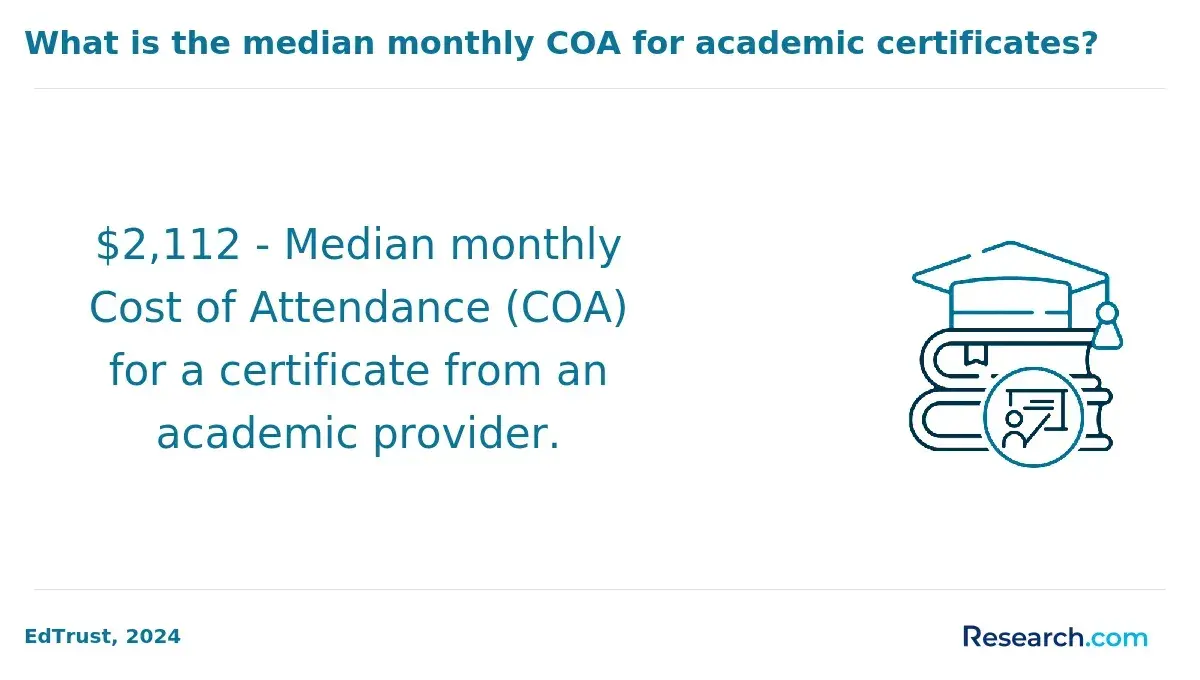
Understanding the differences in tuition costs across user experience degree levels is crucial for effective budgeting and financial planning. These expenses can vary significantly based on the type of program, delivery format, and institution, impacting a student's ability to commit and succeed. Below is an overview of typical tuition ranges for each type of User Experience degree to help guide prospective students.
- Certificate in User Experience: Certificate programs vary widely, typically costing between $300 and $3,000 depending on length and format. Online certificates like the Google UX Design Certificate often remain under $300 if completed on schedule, but in-person bootcamps may cost $7,000 to $14,000. Many offer flexible payment plans and scholarships, making them accessible for students seeking a shorter, focused path.
- Associate Degree in User Experience: Though less common as a dedicated UX degree, related associate programs in digital design or human-computer interaction typically range from $3,000 to $10,000 per year for in-state students at community colleges. Out-of-state tuition is usually higher, but students can often use federal and state financial aid along with institutional scholarships.
- Bachelor's Degree in User Experience: Bachelor's degrees in user experience or UX/UI design usually average $16,647 per year for in-state students, with total tuition across four years falling between $35,000 and $70,000. Public universities tend to be more affordable, and online options may lower costs. Undergraduates can frequently access need-based aid, scholarships, and work-study opportunities.
- Master's in User Experience: Master's programs show the broadest price range, from about $12,600 to nearly $88,000 in total tuition, depending on the institution, residency, and whether the program is online or campus-based. Options like Kent State's online program run around $25,000, while others approach $60,000-$65,000. Graduate students often utilize federal loans, teaching assistantships, and specialized scholarships to help offset costs.
A graduate of a user experience degree program shared her experience managing the cost of her studies, recalling that budgeting was an early challenge. She explained, "I chose a mid-range program that balanced tuition with quality, and supplementing with scholarships and a part-time internship made a big difference."
She also highlighted how the skills gained translated quickly into career opportunities, saying, "Knowing what I invested helped me stay focused, and finding a role shortly after graduation confirmed the degree was worth it." Her story illustrates that while costs can be intimidating, thoughtful planning and leveraging financial resources can make earning a user experience degree a valuable and achievable goal.
What jobs can you get with each type of user experience degree?
The level of your user experience (UX) degree-from associate to master's-significantly influences the types of jobs you can qualify for and your potential career growth. Higher degrees often open doors to specialized and leadership roles, while entry-level degrees typically prepare graduates for foundational positions in the UX field. Below is a breakdown of common jobs associated with each user experience degree type to help you understand the career opportunities available.
Here are typical job roles by degree level:
- Associate degree in user experience: Graduates usually start as UX design assistants, junior UX designers, or design support specialists. These roles involve assisting senior designers with wireframing, prototyping, and usability testing, often in digital agencies, startups, or in-house teams focusing on practical skills over theory. This pathway can be accelerated by pursuing an accelerated associate degree.
- Bachelor's degree in user experience: Holding a bachelor's opens up roles such as UX designer, interaction designer, and UX researcher. Responsibilities include designing user flows, conducting research, and collaborating with various teams to enhance product usability. These jobs are common in software companies, consulting firms, and larger enterprises, with median salaries around $80,730 as of 2022.
- Master's degree in user experience: Master's graduates often take on advanced or leadership roles like senior UX designer, research lead, information architect, or product manager with a UX focus. These positions require strategic oversight, team management, and leading user research initiatives in tech corporations and product-driven organizations. Salaries frequently exceed $100,000 annually in these roles.
- Professional certificates or bootcamps in user experience: While not equivalent to a degree, these credentials can qualify individuals for roles such as UX/UI designer, UX writer, or junior product designer. These jobs emphasize practical skills and are well-suited for career changers, often starting with freelance or contract work.
How do salaries differ by user experience degree type?
Degree level often influences earning potential for user experience professionals. Understanding these differences can help students make informed educational and career decisions. Below is an overview of typical salary ranges by degree type in user experience, illustrating how higher degrees can impact income opportunities.
- Associate Degree in User Experience: Graduates with an associate degree usually start in entry-level roles with salaries between $50,000 and $65,000. These positions tend to involve support or junior design tasks, and advancement often depends on gaining further education or experience.
- Bachelor's Degree in User Experience: The bachelor's degree is the common entry point for many UX designers, with starting salaries ranging from $65,000 to $90,000. Factors such as industry, company size, and location-especially in tech hubs-can affect pay. Career growth can lead to mid-level roles earning around $124,000 or more.
- Master's Degree in User Experience or Related Field: Holding a master's degree often allows access to specialized or leadership positions. Entry salaries usually exceed $90,000, with mid- to senior-level salaries between $120,000 and $160,000+. Advanced degrees open doors to UX research, management, or strategic roles with salaries sometimes above $180,000.
- PhD in User Experience or Human-Computer Interaction: Although less common, a PhD can lead to academic, research, or executive positions. Salaries vary but can surpass $180,000, especially in research-heavy fields or major technology firms. These roles often combine leadership with deep UX expertise.
Industry demand, location, and company reputation are key factors influencing salaries across all degree levels. For students exploring options, it's useful to consult sources like Indeed, Glassdoor, and Salary.com. Additionally, prospective students seeking affordable education paths can research best cheap online universities that accept FAFSA, offering valuable opportunities to start a UX career without excessive debt.
Is there high demand for user experience degree holders in the job market?
There is a high demand for user experience degree holders in today's job market, fueled by rapid digital transformation and the increasing significance of user-friendly digital platforms. Companies across sectors such as technology, healthcare, finance, e-commerce, real estate, and government are investing heavily in enhancing digital experiences, leading to a surge in UX-related roles.
The *Future of Jobs Report 2025* identifies UX product designers as among the fastest-growing positions through 2030, with 60% of businesses prioritizing digital expansion. However, demand is accompanied by evolving workforce needs: entry-level opportunities are limited, with fewer than 5% of tech companies hiring junior talent, and only 49.5% of designers securing roles within three months as of 2024.
Employers are increasingly focused on candidates who combine UX skills with expertise in emerging technologies like artificial intelligence and business impact, putting a premium on adaptability and cross-functional knowledge.
Regionally, the United States remains a strong market for user experience professionals, offering an average UX designer salary of $124,415 as of January 2025. Similar growth is evident across Europe, where companies are expanding UX capabilities to support digital transformation efforts.
Despite competitive market conditions and a decline in job postings for some UX specialties such as research, the outlook for graduates remains positive. Those who develop new technical skills and flexible, business-oriented mindsets will find better employment prospects. Students considering this field may consult a list of nationally accredited colleges to identify programs that align with these industry trends and demands.
What factors should you consider when picking a type of user experience degree?
Choosing the right user experience degree level is a crucial decision that shapes your future career path, earning potential, and ability to balance education with personal commitments. Making an informed choice ensures your education aligns with both your professional goals and lifestyle needs. Consider these key factors when selecting the degree that best fits your ambitions:
- Career Goals: Your desired role in the UX field should guide your degree choice. Most UX designers hold at least a bachelor's degree, but specialized or leadership roles often require a master's. Assess the level of qualification your target job demands to maximize your employability.
- Time Commitment: Bachelor's degrees generally take about four years, while master's programs require an additional one to two years. Faster alternatives like bootcamps or certificates offer quicker entry into the workforce but may lack comprehensive training, so consider how much time you can realistically invest.
- Cost and Return on Investment: Formal degrees often involve significant expenses, but they can lead to higher salaries, with median earnings for UX designers ranging between $75,000 and $110,000. Weigh your budget and potential salary gains to determine the best financial approach.
- Learning Style and Flexibility: Degree programs vary in delivery methods, from full-time on-campus to part-time or online formats. Choose one that fits your personal situation, especially if balancing work or family responsibilities during study.
- Portfolio and Practical Experience: Hands-on projects and proficiency with design tools like Figma and Adobe XD are highly valued by employers. Select programs that emphasize real-world experience to build a robust portfolio, often more influential than formal credentials alone.
What User Experience Graduates Say About Their Degree and Salary
- Jamal: "Completing my bachelor's degree in user experience design opened doors I never imagined possible. The program's hands-on approach helped me build a solid portfolio, which was crucial when I landed my first job at a leading tech firm. Beyond technical skills, I gained confidence in collaborating across diverse teams, making my everyday work both challenging and rewarding. This degree truly set me on a path of continuous growth in a fast-evolving industry."
- Isabella: "Finishing a master's degree in human-centered user experience gave me a profound understanding of how design impacts real lives. It was inspiring to engage with communities directly and see my work contribute to products that improve accessibility and inclusivity. The opportunity to research emerging trends allowed me to stay ahead professionally, making me a valued member of my organization. Reflecting on my journey, I'm grateful for both the personal and societal impact this degree enabled."
- Ravi: "Pursuing my certificate in user experience allowed me to pivot careers smoothly while balancing family commitments. The condensed, focused curriculum equipped me with practical skills and an impressive network of mentors that propelled me into UX consulting quickly. This degree offered flexibility without compromising quality, empowering me to make meaningful contributions in various industries. I'm proud to help shape user-friendly solutions that enhance everyday experiences."
Other Things You Should Know About User Experience Degree Programs & Salaries
In 2027, user experience degrees typically include Bachelor's, Master's, and PhD programs. Average starting salaries vary: Bachelor's degree holders average $65,000 annually, Master's degrees can lead to $85,000, and PhDs often start at $105,000 in specialized roles. Salaries are subject to geographic and industry-specific variations.
Graduates with a master's degree in user experience usually earn between 15% to 30% more than those holding a bachelor's degree. This higher salary often reflects advanced skills, leadership potential, and specialized knowledge that come with graduate education. Employers value the deeper expertise provided by master's programs.
References
- UI & UX Designer Salaries: How Much Can I Earn in 2025? https://www.interaction-design.org/literature/article/ui-ux-designer-salaries-how-much-can-i-earn
- How Much Can I Make as a UX Designer? 2025 Salary Guide https://www.coursera.org/articles/ux-designer-salary-guide
- User Experience and Web Design https://www.ucsc-extension.edu/certificates/user-experience-and-web-design
- Why is UX Design a Great Career in 2025? https://medium.com/uxdworld/why-is-ux-design-a-great-career-in-2025-87563809e665
- MA User Experience Design | UAL https://www.arts.ac.uk/subjects/animation-interactive-film-and-sound/postgraduate/ma-user-experience-design-lcc
- Why UX Design Skills Are in High Demand for Tech Roles in 2025 https://www.mygreatlearning.com/blog/ux-design-skills-high-demand/
- UX Design Career Outlook https://www.ironhack.com/gb/blog/ux-design-career-outlook
- Google User Experience (UX) Certificate - Grow with Google https://grow.google/certificates/ux-design/
- User Experience Design/Product Design - SWPS University https://english.swps.pl/academics/warsaw/postrgraduate-studies/user-experience-design-product-design
- Certification of UX Training Achievement with Nielsen Norman Group - NN/G https://www.nngroup.com/ux-certification/


