
2027 How Long Does It Take to Earn an Online Clinical Nurse Leader Degree?

Co-Founder and Chief Data Scientist
The rising demand for flexible, accessible education has made online clinical nurse leader degrees increasingly popular among nursing professionals seeking advancement. According to the U.S. Bureau of Labor Statistics, employment for nurse managers and clinical leaders is projected to grow 7% from 2022 to 2032, highlighting the value of advanced credentials. For those wondering how long does it take to earn an online Clinical Nurse Leader degree, programs typically range from 12 to 24 months depending on the course structure and student pace. This article explores average completion times, key factors affecting program length, and guidance for selecting the right program to fit individual career goals and schedules. The goal is to empower readers to make informed and confident decisions about pursuing this critical nursing leadership credential.
Key Benefits of Online Clinical Nurse Leader Degree
- Most online clinical nurse leader programs take about 12 to 24 months to complete, allowing students to balance studies with work and personal life effectively.
- Flexible scheduling options enable learners to progress at their own pace, often offering part-time enrollment and asynchronous coursework.
- Completing the degree online reduces commuting time and expenses while maintaining rigorous clinical requirements through local partnerships ensuring practical experience.
What is the Average Completion Time for Online Clinical Nurse Leader Programs?
Online clinical nurse leader programs typically take between 2 and 3 years to complete, though the exact timeline depends on factors such as prior education, enrollment status, and program structure. To better understand the average length of online clinical nurse leader program options, here is a breakdown of typical completion times by degree level.
- BSN-to-MSN clinical nurse leader program: Most students holding a bachelor of science in nursing (BSN) finish an online clinical nurse leader MSN in approximately 20-24 months with full-time study. Part-time enrollment may extend this duration slightly, but this route remains a popular choice for registered nurses progressing toward advanced leadership roles.
- ADN-to-MSN (RN-to-MSN) clinical nurse leader bridge program: Registered nurses with an associate degree often require 30-36 months to complete a bridge program online. This longer timeframe reflects the additional coursework necessary to advance to graduate study and is commonly designed to accommodate working professionals through flexible pacing.
- Post-master's certificate in clinical nurse leader: Nurses who already possess a master's degree typically complete a post-master's clinical nurse leader certificate in 8-12 months when enrolled full time. Part-time options may extend the program to just over a year, providing a quicker pathway for those seeking specialized leadership training.
- Accelerated MSN options: Some institutions offer accelerated online tracks that allow highly qualified students to finish their MSN within 8-12 months. These programs demand a significant time commitment and are less common but represent the fastest way to complete the degree online.
The question of how long to complete clinical nurse leader degree online often involves consideration of enrollment type, required clinical hours, and possible residency components. For those exploring efficient pathways, it's worth comparing these timelines with other nursing programs, including the top 6 month associate online programs that highlight accelerated options at earlier education levels.
What Factors Can Affect How Long It Takes to Earn an Online Clinical Nurse Leader Degree?
The time required to earn an online clinical nurse leader degree depends on multiple factors that shape a student's educational path and determine how quickly they can complete the program. Understanding these key variables helps students anticipate their academic timeline and make informed decisions about their studies; below are the primary influences affecting program length.
- Enrollment status (part-time vs full-time online Clinical Nurse Leader degree): Full-time students generally finish their degree within 20-24 months, while part-time students often take longer than two years due to a lighter course load and greater scheduling flexibility. Choosing part-time enrollment can offer better work-life balance but extends the overall duration of the program.
- Prior education and entry pathway: The student's starting point significantly influences completion time. For example, those entering with a BSN in a BSN-to-MSN pathway may complete it in about 20-24 months, whereas students beginning with an ADN often need 30-36 months. Post-master's certificate programs can be completed faster, typically in 8-12 months full-time.
- Clinical practicum requirements: Most programs require a minimum of 400 supervised clinical hours at approved healthcare facilities. Scheduling and completing these hours can slow progress if students must coordinate with work or family commitments.
- Course delivery format: Asynchronous courses offer flexibility that can either shorten or lengthen the program depending on the student's discipline and motivation, while synchronous courses provide scheduled class times that introduce more structure but less flexibility.
- Program structure and campus requirements: Some online programs mandate occasional campus visits for hands-on training or networking, which can add travel time and complexity, particularly for students who live far from the school.
- Personal and professional commitments: Students juggling full-time jobs, caregiving duties, or other obligations may find their pace slowed, especially if enrolled part-time or if they need to pause their studies temporarily.
By considering these factors affecting online clinical nurse leader program length, prospective students can plan their academic journey more realistically. For those researching options, exploring the easiest phd degree programs may also provide insights into accelerated or flexible alternatives suitable to individual circumstances.
What Are the Different Types of Online Clinical Nurse Leader Programs Available?
Prospective students interested in online clinical nurse leader programs can choose from a variety of types and formats designed to accommodate different backgrounds, career goals, and schedules. These options offer flexibility in pacing and specialization, ensuring that nurses at various stages of their careers find a suitable path. Below are the main types and formats commonly available for online clinical nurse leader degrees:
- Master of Science in Nursing - Clinical Nurse Leader (MSN-CNL): This popular pathway is tailored for registered nurses aiming to step into clinical leadership roles. It combines advanced clinical practice, leadership, healthcare management, and quality improvement. Coursework is often asynchronous online, with local clinical immersion hours, making it accessible to working professionals.
- Accelerated and Flexible Pace Programs: These options allow students to complete the degree on varied timelines, ranging from as fast as 8 months to up to 2 years. Programs like these accommodate busy professionals by offering accelerated, standard, or extended pacing to fit different personal and work commitments.
- Entry-Level Master's (For Non-Nurses): Designed for individuals without a nursing background, these full-time programs prepare students to become registered nurses and clinical nurse leaders simultaneously, typically within 2 years. They provide foundational nursing education alongside leadership training.
- Post-Master's Certificate in Clinical Nurse Leadership: This efficient option is for nurses holding a master's degree in another nursing specialty. It focuses on essential leadership skills and care coordination, requiring fewer credits and offering a quicker path to CNL certification.
- Hybrid and 100% Online Formats: While most programs deliver didactic coursework fully online, some offer hybrid models with occasional on-campus sessions. All formats include supervised clinical hours arranged locally, ensuring practical leadership experience in a real-world setting.
How Many Credit Hours Are Required for an Online Clinical Nurse Leader Degree?
Online clinical nurse leader programs typically require between 32 and 75 credit hours, depending on the degree level, prior education, and program structure. These requirements influence the time commitment needed for completion and vary widely across different academic pathways. Below is an overview of credit hour expectations by degree level to help prospective students understand what lies ahead.
Credit hour requirements for online clinical nurse leader programs by degree level include:
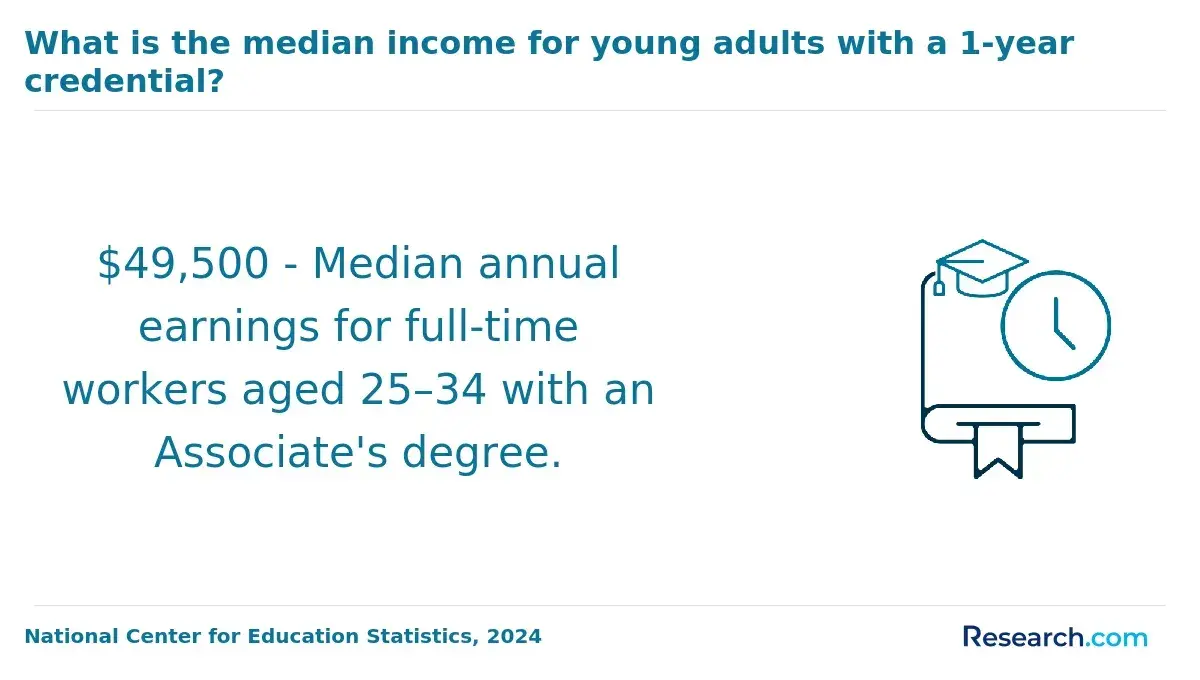
- Associate degree (rare for CNL preparation): Clinical nurse leader roles generally require more than an associate degree, and there are no accredited associate-level programs for CNL certification. Most students aiming for this role begin with at least a bachelor's degree in nursing or a related field, so credit hours are not typical or standardized at this level.
- Bachelor's to master's (direct-entry MSN, for non-nurses): Direct-entry master's programs designed for students without a nursing background can require up to 75 credit hours. These programs often involve extensive clinical and immersion experiences and may take about two years full-time, with part-time study extending the duration.
- Post-bachelor's master's (MSN): The most common pathway for clinical nurse leaders, MSN programs for students already holding a BSN typically require 32 to 42 credit hours. Full-time students often complete these programs within 1.5 to 2 years, while part-time students may take up to three years or longer, based on clinical hour demands and transfer credits accepted.
- Doctoral level (DNP/PhD): For advanced practice or leadership roles, doctoral programs usually require 60 or more credit hours beyond the master's degree. Completion time varies from two to four years, depending on enrollment status and dissertation or project requirements.
A graduate of an online clinical nurse leader degree shared that balancing a full-time nursing job while completing 39 credit hours of coursework and clinical hours was both challenging and rewarding. They found that managing time effectively was crucial, especially handling the clinical immersion components, which often required weekend and evening commitments.
Although the workload was intense, the flexibility of the online format allowed them to pursue their studies without pausing their career, making the achievement feel deeply fulfilling. Reflecting on the process, they emphasize how important steady progression and support from faculty were in successfully navigating the credit hour requirements and ultimately advancing their leadership skills in nursing.
What Courses Are Included in a Standard Online Clinical Nurse Leader Curriculum?
Online clinical nurse leader programs offer a comprehensive curriculum focused on advanced nursing knowledge, leadership development, and practical skills for improving healthcare outcomes. Below is a list of core and specialized courses commonly included in these programs, providing students with essential competencies for clinical nurse leader roles.
- Nursing Theories and Conceptual Models: This course explores foundational nursing theories and frameworks that support evidence-based clinical practice and research, enhancing critical thinking skills essential for effective patient care.
- Transforming Nursing Practice through Leadership, Policy and Advocacy: Students learn leadership strategies and the impact of healthcare policy, preparing them to influence organizational change and advocate for improved patient outcomes.
- Healthcare Informatics for Nursing Practice: Focused on the use of information systems and data analytics, this course equips students to leverage technology for enhancing patient safety, care quality, and operational efficiency.
- Evidence-Based Nursing Practice: Emphasizing critical appraisal of research, students gain the skills needed to implement best practices and lead quality improvement efforts across diverse healthcare settings.
- Advanced Health Assessment: This course develops students' abilities in performing comprehensive physical and psychosocial assessments, enabling accurate identification and coordination of patient care needs.
- Advanced Pathophysiology and Pharmacology: Students deepen their understanding of disease processes and pharmacological treatments, preparing them to manage complex cases and collaborate within interdisciplinary teams.
- Legal Issues in Healthcare: Covering regulatory, ethical, and risk management topics, this course prepares students for leadership roles involving compliance and patient rights.
- Quality Improvement and Safety: Students learn strategies for measuring and improving healthcare quality and safety, designing initiatives that enhance patient care outcomes on an organizational level.
- Organizational Change and Systems Leadership: This course introduces principles of systems thinking and change management, preparing students to lead healthcare teams through innovation and evolving environments.
- Practicum/Clinical Immersion: Typically involving 500 to 600 supervised clinical hours, students apply leadership skills in real-world settings, often completing a capstone or quality improvement project.
- Capstone/Thesis or Special Project: A culminating experience where students synthesize learning to address real healthcare problems through research or practice innovation.
How Often Do Online Clinical Nurse Leader Programs Start During the Year?
Online clinical nurse leader programs typically offer multiple start dates throughout the year, giving students considerable flexibility to begin when it suits their personal and professional lives. This scheduling flexibility is especially advantageous for working nurses and adult learners who must balance education with other commitments. To provide a clear overview, here are the most common start schedule options available for these programs.
Enrollment schedules vary by institution, but the most typical formats include:
- Traditional Academic Calendar: Many programs follow the standard fall and spring semester start dates aligned with traditional university schedules, often beginning in August/September and January. This model suits students who prefer a predictable and structured academic timeline.
- Rolling Admissions: Some programs accept applications and enroll students on a rolling basis throughout the year, allowing learners to begin as soon as they are ready without waiting for a specific semester. This is ideal for those seeking immediate start options and more flexibility.
- Monthly or Quarterly Starts: Certain schools offer start dates every few months, such as every eight weeks or up to six times per year. These frequent start times accommodate students who want accelerated entry and the ability to start their clinical nurse leader studies more promptly.
- Year-Round Start Dates: A few institutions provide year-round admissions, enabling students to commence their programs virtually any time, depending on course availability. This option benefits working professionals with unpredictable schedules needing maximum flexibility.
How Much Faster Can You Complete an Accelerated Online Clinical Nurse Leader Degree?
Accelerated online clinical nurse leader programs significantly shorten the time required to earn your degree compared to traditional formats, making advanced nursing leadership roles more quickly attainable. These programs employ a variety of strategies to help students complete their studies faster. Below are some of the main features that enable accelerated graduation:
- Shorter Course Terms: Programs use condensed terms, such as 7- or 8-week sessions instead of full 15- or 16-week semesters. This allows students to move through coursework more quickly, with some completing all required credits in less than a year.
- Year-Round Enrollment: Many programs offer continuous enrollment without traditional academic breaks, including summer and intersession courses. This ongoing schedule keeps students progressing steadily without pauses that could extend time to completion.
- Increased Course Load: Taking a heavier course load per term accelerates degree progress. Students often manage three or more courses each semester, enabling finishing the program in as little as six months with full-time commitment.
- Flexible Online Delivery: The online format lets students fit studies around their personal and professional lives. Accessing coursework at convenient times supports a faster, more manageable pace while balancing other responsibilities.
- Clinical Immersion & Integration: Clinical experiences and practicum hours are often integrated into compressed schedules, ensuring students meet licensure requirements efficiently without prolonging the program length.
A graduate of an online accelerated clinical nurse leader program shared their experience, highlighting both the intensity and rewards of the journey. They described juggling full-time work and family while adapting to the fast-paced course terms, noting how mastering time management was essential. The integration of clinical practicum weekends allowed them to gain hands-on skills without overwhelming their weekly schedule.
Though challenging, the continuous learning rhythm maintained their motivation and momentum. Reflecting back, they valued the program's design for pushing them to grow professionally in a condensed timeframe while offering the flexibility needed to successfully navigate personal commitments.
Does Finishing an Online Clinical Nurse Leader Degree Faster Save You Money?
Completing an online clinical nurse leader degree faster can indeed save you money by reducing the overall length of your education and associated costs. Understanding the various ways an accelerated path affects your finances can help you make a more informed decision. Below are the main ways finishing quicker can lead to cost savings for students pursuing an online clinical nurse leader degree.
- Lower Tuition Costs: Many programs charge tuition by credit or term, so completing your coursework in fewer terms can reduce the total amount paid. Some schools offer flat rates per term, allowing you to take extra credits without additional cost, making it financially advantageous to finish sooner.
- Reduced Living Expenses: Accelerated completion shortens the time you need to cover living costs such as rent, utilities, and daily expenses. Even though many students work while studying, spending less time in school decreases months of living expenses before enjoying a higher nursing salary.
- Earlier Entry Into the Workforce: Graduating sooner means you can start earning the typical clinical nurse leader salary-averaging $77,958 annually-instead of the usually lower registered nurse wage. This timing advantage boosts your lifetime earning potential by advancing your career earlier.
- Less Time Off Work: Nurses who reduce work hours or take leave for clinical requirements lose income during that period. A faster program minimizes this lost income and helps maintain steady professional growth without prolonged employment breaks.
- Decreased Accumulation of Interest on Loans: Shorter completion times reduce the period during which interest accrues on student loans, lowering the overall cost of borrowing. By limiting the amount and duration of borrowed funds, you can save significantly in the long run.
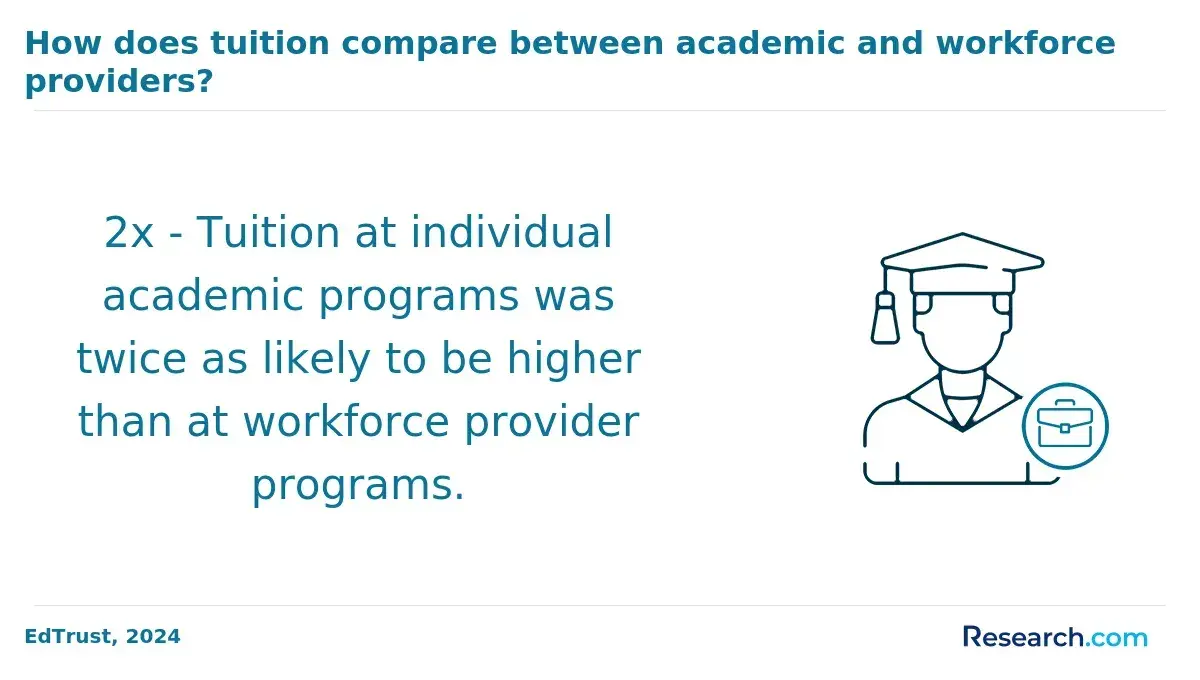
While tuition for online clinical nurse leader programs varies widely, ranging from around $600 to more than $1,000 per credit and total costs between $20,000 and $36,000 depending on the school, exploring options to finish faster can cut expenses substantially. For those interested in further education opportunities, researching online doctoral degrees without dissertation might also be beneficial.
How Soon Can Graduates Start Working After Earning Their Online Clinical Nurse Leader Degree?
Graduates of online clinical nurse leader programs can typically start working shortly after completing their degree, provided they pass the certification exam and meet any state licensure requirements. The clinical nurse leader certification timeline generally spans a few weeks to a few months after graduation, depending on factors such as prior nursing experience, local job demand, and individual networking efforts.
Many find employment faster in regions with a higher need for advanced nursing roles. Those with strong clinical backgrounds or established professional connections often transition more quickly into leadership positions. Overall, the ability to secure a role soon after graduation varies but remains promising due to the strong growth outlook in this field.
Online clinical nurse leader programs often allow students to gain practical experience by working as registered nurses, completing clinical hours, or participating in internships during their studies. This approach helps students enhance their résumés and build professional networks, which eases how quickly start clinical nurse leader job opportunities after graduation.
Programs frequently encourage clinical placements that may lead directly to employment or leadership roles. Engaging with faculty, peers, and mentors provides additional pathways to job offers. Prospective students seeking quality education and hands-on experience can explore options at top accredited non-profit schools to support their career ambitions efficiently.
How Much Do Online Clinical Nurse Leader Graduates Earn on Average?
The typical salary range for online clinical nurse leader graduates in the United States falls between $75,000 and $134,440 per year, with various factors influencing earning potential across different career stages. To provide a clearer picture, here is a breakdown of average clinical nurse leader salary in the United States by career path, level of education, and experience.
- Entry-Level Roles: New clinical nurse leaders with less than one year of experience typically earn between $33.25 and $34.78 per hour, which translates to annual salaries in the low $70,000s. Pay at this stage depends heavily on the hiring institution and geographic location, with room for growth as skills and experience develop.
- Mid-Career Professionals: With several years of experience, clinical nurse leaders often earn average salaries around $89,949 annually. These professionals take on more responsibilities such as mentoring and managing quality improvement projects, which can open doors to higher pay and advancement.
- Leadership Roles: Clinical nurse leaders who move into management or administrative roles, like nurse managers or directors, can earn between $104,500 and $133,500 per year. These positions often require additional certifications and depend on facility size and type.
- Specialized Positions: Those focusing on in-demand specializations such as oncology or critical care, or working in major urban centers, can command salaries reaching $134,440 or more annually. Location and specialty are key factors in achieving top-tier salary levels.
- Industry Variations: While hospitals remain the primary employers, clinical nurse leaders in outpatient care, education, or public health may see pay differences. Salaries in specialized or outpatient settings may be higher than in rural hospitals due to demand and living costs.
Accelerating your degree with a cheap online bachelor degree program can fast-track your entry into the workforce, helping you maximize earnings early on and benefit from salary growth tied to experience and location.
Here's What Graduates of Online Clinical Nurse Leader Programs Have to Say About Their Degree
- Aisha: "Completing my online clinical nurse leader degree opened doors I never imagined possible. The flexibility of the program allowed me to balance work, family, and studies, which was crucial for my success. Since graduating, I've taken on a leadership role in a community health organization, where I apply evidence-based practices to improve patient outcomes. The program not only enhanced my clinical skills but also strengthened my confidence as a healthcare advocate. I'm proud to contribute to elevating nursing standards in underserved areas."
- Carlos: "When I began the online clinical nurse leader program, I didn't anticipate how much personal growth it would foster. Navigating the challenges of remote learning made me resilient and self-disciplined, qualities that are now central to my leadership approach. The curriculum's emphasis on interdisciplinary teamwork helped me collaborate effectively with diverse healthcare professionals. It's rewarding to see how my efforts positively impact patient care coordination at my hospital. This program truly transformed my perspective on healthcare delivery."
- Mei: "The career advancement opportunities after earning my online clinical nurse leader degree have been remarkable. I quickly moved from staff nurse to a managerial role overseeing clinical operations, thanks to the program's focus on leadership development and strategic decision-making. Balancing a demanding job with coursework was challenging, but the support network of instructors and peers kept me motivated. I'm passionate about shaping the next generation of nurses by serving as a mentor and educator. This degree was a pivotal step in realizing my professional goals."
Other Things You Should Know About Online Clinical Nurse Leader Degree Programs
Yes, all CNL programs include clinical practicums to provide hands-on experience. These clinical hours must be completed in person, usually arranged locally near the student's residence. This requirement is essential to develop practical skills and meet certification criteria.
In 2027, the typical duration for completing an online Clinical Nurse Leader degree program ranges from 18 to 24 months. This can vary based on whether you're studying full-time or part-time, and specific program requirements, ensuring flexibility to accommodate different pacing preferences.
References
- What Courses and Credits Can Be Transferred to an RN to BSN/MSN Bridge Program? https://www.registerednursing.org/articles/courses-credits-transferred-rn-bsn-msn-bridge-program/
- CNL - Clinical Nurse Leader (direct entry) https://nursing.virginia.edu/academics/msn/cnl/
- Top 10 Cheap, Fast, Online MSN Programs https://nurse.org/articles/cheap-online-masters-degree-in-nursing/
- Master of Science in Nursing - Clinical Nurse Leader Curriculum - Lake Erie College of Osteopathic Medicine https://lecom.edu/gsbs/master-of-science-in-nursing-clinical-nurse-leader/master-of-science-in-nursing-clinical-nurse-leader-curriculum/
- How Long Does It Take To Become A Clinical Nurse Leader https://www.regiscollege.edu/blog/nursing/how-long-does-it-take-become-clinical-nurse-leader
- Clinical Nurse Leader , M.S.N. (Online) https://catalog.southernct.edu/graduate/programs-and-degrees/clinical-nurse-leader-msn.html
- A comprehensive evaluation of factors affecting nurse leaders’ work-related well-being https://pmc.ncbi.nlm.nih.gov/articles/PMC9590637/
- 10 Best Online Clinical Nurse Leader Programs | 2025 https://allnurses.com/programs/best-online-clinical-nurse-leader-r252/
- Nursing Leadership & Management Online MSN https://nursing.ucf.edu/academics/masters-degrees/online-nlm/
- Clinical Nurse Leader- Online (M.S.) https://chhs.unh.edu/nursing/program/ms/clinical-nurse-leader


