2027 What Can You Do with a School Counseling Master's Degree? Careers, Salaries & Growth

Co-Founder and Chief Data Scientist
Many aspiring counselors face uncertainty about their career prospects after earning a school counseling master's degree. Despite steady demand, the U. S. Bureau of Labor Statistics projects a 10% employment growth for educational, guidance, and career counselors from 2022 to 2032, exceeding average job growth rates. However, navigating various program options, certifications, and salary ranges can be overwhelming.
This article clarifies key aspects of school counseling master's programs, examining admission criteria, career paths, salary data, and industry trends. Readers will gain actionable insights to make informed decisions about investing in a school counseling master's degree aligned with their professional and financial goals.
Key Things to Know About What You Can Do with a School Counseling Master's Degree
- Programs typically require a bachelor's degree, GRE scores, and supervised practicum hours, with options for online or on-campus study allowing flexibility for working professionals.
- Graduates qualify for roles such as school counselors and mental health specialists, earning median salaries around $58,000, with variations based on location and experience.
- Employment in this field is projected to grow 8% through 2032, with long-term earnings increasing as professionals gain certifications and leadership experience.
What Are the Admission Requirements for a School Counseling Master's Program?
Preparing all prerequisites carefully is essential for a smooth admission process into a school counseling master's program. Understanding these requirements helps prospective students find the best fit and successfully meet institutional standards. Demand for school and career counselors is projected to grow 9% from 2022 to 2032, reflecting an expanding need for qualified professionals.
Below are common prerequisites to consider when exploring how to qualify for a school counseling master's degree.
- Relevant Undergraduate Degree: Most programs require a bachelor's degree from an accredited institution, preferably in psychology, education, or a related field. This foundational knowledge supports advanced study and practical application in school counseling.
- GPA Thresholds: A minimum undergraduate GPA of about 3.0 is standard, though some programs accept slightly lower GPAs if applicants demonstrate strong professional experience or academic potential. Academic performance remains a key factor.
- Standardized Tests: Exams like the GRE or GMAT are often requested but increasingly optional at many schools. Policies vary significantly by institution, so applicants should confirm program-specific requirements.
- Letters of Recommendation: Typically, two to three letters are required. These should come from academic instructors or supervisors who can attest to the applicant's skills, character, and dedication to school counseling.
- Personal Statement and Writing Samples: A personal statement outlines motivations and career goals. Some programs also ask for writing samples or a resume to evaluate communication skills and relevant experience.
- Field-Specific Prerequisites: Certain institutions may require prior coursework in counseling theories, human development, or statistics. Experience with children or in educational settings is sometimes necessary.
Students interested in flexible options can explore one year masters programs online, which often align with these admission requirements while offering accelerated pathways.
What Is the Minimum GPA Requirement for a School Counseling Master's Program?
Meeting academic standards is a key step for applicants considering school counseling graduate degrees. Most programs set a minimum GPA requirement, but this varies by institution and specialization. The projected 10% job growth in the field highlights why understanding these requirements is crucial for a smooth application process.
Below is an overview of typical admissions expectations.
- Typical GPA Range: Most programs expect a GPA between 2.75 and 3.0 on a 4.0 scale, though more prestigious or private schools may demand higher academic performance.
- Holistic Review Process: Many programs assess applications beyond GPA, factoring in professional experience, test scores, and personal statements, allowing candidates with slightly lower GPAs to remain competitive.
- Institutional Variations: Public universities often have more flexible minimum GPA standards compared to private or highly selective programs, which may require stronger academic records.
- Specialized Concentrations: Programs with specific school counseling emphases may apply stricter GPA criteria to ensure students meet particular academic competencies.
- Career Outlook: With strong employment prospects, aspiring counselors should also explore online MSW programs as flexible educational options complementing traditional schooling pathways.
How Much Does a School Counseling Master's Degree Cost and How Can You Finance It?
Planning finances carefully before starting a school counseling master's degree can help manage costs and reduce unexpected debt. Knowing the typical expenses and funding options allows students to develop an effective budget. Below are key points to consider when assessing financial commitments and resources available for this degree.
- Tuition and Fees Variation: Costs differ widely depending on whether you attend a public or private institution, with public in-state tuition typically between $8,000 and $20,000 annually, while private programs often exceed $30,000. Additional expenses like books, technology fees, and living costs also factor in. Online programs can save commuting expenses but may charge similar tuition rates to their on-campus counterparts.
- Funding Opportunities: Many students offset costs through scholarships, fellowships, and graduate assistantships, which might offer tuition waivers and stipends. Employer tuition reimbursement programs are valuable for working professionals. Federal loans remain a common choice, but it's important to borrow responsibly to prevent long-term financial strain.
- Debt Reduction Tactics: Selecting an in-state public school, applying early for fellowships specific to the department, and pursuing assistantship roles can lower overall expenses. Some programs with hybrid formats or fewer credit requirements may further reduce costs.
- Return on Investment Considerations: Assessing ROI involves comparing total educational expenses with projected earnings and job security. Programs allowing continued employment during study may improve financial outcomes. Specializing in sought-after fields or earning additional certifications can also enhance salary potential.
A graduate I spoke with reflected on financing challenges while balancing work and study. They shared, "Navigating scholarships and assistantships was time-consuming but crucial in minimizing my debt. The ability to keep a part-time job helped maintain my income, which made pursuing this degree manageable." They noted that careful financial planning eased the pressure and allowed focus on career development, emphasizing the importance of starting the program with a clear funding strategy in place.
How Long Does It Take to Earn a School Counseling Master's Degree?
Choosing a master's program in school counseling involves considering how long it will take to complete. The duration is influenced by enrollment status, program format, and specific academic requirements, which are important for planning your career path. Below are key factors affecting the time needed to earn this degree.
- Full-Time Enrollment: Most full-time students finish their school counseling master's degree in about 1.5 to 2 years. This timeframe typically includes coursework alongside supervised practicum and internship experiences during traditional semesters.
- Part-Time and Online Programs: Those balancing work or other obligations often choose part-time or online formats, extending completion to 3-4 years. These programs offer more flexible schedules but require more time to accumulate required credits. Many prospective students research the duration of school counseling master's programs in the United States to align with their personal commitments.
- Accelerated and Combined Degree Options: Some schools provide accelerated tracks or combined bachelor's/master's degrees, allowing students to shorten their study periods by integrating undergraduate and graduate work.
- Transfer Credits: Graduate-level coursework completed elsewhere can often be transferred, potentially reducing program length by several months or more, depending on each institution's policy.
- Thesis vs. Non-Thesis Tracks: Programs with a thesis requirement may add extra research and writing time, extending the overall timeline compared to non-thesis options focused mainly on coursework and practical training.
- Internship and Practicum Requirements: Hands-on training is essential for licensure and must be completed before graduation. Scheduling these placements, especially part-time or off-cycle, can affect the total duration.
For individuals exploring affordable options to pursue this path, finding the cheapest online counseling degree can be a vital step in balancing cost with program length and quality.
What Career Paths Are Available with a School Counseling Master's Degree?
This section outlines the diverse professional opportunities open to graduates holding a master's degree in school counseling, offering a clear view of realistic career pathways within and beyond traditional K-12 education settings. The following points highlight key sectors and roles where the degree's expertise is in demand.
Consider these main areas:
- Educational Settings: Most graduates enter roles as school counselors in elementary through high schools, providing essential guidance on academic achievement, career planning, and behavioral support. These positions typically emphasize individual contribution but can lead to leadership roles over time.
- Government and Policy: Graduates find opportunities in youth services, mental health agencies, and education policy organizations where they contribute to program development and service delivery aimed at young populations.
- Nonprofit Sector: Many work in nonprofits focusing on youth advocacy, designing outreach initiatives to support educational success and well-being among underserved communities.
- Private Sector: Counseling skills apply in educational consulting, corporate training, and employee assistance programs, especially those linked to family and youth support.
- Academia and Research: For those interested in advancing the profession, roles in research, curriculum design, and trainer positions within counselor education programs are accessible.
As careers develop, individuals often move into managerial or director-level roles depending on their interests and leadership skills, broadening impact beyond direct counseling.
A graduate I spoke with explained that pursuing a master's in school counseling simplified their career transition and opened doors that might have been harder to access otherwise. Despite initial worries about balancing coursework and practical experience, the structured program helped build confidence and provided essential certifications. They particularly valued how the degree's flexibility allowed hands-on practice in diverse settings, making them feel prepared for various professional challenges ahead.
What Is the Average Salary for School Counseling Master's Degree Holders?
Salaries for those holding a master's degree in school counseling vary based on experience, location, and employer, with data from the U.S. Bureau of Labor Statistics (BLS) providing clear benchmarks. Entry-level counselors generally earn between $45,000 and $55,000 annually. With several years of experience, mid-career professionals often see salaries increase to a range of $60,000 to $75,000. Senior counselors, especially those in leadership or specialized roles, can make $80,000 or more, reflecting their advanced expertise and responsibilities.
Geographic location and the type of employer significantly influence these figures, alongside additional forms of compensation like bonuses and benefits. Below is a breakdown of key salary factors for master's degree holders in school counseling:
- Entry-Level Earnings: New graduates typically earn between $45,000 and $55,000, with regional differences and employer type affecting starting salaries.
- Mid-Career Increases: Salaries commonly rise to between $60,000 and $75,000 after 5 to 10 years, often linked to increased duties and professional growth.
- Senior-Level Compensation: Experienced counselors in leadership positions may earn more than $80,000, often supplemented by bonuses and comprehensive benefits.
- Regional and Employer Variability: Public schools in well-funded districts and metropolitan areas tend to offer higher compensation, while private schools may present varied salary levels.
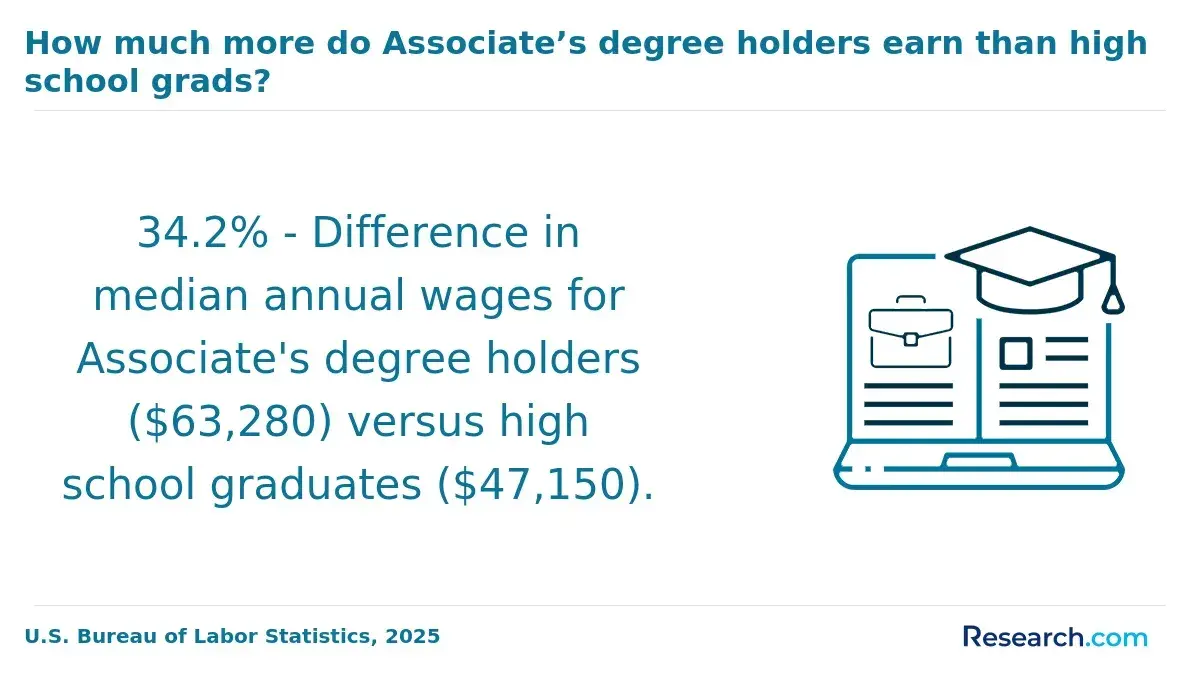
- Master's Degree Advantage: Holding a master's degree generally results in a 15% to 25% salary increase compared to bachelor's degree holders, reflecting the additional training and skills gained.
What Professional Certifications Complement a School Counseling Master's Degree?
Several professional certifications can significantly enhance the career prospects of graduates holding a school counseling master's degree. These credentials not only boost credibility but also increase earning potential and job stability across diverse educational and mental health settings. Below is a concise overview of the most valuable and widely recognized certifications, including key eligibility criteria, exam formats, renewal procedures, and market value.
This overview also shares strategic advice on when to pursue these credentials to align optimally with your career timeline. Consider these main points:
- National Certified Counselor (NCC): Offered by the National Board for Certified Counselors (NBCC), the NCC credential requires a master's degree in counseling, completion of 3,000 hours of supervised practice, and passing a comprehensive exam. Renewal mandates 100 continuing education units every five years. This certification is highly regarded across public and private institutions, opening doors to counseling roles beyond traditional school settings.
- Certified School Counselor (CSC): Available in certain states and endorsed by state education departments or counseling associations, the CSC often aligns closely with licensed school counselor certification requirements. It usually requires a master's degree, supervised fieldwork, and in some states, a specialized exam focused on educational counseling. Renewal involves continuing education and adherence to ethical standards. Many public schools either require or prefer this credential for employment.
- Licensed Professional Counselor (LPC): Essential for those expanding into therapeutic roles outside the school environment, the LPC license has state-specific requirements including a relevant master's degree, supervised clinical hours, and a licensing exam. License maintenance calls for ongoing education and supervision reporting. It is especially valued in community mental health agencies and private practices.
- Strategic Timing: It is generally advisable to pursue the CSC concurrently with or immediately after completing the master's program to meet employment prerequisites. The NCC and LPC certifications are often better pursued after gaining some field experience post-graduation, enhancing practical knowledge and career readiness.
For those budgeting their education investment, exploring cheap masters programs can be a practical step toward entering the field efficiently and affordably. Understanding licensed school counselor certification requirements and pairing your degree with the right professional credentials makes all the difference in establishing a rewarding counseling career.
What Are the Top Industries Hiring School Counseling Master's Degree Graduates?
For prospective students pursuing a master's degree in school counseling, understanding the key employment sectors and their specific demands is essential for aligning career goals with industry needs. This knowledge helps focus preparations on the qualifications and experiences that enhance job prospects. Below is an overview of the most significant industries hiring school counseling graduates, along with emerging opportunities driven by shifts in technology and policy.
- Education Sector Dominance: K-12 public and private schools represent the largest employers for school counseling graduates, with roles such as school counselor, guidance counselor, and academic advisor. Employers range from small rural schools to large urban districts, often requiring state licensure and credentials like the National Certified School Counselor (NCSC). Competence in student assessment, crisis management, and multicultural counseling is highly valued.
- Mental Health and Community Organizations: Nonprofits and government agencies focusing on youth services also seek school counseling professionals, especially in mid-sized mental health and social service organizations. Positions often emphasize behavioral health, family support, and educational advocacy. Knowledge of trauma-informed care and federal laws like IDEA enhances candidates' qualifications in this sector.
- Virtual Learning and Digital Platforms: Growth in online education and mental health technologies has created demand for counselors adept in digital counseling methods and data privacy protocols. Graduates trained in these areas can work with virtual schools and tech-driven educational programs, a field expanding due to increased remote learning.
- Targeted Internship and Coursework Strategies: To optimize employability, students should seek internships across diverse environments-traditional schools, nonprofits, and virtual education-to gain versatile experience. Coursework in multicultural counseling, adolescent psychology, and education law better equips graduates for sector-specific challenges and broadens networking opportunities.
What Are the Highest-Paying Jobs for School Counseling Master's Degree Holders?
For graduates holding a master's degree in school counseling, targeting high-paying roles can significantly impact long-term career growth and financial stability. Salaries vary depending on job function, experience, certification status, and geographic location. Additional credentials such as licenses or doctoral degrees often enhance earning potential.
Below are key positions that typically offer the most lucrative opportunities within this field.
- School Counseling Director: These leaders manage comprehensive counseling initiatives within school districts or educational institutions. They usually earn over $80,000 annually, especially in larger or more affluent districts. Success in this role demands proven leadership abilities, considerable counseling experience, and often advanced certifications or a doctoral degree.
- Licensed Professional Counselor (LPC) in Schools: Holding licensure and specializing in the school environment allows LPCs to earn salaries north of $65,000. Their work primarily involves delivering mental health services either within schools or private practice settings. Obtaining this license requires passing state licensure exams and completing supervised clinical practice, which enhances eligibility for higher pay.
- College and Career Counselor: These counselors support students with educational planning and career readiness, typically in high schools or colleges. Median salaries hover around $60,000 but can rise with certifications in specialized counseling fields. Their role is crucial in guiding student transitions to post-secondary education or the workforce.
- Behavioral Specialist or Interventionist: Focused on addressing student behavioral and emotional challenges, these professionals combine counseling with psychological expertise. Salaries usually fall between $55,000 and $70,000, with urban areas and private sector jobs tending to offer better compensation. Their skills are essential for creating supportive environments for at-risk students.
- Educational Consultant: With advanced degrees, particularly doctorates, and substantial experience, school counseling graduates can consult on program development and wellness policies for educational organizations. These positions often command salaries above $70,000. Consultants typically engage with a variety of institutions, leveraging their expertise to influence student services broadly.
Location plays a major role in salary differences, with states like California, New York, and Massachusetts providing some of the highest compensation. Furthermore, private, charter, and specialized counseling centers often reward professionals with above-average pay compared to traditional public school roles.
What Is the Job Outlook and Employment Growth for School Counseling Professionals?
Employment growth projections for school counselors nationwide are an important consideration for prospective students weighing the value of a school counseling master's degree. The job outlook for school counseling professionals in the United States points to stronger-than-average growth fueled by various social and economic factors. Understanding these drivers helps guide candidates in planning their education and career paths effectively.
- Faster-Than-Average Growth: The U.S. Bureau of Labor Statistics (BLS) projects about 10% employment growth for counselors, including school counselors, from 2022 to 2032. This rate surpasses the national average growth of 6% across all occupations, indicating expanding opportunities.
- Rising Demand for Mental Health Support: Increasing awareness of students' mental health needs and the demand for academic and career guidance in diverse school environments propel growth in this profession.
- Demographic and Equity Trends: Growing student populations and a heightened focus on equity and inclusion reinforce sustained demand for skilled school counseling professionals nationwide.
- Economic and Policy Influences: Enhanced funding for public education and supportive mental health policies contribute to improved job prospects and stability in the field.
- Limited Impact of Automation: Due to the interpersonal nature of counseling, automation and globalization have minimal effects; however, evolving policy and education reforms may require counselors to adapt to new technologies and standards.
Students exploring paths to advanced careers in education may also consider an accelerated construction management degree as an alternative or complementary option depending on their interests.
What Skills and Competencies Does a School Counseling Master's Program Develop?
Prospective students should understand the essential skills cultivated throughout a School Counseling master's program, as these underpin success and career flexibility across multiple sectors. The following key competencies reflect both technical proficiency and interpersonal strengths fostered during graduate training.
- Technical Proficiency: Students master counseling theories, assessment methodologies, research design, and data analysis. They also learn to utilize digital platforms for managing student information and evaluating program outcomes, ensuring they are prepared for evidence-based practice.
- Interpersonal and Leadership Skills: Leadership, effective communication, active listening, and cultural awareness are systematically developed. These skills enhance collaborative work and support diverse populations, broadening opportunities beyond education to human resources and community services.
- Critical Thinking and Problem-Solving: Curricula emphasize analytical reasoning and adaptive problem-solving, equipping students to address complex client needs and evolving workplace challenges confidently.
- Experiential Learning Opportunities: Internships, case studies, simulations, and team projects embed real-world application of theoretical knowledge. These experiences strengthen decision-making abilities and build practical competence in authentic counseling scenarios.
- Employer-Valued Competencies: Employers prioritize candidates with strong communication, empathy, ethical judgment, and flexibility. These traits reflect the interpersonal and situational demands inherent in school counseling roles and related fields.
What Graduates Say About Their School Counseling Master's Degree
- Tessa: "Applying for admission to an online school counseling master's program initially felt overwhelming, but focusing on well-accredited institutions made the process clearer. I found it invaluable to consult official academic catalogs and federal education resources, which helped me understand program requirements and plan my coursework efficiently. This strategic approach truly boosted my confidence throughout the early stages of my graduate journey."
- Denver: "Exploring the landscape of online school counseling master's programs was eye-opening, especially as I compared different accrediting agencies to ensure quality and legitimacy. Navigating each program's curriculum through their official catalogs gave me a firm grasp of the academic expectations before committing. Reflecting back, relying on these resources was essential for staying organized and making informed decisions during my studies."
- Katherine: "The day I decided to pursue an online school counseling master's degree, I knew choosing the right accredited program was critical. By thoroughly researching accreditation bodies and federal guidelines, I felt equipped to handle every degree requirement with professionalism and clarity. This thorough preparation transformed my approach to learning and set the foundation for my success as a counselor."
Other Things You Should Know About School Counseling Degrees
A school counseling master's degree typically leads to higher starting salaries compared to bachelor's level positions. Over time, as professionals gain experience and potentially earn additional certifications, their earning potential tends to increase significantly. Advanced degrees also open doors to leadership and administrative roles in educational settings, which usually offer higher compensation.
Holders can work in community agencies, private practice, or non-profit organizations. They may serve as career counselors, student advisors, or family therapists. This diversity enhances career flexibility and growth prospects in 2027, appealing to those seeking varied roles.
The Bureau of Labor Statistics projects a 10% growth rate in employment for school counselors from 2026, faster than the average for all other occupations. This growth is driven by increasing student enrollments in educational institutions.
References
- 7 Careers with a Master’s Degree in Counseling Psychology | The Chicago School https://www.thechicagoschool.edu/insight/career-development/7-career-opportunities-with-a-masters-degree-in-counseling-psychology/
- Master of Education in School Counseling - Program Requirements - 2025-2026 Undergraduate & Graduate Catalog https://www.gvsu.edu/catalog/program/master-of-education-in-school-counseling.htm
- Tuition & Aid https://www.usfca.edu/education/programs/masters/school-counseling/tuition-aid
- College Affordability for Counseling Students https://www.counselingschools.com/blog/college-affordability-guide
- Exploring Career Paths With a Master's in School Counseling - Oreate AI Blog https://www.oreateai.com/blog/exploring-career-paths-with-a-masters-in-school-counseling/335f724e0677fae873ccf9b3aa6b00cf
- Master's Degree in School Counseling - Alfred / CITE https://www.alfreddownstateeducation.com/masters-degree-in-school-counseling/
- School Counseling Degree | Earn a Master of Arts in Two Years https://loras.edu/academics/school-counseling/
- 10 Fulfilling Mental Health Careers You Can Train for Now | Palo Alto University https://paloaltou.edu/resources/blog/mental-health-careers-you-can-start-now
- School Counselor Salary https://onlinecounselingprograms.com/become-a-counselor/salary/school-counselor/
- Why You Should Pursue a Master’s in School Counseling Right Now - Graduate Programs for Educators https://www.graduateprogram.org/blog/why-you-should-pursue-a-masters-in-school-counseling-right-now/