2027 What Can You Do with an Accounting Master's Degree? Careers, Salaries & Growth

Co-Founder and Chief Data Scientist
Choosing a master's degree in accounting is a financial and career decision, not just an academic one. The degree can help students meet advanced credit requirements, prepare for certification, and compete for roles in audit, tax, advisory, corporate finance, forensic accounting, and financial leadership. It can also be expensive, time-intensive, and unnecessary for some career goals if a bachelor's degree plus certification is enough.
The labor market remains a key reason many professionals consider graduate study. Recent data shows that employment for accountants and auditors is projected to grow 7% from 2022 to 2032, faster than the average for all occupations. Master's degree holders in accounting often report starting salaries 15-25% higher than those with only a bachelor's, although actual pay depends on location, employer, certification status, experience, and specialization.
This guide explains what to expect from an accounting master's program, including admissions requirements, GPA expectations, costs, financing options, program length, career paths, salary ranges, certifications, hiring industries, job outlook, and the skills employers typically value. Use it to decide whether the degree fits your timeline, budget, and long-term accounting career plan.
Key Things to Know About What You Can Do with a Accounting Master's Degree
- Programs typically require a bachelor's degree and quantitative skills, offering flexible online or on-campus structures to fit diverse student needs while emphasizing certifications like CPA or CMA.
- Graduates can enter roles in auditing, financial analysis, or corporate accounting with median salaries around $70,000, increasing significantly with experience and credentials.
- Employment growth in accounting is projected at 7% through 2030, with long-term earning potential enhanced by specialization, industry demand, and continuous professional development.
What Are the Admission Requirements for a Accounting Master's Program?
Admission requirements for a master's program in accounting usually focus on whether applicants are academically prepared for graduate-level accounting, taxation, auditing, analytics, and financial reporting coursework. Programs differ in selectivity, but most review undergraduate performance, prerequisite coursework, professional goals, recommendations, and, in some cases, standardized test scores.
The field's projected employment growth of 7% from 2021 to 2031 has also made accounting graduate programs attractive to career changers and working professionals. That does not mean admission is automatic. Strong applicants show both quantitative readiness and a clear reason for pursuing the degree.
- Relevant undergraduate degree: Many programs prefer applicants with a bachelor's degree in accounting, finance, business, or a related field. Applicants from other majors may be admitted, but they are often required to complete foundation courses in financial accounting, managerial accounting, business law, taxation, auditing, or statistics before taking advanced classes.
- GPA expectations: A competitive cumulative GPA commonly falls between 3.0 and 3.5 on a 4.0 scale, depending on the institution. Selective programs may weigh accounting and quantitative coursework more heavily than unrelated general education courses.
- GRE or GMAT policies: Some schools still request GRE or GMAT scores, while others make them optional or waive them for applicants with strong GPAs, accounting coursework, professional experience, or prior graduate study. Applicants should verify the policy directly with each program because test-optional does not always mean test-blind.
- Application materials: Most programs ask for transcripts, a resume, letters of recommendation, and a statement of purpose. The strongest statements explain the applicant's career goal, why accounting graduate study is necessary, and how the program's curriculum supports that goal.
- Work experience: Experience is not always required, but internships, bookkeeping roles, public accounting experience, corporate finance work, or tax preparation can strengthen an application. For career changers, relevant experience can also offset a less traditional academic background.
- Program-specific prerequisites: Specialized tracks in auditing, taxation, analytics, or forensic accounting may require particular undergraduate courses or prior exposure to accounting systems. Missing prerequisites can delay graduation, so applicants should compare requirements before applying.
Applicants comparing flexible business graduate formats should be careful not to assume that tuition, admissions standards, or course sequencing from affordable online MBA programs will match accounting master's programs. Accounting degrees often have more specific prerequisite and certification-alignment requirements.
What Is the Minimum GPA Requirement for a Accounting Master's Program?
The minimum GPA for a master's in accounting is commonly between 2.75 and 3.0 on a 4.0 scale. A minimum, however, is not the same as a competitive GPA. Programs may admit applicants at or near the minimum if the rest of the application shows readiness, but applicants to more selective schools should expect higher standards.
Because employment growth in accounting is projected at 7% between 2021 and 2031, applicant pools can be competitive in programs with strong employer connections, CPA-oriented curricula, or respected regional reputations. GPA matters most when it signals whether a student can handle advanced accounting, analytics, and regulatory coursework.
- Typical minimum GPA: Many graduate accounting programs set a minimum between 2.75 and 3.0. Some schools publish a hard cutoff, while others describe a preferred GPA range and review applications holistically.
- Institutional differences: Public universities, private universities, online programs, and highly ranked business schools may use different GPA standards. More competitive programs generally expect stronger academic records, especially in accounting and quantitative courses.
- Major and course pattern: A lower overall GPA may be less damaging if the applicant earned strong grades in accounting, finance, economics, statistics, or business analytics. Conversely, weak grades in core accounting courses can raise concerns even if the overall GPA meets the minimum.
- Holistic review: Programs may also consider work experience, recommendations, test scores, professional certifications, leadership, military experience, and the applicant's statement of purpose. These factors can provide context for an uneven academic record.
- Options for lower-GPA applicants: Applicants below the stated range can improve their profile by completing prerequisite courses with strong grades, earning relevant professional experience, submitting optional test scores if strong, or applying to programs with conditional admission pathways.
Students researching accelerated graduate education may see examples from other disciplines, such as one year MSW programs, but accounting applicants should focus on whether the pacing allows enough time to master technical coursework and prepare for certification requirements.
How Much Does a Accounting Master's Degree Cost and How Can You Finance It?
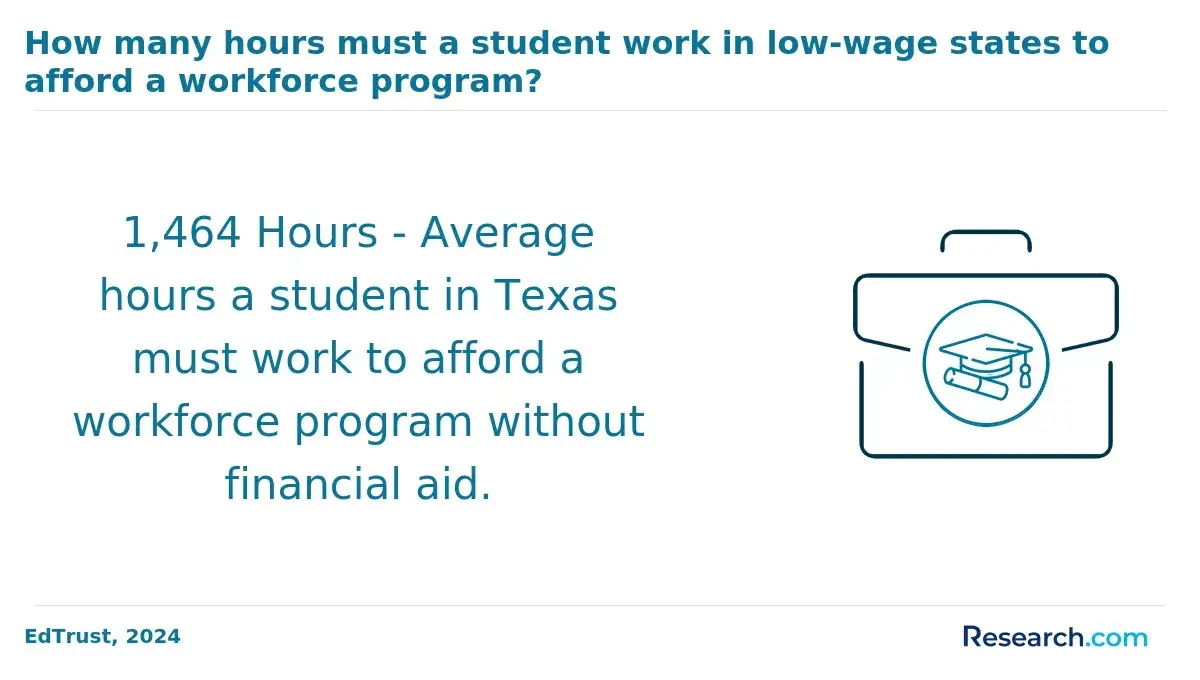
The cost of a master's degree in accounting depends on institution type, residency status, delivery format, credit requirements, fees, and whether the student studies full time or part time. Before enrolling, students should calculate the total cost of attendance, not just tuition. Books, technology fees, exam preparation, commuting, lost work hours, and certification costs can change the real price of the degree.
- Tuition differences: Public universities typically charge between $15,000 and $30,000 for tuition and fees, while private schools can exceed $50,000. Online programs may reduce commuting and relocation costs, but students should still compare per-credit tuition, mandatory fees, and whether online learners pay the same rate as campus students.
- Scholarships and fellowships: Accounting departments, business schools, professional associations, and alumni donors may offer merit-based or need-based awards. Some scholarships target students preparing for CPA licensure, tax careers, auditing, or public service.
- Graduate assistantships: Assistantships can reduce tuition costs and provide professional experience through research, teaching, tutoring, or administrative work. These opportunities are usually competitive and may require on-campus availability.
- Employer tuition reimbursement: Working professionals should ask whether their employer reimburses graduate tuition or pays for certification preparation. The trade-off is that reimbursement may come with grade requirements, annual caps, or a commitment to remain with the employer for a certain period.
- Federal student loans: Eligible students may use federal graduate loans to finance tuition and approved education expenses. Borrowing should be based on realistic repayment expectations, not only on the maximum amount offered.
- Cost-control strategies: Students can reduce expenses by choosing an in-state public university, applying early for aid, taking prerequisite courses at a lower-cost institution when allowed, continuing to work part time, or selecting a program with a shorter completion timeline.
- Return on investment: ROI depends on the student's current salary, expected salary increase, certification plan, local job market, and debt level. A low-cost program aligned with CPA or corporate accounting goals may deliver more value than a prestigious program that requires excessive borrowing.
Prospective students who need a lower-cost pathway can compare online tuition and fees while researching the most affordable accounting degree online, especially if they need flexibility to keep working while enrolled.
One accounting master's graduate described the financial planning process as just as important as the coursework. Balancing employment and graduate study was difficult, but employer tuition reimbursement reduced the need for large loans. A teaching assistantship also lowered costs while building experience. The graduate viewed the degree as worthwhile because it supported movement into higher-paying roles that were difficult to access with prior credentials alone.
How Long Does It Take to Earn a Accounting Master's Degree?
Most accounting master's programs take 1.5 to 2 years for full-time students and 3 to 4 years for part-time students. The exact timeline depends on program format, prerequisite needs, course availability, internship requirements, thesis options, and whether the student is also working.
- Full-time enrollment: Full-time students typically finish in 1.5 to 2 years by taking a standard graduate course load across fall and spring terms. This path may work best for students who want to enter public accounting or prepare for certification quickly.
- Part-time and online enrollment: Part-time and online formats often take 3 to 4 years because students take fewer courses each term while managing work or family responsibilities. Similar to other flexible graduate options, including online clinical mental health counseling programs, the convenience of online study depends on scheduling discipline and consistent weekly availability.
- Accelerated programs: Some universities offer intensive options that can be completed in about one year. These programs can reduce time away from the workforce but may leave less room for work, internships, exam preparation, or retaking difficult courses.
- Combined bachelor's/master's pathways: Some schools allow students to earn both degrees in a reduced timeframe, sometimes within five years total. These pathways can be efficient for undergraduate accounting majors who plan early and meet GPA or credit requirements.
- Transfer credits: Prior graduate coursework or approved professional learning may reduce the number of credits required. Policies vary widely, so students should request a formal transfer evaluation before assuming credits will count.
- Thesis versus non-thesis tracks: A thesis track may be useful for students interested in research, teaching, or doctoral study, but it can add time. Non-thesis tracks usually emphasize coursework, applied projects, or exam preparation.
- Internships and practicums: Some programs require or strongly encourage internships. These can improve employability but may extend the timeline if placements are limited, seasonal, or difficult to schedule around full-time work.
The best timeline is not always the shortest one. Students should choose a pace that supports strong grades, certification preparation, networking, and manageable debt.
What Career Paths Are Available with a Accounting Master's Degree?
A master's degree in accounting can lead to careers in public accounting, corporate accounting, tax, audit, compliance, consulting, government, nonprofit finance, forensic accounting, and financial leadership. The degree is especially useful for students who need additional academic credits, want to specialize beyond undergraduate accounting, or plan to pursue professional certification.
- Public accounting: Graduates often begin in audit, tax, advisory, or assurance roles at local, regional, national, or global firms. These roles can provide broad client exposure and a structured promotion path, but busy seasons can be demanding.
- Corporate accounting: Companies hire accounting master's graduates for financial reporting, general ledger accounting, budgeting, internal controls, and accounting systems roles. This path may offer more predictable hours than public accounting, depending on the employer and reporting cycle.
- Tax careers: Tax-focused graduates may work in individual, corporate, international, estate, or state and local tax. Advanced tax roles require strong research skills and attention to changing regulations.
- Audit and compliance: Internal auditors, compliance analysts, and risk professionals help organizations test controls, identify weaknesses, and meet regulatory expectations. These roles increasingly require data analysis and communication skills.
- Forensic accounting: Forensic accountants investigate fraud, financial disputes, insurance claims, and litigation-related matters. The work suits professionals who combine accounting knowledge with investigative thinking.
- Government and public sector: Federal, state, and local agencies hire accounting professionals for tax administration, budgeting, auditing, grant management, and financial oversight. These roles can appeal to students seeking mission-driven or public-service work.
- Nonprofit finance: Nonprofits need accounting professionals who understand grants, restricted funds, compliance, and donor reporting. The work can be complex even when compensation is lower than in some corporate sectors.
- Leadership progression: With experience and certifications such as CPA or CMA, graduates may move into controller, finance director, chief accounting officer, or chief financial officer roles.
One graduate described the degree as a turning point for career direction. The coursework strengthened technical accounting knowledge, made certification preparation more manageable, and helped the graduate feel more confident handling complex audits and managerial responsibilities. The experience was demanding, but it clarified which accounting roles were the best fit.
What Is the Average Salary for Accounting Master's Degree Holders?
Salary outcomes for accounting master's graduates vary by role, location, employer size, industry, certification status, and years of experience. The degree can improve access to specialized or leadership-track roles, but it does not guarantee a particular salary. Certification, performance, and market demand often matter as much as the credential itself.
- Starting salaries: Entry-level professionals with a master's in accounting typically earn between $55,000 and $75,000 annually. Pay is often higher in major metropolitan areas and financial centers, though cost of living can reduce the real advantage.
- Mid-level income: Accountants with five to ten years of experience often see earnings rise to approximately $80,000 to $110,000. Professionals in corporate accounting, audit, tax, consulting, or financial analysis may earn more than peers in some public sector or nonprofit roles.
- Senior roles: Experienced accounting professionals and managers with a master's degree can command salaries surpassing $130,000. Senior compensation is often strongest in states with high demand, such as California, New York, and Texas, and in industries such as investment banking and consulting.
- Regional variation: Salaries differ significantly across regions. Large urban markets generally pay more than smaller towns, but students should compare pay with housing, commuting, taxes, and licensing or certification costs.
- Industry variation: Finance, healthcare, technology, and consulting often provide higher compensation than nonprofit or government employers. However, public sector jobs may offer stability, benefits, or pension structures that change the total value of compensation.
- Degree premium: Master's degree holders often have a 10% to 20% salary advantage over bachelor's degree holders in accounting. The premium is strongest when the degree supports CPA eligibility, advanced analytics, tax specialization, or promotion into management.
- Additional compensation: Bonuses, profit sharing, retirement contributions, stock options, and employer-paid certification support can materially affect total compensation, especially in corporate and financial institutions.
Students should compare expected salary gains with total degree cost and debt. A higher salary range is valuable only if the program helps the student reach roles that are realistically available in the target market.
What Professional Certifications Complement a Accounting Master's Degree?
Professional certifications can make an accounting master's degree more valuable by signaling specialized competence, meeting employer requirements, and supporting advancement into licensed, advisory, or management roles. The right credential depends on the student's career target. A CPA is often most relevant for public accounting and audit, while the CMA is commonly aligned with corporate finance and management accounting. The CFA may suit accounting professionals moving toward investment analysis or financial strategy.
- Certified Public Accountant (CPA): Issued by state boards in the U.S., the CPA credential requires 150 semester hours of education, passing a rigorous four-part exam, and meeting experience requirements. A master's degree often helps students reach the 150-hour education requirement. CPAs commonly work in public accounting, auditing, tax, advisory, and corporate finance. According to the Bureau of Labor Statistics, salaries often exceed $70,000 annually.
- Certified Management Accountant (CMA): Offered by the Institute of Management Accountants (IMA), the CMA focuses on cost management, planning, analysis, internal decision support, and strategy. Eligibility includes a bachelor's degree and two years of relevant work experience. Candidates must pass a two-part exam and complete continuing education every three years. CMAs often earn about 20% more than non-certified peers and are well positioned for budgeting, corporate finance, performance management, and management consulting.
- Chartered Financial Analyst (CFA): Granted by the CFA Institute, the CFA credential is designed for investment analysis, portfolio management, and financial strategy. Applicants need a bachelor's degree plus four years of qualified work experience. The CFA exam is structured in three levels, and ongoing professional development is required. It is broader than accounting but respected for professionals who want finance-oriented roles.
Timing matters. Students who begin certification planning during graduate school can align electives, exam windows, and study schedules with their career goals. However, trying to complete graduate coursework, full-time work, and multiple exam sections at once can lead to burnout. A realistic plan is usually better than an aggressive one.
Program format also affects certification preparation. Online and part-time students may need to protect study hours more deliberately than full-time students. When comparing graduate pathways across fields, resources such as a library degree guide can show how program structure, accreditation, and professional outcomes differ by discipline, but accounting students should prioritize certification alignment and state board requirements.
What Are the Top Industries Hiring Accounting Master's Degree Graduates?
Accounting master's graduates are hired across industries because every organization needs reliable financial reporting, compliance, budgeting, tax planning, and internal controls. The best industry depends on whether the graduate wants client-facing work, corporate stability, public service, investigative work, or a path toward executive leadership.
- Public accounting firms: Public accounting remains one of the largest hiring areas for accounting graduates. Roles include audit associate, tax associate, advisory consultant, and forensic accountant. CPA eligibility is especially valuable in this sector.
- Corporate finance and accounting: Manufacturing, retail, healthcare, technology, and service companies hire graduates for financial reporting, cost accounting, budgeting, internal audit, and controllership-track roles. Familiarity with ERP systems and international financial reporting standards (IFRS) can be an advantage in larger organizations.
- Financial services: Banks, investment firms, insurance companies, and consulting firms need professionals who understand accounting, controls, risk, valuation, and regulatory reporting. These roles may offer strong compensation but can be competitive.
- Government agencies: Government employers hire accounting graduates for auditing, tax administration, compliance, fraud investigation, and public financial management. These roles may appeal to students who value stability and public accountability.
- Nonprofit organizations: Nonprofits need accountants who can manage grants, restricted funds, donor reporting, audits, and compliance. The work often requires careful documentation and strong ethical judgment.
- Technology and regulatory fields: Emerging areas include cybersecurity accounting, blockchain auditing, environmental accounting, and sustainability reporting. Graduates with data analytics skills and regulatory awareness may be better positioned for these developing roles.
- Career development strategy: Students should choose electives, internships, and networking activities based on target industries. A tax-focused student, for example, should not build the same graduate experience as someone aiming for internal audit, forensic accounting, or CFO-track roles.
What Are the Highest-Paying Jobs for Accounting Master's Degree Holders?
The highest-paying jobs for accounting master's graduates are usually leadership, partner-level, advisory, forensic, or specialized corporate roles. These positions typically require more than the degree alone. Employers often look for years of experience, CPA or CMA credentials, strong communication skills, management ability, and a record of sound judgment.
- Chief Financial Officer (CFO): CFOs oversee financial strategy, reporting, risk management, capital planning, and executive decision support. These roles usually require over a decade of experience and typically command salaries above $150,000, with the highest wages found in large enterprises and financial hubs.
- Certified Public Accountant (CPA) Partner: CPA firm partners combine technical expertise, client management, business development, and leadership. A CPA license and extensive experience in audit, tax, or advisory are generally required. Compensation often exceeds $200,000 annually, particularly in major metropolitan areas and large firms.
- Financial Controller: Controllers manage accounting operations, financial reporting, internal controls, and compliance. They generally have 5-8 years of experience. Median wages hover around $120,000, with strong demand in manufacturing, healthcare, and technology.
- Forensic Accountant: Forensic accountants investigate fraud, analyze disputes, support litigation, and review complex financial records. Certifications such as Certified Fraud Examiner (CFE) can strengthen prospects. Salaries average near $100,000, with higher pay often found in government or consulting environments.
- Management Accountant (CMA): Management accountants focus on budgeting, performance evaluation, cost analysis, forecasting, and strategic planning. Professionals who combine a master's degree with the CMA can access salaries above $110,000, especially within multinational corporations.
Advanced certifications such as CPA and CMA, or pursuing a doctoral degree, can significantly improve salary prospects. Location, employer scale, industry, and specialization still matter, so students should select a career path intentionally rather than assuming the degree alone will lead to the highest-paying roles.
What Is the Job Outlook and Employment Growth for Accounting Professionals?
The job outlook for accounting professionals is steady, with demand supported by regulatory complexity, business growth, financial reporting needs, tax compliance, and risk management. The U.S. Bureau of Labor Statistics (BLS) projects about 7% employment growth for accounting professionals from 2022 to 2032. This is slightly faster than the average for all occupations.
- Ongoing need for financial expertise: Organizations still need professionals who can prepare accurate reports, interpret financial data, support audits, manage tax obligations, and maintain internal controls.
- Compliance and transparency: Regulatory requirements continue to create demand for accountants who understand reporting standards, documentation, ethics, and financial oversight.
- Technology and automation: Automation and AI can reduce repetitive bookkeeping and transaction-processing work. At the same time, they increase the value of accountants who can use technology, interpret data, test controls, advise leaders, and investigate anomalies.
- Globalization: Multinational businesses need accounting professionals who understand cross-border transactions, international standards, tax complexity, and currency-related reporting issues.
- Specialized growth areas: Advisory, forensic accounting, internal audit, sustainability reporting, and data-driven accounting roles may offer stronger opportunities for graduates who combine accounting knowledge with analytics and communication skills.
The outlook is strongest for professionals who can move beyond routine tasks and provide analysis, judgment, and strategic guidance. A master's degree can support that transition when paired with relevant experience and certification planning.
What Skills and Competencies Does a Accounting Master's Program Develop?
An accounting master's program is designed to deepen technical accounting knowledge while building the judgment, communication, and analytical skills needed for professional practice. The best programs do more than review accounting rules; they teach students how to apply those rules in uncertain, regulated, and technology-driven environments.
- Technical accounting proficiency: Students develop advanced knowledge of financial reporting, auditing, taxation, managerial accounting, accounting information systems, and financial statement analysis.
- Software and systems skills: Programs may expose students to widely used tools such as QuickBooks and SAP, advanced spreadsheet techniques, database concepts, and accounting analytics platforms.
- Research and regulatory interpretation: Graduate coursework strengthens the ability to research accounting standards, tax rules, audit guidance, and compliance requirements. This is essential because accounting professionals must often defend their conclusions with authoritative support.
- Data analysis: Students learn to evaluate trends, identify anomalies, test assumptions, and use financial data to support decisions. These skills are increasingly important as routine accounting tasks become more automated.
- Critical thinking: Accounting problems often involve ambiguity. Graduate programs train students to evaluate evidence, weigh alternatives, and make defensible recommendations.
- Ethical judgment: Ethics is central to accounting because professionals handle sensitive financial information and may face pressure from clients, managers, or stakeholders. Strong programs emphasize independence, integrity, and professional responsibility.
- Communication: Graduates must explain complex financial issues to executives, clients, regulators, auditors, and nonfinancial colleagues. Clear writing and confident presentation skills are often decisive in promotion decisions.
- Leadership and collaboration: Group projects, case studies, simulations, and applied assignments help students practice delegation, teamwork, conflict resolution, and professional accountability.
- Experiential learning: Internships, simulations, case competitions, audit projects, and consulting-style assignments connect theory to practice and help students build evidence of job readiness.
- Transferable business skills: Analytical thinking, ethical decision-making, attention to detail, and financial literacy are useful in consulting, finance, operations, entrepreneurship, and corporate management.
What Graduates Say About Their Accounting Master's Degree
- Ryker: "Applying to an online accounting master's program felt overwhelming at first. What helped most was reading each program's admission requirements, deadlines, and academic catalog carefully before applying. Verifying accreditation also gave me confidence that the degree would be recognized and that I would not face avoidable credential issues later."
- Eden: "Choosing the right online accounting master's program required more research than I expected. Federal education resources helped me understand financial aid options, while accreditation information helped me narrow the list. Once I reviewed the official academic catalog, I could plan my semesters more realistically and avoid surprises about required courses."
- Juliet: "My approach was to treat the degree like a professional investment. I compared admission criteria, program reputation, accreditation status, and degree requirements before enrolling. Using the academic catalog as my roadmap helped me track progress and stay focused through graduation."
Other Things You Should Know About Accounting Degrees
A accounting master's degree generally leads to higher earning potential compared to a bachelor's degree alone. Graduates often qualify for advanced roles such as financial managers, auditors, or controllers, which command higher salaries. Over time, the degree can enable professionals to access senior leadership positions, increasing their income growth trajectory significantly.
Both online and on-campus accounting master's programs offer quality education, but the choice depends on your personal circumstances. Online programs provide flexibility for working professionals and international students, while on-campus programs may offer more direct networking opportunities and hands-on experience. Accreditation and faculty expertise should guide your decision rather than format alone.
In 2027, a master's degree in accounting significantly boosts job prospects by providing advanced skills sought by employers. Graduates often qualify for managerial roles, specialized positions, and have a competitive edge in industries like finance and consulting due to the rigorous training in financial analysis and strategic decision-making.
A accounting master's degree is worth it if you aim for specialized roles requiring deep technical expertise or leadership in finance and accounting. The degree can provide a competitive edge in a crowded job market, enhance professional credibility, and improve access to certifications like the CPA or CMA. However, weigh the cost and time investment against your career goals to ensure it aligns with your individual needs.
References
- Top Accounting Careers for MAcc Majors https://www.onlinemastersdegrees.org/careers/accounting/
- Best Master's in Accounting Careers | Accounting.com https://www.accounting.com/resources/top-jobs-masters-in-accounting/
- Show me the money: What are the highest paying accounting jobs? https://www.becker.com/blog/career/show-me-the-money-the-highest-paying-accounting-jobs
- Admission Requirements https://www.csudh.edu/accounting-ms/admission-requirements/
- ACCA - Master's Degree in Finance and Accounting SGH - Studia podyplomowe – EY Academy of Business https://www.academyofbusiness.pl/studies/masters-degree-in-finance-and-accounting/
- Online Master of Accountancy (MAcc) Program Admissions https://www.unr.edu/business/degree-programs/accounting/online-macc/admissions
- Master in Finance and Accounting https://www.sgh.waw.pl/en/second-cycle-studies/master-finance-and-accounting
- Admissions https://www.hec.edu/en/master-s-programs/master-accounting-finance-management/admissions
- How Long Does It Take to Get an Accounting Degree? https://online.maryville.edu/online-masters-degrees/accounting/resources/how-long-degree-in-accounting/
- Accounting Job Market and Salary Trends in 2024 - Russ Hadick https://rharecruiters.com/accounting-job-market-and-salary-trends-in-2024/