
2027 What Can You Do with an Adult Gerontology Acute Care Nurse Practitioner Master's Degree? Careers, Salaries & Growth

Co-Founder and Chief Data Scientist
Healthcare systems increasingly face a shortage of specialized acute care providers for adult and geriatric populations, with demand for adult gerontology acute care nurse practitioners growing by 45% over the last decade. Many potential applicants lack clarity on how a master's degree in this field translates into viable career paths and financial returns. The specialized training required also poses questions about program format, costs, and certifications. This article addresses these challenges by detailing program structures, admission criteria, salary expectations, and employment projections. Readers will gain actionable insights to evaluate whether pursuing an adult gerontology acute care nurse practitioner master's degree aligns with their career and financial goals.
Key Things to Know About What You Can Do with a Adult Gerontology Acute Care Nurse Practitioner Master's Degree
- Adult gerontology acute care nurse practitioner master's programs typically require a bachelor's degree in nursing and clinical experience; they offer hybrid or online formats to accommodate working professionals.
- Graduates can expect median salaries around $110,000 annually, with opportunities in hospitals, specialty clinics, and long-term care facilities, reflecting growing healthcare demands.
- Job growth for these nurse practitioners is projected at 45% over ten years, with higher earnings potential linked to certifications, experience, and geographic location.
What Are the Admission Requirements for a Adult Gerontology Acute Care Nurse Practitioner Master's Program?
Preparing the necessary prerequisites is essential for a smooth admission process into an adult gerontology acute care nurse practitioner master's degree program. Given the competitive nature of these programs and the specialized skills required, meeting academic, professional, and application standards helps ensure candidates are ready for rigorous clinical training. Employment prospects in this field are strong, with a projected growth rate approaching 40% over the next decade, reinforcing the importance of fulfilling these requirements. Below is an overview of common admission criteria prospective students should prepare for.
- Undergraduate Degree: Most programs require a bachelor's degree in nursing (BSN) from an accredited institution, usually with a minimum GPA of 3.0 on a 4.0 scale. Some schools accept a relevant healthcare bachelor's degree along with active RN licensure, but a BSN remains the standard for admission to a typical adult gerontology acute care nurse practitioner program admission criteria.
- Work Experience: One to two years of clinical nursing experience, particularly in acute or critical care settings, is often preferred or required. This hands-on experience helps students engage effectively with the advanced curriculum and clinical responsibilities.
- Standardized Tests: Requirements for tests like the GRE or GMAT vary. Many institutions make these exams optional or waive them for applicants with strong academic performance or extensive professional experience. It is important to confirm policies with each program.
- Supporting Documents: Applicants must submit letters of recommendation, a personal statement explaining career goals and motivation, and sometimes a writing sample. These materials provide insight into the candidate's readiness and commitment.
- Course Prerequisites: Coursework in physiology, pharmacology, and pathophysiology is commonly required or recommended to ensure foundational knowledge for advanced practice.
For those evaluating educational paths, exploring options like online pharmd programs may provide additional advanced healthcare degree opportunities complementary to advanced nursing specialization.
What Is the Minimum GPA Requirement for a Adult Gerontology Acute Care Nurse Practitioner Master's Program?
Prospective students pursuing an adult gerontology acute care nurse practitioner master's degree should understand typical admission GPA requirements to evaluate their eligibility and application strength. Minimum GPA requirements generally range from 2.75 to 3.0 on a 4.0 scale but can differ by program prestige, institution type, and specialty focus. Given projected job growth of 45% for nurse practitioners from 2021 to 2031, awareness of these academic standards is crucial. Below are key considerations related to the minimum GPA requirements for adult gerontology acute care nurse practitioner programs:
- Typical GPA Range: Most programs require a minimum GPA between 2.75 and 3.0, though this varies by institution and the average GPA needed for admission to adult gerontology acute care nurse practitioner master's degree programs.
- Holistic Application Review: Admissions committees evaluate candidates beyond GPA, factoring in professional experience, standardized test scores, and personal statements for a comprehensive assessment.
- Institutional Differences: Public and private institutions often have differing GPA expectations, influenced by program competitiveness and resources.
- Opportunities for Low GPA Applicants: Applicants with GPAs below the cutoff can still gain admission with strong credentials, especially nursing experience and compelling application materials.
- Industry Growth: The field provides significant career opportunities and salary growth, underscoring the importance of meeting or exceeding admissions criteria.
Students interested in flexible learning options can explore dnp online programs that may accommodate different academic backgrounds and schedules.
How Much Does a Adult Gerontology Acute Care Nurse Practitioner Master's Degree Cost and How Can You Finance It?
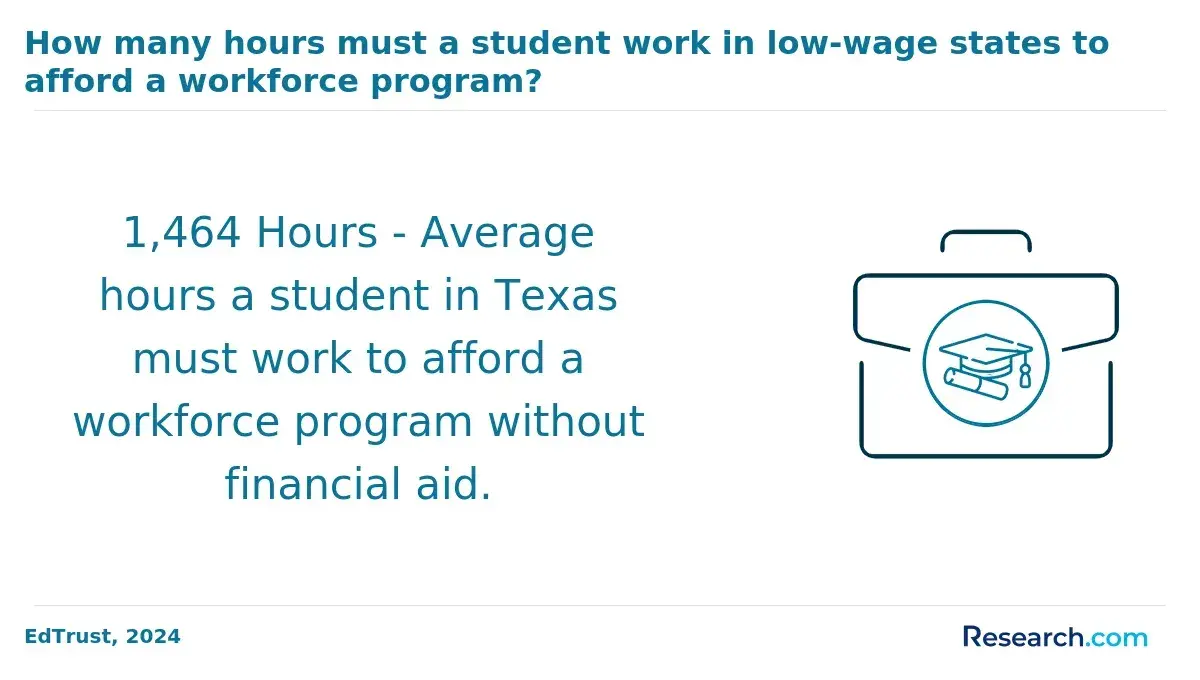
Managing finances effectively is crucial for prospective students preparing to enroll in an adult gerontology acute care nurse practitioner master's program. Knowing the full scope of costs and funding options helps in creating a clear budget and reducing financial stress. Consider these important factors:
- Tuition and Ancillary Expenses: Costs differ significantly among public, private, and online programs. Public in-state institutions usually offer the most affordable tuition, but total expenses must include fees, textbooks, clinical equipment, and living costs that range from $15,000 to $25,000 annually.
- Sources of Financial Support: Scholarships, fellowships, graduate assistantships, employer tuition reimbursement, and federal loans form the main avenues for funding. Many working students benefit from employer support, which can substantially offset tuition fees.
- Debt Minimization Techniques: Applying for program-specific fellowships, obtaining tuition waivers through assistantships, and selecting in-state public universities are effective ways to lower debt. Online formats also help decrease costs tied to commuting and housing.
- Calculating Return on Investment: Evaluating potential salaries-typically between $95,000 and $130,000 annually-against tuition and opportunity costs like lost income is essential when deciding if the degree is economically viable.
A graduate I spoke with reflected on financing their adult gerontology acute care nurse practitioner master's degree, noting the balancing act between coursework, work, and managing finances. They shared, "Juggling clinical hours and classes while seeking scholarships was challenging but necessary. Employer tuition reimbursement made a huge difference, especially during tougher semesters. It felt overwhelming at times, but knowing the long-term benefits kept me motivated." This perspective highlights the practical realities and rewards of investing wisely in this advanced nursing path.
How Long Does It Take to Earn a Adult Gerontology Acute Care Nurse Practitioner Master's Degree?
Knowing the typical duration to complete an adult gerontology acute care nurse practitioner master's program is essential for prospective students planning their educational and professional path. The length of study influences financial planning, work-life balance, and timely entry into the workforce. Several factors shape how long the program takes; here's a breakdown of key considerations:
- Full-Time Enrollment: Most full-time adult gerontology acute care nurse practitioner master's programs require about 1.5 to 2 years to complete. This option offers a structured timeline with a consistent course load designed around academic terms.
- Part-Time and Online Programs: Flexible scheduling through part-time or online programs can extend completion to 3-4 years. Duration depends largely on the number of credits taken per term and individual pacing, making these suitable for working professionals or those balancing family commitments.
- Accelerated and Combined Pathways: Some schools provide accelerated tracks or combined bachelor's/master's degree options. These pathways reduce overall completion time by overlapping coursework and streamlining admission processes.
- Transfer Credits: Students with prior graduate coursework or relevant certifications often receive transfer credits, which can shorten the time required by reducing the number of classes needed.
- Thesis vs. Non-Thesis Tracks: Choosing a thesis track typically adds time for research and writing, whereas non-thesis tracks focus more on clinical practice and course completion.
- Internship and Practicum Requirements: Mandatory clinical hours essential for certification impact program length based on the number required and availability of placements.
Those researching the typical duration of adult gerontology acute care nurse practitioner master's degree programs in the US may also want to explore the best online nursing prerequisites as part of their planning process.
What Career Paths Are Available with a Adult Gerontology Acute Care Nurse Practitioner Master's Degree?
Graduates of a adult gerontology acute care nurse practitioner master's program have varied career opportunities spanning clinical, administrative, academic, and consulting roles. Their specialized training prepares them for direct patient care as well as roles that influence healthcare systems and policies, offering a broad professional landscape. Below is a concise outline of typical career pathways these graduates often pursue.
- Clinical Practice: Most graduates work in hospitals, emergency rooms, and specialty clinics providing acute and complex care for adults and older patients, applying their expertise in managing critical health conditions.
- Leadership and Management: With experience, many move into supervisory or administrative positions, directing care teams or contributing to institutional decision-making and quality improvement initiatives within healthcare organizations.
- Government and Nonprofit Employment: Opportunities extend to public health sectors and nonprofits focused on aging populations or chronic disease, where they address broad community health challenges and program development.
- Academic and Research Roles: Some graduates enter academia, educating future nurses or engaging in research that advances clinical guidelines and practice standards.
- Consulting and Policy Development: Skills from the degree also suit roles in healthcare consulting, case management, and clinical protocol formulation, supporting evidence-based approaches across settings.
When I spoke with a graduate from this program, he shared how the degree simplified his transition into a specialized clinical role. He explained, "Having a focused curriculum meant I was already confident managing complex cases on day one. It wasn't just theory; practical experience was built-in, which helped reduce the anxiety of stepping into high-stakes environments." He added that this preparedness allowed him to explore leadership options sooner than expected, saying, "Knowing the clinical side deeply made moving into team lead positions a natural progression."
What Is the Average Salary for Adult Gerontology Acute Care Nurse Practitioner Master's Degree Holders?
Salaries for adult gerontology acute care nurse practitioner master's degree holders vary widely by experience, location, employer type, and industry sector. Compensation is generally higher than for those holding only a bachelor's degree due to advanced clinical skills and credentials. Additional financial benefits such as bonuses, profit sharing, and other incentives can also influence overall earnings. Below are key salary trends summarized in bullet points.
- Entry-Level Salaries: New graduates typically earn between $90,000 and $110,000 annually. Starting pay is influenced heavily by geographic location, with urban areas and states with higher living costs offering greater wages.
- Mid-Career Earnings: Professionals with five to ten years of experience usually see salaries from $110,000 up to $130,000. At this level, specialized certifications and leadership roles contribute to increased income potential.
- Senior-Level Compensation: Seasoned practitioners and those holding advanced leadership positions can earn more than $140,000 per year. This often includes supplementary income through bonuses and other financial incentives from hospitals, clinics, or private practices.
- Geographic and Employer Differences: Private healthcare providers generally offer higher wages than public institutions. States like California, New York, and Massachusetts present premium salary opportunities compared to rural regions.
- Master's Degree Advantage: Holding a master's degree tends to boost salary by 15% to 25% compared to registered nurses with only a bachelor's degree, reflecting the enhanced expertise and clinical responsibilities associated with this advanced credential.
What Professional Certifications Complement a Adult Gerontology Acute Care Nurse Practitioner Master's Degree?
Professional certifications significantly enhance the value of an adult gerontology acute care nurse practitioner master's degree, boosting career opportunities and salary potential. Candidates often pursue these credentials either during their master's program or shortly after to align with job market entry. Below is a list highlighting the most valuable and widely recognized certifications that complement this advanced degree, including credentialing bodies, eligibility criteria, exam formats, renewal processes, and the market advantages they offer.
- Adult-Gerontology Acute Care Nurse Practitioner (AGACNP-BC) Certification: Offered by the American Nurses Credentialing Center (ANCC), this certification requires a graduate degree in the specialty, a current RN license, and documented clinical hours. The exam consists of multiple-choice questions assessing clinical knowledge, with recertification every five years via continuing education or re-examination. Hospitals and acute care facilities widely prefer this credential for roles in ICUs, emergency departments, and specialty clinics, making it a key qualification for employment and advancement.
- Advanced Cardiac Life Support (ACLS) Certification: Administered by the American Heart Association (AHA), ACLS is essential for emergency cardiovascular care competency. While not exclusive to nurse practitioners, it is often mandatory in acute care settings. The course involves both online and in-person training, with renewal every two years. Many employers prioritize ACLS-certified applicants, enhancing competitiveness for acute care positions.
- Family Nurse Practitioner (FNP-BC) Certification: Also from ANCC, this certification benefits those seeking a broader practice scope across adult and family populations. It shares exam and renewal formats with the AGACNP-BC credential. This certification can diversify career options and increase marketability in outpatient clinics and primary care settings.
These certifications collectively improve market value, with certified practitioners typically earning 10-20% higher salaries according to the Bureau of Labor Statistics and experiencing greater job security in demanding acute care environments. Prospective students interested in nursing schools that do not require entrance exam may find pursuing advanced clinical certifications for adult gerontology acute care nurse practitioners especially advantageous when paired with the right educational pathway.
What Are the Top Industries Hiring Adult Gerontology Acute Care Nurse Practitioner Master's Degree Graduates?
For those pursuing a master's degree in adult gerontology acute care nurse practitioner, understanding where job opportunities are most concentrated is essential. Employment settings vary widely, and knowing which industries lead in hiring can help guide educational and professional choices. Below is an outline of the primary sectors employing graduates and strategies to prepare for success in these fields.
- Hospitals and Urban Medical Centers: These remain the dominant employers, especially at large metropolitan hospitals and critical access facilities. Positions often focus on intensive care units, emergency rooms, and specialized geriatric units, where managing complex acute conditions is crucial. Credentials like the AGACNP-BC certification are highly valued.
- Outpatient Specialty Clinics and Long-Term Care Facilities: This sector increasingly relies on acute care nurse practitioners to oversee chronic disease management and transitional care. Mid-sized to large healthcare organizations lead here, offering clinical leadership and patient education roles that emphasize holistic, ongoing patient support.
- Telehealth and Home Healthcare Services: Rapid advancements in technology and supportive regulations have expanded these areas. Practitioners provide acute care remotely, requiring proficiency with digital health platforms and excellent communication skills to manage patients outside conventional clinical settings.
- Targeted Educational Experiences: Tailored internships in hospitals or telehealth environments can give students valuable hands-on experience. Coursework in advanced diagnostics, pharmacology, and geriatric care builds relevant expertise, while active networking through professional organizations opens doors to niche markets.
What Are the Highest-Paying Jobs for Adult Gerontology Acute Care Nurse Practitioner Master's Degree Holders?
For those pursuing a master's degree in adult gerontology acute care nurse practitioner, knowing which roles offer the highest compensation is crucial for career strategy. Salary ranges are influenced by expertise, location, certifications, and years of experience. Additional credentials like doctoral degrees or specialty certifications can further enhance earning potential. Below are some of the top-paying positions with key details on responsibilities, skills, and typical employers.
- Acute Care Nurse Practitioner in Hospital Settings: These professionals care for critically ill adult and elderly patients in ICU or emergency departments. Median salaries usually fall between $110,000 and $140,000 annually. Essential skills include acute patient assessment and rapid clinical decision-making, with experience of 3-5 years and certifications like AGACNP-BC boosting compensation. Metropolitan hospitals often pay higher wages.
- Clinical Nurse Specialist in Adult-Gerontology Acute Care: CNS positions focus on enhancing patient outcomes and mentoring nursing teams within hospitals or specialty clinics. Salaries typically range from $105,000 to $135,000. Candidates generally hold a master's and have 5+ years of clinical practice, frequently employed by academic medical centers or large healthcare systems.
- Nurse Practitioner Educator in Acute Care Programs: Instructors teaching in nursing schools or continuing education earn between $95,000 and $120,000. Although a master's degree is standard, doctoral credentials increase salary and leadership opportunities. This role blends clinical expertise with academic instruction.
- Advanced Practice Manager or Director Roles: Leadership positions overseeing acute care or multidisciplinary teams command salaries above $130,000. These roles require strong management experience, clinical knowledge, and occasionally nurse executive certification. Large hospitals and health organizations are common employers.
- Private Practice or Specialty Clinics: NPs operating or working within specialty adult-gerontology acute care clinics may earn from $110,000 up to $150,000. Compensation varies with client volume, geographic location, and state practice regulations. Entrepreneurial skills combined with clinical expertise influence earning capacity.
Location heavily impacts salaries, with urban areas and high-cost regions offering greater pay. Board certifications and doctoral degrees such as a DNP or PhD unlock access to upper-tier salary levels and leadership roles across various healthcare settings.
What Is the Job Outlook and Employment Growth for Adult Gerontology Acute Care Nurse Practitioner Professionals?
Prospective adult gerontology acute care nurse practitioner master's degree students benefit from understanding the strong job growth projections and evolving employment landscape ahead. This insight supports informed decisions about pursuing a career that promises expanding opportunities and stable demand.
- Rapid Job Growth: The U.S. Bureau of Labor Statistics projects about 40% growth for nurse practitioners from 2021 to 2031, substantially faster than the 5% average for all occupations. This robust increase reflects expanding needs for acute and chronic care providers.
- Demographic Drivers: Aging populations with complex chronic conditions increase demand for skilled adult gerontology acute care nurse practitioners. This employment outlook for adult gerontology acute care nurse practitioners in the US is shaped significantly by these demographic trends.
- Technological and Policy Influences: Advances in medical technology enhance care capabilities, while policy changes encouraging broader scopes of practice create additional opportunities. Automation tends to impact administrative tasks without replacing clinical judgment central to this role.
- Globalization and Domestic Policies: While globalization exerts limited direct influence, shifting domestic healthcare policies and demographic factors remain key to shaping job availability and career stability.
- Program Selection Importance: Choosing from options such as on-campus or online programs, including those offered by best accredited self-paced online colleges, affects accessibility and career outcomes.
What Skills and Competencies Does a Adult Gerontology Acute Care Nurse Practitioner Master's Program Develop?
Prospective adult gerontology acute care nurse practitioner master's students benefit from understanding the essential skills developed throughout the program. These competencies not only enable effective clinical practice but also prepare graduates for diverse professional environments beyond healthcare.
- Technical Proficiency: Mastery of diagnostic tools, pharmacology, advanced health assessments, electronic health records, and evidence-based research methods equips students with crucial hard skills necessary for accurate patient evaluation and treatment planning.
- Analytical and Data Interpretation Skills: The curriculum emphasizes interpreting clinical data to support decision-making and quality improvement, enabling graduates to analyze and apply information effectively in complex care scenarios.
- Leadership and Communication: Developing strong leadership qualities and clear communication techniques is integral, fostering collaboration and advocacy in multidisciplinary teams and ensuring patient-centered care delivery.
- Critical Thinking and Ethical Judgment: Graduates refine their ability to assess situations thoughtfully and make responsible decisions aligned with ethical standards and best practices in acute care.
- Experiential Learning: Internships, clinical simulations, case studies, and group projects provide hands-on experiences that reinforce theoretical knowledge while enhancing problem-solving, adaptability, and interpersonal skills.
- Transferability of Skills: The blend of clinical competence and soft skills prepares graduates for roles in various sectors requiring analytical thinking, teamwork, and leadership, expanding career possibilities beyond traditional healthcare settings.
- Employer Priorities: Hiring managers consistently value clinical judgment, practical competence, and interpersonal abilities as top indicators of readiness, which are cultivated systematically throughout these programs.
What Graduates Say About Their Adult Gerontology Acute Care Nurse Practitioner Master's Degree
- Ryker: "Applying for the adult gerontology acute care nurse practitioner master's program felt overwhelming at first, but once I committed, everything clicked into place. I spent a lot of time researching accredited institutions to ensure the program I chose was reputable and fit my career goals. Consulting official academic catalogs and accrediting agencies gave me the confidence to know I was on the right path. This journey truly shaped my professional growth."
- Eden: "Reflecting on my experience, navigating through the different accredited programs was both challenging and enlightening. I leaned heavily on federal education resources and official course catalogs to understand each program's requirements and ensure they aligned with my specialization aspirations. The admission process was straightforward once I was informed, and it's rewarding to see how far I've come since graduating."
- Lyka: "My approach was methodical and professional, focusing on ensuring that the adult gerontology acute care nurse practitioner master's program I selected held strong accreditation and offered comprehensive curricula. I extensively reviewed official academic documents and accrediting agencies to verify the program's legitimacy and standards. In retrospect, the admission process was a vital step toward advancing my expertise in acute care nursing."
Other Things You Should Know About Adult Gerontology Acute Care Nurse Practitioner Degrees
Earning a master's degree in adult gerontology acute care nurse practitioner generally leads to higher salary opportunities compared to registered nursing roles. Over time, professionals with this degree often see salary increases driven by their advanced clinical skills and specialization. Experience, geographic location, and additional certifications also influence long-term earning potential.
Both online and on-campus programs offer accredited pathways to earn a master's degree in adult gerontology acute care nurse practitioner. Online programs provide flexibility, making them suitable for working nurses, while on-campus options may offer more hands-on clinical practice and direct faculty interaction. Prospective students should consider their learning preferences, clinical requirements, and schedule when choosing the format.
In 2027, holding a master's degree in Adult Gerontology Acute Care Nurse Practitioner can significantly enhance career opportunities. This advanced qualification allows practitioners to address complex patient needs, thereby increasing employment opportunities in hospitals, long-term care facilities, and specialized clinics. Additionally, it often leads to higher salaries and leadership roles in healthcare settings.
References
- Adult-Gerontology Acute Care Nurse Practitioner Certificate https://www.nursing.pitt.edu/programs/certificates/adult-gerontology-acute-care-np
- Adult Gerontology Acute Care Nurse Practitioner https://www.nursing.upenn.edu/adult-gerontology-acute-care-nurse-practitioner/
- Gerontological Nurse Practitioner (GNP) https://nursinglicensemap.com/advanced-practice-nursing/nurse-practitioner/adult-gerontology-np/
- 11 Highest Paid Nurse Practitioner (NP) Specialties https://nurse.org/articles/highest-paying-np-specialties/
- Acute Care Nurse Practitioner Salary in 2025 https://www.nphub.com/blog/acnp-salary-guide
- Masters in Nursing Salary & Highest Paid Jobs | USAHS https://www.usa.edu/blog/master-science-nursing-salary/
- Post-Graduate APRN (MSN) Adult Gerontology/Acute Care Certificate https://www.uthsc.edu/nursing/post-master-cert.php
- Adult-Gerontology Acute Care Nurse Practitioner Track (AG-ACNP) - Tan Chingfen Graduate School of Nursing https://www.umassmed.edu/gsn/academics/graduate-entry-pathway/adult-gerontology-acute-care-np/
- What Can You Do With a Master’s in Nursing? 3 Paths to Pursue https://learn.neumann.edu/neuperspectives/what-can-you-do-with-a-masters-in-nursing-3-paths-to-pursue-1
- Adult-Gerontology Acute Care Nurse Practitioner, M.S. https://www.daemen.edu/academics/scott-bieler-college-health-professions/nursing/adult-gerontology-acute-care-nurse


