2027 What Can You Do with an International Relations Master's Degree? Careers, Salaries & Growth

Co-Founder and Chief Data Scientist
Many prospective students face uncertainty about the practical value of an international relations master's degree. According to the Bureau of Labor Statistics, employment in related fields is projected to grow 7% through 2032, faster than average, yet salary and job satisfaction vary widely. Nearly 40% of graduates report challenges translating academic credentials into clear career pathways.
This article addresses these concerns by providing a comprehensive overview of the degree's potential benefits and outcomes. It explores program structures, career options, salary expectations, growth trends, and financing strategies to help readers make informed decisions about pursuing an international relations master's degree.
Key Things to Know About What You Can Do with a International Relations Master's Degree
- Admission typically requires a bachelor's degree with relevant coursework; programs often blend theory and applied research through flexible online or campus options tailored to diverse career paths.
- Graduates enter roles in diplomacy, policy analysis, and international development, with entry salaries ranging from $50,000 to $70,000, reflecting varying sectors and geographic locations.
- Long-term earning potential grows with experience and certifications; evaluating programs by cost, reputation, and flexibility helps candidates maximize career growth and financial return.
What Are the Admission Requirements for a International Relations Master's Program?
Preparing the necessary prerequisites is essential for a smooth admission process into an international relations master's program. Understanding typical requirements can help applicants tailor their credentials effectively. Employment in social science-related fields, including international relations, is expected to grow by about 6% through 2032, reflecting increasing demand and rising salary potential. Below are some standard prerequisites to consider when reviewing international relations master's program admission criteria.
- Relevant Undergraduate Degree: Most programs require a bachelor's degree in a related field such as political science, economics, history, or international studies. This foundational knowledge supports advanced study, and meeting this requirement is often the first step in fulfilling international relations master's program admission criteria.
- GPA Thresholds: A minimum GPA, often around 3.0 on a 4.0 scale, is common, though competitive programs may expect higher academic achievement. Applicants should ensure their academic records meet or exceed program standards.
- Work Experience: While not always mandatory, relevant professional experience can bolster an application, especially for candidates transitioning from other fields. Work experience often enhances the practical understanding of global issues.
- Standardized Tests: GRE or GMAT scores are frequently requested but increasingly optional or waived by many institutions. Prospective students should verify individual test requirements, as these policies vary widely across programs.
- Supplementary Materials: Letters of recommendation, typically two or three, should come from academic or professional references who can attest to the applicant's skills and motivation. Personal statements or statements of purpose are crucial for expressing career goals and program fit. Some programs may also request writing samples to evaluate analytical and communication skills.
- Field-Specific Prerequisites: Depending on specialization, certain programs may require prior coursework in areas like economics or statistics to ensure readiness. These requirements differ by institution and concentration.
Understanding the full set of requirements for international relations graduate programs helps applicants prepare stronger submissions. Those seeking insight into how international relations compares among highly valued academic paths can consider the top degrees in demand for the future.
What Is the Minimum GPA Requirement for a International Relations Master's Program?
Knowing the minimum GPA requirement for international relations master's programs is key for prospective students preparing their applications. Most graduate schools set this threshold between 2.75 and 3.0 on a 4.0 scale, but the average GPA needed to enter international relations graduate school can differ based on various factors. This range reflects typical expectations, but admissions committees often assess candidates on multiple criteria. Additionally, the international relations field is growing steadily, with employment in related social science occupations projected to rise 6% through 2032, highlighting the value of competitive admissions. Below are key considerations for applicants.
- Typical GPA Range: Most programs require a minimum GPA between 2.75 and 3.0 on a 4.0 scale, though exact cutoffs vary widely.
- Variability by Institution: Prestigious and private schools often demand higher GPA standards than public universities or less competitive programs.
- Holistic Admissions: GPA is one of several factors; relevant work experience, test scores, and essays can substantially influence acceptance.
- Alternative Qualifications: Applicants with GPAs below minimum thresholds may be admitted if they demonstrate strong professional experience or submit compelling personal statements.
- Industry Growth: Projected employment gains and salary growth emphasize the importance of building a competitive profile for international relations careers.
Prospective students interested in flexible learning can explore online classes for adults to balance education with other commitments while meeting admission standards.
How Much Does a International Relations Master's Degree Cost and How Can You Finance It?
Preparing financially for a master's degree in international relations involves considering tuition, fees, living costs, and the potential loss of income while studying. Being aware of funding options and how to manage debt is essential for making informed decisions. Below are key strategies and factors to take into account:
- Tuition and Living Expenses: Public universities typically charge between $15,000 and $25,000 annually for in-state students, while private institutions often exceed $30,000. Living costs can add $12,000 to $18,000 per year depending on location, with online programs offering flexible and often lower expenses.
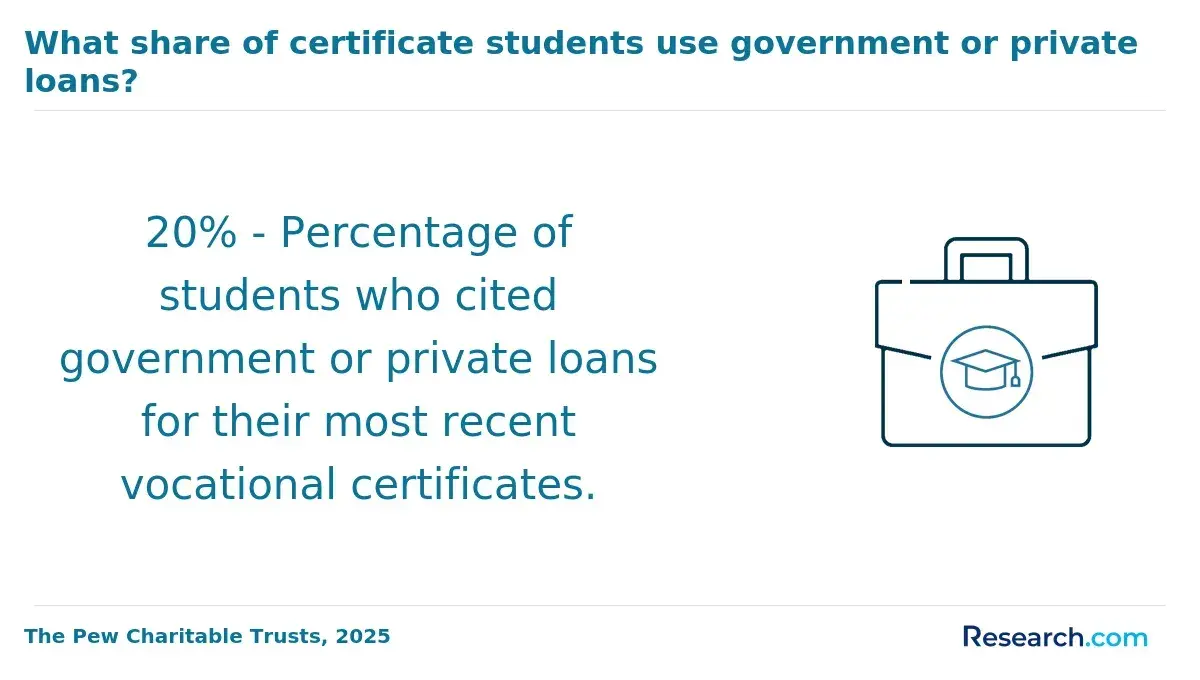
- Funding Sources: Scholarships, fellowships, graduate assistantships, and employer tuition reimbursements are common ways to reduce costs. Federal student loans remain a widely used resource but should be managed carefully.
- Debt Reduction Tactics: Prioritizing in-state public schools, applying early for merit-based aid, and seeking teaching or research assistantships can significantly lower debt. Negotiating waivers and departmental awards also help ease financial burdens.
- Return on Investment (ROI) Considerations: Comparing the total investment to expected salaries helps gauge if a program aligns with career goals. Different specializations yield varied earning potential, so assessing labor market trends is vital before committing.
One graduate I spoke with recalled the balancing act of financing their international relations master's degree while working part-time. They described applying to several assistantships and scholarships as "time-consuming but essential," noting the relief when securing a fellowship that covered much of their tuition. Despite the initial stress, the degree opened new career doors and justified the financial effort, offering greater job satisfaction and salary growth over time.
How Long Does It Take to Earn a International Relations Master's Degree?
When considering the average program duration for international relations master's degrees in the US, understanding how long it takes to complete the degree under various enrollment options is crucial for managing expectations and planning. The timeline can vary widely based on student status, program structure, and additional requirements. Below are key factors that influence the time needed to earn a master's in international relations.
- Full-Time Enrollment: Most full-time students finish an international relations master's degree within 1.5 to 2 years. This assumes a consistent course load each semester and may include completing a thesis or capstone project depending on the program.
- Part-Time and Online Programs: Part-time and online students generally take between 3 to 4 years to complete their degree. These formats offer flexibility to accommodate work or personal commitments but extend the timeline due to lighter course loads.
- Accelerated Programs: Some institutions provide accelerated options that enable completion in less than 18 months, compressing coursework and minimizing breaks. These programs suit motivated students who can handle intensive study schedules.
- Combined Bachelor's/Master's Pathways: Dual degree pathways allow students to start graduate coursework during undergraduate studies, often reducing total program length by up to a year.
- Transfer Credits: Utilizing transfer credits from prior graduate or related coursework can shorten the duration by decreasing the number of required courses.
- Thesis vs. Non-Thesis Tracks: Choosing a thesis track may extend completion by an additional semester due to research and writing demands, while non-thesis tracks focus primarily on coursework and practical applications.
- Internship or Practicum Requirements: Programs with mandatory internships or practicum experiences may add time depending on the length and scheduling of these placements.
Prospective students weighing the financial aspects alongside program length might also explore funding options; resources listing the cheapest online business management degree highlight affordable education pathways in related fields.
What Career Paths Are Available with a International Relations Master's Degree?
A master's degree in international relations prepares graduates for a variety of career options across multiple sectors, reflecting the degree's versatility. This overview outlines key professional trajectories and highlights opportunities available to those holding this advanced qualification.
- Government Roles: Graduates often find positions in diplomatic services, intelligence, policy advising, and international negotiations. Agencies like the U.S. Department of State and multilateral organizations seek professionals experienced in global affairs.
- Nonprofit Sector: Careers include managing international aid programs, advocating for human rights, and supporting environmental initiatives. Roles here blend policy work with on-the-ground program implementation in NGOs and think tanks.
- Private Industry: Skills gained in international relations apply to global business development, risk evaluation, and consultancy targeting cross-border compliance and strategy.
- Academic and Research Fields: Teaching and rigorous analysis characterize this path, typically involving doctoral studies. Graduates contribute to shaping policy debates and advancing scholarly understanding.
- Career Progression: Entry-level jobs often focus on individual contributions, but experience can lead to managerial and executive roles, particularly within international organizations and multinational firms.
When I asked a recent graduate about career opportunities after earning a master's in international relations, they shared how the degree helped navigate a competitive job market. "It wasn't easy landing a role that aligned with my interests initially," they explained, "but the specialized knowledge and networks I built during my studies opened doors I didn't expect." The graduate emphasized how coursework involving practical simulations and policy analysis made interviews and early assignments much more manageable, smoothing the transition into government and nonprofit sectors. "The degree wasn't just a credential; it was a toolkit that made uncertainties during the job hunt less daunting."
What Is the Average Salary for International Relations Master's Degree Holders?
Salaries for professionals with a master's degree in international relations vary widely based on experience, location, and sector. Several factors influence these earnings, including the type of employer and geographic region. Below are key points summarizing typical salary ranges and compensation elements for these graduates:
- Entry-Level Salary Range: Those new to the field typically earn between $50,000 and $65,000 annually. Common initial roles include policy analyst or program coordinator positions within government agencies, NGOs, or think tanks, with compensation data supported by sources like the Bureau of Labor Statistics and PayScale.
- Mid-Career Earnings: Professionals with five to ten years of experience usually see salaries from $70,000 to $90,000. Locations in major metropolitan areas and private consulting firms often offer higher wages due to demand for specialized expertise in diplomacy, security, or economic policy.
- Senior-Level Compensation: Individuals in senior roles such as directors or senior policy advisors generally make between $90,000 and $130,000. Positions at international organizations or federal agencies may include bonuses and performance-related incentives, boosting overall earnings.
- Degree Salary Premium: Holding a master's degree tends to increase income by 15% to 25% compared with those who have only a bachelor's degree. This boost reflects enhanced analytical skills, subject matter knowledge, and eligibility for advanced leadership roles.
- Other Compensation Factors: Total pay packages often incorporate bonuses, health and retirement benefits, and for some private sector jobs, equity or profit-sharing. Public sector roles usually provide more stable benefits, while geographic cost-of-living and employer reputation also affect compensation levels.
What Professional Certifications Complement a International Relations Master's Degree?
Professional certifications significantly enhance the credentials of international relations master's graduates, boosting both expertise and employability in competitive fields. Strategic timing is important; obtaining certifications during or shortly after completing the master's degree maximizes synergy between academic learning and professional skills. Below is an overview of widely recognized certifications that best complement an international relations career, along with key details about each credential.
Consider the following important professional certifications for international relations master's graduates:
- Certified International Trade Professional (CITP): Awarded by the Forum for International Trade Training (FITT), the CITP requires relevant work experience and passing exams on global business, trade regulations, and market entry strategies. It is highly valued for roles in trade consultancy, export management, and international business development. Renewal occurs every three years through continuing education.
- Project Management Professional (PMP): Offered by the Project Management Institute (PMI), the PMP credential demands a mix of education and project management experience plus a rigorous exam covering project lifecycle stages. PMP certification is sought after in leadership positions managing global development projects, policy initiatives, and nonprofit programs, with a three-year renewal requiring professional development units.
- Certified Public Manager (CPM): This credential, available through various state programs, focuses on public sector leadership skills. It suits candidates targeting government or international agencies, usually involving coursework and a capstone project. Each program sets its own renewal criteria.
Professional certifications add measurable value when pursuing a successful international relations career, especially when aligned with specific goals and current market demand. Early certification can open doors to internships or entry-level roles, while post-master's certifications strengthen qualifications for mid-career advancement. For those considering foundational education in various fields, a comparison of associate degrees may provide additional context on educational pathways.
What Are the Top Industries Hiring International Relations Master's Degree Graduates?
For prospective students pursuing a master's degree in international relations, understanding which industries most actively hire graduates helps align career goals with market demand. This knowledge also highlights essential skills and certifications that enhance employability in various sectors. Below is a breakdown of the leading employers and emerging fields where international relations expertise is increasingly valuable.
- Government Agencies: The largest employer group includes local, state, and federal government bodies, such as foreign affairs ministries and defense departments. Common roles include policy analysts, diplomatic officers, and intelligence specialists, with proficiency in foreign languages, geopolitical analysis, and public policy considered critical.
- International Organizations and NGOs: Humanitarian aid, development, and human rights advocacy roles dominate here. Candidates with project management certifications like PMP or skills in conflict resolution are often preferred, as strong cross-cultural communication is vital.
- Private Sector Corporations: Multinational companies and consulting firms increasingly seek professionals for tasks involving international trade compliance, corporate social responsibility, and market analysis. Expertise in data analytics and international law boosts hiring prospects in this competitive arena.
- Emerging Sectors: Fields such as cybersecurity and environmental policy are rapidly expanding due to advances in technology and global regulatory shifts. These roles demand combined technical knowledge and familiarity with international legal frameworks.
- Strategies for Industry Entry: Targeted internships and coursework tailored to specific regions or issues improve readiness. Networking through industry conferences and alumni associations further facilitates access to preferred career paths.
What Are the Highest-Paying Jobs for International Relations Master's Degree Holders?
For those pursuing a master's degree in international relations, understanding the highest-paying career options helps align academic efforts with financial and professional goals. Salary levels for these roles vary based on factors like geographic location, employer type, experience, and additional qualifications such as certifications or doctoral degrees. Below are some of the most lucrative positions commonly available to international relations graduates.
- Diplomat or Foreign Service Officer: These officials manage diplomatic missions abroad, facilitate international negotiations, and support their country's foreign policy objectives. Salaries typically range between $70,000 and $120,000, influenced by rank and tenure. Essential skills include negotiation, foreign languages, and cultural adaptability. Government institutions like the U.S. Department of State generally employ these professionals.
- International Trade Specialist: Responsible for overseeing global trade regulations and policies, these specialists earn between $65,000 and $110,000. Expertise in economics, legal frameworks, and trade compliance is crucial. Employers span government trade agencies, multinational firms, and organizations such as the World Trade Organization.
- Policy Analyst or Advisor: These professionals evaluate international policies and provide strategic recommendations to governments or NGOs. Median incomes range from $60,000 to $100,000, often increasing with advanced degrees or certifications. Strong analytical, research, and communication skills are vital, with common workplaces including think tanks, government bodies, and nonprofit organizations.
- Intelligence Analyst: Tasked with monitoring global security threats and geopolitical shifts, intelligence analysts earn between $70,000 and $120,000, often contingent on security clearances. They require acute analytical abilities, discretion, and experience handling classified information. Employment typically occurs within government intelligence agencies and defense contractors.
- International Development Manager: These managers lead projects to foster economic and social progress worldwide, with salaries commonly from $65,000 to $115,000. Proficiency in project management, fundraising, and intercultural communication is pivotal. NGOs, the United Nations, and development banks are key employers.
What Is the Job Outlook and Employment Growth for International Relations Professionals?
Steady employment growth and positive career prospects characterize fields commonly pursued by international relations master's graduates. For prospective students weighing the value of this degree, understanding job outlook and employment growth for international relations professionals in the United States is essential to making informed decisions about their career growth and salary trends. The following factors highlight key influences shaping this field's future.
- Employment Growth Rates: According to the U.S. Bureau of Labor Statistics, occupations such as political scientists, foreign service officers, and policy analysts are projected to grow at rates near or slightly above the national average of 5% from 2022 to 2032, reflecting steady demand in the field.
- Globalization's Role: Increasing globalization drives the need for skilled professionals capable of navigating complex diplomatic and economic relationships, directly fueling career growth and salary trends for international relations master's graduates.
- Technological Advances: Innovations in data analytics and communication tools reshape how international relations professionals perform their roles, enhancing efficiency and requiring ongoing skills development to keep pace.
- Policy and Geopolitical Factors: Shifts in policy and global politics influence job availability, especially within government and international organizations, affecting supply and demand dynamics in related careers.
- Limited Automation Risk: While automation may impact administrative tasks, the specialized expertise required in international relations careers limits automation's risk to core professional roles over the next decade.
For those exploring educational options, comparing online versus on-campus degrees and understanding costs is critical. Resources like the best online schools provide valuable guidance on accredited online programs suitable for diverse student needs.
What Skills and Competencies Does a International Relations Master's Program Develop?
For prospective international relations master's students, understanding the essential skills developed through the program is vital for assessing career fit and growth potential. These competencies combine technical expertise and interpersonal abilities, both widely sought by employers across sectors.
- Technical Proficiency: Students gain expertise in research methodologies, statistical analysis, and data interpretation, often using software tools like GIS and specialized analytics programs. This foundation supports objective policy evaluation and rigorous data-driven decision-making.
- Analytical and Writing Skills: Mastery in qualitative analysis and report composition sharpens critical thinking and enables clear, persuasive communication of complex ideas. These capabilities are fundamental for strategic planning and effective policy recommendations.
- Leadership and Communication: Developing strong leadership qualities, negotiation tactics, and cultural sensitivity allows graduates to excel in diverse, global teams and diplomacy-oriented roles.
- Adaptability and Problem-Solving: The program fosters critical thinking and ethical judgment, preparing students to address intricate international challenges with innovative solutions and sound reasoning.
- Experiential Learning Integration: Hands-on components such as internships, diplomatic negotiation simulations, case studies, and collaborative projects reinforce academic knowledge by providing practical application in real-world contexts.
- Career Versatility: These hard and soft skills are transferable beyond government or diplomacy, opening pathways in international business, nonprofit sectors, policy analysis, and other industries requiring global competence.
- Employer Priorities: Hiring managers consistently emphasize problem-solving, cross-cultural awareness, effective communication, and ethical decision-making as key indicators of candidate readiness and potential impact.
What Graduates Say About Their International Relations Master's Degree
- Eddie: "Applying for admission to an online international relations master's program was initially daunting, but focusing on accredited institutions helped me streamline my choices effectively. I relied heavily on official academic catalogs that clearly outlined the curriculum, which made it easier to understand exactly what would be expected of me. The whole process taught me the importance of thorough research and patience throughout the application journey."
- Sage: "My experience navigating the landscape of online international relations programs was truly eye-opening. I made it a priority to verify each school's accreditation through federal education resources, which ensured my degree would hold value in the workforce. Reflecting on my studies, I appreciate how meticulously the program requirements were detailed, helping me strike a good balance between academics and my personal commitments."
- John: "Choosing the right international relations master's degree required careful attention to accrediting agencies and official academic documents, as these were key in understanding the legitimacy and scope of each program. I approached the process professionally, weighing each program's strengths against my career goals. Ultimately, this methodical approach gave me confidence that I was investing in a degree that would open doors globally."
Other Things You Should Know About International Relations Degrees
A master's degree in international relations generally increases earning potential compared to a bachelor's degree, especially in mid to senior-level roles within government agencies, international organizations, and global businesses. Salaries tend to rise as graduates gain experience, with many advancing into policy advisory, diplomatic service, or strategic analysis positions that offer higher compensation over time.
Both online and on-campus international relations master's programs have merits. Online programs offer flexibility for working professionals and those balancing other commitments, while on-campus programs often provide more in-person networking opportunities and direct engagement with faculty. The choice depends on personal circumstances and learning preferences, but credibility and curriculum quality should be primary factors.
In 2027, top careers with an International Relations Master's Degree may include roles like Foreign Service Officer, Policy Analyst, or International Development Consultant. Salaries vary: Foreign Service Officers earn about $72,000, while Policy Analysts average $68,000 annually.
The degree is worthwhile for those seeking careers in diplomacy, international development, global policy, or intelligence analysis, as it provides specialized knowledge and valuable professional connections. However, prospective students should consider the cost of the program, potential scholarships, and the competitive nature of the field before enrolling. The return on investment varies based on individual career paths and geographic location.
References
- Top jobs with one of our politics and international relations degrees https://www.surrey.ac.uk/news/top-jobs-one-our-politics-and-international-relations-degrees
- International Relations Salary and Career Paths https://teach.com/online-ed/government-degrees/online-masters-international-relations-business/salary-and-career-outlook/
- Essential Skills for a Career in International Relations https://online.norwich.edu/essential-skills-career-international-relations
- Master Program International Relations - Global Studies - Instytut Studiów Międzynarodowych i Bezpieczeństwa https://ismb.uwr.edu.pl/kandydaci/kierunki/master-program-international-relations-global-studies/
- 10 Highest Paying International Relations Jobs 2025 (Inc Salaries) | Nexford University https://www.nexford.edu/insights/highest-paying-international-relations-jobs
- 10 career paths with a degree in international relations https://www.cmich.edu/blog/all-things-higher-ed/10-career-paths-with-a-degree-in-international-relations
- Master of Arts in International Relations https://www.ceu.edu/academics/degrees/ma-international-relations-1-year
- What you can do with a degree in... international relations https://www.unifrog.org/know-how/what-you-can-do-with-a-degree-in-international-relations
- What Can You Do With An International Relations Degree? https://www.immerse.education/career-exploration/international-relations/careers-in-international-relations/
- Master of International Relations - Study - The University of Queensland https://study.uq.edu.au/study-options/programs/master-international-relations-5641