
2027 What Classes Are in an Online Engineering Management Bachelor's Degree?

Co-Founder and Chief Data Scientist
Choosing the right online engineering management bachelor's degree can feel overwhelming-working adults and career changers often struggle to know which courses align with their goals. Approximately 65% of students in online engineering management programs value clear curriculum paths to weigh their options effectively. These degrees typically blend core engineering principles with management skills, covering topics that build leadership, project oversight, and technical expertise. Understanding this course structure is critical for transfer students ensuring prior credits fit and for those aiming at licensure or advanced roles. This article breaks down the typical classes in an online engineering management bachelor's program to help readers make informed decisions.
Key Things to Know About the Classes in an Online Engineering Management Bachelor's Degree
- Core curriculum courses cover math, physics, and general business principles, ensuring students have a solid foundation applicable across engineering sectors.
- Major-specific courses focus on project management, quality control, and systems engineering to develop leadership skills tailored to technical environments.
- Capstone courses integrate research and practical applications-often requiring collaboration on real-world engineering challenges or strategic management simulations.
What Core Curriculum Courses Are Required in an Online Engineering Management Bachelor's Degree?
Foundational required courses in an online engineering management bachelor's degree provide core knowledge and skills essential to managing technical projects and leading teams. Most accredited programs, including those at flagship state universities and established online providers, align closely on these foundational requirements to build a solid base for advanced learning and career readiness.
- Introduction to Engineering Management: This course introduces key principles such as project planning, resource allocation, risk assessment, and communication-skills needed to coordinate complex engineering efforts effectively.
- Project Management: Emphasizing methodologies like Agile and Waterfall, students learn to organize, execute, and monitor projects to meet deadlines, budgets, and technical requirements crucial in engineering settings.
- Engineering Economics: This class covers cost analysis, budgeting, and economic decision-making, enabling students to evaluate financial impacts and optimize resources in engineering projects.
- Systems Engineering: Students study the design and management of complex systems, including system life cycles and integration, preparing them to oversee projects from start to finish efficiently.
- Operations Management: Focusing on production processes, quality control, and supply chain logistics, this course enhances students' ability to improve operational efficiency in technical environments.
- Technical Communication: Effective communication skills are developed through training in report writing, presentations, and stakeholder collaboration-essential for engineering managers.
- Mathematics and Sciences: Core courses in calculus, statistics, and physics support the analytical and problem-solving skills students need throughout their studies and careers.
- Capstone or Practicum Experience: Most programs require a final project or internship where students apply their knowledge to real-world challenges, demonstrating their professional readiness.
Required courses in online engineering management degree programs often reflect the core curriculum for online engineering management bachelor's degree paths, though some variation in titles and focus may occur by institution. Transfer students should carefully evaluate how existing credits align, especially when seeking specialization or licensure preparation. Working adults will appreciate how these programs integrate foundational education with practical skills to fit diverse schedules and professional goals.
For those exploring broader options in graduate education, including affordable pathways, reviewing cheap doctoral programs can provide valuable insight into cost-effective advancement opportunities beyond the bachelor's level.
What General Education Requirements Are Part of an Online Engineering Management Bachelor's Degree?
An online engineering management bachelor degree typically requires completion of general education (gen ed) courses that build a strong academic foundation across disciplines such as humanities, social sciences, natural sciences, mathematics, and communications. These regional general education courses for engineering management degree programs are mandated by accreditors like SACSCOC (Southern Association of Colleges and Schools Commission on Colleges) and HLC (Higher Learning Commission). Such requirements ensure students gain critical thinking, ethical reasoning, and communication skills essential for professional success beyond technical competence.
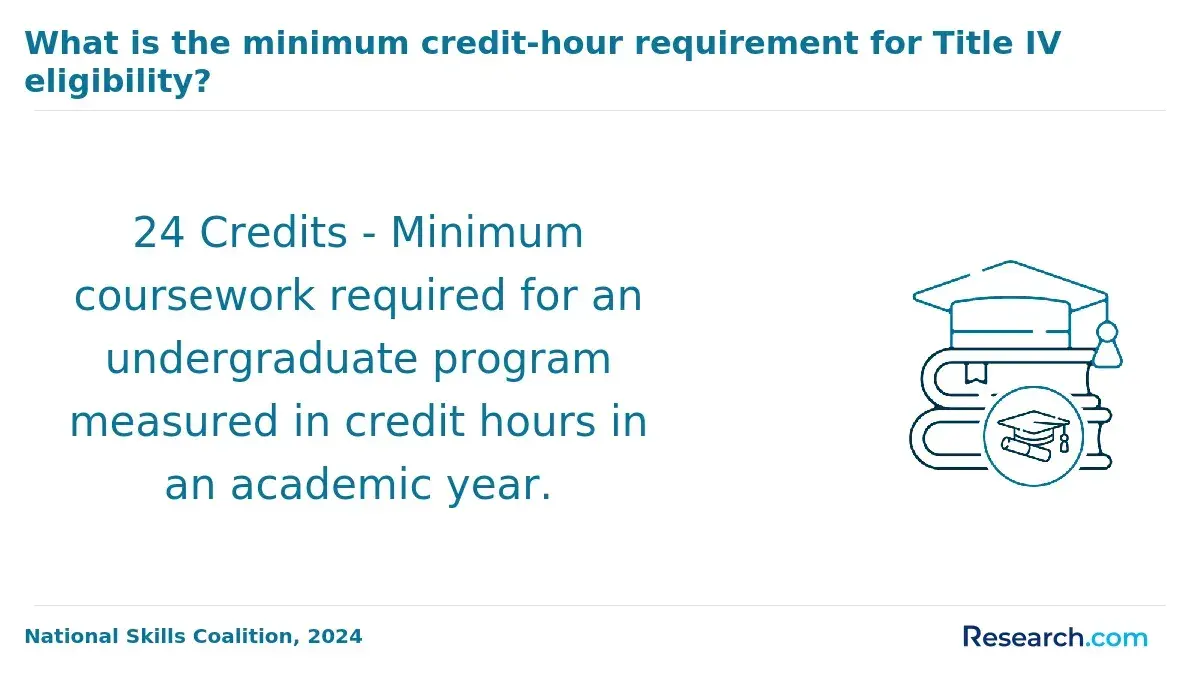
Generally, gen ed coursework represents about 30 to 40 credit hours within the standard 120-credit curriculum. The remaining credits focus on major-specific and elective courses addressing core engineering management knowledge. Though some may view these gen ed courses as peripheral, they cultivate transferable skills that employers highly value in leadership and complex problem-solving roles. For working adults balancing responsibilities, the online delivery of gen ed classes offers convenient pace and access, allowing exploration of broader concepts complementing technical training.
- Balanced Curriculum: Courses span multiple fields to foster intellectual flexibility and interdisciplinary understanding, equipping students with a well-rounded education.
- Accreditation Standards: Regional accreditors require gen ed components to uphold academic rigor and ensure credits are transferable between institutions.
- Credit Hour Distribution: Typically comprising 25% to 33% of total degree hours, gen ed courses provide foundational skills alongside specialized engineering management studies.
- Transferable Skills: Emphasis on writing, critical thinking, and interpersonal communication prepares students for diverse workplace challenges and roles.
- Accessibility for Non-Traditional Students: Flexible, online gen ed coursework supports working adults and career changers in completing foundational requirements without disrupting professional commitments.
Readers interested in expanding their qualifications may also explore related fields such as a masters in psychology, which can complement technical expertise with insights into human behavior and organizational dynamics useful in management positions.
What Are the Major-Specific Courses That Define an Online Engineering Management Bachelor's Degree?
The core courses in an online Engineering management bachelor's degree establish essential skills for leading technical teams and managing engineering projects. These classes build on general education and basic engineering principles, moving students toward advanced management abilities needed for higher-level coursework and capstone projects.
- Project Management for Engineers: Teaches scheduling, budgeting, risk management, and resource planning tailored for engineering projects. It incorporates methods aligned with the Project Management Institute's (PMI) standards to ensure industry applicability.
- Engineering Economics: Focuses on cost analysis, financial decision-making, and economic evaluation of technical projects, helping students assess feasibility and long-term value.
- Systems Engineering and Integration: Covers designing and coordinating complex engineering systems through systems thinking, requirements analysis, and integration strategies critical for multidisciplinary collaboration.
- Quality Control and Assurance: Introduces quality management practices, including Six Sigma and ISO standards, to maintain high product and process standards in various industries.
- Leadership and Organizational Behavior: Examines leadership theories, team dynamics, and communication skills necessary to manage engineering personnel and foster productive workplace environments.
- Legal and Ethical Issues in Engineering: Addresses regulatory compliance, intellectual property, and ethical practices relevant to engineering professions and licensure.
- Research Methods and Data Analysis: Equips students with empirical research techniques and statistical analysis tools, providing a foundation for evidence-based decisions and capstone project success.
These courses align with professional standards from organizations like the American Society for Engineering Management (ASEM), emphasizing hands-on skills essential for industry-ready graduates. By completing these required courses, students balance practical knowledge with the flexibility of online learning.
A professional who completed an online engineering management bachelor's shared how juggling work, family, and coursework required constant discipline. He mentioned, "Balancing deadlines was tough, especially while managing a team at my job, but the project management course taught me techniques that I immediately applied at work." He appreciated how the research methods class improved his confidence in data analysis, helping him lead a successful process improvement project. Reflecting on the experience, he noted the program's practical focus prepared him to transition smoothly into management roles without missing a professional beat.
What Elective Courses Can Online Engineering Management Bachelor's Students Choose to Personalize Their Degree?
Online engineering management bachelor's programs generally offer 12 to 18 credit hours for elective courses, which provide students the opportunity to personalize their studies according to their career aspirations or interests. These electives can help students deepen knowledge in targeted areas, address skill gaps, or explore innovative subjects complementary to core engineering management education.
- Specialization: Electives often include topics like quality assurance, systems engineering, supply chain management, or operations research. Courses such as "Lean Six Sigma Principles" and "Advanced Project Scheduling" offer specialized expertise that enhances leadership capabilities in technical environments.
- Graduate Preparation: Some students select electives that fulfill prerequisites for advanced degrees by covering subjects like advanced mathematics, statistics, or research methodologies. Typical classes are "Statistical Data Analysis" and "Engineering Economics," which strengthen foundational skills for master's studies or certifications.
- Complementary Skills: Many elective catalogs feature courses on leadership, finance, communication, or IT to develop well-rounded professionals. Examples include "Technical Writing for Engineers" and "Negotiation and Conflict Resolution," essential for roles demanding strong interpersonal and financial management abilities.
- Emerging Technologies: To stay current, students might choose electives addressing new industry trends such as "Cybersecurity Fundamentals," "Data Analytics for Engineers," or "Sustainable Engineering Practices."
Engaging academic advisors early is crucial for aligning elective choices with both short-term employment and long-term academic goals. Advisors help ensure electives satisfy transfer requirements, support specialization efforts, and correspond to licensure or certification needs. Prospective students exploring elective courses for online engineering management bachelor's degree personalization should consider this guidance carefully, especially if planning to transition careers or MFT programs.
Are There Laboratory, Clinical, or Hands-On Components in an Online Engineering Management Bachelor's Degree?
Accredited online engineering management bachelor's degrees often integrate practical experiences to meet standards set by organizations like ABET, which emphasize experiential learning. These requirements vary with delivery format-fully online programs typically adapt by using alternatives to traditional in-person labs, while hybrid models may ask for occasional attendance on campus or approved local sites.
- Virtual Simulations: Some universities employ advanced software that mimics lab settings, enabling students to engage in engineering management exercises remotely.
- Industry Projects: Many programs assign capstone projects or industry-partnered case studies, allowing hands-on problem solving without needing physical presence.
- Local Partnerships: Certain schools coordinate with regional companies or facilities where students can complete internships or practical assignments within their communities, reducing travel demands.
Prospective students should clarify with admissions or academic advisors how and when hands-on components occur, as some may require limited, scheduled in-person sessions that could affect work or personal schedules.
One professional who completed an online engineering management bachelor's recalled that while initially concerned about missing traditional lab sessions, she found the virtual labs and project work highly effective. She described the process as "challenging but rewarding," appreciating how simulations and real-world case studies fostered critical thinking without disrupting her full-time job. She emphasized the importance of proactive time management during periods when occasional local meetings or presentations were required, but overall felt well-prepared for her career due to the program's applied focus and flexible structure.
What Capstone or Culminating Courses Are Required in an Online Engineering Management Bachelor's Degree?
Most online engineering management bachelor's degree programs require a final integrative experience that synthesizes learning across the curriculum. This capstone usually takes the form of a senior project, comprehensive exam, portfolio, or thesis and demonstrates students' ability to apply concepts from areas like project management, systems engineering, finance, and leadership.
Integration: The capstone blends technical expertise with managerial strategies to address complex engineering challenges. Students engage in data analysis, solution development, and communication through written reports and presentations.
Faculty and Industry Mentorship: Programs often assign faculty advisors to support topic selection and project execution. Some also involve industry professionals who provide practical insights and feedback, bridging academic work with real-world applications.
Evaluation: Assessment typically includes multiple components such as project deliverables, presentations, and peer or mentor reviews, ensuring evaluation of both technical skills and communication abilities.
Credit Hours: These culminating courses commonly carry 3 to 6 credit hours, reflecting the significant investment required to complete the project and its importance within the degree.
Early Planning: Prospective students benefit from selecting topics and gathering relevant information early in their final year to allow time for research, iteration, and feedback, improving overall outcomes.
Examples: One university's capstone involves crafting a detailed project proposal and implementation plan evaluated by a faculty committee. Another requires a digital portfolio that highlights problem-solving and leadership skills demonstrated through simulated or practical experiences.
Recent Trend: According to the National Center for Education Statistics, over 70% of online bachelor's degree programs in engineering fields include a capstone or similar comprehensive experience, highlighting its role in preparing students for professional careers.
How Are Internships or Practicum Experiences Integrated Into an Online Engineering Management Bachelor's Degree?
Internships, practicums, co-op placements, and fieldwork are vital experiential components in online Engineering Management bachelor's programs. These real-world experiences connect theoretical coursework to practical application and are often structured as either mandatory or optional, depending on the program's design. Accredited institutions commonly develop broad employer partnership networks nationwide to assist online students in obtaining relevant professional placements near their homes. When such partnerships are unavailable locally, students may propose suitable alternatives for approval, ensuring flexibility for diverse geographic locations and personal circumstances.
Supervision typically involves a collaboration between university-appointed faculty and workplace mentors who monitor the student's progress. Standard documentation includes work logs, reflective journals, and formal evaluations to verify achievement of learning objectives and maintain academic integrity in a remote setting. This structured oversight supports a rigorous educational experience despite physical distance.
A frequently voiced concern among online students is securing competitive internships without on-campus resources. Effective strategies to overcome this include engaging with professional associations, attending virtual career fairs, optimizing LinkedIn profiles, and sending customized applications to potential employers. Emphasizing communication, time management, and adaptability enhances a candidate's appeal in remote or hybrid work environments.
According to data from the National Association of Colleges and Employers, 64% of employers view internship experience as essential for roles related to Engineering Management, underscoring the importance of integrating these placements into online degree programs.
- Mandatory and Optional Placements: Programs may require internships or practicums or offer flexible options to accommodate working adults and transfer students while ensuring industry exposure.
- Local and National Networks: Employer partnerships span regions, helping students find relevant placements nearby or approve local organizations.
- Supervision and Documentation: Faculty and workplace mentors coordinate with structured logs and evaluations to meet learning goals.
- Competitive Placement Strategies: Networking online, attending virtual career events, and developing soft skills help students secure strong placements.
- Industry Demand: Employer data confirms that internships significantly improve job prospects in Engineering Management careers.
What Research Methods or Statistics Courses Are Required for an Online Engineering Management Bachelor's Degree?
Online engineering management research methods courses commonly include foundational statistics and more advanced research design classes that develop critical analytical abilities. Students learn descriptive and inferential statistics, probability, and how to interpret variability-essential skills for data-driven decision-making within engineering contexts. Programs typically cover how to formulate research questions, conduct literature reviews, and design surveys or experiments. Proficiency with industry-standard software like SPSS, R, and Excel is often required, enabling students to manage large datasets, perform complex analyses, and clearly communicate their findings. These competencies are highly valued by employers and needed for further graduate study.
Prerequisites usually consist of introductory math or algebra topics to ensure students have adequate quantitative reasoning skills before tackling statistics or research methods courses. Many programs offer flexibility, allowing students to fulfill these requirements by choosing from multiple statistics or research courses tailored to their background and goals. This adaptability is important for transfer students or those shifting careers who want to align coursework with professional licensing or target roles.
Students concerned about challenging quantitative components can access support services commonly offered by online engineering management programs. Tutoring, writing centers, and statistical consulting help learners overcome difficulties related to research methods or statistics, fostering successful outcomes despite the remote format. Those exploring pathways like the best online MBA under 35k should consider how research and statistics content integrates with their academic and career objectives.
- Quantitative Foundations: Courses emphasize essential statistics and research methodologies, strengthening data interpretation and critical thinking skills needed for management.
- Software Proficiency: Hands-on training with SPSS, Excel, and R equips students to analyze engineering data and present actionable results.
- Flexible Course Options: Many programs allow selection among multiple research methods or statistics classes, supporting transfer credits and tailored learning.
- Prerequisite Math Knowledge: Algebra or basic math requirements prepare students to tackle quantitative coursework confidently.
- Student Support Services: Online tutoring and statistical consulting provide vital assistance to help students master research and statistics material.
How Do Online Engineering Management Bachelor's Programs Sequence Courses From Introductory to Advanced Levels?
Online engineering management bachelor's programs sequence courses to build learners' competencies progressively-from 100-level introductory courses to advanced 400-level seminars. Early coursework typically covers fundamental topics like engineering principles, mathematics, and management basics. As students progress to 200- and 300-level classes, they encounter specialized subjects such as project management, quality control, and systems engineering. Upper-division seminars emphasize strategic decision-making, leadership, and capstone projects, integrating interdisciplinary skills and preparing students for complex challenges in their careers. This structured course progression ensures students develop expertise in a logical order while accommodating different learning paces and styles.
This progression is governed by prerequisite chains, which require students to complete foundational courses before advancing to higher-level ones. For example, foundational math and engineering courses must be finished before enrolling in technical leadership or process optimization classes. Academic advisors play a vital role in crafting personalized plans that respect these sequencing rules. They help students design four-year or accelerated tracks that fit work schedules and family commitments. Transfer students, part-time learners, and those with prior credits receive tailored sequencing advice to align their previous learning with program requirements effectively.
A representative sequence begins with Fundamentals of Engineering and Calculus I in the first semester. The second year may include courses like Engineering Economics and Project Management. Specialized classes such as Advanced Systems Analysis and Risk Management are often reserved for the third year. The final year features a senior capstone and leadership seminar, blending general education, core courses, and experiential learning strategically to prepare graduates for leadership roles. This sequence balances professional skills with academic rigor, making programs appealing for working adults and career changers alike, especially when selecting a non profit online university.
- Structured Course Progression: Programs guide students from introductory to advanced topics, supporting skill development in a logical, cumulative manner essential for success in engineering management degree programs.
- Prerequisite Enforcement: Prerequisites build a solid knowledge foundation, ensuring students grasp essential concepts before tackling complex subjects, which benefits overall learning outcomes.
- Advisor Support: Academic advisors help create flexible, individualized plans that accommodate paced study, transfers, and prior credits, ensuring timely progression and degree completion.
- Representative Sequencing: Typical semester plans show balanced growth, moving from fundamentals through specialization to senior capstone projects, illustrating how course progression prepares graduates for industry leadership.
- Flexible Pathways: Transfer and part-time students receive customized sequencing guidance that incorporates their previous academic and professional experience, making the sequence adaptable to diverse student needs.
Are There Technology or Software-Specific Courses in an Online Engineering Management Bachelor's Degree?
Online engineering management bachelor's programs integrate coursework centered on the essential digital tools and technologies shaping the industry. Mastery of these platforms is achieved through practical assignments, case studies, and virtual simulations that mirror real engineering challenges. Students typically gain access to required software via institutional licenses or provided trial versions, minimizing extra costs.
- Project Management Software: Training involves familiarizing students with applications like Microsoft Project and Primavera, essential for planning, tracking, and managing engineering projects with precision.
- Computer-Aided Design (CAD): Some courses introduce CAD systems such as AutoCAD and SolidWorks, equipping students to engage in design workflows and collaborate effectively with engineering teams.
- Data Analysis and Systems: Coursework often incorporates tools like MATLAB and Excel, enabling learners to conduct data modeling, simulations, and informed decision-making relevant to engineering operations.
- Enterprise Resource Planning (ERP) Systems: Exposure to platforms like SAP and Oracle provides an understanding of integrating engineering management with broader business functions, including supply chain and resource planning.
Programs continually revise their technology components to reflect evolving industry demands-currently, 82% of engineering firms emphasize digital competence as a must-have skill for new hires. Prospective students should inquire about software needs, licensing fees, and available technical support to ensure they can navigate course requirements smoothly while preparing for career success.
What Ethics or Diversity Courses Are Typically Required in an Online Engineering Management Bachelor's Degree?
Accredited online engineering management bachelor's programs integrate ethics and diversity education deeply into their curricula, reflecting standards set by bodies like the American Society for Engineering Management (ASEM) and ABET. These standards highlight that ethical judgment and cultural competency are fundamental professional skills, essential for leadership roles in diverse engineering environments.
- Engineering Ethics: Courses cover professional codes of ethics, conflict of interest, whistleblowing, and responsible decision-making relevant to engineering projects. Students develop critical thinking and ethical reasoning skills to manage dilemmas involving safety, sustainability, and stakeholder concerns, aligned with industry frameworks.
- Diversity and Inclusion in Engineering: Programs often require or recommend classes emphasizing workplace equity, cultural competence, and combating unconscious bias. The curriculum promotes understanding how diverse teams enhance innovation and organizational effectiveness.
- Social Responsibility and Sustainability: Some courses link engineering management with societal and environmental stewardship, addressing global challenges, sustainable development goals, and legal frameworks related to equity and environmental justice.
- Leadership and Organizational Behavior: These classes embed ethical leadership and equitable management principles, preparing students to cultivate inclusive workplace cultures that prioritize fairness in hiring, team dynamics, and conflict resolution.
Rather than isolated add-ons, these subjects are woven through multiple courses, ensuring students gain holistic competence in ethical and inclusive leadership. This integration meets professional and regulatory expectations and equips graduates for effective management, compliance, and innovation in today's engineering fields.
What Do Graduates Say About Their Classes in an Online Engineering Management Bachelor's Degree
- Apollo: "The flexible online formats truly made balancing work and study manageable for me-each class could be tailored around my busy schedule without a hitch. I appreciated that my previous credits seamlessly transferred, which accelerated my path to graduation. Knowing the courses aligned perfectly with industry standards gave me the confidence to pursue leadership roles in engineering projects. "
- Aldo: "What stood out to me was the program's thorough validation that its coursework meets professional licensure requirements-this was a decisive factor in my enrollment. The structure allowed me to learn at my own pace, which matched my reflective learning style and helped me absorb complex management concepts deeply. Applying my earlier credits towards the degree made the whole process more efficient and less stressful."
- Micah: "Enrolling in the online engineering management program was a strategic choice for my career growth-the convenience fit perfectly with my lifestyle as a working professional. I was impressed by how smoothly my existing academic credits were accepted, reducing redundancy in my studies. The curriculum's focus on qualifying students for key industry roles reassured me that I was investing time in relevant, career-building education."
Other Things You Should Know About Engineering Management Degrees
Transfer credits can reduce the total number of classes a student must complete in an online engineering management program. Typically, general education courses and some prerequisite technical classes are eligible for transfer, depending on their relevance and accreditation. However, core engineering management courses and specialized classes may need to be taken at the enrolling institution to meet degree requirements and ensure consistency in learning outcomes.
Courses in project management, systems engineering, and engineering economics often present significant challenges due to their technical complexity and need for analytical skills. Students should prepare by strengthening their quantitative reasoning and time management abilities. Consistent engagement with course materials and practical application through case studies or simulations can also improve mastery of these demanding subjects.
Concentrations or specializations typically add focused coursework aligned with particular industries or skills, such as supply chain management or quality assurance. These electives replace or supplement general technical electives, allowing students to tailor their degree to specific career goals. This customization ensures that graduates possess both foundational engineering management knowledge and expertise in a targeted area.
References
- Engineering Management Degrees: Bachelors, Associate & Online Info https://learningpath.org/articles/Engineering_Management_Degrees_Bachelors_Associate_Online_Info.html
- Courses & Program Options https://engineering.dartmouth.edu/mem/program-options
- BSc (Hons)Engineering Management BSc (Hons)Engineering Management https://www.lincoln.ac.uk/course/engmdlub/
- Why Pursue an Online Engineering Management Degree? https://engineeringmanagement.org/online-engineering-management-degree/
- 2026 Best Online Bachelors in Engineering Management https://www.mydegreeguide.com/online-bachelors-in-engineering-management/
- Curriculum https://www.uagrantham.edu/online-degrees/engineering-management-technology-bachelors/curriculum/
- Innovation, Product & Engineering Management https://fh-ooe.at/en/degree-programs/innovation-product-engineering-management-bachelor
- How Do You Study Engineering Online Without Access To A Lab? - GradSchoolHub.com https://www.gradschoolhub.com/faqs/how-do-you-study-engineering-online-without-access-to-a-lab/
- How to Get an Engineering Internship - Electrical, Mechanical, and More https://www.onlineengineeringprograms.com/features/engineering-internship-guide
- Online Engineering Management Degree | Explore Your Options https://www.learnhowtobecome.org/best-online-bachelors-in-engineering-management-degree-programs/


