
2027 What Job Postings Reveal About Art Education Careers: Skills, Degrees, and Experience Employers Want

Co-Founder and Chief Data Scientist
What do employers really seek when filling Art Education positions? Recent graduates and career changers alike often find job postings laden with requirements that can seem overwhelming or unclear. For example, the U. S. Bureau of Labor Statistics projects a 4% employment growth for Art Education teachers over the next decade, reflecting steady demand but growing competition. Commonly, employers prioritize a balance of formal education credentials, practical teaching experience, and proficiency in contemporary art techniques or digital tools. This article explores job listings to uncover the key skills, degrees, and experience that employers value most in Art Education careers, providing clarity to applicants navigating this evolving field.
Key Things to Know About Skills, Degrees, and Experience Employers Want
- Employers prioritize strong communication and curriculum development skills alongside proficiency in contemporary digital art tools in art education job postings.
- Most listings require a bachelor's degree in art education or related fields, with 45% seeking candidates with 3+ years of teaching or internship experience.
- Analyzing postings reveals a trend toward interdisciplinary knowledge and classroom management expertise, guiding students to tailor their training to real-world hiring standards.
What Do Job Postings Say About Art Education Careers?
Job postings for art education careers consistently reflect real-world expectations by emphasizing formal education credentials, such as bachelor's or master's degrees, alongside practical teaching experience. Employers prioritize candidates who demonstrate both subject expertise and the ability to work effectively with diverse student populations.
Communication, adaptability, and technological skills are also frequently highlighted, underlining the importance of integrating digital tools into modern teaching. Notably, a recent analysis found that 68% of art education-related job postings require at least two years of professional teaching experience, signaling a strong preference for candidates with proven classroom capabilities.
Patterns in job postings reveal a steady baseline of required qualifications while also showing variation depending on specific roles and educational settings. Higher education positions often seek advanced degrees and research experience, whereas K-12 roles emphasize certification and practical teaching skills.
Additionally, many postings stress competencies like community engagement and fostering inclusive learning environments, reflecting growing employer interest in social and cultural awareness. This blend of consistent and evolving expectations shapes the profile of successful candidates in the art education field.
What Skills Are Most Requested in Art Education Job Postings?
Job postings in art education often highlight the most in-demand art education skills that employers seek to ensure effective teaching and student engagement. Recent analyses show that over 70% of these listings emphasize creativity and communication, reflecting strong employer demand for these essential qualifications for art education careers across various learning environments.
The following key skills frequently appear in art education job postings:
- Creativity: This skill is crucial for designing original lesson plans and encouraging students' imaginative abilities. Employers value educators who bring flexibility in artistic methods and foster diverse artistic expression, supporting both innovative teaching and student growth.
- Communication: Clear and accessible explanation of artistic concepts is a priority. Effective communication includes providing constructive feedback and attentive listening, creating an inclusive and supportive classroom environment suitable for learners of all ages and backgrounds.
- Classroom Management: Maintaining order and a positive atmosphere is vital for productive learning. Art educators must establish clear expectations and handle challenges fairly and calmly to maximize instructional time and nurture creativity.
- Digital Literacy: Increasingly important in modern education, this skill involves proficiency with digital art tools and virtual teaching platforms. It allows educators to expand their instructional methods and adapt to the evolving landscape of art education.
For students and educators looking to advance their skills while managing costs, exploring FAFSA approved online colleges can provide access to affordable programs that support development in these essential areas.
What Degrees Do Employers Require for Art Education Careers?
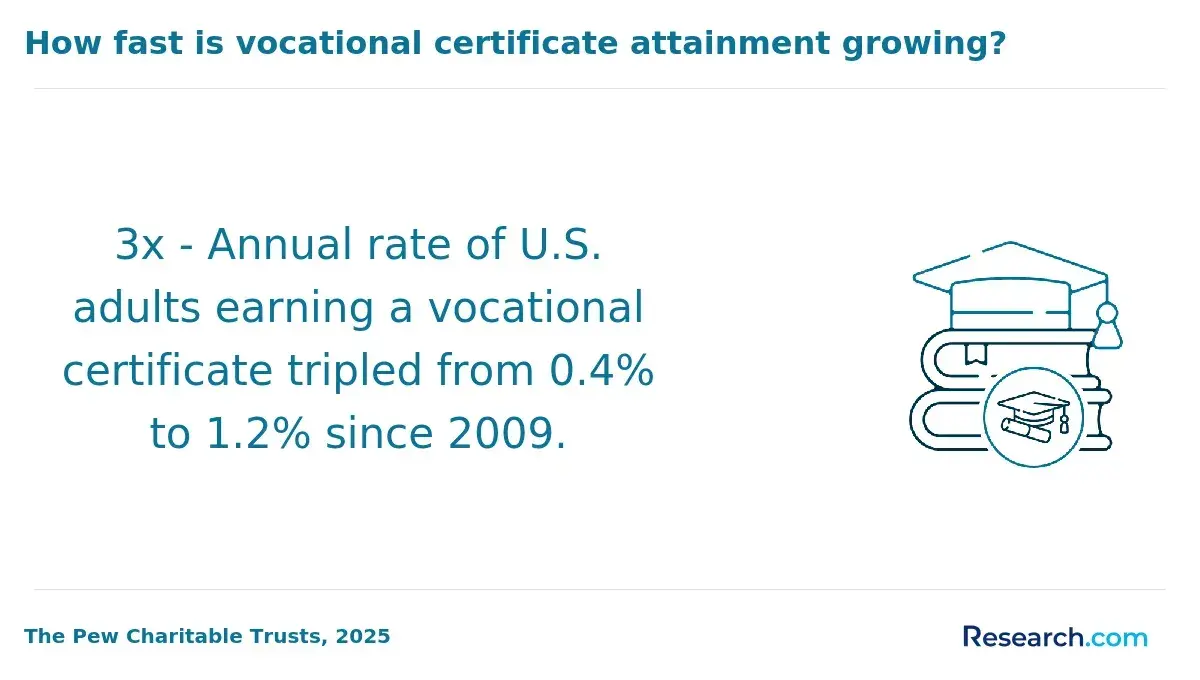
Job postings for art education careers typically specify degree requirements that vary by the complexity of the role and the expectations of different employers. Entry-level positions generally require a bachelor's degree, while advanced or specialized roles often call for graduate-level education. A recent survey found that about 65% of art education jobs prefer or require candidates to hold a master's degree or higher.
Here are common degree requirements observed in job listings:
- Bachelor's Degree Minimum: Most K-12 teaching positions require at least a bachelor's degree in art education, fine arts, or a related field to ensure foundational knowledge of both art techniques and teaching methods.
- Advanced Degrees Preferred: Roles such as curriculum specialists, museum educators, and higher education instructors usually demand a master's or doctoral degree, reflecting the need for deeper academic expertise and research skills.
- Certification Requirements: Public school art teachers commonly must have state certification alongside their degree, while private and nonprofit sectors may allow more flexibility with qualifications.
- Field Flexibility: Some employers accept degrees outside of art education if the candidate can demonstrate relevant instructional experience or a strong portfolio of work.
How Much Experience Do Art Education Job Postings Require?
Job postings for art education roles specify varying experience requirements that depend on the position's seniority and area of specialization. Employers often use these criteria as essential filters to attract candidates who meet the demands of the job. Experience expectations generally rise with the complexity and responsibility of each role.
Below are common patterns in how experience requirements are outlined in art education job postings:
- Entry-Level Positions often seek individuals with minimal or no formal experience. These roles suit recent graduates or those newly entering the field, focusing on foundational teaching abilities rather than extensive prior work.
- Mid-Level Roles typically call for two to five years of relevant art education or teaching experience. Candidates at this stage are expected to independently manage classrooms and contribute to curriculum development.
- Senior-Level Opportunities require five or more years of experience, emphasizing leadership skills, program innovation, and oversight of educational initiatives within art education careers.
- Specialized Positions may demand specific expertise tailored to certain educational settings or art disciplines, reflecting the need for targeted knowledge and practice.
- Classroom Management experience is sometimes highlighted as crucial, demonstrating a candidate's ability to maintain student engagement and foster productive learning environments.
For those interested in combining education with counseling, exploring a counseling degree online can diversify career opportunities and complement art education career experience requirements for employers.
What Industries Hire Fresh Graduates With No Experience?
Some sectors show a strong willingness to employ fresh graduates with degrees in art education, even if they lack professional experience. This openness is evident in many entry-level job listings, which prioritize creativity and enthusiasm over extensive work history. For example, a report from the National Association of Colleges and Employers found that nearly 60% of entry-level openings in education-related fields seek candidates with less than a year of experience.
Industries known for hiring new art education graduates without prior experience include the following:
- Primary and Secondary Education: Schools often recruit recent graduates for teaching and assistant roles, emphasizing educational qualifications and the potential to grow in a classroom environment. These entry-level roles usually come with mentorship and opportunities for professional growth.
- Community Arts Programs: Local nonprofits and art centers frequently seek motivated graduates to help with workshops and youth engagement. The focus is on passion and artistic ability rather than a long employment record.
- Museums and Cultural Institutions: Entry positions such as docents or education coordinators allow fresh graduates to support public programs and learning initiatives under supervision.
- Recreational and After-School Programs: These settings offer roles where graduates lead creative activities for children and teens, often without strict experience requirements because the environment fosters learning and support.
- Publishing and Educational Media: Some organizations hire new graduates for content creation or curriculum assistance, valuing their instructional interests and artistic background.
Which Industries Require More Experience or Skills?
Certain sectors exhibit more stringent demands for candidates in art education, with job postings highlighting the need for extensive experience, specialized training, or advanced qualifications. This selectivity reflects higher standards, especially in professional fields where educational depth and practical expertise are crucial.
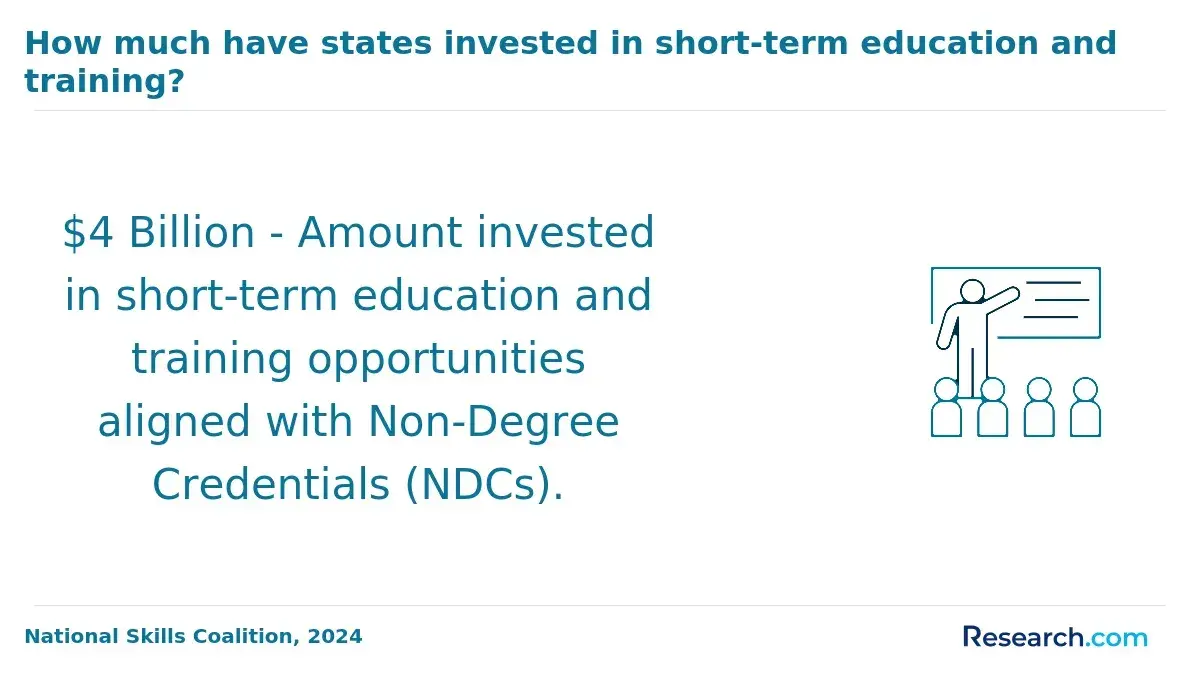
For instance, over 60% of job advertisements in museum education and higher academia require more than five years of relevant experience or advanced degrees, demonstrating a clear preference for seasoned professionals.
The following examples illustrate industries that typically expect greater experience or skill sets from art education applicants:
- Museum Education: Positions emphasize dual expertise in curatorial practices and educational programming. Candidates often need several years of experience plus advanced degrees to develop and implement community-centered learning initiatives.
- Higher Education: Faculty and lecturer roles prioritize terminal degrees such as a PhD and a robust record of scholarly research or publication. Familiarity with curriculum design and mentoring undergraduate or graduate students is usually required.
- Cultural Nonprofits: These organizations favor applicants with specialized certifications or credentials, especially those related to arts administration or therapy. Proven skills in managing community engagement projects and leading educational outreach are highly valued.
- Private Arts Institutions: Hiring standards often include a combination of technical know-how and practical teaching experience. Candidates might need to demonstrate leadership in program management and innovative instructional techniques tailored to diverse audiences.
Overall, while foundational teaching abilities remain important, these sectors place heavier emphasis on advanced knowledge, interdisciplinary approaches, and sustained professional development within the art education field.
Which Credentials Are Most Valuable for Art Education Careers?
Employers in art education frequently rely on specific credentials to assess applicants' suitability for teaching roles. Credentials such as academic degrees, teaching licenses, and specialized certifications serve as indicators of a candidate's knowledge, skills, and professional readiness. These qualifications help hiring managers determine if candidates can meet educational standards and adapt to diverse classroom environments.
Below are some commonly valued credentials identified in job postings for art education careers:
- Bachelor's Degree: A bachelor's degree in art education or a related field provides foundational expertise in art techniques, history, and instructional methods. It is typically the minimum educational requirement employers expect, signifying a solid grounding in both content and pedagogy.
- Teaching License/Certification: State or national teaching licenses confirm that candidates fulfill mandatory professional standards. These certifications highlight proficiency in curriculum development, classroom management, and educational psychology specific to art instruction.
- Advanced Degrees: A master's degree in art education or educational leadership is often preferred for leadership or curriculum coordination roles. It reflects a deeper understanding of instructional design and educational research, demonstrating a commitment to professional growth.
- Specialized Certifications: Credentials focused on areas like digital media, special education, or museum education represent practical skills beyond general teaching. They showcase adaptability to varied learning settings and address diverse student needs, making candidates more attractive to employers.
Are Salaries Negotiable Based on Experience?
Salary levels in art education job postings often vary depending on a candidate's experience, educational background, and the complexity of the role. Employers frequently present salary ranges rather than fixed amounts, allowing flexibility based on relevant experience and qualifications. Professionals with five or more years in art education can typically expect offers about 20% higher than those starting out, reflecting the added value of demonstrated teaching effectiveness and program development skills.
In fact, nearly 60% of postings mention that pay is negotiable, highlighting how experience plays a key role in compensation decisions and addressing art education salary negotiation tips.
Experience also influences how employers structure pay scales, with entry-level roles usually having stricter and lower starting salaries due to limited responsibilities. More advanced positions, such as curriculum coordinators or lead instructors, tend to feature broader salary bands to accommodate negotiation opportunities and reward practical knowledge.
This approach allows institutions to adjust offers based on candidates' full portfolios, including higher degrees and specialized skills. For prospective educators seeking more flexibility, researching options through resources like online colleges can be helpful in understanding how experience affects art education job pay.
How Can You Match Your Resume to Job Descriptions?
Job postings provide crucial guidance for candidates aiming to tailor their resumes effectively for art education roles, revealing the most valued skills and qualifications. Studies indicate that 75% of recruiters use applicant tracking systems (ATS) to filter resumes, underscoring the importance of precise keyword alignment to improve hiring success. Using job posts as a reference can increase the chances that your resume reaches hiring managers rather than being discarded by automated systems.
Below are key strategies to align your resume with job descriptions in the art education field:
- Interpret Job Postings: Carefully analyze descriptions to identify core competencies and soft skills requested, such as curriculum development, student engagement, or familiarity with digital art tools. This ensures your resume addresses the employer's specific priorities clearly.
- Highlight Relevant Experience: Prioritize roles, projects, or coursework that demonstrate your practical ability to meet the precise needs outlined. Emphasizing relevant achievements creates stronger connections between your background and the job's requirements.
- Align Terminology: Adopt language from the job listing to improve ATS compatibility and resonate with human reviewers. Using consistent vocabulary boosts the perception that you are a well-qualified candidate who understands industry expectations.
- Showcase Required Qualifications: Emphasize degrees or certifications explicitly mentioned in postings, placing these credentials where they are easy to locate. This is particularly important for roles requiring specialized educational backgrounds relevant to art education.
- Leverage Education Links: Integrate references to credible resources when appropriate, such as highlighting a real estate degree for applicants seeking specialized knowledge connected to arts facility management or cross-disciplinary skills.
By systematically applying these strategies, candidates can craft resumes that reflect the key skills and qualifications for art education resumes in the US, increasing their competitiveness in a selective hiring environment.
What Should You Look for When Analyzing Job Ads?
Job ads offer valuable insight into what employers expect from candidates in art education careers. Analyzing these postings helps clarify the specific responsibilities and qualifications required for success in the field. Surveys reveal that 67% of art education job ads now highlight experience with digital tools or modern artistic methods, reflecting the evolving demands within the profession.
When reviewing job listings, consider the following essential factors:
- Responsibilities: These typically include managing classrooms, designing lesson plans, evaluating student progress, and participating in extracurricular activities, revealing the day-to-day duties expected.
- Educational Qualifications: Job ads often specify degrees such as a bachelor's or master's in art education or related areas, along with teaching certifications, emphasizing the credentials sought by employers.
- Experience Levels: Positions may target a range from entry-level educators to those requiring multiple years of teaching or leadership experience, highlighting where your background fits.
- Technical and Soft Skills: Employers prioritize familiarity with art software, cultural awareness, communication skills, and adaptability to meet modern classroom needs and community engagement.
- Key Skills Employers Seek: These include both creative and digital competencies, illustrating the blend of traditional and contemporary abilities expected in art education job postings.
- Degree and Experience Requirements: Understanding these criteria ensures candidates align their qualifications with employer demands in art education careers.
Those interested in specialized fields may also explore jobs with a masters in forensic psychology as a related career path.
What Graduates Say About Skills, Degrees, and Experience Employers Want
- Tony: "As a fresh graduate in art education, I found job postings to be an invaluable guide for identifying entry-level roles that align with my credentials. They clearly outlined the skills and qualifications needed, which helped me tailor my applications effectively. This proactive approach gave me confidence and a clear direction in my job search."
- Denver: "Having worked a few years in art education, I rely heavily on job ads to spot opportunities for career advancement. These postings often reveal emerging trends and required skills that encourage me to pursue further certifications. They have been crucial in helping me stay current and competitive in the field."
- Kai: "Throughout my professional journey in art education, job advertisements have shown me the evolving priorities employers value, such as technology integration and community engagement. Reflecting on these ads has shaped my approach to professional development and networking. They truly influence how I plan long-term career growth."
Other Things You Should Know About Art Education Degrees
Employers often prioritize candidates with hands-on teaching experience, especially in settings like schools, community centers, or museums. Job postings highlight the need for demonstrated ability to engage diverse student groups and adapt lesson plans to varied skill levels. This experience is seen as essential for effectively translating artistic concepts into classroom practice.
Certifications such as teaching licenses or specialized endorsements in art education are frequently mentioned as requirements or preferences. Additional qualifications, like courses in educational psychology or curriculum development, can enhance a candidate's appeal. Postings indicate that such credentials signal a candidate's commitment and readiness for professional standards.
Beyond technical abilities, postings often emphasize communication, patience, and adaptability as critical attributes. Employers look for educators who can motivate students, manage classroom dynamics, and work collaboratively with staff and parents. These soft skills are portrayed as vital for creating a productive and supportive learning environment.
References
- 6 Questions to Ask Before You Accept that Art Teacher Job https://theartyteacher.com/questions-to-ask-before-you-accept-that-art-teacher-job/
- Art Education Careers https://theartcareerproject.com/art-education-careers/
- Top Art Teacher Skills On Resume In 2025 | How To List Art Teacher Skills https://www.visualcv.com/resume-skills/art-teacher/
- 10 Strange, Amazing Skills You Will Develop as an Art Teacher https://theartofeducation.edu/2019/01/10-strange-and-talented-skills-youve-developed-as-an-art-teacher/
- What can I do with an Art Education degree? Jobs & Career Paths - Concordia University | Student Success Centre - Concordia University https://www.concordia.ca/students/success/career-planning/paths/art-education.html
- Art https://www.careerpilot.org.uk/job-sectors/subject/art
- art teacher https://resumebuild.com/resume/examples/art-teacher/
- Resume Advice for Art Teachers | Part II: Design - My Art Lesson https://myartlesson.com/resume-advice-for-art-teachers-part-ii-design
- How to analyze an artwork: a step-by-step guide for students https://www.studentartguide.com/articles/how-to-analyze-an-artwork
- 5 Careers You Can Pursue With a Degree in Art Education - RMCAD https://www.rmcad.edu/blog/5-careers-you-can-pursue-with-a-degree-in-art-education/


