2027 What Job Postings Reveal About Crime Analysis Careers: Skills, Degrees, and Experience Employers Want

Co-Founder and Chief Data Scientist
What are employers truly seeking when hiring for crime analysis roles? As the demand for skilled crime analysts grows-expected to increase by 7% over the next decade-prospective graduates and career switchers often encounter a mix of degree preferences, technical expertise, and experience requirements. Many job postings emphasize proficiency in data interpretation, law enforcement familiarity, and advanced software skills. However, understanding the nuances between entry-level and specialized positions can be challenging. This article explores key insights from job listings to clarify necessary skills, academic credentials, and professional backgrounds, helping candidates better prepare for success in crime analysis careers.
Key Things to Know About Skills, Degrees, and Experience Employers Want
- Job postings emphasize proficiency in data interpretation, GIS mapping, and statistical software, reflecting employers' focus on applied analytical skills in crime analysis roles.
- Most listings require a bachelor's degree in criminal justice, criminology, or related fields, with 60% seeking candidates with 1-3 years of practical experience.
- Reviewing job ads helps clarify realistic qualifications, aligning student career preparation with evolving industry demands and reducing gaps between education and employment.
What Do Job Postings Say About Crime Analysis Careers?
Job postings for crime analysis careers provide insight into the practical expectations employers hold, highlighting key skills, educational backgrounds, and experience levels needed for success. Analytical abilities, especially proficiency with crime mapping software and statistical tools, are frequently emphasized. A recent analysis found that approximately 78% of crime analyst job listings require proficiency in crime analysis software and data visualization platforms. Educational requirements typically include a bachelor's degree in fields like criminal justice or criminology, often coupled with relevant professional experience.
Patterns in job postings suggest a consistent preference for candidates who combine technical skills with strong communication abilities, reflecting the varied demands of the role. While many positions share baseline qualifications, there is notable variation depending on the seniority and complexity of the job, with some seeking advanced degrees or specialized certifications. This tiered approach underscores the importance of adaptability within the field and highlights how employers value a balanced mix of education, technical expertise, and practical experience.
What Skills Are Most Requested in Crime Analysis Job Postings?
Job postings for crime analysis roles consistently emphasize a specific set of skills that employers consider crucial to effective law enforcement and public safety. Notably, over 70% of listings highlight the necessity of strong data analysis and GIS proficiency. These competencies enable agencies to interpret crime patterns and allocate resources with greater accuracy.
Below are key qualifications employers seek in crime analysis roles and essential analytical skills for crime analysis careers:
- Data Analysis: Interpreting complex datasets related to crime trends, patterns, and geographic factors is fundamental. This skill transforms raw data into actionable intelligence that guides resource deployment and investigative decisions.
- GIS and Analytical Software Proficiency: Experience with tools such as Excel, SQL, and ArcGIS is highly valued. These technical abilities support spatial analysis and visualization of crime hot spots, which assist in strategic planning and investigation.
- Critical Thinking: Employers look for candidates who can objectively evaluate evidence and identify connections that may not be obvious. This problem-solving aptitude ensures informed conclusions even in ambiguous situations.
- Communication Skills: The ability to produce clear, concise reports and present findings to law enforcement personnel, policymakers, and the public is essential. Translating complex analysis into understandable language is key to effective decision-making.
- Attention to Detail: Accuracy in data handling and report preparation minimizes errors that could misdirect investigations or resource allocation, making this an indispensable skill.
Those interested in advancing their qualifications may explore programs like the cheapest doctoral programs to deepen their expertise and increase career opportunities in this evolving field.
What Degrees Do Employers Require for Crime Analysis Careers?
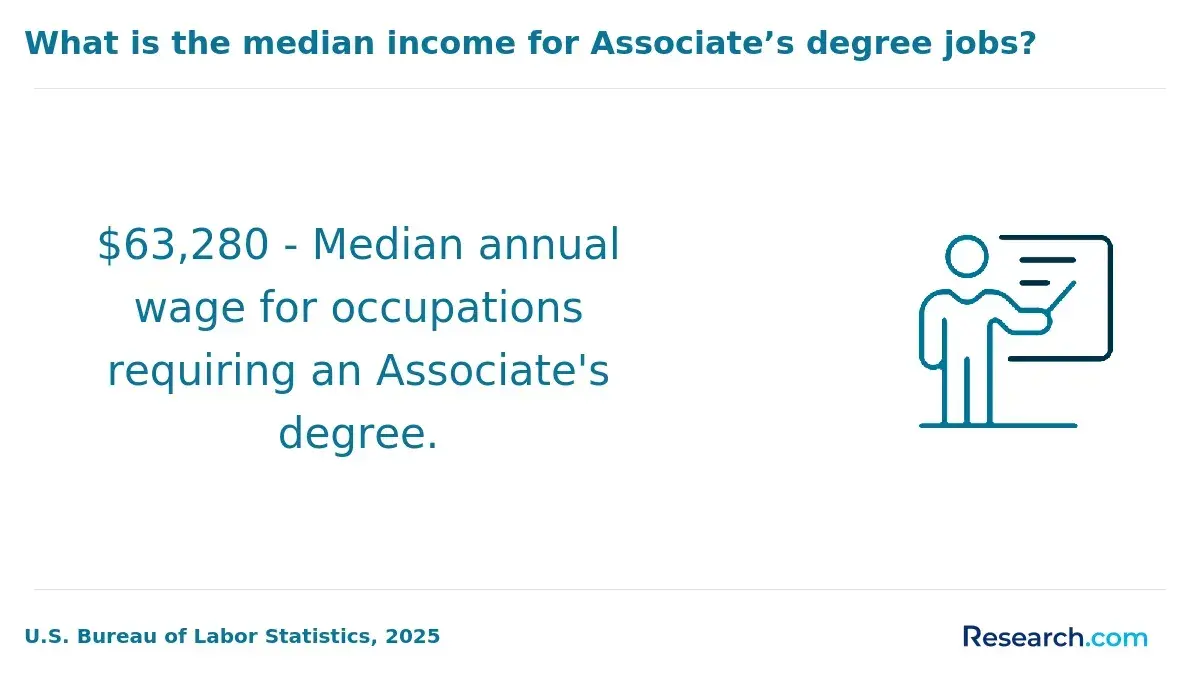
Job postings for crime analysis roles typically specify degree requirements that reflect both the position's complexity and the industry sector. Entry-level roles commonly demand a bachelor's degree, while advanced positions may require graduate education. Approximately 78% of crime analysis job listings mandate at least a bachelor's degree as the minimum qualification, underscoring a broad consensus on academic credentials.
The following bullet points summarize typical degree requirement trends in crime analysis job advertisements.
- Bachelor's Degree Standard: Most entry-level jobs expect candidates to hold a bachelor's degree, often in criminal justice, criminology, sociology, or other related social sciences. This foundation supports core analytical and research functions essential for the role.
- Advanced Degree Preference: Senior or specialized positions frequently seek applicants with master's degrees in criminology, criminal justice, or data analytics. These qualifications enhance theoretical knowledge and quantitative skills necessary for strategic planning and leadership duties.
- Industry-Specific Variability: Employers outside traditional law enforcement, such as private security firms or research institutions, may prioritize degrees in computer science, GIS, or data science, reflecting the technical demands of those environments.
Reflecting on his transition into the field, a crime analysis degree graduate shared that securing a relevant role required navigating a competitive market where formal education was a key differentiator. He explained, "While my bachelor's degree opened doors, it quickly became clear that showing familiarity with advanced data tools and specialized coursework made me stand out." The graduate described balancing the pressure of acquiring both solid theoretical background and practical technical skills, stating that this dual preparation was essential to meet employer expectations and successfully launch his career.
How Much Experience Do Crime Analysis Job Postings Require?
Job postings in crime analysis reveal a range of experience expectations tailored to the role's level and area of focus. Employers use these experience requirements to differentiate candidates, ensuring that applicants can meet the specific demands of each position. This approach helps align candidates with the complexity and responsibilities they will face.
Experience patterns commonly seen in crime analysis job postings include the following:
- Entry-Level Roles often accept minimal to no prior professional experience, occasionally considering internships or relevant coursework as evidence of familiarity with analytical techniques.
- Mid-Level Positions usually require two to five years of practical crime analysis or related experience, highlighting competencies in interpreting data, drafting reports, and cooperating with law enforcement partners.
- Senior Jobs demand extensive experience, typically five or more years, focusing on leadership abilities, strategic evaluation, and sometimes managing teams.
- Specialized Analyst Roles may call for in-depth experience in niches such as cybercrime or narcotics, often including proficiency with specific analytical software or law enforcement databases.
- Government Experience is frequently emphasized for roles requiring familiarity with public safety protocols and procedures.
These distinctions reflect how entry-level versus experienced crime analysis job requirements differ, with greater experience needed for complex responsibilities. For students interested in pursuing some of the highest paying careers, meeting these experience benchmarks is essential to advance successfully.
What Industries Hire Fresh Graduates With No Experience?
Certain sectors actively welcome graduates with little or no professional experience in crime analysis, a trend evident in numerous entry-level job listings. In fact, around 35% of crime and detective analysts in public safety begin their careers with less than a year of experience. This openness creates valuable pathways for newcomers to apply academic knowledge practically.
Below are some industries where fresh graduates typically find entry-level opportunities:
- Law Enforcement Agencies often recruit recent graduates into roles that emphasize on-the-job training, focusing on data gathering, incident documentation, and support for patrol operations.
- Government Public Safety sectors provide accessible positions in community safety initiatives, emergency response teams, and probation services that encourage applying theoretical knowledge without prior workplace experience.
- Homeland Security and Intelligence organizations occasionally offer trainee roles that nurture practical skill development through structured training programs despite competitive candidate pools.
- Nonprofit Organizations engaged in crime prevention and justice reform welcome graduates for roles in research projects, community outreach, and program assessment where commitment often outweighs formal experience.
When discussing industries with a fresh crime analysis graduate, she reflected on her early career journey: "Starting without experience felt intimidating," she shared, "but working within a local police department's data unit offered hands-on learning that textbooks couldn't provide." She described the initial challenges of adapting to fast-paced report writing and learning real-time data interpretation. Still, she found the encouragement from supervisors and structured training invaluable, emphasizing that practical exposure transformed her theoretical background into applicable skills and boosted her confidence moving forward.
Which Industries Require More Experience or Skills?
Certain industries impose stricter hiring standards for crime analysis professionals, often requiring advanced training, certifications, and several years of specialized experience. Job postings reflect these heightened expectations by emphasizing complex skill sets and advanced knowledge areas, signaling greater selectivity in recruitment. For instance, nearly 45% of federal agency listings ask for at least five years of relevant experience, compared to only 20% in local government roles.
The following sectors commonly demand more experience and refined expertise from crime analysis candidates:
- Federal Law Enforcement and Intelligence: These agencies prioritize candidates with extensive backgrounds in data analytics, geographic information systems, and predictive modeling. They seek professionals capable of managing intricate investigations related to national security and organized crime networks.
- Financial Institutions: Focused on fraud prevention and cybercrime detection, financial firms require proficiency in risk assessment and specialized software. Candidates often need certifications like Certified Fraud Examiner (CFE) to qualify for roles.
- Private Security Companies: Handling multifaceted risk scenarios, these firms look for crime analysts with advanced training and experience in fraud and cyber threats. Demonstrated expertise with relevant analytic technologies is highly valued.
- Large Metropolitan Police Departments: Specialized units within major cities demand not only foundational skills but also certifications and leadership experience. Candidates frequently coordinate multi-jurisdictional task forces and data systems management.
Beyond formal education, employers in these fields frequently expect demonstrated project leadership, software proficiency, and the ability to interpret complex datasets. This reflects the growing sophistication and collaborative nature of modern crime analysis work.
Which Credentials Are Most Valuable for Crime Analysis Careers?
Employers evaluating candidates for crime analysis roles place strong emphasis on credentials that verify both theoretical knowledge and practical expertise. Academic qualifications, professional certifications, and specialized training all help signal a candidate's readiness to meet the analytical challenges of the job. These credentials influence hiring decisions by demonstrating validated skills and ongoing professional development.
Several credentials stand out as particularly valuable in job postings for crime analysis careers, including:
- Bachelor's Degree: A degree in criminal justice, criminology, sociology, or a related field provides foundational knowledge of the criminal justice system and analytical methodologies. Employers rely on this academic background to ensure candidates understand core concepts and theoretical frameworks essential to crime analysis work.
- Certified Law Enforcement Analyst (CLEA): This certification is awarded by recognized professional organizations and highlights proficiency in analysis techniques and collaboration with law enforcement agencies. It signals advanced skill and a formal commitment to the field.
- International Association of Crime Analysts (IACA) Certification: The IACA credential validates applied skills and adherence to ethical standards. It is highly regarded by employers as evidence of competency and professionalism in crime analysis.
- GIS and Data Analysis Certifications: Certifications related to geographic information systems or data analytics reflect a candidate's ability to use modern technologies for spatial and statistical crime mapping. These skills enhance predictive insights and support strategic decision-making.
Are Salaries Negotiable Based on Experience?
Salary levels in crime analysis careers are strongly influenced by a candidate's experience, education, and the complexity of the role. Employers often present compensation as a range rather than a fixed amount, allowing for adjustment based on the candidate's background. Research shows that professionals with five or more years of experience in crime analysis can earn 20% to 30% higher salaries on average compared to those with less experience, reflecting common negotiable salaries for crime analysis professionals. Advanced degrees or specialized skills can further increase pay, especially in roles requiring sophisticated data analysis or leadership expertise.
Experience significantly affects salary flexibility in job postings, with entry-level positions typically offering more standardized pay due to budget constraints or union agreements. Conversely, advanced roles provide wider salary bands, signaling greater negotiation potential based on qualifications. Employers tailor pay ranges to align compensation with how well a candidate's education and skills meet organizational needs, as seen with those holding a psychology degree online cheap or similar credentials. This dynamic underscores the impact of experience on crime analysis salary negotiations across various employment settings.
How Can You Match Your Resume to Job Descriptions?
Job postings serve as a vital roadmap for candidates seeking to tailor their resumes to meet employer expectations in crime analysis careers. These postings reveal essential skills, degrees, and experience employers prioritize, helping candidates focus their applications effectively. Notably, up to 75% of resumes are filtered out by applicant tracking systems (ATS) if they lack the relevant keywords or qualifications specified in job descriptions.
To enhance your chances of progressing through resume screenings, consider these strategies to match your skills and experience to crime analysis job requirements:
- Careful Analysis: Examine job postings thoroughly to identify frequently mentioned skills such as proficiency with data analysis software, understanding criminal justice principles, or GIS mapping expertise. Emphasize these skills clearly on your resume to reflect the employer's priorities.
- Relevant Experience: Highlight your previous roles by aligning your responsibilities with core crime analysis tasks like pattern detection and incident reporting. Focus on demonstrating how your background matches the specific requirements described in the postings.
- Terminology Alignment: Use the exact wording and phrases found in job descriptions instead of generic terms. This approach improves both ATS compatibility and readability for hiring managers, helping your resume stand out accurately.
- Credential Prioritization: Display educational qualifications and certifications prominently, especially those listed as mandatory or preferred. For candidates aiming to advance quickly, programs like a 6 month MBA can also illustrate commitment to further education that supports career growth.
What Should You Look for When Analyzing Job Ads?
Job ads provide valuable insight into employer requirements for crime analysis jobs by outlining the specific skills, educational background, and experience candidates must possess. A 2023 study revealed that over 70% of postings emphasize a blend of technical skills and hands-on experience, reflecting preferences for well-rounded applicants. Reviewing these ads carefully helps candidates understand the detailed expectations for various roles in crime analysis.
Below are key factors to consider when examining job postings in this field:
- Responsibilities: Job ads often specify daily tasks such as gathering crime data, identifying crime trends, and generating analytical reports, highlighting the practical duties expected of crime analysts.
- Qualifications: Employers typically require degrees in criminology, sociology, or related disciplines, with certifications such as Certified Law Enforcement Analyst (CLEA) enhancing candidate appeal. For students considering further education, exploring which masters degrees are worth it can guide degree choices.
- Required Skills: Proficiency in GIS software, statistical analysis, and data visualization tools is commonly demanded, reflecting the technical nature of the work.
- Experience Levels: Positions vary widely, from internships and entry-level roles to jobs requiring several years of professional background, depending on complexity and responsibility.
What Graduates Say About Skills, Degrees, and Experience Employers Want
- Taylor: "As a fresh graduate, I found that job postings were invaluable for understanding which skills were truly in demand in crime analysis roles. They helped me tailor my resume to highlight relevant coursework and internships, increasing my chances significantly. It was exciting to see how different agencies value diverse analytical tools and soft skills, guiding me toward the right career path."
- Cruz: "Over the years, I've relied heavily on job ads to guide my career advancement in crime analysis. These postings revealed emerging trends like the integration of predictive analytics and geospatial technologies, prompting me to pursue additional certifications. Reflecting back, the evolving job descriptions were key in shaping my professional growth and keeping my skills relevant."
- Luka: "Job postings have always been a critical resource in my professional life within crime analysis. They not only reflect industry standards but also influence departmental priorities and required proficiencies. Engaging with multiple postings over time gave me a broad perspective on the dynamic nature of the field and helped me position myself strategically for leadership opportunities."
Other Things You Should Know About Crime Analysis Degrees
In 2027, job postings for crime analysis roles highlight a strong demand for technical skills, particularly in data analysis, geographic information systems (GIS), and proficiency in analytical software. Employers seek candidates who can effectively leverage these tools to interpret data and support informed decision-making in crime prevention and law enforcement.
Many job postings recognize internships and practical experience as valuable, especially for entry-level positions. Hands-on experience with real crime data or participation in field projects demonstrates the applicant's ability to apply theoretical knowledge. This practical exposure is often highlighted as a pathway to gaining the required foundational skills before full-time employment.
Some postings indicate a preference for candidates with degrees that combine criminal justice with fields such as statistics, computer science, or sociology. This interdisciplinary approach equips candidates with both domain knowledge and analytical techniques, enhancing their problem-solving capabilities. Employers value this versatility for addressing diverse challenges in crime analysis.
Continuous professional development is frequently mentioned as a desirable quality in candidates. Job postings often highlight the advantage of certifications in crime analysis tools or methodologies, reflecting employers' interest in candidates who stay current with industry standards. This ongoing learning supports adaptability in evolving crime trends and technology use.
References
- Crime Analyst Jobs: Find Your Career in Criminal Investigation & Intelligence Analysis https://whileresume.com/article/crime-analyst-jobs
- How To Become A Crime Analyst: Career And Salary Information https://www.criminaljusticedegreeschools.com/careers/crime-analyst/
- Crime analysts:Requirements https://umgc.vault.com/professions/crime-analysts/requirements
- Top 10 Crime Analyst Certifications | ResumeCat https://resumecat.com/blog/crime-analyst-certifications
- Top 6 Skills and Traits of a Successful Criminal Analyst | Criminal https://vocal.media/criminal/top-6-skills-and-traits-of-a-successful-criminal-analyst
- What is a Crime Analyst and What Do They Do? (Duties and Education) https://www.allcriminaljusticeschools.com/specialties/crime-analyst/
- Crime and Intelligence Analyst Career - Certifications & Salary https://www.forensicscolleges.com/careers/intelligence-analyst
- Hiring An Analyst https://www.iaca.net/hiring-an-analyst
- Eye-Catching Crime Analyst Resume Objective Examples (2025 Guide) https://www.visualcv.com/crime-analyst-resume-objectives/
- Early Careers https://www.nationalcrimeagency.gov.uk/careers/how-to-join-the-nca/entry-level-roles