
2027 What Job Postings Reveal About Illustration Careers: Skills, Degrees, and Experience Employers Want

Co-Founder and Chief Data Scientist
Reviewing job listings can reveal much more than just open positions-they expose the evolving demands employers place on illustration professionals. For those entering the field, understanding what skills, degrees, and experience are sought is vital. Currently, about 67% of illustration job postings require proficiency in digital design tools, reflecting a significant industry shift toward technology-driven creativity. Many roles, from concept artist to editorial illustrator, emphasize both artistic talent and technical competence. This article examines job postings to clarify the qualifications employers prioritize, helping prospective and current illustration students better prepare for a competitive job market.
Key Things to Know About Skills, Degrees, and Experience Employers Want
- Job postings for illustration roles emphasize proficiency in digital tools like Adobe Creative Suite and strong conceptual storytelling skills as essential qualifications.
- Employers often expect candidates to hold a bachelor's degree in illustration or a related field, alongside 2-3 years of professional experience.
- Analyzing job ads reveals that real-world hiring standards prioritize a versatile portfolio demonstrating technical ability and creativity, guiding students in career preparation.
What Do Job Postings Say About Illustration Careers?
Job postings for illustration careers clearly outline the practical skills, education, and experience employers seek in candidates. Proficiency with digital tools like Adobe Creative Suite often tops the list, supported by strong storytelling and the ability to adapt artistic styles. Most listings prefer candidates with a bachelor's degree in illustration, graphic design, or a related field, but some emphasize portfolio quality and professional experience over formal education.
A recent analysis of over 1,500 art and design job postings found that 65% of employers explicitly require proficiency in digital illustration software, highlighting the importance of technological skills.
Patterns in job postings reveal consistent expectations such as the need for a solid portfolio and relevant experience, typically two to five years, but variations exist depending on the role or employer. While formal education is common, some positions prioritize demonstrated ability and adaptability more heavily.
Employers frequently seek a balance of technical skills and soft skills like communication and teamwork, showing that collaboration and meeting deadlines remain critical competencies. These trends highlight how real-world illustration work blends creativity with professional readiness.
What Skills Are Most Requested in Illustration Job Postings?
Job postings clearly highlight the most sought-after skills in illustration roles, reflecting employer priorities in a competitive market. About 70% of these postings emphasize proficiency in digital tools, demonstrating the importance of technical abilities alongside artistic talent. This trend underlines how illustration job posting required expertise increasingly blends creative and digital competencies.
Below are some of the core skills employers consistently seek in illustration candidates:
- Digital Proficiency: Mastery of software such as Adobe Photoshop, Illustrator, and Procreate is essential. These tools enable illustrators to create high-quality, adaptable visuals efficiently, meeting the demands of digital media, which dominates many projects.
- Creativity and Artistic Ability: Employers value original concept generation and visually compelling work that aligns with project goals. Strong composition, color theory, and storytelling are key aspects that demonstrate the creative depth required.
- Attention to Detail: Producing precise, polished work ensures client specifications are met and shows professionalism. This skill helps illustrators handle complex projects with care and accuracy.
- Communication Skills: Effective collaboration with clients and creatives like writers and marketers depends on clear interpretation of briefs and openness to feedback. This facilitates cohesive project outcomes.
- Adaptability and Versatility: Comfort with multiple illustration styles or tailoring work to various audiences makes illustrators more appealing across diverse projects and clients.
For those exploring illustration careers, understanding these requirements can guide skill development. Exploring resources like the easiest masters degree could also support further educational growth in related fields.
What Degrees Do Employers Require for Illustration Careers?
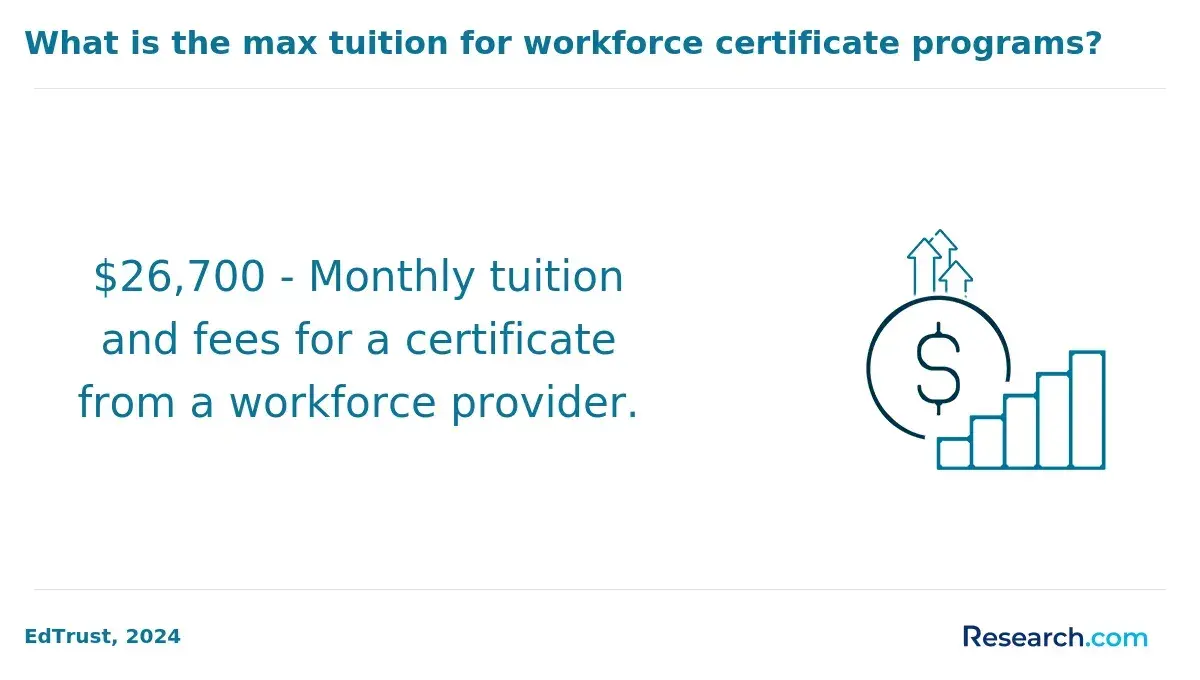
Job postings for illustration careers frequently specify a bachelor's degree as the minimum educational qualification, with about 70% of listings reflecting this standard. These requirements can differ based on job complexity and sector demands, with some roles favoring advanced degrees or alternative credentials.
Below are common degree expectations recruiters emphasize in illustration-related positions:
- Bachelor's Degree Entry: Most positions require candidates to hold a bachelor's degree in illustration, fine arts, graphic design, or related visual arts. This foundational credential assures employers of basic skills in composition, color theory, and visual storytelling.
- Advanced Degree Preference: Senior or specialized roles-such as concept artists, art directors, or academic positions-often seek candidates with a Master of Fine Arts (MFA) or similar postgraduate qualifications. These degrees signal deeper expertise and leadership potential.
- Industry Variation: Requirements can vary widely across industries. Publishing and advertising firms might emphasize formal credentials more heavily, while multimedia and educational sectors sometimes value portfolios and experience alongside or instead of degrees.
- Formal Education Emphasis: Employers generally favor accredited art education programs that offer hands-on learning with both traditional and digital tools, solidifying the theoretical and practical mastery essential for professional illustration roles.
How Much Experience Do Illustration Job Postings Require?
Illustration job postings vary their experience requirements depending on the level and specific focus of the position. Employers often rely on these criteria to filter candidates whose backgrounds align with the role's demands. Experience acts as a crucial benchmark in assessing a candidate's readiness and suitability for illustration careers in job ads.
Below are common experience expectations outlined in illustration job postings:
- Entry Level Entry-level roles generally demand minimal professional experience, often ranging from zero to two years. These positions focus on foundational skills demonstrated through portfolios or internships rather than extensive job history.
- Mid Level Mid-level illustration jobs typically require three to five years of relevant experience. Candidates at this stage are expected to show solid proficiency and a portfolio reflecting completed projects across various assignments.
- Senior Positions Senior or advanced roles usually call for five to seven or more years of experience. These positions emphasize leadership abilities, specialized knowledge, and a track record of prominent or complex illustration work.
- Specialized Experience Some postings specify experience within particular niches such as editorial, concept art, or technical illustration. Candidates must demonstrate relevant work within these areas for a defined timeframe.
- Freelance and Contract Roles Freelance roles often mention flexible experience criteria but prioritize a strong history of similar projects. This reflects the need for independent project management and consistent quality.
For those interested in enhancing their illustration careers, exploring online counseling degrees can offer valuable support in managing professional growth and client relationships.
What Industries Hire Fresh Graduates With No Experience?
Several industries show a strong willingness to hire fresh graduates with little to no professional background in illustration, as seen in many entry-level job listings. Data from the National Association of Colleges and Employers reveals nearly 45% of entry-level roles in creative fields closely related to illustration target candidates straight from academic programs.
The following industries commonly offer accessible opportunities for new illustration graduates without prior work experience:
- Publishing Sector: This industry often recruits junior illustrators for book covers, editorial designs, and online content. Positions generally prioritize creativity and artistic style over formal experience.
- Advertising And Marketing: Agencies and marketing firms welcome entry-level hires who can bring fresh perspectives to branding, campaigns, and social media visuals. Internships and academic projects frequently meet the expected experience level.
- Entertainment And Media: Firms involved in animation, game development, and multimedia production tend to seek junior artists and storyboard creators. These roles demand strong creative skills but commonly do not require professional experience.
- Education And Nonprofits: Some educational publishers and nonprofit groups need illustrators for instructional materials and visual aids, where enthusiasm and design sensibility outweigh formal work history.
Which Industries Require More Experience or Skills?
Certain industries show greater selectivity when hiring illustration graduates, demanding not just artistic ability but also extensive experience and specialized skills. Job postings often reveal these heightened expectations, underscoring the value employers place on advanced competencies and industry-specific knowledge.
About 60% of listings for roles in competitive illustration fields require candidates to have at least three years of professional experience or demonstrate comparable expertise through a robust portfolio.
Industries where such elevated standards are common include:
- Scientific And Medical Illustration: Positions in this field typically demand mastery of both artistic techniques and subject matter expertise, such as anatomy or biology. Many roles require advanced degrees or certifications, along with proficiency in digital modeling and 3D rendering tools specialized for scientific visualization.
- Gaming And Animation: Employers seek illustrators skilled not only in character and environmental design but also experienced with complex digital software and collaborative development platforms. Familiarity with popular game engines and animation tools is often essential for these positions.
- Publishing: Editorial and children's book illustration roles favor candidates with distinctive styles and storytelling abilities. These jobs often require illustrators to adapt creatively while maintaining consistency across projects, which typically comes from years of practice and a diverse portfolio.
- Advertising And Branding: This sector looks for illustrators who can handle a variety of styles and manage multiple campaigns efficiently. Hiring managers prefer candidates who demonstrate versatility and quick turnaround without sacrificing quality, reflecting the high demand for seasoned professionals.
Which Credentials Are Most Valuable for Illustration Careers?
Employers rely heavily on credentials to gauge a candidate's foundational knowledge and technical skills in illustration careers. Academic qualifications, certifications, and professional validations all play pivotal roles in hiring decisions by signaling a candidate's readiness and expertise. These credentials help employers discern candidates who meet industry standards and are well-prepared for the demands of creative roles.
Below are the most valued credentials commonly sought in illustration job postings:
- Bachelor's Degrees: A bachelor's degree in illustration, fine arts, graphic design, or a related field serves as a primary credential. It reflects formal training in artistic methods, design principles, and digital tools, making candidates more competitive through broad exposure to various illustrative media.
- Advanced Degrees: Master's degrees in fine arts or illustration indicate deeper specialization or conceptual expertise. Employers often value these degrees for senior positions, teaching roles, or jobs that require creative leadership and critical thinking skills.
- Software Certifications: Certifications in industry-standard programs such as Adobe Creative Suite demonstrate technical proficiency. These validate a candidate's ability to efficiently use essential illustration tools, which is critical for adapting to digital workflows.
- Professional Accreditation: Portfolio reviews or accreditation from respected art organizations act as external validations of artistic professionalism. These credentials assure employers of a candidate's skill quality, adherence to industry standards, and commitment to professional practices.
Are Salaries Negotiable Based on Experience?
Salary levels in illustration careers are shaped by a mix of experience, education, and the complexity of the role. Employers often list salary ranges in job postings, with flexibility based on a candidate's background and skills. For instance, illustrators with less than two years of experience typically earn 20-30% less than those with five or more years, highlighting the impact of experience on compensation. This dynamic reflects the importance of a strong portfolio and specialized skills when seeking the best illustration salary negotiation tips.
Employers commonly structure pay scales to reflect differences between entry-level and senior roles, offering broader pay ranges for more advanced positions. While entry-level salaries usually hit industry baselines, illustrators with exceptional experience may find more room for salary negotiation.
Larger organizations or specialized roles frequently allow salary adjustments to attract talent with proven abilities and relevant educational credentials. Candidates interested in further advancing their qualifications might also explore cheapest online EdD programs as part of their broader career development.
How Can You Match Your Resume to Job Descriptions?
Job postings for illustration careers offer valuable guidance for tailoring resumes to better meet employer expectations. Research shows that more than 75% of hiring managers use applicant tracking systems (ATS) to filter candidates, making keyword matching crucial for resume visibility during electronic screening.
To enhance alignment with employer requirements, consider the following strategies:
- Interpret Job Postings: Identify the essential skills and qualifications mentioned in the description. This helps focus your resume on relevant experiences while minimizing unrelated information.
- Highlight Relevant Experience: Emphasize projects and roles that showcase your proficiency in techniques or software tools the employer values, such as digital drawing or concept design, aligning with the key illustration skills required.
- Align Terminology: Use exact phrases found in the job description, including degree titles and certifications, to improve your resume's compatibility with ATS algorithms.
- Prioritize Required Qualifications: Clearly mention formal education credentials or specialized training the job demands, as these often serve as primary screening criteria for hiring managers.
- Convey Cultural Fit: Incorporate language reflecting the employer's stated values or environment, such as collaboration or deadline-driven work styles, to communicate both technical ability and workplace compatibility.
By matching key illustration skills with employer requirements, candidates can craft resumes that stand out in both automated and human reviews. Exploring short certificate programs that pay well is also a practical step toward gaining relevant credentials recognized in such job postings.
What Should You Look for When Analyzing Job Ads?
Job advertisements offer crucial insight into employer expectations within illustration careers by outlining the necessary skills, education, and experience. Research shows that more than 70% of illustration job postings specify required technical abilities and software expertise, highlighting the emphasis on practical skills alongside creativity.
Examining these details helps clarify what employers seek in candidates and reveals industry standards. Consider the following key points when reviewing job ads for illustration roles:
- Job Responsibilities: This section details typical tasks and projects, indicating whether the position centers on digital illustration, concept art, or traditional techniques.
- Qualifications: Listings often specify educational expectations such as a bachelor's degree in illustration or a related field, although some employers value portfolios or certifications equally or more.
- Experience Levels: Many ads require candidates to have prior professional experience, occasionally within specific industries like publishing, advertising, or animation.
- Required Skills: Employers look for proficiency in tools like Adobe Creative Suite combined with soft skills such as communication and collaboration, vital for teamwork and project execution.
- Industry Trends: Monitoring job postings reveals evolving demands and skill sets, guiding candidates to stay current with what employers prioritize in illustration careers.
For those assessing educational options, exploring online colleges can provide practical pathways to acquire these qualifications and skills.
What Graduates Say About Skills, Degrees, and Experience Employers Want
- Azai: "As a recent illustration graduate, I found job postings to be incredibly insightful for identifying roles that align with my academic background and skill set. They helped me understand what employers expect from fresh talent, especially regarding digital illustration tools and portfolio requirements. Using these ads as a guide, I tailored my applications to highlight relevant projects, which ultimately opened doors early in my career."
- Russell: "With several years in the illustration field, I now rely on job ads to spot opportunities for career advancement and specialization. I pay close attention to the evolving demands for animation and character design skills, which have shaped the direction of my professional growth. These postings offer a real-time reflection of industry trends, allowing me to proactively acquire new skills and stay competitive."
- Christian: "Throughout my professional journey, job postings have consistently influenced my career decisions by revealing the varied applications of illustration across industries. They highlight the need for adaptability, whether in editorial, advertising, or product design, encouraging me to diversify my portfolio. This has enhanced my ability to respond to market demands and secure projects that align with my expertise."
Other Things You Should Know About Illustration Degrees
Employers often place greater emphasis on the quality and relevance of an applicant's portfolio than on formal education credentials. While a degree in illustration or a related field can help develop foundational skills, employers rely heavily on portfolios to assess practical ability, creativity, and style. Job postings typically encourage applicants to showcase diverse projects that demonstrate versatility and technical proficiency.
Yes, proficiency in industry-standard digital software such as Adobe Creative Suite, Procreate, and other illustration tools is frequently mentioned in job postings. Employers expect candidates to be comfortable with both traditional techniques and digital workflows, as many illustration roles require digital asset creation and editing. Mastery of these tools often acts as a baseline skill for being considered.
Many illustration job postings highlight the advantage of candidates having experience or skills in related disciplines such as graphic design, animation, or visual storytelling. This cross-disciplinary knowledge broadens an illustrator's capability to contribute to multi-faceted projects and collaborate effectively with other creative teams. Employers often look for adaptability and a broad skill set to meet diverse project demands.
References
- Become an Illustrator: Career Path Guide | Skills U https://skillsu.com/role/illustrator
- Cross-Industry Illustrations: Opportunities Outside the Arts - RMCAD https://www.rmcad.edu/blog/cross-industry-illustrations-opportunities-outside-the-arts/
- Which Industries Use Illustrator skills? | LearnTube https://learntube.ai/blog/design-creative/illustrator/which-industries-use-illustrator-skills/
- A Guide To Graphic Designer Salaries—And How To Negotiate Them https://www.format.com/magazine/resources/design/graphic-designer-salary
- Negotiation for Artists — Anoosha Syed https://www.anooshasyed.com/blog/negotiation-for-artists
- Top 10 Illustrator Certifications | ResumeCat https://resumecat.com/blog/illustrator-certifications
- Illustrator Job Description: What You Need to Know - C9 Staff https://c9staff.com/the-ultimate-guide-to-the-illustrator-job-description-what-employers-and-candidates-need-to-know/
- Main navigation https://careersportal.ie/careers/detail.php
- Graphic Artist Certifications: Best Credentials to Advance Your Career | Teal https://www.tealhq.com/career-paths/graphic-artist-certifications
- Which kinds of jobs require art skills? - YuanArtStudio https://yuanartstudio.com/thoughts-on-art/they-will-almost-certainly-need-the-support-of-art/


