2027 What Requirements Do You Need for an Online Fire Science Bachelor's Degree? Admission Rules, Credits & Eligibility

Co-Founder and Chief Data Scientist
Prospective students aiming to transition into the fire science field often face confusion about admission criteria for online bachelor's programs. Many wonder if their unrelated undergraduate degree or work experience suffice for eligibility. This uncertainty can delay enrollment decisions and career advancement. According to the National Fire Protection Association, over 40% of fire service personnel hold a bachelor's degree, highlighting the rising demand for formal education in this discipline.
This article clarifies common admission requirements, including credit transfer policies and eligibility standards, to help readers navigate and secure a spot in reputable online fire science bachelor's degree programs.
Key Benefits of Preparing for Online Fire Science Bachelor's Degree Requirements
- Choosing the right online fire science program ensures alignment with career goals and regional accreditation, boosting job market credibility and graduate success rates.
- Understanding transfer credit policies maximizes previously earned credits, reducing time and cost to complete the bachelor's degree efficiently.
- Completing the degree opens doors to advanced firefighting roles and leadership positions, meeting growing industry demand projected to rise 6% through 2030.
What Are the Basic Eligibility Requirements to Apply for an Online Fire Science Bachelor's Degree?
Eligibility in online undergraduate admissions refers to the basic criteria prospective students must meet before their application is reviewed for acceptance or enrollment. Unlike acceptance, which depends on an institution's review and approval process, eligibility focuses on foundational qualifications confirmed by the U.S. Department of Education and individual admissions offices. Most accredited online fire science programs require a high school diploma or GED equivalent to ensure readiness for college-level coursework. Additionally, a minimum age-usually 18 years-is a standard requirement, ensuring applicants have the maturity needed for higher education. Citizenship or residency status can also affect eligibility, especially for public universities where these factors influence tuition rates and financial aid availability. For international students, demonstrating English language proficiency may be necessary. Minimum GPA and test score requirements for an online fire science bachelor's degree program vary by school but are part of the broader eligibility picture applicants should understand before applying.
Applicants should collect all necessary documents and clarify credit transfer policies to qualify for admission to an online fire science bachelor's degree in the US. Policies differ widely, so contacting admissions offices directly is essential for accurate information. Understanding accreditation standards also helps ensure the program meets educational quality benchmarks. Those seeking quick advancement might explore alternative credential options such as 1 year master programs in related fields. Careful planning and verifying specific institutional requirements can position students for the most affordable and credit-efficient path to earning their fire science degree.
- High School Diploma or GED: Most programs require a completed secondary education credential as proof of academic readiness and a prerequisite for admission.
- Minimum Age Requirements: Applicants are typically required to be at least 18 years old to ensure legal and academic maturity for college-level study.
- Citizenship or Residency Status: Residency can affect tuition costs and access to financial aid; international students might need to provide language proficiency evidence.
- Accreditation and Institutional Standards: Programs must be accredited to guarantee recognized educational quality and eligibility compliance.
- Verification with Admissions Offices: Since requirements vary, direct communication with schools is critical to understand specific criteria and application processes.
What Is the Minimum GPA Required for Admission to an Online Fire Science Bachelor's Degree Program?
Minimum GPA requirements for admission to an online fire science bachelor's degree program can vary significantly depending on the institution. Many schools accept applicants with a cumulative high school GPA around 2.0, while more competitive programs often require 2.5 or higher. These GPA standards play a key role in the admissions process but are considered alongside other factors such as class rank, standardized test scores (if required), letters of recommendation, and relevant work or volunteer experience in a holistic review. This approach helps schools evaluate the overall readiness of applicants beyond just numerical grades.
It is important for applicants to know whether their prospective school uses a weighted or unweighted GPA scale. Weighted GPAs account for the difficulty of courses like honors or Advanced Placement classes, which can affect admissions decisions. Students with GPAs slightly below typical thresholds may still gain entry through conditional or probationary acceptance, allowing them to demonstrate academic success after enrollment. Prospective students should calculate and self-report their GPA accurately by consulting official transcripts and using reliable GPA calculators to avoid errors during the application process.
For those exploring cost-effective degree options, researching accredited programs and financial aid pathways is essential. One can find valuable information about online mft programs accredited that provide affordable pathways toward career advancement.
- Variable Requirements: Minimum GPA standards for online fire science programs differ by school, typically ranging from 2.0 to 2.5 cumulative GPA for admission.
- Holistic Review Process: GPA is assessed alongside class rank, test scores, and recommendations to evaluate overall applicant readiness.
- Weighted vs. Unweighted GPA: Understanding your school's GPA scale is vital since some programs weigh more challenging courses differently.
- Conditional Admissions: Low GPAs don't always disqualify applicants; some institutions offer probationary acceptance options.
- Accurate GPA Reporting: Applicants should use official sources and tools to calculate and self-report GPA precisely on applications.
2026 Update: Online Format and Field Component Requirements to Confirm
This update adds a practical checklist for reviewing online program expectations that may not appear in basic admission rules but can affect whether a fire science bachelor’s degree fits your schedule and location.
- Whether courses are fully asynchronous or require live online meetings
- Any required campus visits, field activities, labs, or proctored assessments
- Technology requirements for the learning platform, exams, and presentations
- Whether students need access to a local fire department, emergency services agency, or approved site
- Policies for students who are not currently employed in fire or emergency services
- Availability of academic advising for course sequencing and degree planning
Checking these details early helps students avoid enrollment surprises and choose a program they can realistically complete while balancing work, shifts, family, or relocation limits.
Do Online Fire Science Bachelor's Degree Programs Require SAT or ACT Test Scores?
Many online bachelor's degree programs in fire science, particularly those aimed at adult learners, have shifted to test-optional or test-free admissions since 2020. This change, accelerated by the COVID-19 pandemic, means most applicants no longer need to submit SAT or ACT scores for general admission. However, some specialized programs or honors tracks might still request standardized test results as part of a more holistic review.
Submitting SAT or ACT scores can also be advantageous when applying for merit-based scholarships, as many award criteria consider these test results. Schools that require test scores often expect benchmarks near a 1000 combined score on the SAT or around a 20 on the ACT, though these thresholds can vary across institutions. Because policies keep evolving, prospective students should always verify testing requirements directly on each program's admissions webpage.
- Test-Optional Admissions: The majority of online fire science bachelor's programs no longer mandate SAT or ACT submission, easing access for working adults and nontraditional students.
- Selective & Honors Programs: Some competitive or honors tracks may still ask for test scores to evaluate applicants' academic preparation thoroughly.
- Scholarship Eligibility: Providing standardized test scores may improve chances for financial aid, as many scholarships incorporate these into their selection process.
- Score Expectations: Common thresholds hover around a 1000 SAT or 20 ACT, but since standards differ, it's crucial to consult individual school policies.
- Policy Fluidity: Testing requirements are frequently updated, so candidates must check official school resources to avoid unnecessary testing or missed deadlines.
More than 80% of colleges in the U.S. had adopted test-optional policies by 2023, reflecting a nationwide shift affecting many fire science programs as well.
A professional who pursued an online fire science bachelor's degree shared that initially, the uncertainty about testing requirements was a source of stress. He explained, "I wasn't sure if I needed to take the ACT again since it had been years since high school." After contacting admissions, he found the test-optional route applied to his program, which saved both time and money. He appreciated how the admissions team clarified several questions around scholarships and transfer credits, making the whole process feel more manageable and less intimidating for someone juggling work and study.
How Many Total Credit Hours Are Needed to Complete an Online Fire Science Bachelor's Degree?
Most accredited bachelor's programs in fire science require around 120 credit hours, but certain tracks can demand up to 130 credits depending on the major. These credits are split to provide broad knowledge and specialized training, covering general education, core fire science courses, electives, and practical capstone or practicum experiences. The total credit hours needed for an online fire science bachelor's degree program usually align with this structure.
General education classes, typically 40-45 credits, include subjects like English and math to build a solid foundation. Core courses focus on fire science principles and emergency management, often totaling 40-50 credits. Electives allow 15-20 credits for personalized study relevant to career goals, while capstone projects or practicums contribute 3-6 credits for applying knowledge in real-world settings.
Students should understand the difference between semester credit hours (SCH) and quarter credit hours (QCH), as some schools use quarter systems requiring about 180 credits, roughly equal to 120 semester credits. Prior learning credits from Advanced Placement (AP) exams, CLEP results, or transfer credits can help reduce the overall credits needed, speeding up graduation and focusing on fire science topics.
- General Education Requirements: Around 40-45 credits in foundational subjects like humanities, math, and English prepare students broadly for higher education.
- Major-Specific Core Courses: Approximately 40-50 credits concentrate on fire science theory, prevention, and emergency services administration.
- Electives and Specializations: Offering 15-20 credits, these courses give flexibility to align studies with individual interests or career paths.
- Practicum and Capstone Projects: Usually 3-6 credits focus on hands-on learning, providing practical experience with fire science scenarios.
- Credit Systems and Transfer Options: Knowing whether a program uses semester or quarter credits is vital, as is using AP, CLEP, or transfer credits to reduce coursework and cost.
For those considering further education options, exploring an online psyd program might be worthwhile.
What High School Courses or Prerequisites Are Required Before Enrolling in an Online Fire Science Bachelor's Degree?
Applicants to online fire science bachelor's programs usually must complete core high school courses in math, science, and English before enrolling. Algebra and geometry are particularly important since many aspects of fire science rely on data interpretation and physics fundamentals. Lab sciences like chemistry or physics ensure familiarity with concepts critical to understanding fire behavior and safety protocols.
English composition or literature coursework is essential for developing strong written communication skills needed for reports and documentation. While social studies or government classes are often recommended rather than mandatory, they help applicants grasp public safety laws and fire prevention guidelines.
Students can often use dual enrollment credits or community college classes taken during high school to meet these prerequisite requirements, potentially reducing the total time needed to complete the degree. Some programs also provide bridge or remedial courses for those lacking specific prerequisites; however, taking these additional classes may extend the program duration.
- Strict Prerequisites: Completion of foundational mathematics, science, and English courses is generally required to ensure readiness for technical coursework.
- Recommended Coursework: Social studies and technical writing enhance understanding but are not always compulsory.
- Dual Enrollment Credits: College-level classes taken while in high school can fulfill prerequisite needs and help accelerate degree progress.
- Remedial Classes: Some programs offer catch-up courses for missing prerequisites, which may add time before graduation.
- Skill Foundations: Strong math and science skills support grasping key fire dynamics and emergency response concepts.
One professional who advanced his career after earning an online fire science bachelor's shared how navigating prerequisites felt daunting at first. He recalled, "I was uncertain if my high school classes measured up, so I took extra college courses early on to be sure." This proactive approach eased his transition into the program. While remedial options were available, he chose to meet all prerequisites beforehand to maintain momentum. His advice emphasizes planning ahead and consulting admissions early to understand requirements fully, especially for those balancing work and studies.
Can Transfer Credits Count Toward an Online Fire Science Bachelor's Degree, and How Many Are Accepted?
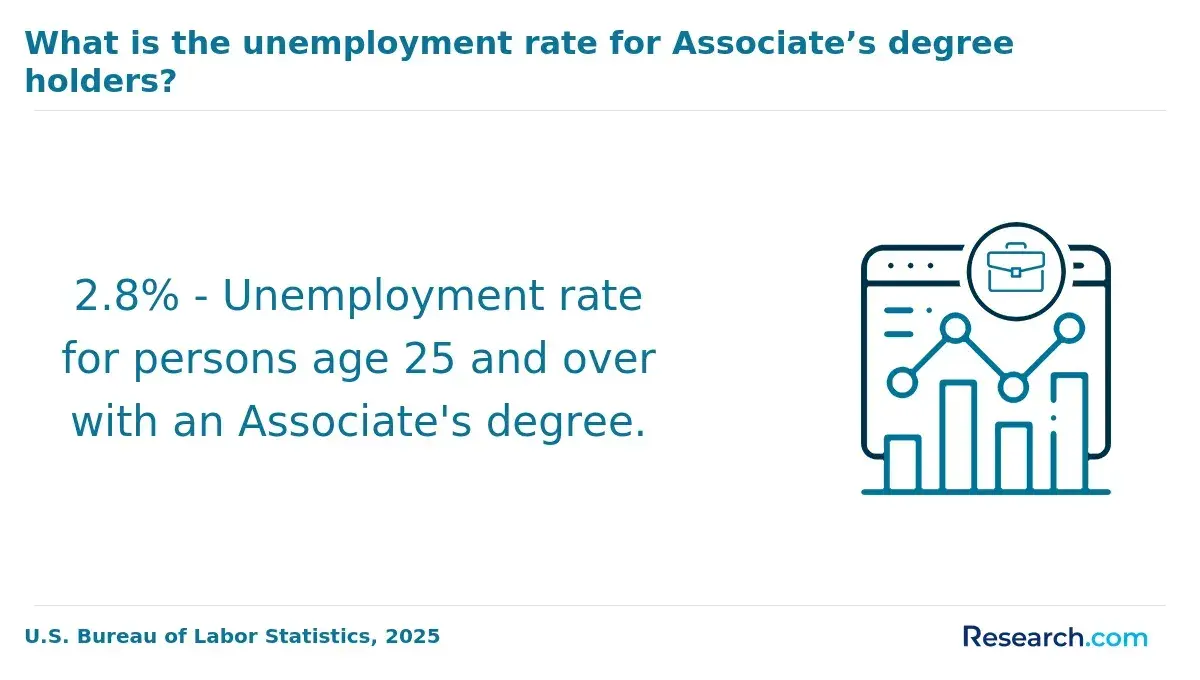
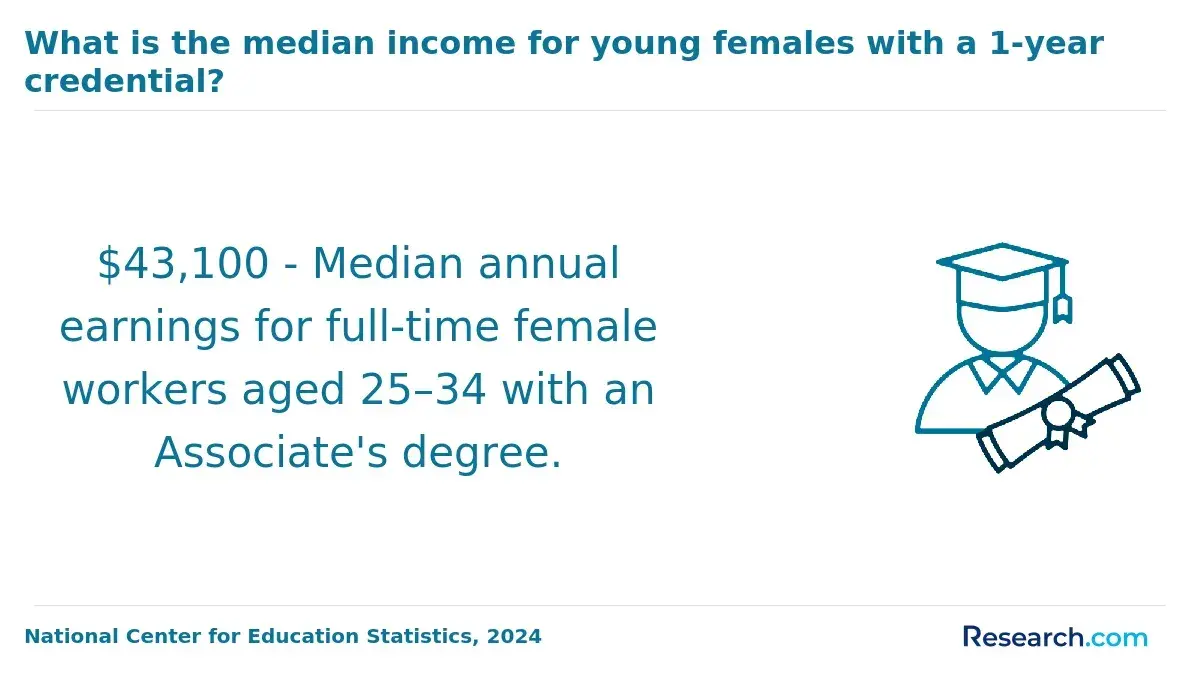
Most accredited colleges and universities typically allow students to transfer between 60 and 90 credits toward an online fire science bachelor's degree, though exact limits differ depending on each institution's rules and program requirements. Schools known as transfer-friendly usually have established 2+2 articulation agreements with community colleges, enabling smoother credit transfers from an associate degree. Conversely, some institutions have stricter policies and review transfer credits case-by-case, often accepting fewer credits.
When a registrar evaluates transfer credits, they examine official transcripts and course descriptions to confirm the coursework aligns with the fire science curriculum. Transferability depends on how closely previous courses match the degree requirements, the accreditation status of the credit-granting school, and the grades earned-usually a minimum of a C is required. Credits may not transfer if unrelated to fire science or may only count toward general education rather than core major courses.
It is highly advisable to request an official transfer credit evaluation early in the admissions process. This assessment clarifies exactly which credits will apply and helps avoid surprises by providing a tailored roadmap for degree completion.
- Transfer Credit Limits: Institutions generally accept 60 to 90 transfer credits, but policies and degree structures influence these caps.
- Articulation Agreements: Transfer-friendly schools partner with community colleges, facilitating smoother transfers especially for associate degree holders.
- Transcript Evaluation: Registrars look for course equivalency, accreditation, and satisfactory grades to determine credit acceptance.
- Credit Applicability: Some credits count only toward electives or general education, not fire science core courses.
- Evaluation Importance: Securing an official credit review during admissions helps students plan their academic path effectively.
Data from the National Center for Education Statistics shows about 36% of undergraduates transfer at least once before graduating, highlighting the value of understanding credit transfer policies early.
Does Accreditation Status Affect Admission Requirements for an Online Fire Science Bachelor's Degree?
Attending an accredited institution is crucial for students pursuing an online Fire Science bachelor's degree because accreditation verifies the quality and legitimacy of the program. It ensures credits are transferable, the degree is recognized by employers, and graduates meet eligibility for licensing and advanced study.
- Institutional Accreditation: Regional or national accreditation, authorized by bodies recognized by CHEA or the U.S. Department of Education, confirms that a school meets rigorous academic standards. This type of accreditation affects whether credits earned can transfer to other programs and whether employers accept the degree as valid.
- Programmatic Accreditation: Certain Fire Science programs require additional accreditation from specialized agencies that focus on discipline-specific quality. These accreditations often come with extra admission criteria that ensure the curriculum aligns closely with professional firefighting and emergency service standards.
- Credit Transferability: Programs holding regional accreditation typically allow students to transfer previously earned credits, which can shorten time to degree completion and reduce costs. Unaccredited programs often restrict credit transfers, potentially extending graduation time and expenses.
- Graduate School and Licensing: Degrees from unaccredited schools may not qualify students for graduate programs or professional licenses, limiting career advancement opportunities in Fire Science fields.
- Researching Accreditation: Prospective students should verify both institutional and programmatic accreditation status before applying. Confirming accreditation safeguards eligibility for federal financial aid and ensures a recognized credential after graduation.
According to a National Center for Education Statistics report, over 85% of graduates from regionally accredited programs find employment in their field within a year, highlighting the importance of attending accredited Fire Science degree programs.
What Documents Do You Need to Apply for an Online Fire Science Bachelor's Degree Program?
Official Transcripts: Most online fire science bachelor's programs require official high school transcripts as proof of completion. If you have prior college experience, official college transcripts must also be submitted. These documents must be sent directly from the issuing institution to show your authentic academic history.
Government-Issued ID: A valid government-issued ID, such as a driver's license or passport, is essential to verify your identity during the application. This step safeguards the integrity of your enrollment and confirms you are the applicant.
Application Essay: Many online fire science degree applicants need to submit a personal statement or application essay. This allows you to clearly present your motivation, highlight relevant experiences, and state your career goals in fire science.
Additional Documents: Selective programs may ask for supplementary materials like a résumé outlining work and volunteer experience, letters of recommendation from professional or academic contacts, or a portfolio showcasing related skills or certifications.
Official vs. Unofficial Documents: Official documents come directly from institutions and include authentication that unofficial copies lack. While some fire science programs might initially review unofficial documents, official versions are required before final admission. International students must provide certified English translations for all non-English documents, ensuring accuracy and compliance.
Certified Translations: Applicants whose supporting materials are not in English must submit certified translations from approved services. This is a strict requirement for online fire science bachelor's degree programs in the United States to maintain consistent admission standards.
Time Management: Collecting all application materials takes time. It's recommended to start gathering transcripts, essays, and other documents at least three to six months before your intended start date to meet rolling admissions or semester deadlines without stress.
Additional Guidance: Prospective students should also inquire about accreditation standards, minimum GPA and test score requirements, credit transfer policies, English proficiency, and financial aid options. For those interested in advancing in related fields, exploring an online masters in clinical mental health counseling can offer complementary career pathways.
Are There English Language Proficiency Requirements for Non-Native Speakers Applying to an Online Fire Science Bachelor's Degree?
Most accredited U.S. online fire science bachelor's degree programs require non-native English speakers to demonstrate English language proficiency as a key part of their admission criteria to ensure they can engage effectively with coursework. Accepted proficiency tests commonly include the TOEFL iBT, IELTS Academic, and the Duolingo English Test.
- Common Tests Accepted: These standardized tests measure reading, writing, listening, and speaking capabilities essential for academic success in fire science programs.
- Typical Minimum Scores: For undergraduate admission, TOEFL iBT scores typically range between 61 and 80. IELTS Academic minimum bands usually fall between 6.0 and 6.5. Duolingo scores of approximately 90 or higher are often required, subject to the institution's standards.
- Exemptions Offered: Applicants from English-speaking countries or those who have completed multiple years of study at English-medium institutions may qualify for exemptions from submitting test scores. Each fire science program defines its own exemption policies, so verifying them early is crucial.
- Conditional Admission Options: Some programs offer conditional acceptance contingent on completing an ESL bridge program. This option supports students who show promise but have not yet reached official proficiency thresholds.
Prospective students should always confirm exact score requirements, exemption policies, and conditional admission options directly with admissions offices to streamline their application process. Those exploring the most affordable paths to an online fire science degree might consider reviewing cheapest online degrees that align with their goals. Understanding English language proficiency requirements for international students in online fire science programs will better position applicants for success from the outset.
Do Online Fire Science Bachelor's Degree Programs Accept CLEP Exams or Prior Learning Credits?
The College-Level Examination Program (CLEP) lets students earn college credit by passing exams with a recommended minimum score of 50, according to the American Council on Education (ACE). More than 2,900 colleges accept CLEP credits, making it an efficient way to accelerate undergraduate progress. However, acceptance of CLEP varies among online fire science bachelor's programs-some apply CLEP credits broadly, while others restrict them to general education courses only.
- Institution-Specific Policies: Each college sets unique rules regarding CLEP credits. Research whether the fire science school accepts these credits toward major requirements or only general education.
- Other Prior Learning Credits: In addition to CLEP, some programs accept DANTES/DSST exams related to military topics, portfolio assessments, or credits earned through professional certifications, military service, or work experience.
- Cost and Time Savings: Prior learning credits can shorten degree timelines and reduce tuition costs. Contact your registrar's office early to understand how these credits apply and maximize your benefits.
- Documentation Requirements: Schools usually require official score reports or evidence for portfolio-based credits. Be prepared to submit transcripts, certifications, or detailed portfolios during your application process.
Engaging directly with admissions and registrar offices helps clarify which credits transfer and how they contribute to completing a fire science degree most efficiently.
Are There Residency or In-State Tuition Requirements That Affect Enrollment in an Online Fire Science Bachelor's Degree?
Many public universities offer in-state tuition rates to online students regardless of their physical residence. This benefit is often available through the State Authorization Reciprocity Agreement (SARA), a nationwide agreement that permits institutions in member states to legally provide online courses across state borders without needing separate approvals. SARA streamlines access by removing geographic barriers, making enrollment simpler for students.
That said, some universities still apply out-of-state tuition charges for their online fire science bachelor's degrees, which can considerably raise the overall cost. It's crucial to verify each school's tuition policies and confirm whether in-state tuition applies before enrolling.
- SARA Framework: An interstate agreement allowing participating universities to offer online education to students beyond their state without additional regulatory hurdles or fees.
- Tuition Differences: Although many public schools provide in-state rates online, others impose higher out-of-state fees; checking tuition details helps avoid unexpected expenses.
- Residency Verification: To qualify for in-state tuition, students may need to submit proof like utility bills, voter registrations, or driver's licenses demonstrating residency.
- Financial Consideration: Understanding tuition and residency rules can help prospective fire science students select the most affordable program while maximizing credit transfer opportunities.
What Graduates Say About Preparing for the Online Fire Science Bachelor's Degree Requirements
- Timothy: "I found that thoroughly understanding the admission requirements before applying was crucial in my journey toward an online fire science bachelor's degree. It allowed me to prepare all necessary documents and meet deadlines confidently. Knowing the credit policies helped me transfer previous coursework smoothly, which accelerated my graduation timeline and gave me a competitive edge in my emergency management career."
- Emilio: "Reflecting on my experience, mastering the eligibility criteria was the foundation for my successful admission into the online fire science program. This clarity helped me avoid common pitfalls and focus on courses that truly counted toward my degree. Ultimately, earning this degree online expanded my professional network and opened doors to leadership roles I once thought were out of reach."
- Xavier: "From a practical standpoint, having a solid grasp of both admission requirements and credit transfer policies upfront made all the difference in completing my online fire science bachelor's degree without unnecessary setbacks. This program transformed my career by equipping me with a deeper understanding of fire prevention and safety protocols, which has been invaluable in advancing within the firefighting field."
Other Things You Should Know About Fire Science Degrees
In 2027, most online fire science programs accommodate adult learners by offering flexible scheduling and credit for prior professional experience. Typically, they require completion of a high school diploma or equivalent. Some programs may also request letters of recommendation or a statement of purpose that highlights relevant work experience.
The usual time frame for completing an online fire science bachelor's degree is four years for full-time students. Part-time students or those transferring credits from prior coursework may finish sooner or later depending on their course load. Many programs offer flexible pacing to accommodate working professionals and adult learners.
Students generally need a reliable computer with internet access, a webcam, and a microphone to participate in online classes and exams. Common software requirements include updated web browsers and the ability to use learning management systems like Blackboard or Canvas. Some courses may require specific programs for simulations or report writing.
References
- Regulations for Determining Residency and Tuition Charges https://catalog.tmcc.edu/rules-regulations/regulations-determining-residency-tuition-charges/
- Fire Science Degree Program FAQs - Anna Maria College https://online.annamaria.edu/fire-science/frequently-asked-questions
- Online Fire Science Degree Programs | www.firescience.org https://www.firescience.org/online-firescience-degrees-and-programs/
- Accelerated Fire Science Degree Online [2026 Guide] https://www.mydegreeguide.com/accelerated-degrees/accelerated-fire-science-degree-online/
- Can Engineering Credits Transfer to an Online Degree Program? https://www.physicsforums.com/threads/can-engineering-credits-transfer-to-an-online-degree-program.556002/
- Fire Sciences https://www.skagit.edu/academics/areas-of-study/public-service-social-science/fire-science.html
- Ask 10 Questions About Transferring Credits to Online Bachelor's Programs https://www.yahoo.com/news/ask-10-questions-transferring-credits-online-bachelors-programs-133000989.html
- Certificate of English language proficiency | The HCPC https://www.hcpc-uk.org/registration/getting-on-the-register/international-applications/documents/certificate-of-english-language-proficiency/
- Online Bachelor in Fire Science Management Program – Faulkner University https://www.faulkner.edu/academics/criminal-justice/bachelor-in-fire-science-management/
- Transfer Guide https://coursetransfer.northcarolina.edu/guide/2024-2025/1631