
2027 Which Anthropology Degree Careers Have the Highest Barriers to Entry?

Co-Founder and Chief Data Scientist
Why do certain anthropology career paths demand far more qualifications and experience than others? Many recent anthropology graduates find that positions in cultural resource management or academic research require advanced degrees, specialized certifications, or extensive fieldwork. For example, the Bureau of Labor Statistics projects a 6% growth in anthropologist employment through 2032, but many competitive roles need a PhD or equivalent expertise. Understanding these distinctions can save prospective students time and resources by aligning their education plans with career realities. This article examines which anthropology degree careers have the highest barriers to entry and explains the factors behind their challenges.
Key Things to Know About Anthropology Careers With the Highest Barriers to Entry
- Anthropology careers with the highest barriers typically require PhDs, with 70% of roles in academia or research demanding extensive doctoral training.
- Competitive hiring standards prioritize candidates with significant publication records and specialized fieldwork experience, limiting access to only top applicants.
- Strict credentialing involves rigorous peer-reviewed certifications or postdoctoral fellowships, defining clear entry points and narrowing candidate pools significantly.
Which Anthropology Careers Are Hardest to Get Into?
Some anthropology careers are notably difficult to enter due to a combination of intense competition and limited job availability. For instance, the ratio of applicants to specialized forensic anthropology roles can exceed 20 to 1, illustrating the high selectivity in certain fields. This creates significant challenges for candidates aiming to secure these coveted positions.
Below are several anthropology careers known for their high barriers to entry and why they remain competitive:
- Forensic Anthropology: This field offers relatively few specialized positions, resulting in fierce competition among applicants. The scarcity of openings makes it one of the most competitive anthropology jobs in the US.
- Cultural Resource Management Archaeology: Long-term roles in CRM archaeology are limited despite demand, leading to intense competition for stable positions. Many qualified professionals vie for a finite number of spots.
- Biological Anthropology Research: Funding constraints and a limited number of permanent roles reduce opportunities. Acceptance rates for fellowships and postdoctoral positions can fall below 10%, highlighting the difficulty of entry.
- Museum Curation and Collections Management: These positions are few in number globally, and their desirability means many applicants compete for limited roles within anthropology-related museum fields.
- Applied Anthropology in Government/NGOs: Project-based roles often require alignment with specific initiatives, which restricts availability. The temporary nature of these positions contributes to heightened competition among applicants.
For those considering advanced degrees as a path to specialization, exploring a cheap doctorate degree online may provide a flexible and affordable option to strengthen qualifications in these highly selective areas.
What Academic Requirements Make Anthropology Careers Harder to Enter?
Academic demands often present significant hurdles for those pursuing careers in anthropology, especially when roles require extended education or in-depth specialization. Nearly 60% of professional anthropology jobs call for a master's degree or higher, making this field one with considerable educational barriers.
Several factors contribute to the challenges of gaining entry to many anthropology careers:
- Advanced Degrees: Many roles in research, academia, or consulting require master's or doctoral degrees. These programs demand additional years of study beyond a bachelor's, including comprehensive exams and original research.
- Specialized Coursework: Candidates often must complete focused classes in subfields like cultural, archaeological, linguistic, or biological anthropology. These courses involve complex theories and methodologies that require strong academic dedication.
- Extended Study Timelines: Graduate programs in anthropology can span from two to seven years depending on the degree and research intensity. This lengthier timeline delays career entry and can discourage some prospective students.
- Research Requirements: Gaining expertise frequently entails fieldwork or lab studies involving detailed planning and ethical oversight. This intensive research component adds substantial preparation time before entering the workforce.
What Certifications Are Required for Anthropology Careers?
Certifications often act as mandatory credentials for specialized or professional roles within anthropology careers. They establish formal entry requirements that ensure practitioners meet established standards. Recent data indicate that nearly 35% of job listings in anthropology-related fields require certification or licensure.
The following are some frequently required certifications that serve as key barriers to entry in this sector:
- Certified Forensic Anthropologist: Awarded by the American Board of Forensic Anthropology, this certification demonstrates advanced competence in forensic methods and is critical for roles involving legal investigations and courtroom involvement.
- Registered Professional Archaeologist: This credential upholds professional standards in archaeological work, particularly for those engaged in cultural resource management and consulting, ensuring compliance with regulatory frameworks.
- Certified Anthropological Consultant: Provided by several organizations, this certification verifies expertise in applying anthropological knowledge in policy advising, community collaboration, or consulting environments.
These certifications define a formal pathway, restricting entry to those who have proven their qualifications through rigorous assessments. They help maintain professional integrity and safeguard the quality of practice in specialized anthropology career streams.
An anthropology degree graduate shared that navigating the certification process was a significant hurdle. He described feeling overwhelmed by the detailed requirements and the pressure of maintaining ethical standards throughout the application. "It was tough balancing exam preparation with real-world demands, but earning my credential really gave me confidence," he recalled. He emphasized that while demanding, the certification provided clarity on professional expectations and opened doors that academic credentials alone could not.
How Much Experience Is Required for Competitive Anthropology Jobs?
Experience expectations significantly affect how competitive anthropology careers are, with employers often setting clear experience thresholds to streamline candidate selection. These benchmarks become crucial filters, particularly for the most selective roles. Meeting these requirements usually reflects the candidate's suitability for complex and high-responsibility positions.
Several common experience levels emerge across competitive anthropology job listings, including:
- Entry Level: Positions at this stage require little to no formal work history, often valuing internships, volunteer work, or field involvement to show foundational skills and engagement.
- Mid Level: These roles generally ask for around three to five years of relevant experience, expecting demonstrated ability in managing research projects or collaborating with diverse communities.
- Senior Level: More advanced jobs demand extensive backgrounds, typically over five to ten years, with responsibilities like leading teams, directing research, or contributing to academic publications.
- Specialist Roles: Some positions focus on deep, technical expertise requiring multiple years working with particular methods, tools, or cultural specialties.
Tracking the average years of experience needed for anthropology careers helps applicants gauge where they fit in this spectrum. Those aiming to advance may also explore additional development opportunities, such as eMBA programs, that enhance leadership and interdisciplinary skills valuable in competitive environments.
What Skills Are Required for High-Barrier Anthropology Careers?
Anthropology careers with high entry barriers typically demand a blend of advanced and specialized abilities that narrow the pool of eligible candidates. Research from 2023 shows that more than 70% of employers in research-intensive social science areas seek applicants with targeted technical skills and domain-specific knowledge, raising hiring standards substantially. Such requirements heighten competition for these positions.
Several critical skills consistently appear as gatekeepers for these roles, including:
- Analytical Reasoning: Mastering the interpretation of complex data and uncovering underlying patterns requires sharp intellectual skills and familiarity with diverse analytical tools, making entry particularly challenging.
- Fieldwork Expertise: Proficiency in designing and executing detailed field studies ensures trustworthy data collection. Adapting ethnographic methods across varying settings demands rigor and flexibility, limiting qualified candidates.
- Quantitative Competence: Fluency with statistical software and quantitative analysis empowers accurate handling of numerical data, a skillset many anthropology graduates find demanding to achieve at required levels.
- Technical Communication: Clear and persuasive reporting of research outcomes in writing and presentations separates strong contenders from others, reflecting communication precision essential for selective hiring.
- Interdisciplinary Collaboration: Working effectively with experts from related fields requires cultural awareness and openness, intensifying expectations for interpersonal capabilities.
When discussing these demands, a professional with an Anthropology degree recalled struggling to balance rigorous data analysis alongside field research logistics, describing it as "a constant learning curve." She reflected that communicating complex findings in straightforward ways was emotionally taxing but ultimately rewarding, emphasizing that patience and adaptability were vital throughout her pathway. Her experience highlighted how mastering multifaceted skills defines entry into demanding anthropology careers.
Do Some Industries Have Higher Barriers to Entry Than Others?
Entry barriers in anthropology careers fluctuate widely depending on the industry, with some sectors setting notably higher standards than others. These disparities mainly arise from the nature of the work, regulatory demands, and institutional responsibilities tied to each field.
Several sectors within anthropology are recognized for imposing more stringent barriers, as outlined below:
- Forensic Anthropology: This field is intricately linked to legal and criminal processes, requiring strict compliance with governmental and judicial protocols. Consequently, only those who fulfill rigorous standards can participate in these sensitive investigations.
- Medical Anthropology: Focused on health systems and public welfare, this industry operates under complex healthcare regulations and ethical considerations. Such frameworks limit accessibility to professionals adept at navigating these institutional constraints.
- Museum and Cultural Resource Management: Protecting and interpreting cultural heritage involves adherence to stringent preservation laws and professional ethics. These requirements elevate the hurdles for newcomers entering this specialization.
- Academic and Research Institutions: Competition is fierce in this arena, with positions demanding specialized expertise. Entry pathways here are more formal and often pose significant challenges for prospective candidates.
Industries that feature heightened entry barriers typically involve regulated settings, sensitive subject matter, or roles with considerable accountability, all of which ensure that only suitably qualified individuals succeed.
Do Certain States or Regions Have Stricter Requirements?
Geographic location significantly shapes the barriers to entry in anthropology careers by influencing the complexity of educational and regulatory requirements. Regional differences in workforce standards and licensing regulations often determine how accessible certain roles are to aspiring professionals. Approximately 40% of U.S. states enforce some form of state-level licensing or registration for positions related to cultural resource management and forensic anthropology, underscoring considerable regional variation.
The following factors commonly contribute to stricter entry requirements across different states or regions:
- State Licensing: Some states mandate specific licenses or registrations for anthropology-related professions, requiring candidates to meet defined educational and legal standards before entering the field.
- Accreditation Standards: Regional accrediting bodies influence which educational qualifications are recognized, affecting eligibility for certain roles or certifications within anthropology.
- Urban Versus Rural Workforce: Urban areas tend to have more formalized hiring practices and structured oversight, resulting in higher barriers compared to rural regions with less stringent regulation.
- Professional Association Requirements: Local and regional organizations may impose distinct credentialing or membership criteria that professionals must satisfy to practice.
- Demand Dynamics: Employment opportunities in public and private sectors vary regionally, with areas enforcing higher qualification thresholds to meet competitive market demands.
These geographic and regulatory patterns collectively influence the accessibility of anthropology careers depending on the location, reflecting the diverse landscape of professional entry standards across the United States.
How Competitive Is the Hiring Process for Anthropology Careers?
Competitiveness in the hiring process for anthropology careers is largely influenced by the volume of applicants, limited role availability, and employer selectivity. Many academic and research positions attract numerous qualified candidates competing for very few openings, with some application-to-job ratios exceeding 50 to 1. This level of competition is particularly noticeable in US roles, where hiring competitiveness in US anthropology jobs remains intense, reflecting high standards and demand versus supply imbalances. Such dynamics create a challenging landscape for candidates aiming to secure stable positions within the field.
This competitiveness is reflected in the variable selection intensities seen across different anthropology roles. While entry-level jobs may have somewhat broader hiring pools, many specialized or tenure-track positions demand rigorous screening and elevated qualifications. This results in a stratified job market, where only a few highly selective positions exist amid many less competitive opportunities, further underscoring job market barriers for anthropology careers in Europe and beyond. Prospective students may also consider broader academic options like a psychology degree online to expand their career prospects.
Which Companies Are Hardest to Get Hired by in Anthropology Fields?
Certain types of organizations within anthropology fields are known for having more selective hiring processes due to limited job openings, high standards, or strong employer reputations. Data shows that some anthropology-related employers attract up to five times more applicants than positions, highlighting significant competition for available roles. These demanding hiring conditions reflect the challenge of entering top careers associated with the highest barriers to entry among anthropology degree careers.
Below are some of the top anthropology organizations with toughest job competition and a brief explanation of what makes them so selective.
- Major Research Institutions and Museums: These organizations are highly sought after because of their prestigious reputation and abundant resources. Consequently, applicants face intense competition for scarce openings, making entry notably difficult.
- Government Agencies with Specialized Programs: Agencies concentrating on cultural or heritage initiatives often uphold strict candidate criteria and experience slow hiring cycles. This combination results in few job opportunities and elevated selectivity.
- Consultancy and Private Sector Firms: Firms focusing on niche anthropology areas demand candidates with exceptional expertise. Their specialized needs create smaller pools of qualified applicants and a more rigorous selection process.
- International Organizations and NGOs: Due to the sensitive, global nature of their cultural preservation work, these entities maintain high standards and limited roles worldwide, which increases competitiveness.
- Elite Academic and Research Nonprofits: Prioritizing groundbreaking research, these nonprofits operate with scarce funding and very limited openings. This leads to high applicant volume and tough competition.
Anthropology students aiming to navigate these competitive environments may consider exploring resources like most affordable online MBA programs no GMAT to complement their education and enhance career prospects in these selective fields.
Do Difficult Anthropology Careers Lead to Higher Salaries?
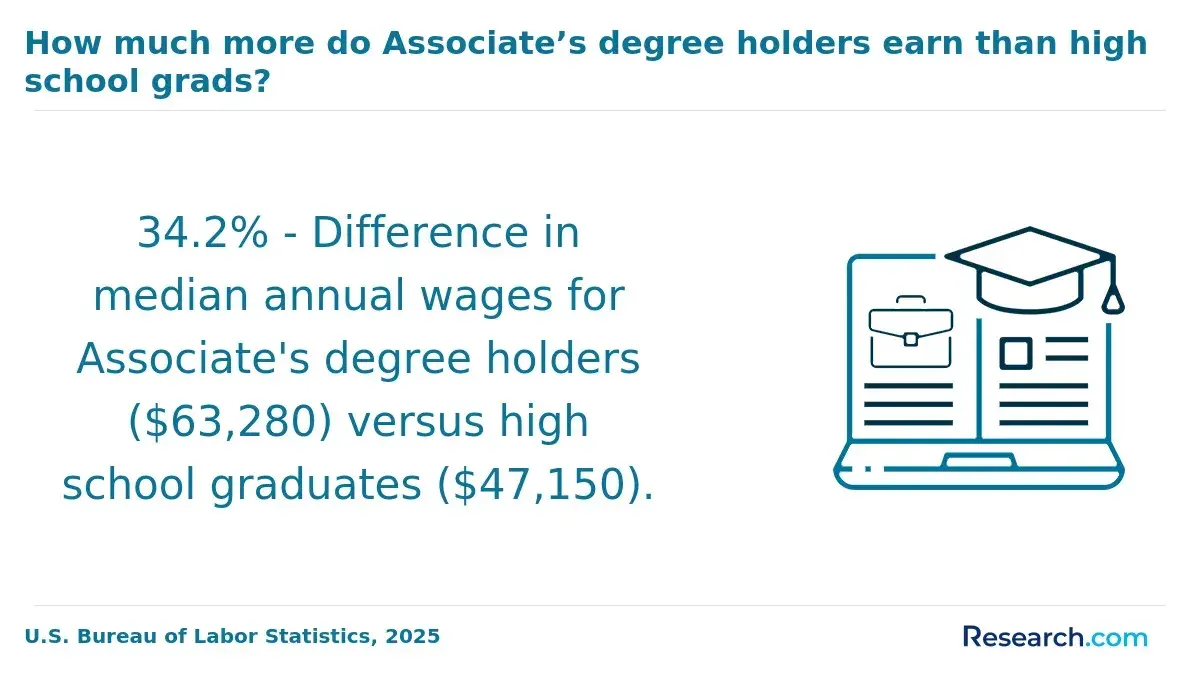
Careers in anthropology with higher barriers to entry generally correlate with increased salary potential, reflecting broader employment patterns where more challenging roles reward advanced knowledge and skills. Data on anthropology career salary differences in the United States indicate that positions requiring advanced degrees and intensive fieldwork can command median salaries roughly 20% to 30% above those that demand only a bachelor's degree or have less rigorous entry standards. This trend highlights how elevated expertise and responsibility often translate into higher financial compensation in the field.
Nonetheless, the link between entry difficulty and pay is not uniform across all anthropology paths. Some highly selective roles, such as those in academic research or cultural resource management, may offer modest earnings despite strict prerequisites. In contrast, certain applied anthropology jobs might provide competitive compensation with relatively fewer entry obstacles, influenced by sector demands and funding. Prospective anthropologists may also explore options like a cheap online masters in counseling to diversify career possibilities while considering the impact of advanced anthropology degrees on job earnings.
What Graduates Say About Anthropology Careers With the Highest Barriers to Entry
- Dante: "Choosing an anthropology degree was a deliberate decision despite the high barriers to entering the field professionally. I knew that standing out required not just academic success but also real-world experience through internships and networking. This proactive approach truly shaped my career, allowing me to leverage my degree in unique cultural consultancy roles."
- Collin: "Reflecting on my journey, the challenges in anthropology careers taught me resilience and strategic planning. It was crucial to deepen my specialization early on and seek mentorship from seasoned professionals. Ultimately, my degree gave me a profound understanding of human behavior that has been invaluable in my work with international development projects."
- Dylan: "As someone drawn to anthropology despite its tough career landscape, I focused on enhancing my qualifications with additional skills such as data analysis and field research techniques. The degree's impact is undeniable; it opened doors into academia and applied research, where I continue to explore and influence cultural preservation efforts. Embracing the difficulty made the rewards even greater."
Other Things You Should Know About Anthropology Degrees
Certain anthropology roles, particularly those in government agencies or museum curation, may require thorough background checks due to the sensitive nature of the work and access to protected cultural artifacts. These checks can include criminal history and security clearances, adding an additional layer to the hiring process beyond academic qualifications.
Networking plays a significant role in securing positions within anthropology fields that have stringent entry standards. Building relationships with established professionals through academic conferences, professional organizations, and internships can provide essential mentorship and job opportunities that are not always publicly advertised.
For many specialized anthropology fields, especially in academia and research institutions, completing one or more postdoctoral fellowships is often a critical step. These opportunities allow candidates to develop niche expertise, publish extensively, and build a competitive profile essential for tenure-track positions or advanced research roles.
References
- Careers in Anthropology https://discoveranthropology.org.uk/careers-in-anthropology/
- Careers in Anthropology - AABA https://bioanth.org/careers-in-anthropology/
- How Can I Apply My Anthropology Experience to Get the Job I Want? - The Anthropology Career Readiness Network https://anthrocareerready.net/how-can-i-apply-my-anthropology-experience-to-get-the-job-i-want/
- How to Get a Job as an Anthropologist | Savage Minds https://savageminds.org/2012/02/23/how-to-get-a-job-as-an-anthropologist/
- Career outlook https://clas.wayne.edu/anthropology/programs/career-outlook
- Anthropologists:Requirements https://herzing.vault.com/professions/anthropologists/requirements
- Anthropology 2025-2026 | Academic Jobs Wiki | Fandom https://academicjobs.fandom.com/wiki/Anthropology_2025-2026
- What Can You Do With an Anthropology Degree? 2026 Guide | Extern https://www.extern.com/post/what-can-you-do-with-an-anthropology-degree-career-guide
- Anthropology Tops List of Hardest Majors to Turn Into a Job https://www.voronoiapp.com/education/Anthropology-Tops-List-of-Hardest-Majors-to-Turn-Into-a-Job-7927
- Anthropology Major Jobs: Undergraduate Majors & Anthropology Jobs https://www.livinganthropologically.com/anthropology-major-jobs/


