
2027 Which Organizational Leadership Degree Careers Have the Highest Barriers to Entry?

Co-Founder and Chief Data Scientist
Why do some organizational leadership careers demand more education, certifications, and hands-on experience than others? For many recent graduates, navigating the job market reveals that roles like executive directors or management consultants often require advanced degrees or specialized credentials beyond a bachelor's in organizational leadership.
According to the U. S. Bureau of Labor Statistics, employment for management occupations is projected to grow 7% from 2022 to 2032, intensifying competition for high-level positions. This article examines which organizational leadership degree careers have the highest barriers to entry and clarifies what makes these pathways more difficult to pursue.
Key Things to Know About Organizational Leadership Careers With the Highest Barriers to Entry
- Extensive education, often requiring a master's or doctoral degree, significantly limits access, with 65% of senior roles demanding advanced credentials in organizational leadership.
- Highly competitive hiring standards mean candidates must demonstrate proven leadership outcomes and strategic impact, narrowing opportunities in top-tier organizations.
- Strict credentialing and 5-10 years of relevant experience are commonly mandated, making entry particularly challenging for early-career graduates in organizational leadership fields.
Which Organizational Leadership Careers Are Hardest to Get Into?
Some organizational leadership careers stand out for their high competition and scarce job openings, making entry into these roles notably difficult. In many cases, acceptance rates can dip as low as 5%, reflecting the intense selectivity that candidates face across these fields. These challenges often arise from the need to fill only a few positions despite a large pool of qualified applicants.
The following careers represent some of the most competitive options within organizational leadership:
- Executive Leadership: High-level positions such as chief executive officers or directors in large corporations have extremely limited openings. These roles attract highly qualified candidates globally, resulting in strong selectivity and a notably low acceptance rate.
- Organizational Consulting: Senior consulting roles related to organizational leadership often have many applicants vying for few spots. The broad global competition drives intense barriers to entry, making the field difficult to break into.
- Nonprofit Leadership: Leadership roles within nonprofit organizations are scarce because many nonprofits operate on smaller scales with limited funding. This scarcity heightens competition among job seekers, increasing the challenge of entry.
- Change Management: Positions focused on organizational development or change management are rare yet strategically vital. The combination of restricted availability and high demand makes these roles difficult to secure.
- Strategic Directors: Leadership positions that direct organizational strategy are often held by a select few due to their influence and responsibility. The limited number of such roles further elevates competition.
For those interested in advancing in organizational leadership but also considering related fields, exploring programs such as a masters in AI online may offer additional career flexibility and competitive advantages.
What Academic Requirements Make Organizational Leadership Careers Harder to Enter?
Academic demands often pose significant barriers to entering organizational leadership careers, particularly when advanced studies or specialized education are required. Many positions necessitate prolonged academic commitment, which increases both time and financial costs. Notably, nearly 60% of leadership roles in management-related fields call for a master's degree or higher, according to the National Center for Education Statistics.
The following academic factors contribute to the challenges faced by prospective organizational leaders:
- Advanced Degrees: A master's degree, such as an MBA or a master's in organizational leadership, is commonly required for many leadership positions. These programs often require two or more years of study beyond a bachelor's degree, increasing the educational timeline significantly.
- Specialized Coursework: Organizational leadership roles may demand coursework in strategic management, organizational behavior, or ethics. These specialized subjects often involve interdisciplinary study that goes beyond basic leadership theories.
- Extended Study Timelines: Certain career paths call for doctoral-level education, which can extend the academic journey by several years. Doctoral programs typically require original research, further restricting entry to candidates prepared for this rigorous workload.
- Rigorous Academic Standards: Competitive admissions and high GPA requirements for graduate programs limit access to only the top-performing students, reducing the pool of eligible candidates.
These academic requirements collectively increase the complexity and duration of preparation for organizational leadership careers, effectively narrowing the pool of qualified candidates prepared to succeed in demanding leadership roles.
What Certifications Are Required for Organizational Leadership Careers?
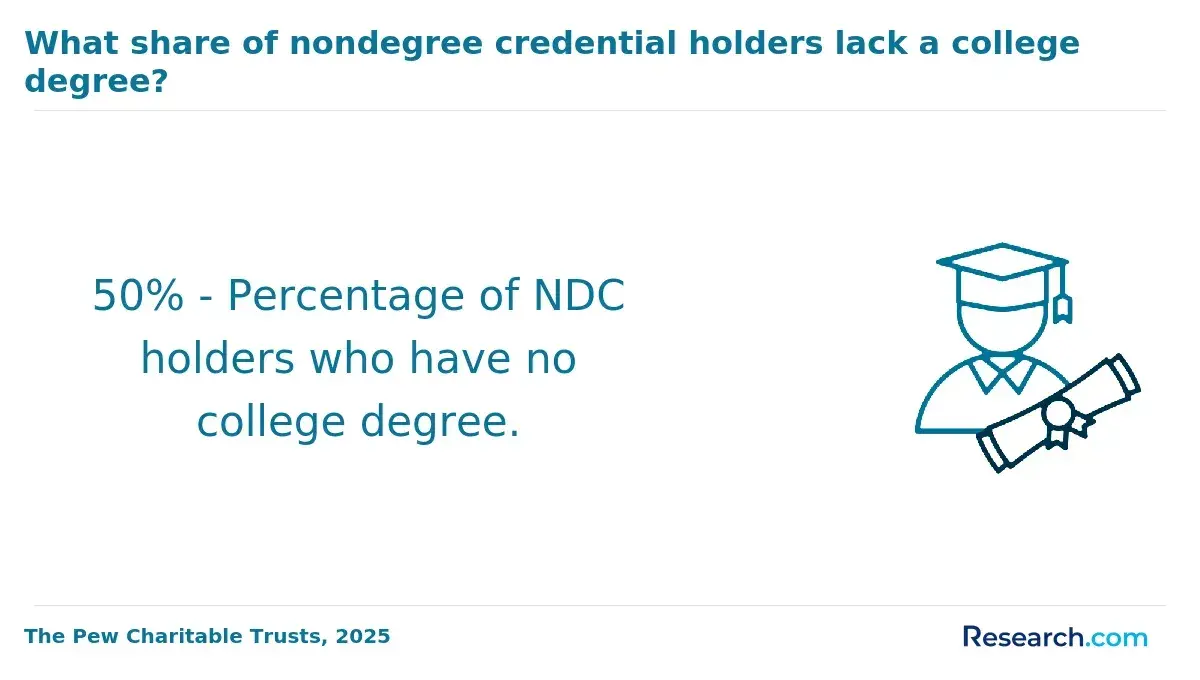
Certifications often serve as essential prerequisites in various organizational leadership roles, acting as mandatory credentials for specialized professional practice. They confirm that candidates possess the verified expertise and standards compliance required to assume leadership positions.
Research shows that more than 60% of leadership roles prefer or mandate relevant certifications, demonstrating the critical role these credentials play in career progression. Such certification requirements effectively establish professional gatekeeping within the organizational leadership field.
Common certifications typically recognized as formal entry points include the following:
- Project Management Professional (PMP): This certification validates skills in managing projects and leading teams effectively. It sets a benchmark for project leadership competency required by many organizations.
- Certified Manager (CM): Focused on management fundamentals and business acumen, this credential measures critical managerial abilities, often making it a prerequisite for leadership roles.
- SHRM-CP/SHRM-SCP: Offered by the Society for Human Resource Management, these credentials target professionals centered on human capital and organizational development, underscoring the importance of specialized leadership expertise.
Obtaining these certifications is rarely a simple process; they impose rigorous standards and ethical guidelines to ensure candidates meet the industry's expectations. One organizational leadership degree graduate described the certification journey as "demanding yet rewarding," noting how the extensive preparation "challenged my understanding and discipline." He reflected that passing the exams required "more than just knowledge-it demanded commitment and resilience," reinforcing the idea that certifications act as meaningful barriers protecting the quality and integrity of leadership positions.
How Much Experience Is Required for Competitive Organizational Leadership Jobs?
Experience requirements significantly impact the competitiveness of organizational leadership roles. Employers often set strict experience thresholds to screen applicants, ensuring candidates demonstrate the maturity and proven leadership needed for challenging positions. These criteria act as critical barriers, particularly in highly selective job markets.
Below are typical experience levels commonly required for competitive organizational leadership job experience requirements:
- Entry Level: These roles usually demand little to no prior leadership experience, making them accessible to recent graduates or professionals shifting careers. The focus is on foundational skills with limited direct management responsibilities.
- Early Career: Candidates are expected to have one to three years of relevant experience, often including some leadership of projects or small teams. This stage tests the application of leadership principles in real-world contexts.
- Mid Level: This tier requires three to seven years of experience, emphasizing strategic thinking, effective decision-making, and a history of influencing team or organizational outcomes. Demonstrated leadership ability becomes crucial at this level.
- Senior Level: Positions demand at least seven to ten years of extensive experience managing complex operations or multiple departments. Candidates must show a record of driving organizational change and maintaining high-impact leadership performance.
For those exploring paths in organizational leadership, understanding the years of experience needed for organizational leadership positions clarifies the rising expectations at each career stage. Prospective students may also consider related educational options such as online psychology master's programs to deepen their leadership insights and enhance competitiveness in this field.
What Skills Are Required for High-Barrier Organizational Leadership Careers?
High-barrier organizational leadership roles require a blend of advanced and highly specialized skills that create significant obstacles for entry. These competencies go well beyond basic leadership abilities, reflecting the demanding and complex nature of such positions. A 2023 survey by the National Association of Colleges and Employers found that 85% of employers value strategic and interpersonal skills more than academic qualifications alone in this field.
The essential skills that often determine eligibility for these roles include:
- Strategic Thinking: This skill involves anticipating future challenges and aligning long-term objectives accordingly. Mastery here calls for deep analytical ability and vision, which narrows the candidate pool considerably.
- Complex Problem-Solving: Leaders must skillfully address intricate problems that involve competing interests and multiple stakeholders. Creativity and resilience are crucial, making this a difficult skill to develop.
- Advanced Communication: Beyond conveying information clearly, this skill encompasses persuasion and negotiation across diverse organizational levels and cultures. It is vital for influencing outcomes and often represents a high threshold for candidates.
- Emotional Intelligence: The capacity to manage personal emotions while understanding others fosters trust and effective team dynamics. This subtle and challenging skill greatly influences leadership success in conflict resolution and motivation.
- Change Management: Guiding organizations through complex transitions requires adaptability and precise execution. This adds another layer of difficulty to the qualifications needed.
When asked about her experience, a professional with an Organizational Leadership degree shared that "developing the ability to navigate unpredictable scenarios was both the most daunting and rewarding part of stepping into leadership roles." She reflected on how "the continuous balancing act between managing people's emotions and driving strategic initiatives tested my patience and adaptability." Instead of relying solely on textbook knowledge, she emphasized the importance of learning through real-world challenges, noting that "each situation pushed me to grow in ways I hadn't anticipated." Her insights highlight how these demanding skills shape not just hiring but ongoing success in high-barrier organizational leadership careers.
Do Some Industries Have Higher Barriers to Entry Than Others?
Barriers to entry in organizational leadership careers differ widely based on the industry's unique environment. Certain sectors enforce more demanding conditions due to regulatory complexities, stakeholder involvement, and operational challenges. These stricter thresholds make leadership roles less accessible in some fields compared to others.
The following industries are notable for their higher entry barriers within organizational leadership:
- Healthcare: This sector involves rigorous regulatory oversight and intricate organizational dynamics. Leaders must ensure compliance with health laws, maintain patient safety standards, and coordinate across various medical disciplines, all of which restrict access to top roles.
- Financial Services: Leadership here deals with intense regulatory scrutiny and the imperative to manage financial risks effectively. Navigating these compliance demands and maintaining stakeholder confidence elevates the difficulty of gaining entry.
- Government and Public Sector: The bureaucratic structure and public accountability in this arena present complex challenges. Leaders must balance political influences, legal constraints, and the public interest, contributing to tougher entry requirements.
- Energy and Utilities: This industry is shaped by stringent environmental regulations and the need to uphold sustainable practices. Leadership roles require adherence to strict standards where non-compliance results in significant consequences.
- Manufacturing and Industrial: Leaders face the complexities of supply chain management and operational safety oversight. Regulatory compliance in these areas raises the barrier for assuming leadership positions.
Overall, industries characterized by complex operations and external oversight naturally impose higher thresholds for organizational leadership roles, limiting opportunities and increasing the demands on aspiring leaders.
Do Certain States or Regions Have Stricter Requirements?
Geographic location significantly affects entry requirements for careers in organizational leadership. Variations in regional regulations and local workforce standards can make certain leadership roles more or less accessible depending on the state or area. Approximately 35% of U.S. states have formal licensing or registration mandates for management professionals in regulated sectors, highlighting notable differences across regions.
Several regional factors contribute to these stricter entry standards in organizational leadership careers, including:
- State Licensing Requirements: Some states impose mandatory licensing or certification for leadership positions, necessitating additional education or formal approvals that raise the barrier to entry.
- Local Industry Regulations: Regional policies and regulatory bodies may enforce unique standards affecting who can occupy organizational leadership roles within specific sectors or markets.
- Urban Versus Rural Dynamics: Urban areas with competitive labor markets often demand more rigorous qualifications, while rural regions may have fewer requirements due to different workforce needs.
- Education System Variations: Differences in state education standards and program accreditations can impact the eligibility and readiness of candidates for leadership opportunities.
- Economic Policy Influences: State and regional economic strategies often shape hiring practices, affecting how stringent entry criteria are applied in organizational leadership roles.
How Competitive Is the Hiring Process for Organizational Leadership Careers?
Competitiveness in the hiring process for organizational leadership careers is largely shaped by the interplay of applicant volume, available roles, and employer selectivity. Due to attractive compensation and career prestige, many candidates vie for limited positions, often resulting in applicant-to-job ratios as high as five to ten times the number of vacancies. Employers remain highly selective, aiming to identify individuals who align closely with strategic objectives and leadership capabilities. This dynamic reflects ongoing challenges related to organizational leadership careers hiring competitiveness across the job market.
The intensity of competition varies significantly among different organizational leadership roles, illustrating barriers to entry in organizational leadership job market. Highly sought-after positions often require multiple interview rounds, rigorous assessments, and thorough reference checks to ensure a precise fit. Conversely, some roles may have less demanding entry processes but still attract numerous qualified candidates. For prospective students or professionals exploring career options, resources like the easiest associate degree programs can offer insight into varied educational pathways affecting these hiring dynamics.
Which Companies Are Hardest to Get Hired by in Organizational Leadership Fields?
Certain organizations in organizational leadership fields are known for their exceptionally selective hiring due to limited openings, rigorous standards, and the need to uphold strong reputations. Industry data shows some leadership positions attract over 1,000 applicants per role, underscoring the intense competition to secure these jobs. These dynamics shape the landscape of the most competitive organizational leadership employers across various sectors.
Below are several general categories of organizations that typically maintain high hiring standards in organizational leadership fields:
- Large Multinational Corporations: These firms manage extensive leadership pipelines and enforce strict selection criteria to protect their global brand and ensure leadership consistency across regions.
- Highly Selective Non-Profit Organizations: Driven by finite resources and a strong mission focus, these organizations often seek leaders with exceptional strategic capabilities and a deep commitment to their causes.
- Specialized Consulting Firms: Leadership advisory consultancies demand outstanding credentials and proven expertise to maintain trust with high-profile clients and sustain their reputations.
- Government Agencies with Leadership Programs: These entities apply layered selection procedures, including rigorous background checks and competitive exams beyond conventional interviews.
- Elite Professional Associations and Societies: Such associations prioritize candidates with distinguished records to preserve their prestige and influence within their industries.
Prospective candidates should consider programs such as the best organizational development master's programs online to prepare effectively for entering these top organizational leadership companies with high hiring standards.
Do Difficult Organizational Leadership Careers Lead to Higher Salaries?
Careers with the highest barriers to entry in organizational leadership often offer greater salary potential due to the competitive and selective nature of these roles. Positions requiring rigorous qualifications and exceptional leadership skills typically come with compensation packages reflecting these demands. Data indicates that senior leadership roles with strict entry standards can earn up to 40% more than those with fewer requirements, emphasizing the strong link between entry difficulty and pay. This pattern is visible across many organizational leadership careers with highest salary potential, where the effort to overcome initial hurdles is rewarded financially.
However, the impact of barriers to entry on organizational leadership salaries is not uniform across all career paths. Some leadership roles with easier entry points provide significant growth and salary advancement over time, balancing out initial accessibility. Additionally, factors such as budget constraints and sector-specific pay scales influence earnings beyond just entry difficulty. Prospective leaders might consider how different pathways align with their goals, including exploring programs like an environmental engineering bachelor's degree online, which can offer unique leadership opportunities in allied fields.
What Graduates Say About Organizational Leadership Careers With the Highest Barriers to Entry
- Azrael: "Choosing an organizational leadership degree was a deliberate decision despite knowing the challenges ahead. I learned that perseverance and continuous skill-building are essential to break through the high barriers in leadership roles. This degree transformed my ability to influence and lead teams effectively, making every step worthwhile."
- Alvaro: "The path to a career in organizational leadership felt daunting at times, but focusing on practical experience alongside my studies gave me a real edge. Taking deliberate steps like networking and seeking mentorship opened doors that might have otherwise remained closed. Reflecting back, this degree was crucial in solidifying my confidence and professional impact."
- Robert: "As a professional committed to growth, I appreciated how the organizational leadership degree sharpened my strategic thinking and problem-solving skills. While the career demands are high, this education provided tools to navigate complex workplace dynamics. I now see the degree as a vital foundation that elevated my career trajectory significantly."
Other Things You Should Know About Organizational Leadership Degrees
The culture of an organization can significantly influence the success of leaders entering fields with high entry barriers. In roles demanding advanced leadership skills, adapting to corporate values and communication styles is essential. Candidates who align well with a company's culture often navigate onboarding and early career challenges more effectively.
Continued education is vital for maintaining relevance and advancing in organizational leadership careers with high barriers. Many professionals pursue advanced certifications, workshops, or executive training programs to stay updated on emerging management theories and practices. This ongoing learning helps leaders meet evolving industry standards and sustain career growth.
Mentorship programs are often integral in careers with significant entry challenges, providing guidance and support to newcomers. Experienced leaders help mentees develop strategic thinking and problem-solving skills essential for complex leadership roles. These relationships can accelerate professional development and increase chances of long-term success.
Networking is crucial for entering and succeeding in organizational leadership roles with high barriers. In 2027, leveraging professional connections can provide valuable insights, mentorship opportunities, and access to exclusive job openings that may not be publicly advertised, enhancing one's chances of success.
References
- 5 Organizational Leadership Careers https://claremontlincoln.edu/news-blog/organizational-leadership-careers/
- Top 10 Leadership Certifications to Elevate Your Career - Blue Signal Search https://bluesignal.com/2024/05/29/top-10-leadership-certifications-to-elevate-your-career/
- Career Paths With a Degree in Organizational Leadership https://www.calcoast.edu/news/career-paths-with-a-degree-in-organizational-leadership
- The 2025 Regional Workforce Development Rankings https://siteselection.com/the-2025-regional-workforce-development-rankings/
- Is Organizational Leadership Hard? | CSU Global https://csuglobal.edu/blog/is-organizational-leadership-hard
- Nearly Half of Companies Say Their Entry-Level Roles are Hardest to Fill https://yello.co/blog/nearly-half-of-companies-say-their-entry-level-roles-are-hardest-to-fill/
- Industries With the Roughest, Toughest Job Interviews | ERE https://www.ere.net/articles/industries-with-the-roughest-toughest-job-interviews
- 5 High-Impact Careers in Organizational Leadership https://onlinedegrees.rockhurst.edu/blog/organizational-leadership-careers
- These are the hardest companies to interview for, according to Glassdoor https://finance.yahoo.com/news/hardest-companies-interview-according-glassdoor-000957968.html
- Organizational Leadership Job and Salary Opportunities https://www.pointloma.edu/resources/business-leadership/organizational-leadership-job-salary-opportunities


