
2027 Organizational Leadership Degrees Explained: Are They Classified as Professional Degrees?

Co-Founder and Chief Data Scientist
Many prospective students mistakenly believe organizational leadership degrees automatically qualify as professional degrees required for licensure or specific certifications. This misconception can lead to misguided educational investments and unmet career expectations. In reality, only 38% of workforce leaders with advanced degrees hold professional degrees linked directly to licensure or regulatory bodies. The majority pursue organizational leadership programs for skill development and career advancement rather than mandatory credentials. This article clarifies the classification of organizational leadership degrees, examining their structure, accreditation, and role in career growth to help readers make informed decisions aligned with their professional goals.
Key Benefits of Professional Organizational Leadership Degrees
- Graduates with a professional organizational leadership degree often experience faster career advancement, gaining access to executive roles requiring strong strategic and managerial skills.
- These degrees typically result in higher earning potential, with professionals earning 15-25% more on average than those with non-professional credentials.
- Professional organizational leadership qualifications can open doors to regulated or senior positions in industries emphasizing verified leadership competence and ethical decision-making.
What Is Considered a Professional Organizational Leadership Degree?
Knowing what qualifies as a professional organizational leadership degree is crucial for students evaluating career-focused education pathways, especially those aiming for licensure or certifications. These degrees often play a key role in meeting essential qualifications for organizational leadership careers, aligning education with workforce demands. Employment for leadership roles requiring specialized organizational and management education is projected to grow by more than 8% in the coming decade, highlighting the rising need for professionally trained leaders.
Below is a myth-versus-fact guide to clarify common misconceptions about professional organizational leadership degrees.
Degree Purpose
- Myth: All organizational leadership degrees serve the same academic purpose without focus on professional skills.
- Fact: Professional degrees emphasize practical leadership skills and applied training tailored to real-world organizational settings.
Licensure Preparation
- Myth: Professional organizational leadership degrees always guarantee licensure or career certification.
- Fact: While many prepare students for certifications valued by employers, some degrees lean more toward research than direct licensure preparation.
Career Readiness
- Myth: These degrees focus solely on theory with little practical application.
- Fact: Programs often include internships, capstone projects, and other experiences designed for immediate workforce entry and advancement.
For those interested in blending leadership skills with emerging technologies, pursuing an AI degree online can also complement organizational leadership expertise in today's digital workplace.
Who Should Pursue a Professional Organizational Leadership Degree?
Identifying who should pursue a professional organizational leadership degree is crucial for students seeking career-focused, practice-oriented education designed to build real-world skills. With enrollments in organizational leadership programs increasing by over 25% in recent years, demand for leadership expertise continues to rise across multiple industries.
Below are common myths and facts to clarify who benefits most from these degrees.
Early-Career Limits
- Myth: Only early-career professionals gain value from organizational leadership degrees.
- Fact: While foundational skills are vital for newcomers, mid-career changers and those pursuing specialized or regulated roles also derive significant benefits.
Licensure Requirement
- Myth: A professional degree is required for licensure in most leadership-related fields.
- Fact: Organizational leadership programs rarely lead directly to licensure but enhance candidacy for roles demanding accredited leadership training.
Career Changers
- Myth: Career changers cannot maximize the benefits of professional organizational leadership degrees.
- Fact: Individuals switching fields often gain focused leadership competencies applicable across diverse industries, improving their prospects in the best careers with organizational leadership degree credentials.
Students exploring career possibilities may also consider comparing costs and program structures through resources such as an online business degree to find affordable options aligned with their professional goals.
What Are the Most Common Professional Organizational Leadership Degree Programs?
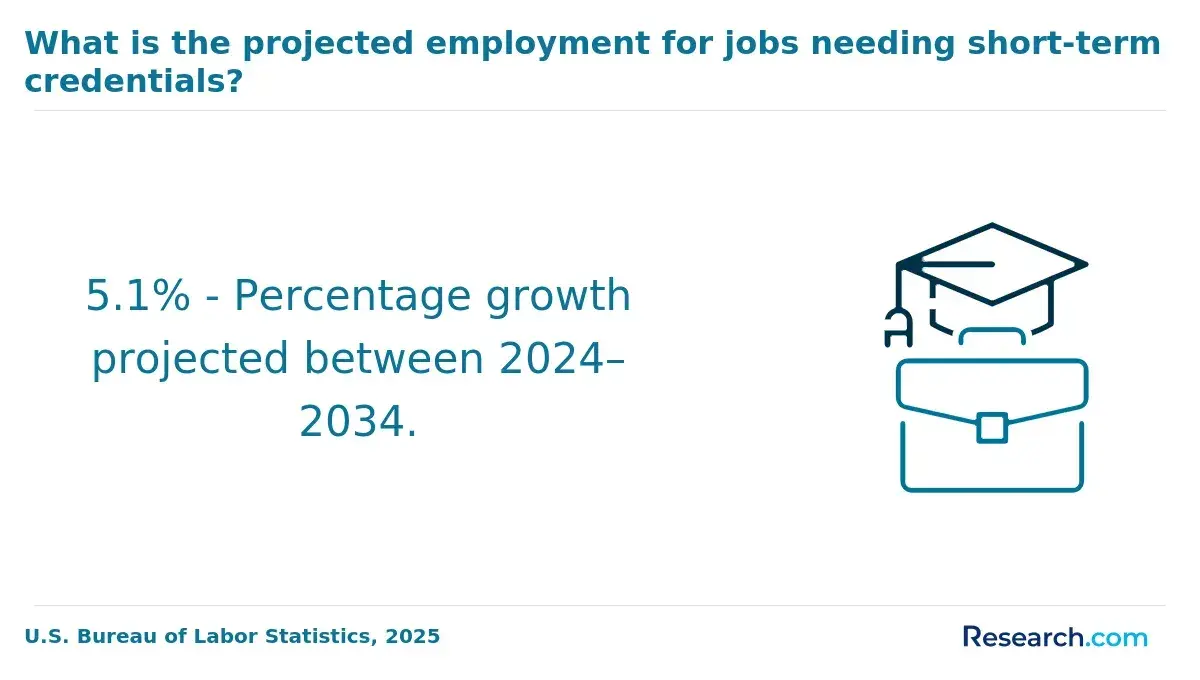
Knowing the different types of professional organizational leadership programs enables students to select one that aligns closely with their career ambitions and learning style. Enrollment in these degrees has grown by 15% over the past five years, indicating a rising need for adept leaders in today's workforce.
Below are the primary program options commonly available.
- Bachelor's in organizational leadership: This undergraduate program covers foundational theories of leadership, communication, and team collaboration. It is designed to build essential skills for managing people and projects across various sectors.
- Master's in organizational leadership: Focused on advanced strategic planning, organizational development, and ethical decision-making, this graduate program prepares students to address complex challenges within organizations. The curriculum emphasizes practical leadership techniques applicable to diverse industries.
- Certificates in leadership or management: These shorter, targeted programs concentrate on specific leadership skills or management areas. They appeal to professionals seeking to enhance expertise without committing to a full degree.
Are Professional Organizational Leadership Degree Programs Accredited?
Over 85% of students enroll in programs accredited by recognized agencies, demonstrating the importance of appropriate professional organizational leadership degree accreditation agencies in student decision-making. When exploring accrediting bodies for organizational leadership programs, prospective students should verify the status of the institution to ensure eligibility for financial aid and licensure.
Accreditation Importance
- Myth: All professional organizational leadership degree programs are accredited by default.
- Fact: Many organizational leadership programs pursue accreditation, but not all receive it. Accreditation typically comes from regional or national agencies recognized by the U.S. Department of Education or the Council for Higher Education Accreditation (CHEA), ensuring program quality and credibility.
Institutional vs. Programmatic
- Myth: Institutional accreditation and programmatic accreditation are the same for organizational leadership degrees.
- Fact: Institutional accreditation covers the entire college or university's educational standards. Programmatic accreditation, focusing on specific fields or departments, is less common for organizational leadership compared to other disciplines like nursing or law.
Career Impact
- Myth: Accreditation does not affect career advancement or licensure eligibility.
- Fact: Accreditation influences access to federal financial aid, employer recognition, and sometimes licensure or certification requirements. Graduating from an accredited program enhances career prospects and credibility, which is important for those pursuing leadership roles.
For those interested in comparing cost-effective options, consider exploring the cheapest online psychology degree programs as a reference point for affordable online offerings with recognized accreditation standards.
What Are the Admission Requirements for a Professional Organizational Leadership Degree?
Meeting admission standards is crucial for candidates assessing professional organizational leadership programs, as these criteria help ensure readiness for the demands of advanced study. The field has experienced a 15% growth in graduate enrollment recently, reflecting rising interest among early-career professionals.
Here is an overview of common admission prerequisites.
- Bachelor's Degree Requirement: Candidates must hold a bachelor's degree from an accredited institution, typically with a minimum GPA to verify academic aptitude. This prerequisite confirms foundational knowledge essential for graduate-level coursework.
- Professional Experience: Programs often require one to three years of relevant work experience to enrich classroom discussions with practical perspectives and demonstrate leadership potential in real-world settings.
- Letters of Recommendation: Applicants usually submit recommendations that vouch for their leadership capabilities and dedication to professional growth, providing insight into character and work ethic beyond grades.
- Standardized Test Scores: Some programs request GRE or GMAT results, although waivers may be granted based on work history or academic achievements, balancing standardized assessment with individual backgrounds.
- Personal Statement: A well-crafted statement of purpose helps candidates articulate their career objectives, explaining how the degree aligns with their leadership aspirations and professional development.
What Courses and Practical Training Are Required in a Professional Organizational Leadership Degree?
Prospective students evaluating professional organizational leadership programs should carefully consider both curriculum content and practical training components. These elements are critical for determining whether a degree provides the necessary skills for career advancement and leadership roles. A closer look at typical coursework and training reveals how programs equip graduates for success.
The following list outlines common courses and required practical training for leadership degrees:
- Leadership Theory and Organizational Behavior: These core courses focus on understanding how organizations operate and the dynamics of leading teams effectively. Students develop foundational knowledge of leadership styles, motivation, and group behavior relevant to workplace environments.
- Strategic Planning and Decision-Making: Emphasizing long-term vision and tactical approaches, these classes teach students to analyze complex problems and make ethical, data-driven decisions. This skill set supports roles that require navigating organizational change.
- Communication Skills: Effective communication is integral to leadership. Coursework targets interpersonal skills, conflict resolution, and persuasive messaging, enhancing students' ability to manage diverse stakeholders.
- Practical Training and Internships: Hands-on experiences such as internships, capstone projects, or applied leadership exercises bridge theory and practice. This required practical training for leadership degrees hones problem-solving, teamwork, and project management skills in real-world settings.
- Ethical Leadership and Change Management: Focused on integrity and guiding transformation, these subjects prepare students to lead responsibly and adapt organizations to evolving environments.
Students seeking programs with a strong emphasis on applied learning and industry relevance are more likely to meet professional standards and improve their chances for higher earning potential and promotion opportunities. For those exploring career-focused degrees, considering professional organizational leadership degree coursework and practical training is essential.
These programs can position graduates among the highest paying degrees, as highlighted by highest paying degrees, which includes leadership studies as a robust option for early-career growth.
How Much Do Professional Organizational Leadership Degrees Cost?
Understanding the cost of professional organizational leadership degrees is essential for prospective students assessing the financial commitment of these programs. Tuition and related expenses can vary widely, with average total program costs ranging from $15,000 to over $60,000 depending on factors like institution type, delivery mode, and program length. Recently, more online and accelerated formats have emerged, such as 1 year masters programs, providing added flexibility and sometimes lower overall expenses.
Key cost components include:
- Tuition fees: This represents the primary expense and varies significantly between public and private institutions as well as on-campus versus online formats. Tuition rates often reflect the quality and reputation of the program.
- Additional fees: Students may incur technology fees, library access charges, lab costs, or student service fees that add several hundred to a few thousand dollars to the overall expense.
- Books and materials: Required textbooks, software licenses, and other study materials can range from $500 to $2,000, depending on the curriculum's rigor and content.
- Time commitment: Longer organizational leadership degree programs may lead to indirect costs such as lost wages or childcare, which affect total affordability beyond just tuition and fees.
Prospective students evaluating professional organizational leadership degree tuition fees should consider these factors carefully to balance educational value with financial planning and career goals.
Do Professional Organizational Leadership Degrees Qualify for Financial Aid?
Financial aid eligibility often concerns students considering professional organizational leadership programs due to the costs involved. Nearly 56% of graduate students rely on some form of financial assistance, including loans and scholarships, underscoring the importance of understanding aid options in this field.
Clarifying common misconceptions can help prospective students navigate financial support more effectively.
Federal Aid Eligibility
- Myth: Professional organizational leadership degrees do not qualify for federal financial aid as they are not recognized academic programs.
- Fact: Many accredited professional organizational leadership programs are eligible for federal aid, including Direct Unsubsidized Loans and Grad PLUS Loans, provided students meet enrollment and accreditation requirements.
Alternative Funding
- Myth: Financial aid is limited to federal loans, leaving students without other support options.
- Fact: Students often access institutional scholarships tailored for leadership disciplines, employer tuition reimbursement programs, and public service loan forgiveness when working in qualifying sectors.
Program Accreditation
- Myth: Accreditation status rarely impacts financial aid eligibility for organizational leadership degrees.
- Fact: Accreditation is crucial; only programs correctly accredited qualify for most federal and institutional financial aid, making verification essential before enrollment.
Are Professional Organizational Leadership Degrees Required for Certain Careers?
Students exploring professional organizational leadership programs should research the specific degree requirements tied to their intended careers to prevent unnecessary delays and expenses. The U.S. Bureau of Labor Statistics forecasts a 5% growth in leadership-focused jobs through 2031, though few explicitly require formal leadership degrees for employment.
Below are common misconceptions clarified with accurate information.
Licensure Requirements
- Myth: A professional organizational leadership degree is mandatory for licensure in most regulated professions.
- Fact: Licensure often depends on fields such as healthcare, law, or engineering, where leadership degrees rarely fulfill legal requirements.
Specialized Roles
- Myth: Executive coaching and nonprofit management positions always require an organizational leadership degree.
- Fact: While these credentials may be preferred, equivalent professional experience can frequently satisfy employers.
Career Eligibility
- Myth: Holding a professional organizational leadership degree guarantees eligibility for most managerial jobs.
- Fact: Many employers favor relevant experience, certifications, and proven leadership skills over specific degrees when considering candidates.
Program Accreditation
- Myth: All organizational leadership degrees are equally recognized regardless of accreditation.
- Fact: Choosing accredited programs that align with career goals enhances qualification legitimacy and advancement opportunities without relying solely on licensure.
Do Professional Organizational Leadership Degrees Lead to Higher Salaries?
Evaluating the monetary advantages of professional organizational leadership degrees is essential for individuals investing time and resources into advanced, career-oriented education. Knowing how these degrees might influence future earnings helps students make informed decisions aligned with their professional goals.
The following section addresses common misconceptions and realities about earning potential related to these degrees.
Salary Guarantees
- Myth: Obtaining a professional organizational leadership degree guarantees an immediate salary increase.
- Fact: While the degree can enhance leadership and management skills valuable to employers, salary growth depends on experience, industry, and effective application of those skills rather than the degree alone.
Degree Value
- Myth: Only technical or strictly business degrees impact advancing one's career and salary potential.
- Fact: Organizational leadership degrees prepare graduates for management and executive roles, increasing access to higher-paying jobs that require leadership expertise, such as project or department management.
Long-Term Impact
- Myth: The financial benefits of this degree are limited to the short term and diminish quickly.
- Fact: Leadership skills acquired remain relevant across industries and economic conditions, often resulting in sustained opportunities for promotions, bonuses, and stronger salary negotiation over time.
Additionally, graduates often gain expanded professional networks and enhanced problem-solving abilities that indirectly support financial growth and career progression throughout their careers.
What Graduates Say About Their Professional Organizational Leadership Degree
- Winley: "Pursuing a professional organizational leadership degree was one of the best decisions I've made for my career. The program's flexible schedule allowed me to balance full-time work and study seamlessly. Considering the average cost of attendance was manageable, it felt like a worthwhile investment that opened doors to leadership roles I hadn't imagined before."
- Finley: "Reflecting on my time in the professional organizational leadership program, I appreciate how tailored the course was to accommodate working professionals. The flexibility gave me the freedom to learn at my own pace while applying new strategies to my job. With an average cost that reflects good value, this degree truly enhanced my confidence and career trajectory. "
- Kairo: "The decision to enroll in a professional organizational leadership degree program was driven by my goal to develop actionable leadership skills. The program's flexible format was ideal given my busy schedule, and the relatively moderate tuition fees made it accessible. This degree has been pivotal in advancing my professional standing and equipping me with practical tools for effective team management. "
Other Things You Should Know About Organizational Leadership Degrees
Graduates with an organizational leadership degree in 2027 can pursue roles such as human resources manager, operations director, management analyst, or project coordinator. These positions leverage skills in strategic planning, team leadership, and organizational development to optimize business performance.
In 2027, organizational leadership degrees are often classified as professional degrees. These programs typically focus on developing advanced leadership and management skills, combining theoretical knowledge with real-world application, similar to other professional degree programs. However, classification may vary by institution.
Many professional organizational leadership degrees include internships or practical experiences as part of their curriculum, though requirements vary by program. These opportunities allow students to apply leadership theories in actual organizational settings. Completing such practical components can enhance employability and provide valuable hands-on experience.
References
- 8 Myths About Accredited Online MBAs Debunked https://lakewood.edu/accredited-online-mba-myths/
- Online Degree Programs: Myths vs Facts | Amity Online https://amityonline.com/blog/online-degree-programmes-myths-and-facts
- Cost https://online.colorado.edu/organizational-leadership-ms/cost
- Master's in Organizational Leadership https://www.muhlenberg.edu/graduatestudies/organizationalleadership/
- Is an organizational leadership degree worth it | CSU https://www.charlestonsouthern.edu/is-an-organizational-leadership-degree-worth-it/
- Debunking Myths About Financial Aid https://www.collegedata.com/resources/pay-your-way/debunking-myths-about-financial-aid
- Costs/Financial Assistance https://www.csudh.edu/organizational-leadership-bs/costs-financial-assistance/
- Is an Organizational Leadership Degree Right for Me? https://www.creighton.edu/blog/organizational-leadership-degree-right-me
- Top 14 Salary Opportunities for Master's in Education with a Concentration in Organizational Leadership Graduates https://gsep.pepperdine.edu/blog/posts/top-14-salary-opportunities-for-ms-in-org-leadership-graduates.htm
- What Can You Do With a Degree in Organizational Leadership? | St. Catherine University https://www.stkate.edu/blog/What-Can-You-Do-With-a-Degree-in-Organizational-Leadership


