
2027 Photography vs. Graphic Design Degree: Explaining the Difference

Co-Founder and Chief Data Scientist
Choosing between a photography degree and a graphic design degree is really a choice between two different ways of building a visual career. Photography focuses on making original images through camera work, lighting, editing, and visual storytelling. Graphic design focuses on using type, images, layout, branding, and digital tools to communicate a message for clients, companies, products, or audiences.
The two paths overlap in creativity, composition, color, and portfolio development, but they lead to different day-to-day work. A photography student may spend more time shooting, editing images, managing clients, and building a body of visual work. A graphic design student may spend more time solving communication problems, creating brand assets, designing layouts, and using software for print and digital media.
This guide compares photography degree programs and graphic design degree programs by curriculum, skills, difficulty, costs, career outcomes, and decision factors. It is designed for students who want a practical way to decide which major better fits their interests, work style, and long-term career goals.
Key Points About Pursuing a Photography vs. Graphic Design Degree
- Photography degrees focus on image capture and editing skills, leading to careers in media, art, and commercial photography; graphic design degrees emphasize visual communication for advertising and digital media roles.
- Typical tuition costs for photography programs average around $20,000 annually, often less than graphic design programs, which can exceed $25,000 due to specialized software training.
- Both programs usually span 2 to 4 years; graphic design studies often require learning complex software, while photography combines technical and artistic coursework.
What are photography degree programs?
Photography degree programs prepare students to create, edit, evaluate, and present professional images. In the U.S., these programs generally span four years of full-time study at the bachelor’s level, although shorter and more flexible pathways may also be available depending on the institution.
The core of a photography program is hands-on image-making. Students learn how to operate digital cameras, control exposure, work with natural and studio lighting, compose images, edit photographs, and build visual stories. Common technical tools include Photoshop and Lightroom, while coursework often includes photographic history, visual storytelling, critique, and legal issues connected to creative work.
Most institutions offer either a Bachelor of Arts (BA) or a Bachelor of Fine Arts (BFA) in Photography. A BA usually includes a broader liberal arts foundation, which can benefit students interested in journalism, media, education, or interdisciplinary work. A BFA typically gives students more studio time and deeper artistic training, making it a stronger fit for students focused on developing a professional creative portfolio.
Admissions requirements vary by school, but applicants commonly need to meet standard academic criteria and submit a portfolio. The portfolio does not need to show professional-level work, but it should demonstrate visual curiosity, consistency, and readiness for critique-based study.
What are graphic design degree programs?
Graphic design degree programs teach students how to create visual communication for print, digital, branding, advertising, publishing, and interactive media. Unlike photography, which centers on image capture, graphic design is usually client- or message-driven: the designer uses type, images, color, layout, and software to guide attention and communicate clearly.
A bachelor’s degree typically requires around 120 credits and takes about four years to complete. Associate degrees usually span two years and may prepare students for entry-level production roles, transfer to a bachelor’s program, or freelance work with a strong portfolio.
Coursework commonly includes typography, branding, motion graphics, layout design, digital imaging, design history, web design, and portfolio development. Students also learn professional software such as Adobe Photoshop, Illustrator, and InDesign. Strong programs balance technical software skills with design thinking, critique, concept development, and real-world project constraints.
Admissions requirements generally include a high school diploma or equivalent. Some schools also ask for a creative portfolio. For applicants without extensive design experience, the portfolio may include drawings, digital work, photography, layout samples, or other visual projects that show potential.
What are the similarities between photography degree programs and graphic design degree programs?
Photography and graphic design degree programs both belong to the broader field of visual communication. Each teaches students how to make deliberate creative choices, use technology, critique visual work, and build a portfolio that can support employment or freelance opportunities.
The main similarities are in foundation courses, creative process, and professional preparation.
- Visual communication: Both fields train students to communicate ideas through visual choices such as composition, contrast, color, emphasis, and sequencing.
- Creative problem-solving: Students in both programs learn to make decisions under constraints, whether the challenge is capturing a compelling image or designing a clear brand message.
- Overlapping fundamentals: Coursework may include color theory, composition, digital imaging, critique, art and design history, and professional software such as Adobe Photoshop and Illustrator.
- Studio-based learning: Both programs rely heavily on projects, critiques, revisions, and portfolio development rather than exams alone.
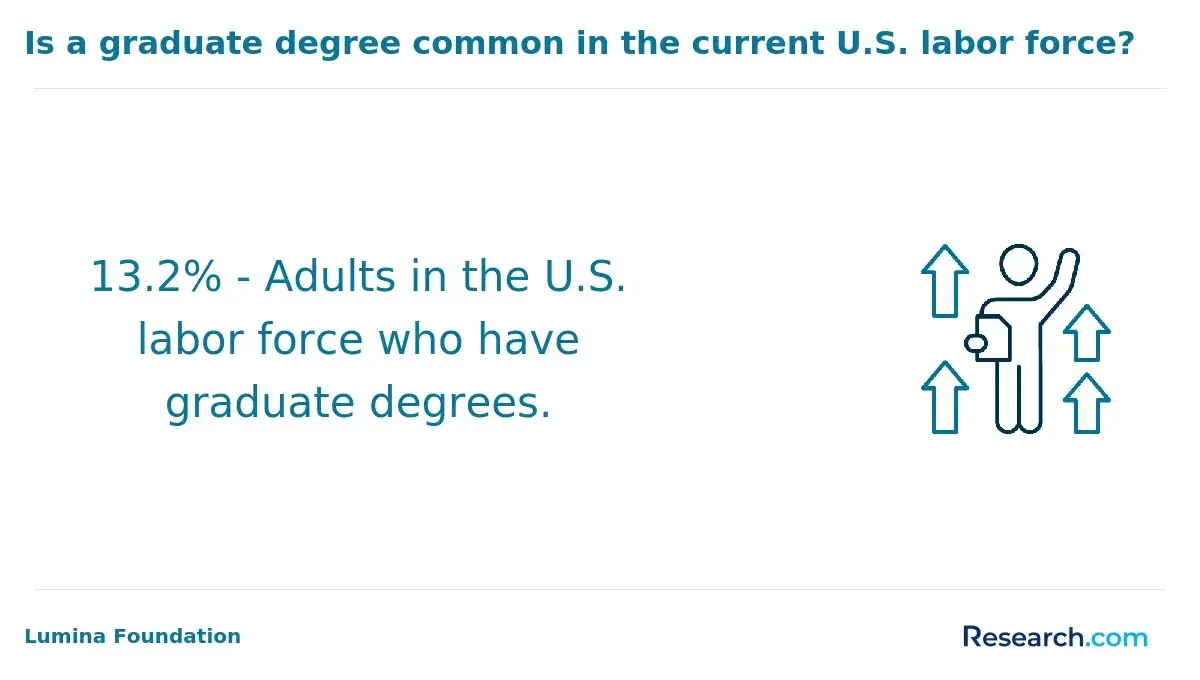
- Bachelor’s degree pathways: Most students complete four-year bachelor’s degrees, with around 51% of photographers and 68% of graphic designers attaining this level of education.
- Portfolio-based admissions and hiring: Applicants may need a portfolio for admission, and graduates typically need a strong body of work to compete for jobs, clients, internships, or graduate study.
These similarities matter because students can sometimes move between the fields or combine them. For example, a photographer with design skills may create stronger marketing materials, while a graphic designer with photography skills may produce more original visual assets.
For learners who need a flexible schedule, accelerated online undergraduate degrees for working adults may help compare options that fit around work, family, or other responsibilities.
What are the differences between photography degree programs and graphic design degree programs?
The biggest difference is the primary creative output. Photography programs train students to create and edit original images. Graphic design programs train students to combine type, images, layout, and visual systems to communicate a message or solve a design problem.
| Category | Photography degree programs | Graphic design degree programs |
| Primary focus | Capturing, editing, and presenting images | Designing visual communication using type, images, layout, and branding |
| Typical coursework | Studio lighting, digital and film photography, photo editing, composition, visual storytelling | Typography, Adobe Creative Suite, illustration, branding, layout, web design basics |
| Main tools | Cameras, lighting equipment, editing software, printing or digital presentation tools | Design software, typography systems, layout tools, digital production platforms |
| Creative output | Portraits, editorial images, commercial photographs, documentary work, fine art images | Logos, advertisements, websites, publications, brand systems, marketing materials |
| Work environment | Often freelance, studio-based, event-based, location-based, or editorial | Often agency-based, in-house, freelance, corporate, publishing, marketing, or digital media |
Photography can be a better match for students who want to work directly with subjects, environments, lighting, and image capture. Graphic design may be a better match for students who enjoy structured problem-solving, typography, branding, and designing for clients or users.
Career patterns also differ. About 51% of photographers hold bachelor’s degrees in photography, compared to 68% of graphic designers with degrees in graphic design. The average salary is approximately $33,968 for photographers and $49,450 for graphic designers. These figures should be treated as broad reference points, not guarantees, because earnings depend on location, portfolio quality, specialization, employment type, and business skills.
What skills do you gain from photography degree programs vs graphic design degree programs?
Photography and graphic design degrees both build creative judgment, but the skill outcomes are different. Photography emphasizes image capture and visual storytelling. Graphic design emphasizes message design, layout, branding, and production for print and digital platforms.
Skill Outcomes for Photography Degree Programs
- Technical camera operation: Students learn to control aperture, shutter speed, ISO, focus, lenses, and file formats so they can make intentional images rather than rely on automatic settings.
- Lighting and exposure control: Programs teach students how to shape natural and artificial light, create mood, handle difficult conditions, and produce consistent results.
- Composition and visual storytelling: Students learn how framing, timing, perspective, sequencing, and subject choice affect meaning.
- Digital editing proficiency: Training in tools such as Adobe Photoshop and Lightroom helps students retouch, color-correct, organize, and prepare images for publication or client delivery.
- Portfolio and critique skills: Students learn to select, refine, present, and defend their work, which is essential for employment and freelance opportunities.
- Professional workflow: Many programs introduce client communication, image rights, file management, printing, and project delivery.
Skill Outcomes for Graphic Design Degree Programs
- Typography and layout design: Students learn how to arrange type, images, spacing, hierarchy, and grids so information is clear and visually effective.
- Digital design tools: Programs build proficiency in software such as Adobe Illustrator, InDesign, and Photoshop for print, digital, and branding projects.
- Branding and visual identity: Students learn how logos, color systems, typography, imagery, and style guidelines work together to support a brand.
- Visual communication strategy: Graphic design students learn to design for a target audience, purpose, format, and client goal.
- Production knowledge: Coursework often covers preparing files for print, web, social media, and other professional outputs.
- Collaboration and critique: Students practice presenting concepts, receiving feedback, revising work, and working within project constraints.
The skills gained from photography degree programs prepare graduates for commercial, editorial, event, documentary, and artistic image-making. Graphic design degree skills and outcomes are more directly tied to marketing materials, websites, brand assets, publications, and digital media.
Students comparing shorter or lower-barrier education options can also review the easiest associate degrees to get while weighing which specific skills they want to build first.
Which is more difficult, photography degree programs or graphic design degree programs?
Neither degree is automatically harder for every student. The more difficult option depends on your strengths, weaknesses, work habits, and tolerance for critique. Photography can be demanding because it combines technical camera control, lighting, fieldwork, editing, and portfolio development. Graphic design can be demanding because it combines software training, typography, design theory, client-style constraints, and frequent revisions under deadlines.
The difficulty of graphic design degree programs often comes from the need to produce clear, usable, and polished work on schedule. Students must learn complex applications such as Adobe Creative Suite while also developing judgment in hierarchy, layout, branding, and visual communication. A design may look attractive but still fail if it does not communicate the intended message.
The question of whether a photography degree is harder than a graphic design degree depends largely on the student. Photography students must master exposure, lighting, composition, editing, and presentation while building a distinct visual voice. They may also need to work independently, schedule shoots, manage changing conditions, and solve technical problems outside a controlled classroom.
Both fields can be stressful because creative work is public and critique-based. Students must revise repeatedly, accept feedback, and keep producing even when inspiration is low. Both fields can also involve market saturation and creative burnout, so persistence and professional discipline matter as much as talent.
A student who enjoys software, typography, and structured design problems may find graphic design more manageable. A student who is visually intuitive, comfortable with cameras, and motivated by independent image-making may find photography more natural. Students considering longer-term academic options can also explore doctoral programs without dissertation as part of broader education planning.
What are the career outcomes for photography degree programs vs graphic design degree programs?
Photography and graphic design can both lead to creative careers, but the employment models are different. Photography careers often depend heavily on freelancing, client development, specialization, and portfolio reputation. Graphic design careers may offer more structured roles in agencies, companies, publishers, marketing departments, and digital media teams.
Career Outcomes for Photography Degree Programs
Photography degree career opportunities in the US can be competitive, especially because smartphone technology, stock photography platforms, and accessible editing tools have changed how images are produced and purchased. Graduates often improve their prospects by specializing, building a strong portfolio, and developing business skills.
- Commercial Photographer: Creates images for advertising, products, corporate use, catalogs, campaigns, or branded content, often as a freelancer or agency collaborator.
- Photojournalist: Covers news, events, people, and social issues for media outlets or documentary projects.
- Wedding Photographer: Photographs weddings and related events, usually requiring client management, marketing, editing, and reliable delivery.
Career Outcomes for Graphic Design Degree Programs
Graphic design graduates usually enter a broader job market because many industries need visual communication. The field connects closely with marketing, technology, publishing, branding, and digital content. Advancement often depends on portfolio quality, software proficiency, communication skills, and the ability to solve business or user problems through design.
- UX/UI Designer: Designs digital interfaces and user experiences to improve usability, navigation, and engagement.
- Art Director: Oversees creative projects, sets visual direction, and guides design teams in advertising, media, or brand environments.
- Animator: Creates motion graphics and animated assets for multimedia platforms, campaigns, entertainment, or digital products.
Graphic design’s connection to digital products, branding, and emerging technologies can create a wider range of role types. Photography remains viable, but graduates often need a sharper niche, stronger client acquisition strategy, and a portfolio that clearly separates them from low-cost alternatives.
Students comparing alternative ways to advance their education can review resources such as 1 year phd programs online no dissertation while evaluating long-term academic and career goals.
How much does it cost to pursue photography degree programs vs graphic design degree programs?
The cost of a photography or graphic design degree depends on the institution, residency status, program level, delivery format, and required supplies. Tuition is only part of the total price. Students should also budget for software, technology fees, materials, portfolio production, and field-specific equipment.
For photography degrees, annual tuition at public universities typically costs about $11,205 for in-state students, while out-of-state attendees may pay around $36,080. Private schools, including prestigious institutions such as New York University, can charge up to $72,082 per year.
Photography students should also consider equipment costs. Cameras, lenses, lighting gear, storage, printing, editing software, and studio supplies can raise the total cost of attendance. Students who already own equipment may spend less, while those pursuing commercial or studio photography may need more specialized tools.
More flexible or budget-conscious photography options include online or hybrid associate programs, which range between $2,700 and $30,000 total. These may be useful for students who want foundational training before transferring or building a freelance portfolio.
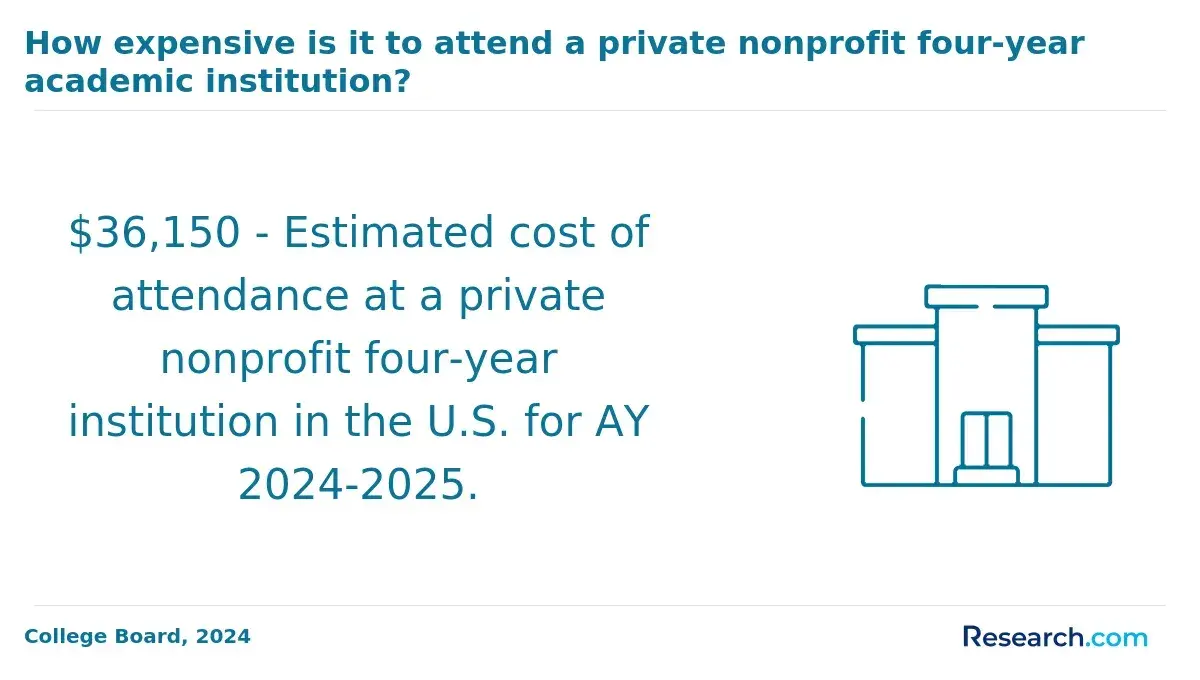
Graphic design degree costs show a comparable range. Bachelor’s programs at public colleges generally fall between $10,000 and $15,000 annually for in-state students. Private institutions usually charge between $30,000 and $50,000 per year, though elite programs may surpass these figures, particularly for out-of-state students.
Graphic design students may spend less on physical equipment than photography students, but they still need reliable hardware, design software, storage, printing, and portfolio materials. A strong computer and current software access can be essential for completing coursework efficiently.
Graduate level degrees in design and photography can vary more, costing anywhere from $20,000 to $76,000 annually, depending largely on the school’s reputation and residency status.
Scholarships, grants, work-study, loans, and institutional aid may be available to students in both fields, especially at accredited institutions. Before enrolling, compare net price rather than sticker price, confirm what equipment is required, and ask whether the program includes access to labs, studios, printers, cameras, or software licenses.
How to Choose Between Photography Degree Programs and Graphic Design Degree Programs?
The best choice depends on the kind of creative work you want to do every week, not just the major title. Photography is usually a stronger fit for students who want to create original images, work with lighting and subjects, and build a career around visual storytelling. Graphic design is usually a stronger fit for students who enjoy typography, branding, digital tools, and solving communication problems for clients or organizations.
- Career goals: Photography may fit students interested in freelance work, portraits, events, editorial images, or commercial shoots, with an average salary of $33,968. Graphic design may fit students seeking agency, in-house, digital, or branding roles, with a higher average pay of $49,450.
- Preferred work style: Photography often involves shoots, locations, client sessions, editing, and independent business development. Graphic design often involves briefs, revisions, collaboration, brand standards, and deadline-driven project work.
- Creative interests: Choose photography if you are most interested in cameras, lighting, moments, people, places, and image-based storytelling. Choose graphic design if you are drawn to typography, logos, layouts, websites, advertising, and visual systems.
- Learning style: Photography programs emphasize hands-on camera and lighting practice. Graphic design programs emphasize software proficiency, conceptual thinking, critique, and structured design process.
- Academic strengths: Graphic design requires strong visual communication, digital illustration, typography, and layout judgment. Photography requires artistic vision, patience, technical camera expertise, and editing discipline.
- Job market considerations: Graphic design offers more job openings (45,625 vs. 1,772 photography jobs), but both fields report high job satisfaction ratings.
- Portfolio strategy: In either field, your portfolio may matter more than your transcript to employers and clients. Review student portfolios from each program before applying.
If you still feel split, look at the assignments. Would you rather spend a semester producing a photo essay, studio lighting series, or commercial shoot? Or would you rather design a brand identity, publication layout, app interface, or marketing campaign? Your answer will usually point toward the better fit.
Students who want to strengthen either path with additional credentials can explore certs that pay well to identify practical add-ons that may support employability.
What Graduates Say About Their Degrees in Photography Degree Programs and Graphic Design Degree Programs
-
: "Completing the photography degree program was challenging but truly rewarding. The hands-on workshops and real-world assignments helped me build a portfolio that impressed employers, and now I've landed a role at a top media agency. The program gave me both technical skills and the creative confidence I needed.
Kara"
-
: "The graphic design degree program provided me with a unique blend of theory and practice, allowing me to explore various design software and collaborate on projects with industry professionals. It was an enriching experience that deepened my understanding of branding and visual storytelling, which increased my marketability in a competitive field.
Hank"
-
: "After finishing the photography degree, I appreciate how the course prepared me for the business side of the industry, including client management and marketing strategies. This knowledge helped me successfully launch my freelance career and steadily increase my income. The academic rigor was intense, but it paid off in the long run.
Rosie"
Other Things You Should Know About Photography Degree Programs & Graphic Design Degree Programs
In 2027, industry demand significantly influences job prospects for photography and graphic design graduates. Graphic design remains robust due to broad applicability across industries, while photographers often face niche markets. The proliferation of digital media boosts demand for both but requires adaptability and tech-savvy skills for optimal success.
In 2027, photography students should focus their portfolios on varied techniques and themes, showcasing technical skills in lighting and composition. Graphic design students should emphasize versatility in design styles and software proficiency, illustrating creativity through diverse projects. Both portfolios must highlight problem-solving skills and adaptability to current trends.
In 2027, photography degrees focus on developing technical skills in capturing images and conceptual storytelling, while graphic design degrees emphasize visual communication, typography, and digital tools. The former prepares students for roles in media and art, whereas the latter is geared towards branding and advertising industries.
References
- Why graphic designers benefit from having photography skills | With a Flourish https://undergraduate-blog.williamwoods.edu/2018/05/14/graphic-design-photography-degree/
- What is Graphic Design? — updated 2025 https://www.interaction-design.org/literature/topics/graphic-design
- Is Graphic Design Stressful? Pros Share What to Expect | Rasmussen University https://www.rasmussen.edu/degrees/design/blog/is-graphic-design-stressful/
- Graphic Design & Photography — Pixel Blue College | Edmonton Digital Arts & Media College https://www.pixelblue.ca/graphic-design-photography
- 10 Types Of Graphic Design Careers You Should Know About https://www.ucd.ie/professionalacademy/resources/10-types-of-graphic-design-careers-to-consider-for-your-future/
- What Challenges Am I Likely To Face When Learning Graphic Design Software? - Blue Sky - Online Graphic Design School https://blueskygraphics.co.uk/what-challenges-am-i-likely-to-face-when-learning-graphic-design-software/
- 5 Common Graphic Design Challenges You Must Be Aware Of https://www.manypixels.co/blog/graphic-design/challenges
- Graphic Design Career Path and Progression | Nottingham | Fifteen https://www.fifteendesign.co.uk/blog/graphic-design-career-path-and-progression/
- What can you do with a graphic design degree | Falmouth University https://www.falmouth.ac.uk/news/what-can-you-do-graphic-design-degree


