
2027 Which Substance Abuse Counseling Degree Careers Offer the Best Return Without Graduate School?

Co-Founder and Chief Data Scientist
With college costs rising steadily, many career changers hesitate to invest in graduate school. Substance abuse counseling roles often require advanced degrees for higher earnings, but not all pathways demand this extra education. Nearly 70% of substance abuse counselors enter the workforce with a bachelor's degree or less, aiming to balance debt and job prospects.
Entry-level positions such as certified addiction counselors can offer reasonable salaries and solid job growth without graduate school. This article explores which substance abuse counseling degree careers provide the best return on investment without the need for further degrees and explains why these options stand out.
Key Benefits of Substance Abuse Counseling Degree Careers That Offer the Best Return Without Graduate School
- Substance abuse counseling careers offer strong early salary growth, with median wages increasing by over 10% within the first five years, enhancing long-term return on investment without graduate education.
- Consistently high job demand and projected 12% growth through 2030 ensure stable employment and financial security for bachelor's degree holders entering the field.
- Entry requirements excluding graduate degrees allow faster workforce entry, reducing education costs and enabling quicker income generation in substance abuse counseling roles.
Which Substance Abuse Counseling Careers Offer the Best Return Without Graduate School?
Substance abuse counseling careers offer promising paths for those holding only a bachelor's degree, especially when considering return on investment (ROI). With employment in these roles projected to grow 22% from 2022 to 2032, the demand reflects both opportunity and stability. Below are several careers in substance abuse counseling that yield strong long-term ROI through solid salary potential, career longevity, and advancement without the need for graduate school.
- Substance Abuse Counselor: This role focuses on helping clients through group and individual sessions, often serving as a foundation for a rewarding career. Agencies frequently hire counselors with bachelor's degrees, and the position balances meaningful work with competitive pay and growth potential, making it one of the best substance abuse counseling jobs without graduate degree requirements.
- Case Manager: Case managers play a vital role by connecting clients to housing, employment, and health services, emphasizing coordination rather than clinical diagnosis. This creates a steady, impactful career with strong job stability and opportunities for advancement without requiring further academic credentials.
- Prevention Specialist: By designing education programs aimed at reducing substance abuse risks, prevention specialists contribute strategically to community health. Their work across nonprofit and government sectors leverages partnerships and offers diverse opportunities that support a durable career trajectory.
- Recovery Coach: Recovery coaches support individuals through active recovery, providing ongoing motivation and encouragement. The expanding funding for recovery services strengthens this role's career prospects, providing direct client engagement with a sustainable professional future.
For those considering educational options that lead to these careers, choosing the easiest nursing program to get into could serve as a helpful stepping stone toward entering the field and enhancing career flexibility within related health services.
What Are the Highest-Paying Substance Abuse Counseling Jobs Without a Master's Degree?
Evaluating earning potential without pursuing graduate education is essential for students interested in substance abuse counseling careers. According to the U.S. Bureau of Labor Statistics, addiction counselors with only a bachelor's degree earn a median salary of about $47,000 per year, but several positions exceed this figure notably. Identifying the highest-paying roles helps bachelor's degree holders maximize financial stability while building a rewarding career. Here are some of the top-paying substance abuse counseling jobs that don't require a master's degree:
- Substance Abuse Treatment Coordinator: Earning between $50,000 and $70,000 annually, these coordinators manage treatment programs and ensure regulatory compliance. Their leadership and oversight responsibilities make this position one of the more lucrative opportunities without graduate-level credentials.
- Behavioral Health Counselor (Bachelor's Level): These professionals provide critical intervention and support for individuals battling addiction, with typical salaries ranging from $45,000 to $65,000 per year. Their direct client engagement and role in recovery planning contribute to their higher pay.
- Case Manager in Addiction Services: With salaries around $42,000 to $60,000 annually, case managers coordinate care plans and connect clients to essential resources. The combination of administrative duties and client interaction lends itself to strong compensation at the bachelor's level.
- Patient Advocate Specialist: Focused on protecting patient rights and facilitating treatment access, these specialists earn roughly $48,000 to $65,000 per year. Their expertise navigating healthcare and social service systems drives demand and competitive salaries.
These roles highlight the earning potential available without the need for graduate education, showing pathways in substance abuse counseling that offer strong financial returns and career growth.
Which Industries Offer High Salaries Without Graduate School?
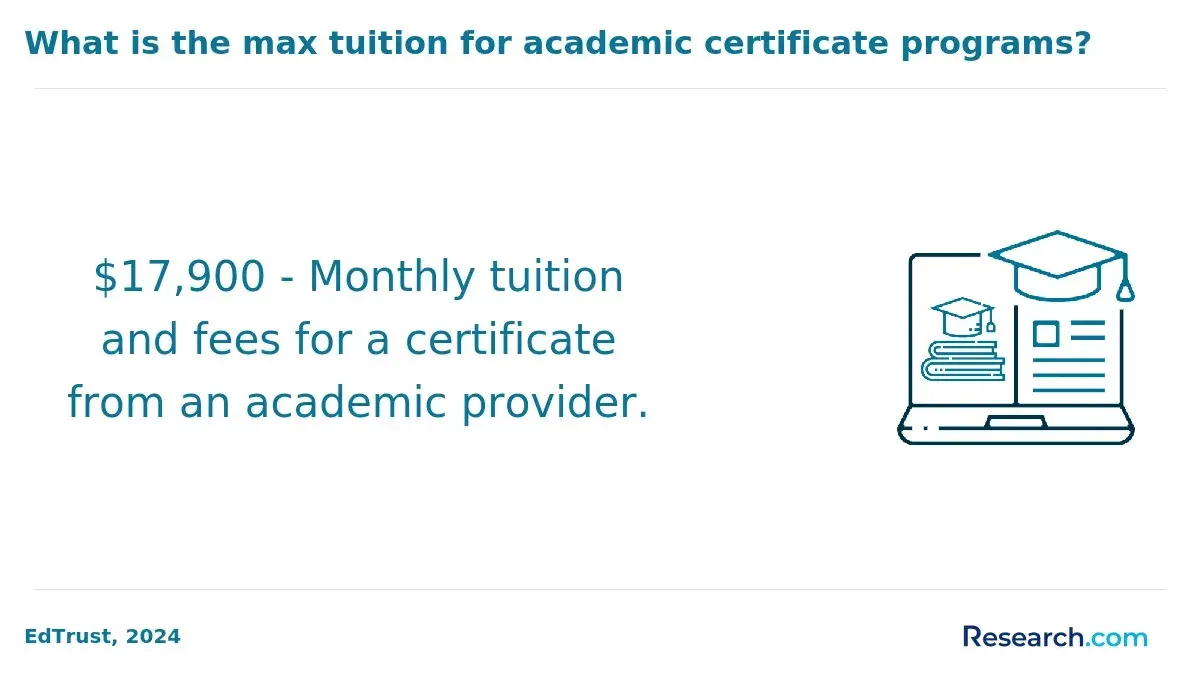
Choosing the right industry significantly affects salary levels for those with a bachelor's degree in substance abuse counseling. According to the U.S. Bureau of Labor Statistics, wages can differ by as much as 40% depending on the sector. Understanding these variations helps identify fields offering attractive earnings without the need for graduate education. Below are key industries known for offering solid compensation to graduates in this field.
- Healthcare and Social Assistance: This industry encompasses rehabilitation centers and community health programs where demand for specialized counselors remains high. Salaries typically range from $45,000 to $65,000 annually, supported by budgets that reflect the complexity and critical nature of services provided.
- Government and Public Administration: Positions within federal, state, and local agencies-often in correctional or social service contexts-offer stable pay structures. Annual wages commonly fall between $50,000 and $70,000, reflecting steady funding sources and institutional pay scales.
- Private Sector and Corporate Wellness: Businesses investing in employee wellness often allocate resources to substance abuse counseling through assistance programs. Compensation here is comparatively higher, with earnings between $55,000 and $75,000, driven by corporate emphasis on workforce health and retention.
- Nonprofit Organizations: Large nonprofits receiving government grants or private donations prioritize counseling services. Pay typically ranges from $40,000 to $60,000, balancing fiscal constraints with community impact goals, enabling competitive salaries despite budget limits.
When asked about industries providing substantial income without graduate degrees, a substance abuse counseling degree graduate shared, "Navigating job markets was challenging at first, especially filtering options that didn't require extra schooling but still paid well. I remember feeling cautious but optimistic when applying to government roles; the clarity in pay scales helped. Eventually, I found a position in corporate wellness that matched my salary expectations and offered good benefits. It wasn't just about the paycheck-it was about knowing the industry valued my bachelor's degree and experience." This perspective highlights the practical considerations and emotional relief in choosing industries aligned with both financial and professional goals.
What Entry-Level Substance Abuse Counseling Jobs Have the Best Growth Potential?
Selecting entry-level substance abuse counseling jobs with highest growth potential is vital for building a rewarding career path. The U.S. Bureau of Labor Statistics projects a 22% growth rate for substance abuse, behavioral disorder, and mental health counselors between 2022 and 2032, indicating robust opportunities for advancement. Below are several roles that offer practical experience and clear upward mobility in this field.
- Case Management Aide: This position focuses on assisting clients with administrative tasks and coordinating treatment plans. It provides essential exposure to client interaction and agency operations, which can lead to licensed counseling responsibilities.
- Behavioral Health Technician: Behavioral health technicians support treatment implementation and observe client behavior closely. Gaining expertise in intervention techniques here sets a strong foundation for progressing into clinical or supervisory roles.
- Substance Abuse Peer Support Specialist: Utilizing personal recovery experiences, peer specialists build empathy and communication skills critical to substance abuse counseling. This role often opens doors to counseling and support program development positions.
- Crisis Intervention Worker: Dealing with urgent mental health situations, crisis intervention workers learn de-escalation and emergency response strategies. These experiences are invaluable for advancing into specialized counseling careers.
For those exploring the best career paths for substance abuse counseling graduates without graduate degree requirements, gaining hands-on experience in these entry roles fosters professional development. Additionally, pursuing a healthcare management degree can further enhance growth potential and open diverse leadership opportunities within treatment settings.
What Skills Increase Salary Without a Master's Degree?
Developing specific competencies can lead to notable salary gains for those holding a substance abuse counseling degree, even without further academic qualifications. Research shows that workers with targeted skills earn approximately 15% more than their counterparts without these abilities. The following skills are especially valuable for increasing earning potential within substance abuse counseling roles.
- Effective Communication: Excelling in clear verbal and written exchanges enables counselors to establish trust and structure client interactions effectively. This leads to improved treatment adherence and collaboration, which employers often reward with higher pay.
- Data Management: Competence in analyzing and documenting client information supports better decision-making and program success. Counselors skilled in this area help secure funding and validate treatment outcomes, which can translate into salary enhancements.
- Conflict Resolution: The capacity to negotiate and settle disagreements promotes a positive therapeutic environment and lowers relapse chances. Strong conflict management skills are prized by organizations and often correspond with increased compensation.
- Cultural Competency: Awareness and respect for diverse backgrounds improve client rapport and engagement. Demonstrating cultural sensitivity broadens a counselor's effectiveness and often leads to wage increases.
- Time Management: Efficient organization reduces stress and allows counselors to handle larger caseloads. This skill supports operational productivity and may result in bonus opportunities or raises.
A professional with a substance abuse counseling degree shared that mastering these skills was pivotal in advancing her career without pursuing graduate studies. She recalled initial uncertainties about navigating complex client situations but emphasized how developing clear communication and cultural empathy deepened her client relationships. "Managing my time effectively became essential as caseloads grew," she noted, highlighting how these competencies not only improved her confidence but directly influenced her earning capacity. Her experience reflects how intentional skill growth can overcome barriers and create tangible financial rewards.
What Certifications Can Replace a Master's Degree in Substance Abuse Counseling Fields?
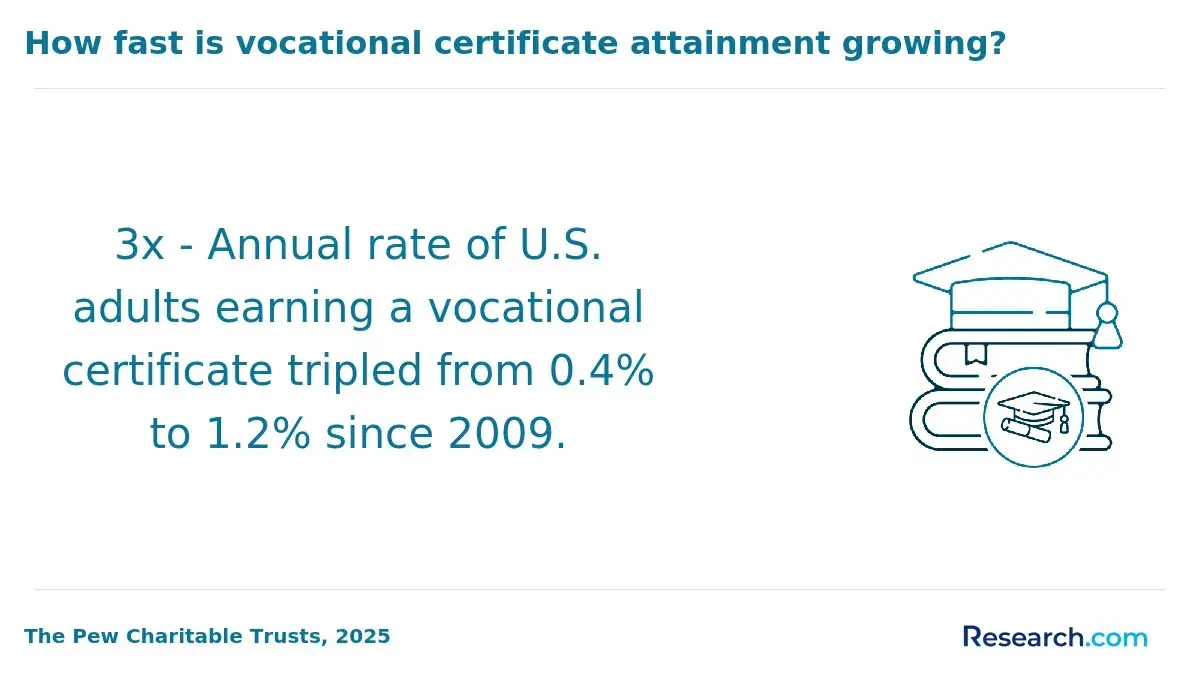
Obtaining certifications offers a practical path to enhance credibility and job flexibility in substance abuse counseling without the investment required for a master's degree. Studies indicate that certified professionals may earn up to 15% more than those without credentials, reflecting their greater appeal to employers. Below are several key certifications that can notably advance careers in this field.
- Certified Alcohol and Drug Counselor (CADC): Recognized in numerous states, this certification confirms clinical proficiency and ethical practice in substance abuse counseling, giving professionals a competitive edge.
- National Certified Counselor (NCC) with Addiction Specialty: Offered by the National Board for Certified Counselors, this credential highlights advanced expertise in addiction counseling and can enhance opportunities for higher compensation.
- Certified Clinical Supervisor (CCS): Designed for those seeking leadership roles, this certification validates supervisory skills in addiction treatment settings and supports career growth into management positions.
- Registered Addiction Specialist (RAS): This credential recognizes practical experience and knowledge in addiction counseling, often serving as a stepping stone to specialized or promotional roles.
- Certified Recovery Support Specialist (CRSS): Focused on peer support and recovery coaching, this certification opens avenues to community-based service roles with increasing demand.
Can Experience Replace a Graduate Degree for Career Growth?
Experience often plays a crucial role in career advancement for substance abuse counseling professionals, with many employers valuing demonstrated skills, on-the-job learning, and proven performance over formal graduate credentials. Practical knowledge gained through years of working directly with clients, managing cases, and applying therapeutic techniques can sometimes match or even exceed the competencies developed in graduate programs. In roles focused on entry to mid-level counseling, this hands-on expertise can open doors where advanced degrees are not strictly required, especially in regions or agencies with varied credentialing standards. Employers frequently prioritize adaptability, real-world problem-solving, and client rapport, essential traits that seasoned counselors build through experience.
However, relying solely on experience has its limits, especially for advanced or specialized substance abuse counseling positions that often require graduate degrees or licensure certifications. Career growth may be slower without formal education, and some employers view graduate-level training as a baseline for promotion or clinical responsibilities. Experience becomes most valuable when combined with relevant certifications or continuing education, providing a pathway for leadership roles without graduate school. In competitive markets, blending practical experience with credentials can significantly enhance advancement opportunities and salary potential in the substance abuse counseling field.
What Are the Downsides of Not Pursuing a Graduate Degree?
Some substance abuse counseling professionals consider the trade-offs of not pursuing graduate education carefully, as this decision impacts their career trajectory and earnings. Data from the U.S. Bureau of Labor Statistics highlight that counselors with master's degrees earn roughly 20% more annually than those with only a bachelor's degree. Below are key limitations faced by those who stop at a bachelor's in substance abuse counseling.
- Slower Career Advancement: Many supervisory, clinical specialist, and managerial roles require a graduate degree, restricting upward mobility for bachelor's degree holders.
- Limited Access to Specialized Roles: Positions like licensed clinical addiction specialist or counselor with diagnostic privileges often require graduate credentials and licensure, limiting career options.
- Competitive Hiring Disadvantage: Employers frequently favor candidates with graduate-level education due to greater expertise and responsibilities, creating a wage and opportunity gap.
- Fewer Networking Opportunities: Graduate programs typically offer mentorships, internships, and connections in specialized treatment settings that enhance career growth, which may not be as accessible to those without advanced degrees.
- Trade-off Considerations: For some, immediate workforce entry focusing on peer support or education roles makes a bachelor's degree viable despite long-term limitations in earnings and advancement.
Those assessing a substance abuse counseling career without graduate education should also evaluate resources available at a university with free application fee, which can make further education more accessible if desired later.
How Can You Maximize ROI With a Substance Abuse Counseling Degree?
Return on investment (ROI) in education involves balancing total costs-including tuition, books, and time spent studying-against expected career outcomes such as salary and job stability. For those earning a bachelor's degree in substance abuse counseling, median annual earnings around $55,000 demonstrate promising financial returns, according to the Georgetown University Center on Education and the Workforce. Below are key strategies to boost ROI and secure strong career advancement with a substance abuse counseling degree.
- Specialize Early: Concentrating on in-demand areas like adolescent counseling or trauma-informed care enhances employability and opens doors to higher-paying roles. Early specialization signals expertise to employers seeking targeted skills within substance abuse counseling career advancement strategies.
- Gain Practical Experience: Internships and volunteer work provide valuable hands-on clinical training, strengthening resumes and facilitating faster progression into supervisory positions with better salaries. Practical experience is critical in maximizing financial return with a substance abuse counseling degree.
- Choose Employers Strategically: Targeting government agencies, hospitals, or large rehabilitation centers often ensures more stable wages, strong benefits, and opportunities for growth compared to smaller nonprofits. Selecting employers that prioritize career development boosts long-term ROI.
- Develop Complementary Skills: Improving communication, case management, and documentation abilities enhances overall job performance. These versatile skills increase eligibility for higher-level roles and salary growth within substance abuse counseling career advancement strategies.
- Engage in Continuous Learning: Attending workshops and training sessions sharpens expertise and can lead to promotions without graduate education. Staying current in best practices helps maintain a competitive edge.
For those interested in expanding their healthcare career options related to substance abuse counseling, exploring pathways like the CMA to LPN bridge program may complement their credentials and further enhance earning potential.
When Is Graduate School Worth It for Substance Abuse Counseling Careers?
Deciding to pursue graduate school in substance abuse counseling involves weighing career objectives, industry norms, and the return on investment. Individuals with graduate degrees in counseling-related fields typically earn about 20% more than those with bachelor's degrees, reflecting the financial advantages tied to advanced credentials. However, not all counseling roles demand such investment upfront. Evaluating the benefits of graduate school for substance abuse counseling careers helps clarify which paths truly require further education.
Graduate education is generally worthwhile when seeking specialized certifications, leadership or clinical supervisory positions, or roles that require regulatory licenses. It also offers strategic value for those interested in research, policy development, or academia, where advanced study is often essential. Many entry-level counseling, case management, or outreach jobs provide strong career potential without graduate degrees, offering alternatives worth exploring alongside traditional options. Prospective students may find comparison with online accelerated nursing programs for non nurses helpful in assessing flexible educational paths.
What Graduates Say About Substance Abuse Counseling Degree Careers That Offer the Best Return Without Graduate School
- Azai: "Choosing not to pursue a graduate substance abuse counseling degree was a deliberate decision for me. I focused on gaining hands-on experience and certifications that made me stand out in the job market. This approach allowed me to build a rewarding career in counseling while avoiding the time and cost of graduate school."
- Russell: "With my substance abuse counseling degree, I made sure to expand my skill set by obtaining relevant licenses and attending workshops, which helped me maximize my career potential. Reflecting on my journey, I believe that practical experience combined with continuous education provided the best foundation without needing graduate studies. It's a career path that truly benefits from real-world engagement."
- Christian: "My substance abuse counseling degree opened doors to roles I never thought accessible without a graduate degree. Staying professional and focused, I leveraged internships and networking opportunities to advance steadily. This degree gave me the tools and credibility to make a meaningful impact in the community while building a solid career."
Other Things You Should Know About Substance Abuse Counseling Degrees
Professionals with a substance abuse counseling degree who do not pursue graduate education typically find opportunities in a variety of settings such as outpatient treatment centers, community health organizations, correctional facilities, and residential rehabilitation programs. These environments often offer hands-on experience and allow counselors to apply their skills directly with clients. Many positions also exist within nonprofit organizations focused on addiction recovery and prevention.
Advancement is possible through gaining experience, additional certifications, and specialized training. Counselors can move into supervisory roles, program coordination, or community outreach positions. However, higher-level leadership or clinical positions often require graduate degrees, so career progression may plateau without further education.
Continuing education is important to stay current with evolving treatment methods, legal regulations, and behavioral health trends. It also helps maintain licensure and certifications. Counselors who actively pursue continuing education are better positioned to offer effective care and may improve their job security and earning potential in the field.
References
- How to Become a Substance Abuse Counselor | Hazelden Betty Ford https://www.hazeldenbettyford.org/graduate-school-addiction-studies/how-to-become-a-substance-abuse-counselor
- Substance Abuse Counselor Salary and Potential Careers | Bradley University Online https://onlinedegrees.bradley.edu/blog/substance-abuse-counselor-salary-potential-careers
- What Do Substance Abuse & Addictions Counselors Do? https://www.psychology.org/careers/substance-abuse-addiction-counseling/
- The Benefits of a Career as a Substance Abuse Counselor https://coloradocounselortraining.com/the-benefits-of-a-career-as-a-substance-abuse-counselor/
- Boost Your Addiction Counselor Salary: Tips For Students https://sobercollege.com/addiction-blog/boost-your-addiction-counselor-salary-tips-for-students/
- How To Become A Substance Abuse Counselor https://www.learnhowtobecome.org/substance-abuse-counselor/
- 50 Best Master's Degree Programs in Addiction Counseling https://addiction-counselor.org/degrees/masters/
- 5 Careers in Addiction Recovery For People Who Want to Save Lives https://www.rasmussen.edu/degrees/human-services/blog/careers-in-addiction-recovery/
- 6 Reasons to Become a Substance Abuse Counselor https://www.baypath.edu/academics/undergraduate-programs/undergraduate-online-programs/6-reasons-to-become-a-substance-abuse-counselor/
- A Guide to Professions in Addiction Studies and Recovery https://www.ucumberlands.edu/blog/guide-to-professions-in-addiction-studies-and-recovery


