2027 Online BCBA Pathway for Mental Health Professionals

Co-Founder and Chief Data Scientist
Choosing an online BCBA degree is really a decision about how you want to enter behavioral health: through a structured, evidence-based path focused on assessment, intervention, data, ethics, and supervised practice. The Board Certified Behavior Analyst credential is not the same as becoming a licensed counselor, psychologist, or clinical social worker, but it can prepare professionals to deliver behavior-analytic services in mental health, autism services, schools, clinics, community agencies, and related care settings.
This guide explains how online BCBA-aligned programs work, what they can and cannot do for your career, how they compare with campus-based options, and what steps usually follow graduation. You will also learn what skills students build, how supervised fieldwork supports real-world readiness, what certification requirements to expect, and how to evaluate programs before enrolling.
Key Points About Pursuing a Career as a Mental Health Professional with as a BCBA Degree
- Online BCBA programs allow working adults to earn credentials flexibly, with most coursework completed asynchronously.
- Over 70% of BCBA students enroll in online or hybrid programs, reflecting a shift toward accessible, digital learning environments.
- A BCBA degree can also be valuable for those pursuing careers as mental health professionals, providing a strong foundation in behavior assessment and intervention.
How does an online BCBA degree serve as a pathway to becoming a mental health professional?
An online BCBA degree can serve as a pathway into behavioral health by preparing students to apply applied behavior analysis, or ABA, to real client needs. These programs typically focus on understanding behavior, identifying environmental factors that influence it, designing evidence-based interventions, measuring outcomes, and making ethical decisions in complex care settings.
The degree itself does not automatically make someone a BCBA. Students usually complete graduate-level coursework, supervised fieldwork, and then pursue certification through the Behavior Analyst Certification Board. In many settings, graduates also need to understand state rules for practice, employer requirements, and whether additional licensure is required for the role they want.
For aspiring mental health professionals, the value of an online BCBA program is its structured preparation. Students learn how to support people with developmental, behavioral, emotional, or learning-related needs using measurable goals and data-informed treatment decisions. This training can be relevant in clinics, schools, residential programs, early intervention settings, hospitals, and community-based services.
Online delivery can make this path more accessible for working adults, parents, educators, registered behavior technicians, and professionals already employed in human services. The best programs combine flexible coursework with clear guidance on BACB-aligned requirements, fieldwork planning, ethical practice, and career outcomes. Students comparing cost should review affordable online ABA master's programs carefully and confirm that savings do not come at the expense of required coursework, supervision support, or accreditation quality.
Why is pursuing an online BCBA degree a smart choice for those aspiring to enter the mental health field?
Pursuing an online BCBA degree can be a smart choice for students who want a practical, evidence-based role in behavioral health without relocating or pausing their current job. The field has expanded as schools, healthcare providers, autism service organizations, and community agencies rely more heavily on structured behavioral assessment and intervention.
The main advantage is career alignment. BCBA-focused programs teach skills that employers can connect directly to service delivery: conducting functional behavior assessments, writing intervention plans, collecting and interpreting data, communicating with families and teams, and adjusting treatment based on client progress. These are not abstract academic skills; they are the daily work of many behavior analysts.
Online study also works well for students who need flexibility. Many learners entering ABA already work in classrooms, clinics, residential programs, or social services. An online format can allow them to keep building relevant experience while completing graduate coursework and arranging supervised fieldwork.
There are trade-offs. Online programs require strong self-management, proactive communication, and careful planning for supervision. Students should not assume that “online” means easier or automatically cheaper. The best choice is a program that fits your schedule while still offering rigorous instruction, clear BACB alignment, responsive faculty, and practical support for fieldwork placement.
With job opportunities expanding by over 25% annually, BCBA preparation can lead to a strong employment outlook for graduates who complete certification requirements and match their training to local workforce needs. The credential is especially useful for students who want to work in behavioral health, education, autism services, developmental disability services, and related human services roles.
How do online BCBA degrees compare with traditional on-campus programs in preparing mental health professionals?
Online and on-campus BCBA programs can prepare students for the same certification pathway when they meet the same academic and fieldwork standards. The difference is usually not the credential goal; it is the learning format, level of schedule flexibility, type of interaction, and how fieldwork is coordinated.
In an online program, lectures, assignments, case discussions, exams, and faculty communication are handled through digital platforms. This format can be ideal for students who work full time, live far from a campus, or need to complete coursework around family responsibilities. However, students must be disciplined, organized, and comfortable asking questions without relying on frequent in-person contact.
Traditional on-campus programs may offer more face-to-face interaction, immediate access to campus resources, and easier relationship-building with classmates and faculty. They may also be better for students who learn best through in-person discussion or who want a campus-based professional network. The drawback is less flexibility and, in some cases, higher relocation or commuting costs.
Both formats still require real-world practice. Online students should confirm how the program supports practicum planning, supervisor qualification checks, documentation, and preparation for the BCBA exam. A flexible format is only valuable if it still leads to the same professional readiness.
Key comparison points
- Academic standards: Online and campus programs can both meet BACB-related coursework expectations when properly designed.
- Flexibility: Online programs usually offer stronger scheduling flexibility for working adults and students outside major metro areas.
- Interaction: Campus programs may provide more immediate in-person discussion, while online programs rely on video meetings, learning platforms, email, and discussion boards.
- Fieldwork: Both formats require supervised practice, but online students may need to take more responsibility for securing local opportunities.
- Cost considerations: Online study may reduce commuting or relocation costs, but tuition, fees, technology costs, and supervision expenses still vary by institution.
Many top BCBA programs now offer online or hybrid formats because students want the academic rigor of graduate preparation with more control over where and when they learn.
How long does it typically take to earn an online BCBA degree and start a mental health career?
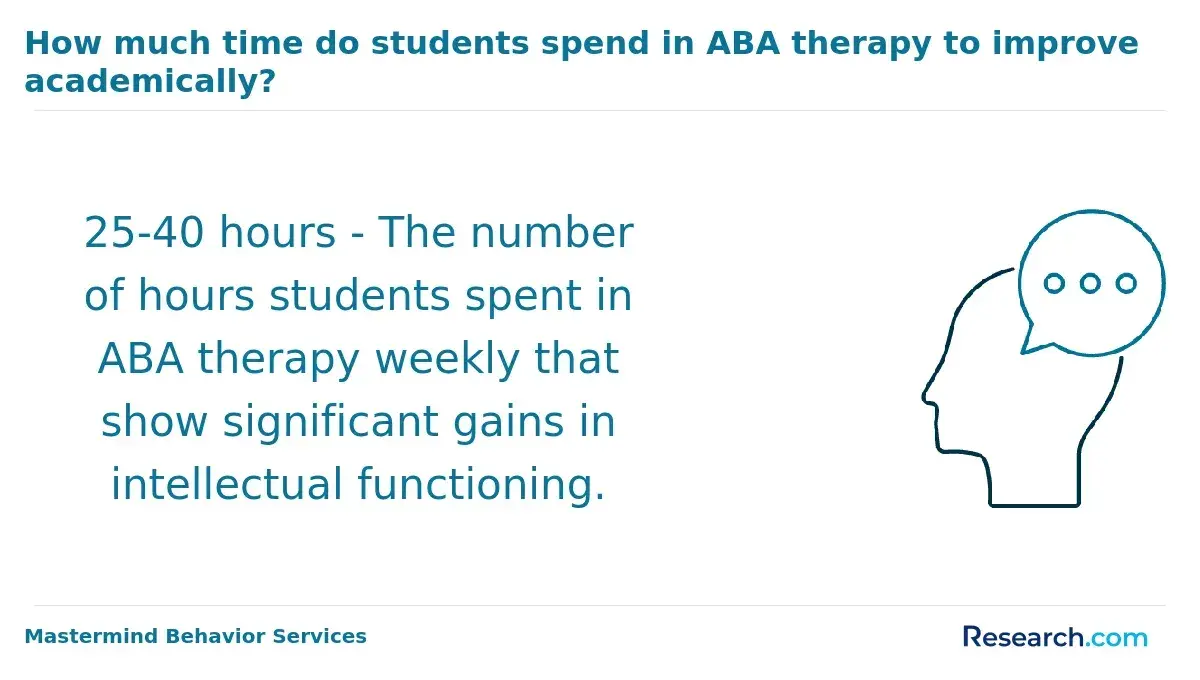
Most online BCBA master’s programs take two to three years to complete. Full-time students typically finish in about 24 months, while part-time students may need 36 months or more. Some accelerated options allow students to complete coursework in as little as 18 months, but faster is not always better if it leaves too little time for fieldwork, work responsibilities, or exam preparation.
The timeline depends on several factors: your prior education, the number of courses you take each term, whether the program follows a cohort model, how quickly you can secure supervised fieldwork, and whether your state or employer has additional requirements. Students who already work in an ABA or behavioral health setting may be able to coordinate fieldwork more efficiently, while career changers may need extra time to find appropriate supervised placements.
Graduation is only one part of the timeline. To begin practicing as a certified behavior analyst, students must also complete required supervised experience and pass the BCBA exam. Depending on local rules, some roles may require additional steps before independent practice or reimbursement eligibility.
Before enrolling, ask each program for a realistic timeline that includes coursework, fieldwork, exam preparation, and any state-specific considerations. Students comparing flexible formats can explore ABA master’s programs online while still prioritizing program quality and certification alignment over speed alone.
What skills do students gain in an online BCBA degree program that prepare them for mental health practice?
Online BCBA programs are designed to build both technical behavior-analytic skills and professional judgment. Graduates must be able to understand behavior scientifically, work respectfully with clients and families, use data responsibly, and collaborate with other professionals in high-stakes care environments.
- Behavioral assessment: Students learn how to observe behavior, identify patterns, analyze possible causes, and use assessment results to guide intervention planning.
- Intervention design: Coursework trains students to create individualized behavior plans with measurable goals, practical strategies, and ethical safeguards.
- Data collection and interpretation: Students learn to track behavior change, evaluate treatment effectiveness, and revise interventions when the data show that a plan is not working.
- Ethical decision-making: Programs teach students to apply professional standards, protect client dignity, obtain appropriate consent, respect boundaries, and recognize conflicts of interest.
- Communication: Future BCBAs must explain plans clearly to families, teachers, therapists, paraprofessionals, and other team members without relying on jargon.
- Collaboration: Mental health and behavioral services often involve interdisciplinary teams, so students learn how to coordinate with educators, clinicians, physicians, caregivers, and administrators.
- Cultural responsiveness: Effective practice requires attention to family context, language, values, disability identity, and community resources.
- Supervision and leadership: Many BCBAs supervise staff or technicians, so programs often emphasize performance feedback, staff training, documentation, and service quality.
These skills help graduates move beyond theory. A strong BCBA program should prepare students to make defensible clinical decisions, communicate with compassion, and use evidence without ignoring the lived experience of clients and families.
How does supervised fieldwork in an online BCBA program train future mental health professionals for real-world settings?
Supervised fieldwork is where BCBA students learn to turn coursework into competent professional practice. Reading about assessment and intervention is not enough; students must practice those skills with real clients, real documentation requirements, real family concerns, and real service constraints.
During fieldwork, students may observe behavior, assist with assessments, help develop intervention plans, collect and review data, train staff, participate in team meetings, and receive feedback from a qualified supervisor. The goal is not simply to accumulate hours. The goal is to build professional judgment under supervision before taking on independent responsibilities.
For online students, fieldwork planning is especially important. Some programs have placement partnerships, while others expect students to identify local agencies, schools, clinics, or service providers. Before enrolling, students should ask how the program verifies supervisors, supports documentation, handles fieldwork problems, and helps students understand BACB expectations.
What strong fieldwork should provide
- Direct application: Students should practice assessment, intervention planning, data review, and client-centered decision-making.
- Qualified supervision: Supervisors should provide structured feedback, model ethical practice, and help students connect field experiences to professional standards.
- Varied experience: Exposure to different client needs, service models, and team structures can strengthen readiness for mental health and behavioral health roles.
- Ethical accountability: Students should learn how to document services accurately, protect confidentiality, and respond appropriately when plans are ineffective or inappropriate.
- Professional confidence: Repeated supervised practice helps students develop competence before entering roles that require independent clinical judgment.
Good fieldwork also teaches humility. Future BCBAs learn that effective behavioral support depends on careful assessment, consistent implementation, family collaboration, and willingness to revise a plan when the evidence calls for it.
What certification steps are required after completing an online BCBA degree to become a mental health professional?
After completing an online BCBA degree, graduates generally need to satisfy BACB certification requirements before using the BCBA credential. The exact path depends on the candidate’s education, coursework, fieldwork documentation, exam eligibility, and any state-level rules that apply to practice.
- Graduate degree requirement: Candidates must hold a qualifying master’s degree in behavior analysis, psychology, or education from an accredited institution.
- Verified coursework completion: Students must complete a BACB Verified Course Sequence (VCS) that covers core areas such as ethics, measurement, assessment, intervention, and behavior-change procedures.
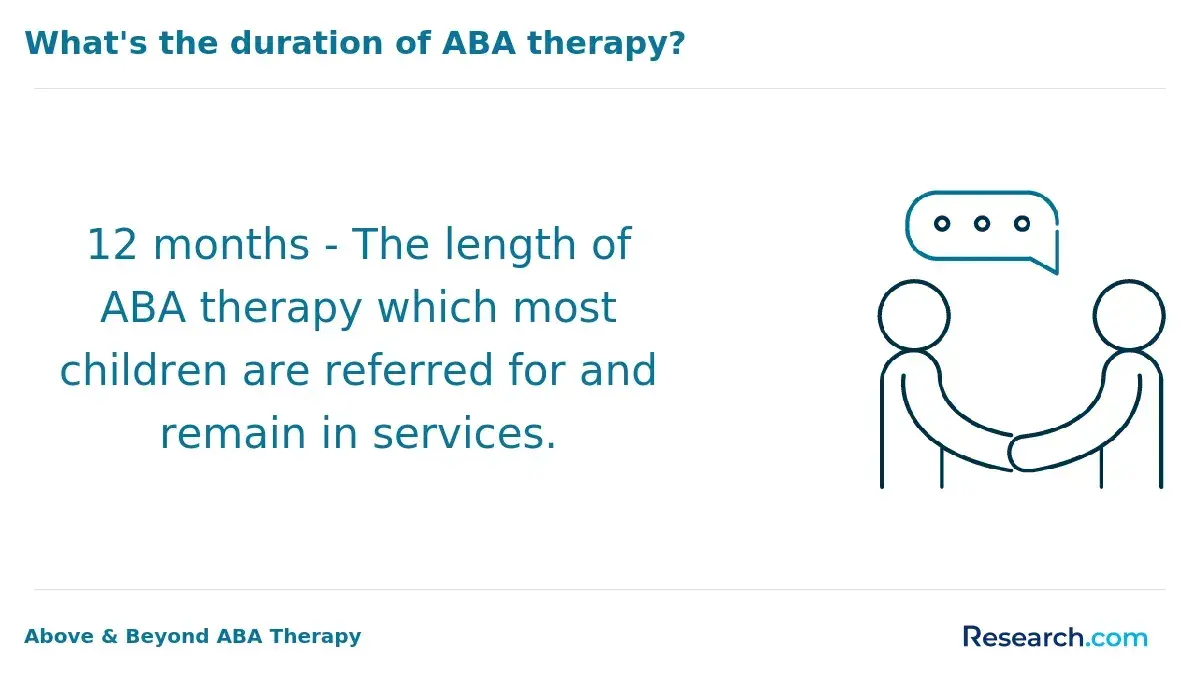
- Supervised fieldwork: Aspiring BCBAs must accumulate between 1,500 and 2,000 hours of supervised practical experience under a qualified supervisor.
- Application and documentation: Candidates need to submit required materials and verify that their coursework and supervised experience meet certification standards.
- BCBA exam: Candidates must pass the national certification exam, which evaluates both conceptual knowledge and applied decision-making.
- Continuing education: Once certified, professionals are required to maintain their credential through ongoing professional development and ethical compliance.
Certification is a major milestone, but it should not be confused with all forms of mental health licensure. A BCBA is trained in behavior analysis, not automatically licensed to provide psychotherapy, diagnose mental disorders, or practice as another type of mental health clinician unless they also hold the appropriate credential. Students should review state regulations and employer expectations early, especially if they plan to work in healthcare, insurance-funded services, schools, or private practice.
What career paths can graduates with online BCBA degrees pursue within the mental health and behavioral sciences fields?
Graduates with online BCBA degrees can pursue roles that apply behavior analysis to client support, program development, education, supervision, and research. The best fit depends on the student’s fieldwork background, population of interest, certification status, state rules, and comfort with clinical, school-based, or administrative responsibilities.
- Behavior Analyst: Assesses behavior, develops intervention plans, monitors progress, and adjusts services based on client outcomes.
- Clinical Supervisor: Oversees therapy programs, trains staff, reviews treatment quality, and supports ethical service delivery in behavioral health settings.
- School Behavior Specialist: Works with educators, students, and families to support behavior plans, classroom strategies, and inclusive learning environments.
- Research Associate: Supports behavioral studies, evaluates interventions, analyzes data, and contributes to evidence-based practice.
- Program Director: Manages behavioral health programs, supervises teams, supports compliance, and helps organizations improve service quality.
BCBA-prepared professionals may also work in autism services, developmental disability support, early intervention, residential programs, community agencies, staff training, organizational behavior management, and consulting. Some roles are more client-facing, while others focus on supervision, quality assurance, program leadership, or research support.
Students should choose programs that align with the populations and settings they want to serve. For example, a student aiming for school-based practice may value programs with education-focused faculty or school fieldwork connections, while a student interested in clinical supervision may prioritize programs with strong practicum support and advanced intervention coursework. To compare accredited options, review online master’s in applied behavior analysis programs and look beyond tuition alone.
What is the salary outlook for new mental health professionals with online BCBA degrees?
The salary outlook for professionals with online BCBA degrees is generally strong, especially for graduates who complete certification, gain supervised experience, and work in regions with high demand for behavioral health services. According to the Behavior Analyst Certification Board, demand for BCBAs has grown over 125% in the past decade.
Entry-level BCBAs typically earn between $60,000 and $75,000 annually, with experienced professionals reaching over $100,000 depending on specialization and region. Salaries tend to be higher in clinical and supervisory positions.
Actual earnings can vary widely. Location, employer type, funding source, population served, certification status, years of experience, and leadership responsibilities all matter. A new BCBA working in a school system may see a different compensation structure than one working in a private clinic, hospital-affiliated program, or supervisory role. Some employers also distinguish between candidates who have completed a degree and candidates who have fully earned the BCBA credential.
Students should evaluate salary outlook alongside cost of attendance, fieldwork expenses, local job postings, supervision availability, and long-term career goals. A program that is affordable but weak in fieldwork support may delay certification, while a more expensive program may be worth considering if it provides stronger advising, placement connections, and exam preparation.
How can aspiring mental health professionals choose the best online BCBA degree program to fit their goals?
The best online BCBA degree program is the one that matches your certification goals, learning style, budget, schedule, and intended work setting. Students should start by confirming that the program’s curriculum aligns with BACB expectations and that the institution is properly accredited. From there, the decision becomes more personal: Will the program help you complete fieldwork, prepare for the exam, and enter the type of behavioral health role you want?
Program factors to compare before enrolling
- BACB alignment: Confirm whether the program includes the required coursework sequence and ask how it prepares students for certification eligibility.
- Accreditation: Verify institutional accreditation and review any program-specific recognition or approvals that matter for your goals.
- Fieldwork support: Ask whether the school helps students locate supervised fieldwork or expects students to arrange it independently.
- Faculty expertise: Look for instructors with relevant behavior analysis experience, active practice knowledge, and familiarity with certification requirements.
- Student support: Evaluate advising, exam preparation, technical support, library access, tutoring, and career services.
- Schedule format: Compare asynchronous, synchronous, cohort-based, part-time, full-time, and accelerated options.
- Total cost: Review tuition, fees, books, technology costs, travel requirements, supervision-related expenses, and available scholarships.
- Graduate outcomes: Ask about completion rates, certification exam preparation, alumni roles, and employer connections when available.
- State requirements: Check whether your state has licensure, registration, or practice rules for behavior analysts.
Avoid choosing a program based only on speed or price. A faster program may be difficult to manage if you also need to work and complete fieldwork. A cheaper program may cost more in the long run if it offers limited advising or leaves you struggling to find supervision. The strongest choice is usually the program that gives you a realistic path from enrollment to coursework completion, supervised practice, exam readiness, and employment in your preferred setting.
Before applying, contact admissions and ask direct questions: How are online students supported during fieldwork? What happens if a placement falls through? How does the program prepare students for the BCBA exam? Are courses taught by experienced behavior analysts? What support exists for working adults? Clear answers are a good sign; vague answers are a warning sign.
Other Things You Need to Know About Becoming a Mental Health Professional with an Online BCBA Degree
Mental health professionals must have a relevant bachelor's degree as a minimum requirement for enrolling in a 2027 online BCBA pathway. They should be prepared to complete coursework approved by the Association for Behavior Analysis International and fulfill supervised fieldwork hours as part of their credentialing process.
Yes, core coursework topics include ethical practices, behavior assessment, intervention strategies, and research methods. These are mandated by the Behavior Analyst Certification Board (BACB) as part of the 2027 online BCBA pathway for certification.
References
- Behavior Analyst Certification Board. (n.d.). US employment demand for behavior analysts: 2010-2024. https://www.bacb.com/wp-content/uploads/2025/02/Lightcast2025_250204-a.pdf
- National Center for Education Statistics. (2024). About one-quarter of public schools reported that lack of focus or inattention from students had a “severe negative impact” on learning at their school during the 2023–24 school year. U.S. Department of Education. https://nces.ed.gov/whatsnew/press_releases/7_18_2024.asp
- U.S. Bureau of Labor Statistics. (2024, May). Substance abuse, behavioral disorder, and mental health counselors — May 2024 … U.S. Department of Labor. https://www.bls.gov/ooh/community-and-social-service/substance-abuse-behavioral-disorder-and-mental-health-counselors.htm
- Zippia. (2025). Behavior analyst job outlook and growth in the U.S. Zippia. https://www.zippia.com/behavior-analyst-jobs/trends/
- ZipRecruiter. (n.d.). Behavior analyst salary — United States (November, 2025). ZipRecruiter. https://www.ziprecruiter.com/Salaries/Behavior-Analyst-Salary