
2027 Becoming a Nurse Later in Life: What You Need to Know

Co-Founder and Chief Data Scientist
For the thousands of people changing careers, the path is not always clear. For those considering becoming a nurse, the central question is strategic: Is it better to get a paycheck sooner as a Licensed Practical Nurse (LPN) or go directly for the Registered Nurse (RN) credential? The right answer depends entirely on your personal balance of time, finances, and risk tolerance.
There is no single "best" choice, only the best choice for you. The career planning experts who created this guide have over 10 years of experience helping people make this exact decision. We will walk you through the framework to find your path.
What are the benefits of becoming a nurse later in life?
- You can secure a stable role in high-demand settings like hospitals and clinics, where you make a tangible difference in people's lives every day.
- You gain access to strong earning potential, with Registered Nurses earning a median salary of $86,070 per year.
- Online and hybrid programs offer the flexibility to balance your studies with your current work and family commitments, making the career change more manageable.
What can I expect from a nursing program as an older student?
You are probably asking yourself, “Will I be the only person in class over 30?” Let me put that concern to rest. The reality is, you will be in good company. Today’s nursing programs are built for adult learners, with data showing that over 62% of students are over the age of 25.
You can expect a demanding and fast-paced environment. The curriculum will challenge you, and you will need to be organized. But you can also expect a supportive atmosphere where your life experience is a real advantage.
Instructors and classmates will value the maturity, communication skills, and problem-solving abilities you’ve gained from your previous career. You are not starting from scratch; you are bringing a unique set of assets to the classroom and, eventually, to your patients.
Where can I work as a nurse?
The type of nursing license you hold—LPN or RN—is the biggest factor in determining where you will work. LPNs typically provide direct patient care in settings like long-term care facilities, clinics, and physician's offices. RNs have a much wider range of opportunities, particularly within hospital systems.
Many people picture all nurses working in a busy hospital, but that's primarily the domain of the RN. Their advanced training in patient assessment and care planning is essential for the fast-paced, high-stakes environment of acute care.
As an RN, you can pursue roles in specialized hospital units, such as intensive care or pediatrics, as well as positions in public health, case management, and even leadership. The RN credential opens the door to a greater variety of career paths and work environments over the long term.
How much can I earn as a nurse?
Your earning potential is directly tied to the license you hold. According to the Bureau of Labor Statistics, the median annual salary for a Licensed Practical Nurse is about $59,730. For a Registered Nurse, that number jumps significantly to a median of $86,070.
That difference of over $26,000 a year is not arbitrary. It reflects the wider scope of practice, increased responsibilities, and deeper clinical judgment required of an RN.
This salary gap is one of the most important factors in your decision-making process. The rest of this guide will help you weigh the upfront investment of time and money against this long-term earning potential.
- How long does it take to become a nurse later in life? Education Time
- What are the educational pathways to becoming a nurse? Educational Paths
- How much does nursing school cost for a second career? Nursing School Cost
- What financial aid is available for older students? Financial Aid
- What's the difference between an LPN and an RN? LPN vs RN
- Can I earn a nursing degree online? Online Degrees
- LPN vs. RN: Which pathway is right for me? LPN vs. RN: Which pathway is right for me?
- How do I choose a quality nursing program? How do I choose a quality nursing program?
- What Is the career outlook for second-career nurses? Career Outlook
- Is an Online BSN the Right Step to Boost My Nursing Career? Is an Online BSN the Right Step to Boost My Nursing Career?
- What are the biggest challenges for nursing students over 40? Challenges
- Can pursuing a DNP degree advance my nursing leadership? Can pursuing a DNP degree advance my nursing leadership?
How long does it take to become a nurse later in life?
When you're changing careers, every month counts. The answer to how long it takes depends on what you're measuring. If your goal is to earn a nursing paycheck as quickly as possible, the LPN path is fastest, taking about 12 to 18 months.
If your goal is to get your RN license as fast as possible, a direct-to-RN program, like an Associate Degree in Nursing (ADN), typically takes about two years. The key is to decide which timeline matters more to you right now: the quickest path to a stable income or the quickest path to a higher-level license. This is especially true if you are looking into a second career nursing program.
Factoring in Prerequisites and Bridge Programs
One thing to keep in mind is that these timelines don’t always include prerequisite courses. If you need to take science classes like anatomy or biology before you can apply, that will add another semester or two to your total time.
Also, the LPN path doesn't close the door on becoming an RN. LPN-to-RN bridge programs allow you to build on your credential, though they will add another 12 to 24 months to your overall educational timeline. For those who want the absolute fastest route from start to finish, there are even accelerated nursing programs that can shorten the direct-to-RN path.
What are the educational pathways to becoming a nurse?
There are three main educational pathways to becoming a nurse, and understanding them is key to planning your career. The path you choose determines your initial role, responsibilities, and future opportunities.
- Licensed Practical Nurse (LPN): This is typically a 12- to 18-month vocational certificate program. It's the fastest route to a nursing role, preparing you for direct, hands-on patient care under the supervision of an RN.
- Associate Degree in Nursing (ADN): This is a two-year degree, usually from a community college, and it's the most common path to becoming a Registered Nurse. It focuses heavily on core clinical skills.
- Bachelor of Science in Nursing (BSN): This is a four-year university degree that also prepares you to become an RN. It includes all the clinical training of an ADN but adds coursework in leadership, research, and community health.
These paths are interconnected. Bridge programs, such as CNA to RN bridge programs online, exist to help you advance from one credential to the next.
Why BSN Is Becoming the Industry Standard
It's important to know that the healthcare industry is increasingly favoring nurses with a BSN. Many major hospital systems, especially those seeking magnet status for nursing excellence, now require or strongly prefer RNs to have a bachelor's degree.
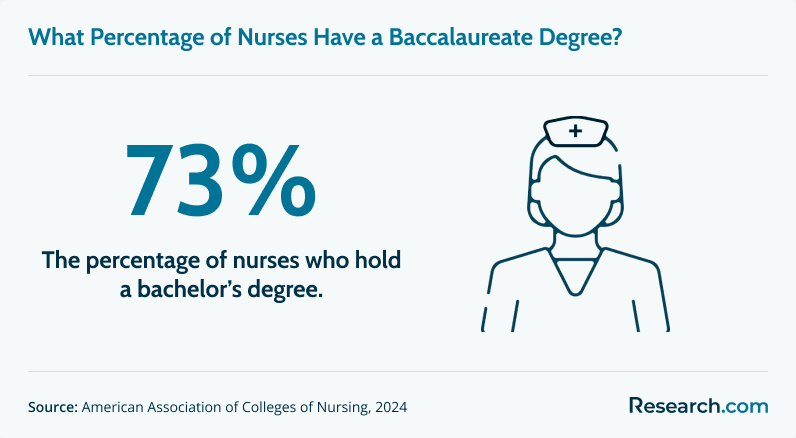
This trend is about expanding the role of the nurse in complex healthcare systems. While an ADN gives you excellent clinical skills, a BSN is seen as preparation for leadership roles, case management, and specialized nursing fields. The data shows that a significant majority of nurses, about 73%, now hold a BSN, reflecting this industry-wide shift.
How much does nursing school cost for a second career?
When you look at the numbers, the upfront cost difference is clear. An LPN program typically has a much lower tuition, generally falling between $10,000 and $15,000. An ADN program to become an RN will have a higher price tag, usually ranging from $20,000 to $40,000.
While becoming a nurse through the LPN path is less expensive at the start, that’s not the full financial picture. You have to consider the bigger strategy for your career and finances.
The Hidden Factor: Opportunity Cost vs. Earning While You Learn
The most important financial concept for a career changer is opportunity cost. That’s the income you lose by being a full-time student instead of working. The direct-to-RN path has a higher opportunity cost because you're out of the full-time workforce for at least two years.
The LPN path, on the other hand, is an "earn-while-you-learn" model. You can be working as a nurse in just over a year. Many LPNs then have their employers help pay for their LPN-to-RN bridge program through tuition reimbursement. This strategy can significantly lower the total out-of-pocket cost of becoming an RN.
For some, it can also open doors into best entrepreneur and business ideas for nurses, where practical experience and financial planning create opportunities beyond traditional bedside care.
What financial aid Is available for older students?
It’s a common misconception that financial aid is only for students fresh out of high school. The truth is, there are many funding sources designed specifically to help adult learners like you enter high-demand fields like nursing. Did you know that 17% of RNs have a master's degree that is not nursing-related? This highlights the diverse educational backgrounds of individuals in the field.
You have several key avenues to explore for funding your education, including accelerated LPN to RN programs.
- Fill out the FAFSA. This Free Application for Federal Student Aid is the essential first step for accessing federal loans and grants, regardless of your age.
- Target specific scholarships. Many organizations offer scholarships exclusively for non-traditional students, career changers, or those pursuing a nursing degree.
- Explore federal and state grants. Unlike loans, grants are a form of gift aid that you don’t have to pay back, making them a top priority in your search.
The key is to be proactive and research all your options. For a detailed breakdown of where to find these opportunities, your next step should be to consult this comprehensive guide to nursing scholarships and financial aid.
What's the difference between an LPN and an RN?
While both LPNs and RNs provide essential patient care, the biggest difference lies in their scope of practice—what the law allows them to do. This difference shapes their daily responsibilities, their level of autonomy, and their role on the healthcare team.
- LPNs focus on direct, task-oriented care. They are skilled at tasks like taking vital signs, administering medication, and dressing wounds, all under the supervision of an RN or physician.
- RNs focus on the overall patient care plan. They perform patient assessments, develop nursing diagnoses, and use critical thinking to create and manage a comprehensive plan of care.
How Autonomy and Responsibility Shape Your Day
Imagine a patient whose condition suddenly worsens. An LPN would be responsible for gathering vital signs, observing the changes, and immediately reporting them to the RN. They are the skilled eyes and ears at the bedside.
The RN would then take that information, perform a deeper assessment, analyze the data, and make a clinical judgment about what is happening and what needs to be done. They decide the next steps, delegate tasks, and coordinate with the physician. The RN is the clinical decision-maker, managing the broader strategy for the patient's care.
This division of labor reflects the FNP scope of practice, where advanced credentials define the boundaries of clinical judgment, autonomy, and responsibility in patient care.
Can I earn a nursing degree online?
Yes you can, but it's crucial to understand how it works. You can complete most of your nursing theory coursework—the lectures, readings, and assignments—through a flexible online format. However, you cannot earn a nursing degree 100% online.
Nursing is a hands-on profession, and becoming a nurse requires you to complete a set number of in-person clinical hours. This is where you learn and practice essential skills in a real healthcare setting, supervised by experienced instructors.
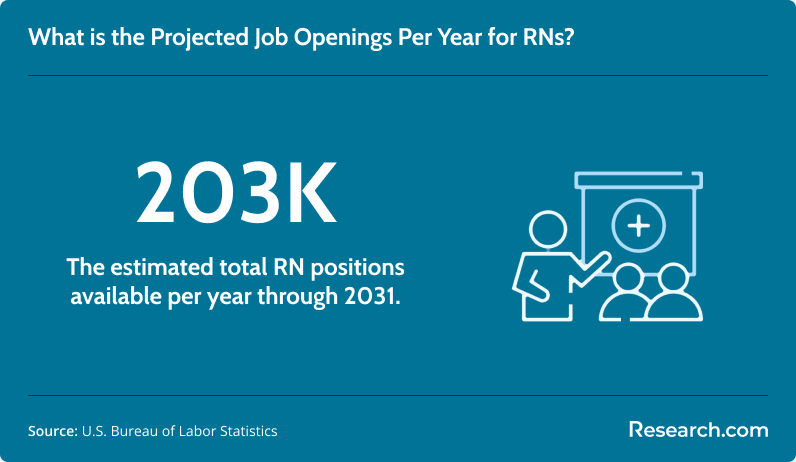
The solution for students who need flexibility is a hybrid program. These programs combine online coursework with arranged clinical placements at hospitals or clinics in your local area. For those starting from scratch, for example, there are many excellent online RN programs for non nurses that are specifically designed in this hybrid format to fit the lives of working adults. Once you become a registered nurse, you can expect a job market that can provide 203k job openings per year through 2031.
LPN vs. RN: Which pathway is right for me?
This is the central question, and the right answer depends entirely on your personal circumstances. All the factors we've discussed—time, cost, and career goals—come together here. By looking at these two clear profiles, you can determine which path aligns best with your life right now.
The LPN-First Path
This path is for you if you are risk-averse and need to start earning a stable income as quickly as possible. This path minimizes upfront debt and avoids the high opportunity cost of being out of the workforce for two or more years. It’s an excellent choice if you have a mortgage, family responsibilities, or other financial commitments that make a long period without income unrealistic. It’s also a smart way to test the waters of a nursing career before committing to a longer, more expensive degree program.
The Direct-to-RN Path
Choose this if you have the financial support to manage two or more years of full-time study and want to reach a higher salary faster. If your primary goal is to work in a hospital setting, especially in a specialized unit, the RN credential is a necessity from the start. This path is more direct and efficient for those who are certain about their long-term career goals and can make the upfront investment in time and money. Programs like Associate of Science in Nursing online programs are a popular starting point for this direct route.
How do I choose a quality nursing program?
Once you’ve decided on a path, the next step is choosing a specific program. Not all nursing schools are created equal, and the quality of your education directly impacts your readiness for the licensing exam and your future career.
Here are the most important factors to look for to ensure you're choosing a high-quality program.
- Accreditation: This is the most important factor, as it means the program has been vetted by a professional nursing organization and meets national standards for quality.
- NCLEX Pass Rates: Ask for the school's pass rate on the National Council Licensure Examination (NCLEX), which is the board exam you must pass to get your license.
- Clinical Placement Support: A good program will have strong relationships with local healthcare facilities and will actively help you secure the clinical placements required for your degree.
Think of these criteria as your quality-control checklist. A strong program will be proud to share this information with you, and it's your best insurance for a successful educational investment. This mirrors the diligence people apply when comparing credentials like a customer experience manager salary guide, where data helps clarify the value of a career move.
What is the career outlook for second-career nurses?
The career outlook is excellent. The demand for both LPNs and RNs is strong and projected to grow steadily over the next decade. The Bureau of Labor Statistics projects about 5% growth for LPNs and 6% for RNs.
But here is the most important thing you need to know as a career changer. You are not at a disadvantage because of your age; you are at an advantage. Employers in healthcare are actively seeking candidates who bring maturity, resilience, and strong communication skills to the job. The technical skills of nursing can be taught, but the soft skills you’ve honed over an entire career are invaluable.
In a competitive job market, your life experience is what sets you apart from younger graduates, and looking at some of the highest paying nursing jobs can give you an idea of the long-term potential.
Your Age is Your Advantage
If you're worried about being the oldest person on your unit, you can set that concern aside. Nursing is an age-diverse profession. The idea that it's a field dominated by recent graduates is a myth.
A huge percentage of the current nursing workforce is over the age of 40. You will be joining a team of peers who understand the challenges and rewards of a long and varied career. Your experience will be seen not just as relevant, but as a vital asset to your team and your patients.
Is an Online BSN the Right Step to Boost My Nursing Career?
For experienced nurses ready to advance their clinical expertise and leadership capabilities, online BSN programs present a flexible, career-enhancing option. This educational path allows you to balance professional responsibilities with advanced studies and can rapidly open doors to specialized roles within the healthcare system. When evaluating these programs, prioritize those that align directly with your long-term career goals, offer up-to-date accreditation, and provide robust support systems for adult learners. Additionally, assess available financial aid opportunities and scheduling flexibility to ensure the program fits seamlessly into your existing commitments. For streamlined program alternatives that emphasize flexibility and affordability, consider exploring easy RN to BSN.
What are the biggest challenges for nursing students over 40?
For students over the age of 40, the hardest part of becoming a nurse usually is not the coursework itself. The real challenges are often logistical and emotional. Being prepared for them is the key to your success.
The three biggest hurdles you're likely to face are:
- Balancing Responsibilities: Juggling school with work, family, and personal commitments is the primary challenge for nearly every adult learner.
- Adapting to New Technology: Returning to an academic setting means engaging with online learning platforms, digital textbooks, and new software.
- Overcoming Imposter Syndrome: It's common to feel out of place or question your abilities, especially when surrounded by younger students.
Strategies for Success
Acknowledging these potential hurdles is the first step. The next is having a clear and simple plan to manage them effectively.
For balancing responsibilities, be ruthless with your calendar. Schedule dedicated study time and get your family's buy-in on protecting that time. When it comes to technology, lean on the resources available; your school’s IT support and even younger classmates can be a great help. Finally, to combat imposter syndrome, remind yourself that your life experience is the unique asset you bring to the table.
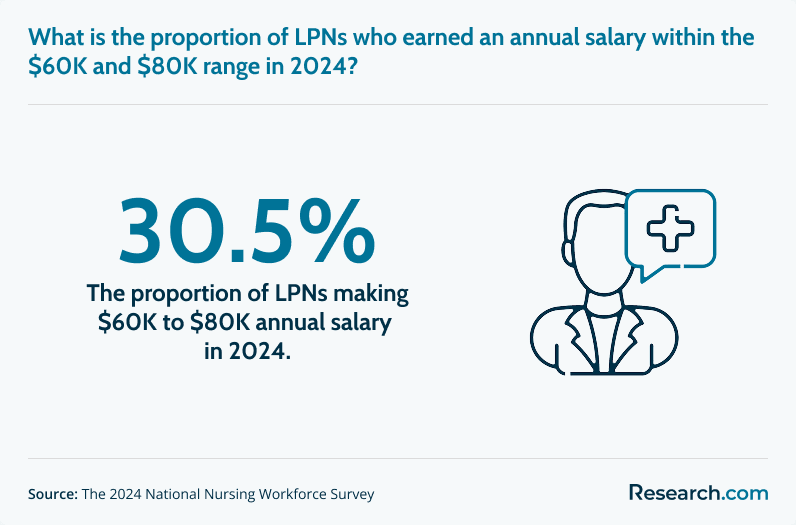
The proportion of LPNs making between $60,000 and $80,000 increased from 22.0% in 2022 to 30.5% in 2024. This trend should encourage you to press on towards your goal.
You are not the first person to walk this path, and you won't be the last. Many successful nurses began their journey with a degree in a completely different field, proving that a non-linear path is a powerful foundation for a career in care. This mirrors other later-in-life transitions, like professionals pivoting into healthcare through emergency room nurse salary–driven roles, where persistence and planning are just as critical.
Can pursuing a DNP degree advance my nursing leadership?
For experienced nurses aiming to broaden their clinical expertise and assume higher responsibility, a DNP enhances leadership skills and deepens evidence-based practice. A targeted DNP program offers advanced training in system-level change, strategic management, and innovative patient care models. Review program outcomes and mentorship opportunities to ensure they align with your career goals and professional growth. For more information on programs designed for accelerated advancement, consider exploring the easy DNP program.
Here's What Professionals Have to Say About Becoming a Nurse Later in Life
- David: "I was already working in healthcare, but I hit a ceiling. I needed the fastest path to more responsibility and a better paycheck, and this program delivered. The structure was intense, but it was efficient and focused on getting me the skills I needed to get licensed and get to work as an RN. My career trajectory has completely changed for the better."
- Jessica: "My main concern was money. I couldn't afford to stop working for two years, so I chose the LPN-first path. I was earning a nursing paycheck in just over a year, which was incredible. Now I'm in a bridge program to become an RN, and my employer is helping to pay for it. It was the smartest, most stable way for me to make this change."
- Laren: "I was so worried about imposter syndrome, feeling like I didn't belong. But my study group was made up of a former teacher, a stay-at-home dad, and a young woman just starting out. We all brought something different to the table. We realized our diverse backgrounds made us a stronger team, and that's exactly what it's like on the nursing floor."
Key Findings
- The financial incentive for becoming a Registered Nurse is significant, with RNs earning a median salary of $86,070, which is over $26,000 more per year than the median for Licensed Practical Nurses.
- Concerns about being an older student are often unfounded, as over 62% of today's college students are over the age of 25, reflecting a diverse, mature learning environment.
- The nursing workforce is age-diverse and values experience, with data showing that 55% of all Registered Nurses currently working are over the age of 40.
- The upfront investment for an LPN program is substantially lower, typically ranging from $10,000 to $15,000, compared to $20,000 to $40,000 for a direct-to-RN associate degree program.
- A Bachelor of Science in Nursing (BSN) is becoming the industry standard for long-term career advancement, with approximately 73% of all nurses now holding a BSN.
- Entering nursing from another field is a common and successful path, as evidenced by the fact that nearly 25% of all RNs under 40 already hold a bachelor's degree in a non-nursing subject.
References:
- American Association of Colleges of Nursing. (2024). Nursing workforce fact sheet.
- National Council of State Boards of Nursing. (2024). 2024 National Nursing Workforce Survey Infographic.
- U.S. Bureau of Labor Statistics. (2024). Licensed practical and licensed vocational nurses. U.S. Department of Labor, Occupational Outlook Handbook.
- U.S. Bureau of Labor Statistics. (2024). Registered nurses. U.S. Department of Labor, Occupational Outlook Handbook.
- Williams, D., and Kaddoura, M. (2025). The future of nursing: How technology is shaping the workforce. Journal of Nursing Regulation, 16(1), 1-8.
Other Things You Should Know About Becoming a Nurse Later in Life
Nursing school is challenging for students of any age due to the volume of information and the pace of learning. For older students, the primary difficulty is usually time management rather than the academic content itself. Your life experience, discipline, and problem-solving skills are significant advantages in handling the clinical and critical-thinking aspects of the curriculum.
There are no age restrictions for becoming a nurse in 2027. Nursing programs accept applicants based on qualifications rather than age. Prospective nursing students should meet educational prerequisites and other requirements specified by the program and licensing body.
In 2027, older nursing students may face challenges such as balancing studies with family or work responsibilities, adapting to new technologies used in healthcare education, and overcoming any differences in energy levels and stamina compared to younger classmates.


