
2027 Best Colleges for Teaching Degree Programs in Rhode Island: Online & Campus

Co-Founder and Chief Data Scientist
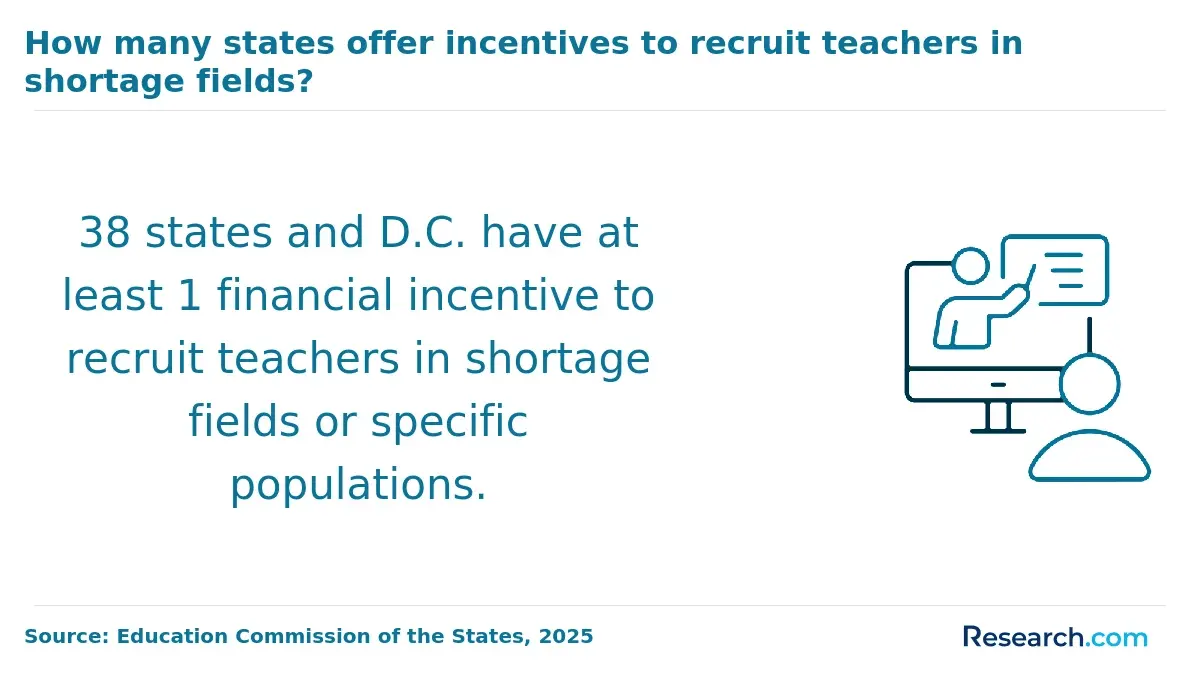
Choosing the right college for a teaching degree in Rhode Island can feel like navigating a labyrinth. With over 30% of U.S. districts facing teacher shortages, demand for skilled educators surges. Prospective students juggle options between online flexibility and on-campus rigor, often overwhelmed by unclear program quality and career outcomes.
This article, crafted by career planning experts, unveils the best Rhode Island institutions offering both formats, guiding candidates toward programs that align with future workforce needs and personal aspirations.
Key Benefits of the Best Colleges for Teaching Degree in Rhode Island
- Rhode Island colleges blend rich local education traditions with cutting-edge online platforms, offering flexible learning paths that fit diverse lifestyles and schedules.
- Graduates from these programs see a 15% higher employment rate statewide, backed by partnerships with top school districts eager to hire skilled, innovative educators.
- Small class sizes on campus and interactive virtual classrooms ensure personalized mentorship, fostering creativity and practical skills essential for next-gen teaching careers.
- What teaching degrees are available at the best colleges in Rhode Island?
- What prerequisites are required for teacher education programs in Rhode Island?
- What accreditation and licensure requirements apply to teaching degree programs in Rhode Island?
- What courses do you take in a teaching degree program in Rhode Island?
- What support do Rhode Island colleges offer during student-teaching placements?
- How much does a teaching degree cost in Rhode Island?
- What financial aid options are available for teaching students in Rhode Island?
- What jobs can you get with a teaching degree in Rhode Island?
- What are the salaries of teaching degree graduates in Rhode Island?
- What are the key factors when choosing the best teaching degree colleges in Rhode Island?
What teaching degrees are available at the best colleges in Rhode Island?
Knowing the variety of teaching degree programs in Rhode Island unveils a landscape rich with opportunity, where aspiring educators can select pathways that truly match their passions and career visions. These degrees not only sculpt classroom expertise but also adapt fluidly to both digital and traditional learning environments, making your educational journey as dynamic as the students you aim to teach.
- Bachelor of Arts or Science in Elementary Education: A gateway to nurturing young minds from kindergarten through early grades, this degree hones skills in literacy, math, science, and social studies. Graduates step confidently into roles shaping foundational learning and early childhood development.
- Bachelor of Arts or Science in Secondary Education: Tailored for future middle and high school teachers, this degree allows for specialization in core subjects like English, math, or science. It prepares educators to engage adolescent learners with focused, subject-specific instruction.
- Master of Education (M.Ed.): Offered both online and on-campus, this advanced degree amplifies leadership qualities and expertise in curriculum design or special education. It suits teachers aiming to deepen their impact and ascend into specialized or administrative roles.
- Special Education Degrees: Available at undergraduate and graduate levels, these programs equip educators to support students with disabilities through personalized instruction and behavioral strategies. The demand for such expertise is growing rapidly across Rhode Island's districts.
- Early Childhood Education: Focused on the critical years from birth to age eight, this degree emphasizes developmental milestones and family engagement, essential for those shaping preschool and early elementary experiences.
For those weighing options beyond the traditional classroom, exploring jobs in education not teaching can reveal unexpected yet rewarding career routes. By understanding the best colleges for education degrees in Rhode Island, prospective educators can navigate a future where their chosen program aligns perfectly with a fulfilling professional life.
What prerequisites are required for teacher education programs in Rhode Island?
Prospective teaching students aiming for Rhode Island's top programs must navigate a set of thoughtfully crafted prerequisites that go beyond mere paperwork-they form the backbone of a future educator's journey. These requirements act like a compass, guiding candidates toward readiness not just academically, but ethically and experientially, ensuring they're primed for the evolving challenges of the classroom. Knowing these prerequisites upfront empowers applicants to step confidently into a field that demands both heart and rigor.
- High School Diploma or Equivalent: This foundational credential proves you've conquered basic educational milestones and lays the groundwork for college-level rigor. Colleges across Rhode Island insist on this to guarantee all candidates bring a minimum academic standard to their teacher education programs.
- Minimum GPA: Typically hovering between 2.5 and 3.0 on a 4.0 scale, this benchmark reflects scholastic commitment and predicts your ability to handle complex coursework. Institutions like the University of Rhode Island and Rhode Island College often use this to filter applicants who are prepared for sustained academic challenge.
- Standardized Test Scores: SAT or ACT scores may be required, though many schools embrace test-optional approaches to celebrate diverse strengths. When they are used, these scores help assess skills crucial for teaching, like verbal reasoning and quantitative abilities.
- Foundational Coursework: Completion of core subjects such as English, math, science, and social studies fosters a well-rounded knowledge base essential for effective teaching. Rhode Island programs typically expect these courses either before admission or during initial semesters.
- Background Checks and Child Protective Services Clearance: Given the responsibility of working with minors, legal clearances are non-negotiable. This ensures the safety and trustworthiness vital for educators stepping into schools and communities.
- Letters of Recommendation and Personal Statement: Beyond grades and scores, these elements unveil your passion, communication skills, and dedication. Admissions use them to glimpse the person behind the application, capturing motivation critical to teaching success.
- Field Experience or Volunteer Hours: Hands-on experience in educational settings, through observation, tutoring, or volunteering, builds practical insight and affirms your commitment. This aligns with Rhode Island's standards and emphasizes the value of learning by doing.
For those curious about the pathways, exploring the best online teaching degrees can offer flexible options meeting these prerequisites. Navigating these requirements effectively is a smart move in preparing for Rhode Island teacher certification requirements, ensuring not just entry, but a successful educator career ahead.
What accreditation and licensure requirements apply to teaching degree programs in Rhode Island?
Accreditation and licensure create the foundation upon which Rhode Island's teacher preparation stands, ensuring quality and trust in aspiring educators. These systems are not mere formalities; they guarantee that future teachers are equipped with validated knowledge and practical skills necessary to inspire and educate effectively in real classrooms.
- Regional Accreditation by NECHE: This is the hallmark of institutional credibility, covering the whole college to assure nationwide standards of academic excellence. Attending a NECHE-accredited school means the teaching degree is recognized for quality and rigor, a vital factor for career longevity and mobility.
- Specialized Accreditation from CAEP: Focused exclusively on educator preparation, CAEP accreditation confirms that a program meets strict criteria on curriculum design, faculty expertise, and graduate outcomes. It ensures that teaching candidates receive targeted training aligned with best practices in education.
- Licensure Requirements by RIDE: The Rhode Island Department of Education mandates completion of an approved preparation program plus passing scores on state-specific assessments like Praxis. This dual checkpoint proves the educator is both knowledgeable in content and skilled in pedagogy, safeguarding student learning.
- Clinical Experience Mandates: Aspiring teachers must complete hands-on fieldwork, including student teaching, to transition theory into practice under expert supervision. This immersion is essential for refining classroom management and instructional techniques required for successful teaching careers.
What courses do you take in a teaching degree program in Rhode Island?
Rhode Island's teaching degree courses weave a tapestry of knowledge, practical skill, and cultural awareness-arming future educators with the tools to navigate diverse classrooms and ever-evolving educational landscapes. These carefully crafted courses challenge students to think deeply and act effectively, ensuring they graduate ready to inspire and lead.
- Foundations of Education: Dive into the roots of education shaped by history, philosophy, and society, especially within Rhode Island's unique context. This course helps future teachers grasp the big ideas behind schooling systems and their vital role in cultivating community connections.
- Educational Psychology: Explore the inner workings of young minds as they grow cognitively and emotionally from childhood through adolescence. Students learn to create nurturing environments tailored to diverse, multicultural classrooms common in Rhode Island.
- Instructional Strategies and Assessment: Master the art of crafting engaging lesson plans aligned with state standards, while using assessments as a compass to guide student success. This course empowers teachers to become adaptive thinkers who respond to real-time learning needs.
- Classroom Management: Unlock techniques for fostering respectful, inclusive spaces where social-emotional growth flourishes. This course focuses on behavior management and conflict resolution to build classrooms rooted in empathy and structure.
- Content Area Methods: Specialize in dynamic teaching strategies tailored to subjects like math, science, English, or social studies, emphasizing differentiated instruction and state-aligned curriculum design that sparks every learner's potential.
- Technology in Education: Embrace cutting-edge digital tools and media, preparing teachers for hybrid or remote classrooms. This course encourages innovative integration of technology to boost engagement and learning beyond traditional walls.
- Student Teaching/Field Experience: Step into real Rhode Island classrooms to apply theory in action. Guided by seasoned educators, students refine their craft through hands-on practice, feedback, and reflection, bridging the gap between study and professional teaching.
What support do Rhode Island colleges offer during student-teaching placements?
Navigating student-teaching placements can feel like stepping into a whirlwind where theory meets the unpredictable reality of the classroom. Rhode Island colleges recognize that this phase shapes not just skills but teachers' confidence and professional identity, so they embed a spectrum of robust supports designed to anchor student teachers amid the challenges.
- Mentorship: Experienced educators act as navigators, offering personalized guidance through the maze of classroom dynamics. This relationship builds resilience and models practical strategies for real-time problem-solving.
- Structured Feedback: Through regular observations using research-backed rubrics, student teachers receive constructive, focused critiques. This ongoing dialogue transforms moments of vulnerability into powerful growth opportunities.
- Professional Development Workshops: Targeted sessions on topics like culturally responsive teaching and technology integration keep student teachers aligned with Rhode Island's evolving educational standards, enriching their toolkits.
- Observation Opportunities: Exposure to diverse classrooms and teaching styles broadens adaptability and deepens understanding of inclusive practices crucial to today's schools.
How much does a teaching degree cost in Rhode Island?
For prospective students planning their education, knowing the cost of teaching degree programs in Rhode Island is essential for sound financial planning and career preparation. The state's best colleges offering education degrees present a varied pricing landscape depending on whether studies are online or on-campus and whether the institution is public or private.
Online Programs
- Tuition per Credit: Online teaching degrees at public colleges generally range from $350 to $500 per credit hour, slightly lower than their on-campus counterparts.
- Mandatory Fees: These programs may include additional online course fees that vary by institution, but annual fees tend to be more moderate compared to on-campus ones.
- Additional Expenses: Students should still budget for textbooks, technology supplies, and potential certification exam fees related to Rhode Island teacher licensure.
On-Campus Programs
- Tuition per Credit: Public colleges charge approximately $400 to $550 per credit hour for on-campus teaching programs, while private institutions have higher ranges between $700 and $900.
- Mandatory Fees: On-campus fees, encompassing technology, activity, and facility usage, typically add $1,200 to $1,500 yearly at public colleges and often exceed $2,000 at private ones.
- Additional Expenses: Besides tuition, costs such as student teaching materials, background checks, and certification exams must be factored into total program budgets.
The total credit requirement usually falls between 120 and 135 credits, with final tuition costs spanning roughly $15,000 to over $40,000 depending on the program's format and institution type. Demand for qualified teachers, especially in early childhood and special education, remains robust in Rhode Island, making the investment in these degree programs significant for career-focused individuals seeking one of the best colleges for education degrees Rhode Island offers. More details can be found in a list of most affordable online degrees in education.
What financial aid options are available for teaching students in Rhode Island?
About 75% of teaching students in Rhode Island's top colleges receive grants, with scholarships typically ranging from $3,500 to $5,000 yearly. These numbers shape a vital ecosystem of financial aid for teaching students in Rhode Island, easing the road toward a career in education while balancing tuition costs and living expenses.
- Federal Grants: Usually need-based, these grants like the Pell Grant don't require repayment. Students must complete the FAFSA and meet income and enrollment criteria to qualify, making them a cornerstone for many aspiring teachers.
- State Scholarships: Focused on candidates committing to teach within Rhode Island's public schools, these awards often require maintaining a minimum GPA and a teaching service agreement post-graduation. Application typically involves a specific state form alongside FAFSA.
- Institutional Aid: Merit-based or sometimes need-focused, these scholarships are awarded by the college itself. Applying often demands FAFSA submission plus an additional application or essay, rewarding academic or leadership excellence.
- Student Loans: Offering financial relief beyond grants and scholarships, federal loans have borrowing limits tied to academic standing and dependency status, ranging up to $57,500 for undergraduates. Income-driven repayment plans and loan forgiveness programs for teachers in high-need areas can lighten repayment.
For those exploring options beyond traditional routes, consider researching cheap online masters degrees that might blend affordability with flexibility, adding more tools to navigate financial challenges successfully.
What jobs can you get with a teaching degree in Rhode Island?
For students eyeing a teaching degree in Rhode Island, exploring potential career avenues illuminates the path from classroom to career with clarity and purpose. With the Rhode Island Department of Labor and Training projecting a steady 3% increase in teaching jobs, prospective educators can take heart in the growing need for skilled professionals, especially in special education and educational support roles.
- Elementary School Teacher: Crafting engaging lesson plans that span multiple subjects, elementary school teachers nurture foundational skills and curiosity in young learners. Key responsibilities include assessing student development and fostering a supportive classroom atmosphere. This role demands creativity, patience, and strong classroom management techniques, often unfolding within vibrant public or private school settings.
- Secondary School Teacher: Specialists in specific subject areas, secondary educators deliver more focused instruction to adolescents, guiding them toward academic proficiency and critical thinking. They balance curriculum standards with individualized student support while managing diverse classroom dynamics. High adaptability and subject matter expertise are vital, with workplaces typically ranging from traditional classrooms to extracurricular and after-school programs.
- Special Education Teacher: Championing the needs of students with unique learning challenges, special education teachers design and implement individualized education programs (IEPs). Collaboration with families and multidisciplinary teams is essential, alongside patience and deep empathy. These educators operate in classrooms tailored to diverse abilities, resource rooms, or even community outreach initiatives.
- Educational Coordinator or Administrator: Moving beyond direct instruction, coordinators and administrators oversee program development, compliance, and staff support to enhance educational outcomes. Their work necessitates strong organizational leadership, data analysis skills, and a thorough understanding of policy. These professionals typically engage with schools, district offices, or educational nonprofits, shaping the infrastructure that supports teaching and learning.
What are the salaries of teaching degree graduates in Rhode Island?
Salary insights weave a vital thread into the tapestry of choice for any teaching aspirant. In Rhode Island, projections show elementary educators earning around $75 000 annually, with their secondary counterparts slightly ahead at $78,000, reflecting nuanced market forces that shape average teacher earnings in Rhode Island. This financial landscape provides a compass for students to navigate future opportunities in education careers.
- Years of experience: Starting salaries for recent graduates may be modest, but each year in the classroom polishes skills and confidence, unlocking substantial pay raises and professional milestones.
- Teaching level: While elementary teaching nurtures foundational minds, secondary roles often offer richer compensation, rewarding specialization and advanced subject mastery.
- Location within Rhode Island: Urban districts with bustling communities and higher living costs tend to offer more competitive wages than quieter rural areas, reflecting economic diversity across the state.
- Additional certifications: Holding credentials in high-demand fields or advanced degrees can elevate salaries, signaling a commitment to growth and expertise valued by employers.
For those mapping out what jobs can you get with teaching degree, considering these salary dynamics equips you with realistic expectations and sharper vision for your future in Rhode Island's dynamic education system.
What are the key factors when choosing the best teaching degree colleges in Rhode Island?
Choosing the right teaching degree college in Rhode Island is like crafting your future classroom-every detail matters. Picking a program without peeking under the hood can leave you stranded without the tools you need to succeed. That's why stacking the deck in your favor starts with knowing what truly shapes your educational journey.
- Program Reputation: A college's name isn't just a label-it's a passport in the world of education. Schools with solid accreditation and strong community ties, like Rhode Island College, often open doors faster and wider, giving you a trusted credential that schools respect.
- Degree Format (Online vs. On-Campus): Flexibility is king. Online programs can bend to your schedule and lifestyle, great for busy adults or those far from campus. But if you crave face-to-face mentoring and buzzing campus energy, on-site programs offer that vital human connection that fuels learning.
- Faculty Expertise: The heartbeats behind lessons are the professors. Educators who live and breathe classroom challenges, research fresh teaching methods, and lead local school initiatives amplify your learning with real-world wisdom and vital networking chances.
- Student Support Services: Academic advising, tutoring, and career counseling aren't just extras-they're the safety net that catches you when the journey gets tough. Hands-on practicum placements in nearby schools turn theory into confident practice, easing your path to licensure.
- Career Outcomes: What's a degree worth if it doesn't launch your career? Rhode Island schools showing 80%+ job placement within six months highlight programs tuned to market rhythms, especially for high-demand STEM and special education fields.
What Graduates Say About Their Teaching Degree from the Best Colleges in Rhode Island
- Completing my online teaching degree through one of Rhode Island's top colleges opened doors I never imagined. Starting my career at Providence Community School, I found the balance of flexible courses and rigorous training perfectly suited to prepare me for a real classroom. The program's emphasis on inclusive education truly deepened my passion for supporting diverse learners. I'm now excited to see how my efforts impact the community day by day. Keanne
- Graduating from an on-campus teaching program in Rhode Island gave me a solid foundation to advance within academic leadership. The hands-on experiences and strong network with faculty helped me efficiently transition into roles with greater responsibility. The supportive environment fostered both my professional confidence and my commitment to lifelong learning. Earning this degree was key to elevating my career and empowering me to shape educational policies. Analyn
- Studying teaching in Rhode Island allowed me to engage uniquely with local culture and environmental issues, enriching my approach to education. After starting at Cranston Elementary School, I grew deeply invested in promoting community involvement among my students. The program challenged me personally and professionally, encouraging me to become a proactive leader in education. It's rewarding to contribute positively to the growth and well-being of young people in such a vibrant state. Andrei
Related Articles for Nearby States
- 2027 Best Colleges for Teaching Degree Programs in Massachusetts: Online & Campus
- 2027 Best Colleges for Teaching Degree Programs in Connecticut: Online & Campus
- 2027 Best Colleges for Teaching Degree Programs in New York: Online & Campus
- 2027 Best Colleges for Teaching Degree Programs in New Jersey: Online & Campus
- 2027 Best Colleges for Teaching Degree Programs in Vermont: Online & Campus
- 2027 Best Colleges for Teaching Degree Programs in New Hampshire: Online & Campus
- 2027 Best Colleges for Teaching Degree Programs in Pennsylvania: Online & Campus
- 2027 Best Colleges for Teaching Degree Programs in Delaware: Online & Campus
- 2027 Best Colleges for Teaching Degree Programs in Maine: Online & Campus
- 2027 Best Colleges for Teaching Degree Programs in Maryland: Online & Campus
References:
- Rhode Island schools roll out new policies for teacher shortages, student mental health https://turnto10.com/news/local/rhode-island-schools-roll-out-new-policies-for-teacher-shortages-student-mental-health-general-assembly-laws-cell-phone-ban-freedom-to-read
- Best colleges in Rhode Island https://stacker.com/stories/rhode-island/best-colleges-rhode-island
- Tuition and Fees https://web.uri.edu/tuition-billing/tuition-and-fees/
- Online Master’s Degrees in Rhode Island: Compare Programs https://www.onlinemastersdegrees.org/best-programs/rhode-island-ri/
- Financing Your Education (First-Year Admissions) https://www.risd.edu/admissions/first-year/financing-your-education
- Online Colleges in Rhode Island https://mycollegeguide.org/online-colleges-in-rhode-island/
- Teacher Pipeline Programs - Teach PVD https://teachpvd.providenceschools.org/who-we-are-clone-clone/teacher-pipeline-programs
- The Best Colleges of Distinction: Find Your Dream School! https://collegesofdistinction.com/best-colleges-of-distinction/
- Are Online Colleges As Good As On Campus Colleges? https://www.academicinfo.net/college-prep/are-online-colleges-as-good-as-on-campus-colleges
- Admission criteria for professional teacher studies for 2026 has been published https://www.hamk.fi/en/admission-criteria-for-professional-teacher-studies-for-2026-has-been-published/
Other Things You Should Know About the Best Colleges for Teaching Degree Programs in Rhode Island
In 2027, the University of Rhode Island and Rhode Island College are recognized as top colleges for teaching degree programs in Rhode Island. Both institutions offer flexible online and traditional on-campus programs, focusing on high-quality teacher education and preparation for a dynamic educational environment.
Yes, online teaching degree programs in Rhode Island are generally as reliable as on-campus options. Many institutions maintain rigorous accreditation standards for both formats. These programs offer the same curricula and qualified faculty, ensuring comparable academic quality. Online formats provide flexibility without compromising the depth of training.
However, hands-on experiences like student teaching may require on-site participation. Students should verify program accreditation and support services before enrolling. The choice depends on individual learning preferences and scheduling needs rather than on a difference in educational reliability or outcomes.
Yes, transfer students are generally accepted into teaching programs in Rhode Island. Most colleges and universities have specific transfer policies to evaluate previous coursework for equivalency. Applicants should submit official transcripts and meet any prerequisite requirements. Admission decisions often consider the student's academic performance and the availability of spaces in the program.
Transfer students need to consult with academic advisors early to ensure a smooth transition. Some institutions may require completion of certain foundational courses before progressing. Overall, Rhode Island schools strive to accommodate transfer students seeking teaching degrees, both online and on campus.


