
2027 Best Forensic Psychology Degree Programs in Minnesota: Online & Campus

Co-Founder and Chief Data Scientist
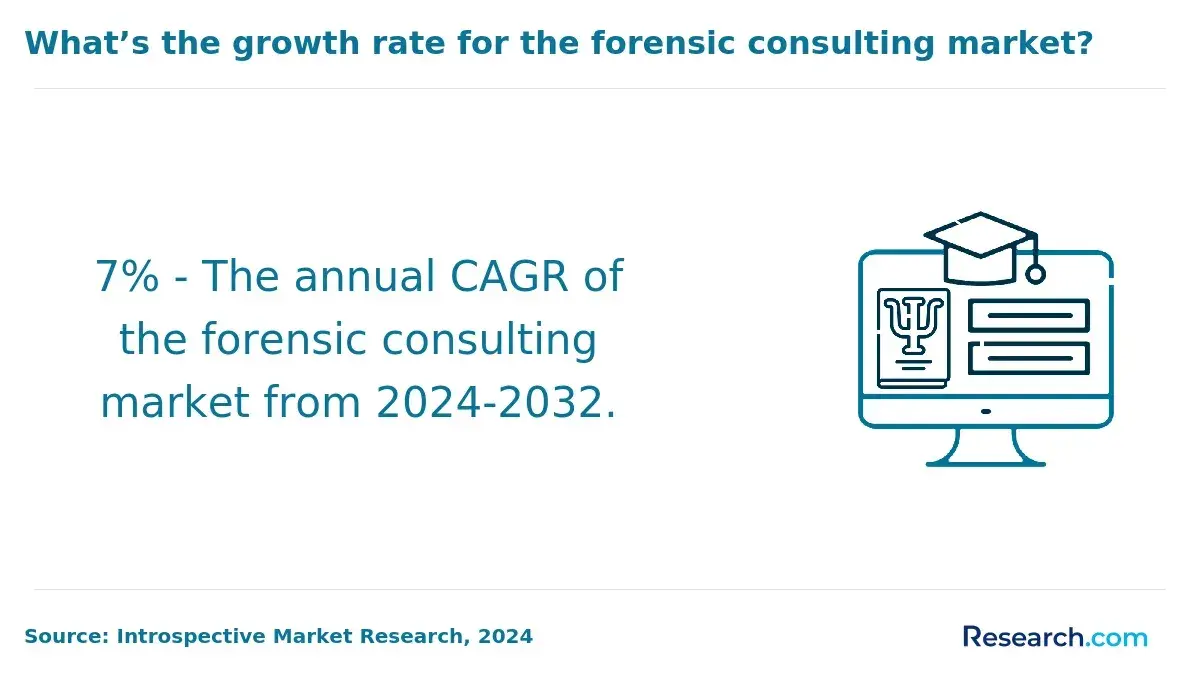
Finding the right forensic psychology degree program in Minnesota can be challenging, especially with the growing demand for qualified professionals. Minnesota expects a 7% increase in jobs by 2028, requiring forensic psychology credentials, reflecting the state's emphasis on integrating psychology in legal settings.
This article, prepared by career planning experts, offers a clear, step-by-step guide to the best forensic psychology programs available online and on campus. It empowers readers with practical information to choose the program that aligns with their career goals and lifestyle.
Key Benefits of Forensic Psychology Degree Programs in Minnesota
- Minnesota offers accredited forensic psychology programs with flexible formats, including fully online options that suit working professionals and out-of-state students.
- Graduates benefit from strong state employment prospects, as the Minnesota Department of Employment projects a 7% growth in psychological services roles by 2028.
- On-campus programs provide access to local internships and partnerships with law enforcement agencies, enhancing practical experience and job placement opportunities.
- What forensic psychology degree programs are available in Minnesota?
- How do online forensic psychology programs compare to on-campus options in Minnesota?
- What prerequisites do applicants need for forensic psychology degrees in Minnesota?
- What forensic psychology concentrations are offered in Minnesota?
- What courses do you take in a forensic psychology degree in Minnesota?
- How much do forensic psychology degree programs cost in Minnesota?
- What financial aid options are available to Minnesota forensic psychology students?
- What jobs can you get with a forensic psychology degree in Minnesota?
- What is the average salary for forensic psychology graduates in Minnesota?
- What factors should you consider when choosing a forensic psychology program in Minnesota?
What forensic psychology degree programs are available in Minnesota?
Forensic psychology degree programs in Minnesota cover a range of academic levels suited to various career goals and timelines. These programs offer multiple formats to accommodate different student needs and professional plans.
Here is an overview of the primary types of forensic psychology degree programs available in Minnesota:
- Associate Degrees: Generally lasting about two years, these programs focus on foundational psychology and criminal justice knowledge. They are largely campus-based or hybrid, providing a mix of in-person and online instruction geared toward entry-level roles or transfer opportunities.
- Bachelor's Degrees: Taking approximately four years, bachelor's programs provide broader psychological training with flexible formats including on-campus, online, or hybrid. These options support students seeking comprehensive preparation for law enforcement support or graduate studies.
- Master's Degrees: Typically two-year programs, master's degrees emphasize applied forensic psychology and ethical practice. They are available in campus, online, or hybrid formats, designed for students aiming at advanced professional positions such as forensic evaluators.
- Doctoral Degrees: Spanning four to seven years, doctoral programs are mostly campus-based due to the necessity of supervised clinical training. These programs prepare students for clinical practice, expert testimony, and research careers within forensic psychology.
- Program Formats: Minnesota offers a growing number of online and hybrid forensic psychology degrees Minnesota institutions provide to increase accessibility. Campus programs remain essential for hands-on training, while online options offer flexibility for working professionals or remote learners.
Students considering these pathways should also review workforce trends and potential earnings; the forensic psychologist salary outlook reflects steady growth, making education in this field a practical investment for future careers.
How do online forensic psychology programs compare to on-campus options in Minnesota?
Choosing between online forensic psychology degree programs in Minnesota and traditional on-campus options requires careful evaluation of how each format aligns with your lifestyle and career goals. This section breaks down the main practical features of both programs to help you plan your education efficiently and effectively.
Online Forensic Psychology Programs
- Flexibility: These programs usually offer asynchronous learning, allowing you to access lectures and assignments at convenient times to balance work or family duties.
- Accessibility: Online courses serve students statewide, especially those in remote areas with limited local program options in forensic psychology.
- Independent Learning: Expect a self-driven study approach, which requires strong time management since there is less direct interaction with faculty and peers.
- Limited Hands-On Practice: While accessible, online formats may lack the practical settings needed to develop skills like psychological assessment and courtroom testimony.
On-Campus Forensic Psychology Programs
- Immersive Experience: Being physically present allows direct access to faculty, labs, and specialized facilities crafted for forensic training.
- Structured Scheduling: Classes follow a fixed timetable, which supports consistent study habits but requires commitment to regular attendance.
- Practical Opportunities: Many campuses provide supervised internships and practicum placements essential for licensure and gaining applied experience.
- Professional Networking: On-site programs foster stronger connections within Minnesota's forensic psychology community, important for career advancement.
To navigate your options further, consider researching forensic psychologist duties, which detail the practical skills necessary for success in the field.
What prerequisites do applicants need for forensic psychology degrees in Minnesota?
When preparing to apply for forensic psychology degrees in Minnesota, it is important to understand the core prerequisites most programs require. These criteria help ensure applicants have a solid academic foundation and relevant experience suitable for the discipline's demands, whether studying online or on campus.
- Bachelor's Degree: Applicants must hold a bachelor's degree, typically in psychology or a related field such as criminal justice or criminology. Some programs accept other majors but will usually require completion of foundational psychology courses before admission.
- Prerequisite Coursework: Essential courses often include general psychology, abnormal psychology, statistics, and research methods. Introductory criminal justice courses may also be necessary, especially for interdisciplinary programs.
- Undergraduate GPA: A minimum GPA of around 3. 0 on a 4. 0 scale is generally expected. Competitive programs might raise this bar slightly, reflecting the rigorous nature of forensic psychology graduate study.
- Standardized Tests: GRE scores are becoming less commonly required, with many online programs waiving this component. However, some on-campus programs may still request GRE results as part of the application.
- Letters of Recommendation and Statement of Purpose: Applicants must provide strong letters of recommendation and a clear statement outlining their goals and interest in forensic psychology. These materials help admission committees assess motivation and fit.
- Relevant Experience: Practical experience, such as internships or volunteer work in forensic settings, mental health facilities, or law enforcement, enhances applications. Programs value exposure to real-world environments related to forensic psychology.
- Background Checks: Due to the sensitive nature of forensic work, background screenings are commonly required before clinical placements or internships. This applies to both online and campus students, involving in-person components.
What forensic psychology concentrations are offered in Minnesota?
Forensic psychology degree concentrations in Minnesota provide focused pathways to meet growing workforce demands in legal and criminal justice settings. These programs build specialized skills through targeted coursework and practical experience.
Below are common specializations within forensic psychology programs that Minnesota students can expect.
- Criminal Behavior Analysis: Concentrates on understanding psychological factors behind criminal acts, offender profiles, and patterns of offending. Typical courses include criminal psychopathology and investigative interviewing. Career options include roles in law enforcement, corrections, or as criminal investigation consultants.
- Legal and Court Psychology: Covers psychological processes in court systems, such as competency evaluations, expert testimony, and jury selection. Students study forensic assessment and legal ethics. Graduates often work as expert witnesses or court evaluators.
- Correctional Psychology: Focuses on inmate assessment, rehabilitation strategies, and crisis intervention within correctional facilities. Coursework emphasizes risk assessment and treatment programs. Careers commonly involve counseling or program coordination in prisons.
- Police and Public Safety Psychology: Addresses psychological support for law enforcement through stress management, trauma counseling, and organizational psychology. Key classes include incident stress management and resilience training. Graduates serve as police psychologists or crisis negotiators.
Employment projections by the Minnesota Department of Employment and Economic Development show a 12% growth in forensic psychology roles through 2030. The Bureau of Labor Statistics reports an average salary near $88,000, often higher for forensic specialists depending on the role. Those exploring career paths should consider reviewing forensic psychology career options to align education with job market demands.
Overall, selecting the right concentration is a crucial step in shaping a successful career in forensic psychology within Minnesota's evolving legal landscape.
What courses do you take in a forensic psychology degree in Minnesota?
Forensic psychology degree programs in Minnesota focus on equipping students with practical skills and knowledge to work effectively at the intersection of psychology and law. The curriculum balances psychological theory with hands-on applications, addressing topics from legal procedures to offender rehabilitation. These courses collectively prepare students for roles in legal, correctional, and community settings, building expertise needed for forensic assessment, treatment, and research.
Below is a list of the core courses you can expect in most programs.
- Introduction to Forensic Psychology: This foundational course presents the scope and history of forensic psychology, highlighting how psychology interacts with law enforcement and the courts. It introduces students to criminal behavior theories and essential forensic assessment methods, setting a base for more specialized study.
- Psychological Assessment in Forensic Settings: Focused on evaluation techniques, this course teaches students how to conduct competency assessments, risk appraisals, and detect malingering using standardized tools. Ethical considerations are emphasized to ensure responsible practice with forensic populations.
- Criminal Law and the Legal System: Students gain an overview of U.S. criminal law, evidentiary rules, and courtroom processes. Understanding legal terminology and procedure prepares students to communicate effectively with legal professionals and provide sound expert testimony.
- Ethics and Professional Issues in Forensic Psychology: This course tackles ethical dilemmas such as confidentiality, informed consent, and dual relationships, helping students navigate the complex moral terrain of forensic work with integrity.
- Correctional Psychology: Covering mental health in prisons, this class explores treatment methods, offender rehabilitation strategies, and institutional challenges, equipping students to address behavioral issues within correctional populations.
- Research Methods and Statistics: Training in qualitative and quantitative research prepares students to design forensic-relevant studies, analyze data critically, and apply evidence-based practices.
- Juvenile Justice and Psychology: This course targets developmental issues unique to juvenile offenders, focusing on risk factors and tailored intervention programs within the youth justice system.
How much do forensic psychology degree programs cost in Minnesota?
Comparing the costs of online and on-campus forensic psychology programs in Minnesota helps students plan finances realistically. On-campus degree seekers can expect total annual expenses, including tuition, fees, and living costs, to range from $20,000 to over $30,000. Online students typically spend between $12,000 and $18,000 yearly due to lower fees and no commuting or housing costs. Public institutions generally charge between $500-$900 per credit hour, depending on format, with private schools leaning toward the higher end.
Key factors to consider when evaluating these costs include:
- Tuition per credit: Online tuition ranges from approximately $500 to $700 per credit, moderately lower or comparable to on-campus rates that run $600 to $900, especially at public universities.
- Mandatory fees: Online students pay technology fees ($50-$150 per semester) but avoid student activity and lab fees common on campus, which can increase expenses significantly.
- Technology and lab fees: On-campus programs often add lab fees for forensic science components, while online fees focus on access to digital resources and platforms.
- Living and travel expenses: On-campus study incurs $12,000 to $15,000 annually for housing, meals, and transportation, costs largely eliminated by online learning.
What financial aid options are available to Minnesota forensic psychology students?
Forensic psychology students in Minnesota preparing for graduate study face significant tuition and living expenses, with program costs often ranging from $15,000 to over $35,000 annually. Careful financial planning is essential to reduce debt and ensure uninterrupted progress toward graduation. Prospective students should explore a range of financial aid options to supplement their budget and gain valuable work experience during their studies.
Below is an overview of key aid sources available to students in Minnesota's forensic psychology programs.
- Federal Pell Grants: Though primarily aimed at undergraduates, some forensic psychology students enrolled in combined bachelor's/master's pathways or prerequisite courses may qualify. These grants do not require repayment and can offset initial education expenses early in the program.
- Federal Student Loans: Graduate students are eligible for Direct Unsubsidized Loans and Grad PLUS loans, which cover tuition and living costs. Interest rates are projected to be around 6.54%, and students should apply via the FAFSA to access these federally backed loan options.
- Minnesota State Grants: Based on financial need and enrollment, state grants like the Minnesota State Grant Program provide aid primarily to undergraduates but may extend some benefits to graduate students attending state institutions. Checking eligibility ahead of time is advisable, given the limited graduate access.
- Institutional Scholarships: Many universities in Minnesota offering forensic psychology offer merit- and research-based scholarships or fellowships. These require direct applications highlighting academic achievements or specific interests in forensic psychology or criminal justice topics.
- Work-Study Opportunities: Paid positions in forensic labs, legal clinics, or related agencies allow students to earn while gaining hands-on experience. Applications typically accompany the FAFSA and can provide vital professional exposure alongside financial support.
What jobs can you get with a forensic psychology degree in Minnesota?
The job market for forensic psychology careers in Minnesota is projected to grow steadily by about 6% through 2030, aligning with national trends. This growth reflects increased integration of psychological expertise within the legal and criminal justice systems. Students aiming for jobs with a forensic psychology degree Minnesota should consider roles that combine mental health knowledge with legal applications, often requiring advanced degrees or certifications.
Several career opportunities exist, each with specific responsibilities and skill sets. Below are common paths that align well with the projected demand and provide diverse work environments:
- Forensic Psychologist: Conduct psychological assessments of offenders, offer expert testimony in court, and assist with rehabilitation program development. This role demands strong analytical and communication skills and typically involves working in correctional facilities, courts, or private practice.
- Criminal Profiler: Use behavioral analysis to help law enforcement understand offender characteristics. Requires keen observational skills and an in-depth understanding of psychological theories applied to criminal behavior, often working closely with police agencies.
- Victim Advocate: Provide counseling and support to victims of crime, helping them navigate legal processes and access resources. Empathy and crisis intervention skills are essential, and work is generally done within community organizations or judicial support services.
- Forensic Case Manager: Coordinate services and treatment plans for individuals involved in the criminal justice system. This position involves strong organizational and interpersonal skills and usually operates in correctional or rehabilitation settings.
- Mental Health Specialist in Judicial Settings: Offer consultation and therapy services to populations involved with the courts or corrections. This role requires expertise in clinical psychology and understanding of Minnesota's legal standards.
To strengthen your qualifications for these roles, consider pursuing a degree like the best affordable forensic science master's online programs, which provide relevant advanced training suitable for careers in forensic psychology.
What is the average salary for forensic psychology graduates in Minnesota?
Salary insights are crucial for students considering forensic psychology programs in Minnesota, as they help set realistic expectations about future earnings and career stability. Those entering forensic psychology-related roles in Minnesota can expect an average income ranging from $75,000 to $95,000 annually, reflecting a range of professional opportunities. Several key factors influence these salaries, helping prospective graduates understand how to maximize their earning potential.
- Role and Job Title: The specific position within forensic psychology heavily impacts salary, with licensed forensic psychologists often earning more than counselors or examiners.
- Experience Level: Starting salaries tend to be lower, but as professionals gain experience and credentials, their income typically rises significantly.
- Specialization: Expertise in areas like neuropsychology or criminal profiling can open doors to higher-paying roles.
- Work Setting: Compensation varies between government roles, which may offer stability and benefits, and private sector jobs that can provide higher pay.
For students exploring options, understanding these salary dynamics alongside personal goals is essential, especially when comparing programs that may enhance competitiveness in this growing field. Those interested may also benefit from reviewing information on related criminal justice degree careers as part of their planning process.
What factors should you consider when choosing a forensic psychology program in Minnesota?
Selecting the right forensic psychology program in Minnesota is essential for building a strong academic foundation and positioning yourself for success in this specialized field. The program you choose will shape your knowledge, skills, and readiness to meet the demands of forensic roles, which are projected to grow by about 6% in the state over the next decade, according to the U.S. Bureau of Labor Statistics.
Carefully evaluating key factors can help ensure your program aligns with both your educational needs and career goals. Consider the following important elements when making your decision:
- Curriculum Focus: Ensure the program covers core forensic psychology topics such as criminal behavior assessment, forensic mental health evaluations, and legal standards. The American Psychological Association emphasizes that a balanced curriculum combining theory and applied practice enhances licensure preparation and employment prospects.
- Accreditation: Choose programs accredited by reputable organizations like the APA. Accreditation signals quality, facilitates credit transfer, and is often preferred by employers and graduate schools.
- Faculty Expertise: Look for faculty with active forensic psychology research, clinical experience, and connections to Minnesota's legal system. Experienced instructors provide mentorship, practical insights, and networking opportunities.
- Field Training Opportunities: Practical placements with local legal institutions, correctional facilities, or mental health agencies are critical. Hands-on experience remains a key hiring criterion in forensic psychology jobs within Minnesota.
- Program Format: Decide between on-campus, online, or hybrid programs based on your lifestyle and learning preferences. Online options offer flexibility for working students, while on-campus programs may provide more direct access to resources and mentorship.
- Admission Requirements: Review prerequisites such as relevant undergraduate majors, coursework, or experience. Early understanding of these criteria allows you to prepare strong applications tailored to program expectations.
- Student Support Services: Robust advising, career counseling, and mental health resources enhance academic success and support transition into the workforce. Alumni networks and professional development workshops further add value.
What Forensic Psychology Graduates in Minnesota Say About Their Degree
- Completing my forensic psychology degree online while living in Minnesota provided me the flexibility to balance work and study, which was crucial given my family commitments. Starting my career at Lakeview Elementary School, I've been able to apply my knowledge directly to support students facing behavioral challenges, making a significant difference in their lives. The program's focus on Minnesota's unique community needs helped me understand the local context deeply, enhancing my effectiveness in the school environment. I am passionate about fostering a safe and supportive atmosphere where children can thrive, and this education was the foundation for that growth. Janica
- Advancing in the forensic psychology field here in Minnesota has been both rewarding and challenging. After completing my degree on campus, I secured a higher-level position that allows me to contribute to important forensic assessments and interventions. The rigorous curriculum and experienced faculty prepared me well to navigate complex cases and develop critical skills that are highly valued in our region. Understanding Minnesota's legal and cultural landscape was instrumental in my professional development, and I look forward to continuing to grow and influence the field. Peter
- The personal growth I experienced through my forensic psychology studies in Minnesota was profound. Working locally at Lincoln Middle School, I was able to engage with diverse student populations and contribute positively to their well-being during difficult times. The community-oriented approach of the program opened my eyes to how forensic psychology can intersect with social justice and youth advocacy, especially within Minnesota's varied cultural settings. This experience has deeply motivated me to continue my professional journey with purpose and empathy. Martin
Related Articles for Nearby States
- 2027 Best Forensic Psychology Degree Programs in Wisconsin: Online & Campus
- 2027 Best Forensic Psychology Degree Programs in Iowa: Online & Campus
- 2027 Best Forensic Psychology Degree Programs in North Dakota: Online & Campus
- 2027 Best Forensic Psychology Degree Programs in Sout Dakota: Online & Campus
- 2027 Best Forensic Psychology Degree Programs in Nebraska: Online & Campus
- 2027 Best Forensic Psychology Degree Programs in Illinois: Online & Campus
- 2027 Best Forensic Psychology Degree Programs in Missouri: Online & Campus
- 2027 Best Forensic Psychology Degree Programs in Michigan: Online & Campus
- 2027 Best Forensic Psychology Degree Programs in Kansas: Online & Campus
- 2027 Best Forensic Psychology Degree Programs in Indiana: Online & Campus
References:
- Top Forensic Chemistry Programs https://www.forensicscolleges.com/blog/resources/top-forensic-chemistry-programs
- 2026 Best Master' s in Forensic Psychology Programs - Dr. Matthew Lynch http://www.drmattlynch.com/2026-best-masters-in-forensic-psychology-programs/
- Forensic Psychologist Salary in Minnesota (December 01, 2025) | Salary.com https://www.salary.com/research/salary/recruiting/forensic-psychologist-salary/mn
- Doctor of Psychology Degree in MN | Saint Mary' s University of Minnesota https://www.smumn.edu/degree/doctorate/psychology-in-counseling-psychology-psyd/
- How to Find Financial Aid for Psychology School | All Psychology Schools https://www.allpsychologyschools.com/financial-aid/
- Forensic Psychology Concentration https://www.hamline.edu/academics/undergraduate/psychology/forensic-psychology-concentration
- Psychology Career Opportunities https://hss.mnsu.edu/academic-programs/psychology/careers/
- How to Choose the Best Forensic Psychology Degree? | HealthGrad https://www.healthgrad.com/mental-health/choose-best-forensic-psychology-degree/
- Forensic Psychology Degree and Career Guide https://www.psychologydegree411.com/degrees/forensic-psychology/
- 10 Most Affordable Master’s in Forensic Psychology Degree Programs https://www.online-psychology-degrees.org/best/affordable-masters-forensic-psych/
Other Things You Should Know About The Best Forensic Degree Programs in Minnesota
Admission requirements typically include a bachelor's degree with a minimum GPA of 3.0, completion of prerequisite courses in psychology, and submission of GRE scores. Some programs may also require personal statements and letters of recommendation by early 2027.
Many forensic psychology programs in Minnesota emphasize real-world experience, offering students support in securing internships and placements. Schools like the University of Minnesota provide structured opportunities to gain practical experience, enhancing students' readiness for careers in forensic psychology.


