
2027 Best Online Culinary Schools & Degrees

Co-Founder and Chief Data Scientist
Choosing an online culinary program is not just a question of convenience. It is a career decision that affects how much hands-on training you receive, whether employers trust your credential, how much you pay, and which food industry roles you can realistically pursue. For aspiring chefs, working adults, career changers, and future food entrepreneurs, the main concern is clear: can an online culinary degree or certificate prepare you for real kitchen, hospitality, or food business work?
The short answer is yes, but only when the program is properly accredited, includes practical skill assessments, and fits your career goal. The Bureau of Labor Statistics (BLS) projects 8% employment growth for chefs and head cooks from 2023 to 2033, which signals continued opportunity in the field. Still, culinary careers are skill-driven. A credential matters most when it is paired with knife work, food safety knowledge, menu planning, cost control, externships, and a portfolio of completed dishes or food business projects.
This guide explains what to expect from online culinary schools and degree programs for 2027, how to compare online and campus-based training, what costs and financial aid options to review, and how to decide whether an online culinary credential is worth the investment for your goals.
Quick Answer: Are Online Culinary Schools Worth Considering?
Online culinary schools can be a practical option for students who need flexible scheduling, already have access to a kitchen, and want training in culinary fundamentals, food service management, baking, hospitality, or food entrepreneurship. They are strongest when they combine online coursework with hands-on assignments, instructor feedback, externships, industry-recognized certifications, or in-person lab requirements. Students aiming for highly technical chef roles should compare online programs carefully against campus programs because access to commercial kitchens, specialized equipment, and immediate coaching can make a major difference.
What are the benefits of getting an online culinary degree?
- Broader career options: Graduates may pursue roles such as executive chef, food service director, personal chef, catering professional, recipe developer, or culinary entrepreneur, depending on experience and program focus.
- Competitive earning potential in leadership roles: Reported salaries include $85,354 for executive chefs and $79,405 for personal chefs, though pay varies by location, employer, experience, and responsibilities.
- Flexible learning format: Online coursework can help students continue working, care for family, or study from a location without easy access to a campus-based culinary school.
What can I expect from an online culinary degree?
An online culinary degree usually blends cooking fundamentals with food service operations and business training. Students may study menu development, catering management, pastry and baking principles, nutrition, sanitation, purchasing, kitchen workflow, and restaurant or hospitality management. Many programs require students to complete practical assignments at home, submit photos or videos, participate in live or recorded demonstrations, and finish a capstone project such as a restaurant concept, event plan, menu, or business proposal.
Hands-on learning still matters in an online format. Strong programs typically require food labs, instructor-reviewed technique submissions, externship hours, or hybrid sessions where students demonstrate skills in a supervised setting. Tuition commonly ranges from $10,000 to $25,000 depending on credential level, school type, and included materials. Students should also budget for ingredients, kitchen tools, uniforms, technology, and possible travel for externships or campus labs.
Where can I work with an online culinary degree?
An online culinary credential can support employment in restaurants, bakeries, hotels, resorts, cruise lines, catering companies, institutional dining, healthcare food service, school nutrition, corporate food operations, and food media. Graduates with strong business training may also pursue self-employment as personal chefs, food truck operators, bakery owners, meal prep entrepreneurs, or catering business owners.
The degree may also lead to roles outside a traditional restaurant kitchen. Food companies, meal kit brands, test kitchens, recipe platforms, product development teams, nonprofits, and government food programs may need workers who understand recipe development, food safety, operations, nutrition, and consumer preferences. In 2023, chefs and head cooks held about 187,100 jobs, and 50% worked in restaurants and other eating places, showing how central restaurants remain to culinary employment.
How much can I make with online culinary schools and degrees?
Culinary salaries differ widely by role, region, employer, experience, and whether a worker is in an entry-level kitchen job or a management position. Culinary arts graduates earn a median salary of $39,420, with top earners making up to $70,000. Entry-level prep cook and line cook positions typically pay less, but advancement into sous chef, executive chef, food service director, or product development roles can increase earnings over time.
Some reported salary examples show the range of outcomes. Executive chefs can earn an average of $85,354, personal chefs can earn $79,405, and food service directors may make $118,966 annually. Specialized business or food science roles can pay more; for example, food product development managers average $131,234. Location also affects pay, with chefs in states such as Hawaii and New Jersey often earning above the national average.
| Role or outcome | Reported salary figure | What to consider |
| Culinary arts graduate | Median salary of $39,420; top earners up to $70,000 | Early-career pay may be lower, especially in kitchen support roles. |
| Executive chef | Average salary of $85,354 | Usually requires substantial kitchen leadership experience. |
| Personal chef | $79,405 | Income may depend on client base, location, and self-employment skills. |
| Food service director | $118,966 annually | Often requires operations, budgeting, compliance, and staff management expertise. |
| Food product development manager | Average salary of $131,234 | May require additional science, product, or management experience. |
- Best Online Culinary Schools and Degree Programs for 2027
- How long does an online culinary degree take?
- Online culinary programs vs. campus programs
- Average cost of an online culinary degree
- Financial aid for online culinary students
- Admission requirements for online culinary programs
- Common online culinary degree courses
- Online culinary degree specializations
- How to choose the right online culinary program
- Career paths after an online culinary degree
- Employer recognition of online culinary degrees
- Technology trends in online culinary education
- How to verify culinary program accreditation
- Job market for online culinary graduates
- Is an online culinary degree worth it?
- Professional certifications and online culinary degrees
- Fast-tracking online culinary education
- Career support after graduation
List of the Best Online Culinary Schools & Degree Programs for 2027
How do we rank schools?
Because culinary education can involve a major financial commitment, Research.com evaluates schools using transparent data sources and program-level considerations that help students compare options more carefully. Ranking inputs draw from the IPEDS database, Peterson's database, the College Scorecard database, and The National Center for Education Statistics. These sources help assess institutional information, affordability, student outcomes, and other factors relevant to DEGREE programs. You can review the full process on Research.com's methodology page.
1. Culinary Institute of America
The Culinary Institute of America in Hyde Park, New York, is a private culinary institution known for career-focused training and extensive food industry preparation. CIA offers both campus and online learning options, with academic pathways that emphasize experiential learning, internships, career workshops, and job fairs. The school reports that 81% of students use financial aid.
- Required credits to graduate: Associate degrees require 69 credits; bachelor’s degrees require 120 credits
- Cost: Tuition averages $16,800 per semester for full-time students
- Accreditation: Middle States Commission on Higher Education (MSCHE)
2. Johnson & Wales University-Providence
Johnson & Wales University-Providence offers an online Bachelor of Science in Culinary Arts & Food Service Management for students who already hold an associate degree in culinary arts. The program connects culinary production with food service operations and business management, making it especially relevant for students pursuing supervisory or leadership roles in hospitality.
- Required credits to graduate: 120 credits
- Cost: $495 per credit hour ($1,485 per 3-credit course)
- Accreditation: New England Commission of Higher Education (NECHE)
3. Auguste Escoffier School of Culinary Arts
Auguste Escoffier School of Culinary Arts provides online culinary programs that combine cooking technique, professional habits, and food business concepts. Its accelerated 60-week curriculum is designed for students who need scheduling flexibility while preparing for work in restaurants, hotels, catering, or related food service settings.
- Required credits to graduate: An associate degree requires 60 credits; a diploma requires 45 credits
- Cost: Associate degree: $35,145; diploma: $23,272
- Accreditation: Accrediting Commission of Career Schools and Colleges (ACCSC)
4. Institute of Culinary Education
The Institute of Culinary Education (ICE), with locations in New York City and Los Angeles, offers online and in-person culinary and hospitality training. ICE programs are built around industry-designed coursework, flexible schedules, and externship experiences that help students apply classroom learning in real food service environments.
- Required credits to graduate: Diploma programs require 900 hours of training; degree programs vary by field
- Cost: Diploma programs start at $14,500; degree programs start at $26,000
- Accreditation: ACCSC
5. Culinary Institute Lenotre
Culinary Institute Lenotre offers hybrid culinary education that pairs online academic coursework with required in-person lab experiences at its Houston campus. Students can study with international chef-instructors while developing skills in global cuisine, healthy cooking, and practical kitchen technique.
- Required credits to graduate: Varies by program
- Cost: Tuition details are available upon request based on program selection
- Accreditation: ACCSC
6. Penn Foster Career School
Penn Foster Career School offers an online Gourmet Cooking Certificate focused on foundational techniques, gourmet preparation, world cuisines, and food labs. Students practice dishes such as chateaubriand and striped sea bass, and graduates are eligible for ServSafe certification.
- Required credits to graduate: 28.7 Continuing Education Units (CEUs)
- Cost: $749 total, with flexible payment options starting at $59/month
- Accreditation: Accredited by the Distance Education Accrediting Commission (DEAC)
7. Rouxbe Online Culinary School
Rouxbe delivers online culinary training through videos, interactive lessons, practical exercises, and instructor support. Its offerings range from basic cooking methods to specialized courses, and its curriculum is recognized by the American Culinary Federation Education Foundation (ACFEF) and the World Association of Chefs' Societies (Worldchefs).
- Required credits to graduate: Not available
- Cost: Rouxbe offers various membership options, including a monthly subscription with an initiation fee, and one-time payments for specific courses like the Plant Based Pro program
- Accreditation: American Council on Education (ACE)
8. Eastern New Mexico University
Eastern New Mexico University (ENMU) offers a Bachelor of Applied Arts and Sciences (BAAS) with a Culinary Arts concentration for students with prior technical or academic experience. The program combines online coursework with an in-person internship and is suited to students interested in hospitality, food service management, and professional cookery.
- Required credits to graduate: 120 credit hours
- Cost: In-state tuition: $4,194/year; out-of-state tuition: $6,174/year
- Accreditation: Higher Learning Commission (HLC)
9. Florida International University
Florida International University offers an online B.S. in Restaurant/Culinary Management through its Chaplin School of Hospitality & Tourism Management. The program focuses on hospitality operations, business decision-making, and restaurant management, with faculty mentorship and a fully online structure for students who need flexibility.
- Required credits to graduate: 120 credits
- Cost: In-state tuition: $6,000/year; out-of-state tuition: $20,000/year (exact figures vary by residency)
- Accreditation: Southern Association of Colleges and Schools (SACSCOC)
10. State University of New York–Delhi
SUNY Delhi offers a Bachelor of Business Administration in Culinary Arts Management that combines culinary leadership with business, finance, law, and hospitality management. Students can gain hands-on experience and may access opportunities such as the Walt Disney College Program internship.
- Required credits to graduate: 120 credits
- Cost: In-state tuition: $7,070/year; out-of-state tuition: $16,980/year
- Accreditation: MSCHE
The chart below summarizes common majors pursued by culinary chefs.
How long does it take to complete an online culinary degree program?
An online culinary degree program often takes about 60 weeks, or roughly 15 months, depending on the school, credential, course load, and whether the student studies full time or part time. Timelines vary significantly by program type.
| Credential type | Typical timeline stated by programs | Best fit |
| Diploma | 30 to 60 weeks | Students seeking job-focused culinary training without a full degree. |
| Associate degree | 60 weeks in some programs | Learners who want technical culinary training plus general education or business courses. |
| Plant-based culinary arts associate degree | 84 weeks, or about 21 months | Students focused on vegan, vegetarian, wellness, or sustainable food roles. |
| Bachelor’s degree | Up to four years with full-time attendance | Students pursuing management, entrepreneurship, hospitality leadership, or advanced credentials. |
Online culinary programs may include several scheduling models:
- Self-paced coursework: Students complete readings, demonstrations, and assignments during the hours that fit their schedules.
- Asynchronous and live learning: Recorded lessons offer flexibility, while live virtual sessions may be used for demonstrations, discussions, or instructor feedback.
- Flexible deadlines: Some schools let students organize weekly work around jobs or family obligations, while others follow a more structured calendar.
- Stackable credentials: Certain programs let students complete shorter modules first and continue toward a larger credential later.
How does an online culinary degree program compare to an on-campus program?
Online and campus culinary programs can both teach culinary theory, food safety, menu development, and business operations, but they differ in how students practice skills, receive feedback, and build industry relationships. The right choice depends on your schedule, budget, access to kitchen equipment, and career target.
| Factor | Online culinary program | On-campus culinary program |
| Hands-on practice | Students cook in their own kitchens and submit photos, videos, logs, or assignments for review. | Students practice in school kitchens with direct supervision and immediate correction. |
| Equipment access | Students usually rely on home tools and may need to purchase supplies. | Schools typically provide commercial kitchen equipment and specialized tools. |
| Schedule | Often better for working adults and students with family obligations. | Usually follows fixed lab, lecture, and kitchen schedules. |
| Networking | May include virtual events, externships, online communities, and nationwide peer networks. | Provides in-person access to classmates, faculty, visiting chefs, and local employers. |
| Best for | Self-directed students, career changers, and learners focused on management, entrepreneurship, or foundational training. | Students who need intensive technique coaching, commercial kitchen practice, and daily hands-on instruction. |
Hands-on experience
Campus programs have a clear advantage for students who need repeated practice with professional equipment and immediate chef-instructor feedback. Online programs can still be effective, but students must be disciplined, have access to suitable kitchen space, and document their work carefully.
Teaching format
Online programs commonly use live demonstrations, recorded lectures, video lessons, reading modules, quizzes, discussion boards, and interactive assignments. Campus programs rely more heavily on in-person demonstrations followed by guided practice in professional kitchens.
Networking and exposure
On-campus culinary schools often create stronger local networking opportunities. However, quality online programs may offset this by requiring externships, hosting virtual employer events, connecting students with alumni, or placing learners in practical experiences near their home area.
What is the average cost of an online culinary degree program?
Online culinary schools and degree programs commonly cost between $14,000 and $27,000, although certificate programs may cost less and bachelor’s degrees may cost more depending on the institution. Students should compare total cost, not only tuition, because culinary training often requires supplies and practical expenses.
| Cost category | Amount or consideration | Why it matters |
| Tuition | Generally ranges from $14,000 to $27,000 | This is the largest listed program expense, but it may not include all materials. |
| Computer or device | $500 to $1,500 | Students may need a laptop or tablet for video lessons, assignments, and online exams. |
| Internet and software | Monthly or one-time fees may apply | Reliable access is essential for demonstrations, uploads, and learning platforms. |
| Externship or travel | Commuting expenses for in-person components are estimated at $2,819–$3,087 | Hybrid labs or externships can add transportation, lodging, or scheduling costs. |
| Personal or miscellaneous expenses | $6,315–$7,749 | Students should plan for utilities, ingredients, supplies, and unexpected costs. |
What are the financial aid options for students enrolling in an online culinary degree program?
Online culinary students may be able to use federal aid, scholarships, institutional payment plans, employer support, military benefits, private loans, and state grants. Eligibility depends heavily on the school’s accreditation status, program type, enrollment level, and the student’s financial situation.
Federal financial aid
Students attending eligible accredited schools can apply for aid through the Free Application for Federal Student Aid (FAFSA). Common federal options include:
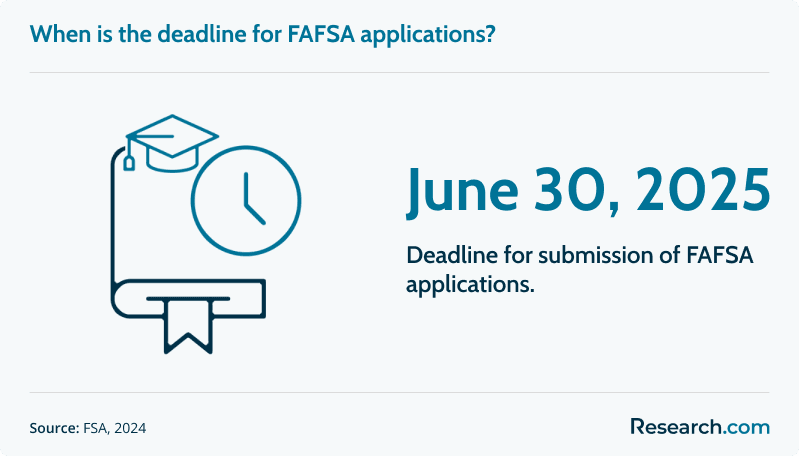
- Pell Grants: Need-based grants, with a maximum of $7,395 for the 2025–26 award year (July 1, 2025, to June 30, 2026).
- Federal loans: Direct Subsidized Loans, Direct Unsubsidized Loans, and PLUS Loans for eligible graduate students or parents.
Students comparing lower-cost options may also want to review online colleges that accept FAFSA to understand how federal aid can reduce out-of-pocket costs.
School scholarships
Many culinary schools provide their own scholarship programs, though award amounts and eligibility rules differ. Examples include:
- Auguste Escoffier School: Work & Learn Scholarships, Student Veteran Scholarships, and merit-based awards.
- Culinary Institute Lenotre: Over $3.2 million awarded in scholarships in the past five years.
Payment plans and institutional support
- Flexible payment plans: Schools such as the Institute of Culinary Education (ICE) offer short-term payment plans that require a 10% down payment.
- Military education benefits: Active-duty service members and veterans may qualify for federal or state tuition assistance.
- Employer reimbursement: Some food service, hospitality, or corporate employers help pay for job-related education.
Additional funding sources to review
- State grants: Some students may qualify for state-specific assistance, such as grant options available to Rhode Island residents.
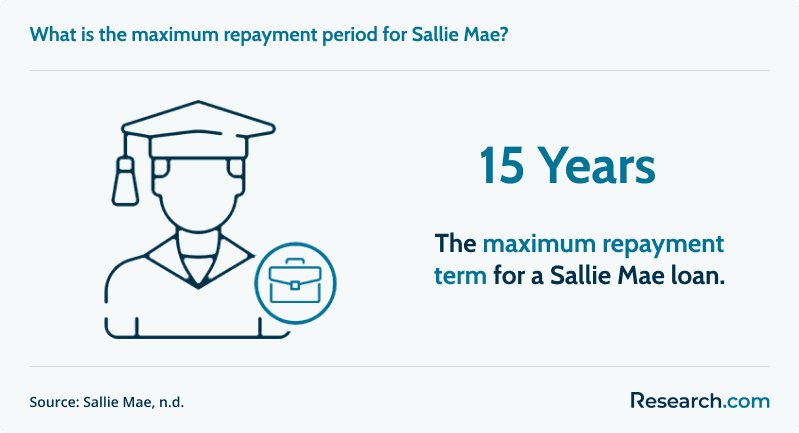
- Private loans: Lenders such as Sallie Mae or Wells Fargo may offer loans, but these can carry higher interest rates and may require a co-signer.
What are the prerequisites for enrolling in an online culinary degree program?
Admission requirements vary by school and credential level, but most online culinary programs ask applicants to show basic academic readiness, identity documentation, technical access, and the ability to complete hands-on cooking assignments.
Educational requirements
Most programs require a high school diploma or equivalent, such as a General Educational Development Test (GED). Some bachelor’s completion programs may require an associate degree, prior college transcript, or proof of 60 college semester credits from an accredited institution. Students weighing the associate pathway may find it useful to compare affordable online associate degree options before committing to a longer culinary plan.
Age requirement
Many programs require students to be at least 16 years old. Applicants under 18 may need parent or guardian approval. Some specialized tracks, including sommelier-related training, may set higher age requirements.
Application process
Applicants typically submit an online form, transcripts or proof of education, and identification. Some schools charge an application fee and may request an essay or interview to evaluate motivation and readiness. Students trying to reduce upfront expenses can compare accredited online colleges with no application fee.
Online learning readiness
Because culinary students must manage demonstrations, deadlines, video uploads, and independent practice, some schools require an online readiness assessment. This helps confirm that applicants can use digital tools, organize their time, and learn without daily in-person supervision.
Residency status
Some institutions ask applicants to verify legal residency in the United States. Residency may affect admission eligibility, financial aid access, tuition rates, and work or externship opportunities.
Kitchen, technology, and materials
Online culinary students may need reliable internet, a computer, kitchen space, ingredients, basic tools, and sometimes uniforms. Some schools provide toolkits, while others require students to buy supplies separately.
What courses are typically in an online culinary degree program?
Online culinary degrees usually include a mix of practical cooking skills, food safety, culinary theory, hospitality operations, and business management. The exact curriculum depends on whether the program is a certificate, diploma, associate degree, or bachelor’s degree.
Foundational culinary skills
- Food safety and sanitation: Covers hygiene, storage, cleaning, pest control, and safe food handling in professional food environments.
- Knife skills and cutting methods: Builds precision, speed, safety, and mise en place habits.
- Stocks, soups, and sauces: Teaches the bases used in many classical and contemporary dishes.
- Grain and legume cookery: Introduces preparation methods for grains, beans, and related staples.
- Cooking techniques: Explains heat transfer and methods such as roasting, grilling, sautéing, and related preparation styles.
Culinary operations
- Kitchen layout and equipment: Introduces students to professional tools, kitchen workflow, utensils, and equipment use.
- Menu planning and cost control: Focuses on menu design, pricing, purchasing, and food cost management.
- Nutrition and meal planning: Applies nutritional principles to balanced menus and dietary needs.
Business and management
- Restaurant management: Covers supervision, guest service, scheduling, and daily restaurant operations.
- Food business principles: Introduces marketing, entrepreneurship, concept development, and financial planning.
- Food service operations: Examines how food operations function in restaurants, institutions, hospitality, and corporate settings.
What types of specializations are available in an online culinary degree program?
Specializations help students align culinary education with a specific career direction. Availability varies by school, but common options include baking, beverage, sustainability, food business, and plant-based cuisine.
| Specialization | Focus area | Good fit for students interested in |
| Advanced Concepts in Baking and Pastry | Complex desserts, confections, pastry production, and packaging design | Bakeries, hotels, pastry kitchens, and dessert entrepreneurship |
| Advanced Wine, Beverage, and Hospitality | Wine pairing, beverage operations, and guest experience | Beverage management, hospitality roles, and sommelier pathways |
| Farm to Table: Practices of a Sustainable Table | Sustainable agriculture, advanced cooking, and community food relationships | Head chef roles, sustainability-focused restaurants, and local food systems |
| Culinary Therapeutics | Food as a wellness or therapeutic tool | Health-focused cooking, wellness programs, and specialized meal planning |
| Food Business and Entrepreneurship | Marketing, operations, management, and new venture planning | Restaurants, food trucks, catering, packaged foods, and startups |
| Sustainable Food Systems | Responsible food production and consumption | Food policy, sustainability consulting, and mission-driven food businesses |
| Plant-Based Culinary Arts | Vegan and vegetarian cooking techniques and nutrition | Plant-based restaurants, wellness cuisine, and specialized menu development |
How to Choose the Best Online Culinary Degree Program
The best online culinary program is the one that matches your career goal, provides credible training, fits your schedule, and does not create debt that is hard to justify. Do not choose based only on name recognition or tuition. Compare accreditation, hands-on requirements, faculty background, externship support, completion timeline, and career services.
Key factors to compare
| Factor | What to check | Why it matters |
| Accreditation | Confirm institutional and, when relevant, programmatic accreditation. | Accreditation can affect financial aid, transfer credit, employer trust, and credential value. |
| Hands-on training | Look for labs, externships, video assessments, instructor critique, or hybrid requirements. | Culinary careers depend on demonstrated skill, not coursework alone. |
| Faculty experience | Review chef, hospitality, food business, and education backgrounds. | Instructors with relevant professional experience can provide practical feedback. |
| Curriculum fit | Compare cooking, baking, sanitation, cost control, management, and specialization courses. | The program should support your target role, whether kitchen-based or business-focused. |
| Career support | Ask about externship placement, resume help, job fairs, alumni contacts, and employer partners. | Career services can help convert training into employment opportunities. |
| Total cost | Include tuition, tools, ingredients, software, travel, and fees. | A lower tuition price may not reflect the full cost of completion. |
Questions to ask before enrolling
- Is the institution accredited, and by which recognized accreditor?
- Does the program qualify for federal financial aid through FAFSA?
- How are cooking techniques evaluated in an online format?
- Are externships required, optional, or arranged by the student?
- Will credits transfer to another school or higher-level program?
- Does the program prepare students for ServSafe or other industry credentials?
- What equipment, ingredients, uniforms, and technology must students buy?
- What roles do graduates commonly pursue after completing the program?
Common mistakes to avoid
| Mistake | Why it can hurt you | Better approach |
| Choosing a program without checking accreditation | You may lose access to financial aid, transfer options, or employer recognition. | Verify accreditation through official databases before applying. |
| Looking only at tuition | Tools, ingredients, technology, and travel can change the true cost. | Build a full budget before comparing schools. |
| Assuming online means no hands-on work | Weak practical training can limit job readiness. | Choose programs with evaluated cooking assignments or externships. |
| Relying only on rankings | A highly ranked school may not match your schedule, budget, or career target. | Use rankings as a starting point, then compare program fit. |
| Expecting guaranteed salary outcomes | Culinary pay depends on experience, location, role, and employer. | Use salary data as a planning tool, not a promise. |
What career paths are available for graduates of an online culinary degree program?
Graduates can pursue kitchen, hospitality, entrepreneurial, media, wellness, and food operations roles. The best path depends on the credential level, practical experience, specialization, and whether the student wants to cook professionally, manage teams, build a business, or work in food product development.
- Chef or sous chef: Cook, supervise kitchen stations, coordinate service, and help manage culinary teams.
- Pastry chef: Prepare desserts, breads, pastries, and baked goods for restaurants, bakeries, hotels, or catering operations.
- Catering professional: Plan and deliver food service for private events, corporate functions, and celebrations.
- Restaurant owner: Develop a concept, manage operations, hire staff, oversee budgets, and build customer demand.
- Food truck operator: Run a mobile food business with a focused menu and flexible service model.
- Bakery owner: Operate a bakery that produces breads, pastries, cakes, or specialty baked products.
- Food entrepreneur: Launch packaged foods, artisanal products, catering services, or niche food brands.
- Culinary consultant: Advise restaurants, food manufacturers, or hospitality teams on menus, recipes, workflow, and quality.
- Recipe developer: Create and test recipes for brands, media companies, publications, or food businesses.
- Food stylist: Prepare food for photography, video, advertising, cookbooks, and digital media.
- Food writer or critic: Produce food-related articles, reviews, essays, guides, or digital content.
- Nutritionist or dietitian: Support meal planning and dietary guidance in healthcare or wellness settings; students interested in this route may need to compare requirements and consider a lower-cost online nutrition degree.
- Personal chef: Cook customized meals for individuals or families, often with attention to preferences, health goals, or dietary needs.
- Health coach: Help clients work toward wellness goals through food choices and lifestyle guidance.
- Culinary educator: Teach cooking skills in schools, community programs, workshops, or private classes.
- Food service director: Manage food operations in healthcare, corporate, school, or institutional settings.
- Food science manager: Work on product development, testing, and innovation in manufacturing or research environments.
Location can affect both wages and opportunity. Students willing to relocate may want to compare salary levels, restaurant density, hospitality demand, and cost of living. The chart below shows the top ten best states for a chef for 2027 based on salary:
Do Employers Recognize Online Culinary Degrees Equally?
Employers may recognize online culinary degrees when the school is accredited, the curriculum is rigorous, and graduates can demonstrate practical ability. In culinary hiring, the degree is only one part of the evaluation. Hiring managers often look for knife skills, speed, cleanliness, food safety knowledge, consistency, teamwork, menu awareness, and prior kitchen or externship experience.
Online graduates can strengthen employer confidence by building a portfolio of completed dishes, keeping records of practical assignments, completing internships or externships, earning food safety credentials, and asking instructors or supervisors for references. For professionals who later move toward executive, business, or academic leadership roles, broader graduate study may also be relevant; Research.com’s guide to high-paying master’s degrees can help with long-term planning beyond the culinary credential.
How are emerging technologies influencing online culinary programs?
Online culinary education is becoming more interactive as schools use live video demonstrations, high-quality instructional media, digital recipe platforms, learning analytics, virtual feedback, and simulation tools. Some programs are experimenting with virtual reality, augmented demonstrations, and AI-supported learning platforms to help students visualize techniques, receive more personalized guidance, and practice decision-making before entering a professional kitchen.
Technology can improve access, but it does not replace practice. Students should treat digital tools as support systems rather than substitutes for repetition, tasting, timing, sanitation habits, and real-world service pressure. Learners comparing hands-on career paths can also review Research.com’s guide to trade school careers to understand how skill-based training is valued across industries.
How can you verify the accreditation of your online culinary program?
Before enrolling, confirm that the institution appears in official accreditation databases maintained by recognized authorities such as CHEA or the U.S. Department of Education. Accreditation matters because it can affect federal financial aid, credit transfer, institutional credibility, and employer perception.
Students should also review whether the program has culinary-specific recognition, externship partnerships, and published graduate outcomes. If cost is a major concern, compare accredited options carefully rather than choosing the cheapest school without verification. Research.com’s guide to affordable online bachelor’s degrees can help students think through cost, accreditation, and degree value together.
What is the job market for graduates with an online culinary degree program?
The job market for culinary graduates is shaped by restaurant demand, hospitality hiring, institutional food service, entrepreneurship, and turnover in food preparation occupations. For chefs and head cooks, the BLS projects 8% employment growth from 2023 to 2033, compared with 4% growth across all U.S. occupations. The field is also expected to generate about 24,600 annual job openings, including openings from growth and replacement needs. Supervisors of food preparation and serving workers are projected to see 7% growth.
Chefs and head cooks held approximately 187,100 jobs in 2023. Restaurants and other eating places accounted for a major share of employment, but graduates can also look to hotels, healthcare, schools, corporate dining, catering, travel, and food product businesses. The chart below shows how employment is distributed across key sectors.
What do graduates say about online culinary schools and degrees?
-
: "
Balancing a family schedule with part-time work was not easy, but the online format gave me room to study when I could. The technique videos and class discussions helped me understand the process, and I now feel prepared in my local restaurant role. - Tamara
"
-
: "
I liked being able to review lessons and resources whenever I had time. Live virtual sessions with chefs from different backgrounds expanded how I think about food, and I am more confident about my goal of opening a bakery. - Jester
"
-
: "
The practical assignments were more useful than I expected. Practicing in my own kitchen and submitting videos for feedback helped me improve, and I now create menus for a catering service. - Holly
"
Is an Online Culinary Degree a Worthwhile Investment?
An online culinary degree can be worth it if it helps you reach a specific career outcome at a cost you can manage. It is most practical for students who need flexibility, want business or management training, have access to a kitchen for practice, and choose a program with credible accreditation and hands-on requirements. It may be less ideal for students who need intensive in-person coaching, commercial kitchen exposure, or direct local employer networking from day one.
To evaluate return on investment, compare tuition, aid, supplies, time away from work, expected entry-level roles, and realistic salary growth. Do not assume that a degree alone will lead to a high-paying chef position. Culinary advancement usually depends on experience, performance, reliability, leadership, and professional reputation. Students comparing career-focused degrees may also review Research.com’s guide to quick degrees that pay well for broader context.
| An online culinary degree may be worth it if... | You may want another option if... |
| You need flexible coursework because of work or family responsibilities. | You learn best through daily in-person coaching and immediate correction. |
| You want culinary management, food business, or entrepreneurship training. | Your goal requires extensive commercial kitchen practice from the start. |
| The program includes externships, practical assignments, or hybrid labs. | The program has weak hands-on requirements or unclear accreditation. |
| You can manage the full cost without taking on unsustainable debt. | The total cost is high and career outcomes are unclear. |
Would getting a professional certification boost my culinary career alongside an online degree?
Professional certifications can strengthen an online culinary degree by giving employers clearer evidence of specific competencies. Food safety credentials, advanced technique certificates, beverage training, management coursework, or specialty credentials can be especially useful for students seeking supervisory roles, institutional food service work, catering, or niche culinary careers.
Certifications are most valuable when they match the job you want. For example, a student pursuing kitchen management should prioritize food safety and operations credentials, while a student focused on baking may benefit more from pastry-specific training. Certifications cannot replace experience, but they can help a résumé stand out when paired with a portfolio, externship, and strong references.
Can I fast-track my online culinary education?
Some schools offer accelerated culinary programs that compress coursework into a shorter schedule. These options can help motivated students complete training faster, but the pace can be demanding because culinary education includes readings, demonstrations, cooking practice, assignments, and sometimes externship requirements.
Before choosing an accelerated format, ask whether faster completion reduces hands-on practice, instructor feedback, or career support. Students who are comfortable with intensive online study may also find it useful to compare other accelerated academic models, such as a one-year online master’s program, to understand how compressed schedules affect workload.
How do online culinary programs support post-graduation career success?
Strong online culinary programs do more than deliver coursework. They help students prepare for employment through career advising, resume support, portfolio development, externship guidance, alumni connections, employer events, and interview preparation. These services are especially important for online students who may not have the same day-to-day campus networking opportunities as residential students.
Ask each school how it supports graduates after completion. Useful questions include whether the school helps arrange externships, tracks graduate outcomes, maintains employer relationships, hosts virtual networking events, or offers alumni mentorship. Working adults who plan to continue learning may also compare affordable online colleges for working adults to keep future education costs manageable.
Key Insights
- Online culinary schools can be credible when they are accredited, skill-focused, and supported by practical assignments, externships, or hybrid labs.
- The BLS projects 8% growth for chefs and head cooks from 2023 to 2033, with about 24,600 annual job openings expected in the field.
- Chefs and head cooks held about 187,100 jobs in 2023, and 50% worked in restaurants and other eating places.
- Costs often range from $14,000 to $27,000, but students should also budget for equipment, ingredients, technology, commuting, and personal expenses.
- Salary outcomes vary widely. Reported examples include $85,354 for executive chefs, $79,405 for personal chefs, $118,966 for food service directors, and $131,234 for food product development managers.
- The maximum Pell Grant award for the 2025–26 award year is $7,395, but federal aid eligibility depends on the school and program.
- The best program is not always the most famous or cheapest one. The right choice should match your target role, learning style, budget, accreditation needs, and access to hands-on practice.
References:
- Bureau of Labor Statistics, U.S. Department of Labor. (2024). Chefs and Head Cooks. Occupational Outlook Handbook. Retrieved March 7, 2025, from https://www.bls.gov/ooh/food-preparation-and-serving/chefs-and-head-cooks.htm
- Federal Student Aid. (n.d.). Federal Pell Grants. Retrieved from https://studentaid.gov/understand-aid/types/grants/pell
- Glassdoor. (2025). How Much Does a Food Product Development Manager Make? Retrieved from https://www.glassdoor.com/Salaries/food-product-development-manager-salary-SRCH_KO0,32.htm
- Salary.com. (2025). Executive Chef Salary. Retrieved from https://www.salary.com/research/salary/benchmark/executive-chef-salary
- Salary.com. (2025). Food Services Director (Healthcare) Salary. Retrieved from https://www.salary.com/research/salary/benchmark/food-services-director-healthcare-salary
- Salary.com. (n.d.). Private Chef Salary. Retrieved from https://www.salary.com/research/salary/posting/private-chef-salary
- Zippia. (2025). Best States for a Chef. Retrieved from https://www.zippia.com/chef-jobs/best-states
- Zippia. (2025). Culinary Chef Education Requirements. Retrieved from https://www.zippia.com/culinary-chef-jobs/education
- ZipRecruiter. (2025). Culinary Arts Graduate Salary. Retrieved from https://www.ziprecruiter.com/Salaries/Culinary-Arts-Graduate-Salary#Yearly
Other Things You Should Know About Online Culinary Degree Programs
In 2027, graduates of online culinary programs enter a vibrant job market with opportunities in diverse areas such as restaurant management, food styling, and nutrition. The U.S. Bureau of Labor Statistics projects steady growth in the culinary field, driven by a rising consumer interest in diverse dining experiences and nutritional expertise.
In 2027, many affordable online culinary degrees are offered by institutions like Clemson University’s Online Culinary Arts Program or Auguste Escoffier School of Culinary Arts. These programs focus on practicality and provide students value through comprehensive curriculums and accessible tuition rates.
To enroll in an online culinary degree program in 2027, you typically need a high school diploma or GED. Some programs may also require previous culinary experience or completion of basic culinary skills courses. Check specific school requirements for additional details.


