2027 Natural Resources Roles You Can Target With an Environmental Science Degree

Co-Founder and Chief Data Scientist
Facing the urgent need to address climate change and resource depletion, environmental science graduates must navigate a competitive job market where strategic specialization and timing profoundly impact employability. Nearly 40% of adult learners enrolling in environmental science programs now opt for flexible online or hybrid formats, according to the National Center for Education Statistics, revealing a significant shift toward accommodating career changers and working professionals balancing education with employment.
This trend reshapes access and progression timelines, forcing candidates to weigh program format against networking opportunities and skill application speed. This article outlines targeted natural resources roles aligned with environmental science degrees and guides practical career pathway decisions to optimize workforce entry and advancement.
Key Things You Should Know
- Federal labor projections show 7% growth in environmental scientist roles through 2031, yet employer preference for candidates with specialized certifications narrows generalist degree utility, pressuring students to invest extra training cost and time.
- Private sector demand increasingly favors data analytics and GIS skills over traditional fieldwork, creating workforce segmentation where environmental science graduates without tech fluency face limited advancement despite broad knowledge.
- Public agency budget constraints delay hiring cycles by 6-12 months on average, requiring candidates to balance timing risks against opportunity costs when targeting government natural resource positions with fixed-term funding.
What natural resources careers can you pursue with an environmental science degree?
Choosing a career in natural resources with an environmental science degree demands a clear understanding of distinct roles and market dynamics. Environmental scientists or specialists are directly engaged in pollution control, regulatory compliance, and environmental impact assessments. Median wages stand at $80,060 as of May 2024, with employment expected to grow by 4% over the next decade, adding approximately 8,500 jobs annually. This steady demand favors those proficient in ecosystem management within public and private sectors.
Positions in natural resource management require balancing economic development with conservation, often tailored to varying state and local regulations. Managers in forestry, for example, must navigate sustainable timber harvests, while those focused on water resources address complex allocation and contamination issues exacerbated by climate change. The variability in jurisdictional rules creates practical challenges for standardized career pathways in environmental science degree jobs in natural resource management.
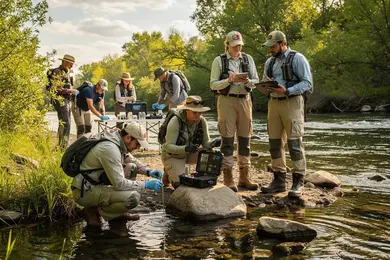
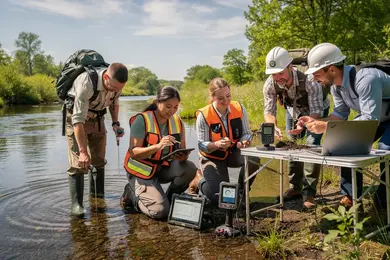
Hydrologists' work supports agriculture and urban planning through advanced data modeling and GIS tools, while conservation biologists focus on habitat restoration and endangered species recovery alongside government and nonprofit organizations. Entry-level roles typically prioritize hands-on field and lab experience, making internships and cooperative education vital for gaining a competitive edge.
Advancing to senior positions frequently requires certifications or graduate studies, especially within federal agencies and specialized consulting. For those considering different academic routes, an online geology degree offers specialized alternatives with distinct application scopes in earth sciences.
Which environmental science specializations lead to the strongest natural resources job opportunities?
Strong natural resources job opportunities in environmental science gravitate toward environmental consulting, water resource management, and wildlife ecology, each demanding distinct skill sets and offering different workforce realities. Environmental consulting remains a high-demand specialization due to its link with regulatory compliance and environmental impact assessment, paying an average annual wage of $84,845 for U.S. professionals in related roles. Prospective candidates benefit from expertise in data analysis, Geographic Information Systems (GIS), and environmental law to meet complex employer needs in construction, energy, and manufacturing sectors.
Water resource management focuses on handling natural water systems, contamination control, and regulatory enforcement in agencies like the Environmental Protection Agency. This path often requires advanced credentials and trades immediate salary gains for long-term government stability and benefits. Effective practitioners must make science-driven decisions during contamination or drought events, reflecting practical pressures in sustaining water resources.
Wildlife ecology professionals balance conservation and economic demands, collaborating with forestry services or nonprofits. The role involves field adaptability and designing mitigation plans under environmental regulations, emphasizing communication and applied research skills at the rural-urban nexus. This specialization suits those aligned with ecological preservation amid development.
Environmental science graduates evaluating top environmental science specializations for natural resources careers should weigh client-facing flexibility in consulting against technical rigor in water management or field-based research in wildlife ecology. Selecting a path requires matching personal strengths with these functional demands and labor market trends shaped by both government and private sectors. For a broader perspective, the data science learning path also intersects with environmental data analytics, enriching career options.
What are typical salary ranges and earning potential in natural resources roles?
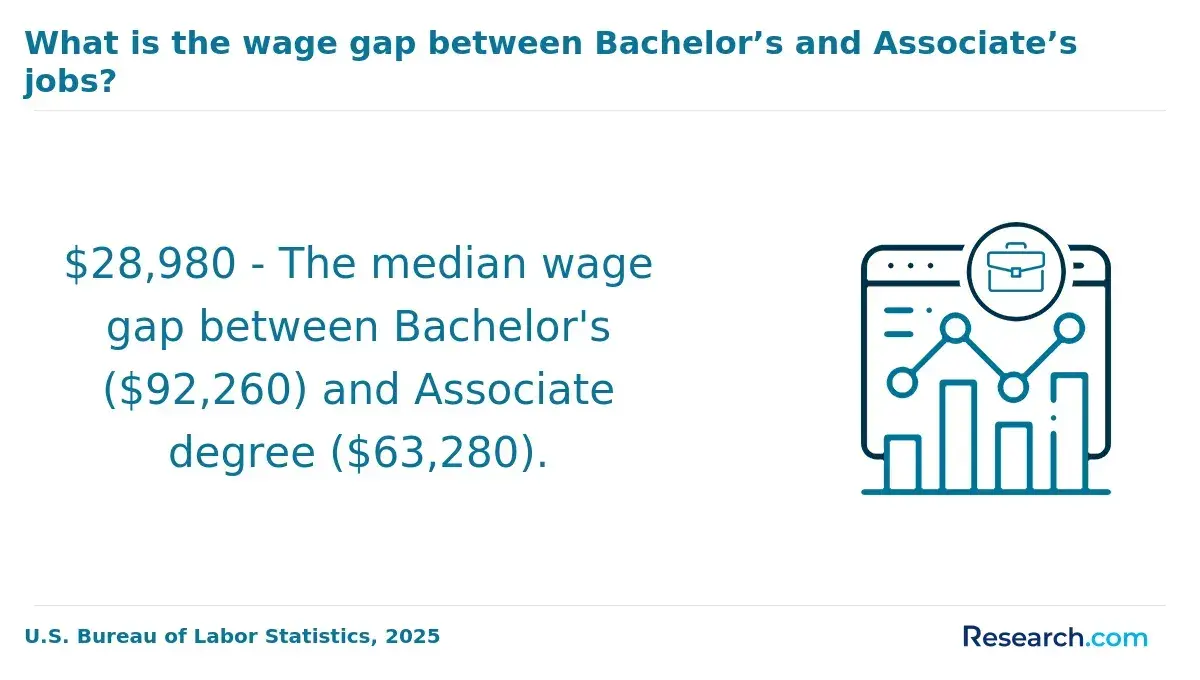
Natural resources roles tied to an environmental science degree offer median wages around $60,000 to $70,000, with jobs like conservation scientists and foresters reporting a median salary of $69,060 as of May 2024, according to U.S. Bureau of Labor Statistics data summarized by Arizona State University. Understanding natural resources salary expectations requires acknowledging geographic and sector-based disparities: federal agencies and private consulting firms often pay more than state-level departments, where salaries at entry level can start near $45,000. Candidates weighing fieldwork experience against compensation must navigate these tradeoffs strategically.
Long-term earning potential typically caps near $90,000 for professional natural resource specialists unless they transition into management or interdisciplinary roles involving environmental policy. Those pursuing higher pay often pivot into related sectors like renewable energy or environmental compliance, where supplementary credentials or technical skills become essential.
Employment growth in these roles is steady but modest, projected at 5% between 2023 and 2033, mirroring general labor market trends. This pace underscores the importance of specialized skill development-such as GIS mapping or environmental impact assessment-to remain competitive. Targeting sectors with better funding and preparing for certification exams can influence both salary outcomes and job stability.
For professionals evaluating educational options, connecting environmental science career earning potential with practical skill acquisition is critical. Those seeking flexibility might consider programs highlighted for versatility, such as the best exercise science degree online, which demonstrates how interdisciplinary training can broaden workforce opportunities.
How do online environmental science programs compare with campus options for natural resources careers?
Online environmental science programs for natural resources careers provide theoretical foundations and data skills but typically cannot replicate the hands-on experiences essential for practical roles like environmental engineers in resource extraction. For instance, professionals earning a median $104,170 annually in this field must navigate complex site assessments and regulatory compliance-competencies honed mainly through access to laboratories, fieldwork, and in-person mentorship. Campus versus online environmental science degrees in natural resources thus present a fundamental tradeoff: online formats offer flexible schedules and often lower costs, while campus programs embed critical experiential components that employers expect.
Graduates from purely online tracks often need to seek external opportunities such as local fieldwork, internships, or certification workshops to close the applied skills gap. Employers in natural resources sectors prioritize candidates with tangible field and lab experience because environmental problem-solving demands real-world exposure. Without strategic supplementation, online learners may face hiring challenges despite theoretical proficiency.
Ultimately, evaluating these pathways requires assessing how well a program's structure aligns with desired employment outcomes. Students should weigh if their circumstances permit supplementing online study with applied experiences or if a campus program's integrated approach better suits their career goals. For those considering a related sector pivot, researching affordable library science degree online options further illustrates how cost and flexibility must balance with field relevance, accessible, for example, through affordable library science degree online resources.
What coursework and skills prepare students for natural resources management and conservation jobs?
Natural resources management roles demand more than foundational knowledge in hydrology, ecology, soil science, and GIS; they require proficiency in data collection tools like remote sensing and quantitative analysis to make real-world resource decisions. For example, hydrologists who must interpret precipitation patterns and groundwater models to address localized water scarcity earn median wages of $92,060, with job growth projected at 3% annually, according to U.S. Bureau of Labor Statistics data cited by Arizona State University.
However, technical expertise alone is insufficient. Understanding environmental law, policy, and resource economics shapes a practitioner's ability to navigate regulatory environments and reconcile ecological objectives with economic realities found in forestry and watershed management. Graduates without applied experience in project management, field surveys, and stakeholder communication often struggle to translate scientific findings into actionable community or policy programs.
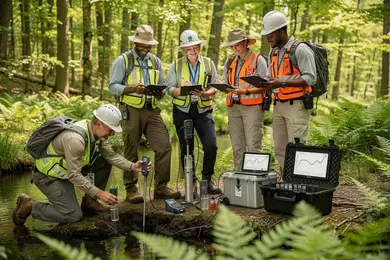
Internships and cooperative education offer tangible advantages, blending classroom theory with field application to strengthen employability. Programs emphasizing interdisciplinary approaches and software skills such as R or Python for environmental modeling meet a rising employer preference for adaptive candidates.
- Core coursework develops analytical capabilities crucial for monitoring and conserving natural resources.
- Regulatory and economic literacy ensures compliance and sustainable decision-making.
- Technical software skills and modeling competence increase job competitiveness.
- Applied project and communication skills facilitate effective multi-stakeholder collaboration.
- Hands-on experience bridges academic knowledge with practical workforce demands.

How long does it take to earn an environmental science degree focused on natural resources?
Completing a bachelor's degree in environmental science with a natural resources focus generally spans four years of full-time study, though this varies based on program design and student circumstances. Accelerated tracks or transfer credits may shorten the timeline to around three years, while balancing part-time study and work commitments often extends it beyond five years. Employers in energy, forestry, and conservation sectors prioritize candidates with tangible experience, making internships and cooperative education not optional but essential.
For example, aspiring geoscientists in energy sectors-where median annual wages reached $99,240 in May 2024 with steady job growth projected-must invest time in both rigorous coursework and practical fieldwork to remain competitive. Without demonstrated hands-on skills, graduates risk slower entry into the workforce and diminished salary prospects.
Graduate study, adding two to three years beyond the bachelor's, can open research and specialized roles but demands weighing longer education against immediate employability and income needs. Time-to-degree directly impacts financial stability and initial career momentum. Choosing programs with explicit pathways to internships and industry partnerships also mitigates post-graduation uncertainty.
Key considerations include:
- How transfer and part-time options affect total study duration
- The practical value of internships aligned with targeted employers
- Tradeoffs between extended graduate education and workforce entry
Planning the trajectory with these factors in mind optimizes employability and long-term professional growth.
What admission requirements do U.S. environmental science programs with natural resources tracks have?
Admission requirements for U.S. environmental science programs with natural resources tracks impose a baseline STEM foundation, typically including biology, chemistry, physics, and math. Competitive programs look beyond the standard 2.5 to 3.0 GPA minimum, often demanding stronger academic records and relevant standardized test scores where applicable. Letters of recommendation tend to emphasize analytical abilities and ecological or conservation experience, reflecting employer expectations for practical expertise.
Applied skill proficiency, especially in geospatial technologies like GIS, is increasingly pivotal, as the demand for specialists in this area is growing approximately 9% per year through 2028. Students should anticipate rigorous training in spatial modeling and data analysis to meet workforce standards.
Additional preparation in environmental policy, statistics, or computer science is common, reflecting the interdisciplinary nature of managing natural resources and the quantitative challenges inherent to the field. Those lacking this background may face prolonged foundational coursework, potentially delaying degree completion and diminishing immediate employability.
Professionals pivoting careers often benefit from part-time or hybrid formats, balancing ongoing work with skill acquisition in GIS and scientific research, which align with the expanding market driven by AI-enhanced geospatial analytics projected to triple around 2030-2035.
Admission may also include evaluations through personal statements or interviews assessing commitment to environmental problem-solving, essential for bridging scientific theory with applied management challenges in real-world contexts.
What licenses or certifications are needed for common natural resources positions?
Licenses and certifications markedly influence employability and career trajectory within environmental science-related natural resources roles, often determining which candidates qualify for higher responsibility and pay. For example, entry-level environmental science and protection technicians-whose median U.S. salary hovers around $49,000 with top earners surpassing $64,000 according to Montana State University Billings-benefit significantly from certifications such as those offered by the National Registry of Environmental Professionals (NREP). These credentials validate skills in field sampling, data analysis, and safety compliance, which are essential for both legal and operational standards.
For mid-career roles like foresters or wildlife specialists, state-specific certifications are mandatory and have practical implications for career advancement. Earning a credential like the Society of American Foresters Certified Forester requires a strategic balance of education, verified work experience, and exam success, ensuring candidates meet regulatory and sustainability benchmarks. Fish and game wardens face additional complexity by needing law enforcement certification alongside environmental expertise, a dual credential essential to their authority and job function.
Advancing in technical specialties such as hydrology or soil conservation often hinges on professional engineer (PE) licensure or Certified Professional Soil Scientist (CPSS) certification. These credentials require documented fieldwork and academic rigor, typically restricting eligibility until one reaches mid-level positions. The upfront investment-usually $300 to $1,000 per certification plus preparatory coursework-should be a key consideration given its direct impact on upward mobility and salary potential across natural resources occupations.
How is the job outlook for natural resources and environmental science professionals in the U.S.?
The supply-demand imbalance in environmental science employment forces candidates to confront significant skill gaps despite strong market growth. Clean energy and sustainability roles grew 11-12% between 2023 and 2024, but qualified applicants expanded at roughly half that pace, creating fierce competition for workers with applicable certifications and hands-on experience. Employers favor candidates who demonstrate technical proficiency beyond academic knowledge, such as expertise in GIS mapping, compliance regulation, or environmental impact analysis.
For instance, a regional utility expanding solar infrastructure will prioritize applicants familiar with project-specific tools and regulatory standards over broadly trained graduates. Meanwhile, natural resource agencies may weigh field experience and legislative acumen more heavily. Graduates must weigh tradeoffs between generalized environmental science degrees and narrowly focused certifications that improve immediate employability.
Strategic program selection is pivotal: opportunities in urban areas with aggressive climate policies tend to offer faster advancement but may require more technical specialization. Conversely, rural positions typically emphasize fieldwork but may have slower growth. Educational pathways that integrate internships or sector partnerships help mitigate underemployment risk by fostering relevant practical skills.
Ultimately, candidates should plan upskilling carefully and remain alert to evolving industry standards, given that supply increases alone do not guarantee workforce readiness or placement success.
How can you evaluate and choose an accredited environmental science program for natural resources work?
Prioritizing accreditation that meets national standards recognized by the U.S. Department of Education and specialized credentials from groups like SETAC or NAEP is essential when selecting an environmental science program for natural resources careers. Employers nationwide expect graduates to have experience with rigorous science coursework, practical fieldwork, and up-to-date compliance training reflecting evolving environmental policies.
Many roles require applied skills beyond theory, such as GIS mapping, regulatory knowledge, and ecological assessment. Programs without internship opportunities or hands-on training risk delaying graduate employability despite solid academic foundations. For example, environmental policy analysts must navigate complex regulatory frameworks, which only some curricula fully integrate.
Graduate outcomes provide critical insight into program relevance. Job placement rates in government, consulting, and nonprofit sectors, coupled with salary growth tracking industry standards-around 6% since 2019 per Zippia-offer measurable indicators of program effectiveness.
Online programs can offer flexibility for working professionals but often lack immersive, field-based experience crucial for natural resource roles, affecting readiness for the labor market. On-campus alternatives typically provide better access to faculty engaged in current research and employer networks, though at a higher opportunity cost for some students.
- Accreditation's depth impacts employer trust and regulatory compliance capabilities
- Curriculum with applied components correlates strongly with faster job placement
- Graduate salary trends reflect alignment with market demand
- Format suitability varies by career stage and fieldwork requirements
Choosing programs without these practical benchmarks risks investing in credentials disconnected from workforce realities and employer expectations documented in research.com resources.
Other Things You Should Know About Environmental Science
Environmental science degrees provide relevant foundations, but job security depends heavily on specialization and geographic demand. Graduates focusing on areas like water resources or environmental policy tend to find more stable opportunities because agencies and companies prioritize regulatory compliance and resource management. It's critical to assess regional industry health and align your skills with sectors showing consistent public or private investment to improve job security.
A broad environmental science degree offers flexibility across multiple fields but can dilute expertise, making it harder to compete for specialized natural resources roles that require deep technical skills. Employers often prefer candidates with targeted competencies such as forestry management or wildlife ecology. Prioritize specialized credentials if you aim for roles with defined skill demands; choose broad degrees only if you want versatility or plan to pivot across sectors.
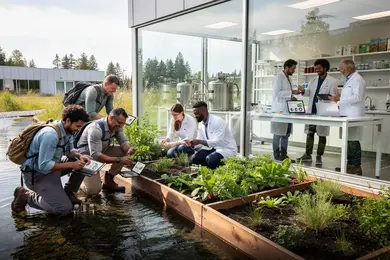
Programs emphasizing natural resources management generally include heavier fieldwork and lab hours, which demand substantial time outside classrooms. This workload is essential for developing practical skills but can extend completion times or conflict with employment. Verify program structures upfront, balancing required experiential learning with your personal and professional commitments to avoid burnout or delayed graduation.
In 2027, an Environmental Science degree can lead to diverse roles in the natural resources sector, such as Conservation Scientist, Environmental Consultant, Water Resource Manager, Wildlife Biologist, and Soil and Plant Scientist. These positions involve managing and developing strategies for sustainable use and protection of natural resources.
References
- Environmental Job Market Trends | ECO Canada https://eco.ca/research-and-resources/environmental-job-market-trends/
- 10 careers you can have with an environmental science degree - SMWC https://www.smwc.edu/10-careers-you-can-have-with-an-environmental-science-degree-blog-july-20/
- CNRP - Certified Natural Resources Professional https://www.nrep.org/certifications/certified-natural-resources-professional-cnrp
- What does a Natural Resource Specialist do? Career Overview, Roles, Jobs | APS https://jobs.apsnet.org/career/natural-resource-specialist-2
- Choosing a bachelor's in environmental science | edX https://www.edx.org/resources/how-to-choose-a-bachelors-in-environmental-science
- Natural Resources Wales / Pay grades and salaries https://naturalresources.wales/about-us/jobs-apprenticeships-and-placements/pay-grades-and-salaries/
- Online Environmental Science Degrees: Compare Schools https://www.degreesforgood.org/online-degrees/environmental-science/
- Careers in Natural Resource Management https://www.angelo.edu/career/career-exploration/majors/natural-resource-management.php
- Environmental & Natural Resources Management B.Tech. | SUNY Morrisville https://www.morrisville.edu/program/environmental-natural-resources-management-btech
- Evaluating natural resource management projects https://learningforsustainability.net/pubs/cjds.html