2027 Best Nurse Practitioner Careers for Long-Term Stability

Co-Founder and Chief Data Scientist
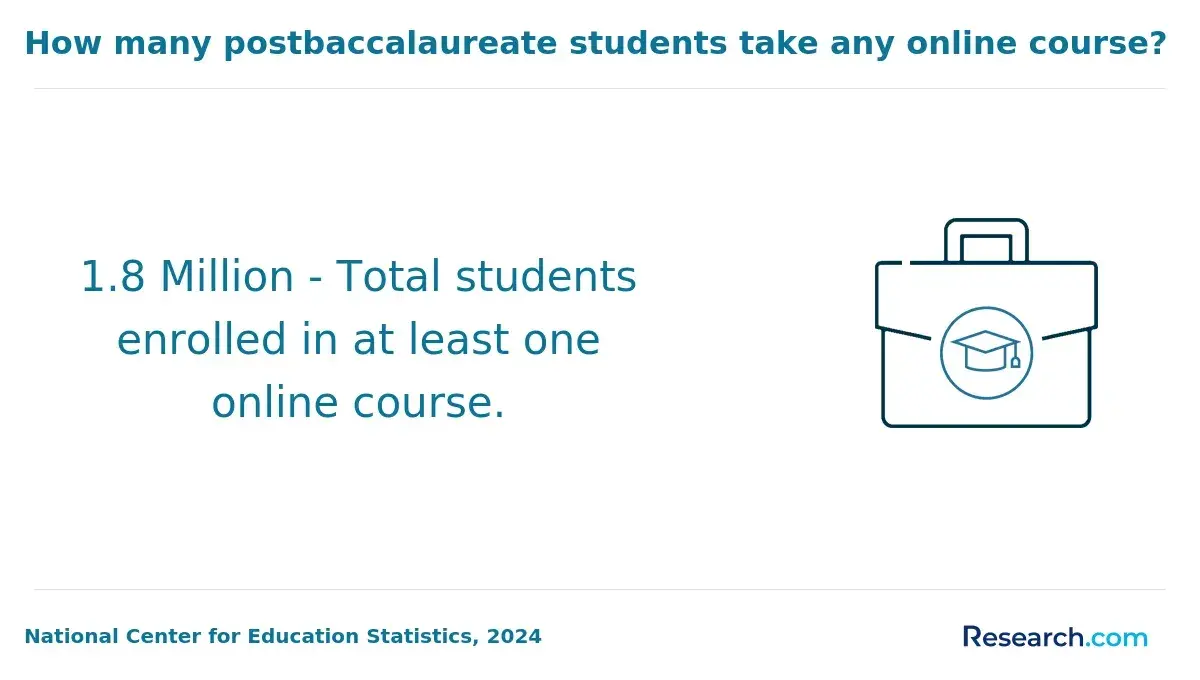
Facing a saturated healthcare job market, many nurse practitioner students struggle with identifying career paths that guarantee both growth and stability. The challenge intensifies against a backdrop of rapidly expanding online NP programs, which increased enrollment by over 15% in 2023 according to the National Center for Education Statistics, reflecting a shift in adult learner accessibility and preferences.
Yet, not all specialties equally translate flexible education into long-term employment resilience. Understanding which nurse practitioner careers align with these evolving trends and employer expectations is essential for strategizing professional advancement. This article evaluates nurse practitioner roles with proven stability to guide effective, future-proof career choices.
Key Things You Should Know
- Nurse practitioner roles in primary care see a 28% employment growth projection through 2031 by the Bureau of Labor Statistics, but urban saturation creates wage disparities requiring strategic regional targeting for long-term gains.
- Health systems prioritize NPs with acute care certifications, driving a 15% higher median salary yet tightening entry pathways as employers demand specialized clinical experience, complicating early career transitions.
- Rising master's program costs, now averaging $45K nationally per the National Center for Education Statistics, delay entry for candidates lacking employer tuition support, creating tradeoffs between debt burden and accelerated workforce entry.
What are the best nurse practitioner careers for long-term stability?
Long-term stability in nurse practitioner careers hinges on selecting specializations with consistent demand aligned to healthcare trends. Primary care roles, such as family and adult-gerontology nurse practitioners, offer the broadest employment base and robust job security due to extensive outpatient and community health employment.
The U.S. Bureau of Labor Statistics projects a 40.1% growth in these fields from 2024 to 2034, reflecting substantial workforce expansion beyond average occupational increases.
In contrast, acute care nurse practitioners, while commanding higher starting salaries, face a narrower job market and must often relocate to meet employer needs, making sustained career longevity more challenging.
These practitioners typically work in fast-paced, high-intensity clinical settings where burnout risk can undermine long-term retention. For family nurse practitioners (FNPs) considering a shift to this demanding area, understanding the added requirements of acute care certification for FNP is essential for successful transition.
High-demand nurse practitioner specialties for lasting job security also include psychiatric mental health roles, driven by provider shortages and expanding mental health care needs, particularly in rural and underserved communities. These positions often come with enhanced employment options and loan forgiveness incentives, balancing financial and workforce stability.
Prospective students must weigh program curricula, state scope of practice laws, and employer priorities focused on integrated care models when choosing pathways that best align with the best nurse practitioner career paths for long-term stability.
Which NP specialties have the strongest job outlook?
Specializing as a surgical nurse practitioner offers the most robust growth potential and long-term career stability for nurse practitioners, primarily due to acute skill shortages and salary incentives. Surgical NPs command a median salary of $189,091 in 2026, outperforming other NP specialties and benefiting from targeted recruitment in trauma centers, orthopedic clinics, and cardiovascular surgery units.
Such demand reflects the essential nature of complex perioperative care, where automation and outsourcing risks are minimal.
In contrast, primary care nurse practitioners-such as family or adult-gerontology specialists-experience more competitive hiring landscapes with salaries typically ranging from $120,000 to $130,000. Employers favor surgical NPs for their ability to manage intricate, procedure-driven responsibilities that require extensive hands-on expertise.
Transitioning into surgical NP roles involves significant additional training and credentialing, including intensive clinical hours in operating room settings and post-surgical patient management. This practical barrier limits immediate accessibility but enhances upward mobility and job security, anchoring practitioners within acute-care environments less vulnerable to economic fluctuations.
Other specialties, including psychiatric-mental health and neonatal care, offer steadier but slower job growth and more moderate salaries. For those weighing educational pathways, understanding these tradeoffs is critical. Students may also explore efficient pathways by considering the shortest DNP program online to accelerate credentialing while aligning with career objectives in nurse practitioner specialties with highest job growth.
What salary can nurse practitioners expect by specialty?
Salary expectations for nurse practitioners vary significantly by specialty, a critical factor when evaluating nurse practitioner salary by specialty in the United States. Family nurse practitioners (FNPs) earn about $128,000 annually, benefiting from broad demand in primary care and outpatient settings.
In contrast, specialties such as psychiatric mental health or acute care often start 5-15% lower but compensate with opportunities for hospital privileges and certifications that can elevate earnings over time.
Advanced fields like neonatal or geriatric care tend to command salaries above $135,000 in urban health systems due to intense patient acuity and specialized skill sets. Meanwhile, women's health and pediatric nurse practitioners usually earn in the $110,000-$125,000 range, influenced by regional payer frameworks and healthcare infrastructure. These distinctions reflect how average earnings for nurse practitioners by medical field relate closely to workplace environment and patient demographic.
Compensation also fluctuates with employment settings. Hospital-based NPs often earn 7-12% more than outpatient clinic counterparts because of shift differentials and procedural workload. Rural or underserved area practitioners may receive loan forgiveness or retention bonuses, offsetting lower base pay but usually face a salary ceiling. This tradeoff is crucial for prospective NPs to consider.
Choosing a specialty is a strategic decision balancing current salary potential, work-life balance, and long-term labor market dynamics. FNP roles offer stability and versatility, whereas niche specialties provide higher pay but narrower hiring prospects and certification hurdles. Those seeking flexibility might explore an online DNP as a pathway to advanced credentials, aligning with workforce demand without geographic constraints.
What degree do you need for nurse practitioner programs?
The critical decision for those targeting nurse practitioner degree requirements in the United States lies between pursuing a Master of Science in Nursing (MSN) or a Doctor of Nursing Practice (DNP). Each path demands an active registered nurse (RN) license and typically a Bachelor of Science in Nursing (BSN) or equivalent credentials. While direct-entry MSN programs for non-nurses exist, they add time and complexity, affecting the practical timeline to workforce entry.
The MSN remains the dominant credential preferred by employers for frontline nurse practitioner roles, offering a balance between preparation depth and timely job market access. Meanwhile, the DNP targets advanced clinical leadership and academic positions but requires substantial investment in time and finances without being mandatory for clinical NP practice.
Specialization impacts employability and earnings. For example, psychiatric-mental health nurse practitioners (PMHNPs) training to work in community mental health can expect average salaries around $148,650 annually, reflecting market demand for this specialty. Their curriculum extends beyond basic NP training to include advanced psychopathology and therapy techniques.
Regulatory and logistical hurdles also shape outcomes: varied state licensing requirements often mandate national certification in the chosen specialty, while clinical hour availability and program accreditation affect licensure eligibility.
Prospective students must carefully review these constraints to align program selection with their career objectives and geographic practice goals, which is crucial when how to qualify for nurse practitioner programs in the US involves multiple regulatory layers.
For decision-makers weighing options, accelerated MSN routes may serve faster workforce entry, whereas full DNP tracks offer longer-term leadership potential at higher costs and longer duration. Exploring resources such as the most affordable online FNP programs can provide practical pathways for balancing these factors.
How do NP accreditation and licensing requirements work?
Completion of a master's or doctoral program accredited by agencies like the Commission on Collegiate Nursing Education (CCNE) or the Accreditation Commission for Education in Nursing (ACEN) is non-negotiable for nurse practitioner candidates seeking national certification and state licensure.
Without this, eligibility for essential certification exams from bodies such as the American Nurses Credentialing Center (ANCC) or the American Academy of Nurse Practitioners Certification Board (AANPCB) is blocked, halting career progression.
State licensing standards differ widely, mandating not only exam passage but also supervised clinical practice hours-ranging from 500 to 1,000 depending on specialty and jurisdiction. Verification of credentials, background checks, and jurisprudence exams further complicate this process.
For example, a nurse practitioner shifting from general practice to acute care surgery must secure specialty certification and demonstrate relevant clinical hours specific to acute settings, often delaying entry into higher-paying roles.
This transition carries tangible workforce implications: orthopedic surgery NPs average $146,571 annually, general surgery $143,478, and cardiovascular surgery $142,456. The cost and timing of retraining or licensure delays can significantly impact short-term earnings and mobility.
Additional hurdles arise with interstate license transfer. Participation in the Nurse Licensure Compact eases this but remains limited, requiring many practitioners to navigate licensure by endorsement processes that can stall employment opportunities.
Are online NP programs as credible as campus programs?
Employers prioritize accreditation and clinical experience over whether NP programs are completed online or on campus, making formal recognition and hands-on training the decisive factors for employment. Online NP programs can match the credibility of campus offerings if they maintain regional accreditation and embed local clinical partnerships for requisite hours.
However, students without access to quality preceptors face significant hurdles in securing clinical placements, potentially delaying graduation.
In primary care environments grappling with physician shortages, nurse practitioners trained through accredited online tracks increasingly fill vital roles. The field anticipates a nearly 45% growth over the decade, adding over 110,000 positions, driven largely by demand for family nurse practitioners in underserved areas, validating online track graduates' labor market competitiveness.
Differences emerge chiefly in networking and resource accessibility:
- Campus students often benefit from direct faculty mentorship and streamlined clinical site referrals.
- Online students must proactively navigate local clinical placement logistics, adding practical complexity.
Hospitals and outpatient clinics assess program legitimacy by accreditation bodies and state board approvals, relying more heavily on national certification exam passage and documented clinical hours than on program delivery format.
Students weighing online NP programs should critically examine local clinical support infrastructure and the feasibility of securing quality preceptors to avoid unanticipated barriers in completing practice requirements and entering the workforce on schedule.
What courses are included in NP program curricula?
NP program curricula emphasize the integration of advanced clinical skills with specialty-specific training that directly impacts employability and readiness. Core courses such as pathophysiology, advanced pharmacology, and health assessment establish the ability to independently manage patient care across diverse clinical environments.
Programs requiring inadequate clinical practicum hours, typically below 500, often see graduates facing delays in job placement and employer hesitation due to gaps in applied skills.
Clinical experience usually ranges from 500 to 700 hours, varying by state and specialty, with stronger alignment to workforce demands seen in graduates who complete comprehensive practica. Specialty tracks-family health, adult-gerontology, psychiatric-mental health, and pediatrics-address targeted employer expectations through evidence-based protocols and diagnostic reasoning, balancing theoretical knowledge with practical interventions.
Additional coursework in health policy, ethics, and informatics prepares graduates to navigate administrative complexities often overlooked in more narrowly focused curricula.
In contrast, certified registered nurse anesthetists (CRNAs) undergo more intensive specialty training, demonstrated by average salaries around $223,000 in 2025, with experienced practitioners earning over $250,000. This reflects a clear tradeoff between the depth of training and economic reward within advanced nursing roles.
What are the admission requirements for NP programs?
Securing admission to nurse practitioner (NP) programs in 2026 requires more than meeting baseline academic standards; practical clinical readiness often drives selection. Holding an active registered nurse (RN) license and a Bachelor of Science in Nursing (BSN) is non-negotiable, although some accelerated tracks accommodate non-nursing bachelor's degrees paired with RN credentials.
Competitive programs increasingly demand undergraduate GPAs above 3.5 to signal the candidate's ability to engage effectively with rigorous graduate-level coursework.
Clinical experience, ranging from 1,000 to 2,000 hours of direct patient care, serves as a critical screening measure. For instance, hospital-based RNs aiming for adult-gerontology NP roles benefit from critical care backgrounds, which facilitate a smoother transition to complex patient management expected in advanced practice. Employers prioritize graduates who demonstrate this level of hands-on competence upon entry.
While not universal, some programs still require the GRE, underscoring the importance placed on verbal, quantitative, and analytical aptitude especially for subspecialties like anesthesiology and pain medicine. These fields often command some of the highest NP compensation brackets-annual averages approaching $152,697-reflecting the advanced skills and knowledge needed.
Additional application components include concise statements of purpose, strong letters of recommendation focusing on clinical aptitude, and recent completion of prerequisite health courses such as pathophysiology and pharmacology. Early application-ideally six months ahead-is a pragmatic necessity due to competitive clinical placements and faculty review timelines.
How long do NP programs take and what do they cost?
Choosing an NP program involves balancing duration, cost, and financial resilience against career outcomes and workforce realities. Typical master's level NP programs take about two years full-time, with Doctor of Nursing Practice (DNP) tracks requiring three to four years.
Public institutions generally charge between $30,000 and $60,000 in tuition for master's programs, while private schools frequently exceed $70,000, sometimes nearing $100,000, not including ancillary expenses like books and clinical fees.
From a workforce perspective, nurse practitioners average around $132,000 annually, supporting the investment despite significant upfront costs and potential income disruption during full-time study. Part-time or online formats offer schedule flexibility but may prolong program completion and delay salary gains. Students should assess loan debt impact, employer tuition support, and program accreditation carefully since these factors influence licensure eligibility and hiring competitiveness.
- Working nurses enrolling part-time can maintain income with possible employer tuition assistance but face extended study periods.
- Full-time students without financial buffers risk debt accumulation and delayed career entry.
Ultimately, selecting an NP path requires weighing tuition affordability and program length against personal financial stability, employer relationships, and realistic income projections. Prospective students should prioritize programs aligned with accredited standards and regional licensure requirements to optimize return on investment and employment prospects.
How do you choose a reputable NP program?
Accreditation status and graduate certification outcomes are decisive factors when selecting np programs, as they directly influence eligibility for national certification exams and employer consideration. Programs accredited by bodies like the Commission on Collegiate Nursing Education (CCNE) or the Accreditation Commission for Education in Nursing (ACEN) meet essential standards that employers expect.
Additionally, programs with recent cohort pass rates above 85% on the American Association of Nurse Practitioners (AANP) or American Nurses Credentialing Center (ANCC) exams typically indicate stronger preparation and better employment prospects.
Clinical placement quality significantly affects real-world readiness. Programs connected to diverse healthcare settings-including urban hospitals, outpatient clinics, and specialty centers-expose students to varied patient populations and care models, aligning with employer preferences for versatile nurse practitioners.
This practical exposure matters especially since nurse practitioners have ranked as the No. 1 overall job in the United States across healthcare and STEM sectors according to U.S. News & World Report, reflecting sustained labor demand.
Prospective students must weigh program format options-full-time, part-time, or hybrid-based on their ability to manage clinical hour requirements and licensing timelines, typically within two or three years. Geographic considerations also bear weight; some state boards mandate local clinical supervision, which can limit out-of-state program portability and immediate workforce entry.
Cost-benefit analysis is crucial: graduates from accredited programs in states with well-defined NP scope of practice laws generally secure starting salaries 10-15% higher than peers, offsetting higher upfront expenses. Evaluating financial aid availability alongside these salary differentials informs more grounded investment decisions in NP programs.
Other Things You Should Know About NP Programs
Programs located in regions with high healthcare demand often have stronger clinical partnerships and more specialized preceptorship opportunities, directly affecting skill depth and networking.
While national certification is standard, employers often favor candidates with local clinical exposure because it signals familiarity with state regulations and patient populations. If long-term employment in a specific region is the goal, choosing a program connected to that area increases practical entry barriers.
Post-master's NP programs target experienced nurses who want to specialize or advance, offering a shorter pathway than full master's degrees but with fewer clinical hours than direct-entry programs.
While efficient, they may limit exposure to foundational nursing concepts critical for some specialties, potentially affecting confidence and patient outcomes in complex settings. For career advancement in competitive specialties, direct-entry programs provide broader preparation despite longer time commitments.
Programs with integrated clinical simulation and interprofessional collaboration components better reflect actual workplace dynamics employers expect from NPs, resulting in smoother transitions post-graduation.
Programs heavily weighted toward didactic learning without substantial applied practice risk producing graduates less ready for autonomous decision-making and complex patient management. Applicants should prioritize programs demonstrating a balance of theory and rigorous clinical exposure to align with employer demands.
References
- Want to Become an NP? Here's How Long It Will Take https://onlinedegrees.rockhurst.edu/blog/how-long-does-it-take-become-np
- Planning Your Nurse Practitioner (NP) Education https://www.aanp.org/student-resources-2/planning-your-np-education
- 10+ Types of Nurse Practitioners: Guide to NP Specialties https://credenzahealth.com/career-advice/10-types-of-nurse-practitioners
- Highest Paid Nurse Practitioner Specialties https://practiceseeker.com/resources/highest-paid-nurse-practitioner-specialties
- Are Your Nurse Practitioner Salary Expectations Reasonable? | ThriveAP https://provider.thriveap.com/blog/are-your-nurse-practitioner-salary-expectations-reasonable
- Most Affordable Online NP Programs (2026): Comprehensive https://www.npschools.com/rankings/all-affordable-online-np-programs
- What Every Aspiring NP Should Know Before Choosing a Program https://www.preceptorlink.com/blog-posts/what-every-aspiring-np-should-know-before-choosing-a-program
- Your Guide to the Top Nurse Practitioner Career Specialties https://clickclinicals.com/blog/guide-to-top-nurse-practitioner-career-specialties
- Education You Need to Become a Nurse Practitioner https://www.allnursingschools.com/nurse-practitioner/degrees/
- How Much Do Nurse Practitioners Make? https://www.bartonassociates.com/blog/how-much-do-nurse-practitioners-make/