2027 Online MBA Program Length: 12 Months vs 18 Months vs 24 Months

Co-Founder and Chief Data Scientist
Choosing the right online MBA program length can be challenging for professionals balancing career demands and educational goals. A 12-month duration promises speed but may require intense commitment, while 18- or 24-month options offer flexibility at the cost of extended timelines.
This choice impacts workload management, skill acquisition, and career advancement pacing. With varying personal and professional circumstances, selecting an optimal program length is crucial to ensure both success and well-being. This article explores the differences among 12, 18, and 24-month online MBA formats and guides readers in making an informed decision aligned with their priorities and lifestyles.
Key Things You Should Know
- Online MBA program length affects career outcomes: 12-month programs offer rapid completion and cost savings, while 18- and 24-month options provide deeper specialization and networking opportunities.
- Data from 2024 indicates 45% of graduates from 18-month programs secured mid-level management roles within a year, compared to 38% for 12-month graduates.
- Extended programs typically deliver 20-30% more course content, enhancing leadership skills critical for senior roles in competitive industries.
What Are 12-Month, 18-Month, and 24-Month Online MBA Programs?
Online MBA programs offered in 12-month, 18-month, and 24-month formats primarily differ in duration, intensity, and flexibility. The 12-month online MBA program structure is accelerated, ideal for students who can dedicate full-time effort or possess significant prior experience. It condenses coursework into three semesters or four consecutive quarters, requiring 15-20 credit hours per term, which suits those wanting to quickly return to the workforce or shift careers.
Programs lasting 18 months strike a balance between pace and flexibility. These often combine full- and part-time terms, making them suitable for working professionals by reducing weekly study hours to 10-15, allowing better work-life-study balance. Compared to faster tracks, 18-month options usually offer more electives and specialization opportunities.
The 24-month online MBA places greater emphasis on flexibility and depth. Spanning six semesters or eight quarters at a part-time pace, it supports comprehensive curriculum engagement, including capstones or internships. This extended timeline fosters experiential learning and networking for students with demanding professional or personal commitments.
Knowing the differences between 18-month and 24-month online MBA programs helps potential students select the best fit for their goals.
Recent trends show 58% of MBA students choose online formats, reflecting broad acceptance of varied program lengths tailored to diverse needs. For those exploring cost-effective options, this affordable MBA guide offers valuable insights.
What Are Key Differences in Curriculum Across Program Lengths?
Online MBA programs vary notably in curriculum differences in online MBA program lengths, primarily affecting course intensity, depth, and pacing. The 12-month accelerated tracks compress core business courses and electives into a fast-paced schedule, often requiring full-time commitment and allowing completion within 8-12 months.
These programs are designed for students who can manage an intensive workload with minimal breaks.
In contrast, programs lasting 18 months typically distribute core courses and electives over 3 to 4 semesters, balancing depth and flexibility. This design supports part-time work and deeper engagement with complex subjects such as strategic management, leadership development, and data analytics.
Twenty-four-month programs emphasize mastery, incorporating extended experiential learning opportunities, capstone projects, international modules, or specialized tracks. The slower pace helps students balance professional responsibilities while gaining comprehensive foundational knowledge.
The curriculum differences in online MBA program lengths directly influence learning outcomes. Accelerated formats suit professionals aiming for rapid credentialing, whereas longer durations encourage broader exploration and applied experience. Core courses and electives in online MBA programs are structured accordingly to fit these timelines.
Prospective students should also consider programs with recognized accreditation, such as an online MBA accredited by AACSB, ensuring quality and relevance for career advancement.
How Much Do Online MBA Programs Cost by Duration?
The cost of an online MBA program is closely tied to program length, with distinct financial implications across 12-month, 18-month, and 24-month options. Typically, 12-month programs carry the highest annual cost due to their accelerated and intensive format, often ranging from $40,000 to $70,000 in total tuition.
These programs demand a heavier credit load but reduce opportunity costs by enabling faster career advancement.
In terms of average tuition fees for 12 to 24-month MBA programs, 18-month options strike a middle ground. These programs generally cost between $30,000 and $60,000, balancing affordability and duration. The flexibility of 18-month programs supports full-time employment, which has contributed to online MBA students outnumbering on-campus peers since 2020.
This format also facilitates spreading out tuition payments without sacrificing completion momentum.
Longer 24-month online MBA programs typically present the lowest annual cost, with total tuition falling between $35,000 and $55,000. They are ideal for professionals needing a slower pace due to family or work commitments. While direct tuition may be lower or similar to shorter programs, a longer duration can increase indirect costs, such as delayed salary growth.
Prospective students should weigh costs carefully against career goals. For those exploring affordable options, consider this affordable EMBA resource for insights on cost-effective programs.
What Are Admission Requirements for Accelerated Online MBAs?
Admission requirements for accelerated online MBA programs typically include holding a bachelor's degree from an accredited institution and meeting minimum GPA thresholds, often around 3.0 on a 4.0 scale. Some programs may accept applicants with slightly lower GPAs if they have substantial professional experience.
Many also waive standardized tests like the GMAT or GRE for candidates with five or more years of relevant work or advanced degrees. These criteria for acceptance into accelerated online MBA courses emphasize the importance of prior academic and professional qualifications.
Work experience, usually between two and five years, plays a critical role due to the fast pace of these programs. Leadership and managerial roles improve chances of admission by showing preparedness for an intensive curriculum. In some cases, professional certifications or demonstrated career advancement can substitute for formal work experience.
Applicants must provide at least two letters of recommendation from supervisors or professionals who can attest to their management potential and ability to manage rigorous studies. Essays or personal statements explaining career goals and motivation for choosing an accelerated format are also standard, highlighting skills like time management and dedication.
Part-time online MBAs generally span about three years but many opt for 24-month accelerated options to complete studies more quickly while balancing work. Applicants interested in programs that waive standardized tests may explore online MBA programs no GMAT required.
Applicants should be prepared for a comprehensive review process assessing academic readiness, professional background, and motivation to succeed in such condensed studies.
Which Accredited Schools Offer 12-24 Month Online MBAs?
Several accredited schools offer online MBA programs designed to fit different schedules and career goals, with durations ranging from 12 to 24 months. Accelerated 12-month options, such as those at Carnegie Mellon University Tepper School of Business and the University of Florida Warrington College of Business, provide rigorous curricula for professionals seeking quick advancement.
These programs require intense time management and prior experience to maintain a fast pace without compromising academic quality.
Popular 18-month online MBA programs include Indiana University Kelley School of Business and the University of Illinois Urbana-Champaign Gies College of Business. Kelley Direct stands out, offering over 80 elective courses-the most extensive selection available-enabling students to customize their education while balancing work commitments.
This length is ideal for those needing flexibility without prolonging their degree.
For those seeking maximum flexibility, 24-month programs such as Auburn University Harbert College of Business and Arizona State University W. P. Carey School of Business allow part-time study and deeper focus through electives or dual concentrations. This approach supports balancing family or career demands while enhancing skill development and career prospects.
Choosing program length depends on personal schedules and career plans. Schools with broad electives, like Kelley Direct, exemplify how program duration affects specialization and post-graduation success.
Can You Complete an Online MBA While Working Full-Time?
Working professionals can successfully complete an online MBA while employed full-time by carefully selecting programs based on length, structure, and personal availability. Accelerated 12-month programs require a significant time commitment, often 20 to 30 hours weekly beyond work, making them ideal for those with flexible schedules or strong support networks.
In contrast, 18- and 24-month programs typically demand 10 to 15 hours per week, allowing more balance with job and family responsibilities.
Deciding on the right program involves evaluating work demands, family obligations, and stress tolerance. For instance, a project manager working over 40 hours weekly may prefer a 24-month pace, while a consultant with more control over their schedule might handle a 12- or 18-month plan.
Many programs support full-time workers through asynchronous classes or modular formats, enabling study during evenings and weekends. Employer support is increasingly common, with tuition reimbursement and flexible work hours reflecting recognition of an MBA's value in advancing skills and career prospects.
Annual enrollment in MBA programs is projected to rise 3.2% through 2030, fueled by online program demand and no-test admissions trends. Challenges like workload spikes and burnout can be mitigated by strategies such as advanced planning, employer communication, and peer support.
With proper planning and program selection, completing an online MBA alongside full-time employment is attainable.
What Careers Do Online MBA Graduates Pursue?
Online MBA graduates pursue leadership and management roles across diverse sectors such as finance, consulting, marketing, operations, and entrepreneurship. Common career paths include financial analysts, project managers, business consultants, marketing directors, and product managers. The flexibility of an MBA enables professionals to switch industries or accelerate growth in their current fields.
Graduates from accelerated 12-month programs tend to be early-career professionals seeking a quick return to the workforce or a fast career change. Meanwhile, those in 18- or 24-month programs often work full-time while studying, deepening their expertise without interrupting their careers. For instance, students in 24-month programs balancing around 15 weekly hours of study may already hold middle management roles and prepare for senior leadership positions.
Cost plays a key role in career planning post-graduation. Purdue Global charges $485 per credit for its online MBA program, with most students finishing in approximately two years. This time commitment typically suits those aiming for roles paying median salaries between $75,000 and $120,000, depending on industry and geography.
Sector-focused roles include:
- Healthcare administration for clinicians expanding skills
- Technology management such as product or IT managers
- Leadership in supply chain and operations
- Entrepreneurship and small business development
- Financial services and banking careers
Selecting the appropriate program length helps tailor the MBA experience to career objectives, balancing time, cost, and professional development.
What Is the Average Salary After a 12-24 Month Online MBA?
The average salary after completing an online MBA lasting 12 to 24 months typically ranges from $85,000 to $115,000 annually, influenced by factors like prior experience, industry, and location. Graduates of accelerated 12-month programs often benefit from quicker workforce reentry, while longer 18- or 24-month tracks provide deeper coursework and enhanced networking, potentially leading to higher long-term salaries.
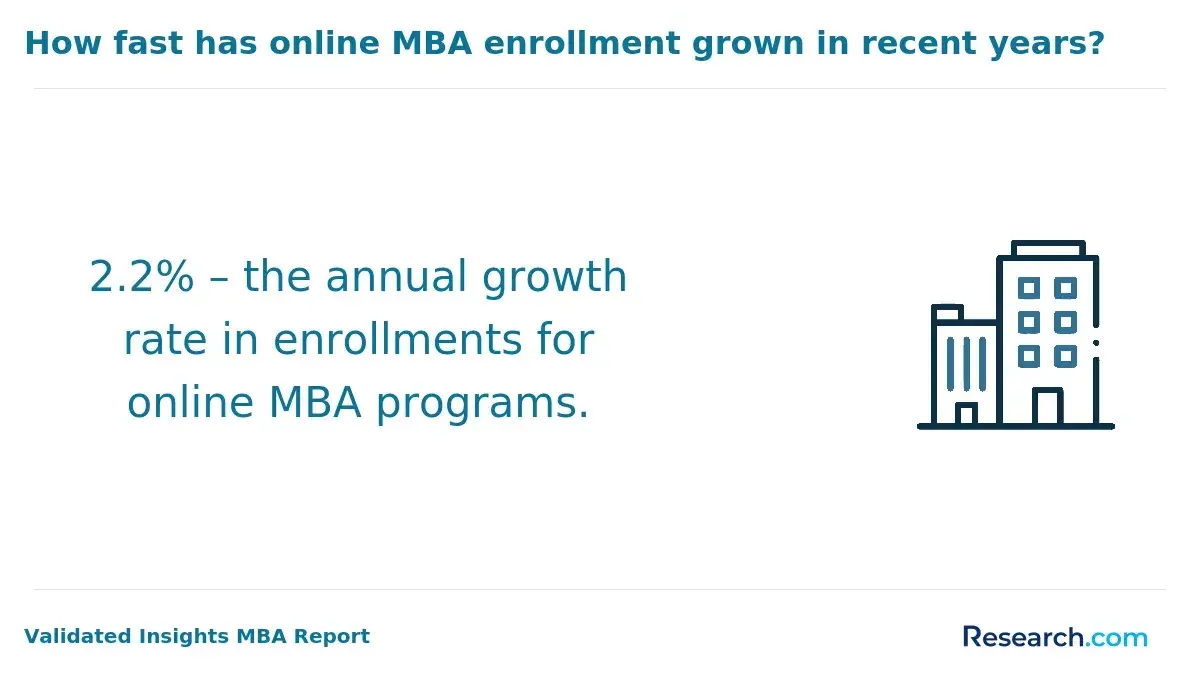
Enrollment trends show growth in online MBA programs, increasing from 555 in 2018 to 732 in 2023, though average enrollment per program fell to 182 students due to more program variety. This diversity allows candidates to choose options suited to their goals and schedules. For instance, professionals aiming for rapid advancement in tech or finance may prefer 12-month resources with strong industry ties, while those seeking C-suite roles might focus on extended programs emphasizing leadership development.
The Graduate Management Admission Council reports that MBA graduates experience a median base salary increase of around 55% after graduation. Salaries vary by sector:
- Healthcare management and consulting graduates: approximately $110,000
- Nonprofit or education management graduates: closer to $80,000
Location also plays a significant role; metropolitan areas like New York and San Francisco can offer salary premiums exceeding 15% compared to smaller markets.
Candidates should evaluate program length alongside quality, relevant curriculum, and alumni network strength to maximize post-MBA earnings.
What Is the Job Outlook for Online MBA Holders?
The job outlook for online MBA holders remains strong, with management roles expected to grow 7% from 2024 to 2034, according to the Bureau of Labor Statistics. This is faster than the average for all occupations and highlights ongoing demand for versatile leadership skills across industries.
Programs that focus on practical skills, including data analytics, finance, and strategic management, position graduates well for these opportunities.
Indiana University--Bloomington's Kelley School of Business is ranked #1 in U.S. News' Best Online MBA Programs of 2026, reflecting strong peer reputation and career support. Such rankings indicate enhanced job placement and salary potential through trusted corporate networks.
Program duration matters: 12-month online MBAs offer faster workforce reentry, while longer programs provide deeper specialization and internships but delay earnings. Graduates typically pursue roles like product manager, financial analyst, or operations director, where advanced leadership and strategic thinking are essential.
The flexibility of online MBA programs allows professionals to upskill without interrupting careers, maintaining employment while increasing earning potential. To maximize outcomes, candidates should consider program reputation, alumni networks, and career services alongside targeting sectors such as technology, healthcare, and consulting, where MBA skills are especially valued.
How to Choose the Best Online MBA Program Length?
Choosing an online MBA program length depends on your career goals, availability, and learning preferences. A 12-month option is ideal for professionals aiming for rapid advancement or career changes without extended breaks from work. However, its fast pace requires strong time management and prior knowledge to handle intensive coursework.
The 18-month format offers a balanced approach, giving more time for projects, networking, and part-time commitments. Meanwhile, a 24-month MBA suits those with complex schedules or multiple responsibilities, often providing opportunities for specialization, internships, and deeper skill development.
Longer programs typically reduce stress but may delay return on investment.
Consider these factors when selecting a program:
- Current workload and weekly study capacity.
- Desired completion speed aligned with your career timeline.
- Whether the curriculum matches your learning style and offers experiential opportunities.
- Financial impacts, including tuition and possible income loss.
The Financial Times' 2026 Online MBA rankings highlight schools like Carnegie Mellon (Tepper) for their global business excellence. Picking a well-ranked, accredited program with strong alumni networks and recruiter connections can boost both learning quality and employer perception regardless of length.
Ultimately, the best program length aligns with your professional urgency, learning style, and personal circumstances.
Other Things You Should Know About MBA
Some online MBA programs include short residencies or in-person sessions, but many are fully online with no required campus visits. Programs with residencies often use them for networking and experiential learning, which can enhance the overall experience. Before enrolling, students should confirm whether their chosen program requires any on-site attendance.
Many online MBA programs offer students remote access to campus resources such as libraries, career services, tutoring, and networking events. Some schools also provide virtual office hours and online discussion groups to encourage interaction with faculty and peers. These resources can help online students have a comparable experience to traditional students despite the distance.
Longer online MBA programs, such as 24-month options, allow for more comprehensive coverage of topics, opportunities for electives, and often include applied projects or internships. Shorter programs like 12-month MBAs tend to be more intensive and streamlined, focusing on core business skills with less time for specialization. Students should weigh their capacity for time and depth of study when selecting program length.
References
- How to Manage an Online MBA with a Full-Time Job | FIND MBA Online https://findmbaonline.com/articles/how-to-manage-an-online-mba-with-a-full-time-job
- WHAT - Translation from English into Polish https://en.pons.com/translate/english-polish/what
- Can You Get an MBA While Working Full Time? https://onlinemba.howard.edu/blog/online-mba-while-working-full-time/
- How to Choose the Best Online MBA Program for Your Career https://www.dypatilonline.com/blogs/how-to-choose-online-mba-program-for-career-growth
- Career Options After Online MBA â Entry Roles and Growth https://onlinematsuniversity.com/blog/career-options-after-online-mba-entry-roles-and-growth.html
- Is an Online MBA Available In 1-Year Or 2-Year Formats? https://www.onlinecu.in/blog/cu/is-online-mba-1-year-or-2-year.php
- The Promise and Challenges of Extending Learning Time https://www.future-ed.org/the-promises-and-challenges-of-extending-learning-time/
- How to Choose an Online MBA Program - Tips to Consider https://www.umassglobal.edu/blog-news/choose-online-mba-program-tips-consider