2027 Public University vs Private University Online MBA Career Value

Co-Founder and Chief Data Scientist
Choosing between a public university and a private university for an online MBA poses a critical decision for professionals aiming to enhance career prospects without sacrificing flexibility. Variations in program reputation, alumni networks, and employer perceptions often complicate the choice. With tuition costs and return on investment varying widely, students must understand the tangible career value each option offers.
The article explores key differences in career outcomes, cost-effectiveness, and program quality to help readers make informed decisions tailored to their professional goals and financial constraints.
Key Things You Should Know
- Public university online MBA programs typically offer lower tuition rates, averaging $20,000-$35,000, compared to private counterparts, impacting overall return on investment.
- Private university MBAs often provide stronger alumni networks and higher starting salaries, averaging $95,000, while public institutions average closer to $75,000.
- Employer recognition varies; 70% of recruiters favor private MBA graduates for leadership roles, but public university MBAs show steady career growth and sector diversity.
What are key differences between public and private university online MBAs?
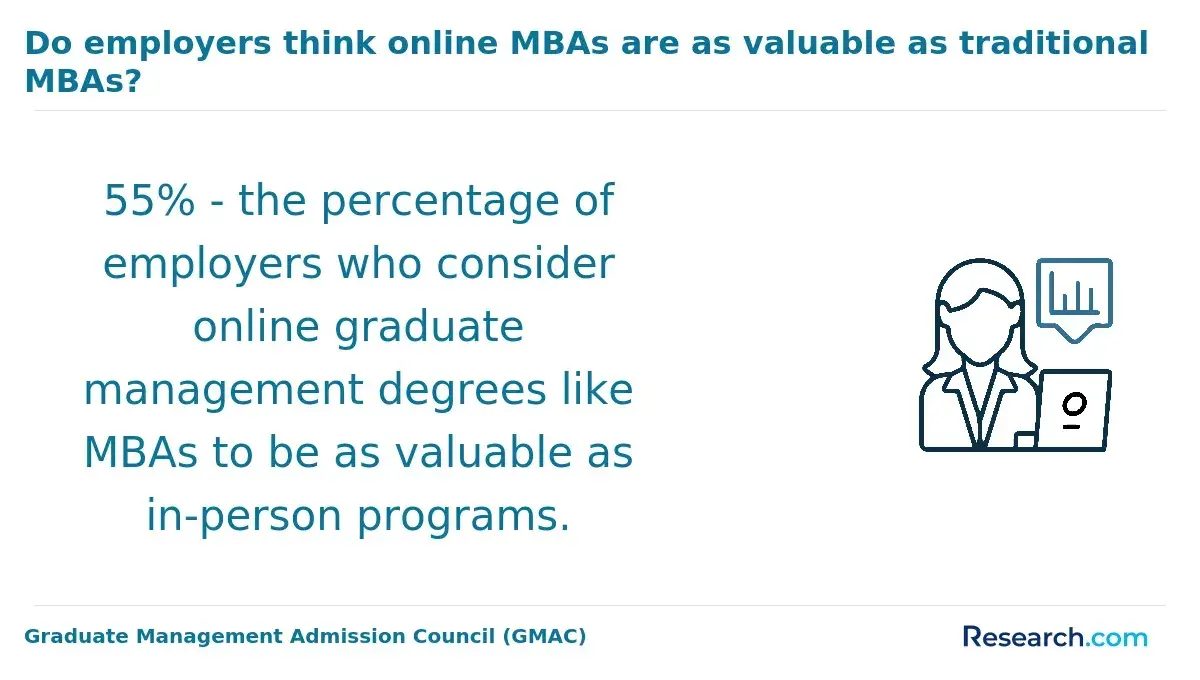
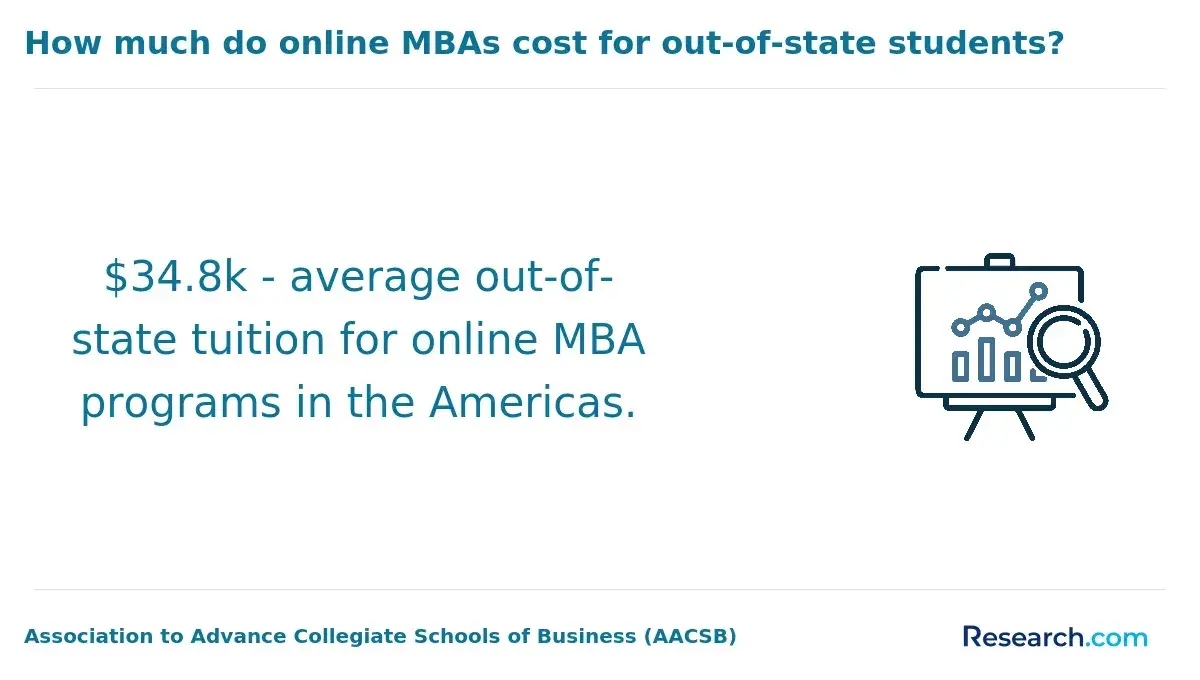
Key differences between public and private university online MBA programs involve cost, brand recognition, and network advantages. Public institutions generally offer lower tuition for in-state students, with online MBA programs averaging $31,600 compared to $60,600 for in-person study (AACSB 2024 State of Education Report, via US News). This price difference often makes public universities more accessible for residents. On the other hand, private universities often charge higher tuition but may provide better access to prestigious alumni connections and stronger brand recognition, which can impact career advancement.
Quality and curriculum vary less than expected; both sectors commonly maintain AACSB accreditation, ensuring similar educational rigor. Private institutions may provide more specialized concentrations and flexible scheduling. Career services also differ: private universities frequently offer more personalized career coaching and recruiter access, while public universities tend to have wider regional employer ties. These distinctions can affect the career value of an online MBA from public versus private universities.
Consider factors like state residency for public tuition eligibility, career goals related to industry networks, program flexibility, and financial aid availability. Prospective students may find public university online MBAs appealing for cost-conscious learners looking to reduce debt while earning respected credentials. Conversely, private programs often suit those seeking brand leverage and targeted career support. More insights on affordable online MBA programs can be found at affordable online MBA programs.
Which offers better career value: public or private online MBA programs?
Both public and private online MBA programs offer notable salary growth, but the best option depends on your career goals and industry. According to GMAC data shared by Hallford Education, online MBA graduates typically see annual salary increases between $25,000 and $45,000 within two years. This highlights the strong return on investment for online MBA degrees, especially in tech, consulting, and finance sectors, which are frequently targeted by graduates of private programs.
Public online MBA programs often provide more affordable tuition and appeal to cost-conscious students. Graduates from respected public institutions, particularly flagship state universities, benefit from robust regional employer ties and alumni networks. These advantages suit professionals pursuing roles in government or healthcare management, where local connections matter.
On the other hand, private online MBA programs tend to be more expensive but offer broader national or global networks, specialized tracks, and brand prestige. This can be especially valuable in competitive industries like consulting and finance where established recruiting pipelines exist. Those considering career hubs may find private programs align better with their ambitions.
Evaluating public vs private online MBA career outcomes requires weighing factors such as salary growth, placement rates, and industry partnerships. For a data-backed approach, prospective students should review AACSB accredited online MBA programs rankings. This can help clarify the comparative value of public and private online MBA programs tailored to individual preferences and goals.
How do costs compare for public vs private online MBA degrees?
Costs for public versus private online MBA programs vary widely, influencing financial decisions for prospective students. Tuition at public universities generally falls between $20,000 and $50,000 for the entire program. The University of Michigan Ross, a leading public school, charges about $60,000, positioning it at the higher end among public options but still more affordable than many private institutions.
Private universities often charge tuition ranging from $60,000 to over $120,000. These higher prices reflect brand prestige, expansive alumni networks, and enhanced career services. While private programs are more expensive, they frequently offer greater resources for job placement and executive networking, appealing to students focused on long-term industry connections. This cost difference between public and private online MBA programs also connects to the varying tuition comparison for public versus private online MBA degrees that prospective students should weigh carefully.
Financial aid is a critical factor. Public programs typically include state residency discounts and scholarships for in-state students, while private schools provide merit-based scholarships that require early application and strong credentials. Career outcomes also matter: a Poets&Quants survey of 1,293 alumni across top programs reported 50% received promotions during or soon after their online MBA.
Students should evaluate total cost of attendance, potential salary gains, and personal goals. Many find that public online MBAs deliver excellent recognition and career growth at a lower cost. Meanwhile, private MBAs might better suit those seeking extensive networking or specific industry pipelines. For those exploring executive business education, exploring affordable EMBA options can be beneficial.
What accreditation standards apply to online MBA programs?
Accreditation standards for online MBA programs in the U.S. focus on recognition by regional and specialized agencies. The Association to Advance Collegiate Schools of Business (AACSB) is the most prestigious, upholding strict criteria for faculty qualifications, curriculum, and student outcomes. AACSB accreditation applies equally to online and on-campus MBA formats, ensuring consistent quality regardless of delivery mode. This emphasis on quality aligns with broader accreditation requirements for online MBA degrees that prospective students should consider when researching programs.
Other respected bodies include the Accreditation Council for Business Schools and Programs (ACBSP) and the International Accreditation Council for Business Education (IACBE), which highlight teaching effectiveness and student engagement. Confirming accreditation is crucial, as many employers and licensing organizations require degrees from accredited institutions. Without proper accreditation, transferring credits or qualifying for federal financial aid can become difficult.
Enrollment data shows rising acceptance of online options: 28% of MBA students were enrolled online recently, up from 25% the prior year and just 14% a few years earlier. This growth reinforces the importance of selecting programs that meet rigorous online MBA program accreditation standards. When evaluating options, inquire about faculty credentials, learning outcome assessments, and accreditation status to ensure robust career value.
For those seeking flexible pathways, exploring online MBA programs no GMAT can be a helpful step toward affordable, accredited education suited to professional goals.
What are typical admission requirements for online MBAs?
Typical admission requirements for online MBAs include a bachelor's degree from an accredited institution, a competitive GPA (around 3.0 or higher), and professional work experience, often between two and five years. Many programs ask applicants to submit a resume highlighting career progression and leadership roles. While some schools still require standardized test scores like the GMAT or GRE, these are increasingly optional or waived for experienced professionals or those with advanced degrees.
Applicants often must provide essays or personal statements to demonstrate goals, motivation, and program fit, along with strong letters of recommendation from supervisors or mentors that confirm leadership potential. International students usually need proof of English proficiency through tests such as TOEFL or IELTS.
Admissions selectivity varies. Public universities tend to have more flexible criteria than private schools but maintain rigorous standards to ensure cohort quality. Specializations in fields like technology management or healthcare administration may require relevant backgrounds.
Financial factors are critical: online MBA costs range from $20,000 to $70,000, while graduates may see salary increases of $25,000 to $45,000. According to Hallford Education analyzing GMAC 2024 data, the break-even point typically occurs within two to three years, especially in rapidly growing sectors. Meeting admission benchmarks promptly can maximize career and financial benefits.
How long do public vs private online MBAs take to complete?
Public university online MBAs typically take 18 to 24 months to complete, though some programs offer accelerated tracks of 12 to 15 months for full-time students. Private university online MBAs usually range from 12 to 24 months, often providing flexible pacing such as self-paced formats that can extend to 30 months or more. This flexibility supports working professionals managing employment alongside studies.
Completion time varies based on course load, program structure, and credit requirements. Public universities tend to have fixed-semester schedules and credit hour mandates that may restrict acceleration. Private institutions may allow modular courses or continuous enrollment, enabling faster progress.
Students should align program duration with career objectives: accelerated one-year private MBAs suit those seeking swift career changes or reentry, while longer public programs can accommodate part-time study. It's important to verify if a program includes internships or capstone projects since these affect total duration and offer valuable practical experience.
According to a LinkedIn study cited by Hallford Education, 72% of MBA graduates, including online students, reported promotions or role upgrades within 24 months post-graduation. This highlights how timely completion combined with quality curriculum supports career advancement in fields like technology, consulting, and finance.
What curriculum differences exist in public vs private online MBAs?
Public and private online MBA programs differ notably in curriculum design, specialization, and experiential learning integration. Public university MBAs usually offer a broad foundation with standardized core courses such as finance, marketing, operations, and management. Their curricula often include content aligned with regional economic sectors and public policy, supporting students targeting local or public-sector careers. In contrast, private online MBA programs tend to provide customizable tracks and specialized concentrations like entrepreneurship, healthcare management, or technology innovation, aimed at niche professional goals.
Public programs typically emphasize research-driven learning and quantitative skills, reflecting their academic focus. Private MBAs prioritize practical skill-building through real-world projects, internships, and capstone experiences linked to industry partners. Both models offer career coaching and alumni network access, though private programs more aggressively leverage these for leadership roles and long-term salary growth. Forbes, referencing LinkedIn's analysis, confirms this impact extends beyond tuition cost savings.
Key differences include:
- Public MBA curricula often support regional economic initiatives, beneficial for local job markets.
- Private programs more frequently utilize cutting-edge digital learning technologies to boost engagement and networking.
- Variations in program pace and cohort diversity affect peer interaction and learning quality.
What salaries can online MBA graduates expect by institution type?
Online MBA graduates from public universities often achieve salaries comparable to those from private institutions, typically at a lower cost. Enrollment data shows a significant shift toward online formats, with 51% of MBA students moving from in-person to online, highlighting growing acceptance of online degrees (AACSB via US News). Public universities usually offer more affordable tuition for online MBA programs, helping students avoid heavy debt while earning competitive salaries.
Salary surveys indicate median starting pay for online MBA graduates from public universities ranges between $85,000 and $105,000 annually. Private university graduates report starting salaries generally between $90,000 and $115,000. This overlap underscores employer recognition of online MBA credentials from AACSB-accredited schools, regardless of public or private status.
Students should prioritize program reputation, accreditation, alumni network, and specialization over the institution's public or private classification. As online MBA programs gain wider employer acceptance, public university graduates benefit from strong recognition and reduced financial burden, enhancing their overall return on investment.
What job roles and outlooks follow public vs private online MBAs?
Graduates of public and private online MBA programs often experience different career paths and salary outcomes, influenced by the reputation of their institutions and professional networks. Private school alumni, including those from Villanova, see significant salary gains, with Villanova reporting a 42.86% increase in pay after graduation according to the Poets&Quants 2024 alumni survey. These programs frequently lead to roles in competitive fields like finance, consulting, and technology, supported by specialized curricula and industry ties.
In contrast, graduates of public online MBA programs often find leadership positions within government, nonprofits, and mid-sized companies. Their degrees emphasize practical management skills and affordability, resulting in steadier but generally more moderate salary growth. Public MBA holders tend to benefit from versatile roles across varied sectors rather than brand prestige alone.
Key roles by program type include:
- Private mba: management consultant, financial analyst, product manager, corporate strategist
- Public mba: operations manager, public sector administrator, project manager, business analyst
While private online MBA programs offer salary increases commonly exceeding 40%, public program graduates often enjoy stable growth and leadership opportunities. Prospective students should align their choices with career goals, balancing elite private program advantages against public university affordability and broad applicability.
How to choose the best online MBA: public or private?
Choosing between public and private universities for an online MBA hinges on career outcome goals and program characteristics. Public universities often demonstrate strong measurable career advancement, with elite institutions like Michigan Ross reporting a 75% promotion rate among their online MBA alumni, according to a Poets & Quants 2025 ranking survey. This highlights their strength in delivering professional growth through well-established reputations and industry networks.
Private universities typically offer specialized curricula, greater flexibility, and brand prestige appealing to industries such as consulting and finance. However, outcomes vary significantly, so researching alumni success and employer recognition is crucial. Prospective students should consider how each program fits their particular career path and industry demands.
Key questions to evaluate include:
- Does the program offer measurable career mobility metrics or outcomes data?
- What is the network strength and industry connection in my target sector?
- How flexible are course schedules for balancing work and study?
- What is the cost-benefit ratio given my financial constraints and expected salary increase?
Case studies show public MBA programs benefit from strong national and state employer partnerships that enhance post-graduation job placement. Conversely, private university programs often leverage broad global alumni networks suited for international career ambitions. Ultimately, it is essential to align institutional strengths with career goals and verify concrete returns on investment before deciding.
Other Things You Should Know About MBA
Yes, many online mba programs are designed specifically to accommodate working professionals. They typically offer flexible schedules, including part-time options and asynchronous coursework, allowing students to balance work and study. This flexibility helps maintain income and work experience during the degree.
Networking is a key part of mba programs, and many online schools provide virtual events, discussion forums, and group projects to facilitate connections. Some programs also organize on-campus residencies or regional meetups to enhance face-to-face networking. However, the depth of networking can vary depending on the school's commitment and platform.
In 2027, employers tend to value the reputation and accreditation of the institution offering the online MBA, whether public or private. Generally, private universities may provide stronger networking opportunities, while public universities often offer a more cost-effective and diverse alumni network. Both factors can affect employer perception and career value.
Online mba curricula emphasize leadership, strategic thinking, financial analysis, and data-driven decision-making. Students also develop interpersonal and communication skills through team projects and presentations. Programs aim to equip graduates with both technical business knowledge and managerial capabilities relevant across industries.
References
- MBA Course Duration | How Long to Complete an MBA? https://collegetiger.com/mba-course-duration-how-long-does-it-take-to-earn-an-mba/
- Online MBA Entry Requirements: Eligibility & Admission https://www.onlinecu.in/blog/cu/most-common-entry-requirements-for-online-mba-programs.php
- MBA Career Paths & Salaries: What Can You Earn? https://online.aurora.edu/career-outcomes/mba-salary-expectations-by-industry/
- Online vs regular MBA cost: A Complete Cost Analysis https://ebsedu.org/blog/online-vs-regular-mba-cost/
- Online vs. Offline MBA: Which Offers Better Career Opportunities? https://www.dypatilonline.com/blogs/online-vs-offline-mba-career-opportunities
- MBA Accredited Schools | OnlineMBA.com https://www.onlinemba.com/resources/what-is-accreditation/
- Online MBA vs Traditional MBA: What are the differences? | StudyNext Australia https://studynext.com/au/resources/online-mba-vs-on-campus-mba
- Top Online MBAs for Accreditations | FIND MBA Online https://findmbaonline.com/lists/top-10-online-mbas-with-the-best-accreditations
- Is An Online MBA Worth It In 2025? Real ROI & Career Data https://hallford.education/is-an-online-mba-worth-it/
- Online MBA vs On-Campus MBA https://www.princetonreview.com/business-school-advice/online-mba-vs-on-campus-mba