2027 Can You Get Into an SLP Program Without Observation Hours?

Co-Founder and Chief Data Scientist
Many prospective students aiming to enter an SLP program face a common dilemma: completing the required observation hours before admission. Without these hours, applications might be deemed incomplete or less competitive, which can delay or prevent enrollment. For individuals with busy schedules or limited access to approved sites, accumulating observation hours early poses a significant challenge.
This situation often raises questions about whether it is possible to get into an SLP program without fulfilling this prerequisite beforehand. This article explores current admission policies regarding observation hours and offers guidance to help applicants navigate these requirements effectively.
Key Things You Should Know
- Most accredited SLP programs in 2026 require observation hours, but some may accept limited experience or alternative documentation due to ongoing COVID-19 adaptations.
- ASHA standards emphasize hands-on clinical exposure, making observation hours critical for admissions and readiness for graduate coursework.
- Recent surveys show over 85% of applicants had completed observation hours, highlighting their role in demonstrating commitment and foundational skills to admission committees.
What are observation hours and why do SLP programs require them?
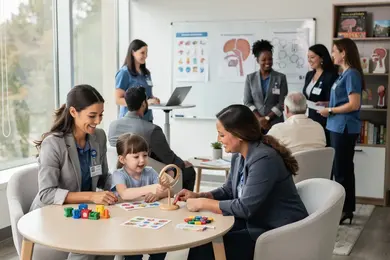
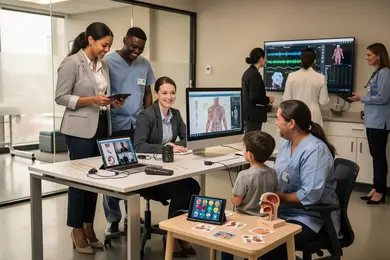
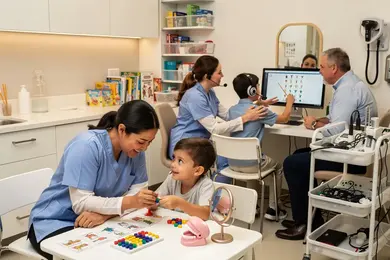
Observation hours are supervised experiences where prospective students watch certified speech-language pathologists (SLPs) assess and treat clients. These hours provide firsthand exposure to clinical procedures, patient interactions, and the professional environment. Many SLP programs require observation hours to ensure applicants gain a realistic understanding of the field's demands and to demonstrate commitment. This requirement is often part of the broader observation hours requirements for slp programs in the US.
Admission competitiveness further highlights the value of observation hours. For example, the University of Washington's 2025-2027 SLP cohort admitted only 55 students from 242 applications, reflecting a 23% acceptance rate. This low rate means fulfilling observation requirements and documenting hours carefully can strengthen applications by demonstrating dedication and industry knowledge.
Observation hours typically range from 25 to 100, with some programs accepting volunteer work, internships, or shadowing in settings like schools, hospitals, or private clinics. Prospective students should verify each program's specific observation hours requirements for slp programs in the US to avoid application delays. For those comparing costs, exploring the cheapest speech pathology graduate programs may also be beneficial.
Can you get into an SLP master's program without completing observation hours beforehand?
In 2026, most master's programs in Speech Pathology require applicants to complete supervised observation hours before admission. These hours demonstrate practical exposure to the field, helping programs assess an applicant's experience and commitment. Requirements typically range from 25 to 50 hours, though exact numbers vary by institution. Common settings for observation include hospitals, schools, and clinics, all under licensed speech-language pathologists' supervision.
Applicants applying to speech pathology graduate programs with no prior observation experience often find their applications less competitive or incomplete. Observation hours help programs evaluate familiarity with patient populations and therapy techniques, especially given the competitive admissions landscape. According to ASHA's 2024 Communication Sciences and Disorders Education Survey, acceptance rates for master's SLP programs were around 45.3% for the last admission cycle.
Some programs may consider related volunteer work or experiences if properly documented and supervised, but it's essential to verify these details directly with each program. Early planning to fulfill observation hours improves application strength and chances of acceptance. For those curious about career outcomes, exploring the medical SLP salary can provide valuable insight into the profession's financial prospects.
What are the typical observation hour requirements across accredited SLP programs?
Most accredited speech pathology programs require applicants to complete clinical observation hours needed for SLP admission, typically ranging between 25 and 50 hours. These observation experiences are crucial for demonstrating familiarity with clinical environments and the profession. Requirements vary by institution but generally align with Council on Academic Accreditation (CAA) standards. Some programs set a minimum of 25 observation hours, while others may require up to 50.
Observation hour requirements for speech pathology programs often mandate direct supervision by a certified speech-language pathologist. These hours must usually include observing diagnostic and therapeutic sessions across diverse populations and settings, ensuring exposure to pediatric, adult, and culturally varied clients.
A few programs may waive observation hours if applicants have related volunteer or work experience; however, such exceptions are rare and competitive. Without sufficient observation hours, applicants face disadvantages, especially at highly selective programs like those at California State University campuses, including CSU Fullerton and CSU Long Beach, where acceptance rates are under 10%.
Prospective students should verify each program's specific expectations early and prioritize gaining substantive observation experiences. Selecting diverse and meaningful observation settings strengthens applications and readiness for graduate study. For those considering accelerated options, exploring 5 year speech pathology programs can also be beneficial.
How do online SLP programs handle observation hour prerequisites differently?
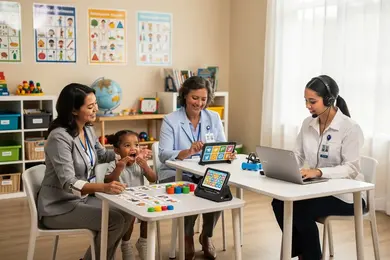
Online slp programs observation hour requirements often offer more flexibility than traditional programs. Many online speech pathology programs allow students to complete observation hours simultaneously with coursework or accept previous related work and volunteer experience as substitutes. This flexibility benefits applicants facing geographic or scheduling barriers to in-person observation.
Some online programs collaborate with local clinics or schools to help students complete observation hours nearby. Others recognize virtual or telepractice observation, reflecting the growing acceptance of remote healthcare services. These approaches provide varied ways to gain clinical insight without being onsite physically.
However, documented supervision and compliance with state licensure and accreditation standards remain essential. Candidates must submit verifiable records of observation hours, detailing settings, client populations, and supervisor credentials. Notably, students with GPAs between 3.0 and 3.2, particularly in Texas and western states, have gained admission without traditional observation hours by leveraging holistic admissions that weigh academic and professional experience.
Applicants should research each program's specific observation prerequisites and consider if alternative documentation or virtual observation options might meet requirements. For those interested in exploring these flexible pathways, resources on SLP programs online offer useful guidance on how online speech pathology programs waive observation hours effectively.
What alternative experiences can substitute for traditional observation hours in SLP admissions?
Applicants can use various alternatives to traditional observation hours for Speech Pathology admissions, demonstrating relevant exposure and commitment. These alternatives include clinical volunteering in hospitals, rehabilitation centers, or schools, where individuals engage with speech-language pathologists (SLPs) and observe therapy sessions firsthand. Participation in research related to communication disorders is another valid option that reflects familiarity with evidence-based practices. Virtual observation or telepractice experiences, increasingly common and accepted, also count toward this requirement.
Many programs allow shadowing licensed SLPs for a minimum number of hours, even outside formal observation structures. Working as a paraprofessional or aide in speech or related therapy environments provides valuable hands-on experience. Additionally, internships or community service involving special education students or individuals with speech and language impairments offer practical exposure relevant to SLP training.
Clear documentation and supervisor verification of these experiences are essential for admissions committees to evaluate applicants' readiness. Program-specific guidelines vary, so applicants should verify acceptable experiences with each institution. For example, the University of Washington's acceptance rate rose to 25% from 18%, highlighting increased competition and the advantage of presenting diverse, verifiable experience beyond traditional observation hours.
Prospective students should focus on experiences featuring direct client interaction, understanding of communication disorders, and professional conduct. Well-documented, relevant non-traditional experiences can effectively substitute for traditional observation hours in speech pathology admissions.
How do you find and complete observation hours before applying to SLP programs?
To gain observation hours for speech pathology programs, begin by contacting local clinics, schools, and hospitals that provide speech therapy. Many professionals welcome prospective students to observe sessions with a formal request, often requiring a letter or email explaining your educational goals and hours needed. University speech-language pathology departments frequently offer clinic programs that allow observation as well.
Volunteer roles in rehabilitation centers, special education classrooms, or early intervention programs also offer valuable experience. Note that some settings may require background checks or health screenings, so plan early to avoid delays. Flexibility in scheduling is important since clinics usually operate during business hours, while schools might offer afternoon or after-school opportunities.
Online platforms and local professional associations can list observation openings. Networking with licensed speech-language pathologists through social media or professional events can improve your chances, especially in regions with higher acceptance rates for SLP programs-ranging from 50-85% in Western states like Wyoming and Montana.
Keep detailed records of completed hours including dates, settings, and supervisor names. Many programs require between 20-50 observation hours and accept virtual observation experiences if in-person is not possible, but always verify this option before proceeding.
Will SLP programs accept applicants who complete observation hours after admission?
Most graduate speech pathology programs require applicants to have completed all observation hours before applying. These hours provide essential early clinical experience and allow admissions committees to evaluate candidates' readiness. Completing observation hours after admission is generally not accepted and can jeopardize an applicant's chances.
While some programs may permit additional clinical hours during the first semester or orientation, these do not replace the mandatory pre-admission requirements. Typically, programs expect between 25 and 50 documented observation hours, depending on accreditation standards and institutional policies.
Applicants without fully documented observation hours at application may consider deferring until requirements are met or choosing programs that explicitly allow flexibility. Clear communication with program coordinators about specific observation policies is critical. Robust and verified observation experience is a non-negotiable factor in successful admission to speech pathology graduate programs in the United States.
How important are observation hours compared to GPA and GRE scores for SLP program acceptance?
Acceptance into speech pathology (SLP) programs at competitive universities largely depends on strong academic performance, especially GPA and GRE scores. These metrics offer programs a standardized way to evaluate applicants from diverse backgrounds. Typically, competitive programs have acceptance rates between 15% and 25%, making academic credentials a critical factor.
Most programs require a minimum GPA around 3.0 to 3.3, often with successful applicants exceeding these marks. GRE verbal and quantitative scores also play a key role by assessing critical reasoning and communication skills essential for graduate-level work. Candidates lacking observation hours should highlight related volunteer or work experiences and personal statements that reflect direct interaction with clinicians or clients. Shadowing and internships add value but cannot replace solid GPA and GRE scores. Admissions committees prioritize these academic metrics to predict an applicant's likelihood of success given the competitive applicant pool.
What is the job outlook and earning potential for speech-language pathologists after graduation?
The job outlook for speech-language pathologists (SLPs) is projected to grow 21% from 2021 to 2031, significantly faster than the average for all occupations. This rise is fueled by increased demand for diagnosing and treating speech, language, and swallowing disorders in both children and older adults.
Graduates holding a master's degree in speech pathology typically command competitive salaries. The median annual income was about $82,000 in 2022, with higher earnings up to $120,000 in specialized hospitals or outpatient settings. Those working in schools generally earn less.
Employment options for SLPs are diverse, including schools, hospitals, rehabilitation centers, and private practices. Career paths can be customized based on individual interests and lifestyle, and obtaining certifications in pediatric or geriatric speech pathology may enhance both job prospects and salary.
Admissions selectivity varies by program. For instance, Touro College in New York accepts over 50% of applicants, enrolling about 53 students each cohort, which may allow quicker entry into clinical training and degree completion. Prospective students should weigh admission rates alongside program quality and employment outcomes for the best career preparation.
What are the ASHA certification and state licensing requirements for practicing speech pathologists?
The American Speech-Language-Hearing Association (ASHA) sets clear standards for certification in speech pathology, requiring a master's or doctoral degree from an accredited program. Candidates must complete a supervised clinical fellowship lasting at least 36 weeks and pass the Praxis exam in speech-language pathology. This process leads to earning the Certificate of Clinical Competence (CCC-SLP), a national benchmark for professional practice.
State licensure closely mirrors ASHA guidelines but can include additional requirements such as jurisprudence exams or ongoing education. Generally, licensure involves:
- Graduation from an accredited program
- Completion of clinical experience hours, including observation and direct patient contact
- Passing the national exam
- Successfully completing a supervised clinical fellowship
Observation hours are integral to clinical experience, ensuring students gain exposure before engaging in direct patient care. However, the specific emphasis on observation versus combined clinical hours varies by state or program.
Data from the University of Washington's Speech & Hearing Sciences program indicates stable enrollment with consistent clinical hour requirements, highlighting the essential role of observation and supervised practice for certification and licensure.
Prospective students should verify individual state board regulations alongside ASHA requirements to ensure eligibility for licensure and certification. The CCC-SLP credential provides a national standard, while licensure is state-specific, both critical for practicing speech pathology professionally across the United States.
Other Things You Should Know About Speech Pathology
Yes, many SLP graduate programs accept applicants who hold a bachelor's degree in a field outside of communication sciences and disorders. However, these applicants typically must complete prerequisite coursework in areas such as anatomy, linguistics, and speech science before or during the program. Meeting these requirements ensures a foundational understanding necessary for advanced study in speech pathology.
In addition to observation hours, hands-on clinical experiences such as volunteering in speech therapy clinics, working as a speech therapy aide, or participating in research projects related to communication disorders are highly beneficial. These experiences provide practical exposure to client interaction and therapy techniques that strengthen an applicant's readiness for graduate training. Programs often value demonstrated commitment through varied clinical involvement.
Admission to accredited SLP graduate programs is generally competitive due to limited class sizes and increasing popularity of the field. Successful applicants usually have strong academic records, relevant experience, and well-crafted personal statements. Meeting all program requirements, including prerequisites and recommended experiences, improves the chances of acceptance but does not guarantee admission.
References
- CCC-SLP Salary and Career Outlook https://speechpathologymastersprograms.com/become-speech-pathologist/ccc-slp-guide/ccc-slp-career-salary/
- Admit Lab https://admit-lab.com
- Online Master of Science in Speech-Language Pathology - General Pathway https://slponline.ithaca.edu/programs/masters-speech-language-pathology-online
- How to Get into Speech Pathology (SLP) School https://teach.com/online-ed/healthcare-degrees/online-masters-speech-language-pathology/how-to-get-into-speech-pathology-school/
- SLP: Speech Language Therapy Licensure by State https://www.speechpathologydegrees.com/licensure/slp-licensure-by-state
- How to Get Into SLP Grad School in California: An Admissions Expert Guide - California Speech Pathology https://californiaspeechpathology.org/careers/speech-language-pathologist/get-into-slp-grad-school/
- Speech-Language Pathology Prerequisites Online https://www.longwood.edu/slponline/
- How to Get into SLP Grad School: Key Application Tips | USAHS https://www.usa.edu/blog/how-to-get-into-grad-school-for-speech-pathology/
- How To Get SLP Observation Hours ? | https://www.therapyabroad.org/how-to-get-slp-observation-hours/
- Pre-Master of Speech-Language Pathology (PreSLP) | WCU https://westcoastuniversity.edu/online-programs/pre-master-of-speech-language-pathology