2027 Accounting Master's Degree Licensure Requirements by State

Co-Founder and Chief Data Scientist
Accounting licensure is not one national checklist. A graduate may complete a master's degree in accounting, move to another state, and still need to verify different rules for credit hours, coursework, supervised experience, ethics, exam timing, fees, and continuing education. Nearly 60% of accounting professionals must meet specific education and experience standards unique to each state's Board of Accountancy, so assumptions can delay CPA eligibility or license transfer.
This guide explains how accounting master's degree licensure requirements vary by state and what candidates should review before choosing a program, applying for the CPA exam, or relocating. It is written for prospective graduate students, current accounting master's students, CPA candidates, and licensed professionals planning multistate practice.
Key Things to Know About Accounting Master's Degree Licensure Requirements by State
- Educational prerequisites vary widely by state, including differences in required master's degree accreditation and additional coursework beyond core accounting subjects.
- Many states mandate supervised professional experience, typically ranging from 1,500 to 2,000 hours, completed under licensed practitioners before licensure eligibility.
- State-specific CPA examinations, application procedures, and continuing education requirements impact licensure maintenance, with some states requiring 40 annual hours of continuing professional education.
Which States Require a Accounting Master's Degree for Licensure?
Most states do not simply say, "You must have a master's degree in accounting." Instead, they usually require a total number of college credits, specific accounting and business coursework, and qualifying experience. A master's degree is often the most direct way to meet those education rules, especially where the 150-semester-hour standard applies. Roughly 20% of states mandate candidates hold a master's degree in accounting or a related field to meet Certified Public Accountant (CPA) licensure standards, though applicants should always confirm whether the state requires the degree itself or allows equivalent graduate-level coursework.
The states below are commonly associated with master's-level preparation or graduate coursework as a practical route to licensure:
- California: Applicants must complete at least 150 semester units, with a significant portion at the graduate level; holding a master's degree in accounting is a common way to satisfy this requirement.
- New York: A bachelor's degree alone does not meet the 150-credit hour rule. Candidates generally need a master's degree or additional graduate coursework to qualify.
- Texas: Requires 150 semester hours including a graduate degree or equivalent upper-division or graduate accounting courses to fulfill licensure criteria.
- Illinois: Licensure applicants must complete 150 semester hours, often achieved through a master's degree in accounting or a related discipline.
- Florida: Candidates are expected to complete 150 semester hours, with a graduate degree frequently used to satisfy this credit threshold.
The key decision is not only whether to earn a master's degree, but whether the program's courses match the board rules in the state where you plan to become licensed. Before enrolling, compare the program's accounting credits, business credits, ethics coverage, and transcript language against the state board's education checklist. Students comparing flexible or lower-cost pathways may also want to review accounting degrees online while confirming that any selected program satisfies CPA eligibility rules in their target state.
Applicants should avoid relying on general graduate-degree advice when planning CPA licensure. Requirements are credential-specific; unrelated resources such as cheap online msw programs may be useful for understanding how online graduate affordability is discussed in other fields, but they do not determine accounting board eligibility.
What Coursework Is Typically Required for Accounting Licensure in Different States?
State boards usually evaluate both the total number of credits and the subject areas shown on the transcript. Licensure requirements for an accounting master's degree vary significantly across U.S. states, and approximately 48 states require candidates to complete 150 semester hours of education, often including a master's degree, to qualify for licensure. The safest approach is to treat the state board's course list as the controlling document, not the university's marketing page.
Common coursework areas include the following:
- Advanced Financial Accounting: Covers complex reporting topics such as consolidations, foreign currency transactions, and business combinations. This is especially relevant for candidates pursuing audit, reporting, or public accounting roles.
- Auditing and Assurance Services: Introduces auditing standards, evidence, risk assessment, professional skepticism, and reporting responsibilities. Many boards expect formal audit coursework because public accountants serve a public-trust function.
- Taxation of Business Entities: Focuses on federal tax rules for corporations, partnerships, and other entities. Candidates planning tax careers should check whether their state distinguishes individual taxation from entity taxation.
- Accounting Information Systems: Examines how organizations collect, process, protect, and report financial information. This area matters more as accounting work becomes increasingly technology-driven.
- Business Law and Ethics: Covers legal duties, contracts, professional conduct, and ethical decision-making. Some states count ethics separately, so candidates should verify whether a general business law course is enough.
How to check whether your coursework counts
- Request a degree audit before applying: Ask the accounting department or registrar to map your completed courses to the state board's categories.
- Keep syllabi and course descriptions: Boards may ask for documentation if a course title does not clearly show accounting content.
- Check upper-division and graduate-level rules: Some states require advanced coursework rather than introductory accounting credits.
- Do not assume electives count: Finance, economics, analytics, or business courses may support your education but may not satisfy accounting-credit minimums.
- Review rules before transferring credits: Community college, international, online, and pass/fail credits may receive closer review depending on the jurisdiction.
Beyond coursework, many states require a period of supervised work experience, typically lasting one to two years, to ensure practical skill development. Accelerated education models in other fields, such as the shortest edd program online, show why program length alone is not enough; for accounting licensure, the decisive issue is whether the transcript meets the state board's exact education categories.
How Many Supervised Hours Are Required for Accounting Licensure?
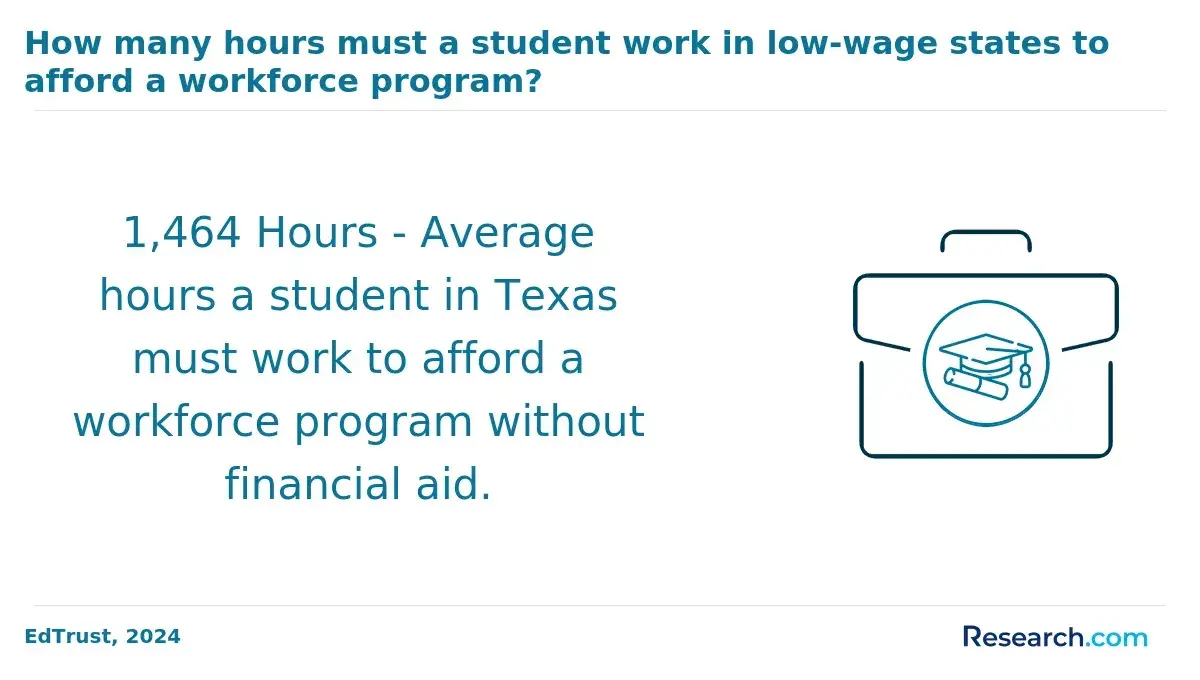
Supervised experience is the bridge between academic preparation and independent professional responsibility. Most licensing boards expect candidates to complete between 1,500 and 2,000 hours of supervised relevant work experience before they qualify for certification, although states may define qualifying work differently. Some boards accept public accounting only; others may also accept industry, government, academic, tax, audit, or consulting experience if it is properly supervised and documented.
Common supervised-experience components include:
- Auditing Experience: Candidates may review financial documents, evaluate controls, test evidence, and support audit conclusions under the direction of a licensed professional.
- Tax Preparation and Planning: Work may include preparing returns, researching tax rules, communicating with clients, and documenting positions taken on filings.
- Financial Reporting: Candidates may assemble, interpret, and analyze financial information used for internal decisions, public disclosures, or regulatory reporting.
- Ethics Training: Practical work should reinforce confidentiality, independence, integrity, documentation, and the obligation to protect the public interest.
- Supervisory Review: Work must be overseen by licensed CPAs or otherwise approved supervisors who can verify the candidate's duties, dates, hours, and professional competence.
What candidates should document
- Dates and total hours: Track experience as it is earned rather than reconstructing it later.
- Supervisor information: Confirm whether the supervisor must hold an active CPA license in the same state or may be licensed elsewhere.
- Type of work performed: Keep descriptions specific, especially for roles outside public accounting.
- Verification forms: Use the board's official forms and deadlines to avoid rejected experience claims.
- Employment setting: Check whether part-time, internship, remote, government, or academic experience is accepted.
One accounting professional described the supervised-hours process as demanding but valuable: "Tracking every task and receiving detailed feedback from licensed supervisors helped me identify areas where I needed growth." The lesson is practical: candidates who document experience carefully from the beginning are less likely to face delays when they apply for licensure.
What Ethical Standards Must Accounting License Applicants Meet?
Ethics requirements are not a formality. State boards use them to decide whether an applicant can be trusted with financial information, client relationships, public reporting, and regulated professional judgment. Nearly 80% of licensing boards integrate formal ethics evaluations, such as exams or background screenings, into the application process.
Applicants are commonly evaluated against these standards:
- Integrity: Candidates must be honest in applications, financial work, client communications, and exam-related representations. Misstating education, experience, or disciplinary history can jeopardize licensure.
- Objectivity: Accountants must avoid conflicts of interest and maintain impartial judgment, especially in audit, assurance, valuation, and advisory work.
- Confidentiality: Client and employer information must be protected unless disclosure is authorized or legally required.
- Professional Competence: Applicants are expected to perform work with due care and maintain the knowledge needed for their responsibilities.
- Compliance with State Regulations: Candidates must follow board rules, licensing statutes, reporting obligations, and professional conduct standards. Fraud, misrepresentation, or undisclosed discipline can lead to denial or revocation.
How ethics rules are usually reviewed
- Background checks: Some boards require fingerprinting or criminal-history review.
- Disclosure questions: Applications may ask about convictions, prior license discipline, exam misconduct, or professional sanctions.
- Ethics exams: Many jurisdictions require a separate ethics assessment before or after the CPA Exam.
- Character evaluation: Boards may request explanations, records, or references when an application raises concerns.
Professional ethics requirements vary across licensed fields. Broad resources about accredited engineering schools online may discuss ethics in another professional context, but accounting applicants should rely on their state board's CPA-specific conduct rules.
Do All States Require an Accredited Accounting Program for Licensure?
No. States do not all apply accreditation rules in the same way. Nearly 40% of states require that candidates graduate from institutions with regional or specialized business accreditation to sit for the CPA exam, while others focus on whether the institution, degree, and individual courses satisfy board standards. Accreditation matters because it affects whether credits are recognized, but it does not automatically guarantee licensure eligibility.
Applicants should understand these accreditation categories:
- Regional Accreditation: Most states expect degrees or credits from colleges and universities with recognized regional accreditation. This is often the baseline requirement for transcript acceptance.
- Programmatic Accreditation: Certain states may give weight to specialized business or accounting accreditation from bodies such as AACSB. This can signal stronger alignment with professional accounting standards.
- State Board Discretion: Some boards evaluate nonstandard cases individually, including credits from nonaccredited programs, international institutions, or unusual transfer pathways.
- Degree Level Requirements: Accreditation alone is not enough if the state also requires a certain level of accounting, business, or graduate coursework.
- Transfer and Online Programs: Online and transfer credits can be accepted, but candidates should verify that the awarding institution and the specific credits are recognized by the board.
Questions to ask before enrolling
- Is the institution accredited in a way recognized by the state board?
- Does the accounting program meet the board's required accounting and business-credit categories?
- Will online, transfer, or prior-learning credits be treated differently?
- Can the school provide written CPA eligibility guidance for your target state?
- Has the program prepared graduates for licensure in the state where you plan to apply?
One graduate who completed a master's degree in accounting described the accreditation review as "challenging but manageable." She initially worried because her program was not AACSB-accredited, but after confirming that her state accepted regional accreditation, she was able to proceed. Her experience shows why candidates should check accreditation rules early rather than discovering a problem after graduation.
Do All States Require the Same Accounting Licensing Exam?
Most states use the same core licensing exam, but they may add state-specific conditions before granting a license. About 88% of states use the Uniform CPA Examination, a national test administered by the American Institute of Certified Public Accountants (AICPA), while others mandate additional state-specific tests or alternative evaluations to address local regulations.
Important exam-related differences include:
- Exam Type: The Uniform CPA Exam is the primary assessment in most states, but some jurisdictions also require separate ethics or state-law components.
- Passing Score: While a score of 75 is commonly established as the minimum passing mark on the CPA Exam scale, certain states enforce higher thresholds to meet their licensing criteria.
- Exam Sections: The CPA Exam consists of four distinct parts-Auditing, Business Environment, Financial Accounting, and Regulation-but policies vary regarding whether these sections can be taken and passed separately.
- Time Limits: The timeframe granted to finish all exam sections differs among states, typically ranging from 18 to 24 months, which affects candidates' scheduling and preparation strategies.
- Continuing Examination Requirements: Some states demand periodic reexamination or additional testing on emerging topics throughout a licensee's career, emphasizing continuous professional competency and compliance.
Candidates should separate exam eligibility from licensure eligibility. A state may allow someone to sit for the exam before all experience requirements are complete, but the applicant may still need additional education, ethics clearance, supervised work, or fees before receiving the license.
Does Accounting Licensure Transfer Between States?
Accounting licensure may transfer through reciprocity, mobility, or endorsement rules, but it is not always automatic. Approximately 40% of states maintain formal licensure reciprocity agreements, which allow licensed accountants to practice without repeating the entire licensing process. Even then, state boards may require applications, fees, ethics exams, CPE documentation, or proof that the original license was substantially equivalent.
Key transfer considerations include:
- Reciprocity Agreements: These agreements can streamline licensing for CPAs already licensed elsewhere, but eligibility conditions vary by state.
- Residency Requirements: Certain states require applicants to establish residency or demonstrate a physical presence within the state before licensure is granted.
- State-Specific Ethics Exams: Many jurisdictions require a local ethics exam even when education, exam, and experience requirements are otherwise accepted.
- Continuing Professional Education (CPE): Each state sets its own CPE rules, and a CPA moving across state lines may need to document compliance before receiving or renewing a license.
- Licensing Authority Discretion: Boards may review the applicant's original licensing pathway, professional history, disciplinary record, and experience before approving transfer.
Before relocating, verify three issues
- Practice rights: Determine whether you can temporarily serve clients under mobility rules or need a new state license first.
- Substantial equivalency: Confirm whether your original license meets the destination state's education, exam, and experience standards.
- Renewal timing: Make sure you do not miss CPE or renewal deadlines while your transfer application is pending.
Accounting professionals aiming for multi-state practice should review the destination state board's policies before accepting work, advertising services, or signing reports in the new jurisdiction.
How Much Does Accounting Licensure Typically Cost?
Accounting licensure costs vary by state, exam timing, retakes, background checks, and renewal obligations. On average, candidates can expect to pay between $1,000 and $3,000 in total. This estimate may not include tuition, review courses, lost work time, travel, transcript evaluations, or additional coursework needed to meet state requirements.
Common cost categories include:
- Examination fees: These typically cover the CPA exam and can range from $1,000 to $1,200. The total depends on the number of sections, registration timing, and the state board's fee structure.
- Application fees: Initial applications often cost several hundred dollars and cover administrative review of education, experience, and eligibility documents.
- Background checks: Many states require fingerprinting and background investigations. These costs generally range from $50 to $150 but can differ significantly depending on jurisdiction.
- Initial license fees: After meeting all requirements, candidates pay for the official license. Fees range widely from $100 to more than $500 based on the licensing body's policies.
- Renewal and continuing education fees: Licenses must be renewed periodically, and CPE costs vary by course provider, format, and state requirements.
Budgeting tips for CPA candidates
- Confirm all state board fees before applying, including reapplication or retake charges.
- Ask employers whether they reimburse exam fees, review courses, or licensing costs.
- Build in the cost of transcript evaluations if you completed international or transfer coursework.
- Plan for renewal and CPE costs after initial licensure, not just exam costs.
Affordable foundational coursework can reduce total education costs for some students, and resources such as community colleges near me may help applicants think through lower-cost starting points. However, candidates should confirm that any credits earned will be accepted by the state board before relying on them for licensure.
The complexity of accounting licensure fees by state makes early planning important. A candidate who understands costs before applying is less likely to delay testing, miss deadlines, or choose coursework that does not count.
Do CE Requirements Differ by State for Accounting Professionals?
Yes. Continuing education (CE), often called continuing professional education (CPE), differs by state in total hours, reporting cycles, required subjects, approved formats, and documentation rules. Typically, CE credit requirements range from 40 to 120 hours per renewal cycle, which spans one to three years, depending on the state.
Key differences include:
- Total hours: Some states mandate as few as 20 CE hours annually, while others require up to 120 credits every three years.
- Subject mandates: Certain states require CE in ethics, tax law, auditing, or other defined areas, while others allow broader professional development choices.
- Renewal cycles: One, two, or three-year cycles affect how often accountants must report completed credits.
- Learning formats: States vary in how they treat self-study, live webinars, classroom courses, conferences, and employer-provided training.
- Verification processes: Some boards audit records after renewal, while others require direct reporting from providers or licensees.
Common CE compliance mistakes
- Completing the right number of hours but missing required ethics content.
- Assuming a course accepted in one state will be accepted in another.
- Failing to keep certificates, provider details, and completion dates.
- Waiting until the end of the renewal cycle and finding limited approved courses.
- Overlooking CPE rules after transferring or holding licenses in multiple states.
State boards of accountancy set CE rules to maintain professional competence and protect the public. Other licensed professions, including fields covered by psyd programs, also use continuing education, but accounting professionals should follow the CPE rules published by their own state board.
Are There Specialty Certifications Required for Advanced Accounting Practice?
State licensure and specialty certification are different. The CPA license is the legal credential typically required for independent public accounting practice, while many specialty certifications are voluntary credentials used to demonstrate expertise in management accounting, internal auditing, fraud, valuation, information systems, or advisory work. A master's degree can support either path, but it does not automatically replace licensure or specialty-certification requirements.
Important distinctions include:
- Certified Public Accountant (CPA): The CPA license is required by all states to practice public accounting independently. It is a licensure credential rather than an optional specialty certification.
- Certified Management Accountant (CMA): This elective credential emphasizes financial strategy and management accounting. It is not required for state licensure but can support advancement in corporate finance and leadership roles.
- Certified Internal Auditor (CIA): This optional designation is focused on internal auditing, risk, controls, and compliance. It is not mandated by state licensure boards but may be valuable for auditors in corporate or government settings.
Candidates should choose specialty credentials based on career direction, not credential collecting. Public accounting, corporate finance, internal audit, tax advisory, government accounting, and consulting roles may value different combinations of licensure, graduate education, and certifications.
What Graduates Say About Accounting Master's Degree Licensure Requirements by State
- : "Choosing to pursue a master's degree in accounting was essential for me because it provided the additional credit hours required for licensure in California. The cost was a significant consideration, but investing in a comprehensive program paid off by simplifying the certification process. Since becoming licensed, I've seen a marked increase in job opportunities and professional respect in the state's competitive market. — Riley"
- : "Reflecting on my journey, earning a master's degree in accounting in Texas was a strategic decision to meet the 150-hour education requirement for licensure efficiently. I found that the overall expense, including tuition and exam fees, was reasonable compared to the long-term career benefits. This degree has opened doors to leadership roles that may have otherwise been out of reach without the additional credential. — Eden"
- : "With a professional focus on licensure in New York, pursuing a master's in accounting was indispensable due to the strict licensing education prerequisites. The financial commitment was not insignificant, but the program's depth made navigating the CPA exam more manageable. Since obtaining my license, my career trajectory has accelerated, providing greater job stability and earning potential in the financial sector. — Nigel"
Other Things You Should Know About Accounting Degrees
While the CPA exam is the primary qualifying test in nearly all states, some jurisdictions require additional exams covering ethics or state-specific tax laws. These supplemental exams ensure that candidates understand the regulatory environment unique to that state. Prospective licensees should consult their state board's guidelines to confirm any extra testing obligations.
The timeline can differ depending on state requirements and individual preparation but generally ranges from several months up to a year. It involves passing exams, submitting transcripts, fulfilling experience requirements, and completing any ethics training. Applicants should plan accordingly and maintain communication with their state board for processing updates.
State reciprocity agreements in 2027 allow certified accountants to practice in multiple states without undergoing repeated licensure processes. However, the specific terms vary by state, so it is crucial to check the requirements of each state where you intend to practice.
References
- State Authorization https://www.utoledo.edu/offices/internalaudit/institutional-compliance/state-authorization/pld-stateaccountancyboards.html
- CPA Eligibility Requirements by State https://www.gleim.com/cpa-review/cpa-requirements-by-state/
- CPE Requirements By Jurisdiction https://cpe.furthered.com/requirements/cpe
- CPA Exam Cost & Fees https://accounting.uworld.com/cpa-review/cpa-exam/cost-fees/
- Becoming a CPA : ThisWayToCPA : AICPA https://www.thiswaytocpa.com/licensure/
- How States are Rethinking CPA Licensure to Address the Accountant Shortage - Controllers Council https://controllerscouncil.org/how-states-are-rethinking-cpa-licensure-to-address-the-accountant-shortage/
- How to Change Careers to Accounting | Transition Guide https://alifbyteedu.com/how-to-change-careers-to-accounting/
- Your State-by-State Guide to CPA Exam & License Requirements https://www.onlinemastersdegrees.org/student-resources/accounting/cpa-state-exam-license-requirements/
- CPA CPE Requirements For Continuing Education - LumiQ https://lumiqlearn.com/cpa-cpe-requirements
- CPE Requirements for CPAs by State | AICPA & NASBA | FurtherEd CPE https://vishalcpaprep.com/blogs/news/cpa-continuing-education-requirements