
2027 Admission Requirements for Machine Learning Master's Programs: GPA, Prerequisites & Eligibility Criteria

Co-Founder and Chief Data Scientist
Many prospective students face uncertainty when assessing their eligibility for machine learning master's programs, especially regarding GPA thresholds and required coursework. For instance, applicants with strong programming skills but marginal math grades often question their chances of admission. Data shows that over 60% of top U. S. machine learning programs seek candidates with at least a 3.3 GPA and demonstrated proficiency in linear algebra and statistics.
Understanding these criteria early can prevent wasted applications and guide necessary academic preparation. This article details GPA expectations, prerequisite courses, and eligibility standards to help applicants strategically align their profiles with program demands.
Key Things to Know About Admission Requirements for Machine Learning Master's Programs
- Most programs require a minimum GPA of 3.0, with competitive applicants often exceeding 3.5 in relevant STEM coursework, reflecting strong quantitative and analytical skills.
- Prerequisites typically include courses in linear algebra, calculus, probability, statistics, and programming, ensuring foundational knowledge essential for advanced machine learning concepts.
- Eligibility generally demands a bachelor's degree in computer science, engineering, mathematics, or related fields, with some programs valuing professional experience or research in data science.
What Is the Minimum GPA Required for Admission to a Machine Learning Master's Program?
Graduate programs in machine learning commonly establish minimum GPA thresholds to gauge applicants' academic preparedness. Most competitive programs expect a minimum cumulative GPA of approximately 3.0 on a 4.0 scale, with admitted students often presenting GPAs between 3.3 to 3.7. These requirements help ensure candidates possess the quantitative and analytical skills necessary for success.
Several factors influence these minimum GPA expectations across institutions and admission cycles.
- Program Competitiveness: More selective machine learning master's programs typically require higher minimum GPAs as they attract a larger number of highly qualified applicants.
- Institutional Policies: Each university sets its own academic standards and admissions guidelines, which can result in varying GPA requirements even among similarly ranked schools.
- Cohort Size: The number of available spots in a program affects how strictly minimum GPA thresholds are applied, with smaller cohorts often leading to higher GPA expectations.
- Academic Rigor of the Field: Given the demanding curriculum in machine learning, programs prioritize applicants with strong academic records to ensure they can manage the coursework's complexity.
- Applicant Pool Trends: Variations in the quality and volume of applicants during each admission cycle may influence GPA requirements, reflecting changing competitiveness in a given year.
Prospective students should assess these factors carefully when researching minimum GPA requirements for admission to machine learning master's programs. For those interested in broader certification options related to behavioral analysis, information about BCBA certification may also be relevant.
What Undergraduate Degree Do You Need for a Machine Learning Master's Program?
Many machine learning master's programs welcome applicants from a wide range of academic backgrounds, reflecting the field's interdisciplinary nature. Around 40% of admissions accept students without a direct prior degree in computer science or engineering, highlighting the flexibility of these programs. This openness encourages diverse perspectives and innovation in machine learning research and applications.
Below are some of the best undergraduate degrees for machine learning master's admission that align well with typical bachelor's backgrounds required for machine learning graduate programs.
- Computer Science: This pathway offers a strong foundation in programming, algorithms, and data structures essential for understanding machine learning techniques and building models effectively.
- Electrical Engineering: Emphasizes signal processing and systems theory, which are highly relevant for neural networks, robotics, and hardware-software integration in machine learning.
- Mathematics or Statistics: Provides theoretical knowledge such as linear algebra, calculus, probability, and statistical modeling crucial for developing and analyzing machine learning algorithms.
- Data Science or Information Technology: Focuses on data manipulation, database management, and applied analytics, preparing students for practical implementation of machine learning solutions.
- Physics: Cultivates problem-solving skills and computational methods, offering rigorous quantitative training valuable in algorithm development and model simulation.
Applicants outside these fields may need to demonstrate prerequisite skills or complete courses in programming, mathematics, or statistics before starting. Admissions committees often prioritize quantitative aptitude and programming ability over specific degrees, valuing relevant coursework and research experience.
Prospective students planning educational pathways may also explore related graduate options to finance their studies, such as cheapest doctoral programs in technology and applied sciences.
What Prerequisite Courses Are Required for Machine Learning Master's Programs?
Prerequisite courses serve to verify that applicants possess the essential knowledge needed to tackle graduate-level machine learning topics. Research indicates that more than 80% of master's programs expect candidates to have completed core coursework in critical technical and quantitative areas. Below are the primary types of courses typically required before admission to these programs.
- Mathematics: Coursework in areas like linear algebra, calculus, and probability is fundamental since these mathematical frameworks form the basis for understanding algorithms and data modeling in machine learning.
- Programming and Computer Science Fundamentals: Familiarity with programming languages such as Python or Java, combined with knowledge of data structures and algorithms, equips students with the skills needed to build and optimize models effectively.
- Statistics and Data Analysis: Prerequisites often include training in statistical reasoning and experimental design, which are vital for interpreting results and evaluating model performance.
- Foundational Machine Learning Theory: Introductory exposure to concepts like supervised and unsupervised learning helps applicants grasp essential principles before diving into more advanced topics.
- Research Methodology: Courses in research design and critical thinking foster the ability to navigate scientific literature, develop hypotheses, and conduct independent investigations within the field.
A graduate student currently enrolled in a machine learning master's program shared that meeting these prerequisite demands was initially overwhelming. "Transitioning from undergraduate studies, I underestimated how vital the mathematical foundations were," he said. He described spending significant time revisiting linear algebra and probability concepts before starting the program itself. The programming skills required also pushed him to work on personal coding projects to build confidence. He emphasized that while the preparation phase was challenging, it ultimately made a noticeable difference in his ability to keep pace with coursework and research expectations.
Do Machine Learning Master's Programs Require the GRE or GMAT?
Standardized tests like the GRE and GMAT have long been integral to graduate admissions, including for machine learning master's programs. However, a growing number of institutions now adopt flexible or test-optional policies to better accommodate diverse applicants. Approximately 40% of STEM graduate programs have eliminated strict GRE requirements, reflecting this evolving trend.
Below are common situations regarding the need for these exams.
- Test-Optional Policies: Many programs allow applicants to submit GRE or GMAT scores at their discretion, focusing instead on overall academic and professional backgrounds.
- GPA-Based Waivers: Applicants with strong undergraduate GPAs, often above 3.5, frequently qualify for waivers, as high academic achievement can demonstrate readiness.
- Professional Experience: Relevant work in data science, research, or software development may exempt candidates from submitting standardized test scores, emphasizing practical skills.
- Holistic Review: Admissions committees often assess letters of recommendation, personal statements, and prerequisite coursework alongside or in lieu of GRE or GMAT results.
- Program-Specific Requirements: While GRE is more common, some specialized machine learning tracks linked to business analytics might request the GMAT, but this remains relatively rare.
Applicants researching standardized test policies for admission to machine learning master's degrees should consider these factors carefully. For those interested in interdisciplinary options, programs such as masters in counseling also showcase the variety of graduate admission requirements across fields.
Do Machine Learning Master's Programs Require Work Experience for Admission?
Graduate programs in machine learning often factor in professional experience during admissions, though requirements differ widely depending on the program's focus and target audience. Approximately 40% of STEM-related master's programs view relevant work experience as a positive attribute, even if it isn't strictly mandatory. Below are common scenarios where work experience may influence admission decisions.
- Recent Graduate Programs: These typically prioritize academic achievements like GPA and prerequisite coursework over professional experience, catering primarily to applicants transitioning directly from undergraduate studies.
- Professional and Executive Tracks: Designed for mid-career individuals, these programs often expect multiple years of relevant industry experience to enrich the learning environment with practical insights.
- Career Changers: Applicants shifting into machine learning from other fields might need to demonstrate experience in related technical or analytical roles, although some programs accept additional coursework to compensate.
- Optional but Advantageous: Work experience can be an additional factor used to distinguish candidates with similar academic profiles, adding depth to their applications.
- Relevant Employment: Backgrounds in software development, data science, or research frequently signal preparedness for graduate-level machine learning studies and can enhance competitiveness.
A graduate of a machine learning master's program shared that although her program didn't require professional experience, having worked in a data analytics role beforehand helped her approach coursework with greater confidence. She described feeling initially anxious about competing with peers from diverse backgrounds but found that her practical skills allowed her to contribute meaningfully during collaborative projects. Reflecting on the admission process, she noted that her experience wasn't mandatory but definitely eased her transition and academic challenges, reinforcing the idea that work history can be a valuable asset even when it's not a formal requirement.

What Documents Are Required to Apply for a Machine Learning Master's Program?
Graduate applications for machine learning master's programs typically require multiple documents to evaluate an applicant's academic readiness and suitability. Studies show that a comprehensive application improves chances of admission by showcasing strengths beyond test scores. Below are the most frequently requested materials candidates should prepare carefully.
- Academic Transcripts: Official transcripts confirm completion of relevant undergraduate courses and demonstrate academic performance. Admissions committees use these records to judge if an applicant has the foundational knowledge needed for advanced study in machine learning.
- Statement of Purpose: This essay explains why the applicant wants to pursue machine learning, outlining career objectives and how the program fits those goals. A well-written statement highlights motivation, relevant experience, and future plans.
- Letters of Recommendation: Typically written by professors or supervisors, these letters provide insight into the applicant's capabilities, work ethic, and potential for success in graduate-level research or coursework.
- Resume or Curriculum Vitae: This document details education, technical skills, projects, internships, or work experiences related to machine learning or computer science. It helps evaluators understand practical expertise and accomplishments.
- Standardized Test Scores: Some programs may request GRE or equivalent scores to assess analytical and quantitative reasoning. However, this requirement is becoming less common in recent admissions cycles.
Each of these documents contributes uniquely to painting a complete picture of the applicant's qualifications and readiness for a machine learning master's program.
What Is Conditional Admission in Machine Learning Graduate Programs?
Conditional admission offers a pathway for applicants who do not fully meet all standard requirements of machine learning graduate programs to begin their studies with provisional acceptance. Approximately 20% to 30% of STEM graduate programs provide some form of conditional or provisional admission, expanding access to qualified candidates. This process allows students to demonstrate readiness while addressing specific academic prerequisites.
Key aspects of how conditional admission operates include:
- Eligibility Criteria: Applicants typically must show relevant experience or partial completion of required coursework, even if some qualifications remain incomplete.
- Common Conditions: Students often need to complete prerequisite classes, earn minimum grades in early coursework, or submit updated academic records within the designated time.
- Timelines: Most programs require fulfillment of conditions within one academic semester or a full academic year to continue enrollment.
- Academic Expectations: Maintaining satisfactory progress during this period is essential, as failure to meet conditions can result in dismissal or denial of full admission.
- Outcomes After Conditional Period: Students who satisfy all requirements gain regular admission status and proceed with their degree, while those who do not may need to pursue alternative pathways or additional preparatory work externally.
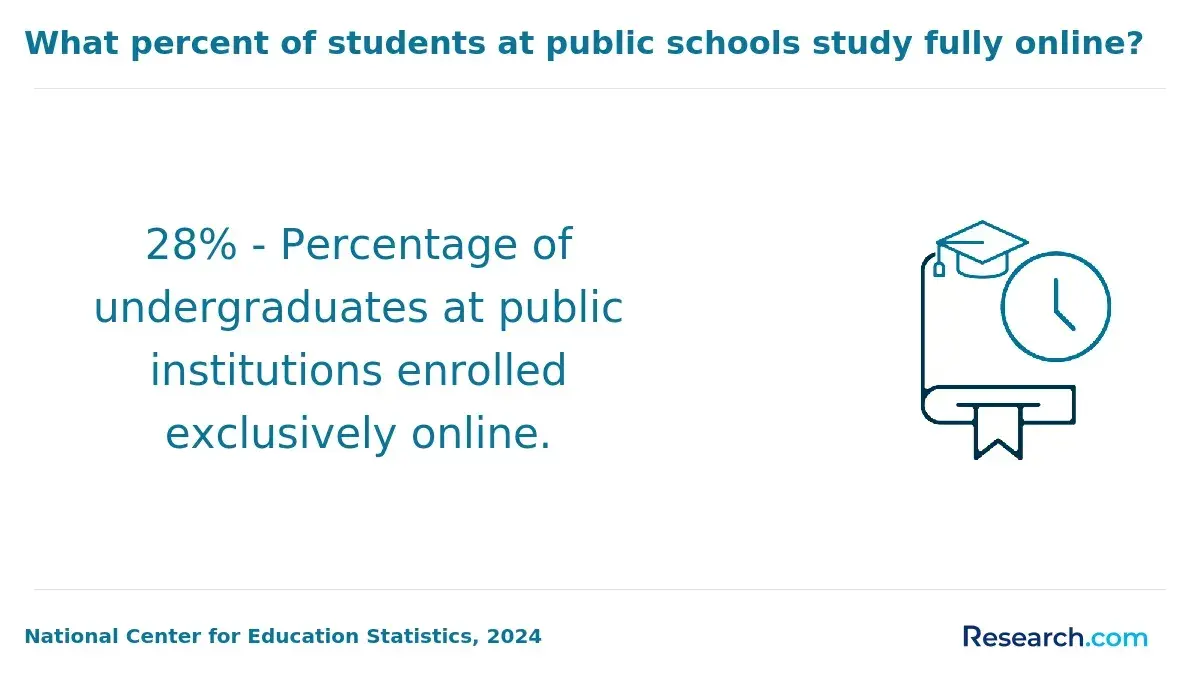
Are Admission Requirements Different for Online Machine Learning Master's Programs?
Admission requirements for online machine learning master's programs largely mirror those of traditional, on-campus programs in terms of GPA expectations, prerequisite coursework, and general eligibility criteria. Still, the online format introduces unique factors to consider, reflecting the different demands of remote study. These distinctions are essential when exploring eligibility and prerequisites for an online pathway.
Applicants to online programs in machine learning often face additional requirements designed to support successful completion. These include:
- Technological Readiness: Demonstrating proficiency with computers, relevant software platforms, and digital communication tools is often mandatory. Some programs may require a statement or even a skills assessment to confirm this competency.
- Internet and Hardware Requirements: Reliable high-speed internet access and suitable computing resources, such as high-performance laptops or cloud computing credits, are frequently required due to the intensive nature of machine learning coursework and remote participation.
- Self-Directed Learning Skills: Evidence of strong time management and independent study abilities might be requested, often through letters of recommendation or personal statements highlighting experience with remote work or autonomous learning environments.
- Virtual Interview or Orientation: To assess communication skills in digital settings and to ensure familiarity with online platforms, some programs conduct virtual interviews or orientation sessions. This helps reduce attrition in fully remote courses.
These factors distinguish online admissions criteria from on-campus programs, especially regarding the mode of delivery and student support needs. Prospective students interested in eligibility and prerequisites for online machine learning master's programs should also consider program-specific technology standards and personal readiness.
For those researching affordable advanced degrees, exploring options such as EdD educational leadership programs can provide additional insight into online graduate education formats.
When Are the Application Deadlines for Machine Learning Master's Programs?
Application deadlines for machine learning master's programs typically vary by program format, intake cycles, and institution type. Many schools operate on semester or quarter systems, with deadlines often aligned with fall, spring, or summer admissions. A key insight is that online or part-time programs may follow different schedules to better accommodate working professionals. Applicants should therefore understand the different types of deadlines commonly found in these programs.
Common Deadline Types:
- Priority Deadlines: These encourage early application submission and may offer benefits like earlier review or eligibility for scholarships. Applicants meeting priority deadlines often receive advantages during admission consideration.
- Final Deadlines: The absolute last date to submit all application materials for a specific term. Missing these deadlines usually means deferring enrollment until the next intake cycle.
- Rolling Admissions: Applications are accepted and reviewed continuously until all spots fill. This model offers flexibility but may limit availability later in the cycle.
- International Applicant Deadlines: Often set earlier to allow sufficient time for visa processing and other regulatory steps, these deadlines require careful attention from overseas candidates.
- Supplementary Material Deadlines: Deadlines for submission of recommendation letters, portfolios, or other supporting documents, sometimes separate from application submission dates.
Awareness of typical application deadlines for machine learning master's programs is critical to ensure timely and complete applications. Prospective students should carefully track these timelines on each program's admissions site and plan accordingly. Researching application schedules can be as important as understanding prerequisite coursework or GPA expectations. For those exploring interdisciplinary options, comparing deadlines alongside other fields, such as best construction management schools, offers insight into varied admission cycles across disciplines.
What Factors Increase Your Chances of Getting Into a Machine Learning Master's Program?
Admission to a machine learning master's program relies on a blend of academic achievements, professional background, and personal qualities. Studies show applicants who align their skills and aspirations with the program's focus tend to have stronger chances. Below are key factors that can improve your candidacy.
- Academic Performance: Admissions committees value consistent excellence or marked improvement over time, as this reflects both ability and dedication.
- Relevant Experience: Coursework, projects, or work related to machine learning or data science provide a practical foundation that bolsters your application.
- Application Quality: Clear, well-crafted materials, particularly a compelling personal statement, help communicate your motivation and fit for the program.
- Alignment with Program Goals: Demonstrating knowledge of faculty interests, research directions, and career outcomes shows you are a good match and ready to contribute.
- Strong Recommendations: Letters highlighting problem-solving skills, teamwork, and intellectual curiosity add depth and credibility to your profile.
- Professional and Research Exposure: Relevant work or research experience signals preparedness for graduate-level challenges beyond academic metrics.
What Graduates Say About Admission Requirements for Machine Learning Master's Programs
- Aldric: "Preparing for the machine learning master's program was both challenging and rewarding; the admission exams required a solid grasp of statistics and programming, which pushed me to deepen my skills significantly. Although the cost of preparation materials was somewhat high, the investment paid off when I secured a scholarship. This degree has undeniably accelerated my career, allowing me to lead innovative AI projects in my company."
- Naomi: "Reflecting on my journey, getting into the machine learning master's program demanded considerable time and dedication, especially balancing work and study. The expenses associated with preparation courses were tough but manageable with careful budgeting. Ultimately, the degree has transformed my professional life, equipping me with the expertise to transition into data science roles that were once out of reach."
- Julian: "The admission process for the machine learning master's was intense, encouraging me to sharpen my problem-solving and mathematical foundations. While the cost of prep was a bit steep, I found that self-study combined with community resources helped keep expenses down. Today, my advanced degree is a cornerstone of my career, opening doors to cutting-edge research positions and higher responsibility within my organization."
Other Things You Should Know About Machine Learning Degrees
Interviews can play a crucial role in the admission process for machine learning master's programs, providing insight into a candidate's motivations and fit beyond academic metrics. However, they aren't universally required and often complement other admission factors like GPA and prerequisites.
Many programs encourage applications from diverse backgrounds to foster an inclusive learning environment. While diversity is valued, admission decisions primarily focus on academic qualifications and relevant experience. Some programs may have initiatives or scholarships specifically aimed at underrepresented groups.
Research experience can significantly strengthen an application to a machine learning master's program, especially for those intending to pursue a PhD afterward. Publications are advantageous but not mandatory. Demonstrated involvement in relevant projects or internships also positively impacts admissions committees' evaluations.
References
- M.S. in Machine Learning https://www.msoe.edu/academics/graduate-degrees/m-s-in-machine-learning/
- Machine Learning Admission and Application https://uni-tuebingen.de/fakultaeten/mathematisch-naturwissenschaftliche-fakultaet/fachbereiche/informatik/studium/studierende/lehre-studienorganisation/studiengaenge/machine-learning/admission-and-application/
- Entry requirements for Machine Learning | KTH | Sweden https://www.kth.se/en/studies/master/machine-learning/entry-requirements-machine-learning-1.48539
- Master Programme in Applied AI | Luleå University of Technology https://www.ltu.se/en/education/programme/tmdia-master-programme-in-applied-ai
- Applied Machine Learning - Master of Science https://cmns.umd.edu/graduate/science-academy/machine-learning
- Artificial Intelligence and Machine Learning M.Sc. https://www.informatik.tu-darmstadt.de/studium_fb20/im_studium/studiengaenge_liste/aim_msc.en.jsp
- Application and admission - Master Artificial Intelligence https://www.uva.nl/shared-content/programmas/en/masters/artificial-intelligence/application-and-admission/international-prior-education/international-prior-education-foldout-menu.html
- Machine Learning – a new field of master's programs https://mimuw.edu.pl/en/studies/machine-learning-a-new-field-of-masters-programs/
- Machine Learning MSc https://www.ucl.ac.uk/prospective-students/graduate/taught-degrees/machine-learning-msc
- Machine Learning and Data Science (Online) MSc https://www.imperial.ac.uk/study/courses/postgraduate-taught/machine-learning-data-science/


