
2027 Am I Eligible for an Engineering Management Degree Master's Program? Admission Checklist & Options

Co-Founder and Chief Data Scientist
Consider a professional with five years' experience in a technical role seeking advancement through an engineering management master's degree but uncertain if their background aligns with strict admission criteria. Many programs require applicants to demonstrate prior leadership experience or hold specific undergraduate degrees in STEM fields. Data from the National Center for Education Statistics shows that enrollment in engineering management master's degrees has increased by 12% over the past five years, reflecting growing demand for these skills in industry. This article clarifies common eligibility requirements and explores various application pathways to help prospective students confidently assess their qualification for admission.
Key Things to Know About Engineering Management Degree Master's Program Eligibility
- Most programs require a bachelor's degree in engineering, technology, business, or a related STEM field, with a minimum GPA around 3.0.
- Relevant professional experience in engineering or project management can strengthen applications and sometimes substitute formal prerequisites.
- Applicants without traditional backgrounds may qualify via prerequisite courses, bridge programs, or conditional admission based on demonstrated skills and motivation.
What Are the Eligibility Requirements for a Engineering Management Master's Degree Program?
Eligibility requirements for engineering management master's programs ensure applicants possess the academic preparation and foundational skills necessary for graduate-level study. Recent surveys indicate that about 75% of engineering management master's admission criteria in the US include holding a bachelor's degree in engineering or a related field. Below are five common eligibility factors evaluated by universities.
- Academic Background: Applicants typically need a bachelor's degree in engineering, technology, or a closely related discipline. This requirement reflects the necessity of a technical foundation to succeed in advanced coursework.
- Minimum GPA Expectations: Most programs expect a cumulative undergraduate GPA of at least 3.0, demonstrating consistent academic performance and ability to handle graduate-level challenges.
- Foundational Subject Knowledge: Competence in core areas such as mathematics, statistics, and basic engineering principles is essential to engage effectively in research and complex problem-solving.
- Professional Readiness: Although work experience is not always mandatory, programs value applicants who exhibit motivation and the capability to apply theoretical knowledge to practical management issues.
- Institutional Admission Standards: Specific university or departmental policies maintain academic quality and ensure that applicants fit the program's framework and objectives.
Those exploring prerequisites for engineering management graduate programs may also consider flexible learning paths, including the best online masters in artificial intelligence, to complement their management skills.
What Prerequisite Courses Are Required for a Engineering Management Master's Degree?
Many engineering management master's programs expect applicants to complete foundational undergraduate courses to ensure their preparedness for advanced study. In fact, a 2022 survey found over 70% of engineering management master's prerequisite coursework includes key technical and management subjects. These requirements help build the essential background needed for success in graduate-level coursework. Below are some commonly required courses for engineering management graduate program applicants.
- Calculus and Linear Algebra: These courses develop quantitative and analytical skills critical for modeling and solving complex engineering problems. Mastery of these areas enables students to approach technical challenges with precision.
- Statistics and Probability: Proficiency in data analysis and assessing uncertainty supports informed decision-making and quality control, which are vital to effective management in engineering contexts.
- Engineering Economics: This course provides the fundamentals of cost analysis, budgeting, and financial decision-making within engineering projects, equipping students to assess project viability and resource allocation.
- Project Management: Covers planning, scheduling, and resource allocation techniques, which prepare students to lead engineering teams and manage complex projects successfully.
- Introduction to Engineering or Systems Engineering: Offers a broad overview of engineering principles and system integration, essential for understanding the technical and managerial facets of engineering work.
These foundational courses represent the core knowledge expected in required courses for engineering management graduate program admissions. Prospective students who lack some prerequisites may consider online classes for adults to complete these essential subjects before applying.
Do Engineering Management Master's Programs Require GRE or GMAT Scores?
GRE or GMAT scores have traditionally served as important indicators of a candidate's preparedness for graduate study in engineering management. Recently, however, the landscape has shifted, with many programs reevaluating the role of standardized tests. According to a report by the Council of Graduate Schools, nearly half of U.S. graduate programs have waived standardized testing requirements in recent years. Here are some key considerations regarding how GRE and GMAT scores factor into admissions decisions for engineering management master's programs:
- Test-Optional Policies: Numerous schools have adopted policies allowing applicants to decide whether to include GRE or GMAT scores. This approach aims to reduce barriers and promote more comprehensive evaluation of candidates.
- Academic Readiness Evaluation: When submitted, test scores provide useful insight into an applicant's quantitative and analytical skills, particularly important for those with nontraditional academic backgrounds.
- Program Competitiveness: Highly selective engineering management programs often maintain score requirements to distinguish among many qualified applicants.
- Alternative Evaluation Methods: Some institutions prioritize other factors such as professional experience, grade point averages, or recommendation letters over standardized exams.
- Strengthening Applications: Even where optional, submitting strong GRE or GMAT scores can enhance an application by demonstrating academic potential and commitment.
When discussing the role of these tests with a professional who completed an engineering management master's, he recalled uncertainty around whether to submit his GRE scores because the program described them as optional. "It was challenging to decide if I should invest extra time preparing and submitting the scores or focus on other application components," he said. Ultimately, he chose to submit his scores to strengthen his application. Reflecting on the process, he noted that understanding how each program weighed test scores helped him "navigate the admissions landscape with more confidence."
What Kind of Work Experience Is Required in Engineering Management Master's Programs?
Many engineering management master's programs view relevant work experience as a key indicator of professional readiness and dedication, with about 70% of admitted applicants possessing two or more years of such experience. Demonstrating practical and leadership skills through work history can enhance a candidate's fit for advanced study. The following five categories of professional experience are particularly valued by admissions committees:
- Project Management: Overseeing engineering projects or leading teams showcases abilities in planning, budgeting, and resource management, essential for overseeing complex technical work.
- Technical Engineering Roles: Hands-on experience in design, development, or testing provides a thorough grasp of engineering concepts and supports informed managerial decision-making.
- Quality Assurance and Control: Ensuring compliance with quality standards highlights attention to detail and a commitment to maintaining engineering excellence.
- Operations or Process Engineering: Managing production or manufacturing workflows reflects skills in optimizing systems and improving efficiency, key for leadership positions.
- Consulting or Cross-Functional Collaboration: Engaging with multidisciplinary teams or outside stakeholders develops communication and problem-solving skills critical for engineering management roles.
Applicants who bring these types of engineering management master's relevant work experience align well with program expectations, blending technical knowledge with leadership potential. Those exploring options can compare programs and find resources for professional development among the best online CACREP counseling programs to support career growth.
What Documents Are Required for a Engineering Management Master's Degree Application?
Most graduate programs require applicants to submit a collection of academic and supporting documents to thoroughly assess their qualifications. These materials help universities evaluate not only academic achievements but also professional potential and personal motivations. Below are five essential documents commonly requested for engineering management master's degree applications.
- Official Transcripts: These documents detail your previous undergraduate coursework and grades, offering proof of your academic background and subject mastery relevant to graduate study.
- Letters of Recommendation: Typically written by professors or supervisors, these letters provide insight into your abilities, character, and readiness for advanced education from an external and trusted perspective.
- Statement of Purpose: This essay explains your career aspirations, reasons for choosing engineering management, and how the program fits into your long-term goals, helping admissions gauge your commitment and clarity of purpose.
- Resume or Curriculum Vitae: A concise summary of your academic history, work experience, and accomplishments that highlights your qualifications and preparedness for graduate-level challenges.
- Application Form: A standardized form capturing your personal details, educational history, and program preferences to formally document your application.
When I spoke with a prospective graduate student preparing to enroll in an engineering management master's program, she shared how gathering all the required documents was initially daunting. She mentioned, "Coordinating recommendation letters took more time than I expected, especially explaining my career shift. Writing the statement of purpose made me really reflect on why I want this degree." Despite the challenges, she found the process rewarding, saying it clarified her goals and strengthened her confidence in pursuing this new path. Her experience highlights how assembling these documents can be both a practical and reflective step toward graduate studies.
When Should I Start Preparing My Engineering Management Master's Application?
Starting your preparation well ahead of application deadlines is essential for a strong engineering management master's program submission. Early planning not only gives you ample time to research and meet requirements but also helps keep your process organized. Consider dividing your efforts into three main stages:
- 12-18 Months Before Applying: Identify programs that match your professional objectives and thoroughly review their admission criteria. Use this time to plan any prerequisite courses that might enhance your application and build a foundation for your candidacy.
- 6-12 Months Before Applying: Concentrate on crafting your personal statements and refining your resume to emphasize relevant skills and experiences. Reach out to potential recommenders early to secure strong endorsements and share necessary details with them.
- 3-6 Months Before Application Deadlines: Complete your application package by polishing essays, gathering official transcripts, and filling out any required documents. Aim to submit your applications well before deadlines to avoid unexpected last-minute problems.
Breaking down your preparation into these phases ensures a systematic approach and increases your chances of presenting a compelling and competitive application for an engineering management master's degree.
Do Universities Offer Conditional Admission for Engineering Management Master's Programs?
Conditional admission is a pathway offered by some graduate programs that enables applicants who do not fully meet standard requirements to start coursework while they address specific academic conditions. Around 30% of U.S. engineering management master's programs provide this option, allowing students to demonstrate their potential for success. Below are five key points on how conditional admission typically functions in engineering management programs:
- Eligibility: Applicants slightly below minimum GPA thresholds or lacking certain prerequisites may be allowed conditional admission as an opportunity to prove their academic capabilities within the program.
- Common Conditions: Universities usually require completion of designated prerequisite courses or improvement of academic performance, such as raising GPA, within a set initial period-often the first semester or year.
- Timelines: Conditions must be fulfilled within a specific timeframe. Failure to meet these requirements can result in dismissal or denial of full admission status, emphasizing the importance of meeting deadlines precisely.
- Benefits: Conditional admission grants earlier access to classes and program resources, which can reduce delays associated with reapplying or completing prerequisites elsewhere, helping students progress more efficiently.
- Program-Specific Variations: Policies vary widely; some programs restrict conditional admission to certain terms or to domestic applicants only, making it essential to review individual university guidelines carefully before applying.
Are Admission Requirements Different for Online Engineering Management Master's Programs?
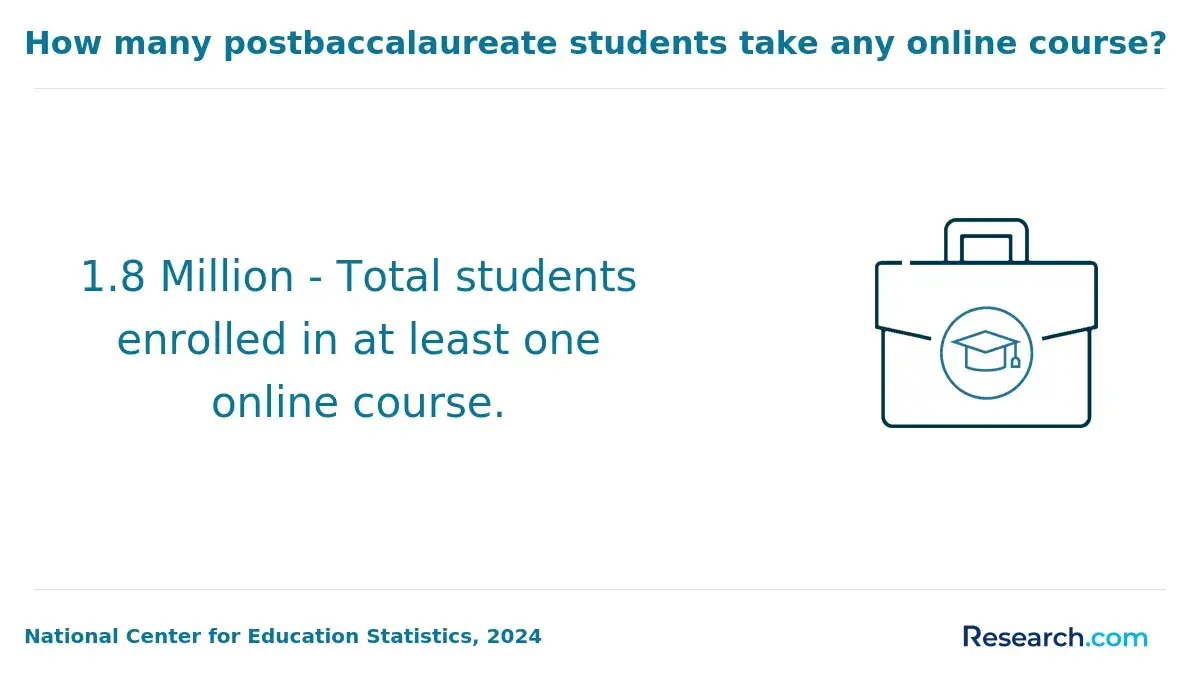
Admission requirements for online engineering management master's programs often mirror those of traditional on-campus options, maintaining similar academic standards while adapting to remote learning needs. According to the National Center for Education Statistics, 45% of graduate students enrolled in online courses highlight flexibility and accessibility as key motivators, which influences how admissions criteria are structured. Understanding the differences and similarities can help prospective students gauge their fit for these programs.
Key factors distinguishing online engineering management master's program admission criteria include:
- Prerequisite Flexibility: Online programs often accept a broader range of undergraduate degrees or relevant professional experience, reflecting the diversity of remote learners. This flexibility can accommodate applicants from varied academic or career backgrounds more readily than some on-campus programs.
- Professional Experience Considerations: Because many online students balance work and study, admissions committees may weigh professional experience more heavily. This emphasis supports the practical application of engineering management concepts in a career context and values real-world skills alongside academic achievement.
- Standardized Test Policies: GRE and other standardized test requirements are increasingly waived or optional for online applicants. This shift aligns with a broader trend toward holistic admissions that consider a fuller picture of an applicant's qualifications rather than relying solely on test scores.
- Documentation Procedures: Online applicants typically submit digital copies of transcripts, recommendation letters, and may complete virtual interviews. These requirements ensure authenticity and allow for seamless processing of applications without in-person visits, which differs somewhat from traditional methods.
- Technological Readiness: Proving access to reliable high-speed internet and compatible devices is often required for online programs to guarantee student engagement and success. This criterion is unique to online applicants and underscores the importance of technical preparedness in distance learning.
Prospective students looking to balance career and education might also explore options like the cheapest MLIS degree online as an example of how online degree programs are evolving to increase accessibility. Meeting the distinct admission criteria of engineering management master's programs, whether online or on-campus, involves considering these nuanced differences while maintaining a commitment to rigorous academic standards.
What Are the Eligibility Requirements for International Students Applying to a Engineering Management Master's Program?
International students interested in pursuing an engineering management master's program must fulfill standard admission criteria along with additional requirements that address language proficiency, academic credential reviews, and legal eligibility to study in the U.S. Meeting these criteria is essential for smooth admission and enrollment processes.
The admission requirements for international applicants in engineering management often include the following:
- English Language Proficiency: Applicants typically need to submit TOEFL or IELTS test scores to demonstrate adequate English skills, ensuring they can participate fully in academic discussions and coursework.
- Academic Credential Evaluation: Degrees and transcripts from institutions outside the U.S. must be evaluated by recognized agencies to confirm equivalency to a U.S. bachelor's degree, establishing eligibility for graduate study.
- Visa Eligibility: Candidates must comply with U.S. visa regulations, usually obtaining an F-1 or J-1 student visa. This involves proving their intent to study and maintaining strong ties to their home country.
- Financial Documentation: Schools require proof of sufficient funds to cover tuition and living expenses. Acceptable evidence includes bank statements, affidavits of support, or scholarship award letters.
- Program-Specific Prerequisites: Some programs expect prior coursework in engineering, mathematics, or management as well as relevant work experience to ensure readiness for the curriculum.
Prospective applicants should also consider reviewing top data science programs as complementary fields of study. Understanding international student eligibility for engineering management master's programs helps individuals tailor their applications effectively and meet the admission requirements for international applicants in engineering management.
What Mistakes Should I Avoid When Applying to Engineering Management Master's Programs?
Applicants who understand common pitfalls in the master's application process for engineering management can improve their chances for acceptance into competitive programs. Research indicates that nearly 40% of applications are rejected because of avoidable errors. Being aware of frequent mistakes can help tailor your submission to meet all expectations and stand out. Below are some crucial errors to avoid:
- Submitting Incomplete Materials: Omitting required documents such as transcripts, letters of recommendation, or test scores often leads to immediate rejection. Ensuring every item on the application checklist is included and properly verified can prevent disqualification.
- Ignoring Program-Specific Requirements: Each engineering management program may demand particular prerequisites like specific coursework or relevant professional experience. Neglecting these requirements can make your application appear less prepared and reduce your competitiveness.
- Writing a Generic Personal Statement: Personal statements should clearly express why you are interested in engineering management and how your background aligns with the program. Failing to personalize your essay can weaken your appeal to admissions committees.
- Missing Deadlines: Late submissions are rarely accepted, so maintaining an organized schedule with reminders is essential. Starting the application process early allows time to address any unexpected issues.
- Failing to Demonstrate Clear Academic or Career Goals: Vague intentions can cast doubt on your motivation and commitment. Clearly linking your degree pursuit with specific professional objectives strengthens your application's impact.
What Graduates Say About Engineering Management Degree Master's Program Eligibility
- Azai: "I chose to pursue a master's in engineering management because I wanted to bridge the gap between technical expertise and leadership skills. Navigating the eligibility requirements, especially securing relevant work experience, was challenging but ultimately rewarding. The program took me just under two years to complete, and the knowledge I gained has already started to impact my career positively."
- Russell: "Reflecting on my time in the engineering management master's program, I appreciate how the admissions criteria pushed me to strengthen both my academic and professional background. It wasn't easy balancing work and study, but completing the program in two and a half years gave me a deep understanding of project management and strategic decision-making. I'm glad I persevered through the prerequisites because the outcome truly exceeded my expectations."
- Christian: "As a professional aiming to advance into leadership roles, I found the engineering management master's degree to be a perfect fit. The hurdle of fulfilling eligibility requirements, such as submitting a comprehensive resume and recommendation letters, taught me the importance of preparation and persistence. Completing the coursework in just eighteen months was intensive but well worth it for the career doors it has opened."
Other Things You Should Know About Engineering Management Degrees
Yes, many engineering management master's programs accept applicants with bachelor's degrees in related fields such as science, technology, mathematics, or business. However, applicants may need to complete prerequisite coursework to build foundational engineering knowledge before starting the graduate program.
Yes, several institutions offer part-time enrollment for working professionals pursuing an engineering management master's degree. This flexibility allows students to balance work and study, but eligibility for part-time study may depend on the specific program's policies.
In 2027, admission typically requires a bachelor's degree in engineering or a related field, along with relevant work experience. While a professional engineering license is not necessary, applicants may need to submit GRE scores, recommendation letters, and a statement of purpose.
Applicants with managerial experience outside the engineering field may be considered eligible if they demonstrate a strong technical background or complete required foundational coursework. Admissions committees often value leadership skills combined with technical competence for successful program completion.
References
- What is a Masters in Engineering Management Degree? https://www.staffordglobal.org/blog/masters-engineering-management-degree/
- Masters in Engineering Management Requirements: Everything You Need to Know https://engineeringmanagement.org/mem-requirements/
- M.Sc. in Engineering Management, specialization: Managing Enterprise of the Future https://www.studyinpoland.pl/en/programme
- Online Engineering Master's Programs No GRE or GMAT Required https://www.onlineengineeringprograms.com/faq/no-gre-online-engineering-programs
- Integrated Master's Program in Engineering Management (M.S.) https://www.hofstrainternationalprograms.com/en/courses/integrated-master-s-program-in-engineering-management-m-s
- Master of Science in Engineering Management | Graduate Programs & Policies | Academic Catalog https://www.uml.edu/catalog/graduate/engineering/msem.aspx
- Do I Need Work Experience for an Engineering Management Degree? https://www.topmanagementdegrees.com/work-experience-engineering-management-degree/
- Engineering Management, M.S. https://www.kettering.edu/academics-research/programs/engineering-management-masters
- 10 Biggest Mistakes Every Engineering Student Must Avoid https://www.snycosmos.com/10-biggest-mistakes-every-engineering-student-must-avoid/
- Masters in Engineering Management Requirements: Everything You Need to Know https://authory.com/ErinCates/a/Masters-in-Engineering-Management-Requirements-Everything-You-Need-to-Know-a042e88d7bca1448f933a87eb4d386d43


