
2027 What Prerequisites Do You Need for a Business Communications Degree? Entry Requirements, Credits & Eligibility Rules

Co-Founder and Chief Data Scientist
Before you apply to a business communications degree, the practical question is not whether you are “good at communicating.” It is whether your academic record, transfer credits, writing skills, technology access, and documentation meet the standards of the school and program you want. Missing one required course or document can delay admission, limit transfer credit, or add costs before you even begin major coursework.
Business communications programs usually combine communication theory, professional writing, public relations, marketing, organizational communication, data interpretation, and business fundamentals. Because the field sits between business and media-related disciplines, prerequisites can vary more than students expect. A university may admit you generally, while the business communications major may still require specific courses, grades, portfolios, technology readiness, or proof of English proficiency.
This guide explains the common prerequisite requirements for business communications degrees in 2026, including high school preparation, college-level courses, transfer credit rules, standardized testing, professional experience, online technology requirements, international student documentation, and cost considerations. Use it to compare programs, avoid preventable delays, and prepare a stronger application.
Key Things to Know About the Prerequisites for a Business Communications Degree
- Most programs require completion of foundational courses in English, basic communication, and introductory business, ensuring students have essential literacy and analytical skills before advanced study.
- A minimum GPA of 2.5 to 3.0 on a 4.0 scale is typically expected, reflecting academic preparedness and consistent performance in relevant subjects.
- Applicants must often demonstrate competencies in digital literacy, critical thinking, and sometimes professional writing, aligning with evolving industry communication standards.
Do Business Communications Programs Require Specific High School Prerequisites?
Most business communications programs do not require a highly specialized high school curriculum. However, admissions offices and academic departments often expect applicants to show readiness in writing, reading, presentation, basic quantitative reasoning, and social awareness. These skills matter because business communications coursework usually involves writing for professional audiences, analyzing messages, presenting ideas, and understanding how organizations communicate with customers, employees, media, and stakeholders.
For students reviewing business communications degree high school requirements 2026, the strongest preparation usually includes:
- English: Strong performance in English is one of the most useful indicators of readiness. Students should be comfortable reading complex material, writing clear arguments, revising drafts, and speaking in class. These habits carry directly into professional writing, public speaking, media writing, and organizational communication courses.
- Mathematics: Advanced math is not always required, but algebra and statistics are commonly recommended. Business communications students often work with survey results, campaign metrics, audience research, and basic data reports. A weak quantitative foundation can make these assignments harder than expected.
- Social studies: Economics, civics, government, psychology, and sociology can help students understand audiences, institutions, public opinion, consumer behavior, and workplace dynamics. This background is especially useful for public relations, internal communications, and strategic messaging.
Students who lack one of these areas can still be admitted to many programs, especially if the school has open, broad, or test-optional admissions. The issue is usually not automatic rejection; it is placement. A student may need remedial writing, introductory math, or additional general education coursework before moving into the major.
Students who meet these prerequisites or strong recommendations tend to be better positioned for early success. This alignment also corresponds with a nearly 5% yearly increase in enrollment in communication-related programs tracked by the National Association of Colleges and Employers (NACE) through 2023.
For students who want a shorter path into workplace-ready skills before or alongside a degree, 6 month courses that pay well may offer focused training in areas that complement business communications, such as digital tools, writing, marketing, or administrative skills.
The evolving prerequisites for business communications programs 2026 point to a clear pattern: schools want students who can write well, think analytically, interpret audiences, and adapt to professional communication environments.
What College-Level Prerequisites Are Required Before Starting a Business Communications Degree?
College-level prerequisites depend on whether you are entering as a first-year student, transferring from another college, or moving into the major after completing general education courses. Many schools allow students to enroll at the university first, then formally declare or enter the business communications major after completing foundational courses with acceptable grades.
Common college-level entry requirements for business communications programs include:
- Introductory communication courses: These courses introduce communication theory, interpersonal communication, group communication, and sometimes public speaking. They help students understand how messages are created, interpreted, and evaluated in professional settings.
- Statistics: Statistics supports research literacy, audience analysis, and campaign measurement. Even when the program is writing-heavy, students may need to interpret data from surveys, web analytics, market research, or organizational reports.
- Business or professional writing: A professional writing course teaches students to prepare emails, memos, reports, proposals, presentations, and other workplace documents. Programs may use this course to confirm that students can write clearly before taking upper-division communication classes.
- Lab sciences or social sciences: Some schools require broader general education coursework before major admission. These classes strengthen research, evidence evaluation, and critical thinking, which are useful in communication strategy and business decision-making.
According to the National Center for Education Statistics, over 70% of business communications degree programs mandate such foundational courses. The practical takeaway is simple: do not assume university admission means you are immediately eligible for every upper-division business communications course. Ask whether the program has separate major-entry requirements, minimum grades, or course sequencing rules.
Students comparing career-focused alternatives can also review short certificate programs that pay well online, especially if they want to build specific skills before committing to a full degree pathway.
How Many Credits Can You Transfer Into a Business Communications Degree?
Transfer credit limits for business communications degrees generally fall between 30 and 90 semester credits, but the usable number may be lower than the total credits you have earned. Schools evaluate not only how many credits you completed, but also where they came from, whether the institution was accredited, what grades you earned, how old the courses are, and how closely the courses match the new program’s curriculum.
Many U.S. colleges permit transferring up to 60-70% of the total credits required for a bachelor's degree. Some smaller schools or community colleges often impose lower caps, typically around 30-45 credits. Most institutions also require students to complete a minimum number of credits, such as 30, directly through that school to satisfy residency requirements.
In practice, transfer credits usually fall into three categories:
- General education credits: These are often the easiest to transfer because English composition, humanities, social sciences, math, and lab science courses are common across institutions.
- Business or communication foundation credits: Introductory communication, public speaking, marketing, management, business writing, and statistics may transfer if course descriptions and learning outcomes align.
- Upper-division major credits: These are more likely to be reviewed closely. A school may reject, limit, or reclassify advanced courses if they do not match its business communications curriculum.
Students should also watch for common restrictions. Credits from non-accredited institutions may be rejected. Some schools place time limits on older coursework, usually within the past decade. Others may limit credits from online, alternative, military, workplace, or exam-based learning depending on institutional policy.
The best approach is to request a formal transfer credit evaluation before enrolling, not after. Provide syllabi, course descriptions, official transcripts, and any documentation that shows learning outcomes. If you are choosing between schools, compare how each one applies your credits to the actual degree plan, not just the total accepted credit count.
A student in a business communications degree program described the transfer process as manageable once she stopped guessing and worked directly with an advisor. She was initially anxious about how many of her previous credits would count, but a course-by-course review helped her understand which classes applied to general education, which counted toward the major, and which would transfer only as electives.
"It was a bit overwhelming at first," she admitted, "but once I understood how my old courses matched the new curriculum, I could plan my next steps more confidently." Her experience shows why early advising can prevent duplicated coursework and unexpected graduation delays.
Do You Need SAT or ACT Scores to Get Into a Business Communications Degree Program?
Most business communications degree programs have moved toward test-optional or test-free admissions policies as of 2026. That means many applicants can apply without SAT or ACT scores, especially at institutions that evaluate students through GPA, coursework, essays, recommendations, and other evidence of readiness.
However, test policies are not the same everywhere. Some competitive programs and highly selective public universities still request or consider SAT or ACT scores. Certain merit-based scholarships connected to business communications studies may also review standardized test results, even when the degree program itself does not require them.
If scores are optional, the decision to submit them should be strategic:
- Submit scores if they strengthen your profile: Strong scores may help if your GPA is uneven, your school offered limited advanced coursework, or you are applying for scholarships that consider test results.
- Withhold scores if the rest of your application is stronger: If your grades, writing samples, leadership activities, and recommendations show stronger readiness than your test scores, a test-optional policy may work in your favor.
- Check scholarship rules separately: Admissions and scholarship offices may use different criteria. A school can be test-optional for admission but still request scores for certain awards.
In place of standardized exams, admissions committees increasingly emphasize high school GPA, completion of relevant coursework, writing ability, communication potential, and evidence of motivation. Personal statements and essays are especially important for business communications applicants because they directly demonstrate clarity, tone, structure, and audience awareness.
Some programs may also consider portfolios with writing samples, multimedia projects, presentations, campus media work, marketing content, or public relations materials. Letters of recommendation and interviews can help show interpersonal judgment, professionalism, and readiness for collaborative coursework.
What Essential Skills Do You Need Before Enrolling in a Business Communications Degree Program?
Before enrolling in a business communications degree program, students should be ready to write, speak, research, collaborate, and use common digital tools. These skills do not need to be perfect on day one, but weak preparation can make early courses more stressful and may affect grades in writing-heavy assignments.
The most important readiness areas include:
- Academic foundations: Students need strong reading comprehension, grammar, organization, and revision habits. Business communications courses often require students to analyze audiences, summarize research, build arguments, and produce polished written work.
- Technical competence: Familiarity with Microsoft Office, Google Workspace, presentation software, learning management systems, content management systems, and basic design tools can make assignments easier to complete. Students do not need to be advanced designers, but they should be comfortable creating documents, slides, spreadsheets, and multimedia content.
- Analytical and problem-solving skills: Business communications is not only about wording. Students must diagnose communication problems, identify stakeholders, interpret data, evaluate channels, and recommend practical solutions.
- Communication abilities: Strong oral and written communication, active listening, cultural sensitivity, and audience awareness are central to the field. Students should be prepared to receive feedback and revise their work based on purpose, audience, and context.
- Field preparedness: Prior exposure to business, marketing, journalism, public relations, social media, or media production can make the curriculum more familiar. This experience is helpful but not always required for entry-level undergraduate programs.
A useful self-check is to ask whether you can write a clear one-page memo, deliver a short presentation, interpret a basic chart, participate in a group project, and learn a new software platform without extensive support. If one of these areas feels weak, strengthen it before the semester begins.
When asked about preparation, a recent graduate described the process as challenging but worthwhile. He spent months improving his writing and research skills while learning common software programs. "I realized early on that clear communication isn't just about writing well-it's about understanding different audiences and being adaptable," he said. That preparation made the first year of the program less overwhelming and helped him participate more confidently in team-based assignments.
Do You Need Professional Experience to Enter a Business Communications Degree Program?
Undergraduate business communications programs usually do not require professional experience. Most first-year applicants are evaluated based on academic records, prerequisite coursework, writing ability, and general admissions criteria. Transfer students may be asked for college transcripts and course equivalencies rather than a resume.
Professional experience becomes more important in graduate, adult-completion, executive, or specialized tracks. Some programs recommend or require relevant work in communications, marketing, public relations, media, customer relations, human resources, or business operations. Many programs seek applicants with one to three years in positions such as corporate communications coordinator, public relations assistant, or digital marketing analyst to strengthen their applications.
Experience can help because business communications often deals with real organizational problems: managing reputation, preparing messages for different audiences, responding to stakeholders, presenting data, coordinating campaigns, and communicating during change. Students with workplace experience may have stronger examples to use in class discussions, projects, and case analyses.
Applicants without professional experience can still be competitive, especially for entry-level programs. They can strengthen an application through:
- Academic performance: Strong grades in English, communication, business, social science, or statistics courses can show readiness.
- Writing samples: Essays, reports, newsletters, blog posts, scripts, or media projects can demonstrate communication ability.
- Campus or volunteer work: Student government, clubs, school publications, nonprofit work, event planning, and community outreach can provide relevant experience.
- Internships or certificates: Short training or supervised experience can help fill gaps before applying to more competitive programs.
The key is to read the admissions language carefully. “Recommended” experience is different from “required” experience. If a program says experience is preferred, a strong academic record and evidence of communication skill may still offset limited work history.
What Tech Prerequisites Must You Meet Before Starting an Online Business Communications Degree?
Online business communications degree tech requirements 2026 are more than a convenience issue. Online students need reliable access to video meetings, discussion boards, presentation tools, collaborative documents, digital research databases, and sometimes multimedia production platforms. If your technology setup is weak, you may lose time troubleshooting instead of completing coursework.
The most common technology prerequisites include:
- Hardware: A reliable computer with at least 8GB RAM, a recent multi-core processor, and an HD webcam is typically necessary for video conferencing, presentations, recorded speeches, group projects, and multimedia assignments.
- Internet speed: A stable broadband connection with minimum speeds of 25 Mbps download and 3 Mbps upload helps support live classes, video uploads, online testing, file sharing, and collaborative work.
- Software and platforms: Students should be ready to use learning management systems such as Blackboard, Canvas, or Moodle, along with Microsoft Office or Google Workspace for writing, presentations, spreadsheets, and group collaboration.
- Digital literacy: Online learners are expected to manage email professionally, upload files correctly, join video meetings, use discussion boards, troubleshoot basic problems, and communicate with instructors before small issues become missed deadlines.
Business communications students may also need to create slides, record presentations, edit simple media, manage shared documents, or analyze engagement data. Before enrolling, ask whether the program requires specific software subscriptions, proctored exams, a webcam, a microphone, cloud storage, or access to design and analytics tools.
Meeting these technical prerequisites is especially important because online business communications programs rely on digital interaction to mirror modern workplace communication. Students interested in finding the cheapest phd online programs should apply the same technology-readiness checklist when comparing advanced online options, since reliable access and platform fluency remain essential at higher levels of study.
What Prerequisites Do International Students Need for Business Communications Programs?
International students usually must meet the same academic prerequisites as domestic students, plus additional documentation requirements for language proficiency, credential evaluation, financial verification, and visa compliance. Because business communications depends heavily on reading, writing, speaking, and audience analysis, English proficiency requirements are especially important.
Common prerequisites for international applicants include:
- English Language Proficiency: Most programs require proof of English proficiency through tests like TOEFL or IELTS. Minimum scores vary by institution and program, so applicants should check both university-wide and department-specific requirements.
- Academic Records Evaluation: Transcripts from foreign institutions often need to be evaluated for equivalency to the U.S. education system. Credential evaluation services may be required to verify course levels, grades, credits, and transfer eligibility.
- Standardized Test Scores: Some schools may require GRE or GMAT scores, especially for graduate-level business communications studies. These tests may be used to assess analytical and verbal reasoning.
- Financial Documentation: Proof of sufficient funds is typically required to cover tuition and living expenses during study in the U.S. This documentation is often connected to the visa process and institutional enrollment requirements.
- Visa and Immigration Compliance: Applicants must secure the appropriate student visa and follow U.S. immigration rules. Requirements can affect course load, online study limits, employment eligibility, and continued enrollment.
International applicants should begin early because transcript evaluation, score reporting, financial documentation, and visa processing can take longer than expected. They should also ask whether completed coursework from outside the United States can satisfy general education or major prerequisites. Some credits may transfer as electives rather than direct equivalents.
Prospective students can explore detailed guidance and approved schools for various states such as Alabama and California, since educational policies and institutional procedures vary. Research on enrollment trends also reflects changing eligibility rules and credit transfer norms across institutions nationwide.
For students comparing online study options that require clear documentation and institutional eligibility, FAFSA accredited online schools can provide a useful point of reference for understanding how structured enrollment and documentation standards work in U.S. higher education.
How Do Program-Specific Prerequisites Differ from General University Requirements?
General university requirements determine whether you can be admitted to the institution. Program-specific prerequisites determine whether you can enter, remain in, or progress through the business communications major. Confusing the two is a common reason students discover late that they need extra coursework, a minimum grade, a portfolio, or additional documentation.
General university admission requirements
- Minimum GPA thresholds: Most universities require a minimum GPA, commonly between 2.5 to 3.0, as a baseline for undergraduate admission.
- English language proficiency: Non-native speakers must demonstrate competency through tests such as TOEFL or IELTS so they can handle coursework taught in English.
- General education coursework: Universities often require broad preparation in humanities, sciences, math, writing, and social sciences to establish overall academic readiness.
Program-specific prerequisites for business communications degree 2026
- Targeted coursework: Some programs require prior completion of math, statistics, social sciences, business, writing, public speaking, or introductory communication courses before students can take upper-division major classes.
- Portfolio and skill demonstration: Some business communications curricula require portfolios, writing samples, multimedia work, or other proof that students can communicate effectively in professional formats.
- Relevant experience: According to the National Association of Colleges and Employers (NACE, 2023), nearly 40% of communication programs expect documented work experience or portfolios, emphasizing professional readiness.
The difference matters when building an academic timeline. A student may be admitted to the university but placed in pre-major status until completing required courses. Another student may have enough credits to transfer as a junior but still need lower-division communication or business prerequisites before taking advanced classes.
Before applying, ask each school these questions:
- Is business communications a direct-admit major, or do students apply after completing prerequisites?
- Are there minimum grades for specific courses?
- Can transfer courses satisfy major prerequisites, or only general education requirements?
- Is a portfolio, interview, resume, or writing sample required?
- Will missing prerequisites delay graduation?
Students can also strengthen their background through complementary options such as certifications online that pay well, particularly if they want to demonstrate practical skills in communication, business tools, or digital media.
Overall, meeting general university admission requirements for business communications is only the first step. The program-level requirements determine how quickly you can begin major coursework and how prepared you will be for the communication, business, and strategy components of the degree.
Do You Need to Pay for Prerequisite Courses Before Applying to a Business Communications Program?
Yes, students generally must pay for prerequisite courses before applying to or entering a business communications program unless they have already completed equivalent credits. These courses may be taken at the institution where the student plans to enroll, at a community college, through another accredited college, or through approved online coursework.
Typical prerequisite subjects include English composition, public speaking, introductory communication, basic business, statistics, or general education courses. The safest option is to confirm in writing that a course will transfer or satisfy the requirement before paying for it.
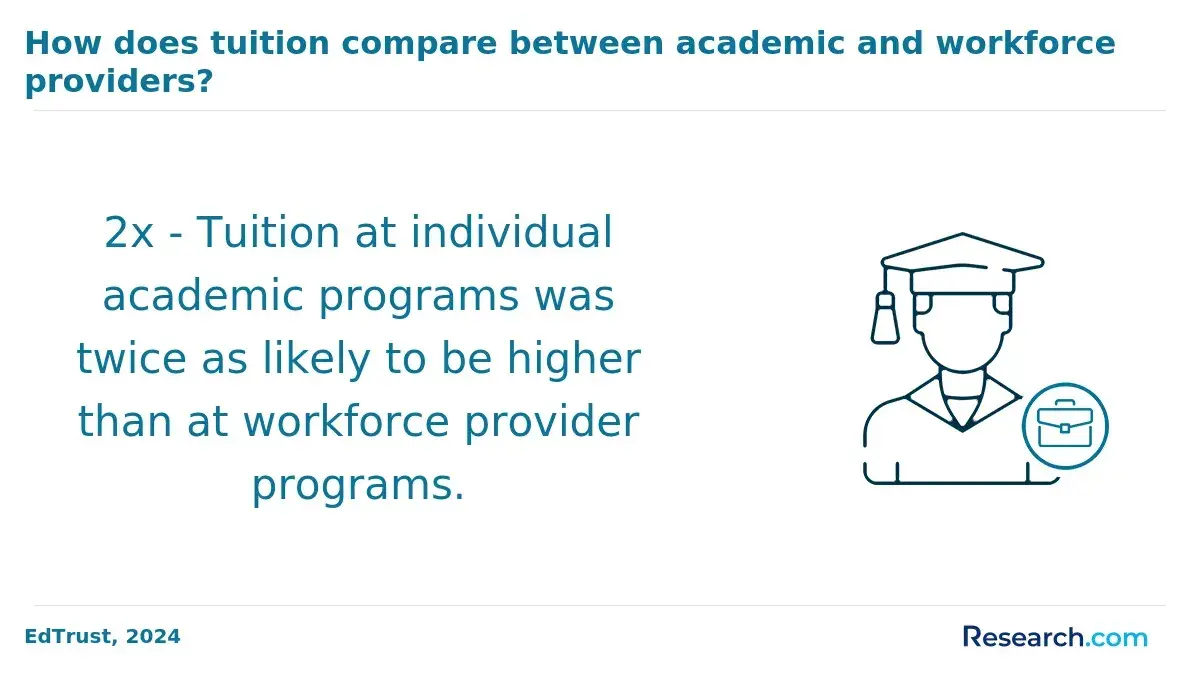
Tuition costs vary widely. Community colleges typically offer lower rates-around $3,400 annually for in-district students-while four-year universities and private colleges usually charge higher prices. Online courses may provide flexible pricing, from free access with optional paid certificates to full tuition payments for comprehensive classes.
Students can reduce prerequisite costs by using several strategies:
- Transfer approved credits: Prior college courses, AP exams, or completed university coursework may satisfy requirements and prevent duplication.
- Use placement tests: Some schools allow students to test out of writing, math, or introductory requirements if they demonstrate sufficient skill.
- Choose lower-cost accredited options: Community colleges and approved online courses may cost less, but students should verify transferability before enrolling.
- Apply for financial aid: Federal grants, scholarships, institutional aid, and need-based assistance may help cover eligible coursework.
- Compare full program costs: If affordability is a major concern, researching an affordable online business degree can help students understand lower-cost routes that may still include relevant communication and business preparation.
The biggest mistake is taking a prerequisite that does not count. Before registering, send the course title, catalog description, credit value, institution name, and syllabus if available to the receiving school. Ask whether the course satisfies the exact prerequisite, transfers only as an elective, or will not transfer at all.
What Graduates Say About the Prerequisites for Their Business Communications Degree
-
: "Getting into a business communications degree program was straightforward after completing all the prerequisite courses, which gave me a solid foundation. Although the average cost of attendance was somewhat high, I found the investment worthwhile because of the practical skills and networking opportunities I gained. Today, my career has flourished because of the strategic communication techniques I learned, which helped me improve in client relations and project management.
— Valentino"
-
: "I was initially unsure about the financial commitment required for a business communications degree, but after fulfilling the prerequisites, I realized it was manageable with careful planning and scholarships. The program's focus on real-world applications shaped my approach to professional communication and made me more confident and effective. Looking back, I appreciate how this degree opened doors I had not anticipated.
— Zev"
-
: "The process of meeting the prerequisite requirements for the business communications program was rigorous, but it ensured I was well prepared for the challenges ahead. Considering the average cost of the program, I viewed it as a strategic investment in my future. The impact on my career has been significant-I've gained leadership skills and improved my ability to explain complex ideas clearly, which has accelerated my professional growth.
— Grayson"
Other Things You Should Know About Business Communications Degrees
Some programs allow students to take prerequisite courses alongside their core business communications classes, particularly if they lack foundational knowledge. However, this depends on the university's policies, and students should verify if concurrent enrollment is permitted to avoid academic overload.
For a 2027 Business Communications Degree program, standardized tests such as the SAT or ACT may be required. Specific score requirements vary by institution, so it's important to check with the university you're applying to for detailed admission criteria.
Most business communications programs in 2027 focus on academic prerequisites and typically do not require background checks or other non-academic prerequisites. However, some institutions may have unique requirements, so it's advised to review specific program guidelines or consult admissions for accurate details.
References
- Bachelor in Communication Studies (BCS) - United International Business School (UIBS) https://www.uibs.org/undergraduate/bachelor/communication-studies-bcs/
- Online Bachelor of Business Administration and Digital Innovation with Digital Communication & PR https://www.global-business-school.org/programs/bachelor-europe-bachelor-of-business-administration-online/online-bachelor-of-business-administration-and-digital-innovation-with-digital-communication-pr/
- General Education and Common Curriculum Requirements | Undergraduate Programs https://undergrad.business.uconn.edu/academics/cc-gen-ed/
- Business Communication Undergraduate Program at Concordia University, Nebraska https://www.cune.edu/academics/undergraduate/business-communication
- Pre-requisite for Business Programs https://thecanadiancollege.ca/pre-requisite-for-business-programs/
- Program page - Trent Durham GTA https://www.trentu.ca/durham/program/communications/business-communication
- Business Communications and Technology Essentials Certificate https://www.nhcc.edu/academics/degree-pathways/business-and-information-systems/business-communications-and-technology
- Business Analyst Certification: What You Need to Know in 2026 https://www.coursera.org/articles/business-analyst-certification
- International Business Communication | Radboud University https://www.ru.nl/en/education/bachelors/international-business-communication
- BA in Communication https://catalog.missouri.edu/collegeofartsandscience/communication/ba-communication/


